100% Herbal & Natural |
Extra 10% OFF with code SATRISHI10 |
Backed by Ayurveda |
Free Shipping Above ₹399 |
100% Herbal & Natural |
Extra 10% OFF with code SATRISHI10 |
Backed by Ayurveda |
Free Shipping Above ₹399 |
100% Herbal & Natural |
Extra 10% OFF with code SATRISHI10 |
Backed by Ayurveda |
Free Shipping Above ₹399 |
100% Herbal & Natural |
Extra 10% OFF with code SATRISHI10 |
Backed by Ayurveda |
Free Shipping Above ₹399 |


Mental well-being is essential in today’s fast-paced world where stress and anxiety have become increasingly common. Ayurveda, the ancient Indian system of healing, and Pranayama, the practice of controlled breathing, offer effective solutions for achieving mental balance and peace. Together, they work by harmonizing the mind and body, reducing stress, and promoting clarity and calmness.
In Ayurveda, mental well-being is connected to the balance of the three doshas: Vata, Pitta, and Kapha. These doshas govern not only physical health but also mental states and emotions. Imbalances in any of the doshas can result in stress, anxiety, and mental fatigue.
An aggravated Vata dosha is often linked to anxiety, nervousness, and overthinking. Vata is light, mobile, and airy in nature, which can lead to a scattered mind and feelings of unease.
When Pitta, the dosha associated with fire, is imbalanced, it can manifest as irritability, frustration, and mental burnout. Pitta imbalance can make it difficult to stay calm and focused.
Excessive Kapha, which is associated with heaviness and stagnation, can result in mental sluggishness, lethargy, and even depression. Balancing Kapha helps increase energy and mental clarity.
Ayurveda offers solutions through lifestyle changes, diet, herbs, and specific practices like Pranayama to balance the doshas and support mental health.
Pranayama is the practice of controlled breathing and is one of the key components of yoga and Ayurveda. It involves regulating the breath to balance the mind, reduce stress, and improve mental clarity. Each Pranayama technique works to balance the doshas and calm the nervous system, offering significant mental health benefits.

Different types of Pranayama techniques target specific mental imbalances, helping to calm the mind, boost focus, or relieve stress. Here are some of the most effective Pranayama practices for mental well-being according to Ayurveda.
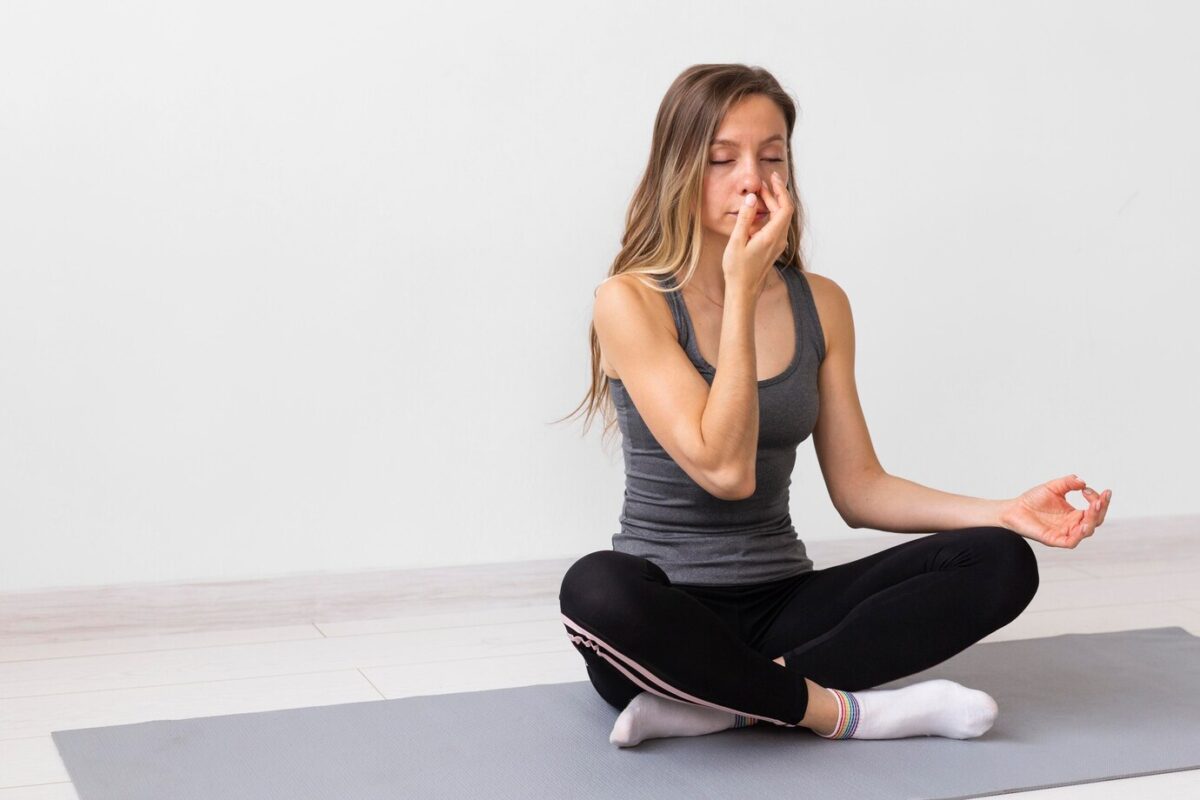
Nadi Shodhana is one of the most powerful Pranayama techniques for balancing the mind and reducing stress. This practice involves breathing alternately through each nostril, which balances both hemispheres of the brain and harmonizes the doshas.
Bhramari, or Bee Breath, is a calming Pranayama technique that helps reduce anxiety and mental tension. The practice involves making a humming sound like a bee, which soothes the mind and promotes deep relaxation.
Sheetali Pranayama is a cooling breath technique that reduces mental stress and irritability, especially in individuals with a Pitta imbalance. It involves inhaling through a curled tongue, which cools both the body and the mind.
Ujjayi Pranayama, or Ocean Breath, is known for its soothing effect on the mind and body. It involves inhaling and exhaling through the nose while slightly constricting the throat, creating a sound like ocean waves.
Kapalabhati is an energizing Pranayama technique that helps clear mental fog and invigorates the mind. It involves short, forceful exhalations followed by passive inhalations.

While Pranayama is powerful on its own, combining it with Ayurvedic practices can further enhance its benefits for mental well-being. Here are a few Ayurvedic recommendations to complement your Pranayama practice:
Following an Ayurvedic diet that balances the doshas can greatly impact mental well-being. For example:
Incorporating Ayurvedic herbs into your routine can support mental clarity and calmness. Herbs like Brahmi, Ashwagandha, and Shankhapushpi are known for their adaptogenic properties, helping the body handle stress and improving cognitive function.
Alongside Pranayama, practicing meditation and yoga can help stabilize the mind and maintain emotional balance. These practices enhance mindfulness and reduce mental chatter, making it easier to focus and stay calm.
Following a regular daily routine, or Dinacharya, is crucial for mental stability. Having a structured routine helps calm Vata and reduce stress, which promotes overall mental well-being.
Pranayama and Ayurveda offer a holistic approach to mental well-being by addressing the root causes of stress, anxiety, and mental fatigue. Through the power of breath control and the wisdom of Ayurvedic practices, you can achieve mental clarity, reduce stress, and cultivate calmness in your life. Regular practice of Pranayama, combined with an Ayurvedic lifestyle, can help you achieve lasting mental balance and emotional resilience.