Category: Vitality

  • Anti-Aging Practices for Mind and Body

    Anti-Aging Practices for Mind and Body

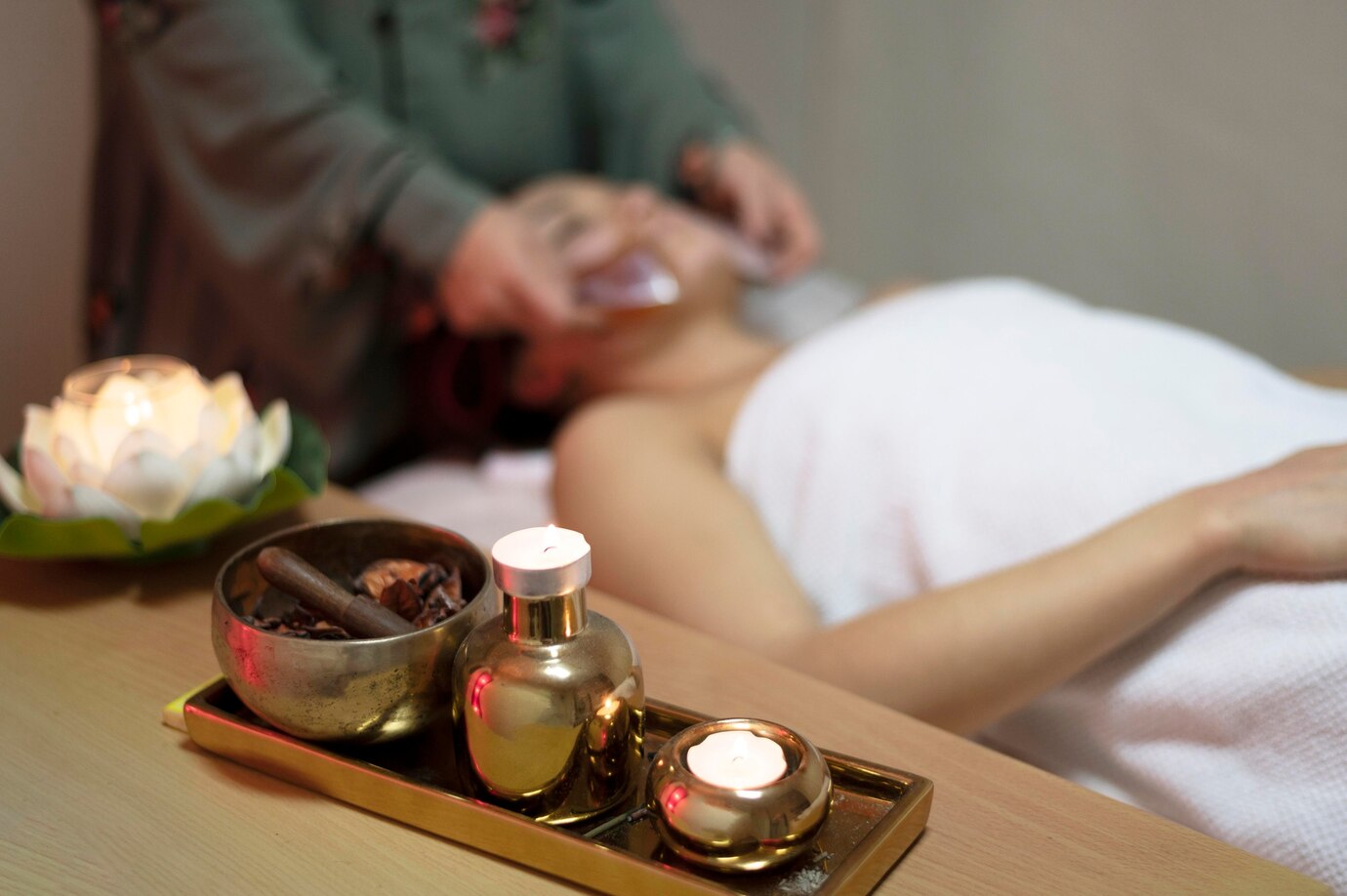
    Aging is a natural process that affects both the body and mind, but in Ayurveda, there are holistic practices designed to slow down this process and maintain vitality, mental clarity, and physical strength well into old age. Rather than focusing solely on outward appearance, Ayurveda emphasizes balance and wellness from within, promoting long-lasting health and youthfulness.

    In this article, we’ll explore the top Ayurvedic anti-aging practices for maintaining a youthful mind and body.

    Understanding Aging in Ayurveda

    In Ayurveda, the aging process is largely influenced by the imbalance of the doshas — Vata, Pitta, and Kapha. As we age, Vata dosha, which governs movement and dryness in the body, naturally increases, leading to signs of aging such as wrinkles, joint stiffness, and mental stress. Ayurveda seeks to balance these energies and nourish the body to delay the aging process.

    Key concepts in Ayurvedic anti-aging include:

    • Ojas: The essence of vitality and life force, which sustains immunity and overall health.
    • Agni: The digestive fire, which must remain strong to ensure proper metabolism and elimination of toxins.
    • Rasayana: Rejuvenation therapies and treatments aimed at nourishing tissues, boosting immunity, and promoting longevity.

    Ayurvedic Anti-Aging Practices for the Body

    1. Rasayana Therapy (Rejuvenation Therapy)

    Rasayana is a cornerstone of Ayurvedic anti-aging practices. It involves the use of rejuvenating herbs and therapies that nourish the tissues, boost immunity, and enhance longevity. Rasayana treatments work to prevent the degeneration of tissues and maintain physical vitality.

    Popular Rasayana Herbs:

    • Ashwagandha: Known for its adaptogenic properties, ashwagandha helps combat stress, improve stamina, and rejuvenate tissues.
    • Amalaki (Indian Gooseberry): Rich in vitamin C, amalaki is a powerful antioxidant that boosts immunity, nourishes the skin, and promotes healthy digestion.
    • Shatavari: Traditionally used to support reproductive health, Shatavari also balances hormones and rejuvenates the body.
    • Triphala: A blend of three fruits, Triphala aids digestion, detoxifies the body, and supports tissue regeneration.

    2. Abhyanga (Self-Massage with Oils)

    Daily self-massage with warm herbal oils, known as abhyanga, is an essential practice in Ayurveda for slowing down the aging process. This practice helps improve circulation, nourish the skin, and calm the nervous system. The oils used in abhyanga penetrate deep into the tissues, promoting flexibility, strength, and moisture retention.

    Benefits of Abhyanga:

    • Reduces dryness and wrinkles by nourishing the skin
    • Improves joint mobility and reduces stiffness
    • Calms the mind and relieves stress
    • Stimulates circulation and lymphatic drainage, supporting detoxification

    Recommended Oils for Anti-Aging:

    • Sesame oil: Warming and deeply nourishing, it is ideal for Vata imbalance.
    • Coconut oil: Cooling and hydrating, good for Pitta skin types.
    • Almond oil: Lightweight, yet deeply moisturizing, ideal for maintaining skin softness.

    3. Hydration and Nutrition

    Staying hydrated and eating a nutrient-dense diet are fundamental to slowing down the signs of aging. According to Ayurveda, aging accelerates when the body’s tissues become dehydrated, leading to dryness, wrinkles, and a lack of vitality. Drinking warm water throughout the day and incorporating hydrating foods and herbs can help.

    Foods for Longevity:

    • Fresh fruits and vegetables: Antioxidant-rich foods like berries, leafy greens, and pomegranates help neutralize free radicals and prevent cellular damage.
    • Whole grains: Barley, quinoa, and brown rice provide sustained energy and support digestive health.
    • Ghee: Clarified butter is nourishing for the tissues and helps maintain flexibility in joints and skin elasticity.
    • Almonds and walnuts: Rich in healthy fats, these nuts nourish the brain and skin, keeping them youthful.

    4. Exercise and Yoga

    Regular exercise, particularly yoga, is a powerful tool for maintaining physical and mental vitality as you age. In Ayurveda, yoga helps balance the doshas, improve circulation, and maintain muscle tone and flexibility. Combined with breathing exercises, yoga also helps keep the mind sharp and stress-free.

    Anti-Aging Yoga Poses:

    • Surya Namaskar (Sun Salutation): A full-body workout that improves flexibility, strength, and circulation.
    • Bhujangasana (Cobra Pose): Opens the chest, strengthens the spine, and improves circulation.
    • Uttanasana (Forward Bend): Promotes relaxation and stretches the hamstrings, relieving tension in the lower back.

    Ayurvedic Anti-Aging Practices for the Mind

    1. Meditation and Mindfulness

    Mental stress is one of the major contributors to premature aging. Practices such as meditation, mindfulness, and breathing exercises help reduce stress and calm the mind. These practices also enhance mental clarity, focus, and emotional well-being, promoting a youthful and resilient mind.

    Benefits of Meditation:

    • Reduces cortisol levels (stress hormones) and promotes relaxation
    • Improves cognitive function, memory, and concentration
    • Enhances emotional balance and reduces anxiety

    2. Pranayama (Breathing Exercises)

    Breathing exercises, known as pranayama, play an important role in Ayurvedic anti-aging practices. Pranayama helps detoxify the body, enhance lung capacity, and improve the flow of prana (life force) throughout the body. Regular practice of pranayama keeps the mind calm and promotes longevity.

    Effective Pranayama for Longevity:

    • Nadi Shodhana (Alternate Nostril Breathing): Balances the nervous system and enhances mental clarity.
    • Kapalabhati (Skull Shining Breath): Cleanses the respiratory system, improves digestion, and revitalizes the body.
    • Bhramari (Bee Breath): Relieves stress and anxiety, promoting mental calmness and clarity.

    3. Adequate Rest and Sleep

    In Ayurveda, sleep is considered a key pillar of health. Restful sleep allows the body to repair and rejuvenate itself, keeping both the body and mind youthful. Sleep disturbances can lead to premature aging, mental fatigue, and imbalances in the doshas. Ayurveda emphasizes maintaining a regular sleep routine to promote deep and restful sleep.

    Tips for Better Sleep:

    • Establish a consistent bedtime routine to regulate your body’s natural rhythms.
    • Drink warm milk with a pinch of turmeric or cardamom before bed to promote relaxation.
    • Avoid stimulating activities or screen time at least an hour before sleep.

    4. Mental Stimulation and Learning

    Keeping the mind engaged and stimulated is essential for maintaining cognitive health and preventing age-related decline. Ayurveda encourages continued learning, mental challenges, and creative expression as tools to maintain a youthful mind. Whether it’s reading, learning a new skill, or engaging in puzzles, keeping the brain active is key to long-term mental sharpness.

    Conclusion

    Ayurveda offers a holistic and time-tested approach to slowing down the aging process by promoting balance, nourishment, and rejuvenation. By incorporating practices such as Rasayana therapy, daily self-massage, yoga, pranayama, and meditation, you can maintain both physical vitality and mental clarity well into old age. Following an Ayurvedic diet rich in nourishing, hydrating, and antioxidant-rich foods, combined with a mindful lifestyle, will allow you to age gracefully, with energy and youthful spirit.

  • How to Strengthen Your Immune System for a Long, Healthy Life

    How to Strengthen Your Immune System for a Long, Healthy Life

    A strong immune system is the foundation of good health and longevity. It acts as the body’s natural defense mechanism, protecting you from illnesses, infections, and diseases. In today’s fast-paced world, maintaining a robust immune system is crucial, and Ayurveda offers a holistic approach to enhancing immunity through diet, lifestyle, and natural remedies.

    In this article, we’ll explore practical tips to help you strengthen your immune system and enjoy a long, healthy life.

    Understanding the Immune System

    The immune system is a complex network of cells, tissues, and organs that work together to protect the body from harmful invaders like bacteria, viruses, and toxins. It operates on two levels:

    • Innate immunity: The body’s first line of defense, providing immediate protection against foreign substances.
    • Adaptive immunity: A more specialized response that develops over time, remembering past invaders and fighting them off more effectively in the future.

    Ayurveda emphasizes the importance of maintaining balance in the body to ensure that the immune system functions optimally.

    Key Ayurvedic Concepts for Immunity

    In Ayurveda, immunity is closely tied to the concept of ojas, which refers to the essence of vitality and the strength of the body’s tissues. High levels of ojas indicate a strong immune system, while low ojas result in vulnerability to disease.

    1. Boosting Agni (Digestive Fire)

    Strong digestion is crucial for a healthy immune system. When digestion is weak, toxins (ama) accumulate in the body, weakening the immune response. A balanced Agni ensures proper nutrient absorption and the elimination of waste, keeping the body’s defenses strong.

    2. Balancing the Doshas (Vata, Pitta, Kapha)

    A balanced immune system is achieved by maintaining harmony among the three doshas. Imbalances in Vata, Pitta, or Kapha can disrupt the immune system, making the body more susceptible to illness.

    Top Ways to Strengthen Your Immune System

    1. Eat a Nutrient-Dense, Immune-Boosting Diet

    Eating a balanced diet rich in vitamins, minerals, and antioxidants is essential for maintaining a healthy immune system. Focus on consuming fresh, seasonal, and whole foods that nourish the body and strengthen your defenses.

    Immune-Boosting Foods:

    • Citrus fruits (oranges, lemons, and grapefruits): Rich in vitamin C, which is known to boost the production of white blood cells.
    • Leafy greens (spinach, kale, and collard greens): Packed with vitamins A, C, and E, as well as antioxidants.
    • Garlic and onions: Known for their antibacterial and antiviral properties.
    • Nuts and seeds (almonds, sunflower seeds, and flaxseeds): Rich in vitamin E and healthy fats, which support immune function.
    • Turmeric: Contains curcumin, a compound with anti-inflammatory and immune-boosting properties.

    2. Incorporate Ayurvedic Herbs

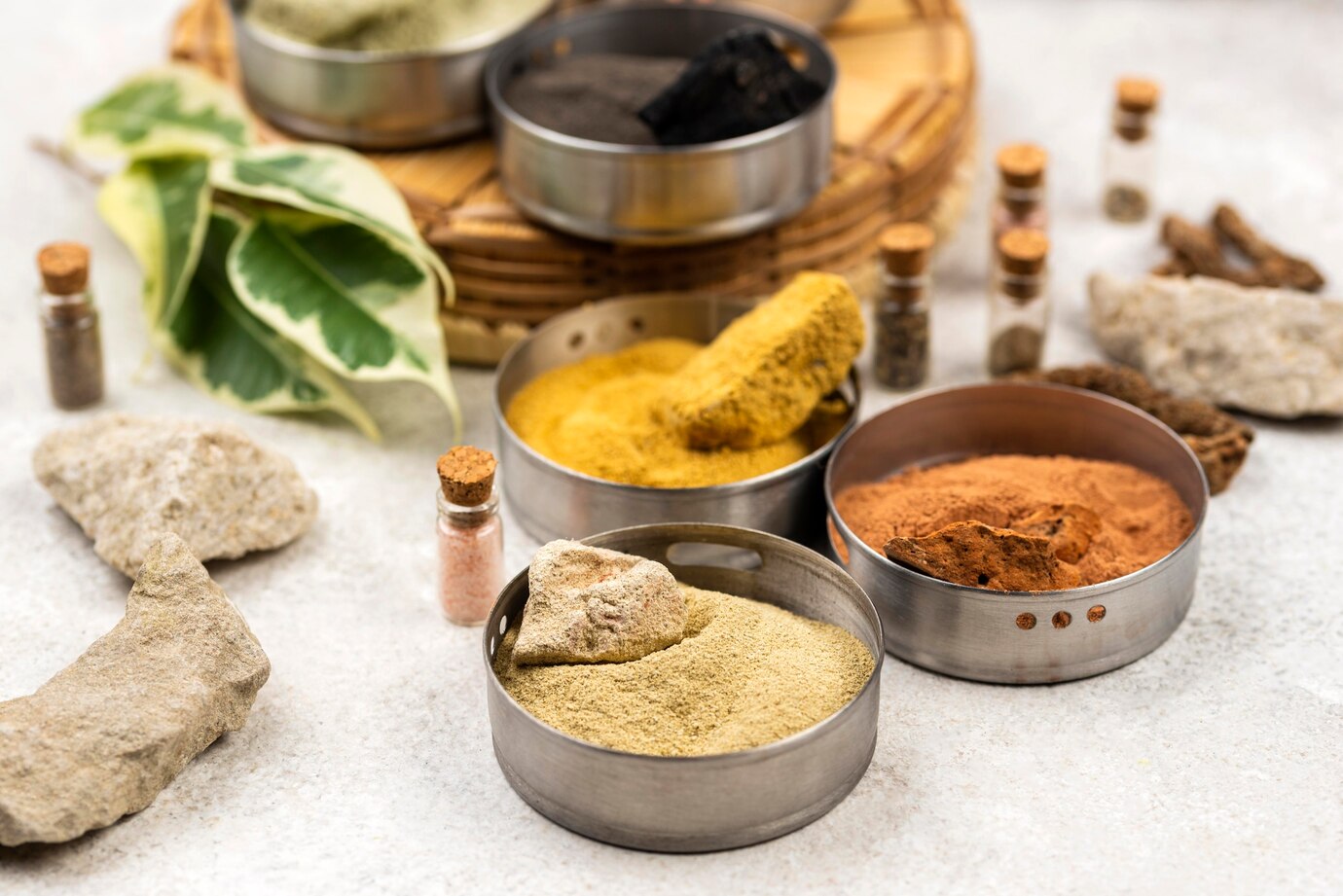
    Ayurveda offers a wide range of herbs that have been traditionally used to enhance immunity. These herbs help strengthen ojas and promote balance in the body, keeping the immune system resilient.

    Top Ayurvedic Herbs for Immunity:

    • Ashwagandha (Withania somnifera): An adaptogen that helps the body resist stress, enhances vitality, and boosts immune function.
    • Amalaki (Indian Gooseberry): Rich in vitamin C and antioxidants, it rejuvenates the body and strengthens the immune system.
    • Tulsi (Holy Basil): Known for its antimicrobial properties, Tulsi helps combat infections and reduces inflammation.
    • Guduchi (Tinospora cordifolia): A powerful detoxifier that enhances immunity and supports liver health.
    • Triphala: A blend of three fruits, Triphala helps cleanse the digestive system, improve nutrient absorption, and boost immunity.

    3. Follow a Regular Sleep Routine

    Adequate and restful sleep is vital for immune health. When you sleep, your body repairs itself, and the immune system is replenished. A lack of sleep weakens the body’s defenses, making you more susceptible to illness.

    Tips for Better Sleep:

    • Stick to a consistent sleep schedule by going to bed and waking up at the same time every day.
    • Avoid heavy meals, caffeine, and screen time before bedtime.
    • Practice relaxation techniques like meditation, breathing exercises, or gentle yoga to calm the mind and prepare for restful sleep.

    4. Practice Yoga and Meditation

    Regular physical activity is essential for maintaining a healthy immune system. Yoga and pranayama (breathing exercises) improve circulation, stimulate the lymphatic system, and help reduce stress—all of which contribute to a stronger immune response.

    Beneficial Yoga Practices for Immunity:

    • Pranayama (Breathing exercises): Deep breathing exercises like Nadi Shodhana (alternate nostril breathing) and Kapalabhati (skull shining breath) help detoxify the body and improve lung function.
    • Asanas (Postures): Yoga postures such as Surya Namaskar (sun salutation), Bhujangasana (cobra pose), and Uttanasana (forward bend) boost circulation and promote lymphatic drainage.

    5. Manage Stress Effectively

    Chronic stress weakens the immune system by increasing cortisol levels in the body. High cortisol levels suppress immune function, making the body more susceptible to infections. Managing stress is essential for maintaining a strong immune system.

    Stress-Reduction Techniques:

    • Meditation: Practicing mindfulness or meditation helps reduce stress levels and promotes emotional balance.
    • Herbal Teas: Drinking calming teas made from herbs like chamomile, ashwagandha, or Brahmi can help reduce stress and support relaxation.
    • Journaling: Writing down thoughts and feelings is a therapeutic way to manage stress and release emotional tension.

    6. Stay Hydrated

    Drinking plenty of water is essential for flushing toxins out of the body and keeping the immune system functioning properly. Proper hydration also helps maintain the health of mucous membranes, which serve as the body’s first line of defense against pathogens.

    Hydration Tips:

    • Drink warm water throughout the day to aid digestion and cleanse the body.
    • Herbal teas like ginger, turmeric, or Tulsi tea can help hydrate and boost immunity.
    • Avoid excessive consumption of caffeinated or sugary drinks, as they can dehydrate the body.

    7. Get Regular Sunlight Exposure

    Sunlight is a natural source of vitamin D, which is crucial for immune health. Vitamin D helps regulate the immune system and protects the body against infections. Spending time outdoors in natural sunlight can boost your vitamin D levels and improve your mood.

    Tips for Healthy Sun Exposure:

    • Aim for at least 15-20 minutes of sunlight exposure per day, especially in the morning.
    • Protect your skin by wearing sunscreen after prolonged exposure to avoid the risk of skin damage.
    • During colder months or if you have limited access to sunlight, consider taking a vitamin D supplement after consulting with a healthcare provider.

    Conclusion

    Strengthening your immune system is essential for leading a long and healthy life. By nourishing your body with a balanced diet, incorporating immune-boosting herbs, managing stress, and maintaining healthy lifestyle habits like regular sleep, yoga, and hydration, you can enhance your body’s natural defenses.

    Ayurveda provides a holistic approach to building immunity that not only focuses on the body but also nurtures the mind and spirit. By incorporating these practices into your daily routine, you can enjoy vibrant health, energy, and longevity for years to come.

  • Rasayana Therapy: The Ayurvedic Fountain of Youth

    Rasayana Therapy: The Ayurvedic Fountain of Youth

    Rasayana therapy is one of the most revered practices in Ayurveda, often considered as the ancient system’s answer to the quest for youthfulness and longevity. Translated from Sanskrit, Rasayana means “path of essence” or “that which nourishes the essence of life.” This therapy works to rejuvenate the body, boost immunity, and promote overall vitality.

    What is Rasayana Therapy?

    Rasayana therapy is a specialized branch of Ayurveda focused on rejuvenation and anti-aging. Its primary goal is to improve the quality of life by nourishing the body’s tissues, balancing energy, and promoting mental clarity. It can help in delaying the effects of aging, boosting immunity, and increasing energy levels.

    Types of Rasayana Therapy

    There are two main types of Rasayana therapies in Ayurveda, both aiming to enhance well-being and vitality:

    • Kutipraveshika Rasayana: This therapy is performed in a controlled environment, usually in isolation, under strict supervision. It involves intense purification and rejuvenation processes.
    • Vatatapika Rasayana: This is a more accessible version of Rasayana therapy, which can be performed without isolation and is suitable for people who want to practice rejuvenation while continuing their daily routines.

    Key Benefits of Rasayana Therapy

    Rasayana therapy is considered highly beneficial for maintaining the balance between the body’s physical and mental aspects. Some of the key benefits include:

    • Improved Immunity: Rasayana enhances the body’s defense mechanisms, helping it fight off diseases and infections.
    • Longevity: The therapy is believed to slow down the aging process by nourishing the cells and tissues, thus promoting a longer, healthier life.
    • Mental Clarity: Rasayana is also known to improve cognitive function, memory, and focus, promoting a calm and balanced mind.
    • Vitality: It revitalizes the body’s energy levels, making you feel more youthful and active.

    Important Herbs in Rasayana Therapy

    Herbal formulations play a crucial role in Rasayana therapy. These herbs are considered to have powerful rejuvenating properties and are frequently used in Ayurvedic treatments.

    Ashwagandha

    Ashwagandha is known for its adaptogenic properties, meaning it helps the body adapt to stress and maintain balance. It is widely used in Rasayana therapy to promote vitality, reduce fatigue, and improve mental focus.

    Amalaki (Indian Gooseberry)

    Amalaki is rich in vitamin C and antioxidants. It helps in rejuvenating the body’s cells, boosting immunity, and slowing down the aging process. It is a core ingredient in many Rasayana formulations.

    Shilajit

    Shilajit is a mineral-rich substance found in the Himalayas and is known to enhance energy, improve endurance, and support cellular regeneration. It is often recommended in Rasayana therapy for boosting stamina and vitality.

    Brahmi

    Brahmi is known to improve cognitive function and reduce anxiety. It supports mental clarity and memory, making it an important herb in Rasayana therapy for mental rejuvenation.

    Lifestyle Practices to Complement Rasayana Therapy

    While herbs play a significant role in Rasayana therapy, Ayurveda also emphasizes lifestyle changes to maximize its benefits. Along with Rasayana formulations, certain practices are encouraged to rejuvenate both body and mind.

    Diet

    Ayurveda recommends a sattvic diet (fresh, plant-based, and nutrient-rich foods) to support the body during Rasayana therapy. Eating light and easily digestible meals can help the body absorb the Rasayana herbs more effectively.

    Yoga and Meditation

    Incorporating yoga and meditation is crucial for maintaining the balance between mind and body. Daily practice of these activities complements the effects of Rasayana therapy by reducing stress, improving flexibility, and enhancing mental clarity.

    Abhyanga (Self-Massage)

    A daily self-massage using herbal oils helps improve circulation, detoxifies the body, and rejuvenates the skin, making it an excellent addition to Rasayana therapy.

    Conclusion

    Rasayana therapy is often regarded as Ayurveda’s fountain of youth. By combining powerful herbs, dietary recommendations, and lifestyle practices, it offers a holistic approach to rejuvenation and longevity. Whether you’re looking to improve immunity, enhance mental clarity, or slow down the aging process, Rasayana therapy offers a time-tested path to a more youthful and vibrant life.

  • Herbs for Extending Lifespan and Vitality

    Herbs for Extending Lifespan and Vitality

    Ayurveda, the ancient Indian system of medicine, has long been focused on promoting health, vitality, and longevity. Central to its approach are various herbs known for their powerful healing and rejuvenating properties. These herbs, often called Rasayanas, are used to support the body’s natural ability to heal, enhance longevity, and improve vitality. By incorporating these Ayurvedic herbs into your lifestyle, you can experience enhanced well-being and potentially extend your lifespan.

    How Ayurvedic Herbs Promote Longevity

    Ayurvedic herbs help restore balance in the body’s three doshas—Vata, Pitta, and Kapha—while promoting overall cellular health. They work by supporting vital systems such as digestion, immunity, and mental clarity. Many of these herbs are rich in antioxidants and have adaptogenic properties, meaning they help the body adapt to stress and enhance energy levels, thus preventing premature aging and disease.

    Ashwagandha: The Rejuvenator

    Ashwagandha is one of the most popular and powerful herbs in Ayurveda. It is classified as a Rasayana and is widely used for its rejuvenating and adaptogenic properties.

    • Benefits: Ashwagandha helps reduce stress, enhances energy levels, and boosts mental clarity. Its antioxidant properties protect cells from damage, which is crucial for extending lifespan.
    • How it promotes longevity: By reducing cortisol (the stress hormone) levels and improving overall vitality, Ashwagandha protects the body from aging effects like fatigue, weakened immunity, and cognitive decline.

    Amalaki (Amla): The Vitamin C Powerhouse

    Amalaki, or Indian gooseberry, is known for its exceptionally high vitamin C content and antioxidant properties. It’s another important Rasayana in Ayurvedic medicine.

    • Benefits: It supports digestion, boosts the immune system, and promotes skin health. The antioxidants in Amalaki help fight free radicals, which contribute to aging and chronic diseases.
    • How it promotes longevity: By enhancing cellular regeneration, supporting digestion, and boosting immunity, Amalaki helps the body stay youthful and resilient.

    Brahmi: The Mind Booster

    Brahmi is a renowned herb for improving mental clarity and cognitive function. It is used in Ayurveda to support memory, focus, and concentration, making it an essential herb for anyone looking to maintain sharpness as they age.

    • Benefits: Brahmi improves memory, reduces stress, and enhances cognitive function. It is also believed to protect the brain from oxidative stress, which can contribute to neurodegenerative diseases.
    • How it promotes longevity: By improving mental clarity and reducing stress, Brahmi helps protect the mind and body from the wear and tear of aging, preserving cognitive vitality and reducing anxiety.

    Shilajit: The Himalayan Healer

    Shilajit is a mineral-rich substance found in the Himalayan mountains, known for its ability to boost energy, stamina, and longevity. It has been used for centuries in Ayurvedic medicine as a rejuvenator and adaptogen.

    • Benefits: Shilajit improves energy levels, enhances physical performance, and supports cellular regeneration. It is also rich in fulvic acid, which helps in nutrient absorption and detoxification.
    • How it promotes longevity: By improving energy and stamina, and by supporting cellular health, Shilajit enhances the body’s ability to repair and regenerate, leading to greater vitality and longevity.

    Guggulu: The Detoxifier

    Guggulu is a resin derived from the Commiphora mukul tree and is widely used in Ayurveda to balance the doshas and detoxify the body. It is particularly effective in removing ama (toxins) from the system.

    • Benefits: Guggulu supports healthy cholesterol levels, improves digestion, and has anti-inflammatory properties. It is commonly used in Ayurvedic detox programs to cleanse the body.
    • How it promotes longevity: By aiding in detoxification and reducing inflammation, Guggulu prevents the buildup of harmful substances that can accelerate aging and lead to chronic health conditions.

    Supporting Herbs for Vitality

    While the above herbs are central to promoting longevity, several other Ayurvedic herbs support overall vitality, stamina, and well-being.

    Turmeric

    Turmeric is famous for its anti-inflammatory and antioxidant properties. The active compound, curcumin, helps in fighting oxidative stress and inflammation, both of which contribute to aging and chronic disease.

    Tulsi (Holy Basil)

    Tulsi is revered for its adaptogenic properties, helping the body handle stress better. It also has powerful immune-boosting properties and can protect the body from environmental toxins.

    Gotu Kola

    Gotu Kola is known for its ability to enhance mental clarity and improve blood circulation. It is often used to boost cognitive function and help with skin regeneration, making it an excellent herb for maintaining youthful skin and a sharp mind.

    Incorporating Ayurvedic Herbs Into Daily Life

    To reap the full benefits of Ayurvedic herbs for longevity and vitality, it’s essential to incorporate them into a balanced lifestyle. These herbs can be consumed as powders, teas, capsules, or incorporated into meals. In Ayurveda, diet and lifestyle are as important as the herbs themselves, so for optimal results, pair these herbs with healthy eating, regular exercise, yoga, and meditation.

    Dietary Considerations

    Ayurveda emphasizes a diet rich in fresh, whole foods that are easy to digest. Include plenty of fruits, vegetables, whole grains, and healthy fats like ghee and coconut oil. A proper Ayurvedic diet helps the body absorb the benefits of the herbs more effectively.

    Lifestyle Practices

    In addition to consuming these herbs, incorporating daily routines like yoga, meditation, and Abhyanga (self-massage with herbal oils) can further enhance vitality and promote longevity. Regular exercise keeps the body strong, while mindfulness practices like meditation help reduce stress, a major factor in premature aging.

    Conclusion

    Ayurvedic herbs offer a natural, holistic approach to extending lifespan and vitality. Whether you’re looking to improve mental clarity, boost energy levels, or support immune function, these time-tested herbs can enhance your well-being and help you age gracefully. By integrating herbs like Ashwagandha, Amalaki, Brahmi, and Shilajit into your daily routine, you can experience long-lasting health benefits that contribute to a more vibrant, youthful, and balanced life.

  • Enhancing Longevity Through Panchakarma Cleansing

    Enhancing Longevity Through Panchakarma Cleansing

    Ayurveda, one of the world’s oldest healing systems, offers a wide range of therapies aimed at maintaining health and promoting longevity. Among these, Panchakarma stands out as a powerful detoxification and cleansing procedure. This ancient practice is designed not only to eliminate toxins but also to restore balance and vitality to the body, thereby enhancing longevity.

    What is Panchakarma?

    Panchakarma literally means “five actions” and refers to five therapeutic treatments used to cleanse the body of toxins and restore the balance of doshas (Vata, Pitta, and Kapha). These treatments are tailored to each individual’s constitution, with the goal of removing accumulated impurities and fostering natural healing.

    The Five Major Therapies of Panchakarma

    • Vamana (Therapeutic Emesis): This procedure involves inducing vomiting to eliminate excess Kapha dosha. It is often used for individuals with respiratory issues, excess mucus, or digestive disorders. Vamana helps cleanse the upper respiratory tract and improve lung function.
    • Virechana (Therapeutic Purgation): Virechana is the cleansing of the bowels to remove excess Pitta from the body. It works by expelling toxins through controlled purgation, primarily targeting the liver, gall bladder, and small intestine.
    • Basti (Enema Therapy): Basti is considered the most effective therapy for balancing Vata dosha. It involves the administration of medicated oils or herbal decoctions through enema to detoxify the colon and promote deep cleansing of the digestive tract.
    • Nasya (Nasal Administration): Nasya involves the use of herbal oils or powders administered through the nasal passages. This therapy helps clear toxins from the head and neck region and is beneficial for sinus issues, headaches, and mental clarity.
    • Raktamokshana (Bloodletting): Raktamokshana is a lesser-known therapy used to remove toxins from the blood. This can be done using leeches or other bloodletting techniques to balance Pitta dosha, especially for skin disorders and inflammatory conditions.

    The Role of Panchakarma in Longevity

    The primary goal of Panchakarma is to detoxify the body and restore its natural balance. When the body is free of toxins and functioning efficiently, it ages more gracefully. By regularly undergoing Panchakarma, you can enhance your immune system, reduce stress, and maintain overall vitality—key factors that contribute to a longer and healthier life.

    Detoxification for Cellular Health

    One of the main reasons Panchakarma is linked to longevity is its deep detoxifying effect on the body’s tissues. Toxins accumulate in the cells over time due to poor diet, stress, pollution, and unhealthy habits. Panchakarma cleanses the body at a cellular level, promoting regeneration and improving the function of vital organs, which slows the aging process.

    Balancing the Doshas

    In Ayurveda, longevity is tied to the balance of the three doshas: Vata, Pitta, and Kapha. An imbalance of these energies leads to diseases and premature aging. Panchakarma helps restore this balance, promoting optimal health and well-being, which naturally supports a longer life.

    Improved Digestion and Metabolism

    Healthy digestion is essential for longevity, as poor digestion leads to the accumulation of ama (toxins). Panchakarma helps reset the digestive system, improving metabolism and nutrient absorption, which in turn supports energy, vitality, and longevity.

    Key Steps in a Panchakarma Program

    1. Purva Karma (Preparation Phase)

    Before the main Panchakarma therapies are administered, the body needs to be prepared for detoxification. This involves two main steps:

    • Snehana (Oleation): Internal and external application of medicated oils is done to loosen toxins from the tissues. The use of herbal oils also nourishes the body and supports the detox process.
    • Swedana (Sudation): Steam therapy is applied to open up the body’s channels, allowing toxins to move more easily toward the digestive tract, where they can be expelled.

    2. Pradhana Karma (Main Cleansing Phase)

    This is where the five Panchakarma therapies (Vamana, Virechana, Basti, Nasya, and Raktamokshana) are administered. Depending on the individual’s health condition and dosha imbalance, one or more of these therapies may be used.

    3. Paschat Karma (Post-Cleansing Phase)

    After detoxification, the body needs to be slowly brought back to a state of normalcy. A specific diet and lifestyle are recommended to rebuild strength and replenish the body’s tissues. This phase focuses on rejuvenation and maintaining the benefits gained from the cleansing process.

    Benefits of Panchakarma for Longevity

    Slowing Down the Aging Process

    By regularly detoxifying the body and promoting better function of the organs and tissues, Panchakarma helps in reducing signs of aging such as wrinkles, fatigue, and cognitive decline. The therapy revitalizes the skin, supports joint mobility, and enhances overall vitality.

    Strengthening the Immune System

    Toxins weaken the immune system, making the body more susceptible to diseases and infections. Panchakarma strengthens immunity by eliminating toxins and improving the body’s natural defenses. A strong immune system is key to living a long and healthy life.

    Mental Clarity and Emotional Balance

    In addition to physical benefits, Panchakarma also promotes mental clarity and emotional well-being. The cleansing of the head and nasal passages through Nasya and other treatments helps reduce stress, anxiety, and mental fog, contributing to a more balanced and joyful life.

    Conclusion

    Panchakarma is a powerful Ayurvedic therapy that not only detoxifies the body but also enhances longevity by promoting balance, cellular health, and vitality. Incorporating this ancient cleansing practice into your life can help you maintain good health, prevent diseases, and enjoy a longer, more fulfilling life. Whether you are seeking to age gracefully or simply want to boost your overall well-being, Panchakarma offers a natural and holistic path to long-lasting health.