Category: Respiratory Health

  • What is Mulethi? Unlocking Its Health Benefits for Throat, Lungs, and Digestion

    What is Mulethi? Unlocking Its Health Benefits for Throat, Lungs, and Digestion

    What is Mulethi? Unlocking Its Health Benefits for Throat, Lungs, and Digestion

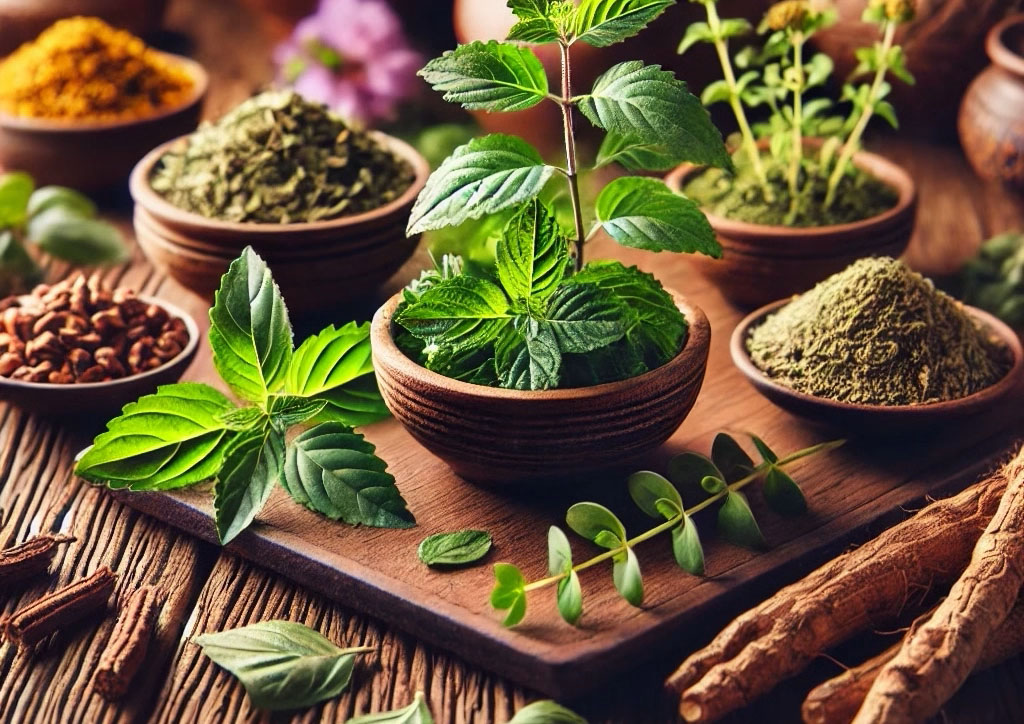
    Do you often struggle with a scratchy throat, persistent cough, or sluggish digestion? In today’s fast-paced world, these common health concerns can disrupt your daily routine. Fortunately, Ayurveda, India’s ancient wellness system, offers time-tested solutions. One such gem is Mulethi, also known as licorice root, celebrated for its soothing and rejuvenating properties. At Satrishi, we bring you 100% herbal, plant-based Mulethi powder to support your journey toward holistic health.

    In this article, we’ll explore the mulethi health benefits, its role in throat, lung, and digestive wellness, and how it fits into modern Indian wellness practices. Whether you’re a student battling seasonal colds or a senior seeking natural remedies, Mulethi could be your ally. Let’s dive into this Ayurvedic treasure!

    What is Mulethi? A Glimpse into Its Ayurvedic Roots

    Mulethi, scientifically known as Glycyrrhiza glabra, is a perennial herb native to parts of Asia and Europe. In Ayurveda, it’s called Yashtimadhu, meaning “sweet root,” due to its naturally sweet taste, which is 50 times sweeter than sugar. This herb has been a cornerstone of Indian wellness for centuries, mentioned in ancient texts like Bhavprakash Nighantu for its cooling, rejuvenating properties.

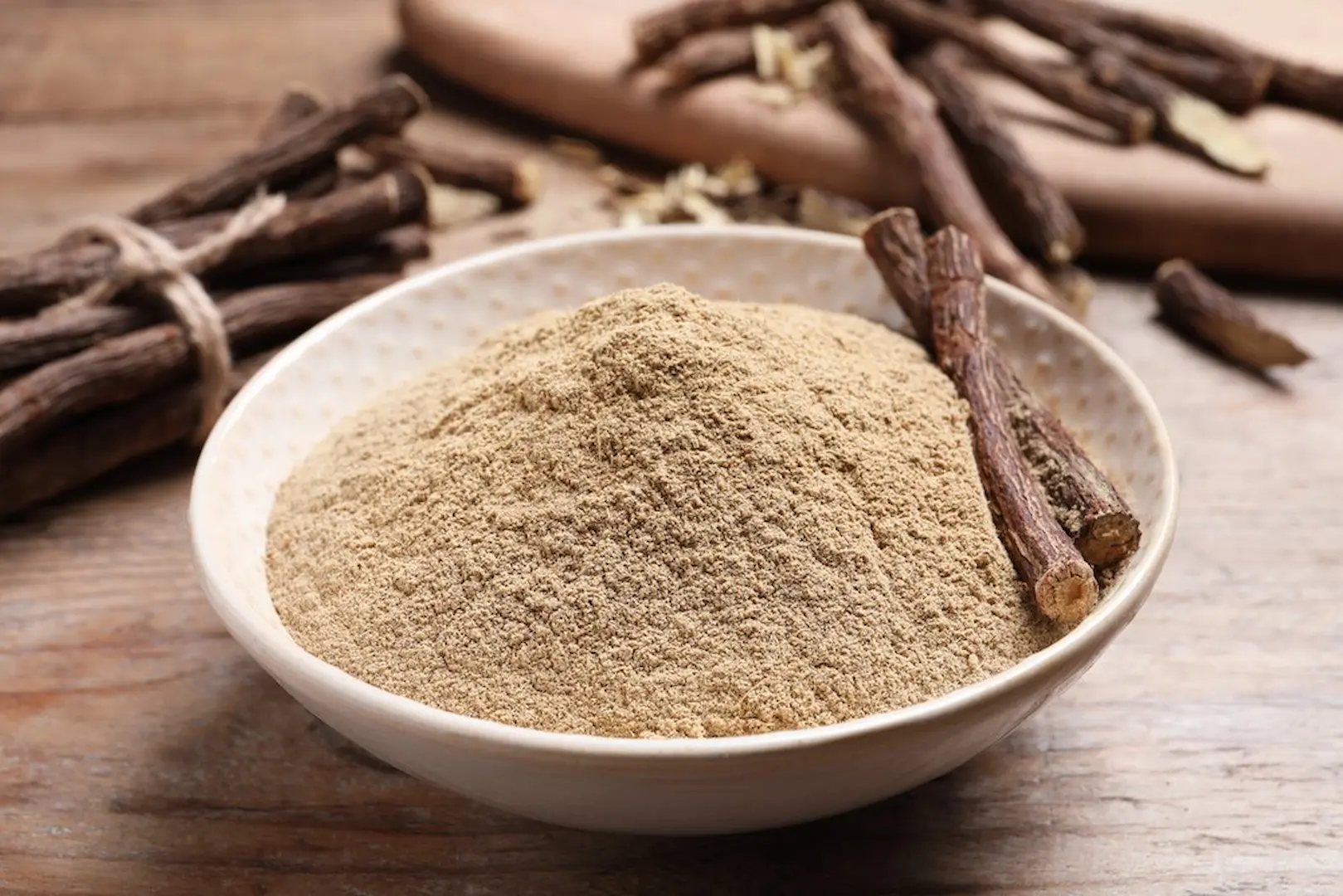
    The root of the Mulethi plant is harvested and dried to create powders, teas, or sticks, widely used in herbal remedies. Its active compound, glycyrrhizin, is responsible for many of its therapeutic effects, from soothing inflammation to boosting immunity. At Satrishi, our Mulethi Powder is sourced from premium roots, ensuring purity and potency for your wellness needs. Explore Satrishi’s Mulethi Powder to experience its benefits firsthand.

    Mulethi Health Benefits: A Natural Solution for Modern Ailments

    Mulethi’s versatility makes it a go-to herb for various health concerns. Its anti-inflammatory, antimicrobial, and antioxidant properties offer relief for throat, lung, and digestive issues, while supporting overall immunity. Let’s break down its key benefits.

    Soothing the Throat: A Singer’s Secret and More

    A sore throat can make even simple tasks like speaking or swallowing feel unbearable. Mulethi’s demulcent properties create a protective coating over the throat’s mucous membranes, easing irritation and inflammation. Indian classical singers often chew Mulethi sticks to enhance voice clarity and soothe vocal cords, a practice rooted in Ayurveda.

    Research supports this tradition. A 2021 study found that glycyrrhizin in Mulethi inhibits viral activity, reducing upper respiratory infections that cause sore throats. For students facing exam stress or professionals with back-to-back meetings, sipping Mulethi tea can provide quick relief. Try brewing a cup with Satrishi’s Mulethi Powder, mixed with a teaspoon of honey for added soothing effects.

    Supporting Lung Health: Breathe Easy with Mulethi

    Seasonal allergies, pollution, or respiratory conditions like bronchitis can leave your lungs struggling. Mulethi’s expectorant and bronchodilator properties help clear mucus from the airways, making breathing easier. It’s particularly beneficial for those with asthma or chronic coughs, as it reduces bronchial inflammation.

    Ayurveda considers Mulethi a Rasayana, or rejuvenating herb, that strengthens lung tissues. Daily intake, such as a Mulethi-infused kadha, can enhance respiratory resilience, especially for seniors living in urban areas with poor air quality. Mix Satrishi’s Mulethi Powder with ginger and tulsi for a potent immunity booster. Studies suggest Mulethi’s antioxidants protect lung cells from oxidative stress, supporting long-term respiratory health.

    Boosting Digestion: A Gentle Aid for Gut Health

    Digestive discomfort, from bloating to acidity, affects millions daily. Mulethi’s cooling properties balance the digestive fire (Agni), reducing acid reflux, heartburn, and ulcers. Its mild laxative effect promotes regular bowel movements, relieving constipation without harsh side effects.

    Glycyrrhizic acid in Mulethi suppresses Helicobacter pylori, a bacteria linked to gastric ulcers, according to research. This makes it ideal for busy professionals skipping meals or students relying on processed foods. A simple Mulethi tea, made by steeping Satrishi’s Mulethi Powder in hot water, can calm your stomach after a heavy meal. For chronic digestive issues, explore our Gut Health Tablets, which blend Mulethi with other Ayurvedic herbs.

    Ayurvedic Benefits: Mulethi as an Immunity Booster

    Beyond throat, lung, and digestive health, Mulethi is a powerful immunity booster. Its Rasayana properties enhance the body’s defense mechanisms, increasing the production of lymphocytes and macrophages, which fight infections. This makes it a must-have during flu season or for those with weakened immunity, like seniors or post-recovery patients.

    Ayurveda also praises Mulethi for balancing Vata and Pitta doshas, promoting overall vitality. Its adaptogenic nature helps the body cope with stress, indirectly supporting immune function. A 2016 study highlighted Mulethi’s role in reducing cortisol levels, which can weaken immunity when elevated. Incorporate Satrishi’s Mulethi Powder into your daily routine by adding it to warm milk or smoothies for a natural wellness boost.

    Who Can Benefit from Mulethi? Ideal Use Cases

    Mulethi’s gentle yet effective properties make it suitable for a wide audience. Here’s how different groups can use it:

    Students: Late-night study sessions and irregular diets can weaken immunity. A Mulethi kadha or tea can soothe sore throats from late-night talks and support digestion, keeping you energized for exams.

    Working Professionals: Stressful deadlines and long commutes take a toll on health. Mulethi’s calming effects reduce stress-related digestive issues and protect against urban pollution’s impact on lungs.

    Seniors: Aging can weaken respiratory and digestive systems. Mulethi’s rejuvenating properties strengthen lungs and ease constipation, promoting active aging.

    Indian Wellness Enthusiasts: If you’re passionate about herbal remedies, Mulethi aligns perfectly with Ayurvedic principles. Its versatility makes it a staple in your wellness toolkit.

    To make Mulethi part of your routine, try Satrishi’s Mulethi Powder in teas, smoothies, or as a gargle for throat relief. For stress management, pair it with our Ashwagandha Capsules, known to lower stress levels per clinical studies.
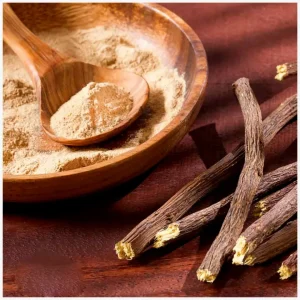
    mulethi powder 100gms1632911846 1

    How to Use Mulethi: Practical Tips for Daily Wellness

    Mulethi is incredibly versatile, fitting seamlessly into modern lifestyles. Here are some easy ways to incorporate it:

    Mulethi Tea: Boil 1 teaspoon of Satrishi’s Mulethi Powder with ginger and jaggery in 2 cups of water for 5 minutes. Sip twice daily for throat and digestive relief.

    Gargle: Dissolve 1 teaspoon of Mulethi powder in warm water and gargle to soothe sore throats or improve oral health.

    Skin Mask: Mix Mulethi powder with rose water for oily skin or milk for dry skin to reduce pigmentation and achieve a radiant glow.

    Kadha: Combine Mulethi with tulsi, cinnamon, and honey for a potent immunity booster, perfect during seasonal changes.

    Always start with small doses (1-2 teaspoons daily) and consult an Ayurvedic practitioner for personalized advice. Store Mulethi powder in a cool, dry place to maintain its potency.

    Cautions and Side Effects of Mulethi

    While Mulethi is generally safe in moderation, excessive consumption can lead to side effects. Overuse may cause high blood pressure, potassium imbalances, or water retention due to glycyrrhizin. Pregnant women, individuals with hypertension, or those with liver or kidney conditions should avoid regular use unless advised by a doctor.

    Limit Mulethi tea to 2 cups daily and avoid prolonged use (more than 4-6 weeks) without breaks. If you’re on medications like corticosteroids or diuretics, consult a healthcare professional, as Mulethi may interact with them. At Satrishi, we prioritize your safety, offering pure, lab-tested Mulethi Powder to ensure quality and efficacy.

    Frequently Asked Questions About Mulethi Health Benefits

    1. What are the main mulethi health benefits? Mulethi supports throat health by soothing irritation, aids lung function by clearing mucus, and promotes digestion by reducing acidity and ulcers. It’s also an immunity booster.

    2. Can Mulethi be used daily for its health benefits? Yes, in moderation (1-2 teaspoons daily), Mulethi is safe for most people. However, avoid overuse and consult a doctor for long-term use.

    3. How does Mulethi support immunity as part of its health benefits? Mulethi’s Rasayana properties enhance lymphocyte production, strengthening the body’s defense against infections.

    4. Is Mulethi safe for children to enjoy its health benefits? In small amounts, like a teaspoon of Mulethi powder with honey, it’s safe for kids to treat coughs. Always consult a pediatrician first.

    5. Where can I find high-quality Mulethi for its health benefits? Satrishi offers 100% herbal Mulethi Powder, sourced from premium roots. Visit satrishi.com to explore our range.

    Conclusion: Embrace Mulethi for Holistic Wellness

    Mulethi is more than just a sweet root—it’s a powerhouse of Ayurvedic benefits, supporting throat, lung, and digestive health while boosting immunity. From soothing sore throats to easing digestion, this versatile herb fits seamlessly into modern Indian wellness routines. Whether you’re a student, professional, or senior, Mulethi offers natural relief backed by centuries of tradition and modern research.

    Ready to experience the mulethi health benefits? Try Satrishi’s Mulethi Powder today and take the first step toward a healthier, balanced life. Explore our range of plant-based supplements at satrishi.com and join the Ayurvedic revolution!

    © 2025 Satrishi. All rights reserved.

  • Is Mulethi Good for Sore Throat? Let’s Find Out

    Is Mulethi Good for Sore Throat? Let’s Find Out

    A scratchy, painful sore throat can make even the simplest tasks—like swallowing or speaking—feel unbearable. Whether it’s triggered by a cold, seasonal allergies, or shouting at a cricket match, a sore throat is a common woe that spares no one. For centuries, Ayurveda, India’s ancient system of holistic healing, has offered time-tested remedies to soothe such discomforts. Among these, mulethi (licorice root) stands out as a powerful herb celebrated for its ability to ease throat irritation. But is mulethi for sore throat really as effective as grandma’s remedies claim? Let’s dive into the science, benefits, and practical ways to use this Ayurvedic gem, with insights tailored for everyone from stressed students to active seniors. Explore how Satrishi’s 100% herbal Mulethi Powder can be your go-to solution for natural relief.

    What Is Mulethi and Why Is It Special?

    Mulethi, known as Glycyrrhiza glabra or licorice root, is a sweet, woody herb native to parts of Asia and Europe. In Ayurveda, it’s called Yashtimadhu—meaning “sweet wood”—and is revered as a Rasayana (rejuvenating) herb. Its natural sweetness, up to 50 times sweeter than sugar, comes from glycyrrhizin, a compound that also packs potent medicinal properties. Mulethi has been a staple in Indian households, often chewed as a stick or brewed into teas to tackle sore throats, coughs, and more.

    What makes mulethi special is its unique blend of anti-inflammatory, antiviral, and expectorant properties. These qualities make it a natural ally for respiratory health, particularly when you’re battling a sore throat. From soothing irritation to loosening mucus, mulethi works holistically to restore balance, aligning with Ayurveda’s focus on treating the root cause of ailments.

    Mulethi for Sore Throat: How It Works

    Soothing Inflammation and Irritation

    A sore throat often feels like a fire in your throat, caused by inflammation from infections or irritants. Mulethi’s anti-inflammatory compounds, like glycyrrhizin and glabridin, help calm this inflammation. According to a 2021 study, glycyrrhizin can inhibit viral activity by interfering with the virus’s ability to attach to host cells, potentially reducing throat infections caused by bacteria or viruses. This makes mulethi a natural demulcent, coating the throat to ease discomfort and dryness.

    For students burning the midnight oil or seniors dealing with seasonal colds, mulethi offers gentle relief without the drowsiness of over-the-counter syrups. Imagine sipping a warm mulethi tea after a long day of lectures or a chilly evening—your throat feels soothed, and you’re back to feeling like yourself.

    Clearing Mucus and Easing Coughs

    Mulethi’s expectorant properties are a game-changer for sore throats accompanied by coughs. It helps thin and loosen mucus in the airways, making it easier to expel phlegm. This is especially helpful for those persistent, tickly coughs that worsen throat irritation. Ayurveda expert Vikas Chawla recommends brewing mulethi tea with ginger for enhanced relief, as ginger’s warmth complements mulethi’s soothing effects.

    Whether you’re a professional speaking at meetings or a parent chasing after kids, mulethi can help clear your airways, letting you breathe and speak comfortably. Satrishi’s Mulethi Powder, made from 100% organic licorice root, can be easily mixed into warm water or tea for quick relief.

    Boosting Immunity for Long-Term Relief

    A sore throat often signals a weakened immune system, especially during flu season or stressful times. Mulethi’s antioxidants, including flavonoids and phenolic compounds, support immunity by protecting cells from oxidative stress. Regular use can help your body fend off infections, reducing the frequency of sore throats. This makes it ideal for students facing exam stress or seniors looking to stay resilient through changing seasons.

    By incorporating mulethi into your routine, you’re not just treating symptoms but building a stronger defense against future ailments. Explore Satrishi’s range of Ayurvedic powders to discover how mulethi can complement other immune-boosting herbs like ashwagandha.

    How to Use Mulethi for Sore Throat Relief

    Mulethi Tea: A Warm, Soothing Remedy

    One of the simplest ways to use mulethi for sore throat is by brewing it into a tea. Boil a teaspoon of Satrishi’s Mulethi Powder or a small piece of mulethi root in a cup of water for 5–10 minutes. Add a touch of honey or a few tulsi leaves for extra flavor and benefits. This warm concoction soothes irritation and hydrates the throat, making it perfect for anyone needing quick relief.

    For best results, sip mulethi tea 2–3 times a day. It’s a comforting ritual for busy professionals or students who need a moment of calm while tackling a sore throat.

    Gargling with Mulethi Water

    Gargling with mulethi-infused water is another effective method. Boil a tablespoon of mulethi powder in two cups of water, let it cool to lukewarm, and gargle for 30 seconds, 2–3 times daily. This coats the throat, reducing inflammation and fighting bacteria. It’s a practical solution for seniors who prefer non-ingestible remedies or kids who find gargling easier than swallowing teas.

    Chewing Mulethi Sticks

    Chewing on a mulethi stick is an age-old remedy that delivers instant relief. The act of chewing releases mulethi’s juices, which coat the throat and ease irritation. This is ideal for those on the go—think students rushing between classes or travelers needing a portable solution. Keep a few mulethi sticks handy, and explore Satrishi’s herbal offerings for pure, high-quality options.

    Mulethi and Honey Paste for Kids

    For children, mix a pinch of mulethi powder with a teaspoon of honey and a bit of lukewarm water. This sweet, soothing paste is gentle on young throats and helps with dry coughs. Always consult a pediatrician before giving herbal remedies to kids, but this mixture is a favorite for parents seeking natural alternatives.

    Who Can Benefit from Mulethi?

    Mulethi’s versatility makes it suitable for a wide audience. Students under academic pressure can use it to soothe sore throats while boosting immunity to handle stress. Professionals who rely on their voice—teachers, singers, or public speakers—find mulethi’s throat-soothing properties invaluable. Seniors, prone to seasonal infections, benefit from its gentle, non-drowsy relief. Even athletes recovering from intense workouts can use mulethi to support respiratory health and reduce inflammation.

    For those exploring natural wellness, Satrishi’s Mulethi Powder is a pure, plant-based option that fits seamlessly into any lifestyle. Pair it with other Ayurvedic herbs like turmeric or ginger for a holistic approach to health.

    Research-Backed Benefits of Mulethi

    Beyond sore throats, mulethi offers a range of benefits, supported by science and Ayurvedic wisdom:

    • Respiratory Health: A 2017 study highlighted mulethi’s antitussive and expectorant properties, making it effective for coughs, bronchitis, and asthma.

    • Digestive Support: Mulethi’s glycyrrhizin and carbenoxolone compounds soothe stomach ulcers and reduce acidity, ideal for those with digestive issues.

    • Skin and Hair Care: Its antioxidant and anti-inflammatory properties help reduce acne and dandruff, making it a favorite for holistic beauty routines.

    • Hormonal Balance: Mulethi’s phytoestrogens may ease menopausal symptoms and support women with PCOD, as per research in the Iranian Journal of Pharmaceutical Research.

    These benefits make mulethi a multi-tasking herb, perfect for anyone seeking natural wellness. Discover more about Ayurvedic herbs in Satrishi’s blog on Ashwagandha for Stress Relief.

    mulethi 2 1

    Cautions and Side Effects of Mulethi

    While mulethi is generally safe, moderation is key. Excessive consumption can lead to side effects like:

    • High Blood Pressure: Glycyrrhizin can cause sodium retention, raising blood pressure in some individuals.

    • Potassium Depletion: Long-term use may lower potassium levels, affecting heart health.

    • Pregnancy Concerns: Pregnant women should avoid mulethi unless prescribed by a doctor, as it may affect hormone levels.

    • Allergic Reactions: Rarely, some may experience rashes or itching.

    Always consult a healthcare provider before adding mulethi to your routine, especially if you have liver, heart, or kidney conditions. Stick to recommended doses—typically 1–2 teaspoons of powder or one stick daily—and avoid prolonged use beyond two weeks without medical advice.

    FAQ: Mulethi for Sore Throat

    Is mulethi good for sore throat relief?

    Yes, mulethi for sore throat is highly effective due to its anti-inflammatory and demulcent properties, which soothe irritation and reduce inflammation.

    How often should I use mulethi for sore throat?

    You can use mulethi tea or gargle 2–3 times daily. Chewing a stick 1–2 times a day also helps. Limit use to 1–2 weeks unless advised by a doctor.

    Can kids use mulethi for sore throat?

    In small doses, like a pinch of mulethi powder mixed with honey, it’s safe for kids above 5, but always consult a pediatrician first.

    Does mulethi for sore throat have side effects?

    Excessive use may cause high blood pressure or potassium depletion. Stick to recommended doses and consult a doctor if you have health conditions.

    Can mulethi prevent sore throats?

    Regular use of mulethi can boost immunity, potentially reducing the frequency of sore throats, especially during flu season.

    Combining Mulethi with Other Ayurvedic Herbs

    For enhanced benefits, combine mulethi with other Ayurvedic herbs. A tea with mulethi, tulsi, and ginger is a powerhouse for respiratory health, blending mulethi’s soothing effects with tulsi’s immune-boosting properties and ginger’s anti-inflammatory warmth. For skin health, mix mulethi powder with turmeric and milk for a soothing face mask. Satrishi’s Tulsi Powder and Turmeric Powder are perfect companions for creating these remedies at home.

    This synergistic approach aligns with Ayurveda’s holistic philosophy, addressing multiple aspects of wellness. Whether you’re a student, professional, or senior, these combinations offer natural, effective relief.

    Why Choose Satrishi’s Mulethi Powder?

    Satrishi’s Mulethi Powder is 100% organic, vegan, and free from additives, ensuring you get the purest form of this Ayurvedic herb. Sourced from trusted farms and processed to retain maximum potency, it’s ideal for teas, gargles, or topical use. Whether you’re soothing a sore throat or boosting overall wellness, Satrishi’s commitment to quality makes it a trusted choice for natural health.

    Explore Satrishi’s range of Ayurvedic Powders to discover how mulethi and other herbs can transform your wellness routine.

    Conclusion: Embrace Mulethi for Natural Sore Throat Relief

    Mulethi is more than just a sweet root—it’s a powerful Ayurvedic remedy that soothes sore throats, clears mucus, and boosts immunity. Its anti-inflammatory and antiviral properties make it a go-to solution for students, professionals, seniors, and anyone seeking natural relief. From sipping mulethi tea to gargling with its infusion, this versatile herb fits effortlessly into modern lifestyles while staying true to Ayurvedic traditions. With Satrishi’s Mulethi Powder, you can harness these benefits in a pure, high-quality form.

    Ready to experience the soothing power of mulethi? Try Satrishi’s Mulethi Powder today and take the first step toward natural wellness. For more Ayurvedic tips, visit our Wellness Blog.

  • Natural Teas to Soothe Sore Throats and Clear Lungs

    Natural Teas to Soothe Sore Throats and Clear Lungs

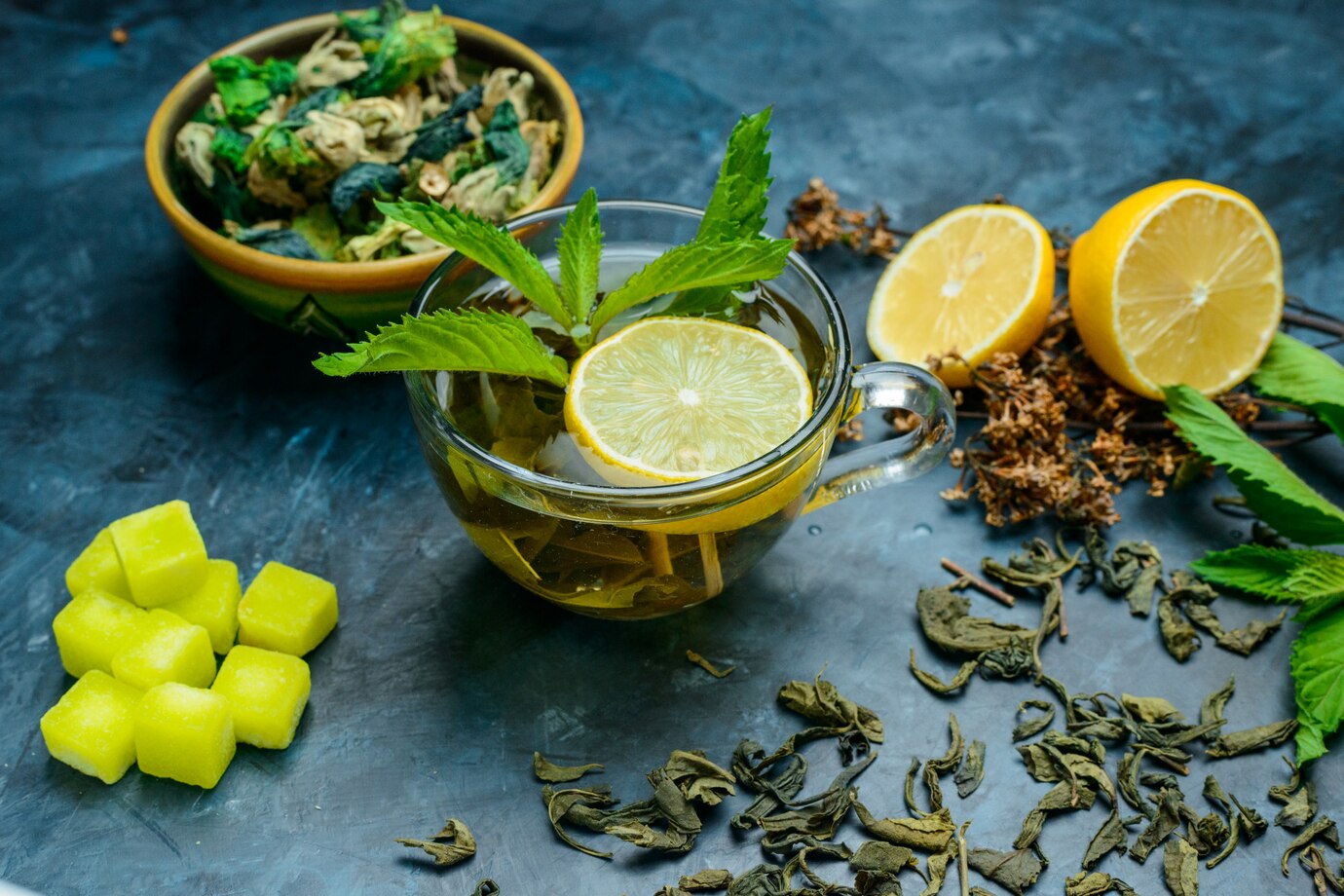
    Sore throats and respiratory issues like congestion and mucus buildup are common, especially during cold weather or allergy season. Ayurvedic teas, made from healing herbs and spices, offer a natural way to soothe irritated throats and promote clear lungs. These teas not only ease symptoms but also support respiratory health by boosting the immune system and reducing inflammation.

    In this article, we’ll explore some of the best Ayurvedic teas that can help relieve sore throats and clear the lungs for better breathing.

    The Ayurvedic Approach to Respiratory Health

    Ayurveda believes in balancing the doshas (Vata, Pitta, and Kapha) to maintain overall health. Respiratory issues are often related to an imbalance in the Kapha dosha, leading to excess mucus and congestion in the lungs. Ayurvedic teas help balance Kapha, cleanse the respiratory system, and soothe irritated throats by using a combination of herbs and spices with specific healing properties.

    1. Tulsi Tea (Holy Basil)

    How Tulsi Tea Helps:

    Tulsi, or Holy Basil, is one of the most revered herbs in Ayurveda for respiratory health. Tulsi tea has natural anti-inflammatory, antiviral, and antibacterial properties that help reduce throat irritation and clear the lungs. It is particularly effective in clearing mucus and soothing respiratory discomfort caused by colds, coughs, or asthma.

    Ingredients:

    • Fresh or dried Tulsi leaves
    • Water
    • Honey (optional)

    How to Prepare:

    • Boil 1-2 teaspoons of fresh or dried Tulsi leaves in a cup of water.
    • Let it simmer for 5-10 minutes.
    • Strain the tea and add honey if desired.

    Benefits:

    • Soothes a sore throat and reduces inflammation.
    • Clears mucus and helps with chest congestion.
    • Boosts immunity to fight respiratory infections.

    2. Licorice Root Tea (Mulethi)

    How Licorice Root Tea Helps:

    Licorice root (Mulethi) is a powerful herb for soothing sore throats and calming respiratory inflammation. It acts as a natural demulcent, meaning it coats and soothes irritated mucous membranes in the throat and lungs. Licorice root also has expectorant properties, helping to expel mucus and clear the airways.

    Ingredients:

    • Dried Licorice root (Mulethi)
    • Water
    • Honey (optional)

    How to Prepare:

    • Add 1 teaspoon of dried Licorice root to a cup of boiling water.
    • Let it steep for 10 minutes.
    • Strain and enjoy with honey if needed.

    Benefits:

    • Soothes throat irritation and reduces coughing.
    • Helps expel mucus from the lungs.
    • Provides relief from bronchial inflammation and congestion.

    3. Ginger Tea (Adraka)

    How Ginger Tea Helps:

    Ginger is a warming herb with strong anti-inflammatory and antimicrobial properties, making it ideal for treating sore throats and clearing lung congestion. Ginger tea helps reduce inflammation in the respiratory tract, improves circulation, and promotes the expulsion of mucus. Its warming nature also makes it helpful for dry coughs and throat irritation.

    Ingredients:

    • Fresh ginger root
    • Water
    • Honey or lemon (optional)

    How to Prepare:

    • Slice 1-2 inches of fresh ginger root and add to a cup of boiling water.
    • Let it simmer for 10-15 minutes.
    • Strain the tea and add honey or lemon if desired.

    Benefits:

    • Reduces inflammation and soothes throat irritation.
    • Improves respiratory circulation and clears mucus.
    • Helps alleviate dry cough and sore throat.

    4. Turmeric Tea (Haldi)

    How Turmeric Tea Helps:

    Turmeric is widely known for its anti-inflammatory and antioxidant properties, thanks to the active compound curcumin. Turmeric tea helps reduce inflammation in the throat and lungs, providing relief from irritation and congestion. It also boosts the immune system, helping the body fight off infections that can cause respiratory problems.

    Ingredients:

    • Turmeric powder or fresh turmeric root
    • Water
    • Black pepper (optional for better curcumin absorption)
    • Honey or lemon (optional)

    How to Prepare:

    • Add 1 teaspoon of turmeric powder or 1-inch fresh turmeric root to boiling water.
    • Let it simmer for 10 minutes.
    • Strain the tea and add black pepper, honey, or lemon for extra benefits.

    Benefits:

    • Reduces throat and lung inflammation.
    • Boosts immune function and helps fight respiratory infections.
    • Acts as a natural antioxidant, protecting respiratory health.

    5. Cinnamon Tea (Dalchini)

    How Cinnamon Tea Helps:

    Cinnamon is a warming spice with antibacterial, antifungal, and anti-inflammatory properties. It helps clear the respiratory system by reducing inflammation in the throat and lungs, making it easier to breathe. Cinnamon tea also helps soothe a sore throat and provides relief from coughing.

    Ingredients:

    • Cinnamon sticks or powder
    • Water
    • Honey (optional)

    How to Prepare:

    • Boil a cinnamon stick or 1 teaspoon of cinnamon powder in water for 5-10 minutes.
    • Strain the tea and add honey if desired.

    Benefits:

    • Reduces throat inflammation and soothes irritation.
    • Helps clear mucus from the lungs.
    • Provides relief from coughing and respiratory discomfort.

    6. Peppermint Tea (Pudina)

    How Peppermint Tea Helps:

    Peppermint contains menthol, a natural compound that acts as a decongestant and helps open up the airways. Peppermint tea is excellent for soothing a sore throat, reducing congestion, and promoting clearer breathing. Its cooling properties also provide a refreshing sensation, making it great for relieving throat irritation.

    Ingredients:

    • Fresh or dried peppermint leaves
    • Water
    • Honey (optional)

    How to Prepare:

    • Add 1-2 teaspoons of fresh or dried peppermint leaves to boiling water.
    • Let it steep for 5-10 minutes.
    • Strain and add honey if needed.

    Benefits:

    • Clears nasal and chest congestion.
    • Soothes a sore throat and reduces coughing.
    • Promotes easy breathing with a refreshing feel.

    7. Clove Tea (Laung)

    How Clove Tea Helps:

    Cloves have natural antibacterial and analgesic properties that help reduce throat pain and fight off infections. Clove tea is particularly useful for soothing sore throats, reducing coughing, and clearing the lungs. Cloves also have expectorant properties, making it easier to expel mucus and clear respiratory congestion.

    Ingredients:

    • Whole cloves
    • Water
    • Honey (optional)

    How to Prepare:

    • Boil 4-5 whole cloves in a cup of water for 5-7 minutes.
    • Strain the tea and add honey for additional throat relief.

    Benefits:

    • Relieves sore throat pain and irritation.
    • Helps clear mucus from the lungs.
    • Provides antibacterial protection against infections.

    Conclusion

    Ayurvedic teas made from natural herbs and spices offer a gentle yet effective way to soothe sore throats and promote lung health. From Tulsi to Licorice Root, each tea brings its unique benefits to help relieve respiratory discomfort, clear congestion, and support the immune system. Incorporating these teas into your daily routine, especially during cold and flu season, can provide long-lasting relief and ensure better respiratory health.

  • Breathing Easy- Ayurvedic Approaches to Asthma Prevention

    Breathing Easy- Ayurvedic Approaches to Asthma Prevention

    Breathe Deep, Breathe Easy: Ayurvedic Approaches to Asthma Prevention

    Asthma, a chronic respiratory condition characterized by wheezing, shortness of breath, and chest tightness, can significantly impact your quality of life. While conventional medicine offers treatment options, Ayurveda, the ancient Indian system of medicine, provides a holistic approach to preventing and managing asthma symptoms.


    Understanding Asthma through the Ayurvedic Lens

    Ayurveda views asthma as an imbalance in the doshas, the three energies that govern our body and mind. An imbalance in Vata dosha, associated with air and space, can manifest as dry coughs, wheezing, and difficulty breathing. Imbalance in Kapha dosha, linked to water and earth, can lead to excessive mucus production and congestion, further aggravating asthma symptoms.


    Ayurvedic Practices for Optimal Lung Health

    Ayurveda offers a multi-faceted approach to prevent and manage asthma:

    Dietary Adjustments: Following a diet that pacifies the aggravated dosha is key. For Vata imbalances, warm, cooked foods rich in easily digestible carbohydrates and spices like ginger are recommended. Kapha imbalances benefit from a lighter, drier diet with plenty of vegetables and less dairy products that can increase mucus production.

    Herbal Allies: Certain Ayurvedic herbs can be beneficial for lung health:

    Vasaka (Adhatoda Vasica): This herb is a revered bronchodilator that helps relax the airways and ease breathing.

    Licorice Root (Mulethi): This herb possesses anti-inflammatory properties that can soothe irritated airways.

    Tulsi (Holy Basil): Tulsi boasts immune-boosting properties and may help reduce the frequency of asthma attacks.

    Pranayama (Yogic Breathing): Specific breathing exercises like Kapalbhati and Bhastrika Pranayama help strengthen the respiratory system and improve lung capacity.


    Soothing Self-Care Practices

    Nasya (Nasal Decongestion): This Ayurvedic practice involves administering medicated drops or oil into the nostrils to clear congestion and promote overall respiratory health.

    Steam Inhalation: Inhaling steam infused with essential oils like eucalyptus or peppermint can help loosen mucus and ease breathing.

    Yoga: Gentle yoga poses can improve lung function, strengthen respiratory muscles, and promote relaxation.


    Simple Ayurvedic Home Remedies

    Honey and Ginger Tea: A warm cup of honey and ginger tea can soothe a cough and ease congestion.

    Warm Milk with Turmeric: Sipping on warm milk with a pinch of turmeric before bed can have anti-inflammatory benefits and promote restful sleep.

    Chest Rub with Ghee: Ghee, a clarified butter, has soothing properties. You can create a chest rub with ghee and herbs like camphor for topical relief.

    Remember: Consult with an Ayurvedic practitioner before using any herbs or practicing techniques like Nasya, especially if you have a severe case of asthma or are taking medications.


    Living a Breath-Easy Life

    By incorporating these Ayurvedic practices and home remedies into your life, you can embark on a journey towards preventing asthma and managing its symptoms naturally. Remember, consistency is key. With dedicated self-care, a balanced diet, and the wisdom of Ayurveda, you can breathe easier and experience improved respiratory health.


    Additional Tips:

    Manage Stress: Chronic stress can exacerbate asthma symptoms. Practice relaxation techniques like meditation or deep breathing to manage stress.

    Identify and Avoid Triggers: Common triggers like dust, pollen, and smoke can worsen asthma. Identify your triggers and take steps to avoid them whenever possible.

    Regular Exercise: Moderate exercise can improve lung function and overall health. Choose activities you enjoy and consult with your doctor before starting any new exercise program.


    Ayurveda offers a complementary approach to preventing and managing asthma. By combining these practices with conventional medicine, you can create a holistic plan for optimal lung health and a life filled with deep, easy breaths.

  • Tulsi and Mulethi for Respiratory Health

    Tulsi and Mulethi for Respiratory Health

    Maintaining optimal respiratory health is crucial, especially in an age where pollution, allergies, and respiratory infections are on the rise. Ayurveda, the ancient science of natural healing, offers various herbs that support and enhance lung function. Among the most prominent herbs are Tulsi (Holy Basil) and Mulethi (Licorice Root), both known for their powerful healing properties in addressing respiratory issues such as asthma, bronchitis, and other lung conditions.

    In this article, we’ll explore the individual roles of Tulsi and Mulethi in promoting respiratory health and how they can be incorporated into your daily routine for stronger lungs.

    Tulsi: The Holy Basil for Respiratory Wellness

    What is Tulsi?

    Tulsi (Ocimum sanctum), also known as Holy Basil, holds a sacred place in Ayurveda due to its wide range of health benefits. In the context of respiratory health, Tulsi is highly valued for its ability to cleanse the respiratory tract, reduce inflammation, and boost immunity. It is regarded as an adaptogen, helping the body cope with stress, which is often a trigger for respiratory conditions like asthma.

    How Tulsi Benefits Respiratory Health:

    1. Natural Expectorant: Tulsi is a potent expectorant, meaning it helps the body clear out mucus from the lungs. This is particularly beneficial for people suffering from chronic bronchitis or asthma, as it helps reduce chest congestion and ease breathing.
    2. Anti-inflammatory Properties: Tulsi has natural anti-inflammatory properties that help reduce inflammation in the airways, which is one of the primary causes of respiratory distress. This makes it particularly helpful for people with asthma, allergies, and chronic obstructive pulmonary disease (COPD).
    3. Antioxidant and Antiviral Action: Tulsi is rich in antioxidants that help protect the respiratory system from oxidative stress and damage caused by environmental pollutants. Additionally, its antiviral properties help protect against respiratory infections such as the common cold and flu, which can exacerbate conditions like asthma.
    4. Immune-boosting: Tulsi is an immunomodulator, which means it strengthens the immune system and helps the body fight off infections. This is crucial for maintaining healthy lungs, as infections are a common cause of respiratory issues.

    How to Use Tulsi:

    • Tulsi Tea: Boil fresh or dried Tulsi leaves in water and drink the tea to help reduce congestion and improve breathing.
    • Tulsi Steam Inhalation: Boil Tulsi leaves in water and inhale the steam to clear nasal passages and relieve chest congestion.
    • Chewing Fresh Leaves: Chewing 4-5 fresh Tulsi leaves daily can help keep respiratory infections at bay and improve lung strength.

    Mulethi: The Soothing Power of Licorice Root

    What is Mulethi?

    Mulethi (Glycyrrhiza glabra), or Licorice Root, is another widely used herb in Ayurveda, particularly for its ability to soothe and protect the respiratory system. Mulethi has been used for centuries to treat conditions like asthma, bronchitis, and sore throat due to its sweet and cooling properties, which help calm irritation in the respiratory tract.

    How Mulethi Benefits Respiratory Health:

    1. Soothes the Respiratory Tract: Mulethi’s main function in respiratory health is its ability to soothe the mucous membranes of the throat and lungs. This makes it especially effective in treating coughing and throat irritation, which are common symptoms of bronchitis and asthma.
    2. Anti-inflammatory Effects: Like Tulsi, Mulethi has strong anti-inflammatory properties that help reduce inflammation in the airways. By soothing the lungs and reducing inflammation, Mulethi can help ease breathing in individuals with chronic respiratory conditions.
    3. Expectorant Action: Mulethi works as a natural expectorant, helping to loosen and expel mucus from the lungs. This action is essential for people dealing with congestion or chronic cough, as it helps clear the airways and make breathing easier.
    4. Antiviral and Antibacterial Properties: Mulethi’s antiviral and antibacterial properties make it useful in preventing and treating respiratory infections such as the flu, cold, and pneumonia. These infections can weaken the lungs, so Mulethi helps maintain respiratory health by preventing them.
    5. Boosts Immunity: Similar to Tulsi, Mulethi is known to boost the immune system, helping the body fight off infections and protect the respiratory system from damage.

    How to Use Mulethi:

    • Mulethi Tea: Boil Mulethi root in water and drink the tea to soothe the throat, reduce coughing, and ease respiratory congestion.
    • Mulethi Powder: Mix Mulethi powder with honey and consume it daily to boost lung strength and prevent respiratory infections.
    • Mulethi Lozenges: Sucking on Mulethi lozenges can provide quick relief for sore throat and coughing.

    Combining Tulsi and Mulethi for Maximum Benefits

    Both Tulsi and Mulethi work exceptionally well on their own, but combining them can further enhance their respiratory benefits. Together, they provide a powerful blend of anti-inflammatory, expectorant, and immune-boosting properties that can help alleviate respiratory issues and maintain lung health.

    How to Use Tulsi and Mulethi Together:

    • Tulsi-Mulethi Tea: Boil a mixture of Tulsi leaves and Mulethi root in water. Strain the liquid and drink it once or twice a day to relieve congestion, soothe the throat, and strengthen your lungs.
    • Herbal Steam: Add Tulsi and Mulethi to boiling water and inhale the steam to clear your nasal passages and reduce lung congestion.

    Conclusion

    Tulsi and Mulethi are two of the most effective Ayurvedic herbs for maintaining and improving respiratory health. Tulsi acts as a natural expectorant, anti-inflammatory agent, and immune booster, while Mulethi soothes the respiratory tract, reduces inflammation, and helps expel mucus. Whether used individually or in combination, these herbs can provide a natural, holistic approach to strengthening the lungs and alleviating respiratory conditions like asthma, bronchitis, and chronic cough. Incorporating Tulsi and Mulethi into your daily routine can help you breathe easier and keep your lungs healthy and strong.

  • Breathing Exercises for Asthma Management

    Breathing Exercises for Asthma Management

    Asthma is a respiratory condition that can make breathing difficult due to inflammation and narrowing of the airways. While modern medicine offers various treatments, Ayurveda provides a holistic approach to managing asthma through lifestyle changes, diet, and breathing exercises, also known as Pranayama. Ayurvedic breathing exercises help in calming the mind, improving lung capacity, and enhancing oxygen flow, making them a powerful tool for asthma management.

    Benefits of Ayurvedic Breathing Exercises for Asthma

    Ayurvedic breathing exercises focus on strengthening the respiratory system and reducing the frequency and severity of asthma attacks. These exercises, when practiced regularly, can:

    • Improve lung function by expanding the lungs and improving their elasticity.
    • Reduce stress, which is often a trigger for asthma attacks.
    • Enhance oxygen flow to the bloodstream, easing shortness of breath.
    • Balance the body’s doshas, particularly Vata and Kapha, which are often aggravated in asthma sufferers.
    • Help clear congestion and improve airflow, making breathing easier.

    Asthma

    Key Ayurvedic Breathing Exercises (Pranayama) for Asthma

    1. Nadi Shodhana (Alternate Nostril Breathing)

    How It Works

    Nadi Shodhana helps balance the flow of oxygen in both nostrils and calm the nervous system. It clears the airways, making it easier to breathe and reduces stress, which can trigger asthma attacks.

    How to Perform

    1. Sit in a comfortable position with your spine straight.
    2. Close your right nostril with your thumb and inhale deeply through your left nostril.
    3. Now close your left nostril with your ring finger and exhale through your right nostril.
    4. Inhale through the right nostril and then close it while exhaling through the left nostril.
    5. Repeat this cycle for 5-10 minutes daily.

    Benefits for Asthma

    • Balances oxygen intake.
    • Clears nasal blockages.
    • Calms the nervous system and relieves stress.

    2. Anulom Vilom (Controlled Breathing)

    How It Works

    Anulom Vilom is similar to Nadi Shodhana but focuses more on controlling the breath in a rhythmic manner. This helps improve lung efficiency and reduces breathlessness, a common issue in asthma.

    How to Perform

    1. Sit in a cross-legged position.
    2. Close your right nostril with your thumb and inhale deeply through your left nostril.
    3. Close the left nostril and exhale through the right nostril.
    4. Repeat this process, alternating nostrils for about 10 minutes.

    Benefits for Asthma

    • Improves lung capacity.
    • Regulates airflow in the lungs.
    • Reduces stress-induced asthma attacks.

    3. Bhastrika Pranayama (Bellows Breathing)

    How It Works

    Bhastrika is an energizing breathing technique that involves rapid inhalation and exhalation. It strengthens the lungs and helps expel mucus, making it beneficial for people suffering from asthma.

    How to Perform

    1. Sit in a comfortable position with your spine straight.
    2. Inhale deeply through both nostrils, expanding your diaphragm.
    3. Exhale forcefully, using your diaphragm to push out the air.
    4. Continue this rapid inhalation and exhalation for 1-2 minutes, gradually increasing the time as you practice.

    Benefits for Asthma

    • Clears mucus from the respiratory system.
    • Strengthens lung muscles.
    • Improves oxygen supply to the lungs.

    4. Ujjayi Pranayama (Ocean Breath)

    How It Works

    Ujjayi Pranayama helps in controlling the breath and calming the mind, which is essential for people with asthma, especially during an attack. This technique mimics the sound of ocean waves and helps regulate airflow while reducing anxiety.

    How to Perform

    1. Sit in a relaxed position.
    2. Inhale slowly through your nose, slightly constricting the back of your throat to make a soft “ocean-like” sound.
    3. Exhale through your nose while maintaining the throat constriction.
    4. Repeat this for 5-10 minutes, focusing on deep and steady breaths.

    Benefits for Asthma

    • Opens up the airways.
    • Calms the mind and body.
    • Reduces the frequency of asthma attacks.

    5. Kapalbhati Pranayama (Skull Shining Breath)

    How It Works

    Kapalbhati involves forceful exhalation and passive inhalation, which helps to expel toxins from the body and clears the respiratory passages. It is particularly effective for people who have asthma triggered by congestion.

    How to Perform

    1. Sit in a cross-legged position with a straight spine.
    2. Take a deep breath in, and then exhale forcefully by contracting your abdominal muscles.
    3. Focus on short, rapid exhalations while the inhalation happens naturally.
    4. Practice this for 1-2 minutes and gradually increase the duration as you become more comfortable.

    Benefits for Asthma

    • Cleanses the respiratory system.
    • Reduces mucus buildup in the lungs.
    • Strengthens the diaphragm and lungs.

    6. Sitali Pranayama (Cooling Breath)

    How It Works

    Sitali Pranayama is a cooling breathing exercise that reduces body heat and helps calm the mind. For people with asthma, this exercise can be soothing and help reduce inflammation in the airways.

    How to Perform

    1. Sit comfortably with a straight back.
    2. Roll your tongue into a tube shape and inhale through the mouth, feeling the cool air pass through your tongue.
    3. Close your mouth and exhale through your nose.
    4. Repeat this process for 5 minutes.

    Benefits for Asthma

    • Reduces inflammation in the airways.
    • Cools the body and calms the mind.
    • Relieves shortness of breath and wheezing.

    Pranayama

    Additional Tips for Asthma Management

    In addition to these breathing exercises, Ayurvedic practices recommend a holistic approach for managing asthma that includes:

    • Herbal Remedies: Herbs like Vasaka, Licorice, Tulsi, and Mulethi are often used in Ayurvedic treatments for respiratory conditions.
    • Dietary Adjustments: Reducing Kapha-aggravating foods like dairy, cold foods, and heavy, greasy meals can help reduce mucus and inflammation in the respiratory system.
    • Lifestyle Changes: Regular exercise, avoiding exposure to pollution and allergens, and staying hydrated are crucial for asthma management.

    Conclusion

    Ayurvedic breathing exercises, or Pranayama, offer a powerful tool for managing asthma naturally. By strengthening the respiratory system, calming the mind, and reducing inflammation, these exercises can improve lung function and reduce the frequency of asthma attacks. Consistency is key, and incorporating these practices into your daily routine can lead to better asthma control and overall respiratory health.

    Always consult with a healthcare provider before making significant changes to your asthma management routine, especially if you’re new to Pranayama.

  • How to Strengthen Your Lungs with Natural Herbs

    How to Strengthen Your Lungs with Natural Herbs

    Maintaining healthy lungs is essential for overall well-being, and Ayurveda offers a range of natural remedies to strengthen the respiratory system. Ayurvedic herbs can help cleanse, detoxify, and enhance lung function by improving the body’s capacity to take in oxygen and clear out toxins. Whether you’re looking to improve your respiratory health or manage conditions like asthma and bronchitis, certain Ayurvedic herbs can be of great benefit.

    In this article, we’ll explore some of the best Ayurvedic herbs and remedies for strengthening your lungs and improving respiratory health.

    The Ayurvedic Perspective on Lung Health

    In Ayurveda, the lungs are governed by the Kapha dosha, which is responsible for fluid balance, lubrication, and mucus production in the body. When Kapha becomes aggravated, it leads to an excess buildup of mucus in the lungs, causing congestion and impaired respiratory function. Additionally, Vata dosha imbalances can lead to dryness in the airways, making it difficult to breathe. To restore balance, Ayurvedic treatments focus on using herbs that cleanse the lungs, reduce mucus, and promote healthy respiration.

    1. Tulsi (Holy Basil)

    How Tulsi Strengthens the Lungs:

    Tulsi, or Holy Basil, is one of the most revered herbs in Ayurveda for respiratory health. It has natural antibacterial, antiviral, and anti-inflammatory properties that help clear mucus, reduce inflammation in the lungs, and prevent respiratory infections. Tulsi is known to act as a natural expectorant, which helps to expel excess mucus from the lungs and relieve congestion.

    How to Use:

    • Drink Tulsi tea by boiling fresh or dried Tulsi leaves in water.
    • Chew fresh Tulsi leaves daily to improve respiratory strength and immunity.
    • Inhale steam infused with Tulsi leaves to clear the airways.

    Benefits:

    • Clears mucus from the lungs and reduces inflammation.
    • Strengthens the respiratory system and boosts immune function.
    • Reduces symptoms of asthma and bronchitis.

    2. Vasaka (Malabar Nut)

    How Vasaka Strengthens the Lungs:

    Vasaka, also known as Adhatoda vasica, is one of the most effective herbs for managing respiratory conditions like asthma, bronchitis, and chronic lung issues. It acts as a natural bronchodilator and expectorant, helping to open the airways, reduce wheezing, and clear excess mucus from the lungs. Vasaka is particularly beneficial for strengthening the lungs and enhancing their capacity.

    How to Use:

    • Take Vasaka powder with honey 1–2 times a day.
    • Drink Vasaka tea made from fresh leaves to help relieve lung congestion.

    Benefits:

    • Improves airflow and reduces chest congestion.
    • Strengthens the respiratory system and increases lung capacity.
    • Helps alleviate chronic lung conditions such as asthma.

    3. Pippali (Long Pepper)

    How Pippali Strengthens the Lungs:

    Pippali, or long pepper, is a warming herb that improves circulation in the respiratory system and helps clear excess mucus from the lungs. Its expectorant properties make it useful for treating respiratory conditions, while its immune-boosting effects help prevent infections that can weaken the lungs. Pippali is also known to strengthen lung function and promote better oxygen absorption.

    How to Use:

    • Add Pippali powder to warm water or milk and drink it once daily.
    • Take Pippali mixed with honey to relieve respiratory congestion.

    Benefits:

    • Clears mucus and improves lung circulation.
    • Strengthens lung function and promotes healthy breathing.
    • Boosts the immune system to prevent respiratory infections.

    4. Licorice Root (Yashtimadhu)

    How Licorice Root Strengthens the Lungs:

    Licorice root, or Yashtimadhu, is a soothing herb that helps reduce inflammation in the respiratory tract and strengthens the lungs. It acts as a natural expectorant, making it easier to expel mucus and clear the airways. Licorice root also protects the respiratory system from irritation and promotes healing in inflamed tissues, making it ideal for strengthening the lungs.

    How to Use:

    • Drink Licorice root tea by boiling licorice powder or sticks in water.
    • Use Licorice root supplements as recommended by an Ayurvedic practitioner.

    Benefits:

    • Soothes and reduces inflammation in the airways.
    • Helps expel mucus and strengthens lung capacity.
    • Prevents respiratory infections and boosts immunity.

    5. Haridra (Turmeric)

    How Turmeric Strengthens the Lungs:

    Turmeric, or Haridra, is well-known for its potent anti-inflammatory and antioxidant properties, making it an excellent herb for lung health. Curcumin, the active ingredient in turmeric, helps reduce inflammation in the lungs, making it easier to breathe. Turmeric also has immune-boosting properties that help protect the respiratory system from infections and oxidative stress.

    How to Use:

    • Drink turmeric milk (also known as golden milk) by mixing turmeric powder with warm milk.
    • Add turmeric to your daily meals or take it as a supplement.

    Benefits:

    • Reduces lung inflammation and improves lung capacity.
    • Boosts immune function, protecting the lungs from infections.
    • Acts as an antioxidant, protecting the respiratory system from damage.

    6. Ginger (Adraka)

    How Ginger Strengthens the Lungs:

    Ginger is a warming herb with powerful anti-inflammatory and bronchodilator properties, making it a great remedy for improving lung function. It helps reduce inflammation in the respiratory tract, clears mucus, and promotes better airflow to the lungs. Ginger also strengthens the immune system and acts as a natural antihistamine, which helps prevent respiratory conditions like asthma and allergies.

    How to Use:

    • Drink ginger tea made by boiling fresh ginger slices in water.
    • Add ginger juice to honey and consume it to reduce coughing and congestion.

    Benefits:

    • Reduces inflammation in the lungs and airways.
    • Clears mucus and improves airflow to the lungs.
    • Boosts immunity and prevents respiratory infections.

    7. Pushkarmool (Indian Elecampane)

    How Pushkarmool Strengthens the Lungs:

    Pushkarmool, or Indian Elecampane, is another powerful Ayurvedic herb that is widely used to treat respiratory ailments. It helps relieve congestion, reduce mucus buildup, and strengthen lung capacity. Pushkarmool acts as a bronchodilator and is especially beneficial for people suffering from asthma, bronchitis, and other chronic lung conditions.

    How to Use:

    • Take Pushkarmool powder with warm water or honey to relieve respiratory symptoms.
    • Consult an Ayurvedic practitioner for the correct dosage and usage.

    Benefits:

    • Improves lung capacity and strengthens the respiratory system.
    • Acts as a natural bronchodilator and expectorant.
    • Helps manage chronic respiratory conditions like asthma.

    Conclusion

    Ayurvedic herbs offer a natural and effective way to strengthen the lungs and improve respiratory health. Herbs such as Tulsi, Vasaka, Pippali, Licorice Root, Turmeric, Ginger, and Pushkarmool help cleanse the lungs, reduce inflammation, and enhance lung function. Incorporating these herbs into your daily routine can significantly improve your respiratory strength, making it easier to breathe deeply and maintain overall lung health. However, it’s essential to consult with an Ayurvedic practitioner or healthcare provider before starting any new herbal treatments to ensure safety and effectiveness.

  • Remedies for Respiratory Conditions like Asthma and Bronchitis

    Remedies for Respiratory Conditions like Asthma and Bronchitis

    Respiratory conditions like asthma and bronchitis can be debilitating, often leading to difficulty breathing, chronic coughing, and inflammation of the airways. Ayurveda, the ancient Indian system of medicine, offers several herbal remedies to alleviate the symptoms and promote lung health. These herbs, known for their anti-inflammatory, bronchodilator, and immune-boosting properties, help treat asthma, bronchitis, and other respiratory issues naturally.

    In this article, we will explore some of the most effective Ayurvedic herbs and remedies for respiratory health.

    Understanding Respiratory Conditions in Ayurveda

    According to Ayurveda, respiratory problems stem from an imbalance in the Kapha dosha (the dosha associated with water and earth elements), which leads to excess mucus production, congestion, and restricted airflow. Asthma and bronchitis can also be influenced by Vata dosha imbalances, causing difficulty in breathing and dryness in the airways. To manage these conditions, Ayurveda focuses on balancing these doshas through diet, lifestyle changes, and herbal remedies.

    1. Tulsi (Holy Basil)

    How Tulsi Helps:

    Tulsi, also known as Holy Basil, is one of the most revered herbs in Ayurveda, particularly for respiratory health. It acts as a natural expectorant and bronchodilator, helping to clear mucus from the airways and ease breathing. Its anti-inflammatory properties help reduce swelling in the lungs, while its antibacterial and antiviral actions protect against infections that can trigger asthma and bronchitis flare-ups.

    How to Use:

    • Drink Tulsi tea by boiling fresh or dried tulsi leaves in water.
    • Inhale steam infused with tulsi leaves to relieve congestion.
    • Chew a few fresh tulsi leaves daily to strengthen the respiratory system.

    Benefits:

    • Reduces asthma symptoms by opening up the airways.
    • Clears mucus and reduces inflammation in bronchitis.
    • Boosts the immune system to prevent respiratory infections.

    2. Licorice Root (Yashtimadhu)

    How Licorice Root Helps:

    Licorice root, or Yashtimadhu, is a well-known Ayurvedic remedy for soothing the airways and reducing inflammation. Its natural sweet properties help coat the throat, reducing irritation and soothing dry, inflamed airways. Licorice root also acts as an expectorant, helping clear mucus and making it easier to breathe, making it especially useful for asthma and bronchitis patients.

    How to Use:

    • Boil licorice root powder in water to make a tea, and drink it 1–2 times daily.
    • Take licorice root supplements or extracts, under the guidance of an Ayurvedic practitioner.

    Benefits:

    • Reduces airway inflammation, making breathing easier.
    • Acts as a natural cough suppressant and expectorant.
    • Protects the respiratory tract from infections.

    3. Vasaka (Malabar Nut)

    How Vasaka Helps:

    Vasaka, or Adhatoda vasica, is one of the most powerful Ayurvedic herbs for treating asthma, bronchitis, and other respiratory conditions. Known for its bronchodilator and expectorant properties, Vasaka helps open the airways, expel mucus, and alleviate coughing. This herb is particularly effective for managing chronic bronchitis and severe asthma attacks.

    How to Use:

    • Drink Vasaka leaf juice mixed with honey 1–2 times a day.
    • Take Vasaka powder or capsules under the supervision of a healthcare provider.

    Benefits:

    • Relieves chest congestion and reduces wheezing.
    • Expels excess mucus from the lungs.
    • Helps reduce the frequency and severity of asthma attacks.

    4. Pippali (Long Pepper)

    How Pippali Helps:

    Pippali, or long pepper, is a warming herb that helps improve lung function and boosts respiratory circulation. It acts as a natural decongestant, helping clear blocked sinuses and expel excess mucus from the lungs. Pippali also strengthens the immune system, making it an excellent remedy for respiratory infections that can aggravate conditions like asthma and bronchitis.

    How to Use:

    • Add Pippali powder to warm milk or water, and drink it once a day.
    • Combine Pippali with honey and consume it after meals to enhance digestion and clear mucus.

    Benefits:

    • Clears mucus and improves lung circulation.
    • Reduces the intensity of asthma and bronchitis symptoms.
    • Strengthens the immune system to prevent respiratory infections.

    5. Ginger (Adraka)

    How Ginger Helps:

    Ginger is one of the most versatile herbs in Ayurveda, known for its anti-inflammatory and antioxidant properties. It helps reduce inflammation in the airways, making it easier to breathe during asthma attacks or bronchitis flare-ups. Ginger also acts as a natural antihistamine, reducing allergic reactions that can trigger asthma. Its warming properties improve circulation and help expel excess mucus from the lungs.

    How to Use:

    • Drink ginger tea by boiling fresh ginger slices in water.
    • Add ginger juice to honey and consume it to reduce coughing and chest tightness.

    Benefits:

    • Reduces airway inflammation and clears mucus.
    • Acts as a natural antihistamine, preventing asthma triggers.
    • Soothes the respiratory tract, reducing coughing.

    6. Mulethi (Licorice Root)

    How Mulethi Helps:

    Mulethi, or Indian licorice, is known for its ability to soothe irritated airways and reduce inflammation. It helps relieve symptoms like coughing, wheezing, and shortness of breath, making it an excellent remedy for both asthma and bronchitis. Mulethi also has immune-boosting properties that help prevent respiratory infections.

    How to Use:

    • Boil Mulethi powder in water to make a tea, and drink it 1–2 times a day.
    • Chew on Mulethi sticks to soothe throat irritation and reduce coughing.

    Benefits:

    • Soothes inflamed airways and reduces coughing.
    • Boosts the immune system to prevent respiratory infections.
    • Helps clear mucus and reduce shortness of breath.

    7. Haridra (Turmeric)

    How Turmeric Helps:

    Turmeric, known as Haridra in Ayurveda, is a powerful anti-inflammatory herb that helps reduce lung inflammation in asthma and bronchitis patients. Curcumin, the active ingredient in turmeric, has been shown to have antioxidant and anti-inflammatory properties, which help reduce oxidative stress and inflammation in the respiratory tract.

    How to Use:

    • Mix turmeric powder with warm milk (known as golden milk) and drink it once a day.
    • Add turmeric powder to your food or take it in capsule form for long-term lung health.

    Benefits:

    • Reduces inflammation in the lungs, improving airflow.
    • Boosts immune function to prevent respiratory infections.
    • Acts as a natural antioxidant, reducing oxidative stress in the respiratory system.

    Conclusion

    Ayurvedic herbs offer a natural and effective way to manage respiratory conditions like asthma and bronchitis. Herbs such as Tulsi, Licorice Root, Vasaka, Pippali, Ginger, and Turmeric help reduce inflammation, clear mucus, and improve lung function, providing relief from symptoms and promoting overall respiratory health. Incorporating these remedies into your daily routine can help you manage respiratory conditions naturally, but it’s important to consult an Ayurvedic practitioner or healthcare provider before starting any new treatments.

  • Pranayama Breathing Techniques for Lung Health

    Pranayama Breathing Techniques for Lung Health

    Breathing is fundamental to life, and in Ayurveda, the quality of our breath plays a significant role in maintaining overall health and balance. Pranayama, the practice of controlled breathing, is an ancient Ayurvedic technique that helps improve lung capacity, boost respiratory health, and increase the flow of life energy, or “prana.” In this article, we will explore some key Ayurvedic breathing techniques for improving lung health and how they can be incorporated into your daily routine for better respiratory well-being.

    The Importance of Pranayama for Lung Health

    In Ayurveda, lung health is closely connected to Prana Vayu, the vital life force that governs all respiratory and circulatory functions. When the lungs are strong and clear, prana flows freely, leading to better oxygenation, improved energy, and enhanced immune function. Pranayama is a powerful tool for detoxifying the lungs, increasing lung capacity, and promoting relaxation. It is especially beneficial for people suffering from respiratory issues such as asthma, bronchitis, and allergies.

    Key Benefits of Pranayama for Lung Health:

    • Cleanses the lungs and removes toxins from the respiratory system.
    • Increases oxygen intake, improving energy levels and reducing fatigue.
    • Strengthens lung capacity, helping manage respiratory conditions.
    • Reduces stress and promotes relaxation, which is essential for lung function.

    1. Nadi Shodhana (Alternate Nostril Breathing)

    What is Nadi Shodhana?

    Nadi Shodhana, also known as alternate nostril breathing, is one of the most well-known pranayama techniques in Ayurveda. This breathing exercise helps balance the left and right hemispheres of the brain, calms the mind, and enhances lung function by increasing oxygen flow to the lungs.

    How to Practice:

    1. Sit comfortably with your spine straight.
    2. Use your right thumb to close your right nostril.
    3. Inhale deeply through your left nostril.
    4. Close your left nostril with your ring finger, and exhale through the right nostril.
    5. Inhale through the right nostril, close it with your thumb, and exhale through the left nostril.
    6. Repeat this cycle for 5–10 minutes, focusing on smooth and deep breaths.

    Benefits:

    • Cleanses the respiratory channels, allowing better air circulation.
    • Balances the nervous system, promoting relaxation and reducing stress.
    • Enhances lung capacity and increases oxygen intake.

    2. Kapalbhati (Skull Shining Breath)

    What is Kapalbhati?

    Kapalbhati, or the skull shining breath, is an energizing breathing technique that involves powerful exhalations followed by passive inhalations. This pranayama exercise helps clear the lungs, improve digestion, and strengthen the respiratory system by expelling toxins from the body.

    How to Practice:

    1. Sit comfortably in a cross-legged position with a straight back.
    2. Inhale deeply through both nostrils.
    3. Exhale forcefully through the nose, using your abdominal muscles to push the air out. Inhale passively, allowing the lungs to fill naturally.
    4. Repeat the forceful exhalations for 20–30 breaths, and then relax.
    5. Gradually increase the number of rounds as your lung strength improves.

    Benefits:

    • Cleanses the lungs by expelling stale air and toxins.
    • Improves lung strength and enhances oxygen intake.
    • Boosts energy levels and revitalizes the respiratory system.
    • Helps manage respiratory conditions such as asthma and bronchitis.

    3. Bhastrika (Bellows Breath)

    What is Bhastrika?

    Bhastrika, or bellows breath, is a vigorous pranayama technique that stimulates the lungs and boosts lung capacity. It involves rapid and forceful inhalations and exhalations, mimicking the action of a bellow. This technique helps clear the lungs, increase oxygen intake, and promote a sense of vitality.

    How to Practice:

    1. Sit comfortably in a meditative position with your hands resting on your knees.
    2. Inhale deeply through both nostrils, expanding your chest and abdomen.
    3. Exhale forcefully, contracting your abdominal muscles as you push the air out.
    4. Continue this rapid breathing for 10–20 breaths, and then relax.
    5. Take a few deep, calming breaths before repeating another round.

    Benefits:

    • Strengthens the lungs and enhances lung capacity.
    • Increases oxygen levels in the body, improving energy and stamina.
    • Cleanses the respiratory system, removing excess mucus and toxins.
    • Invigorates the mind and body, helping to clear mental fog.

    4. Ujjayi (Ocean Breath)

    What is Ujjayi?

    Ujjayi, also known as the ocean breath, is a gentle pranayama technique that involves constricting the throat to create a soft, ocean-like sound while breathing. This controlled breathing technique helps calm the mind, increase lung capacity, and improve respiratory function.

    How to Practice:

    1. Sit in a comfortable position with your spine straight.
    2. Inhale deeply through your nose while slightly constricting your throat, creating a gentle hissing or ocean-like sound.
    3. Exhale slowly through the nose, maintaining the same throat constriction.
    4. Focus on deep, controlled breaths, and continue for 5–10 minutes.

    Benefits:

    • Improves lung function by increasing oxygen intake.
    • Relieves stress and anxiety, which can enhance overall respiratory health.
    • Strengthens the diaphragm and increases lung capacity.
    • Helps clear the airways, making it easier to breathe deeply.

    5. Anulom Vilom (Controlled Nostril Breathing)

    What is Anulom Vilom?

    Anulom Vilom is another form of alternate nostril breathing that focuses on controlled inhalations and exhalations. This technique helps purify the respiratory system, balance energy in the body, and increase lung efficiency.

    How to Practice:

    1. Sit in a comfortable meditative position.
    2. Close your right nostril with your thumb and inhale deeply through your left nostril.
    3. Close your left nostril with your ring finger and exhale through the right nostril.
    4. Inhale through the right nostril, close it with your thumb, and exhale through the left nostril.
    5. Repeat this cycle for 5–10 minutes, keeping your breaths slow and controlled.

    Benefits:

    • Enhances respiratory function by balancing oxygen and carbon dioxide levels.
    • Purifies the lungs, improving lung capacity and reducing congestion.
    • Balances the body’s energy channels, promoting overall well-being.
    • Calms the nervous system, helping to manage stress and anxiety.

    Conclusion

    Ayurvedic breathing techniques, or pranayama, offer a powerful way to improve lung health and boost overall well-being. By incorporating practices such as Nadi Shodhana, Kapalbhati, Bhastrika, Ujjayi, and Anulom Vilom into your daily routine, you can cleanse and strengthen your lungs, enhance oxygen intake, and promote better respiratory health. These techniques are not only beneficial for managing respiratory conditions but also help reduce stress, improve energy levels, and promote mental clarity.

  • Managing Seasonal Allergies with Ayurveda

    Managing Seasonal Allergies with Ayurveda

    Seasonal allergies, also known as hay fever or allergic rhinitis, can significantly disrupt daily life with symptoms like sneezing, nasal congestion, itchy eyes, and headaches. Ayurveda, with its holistic approach, offers natural remedies to not only relieve allergy symptoms but also strengthen the immune system to prevent them from occurring in the first place. Ayurvedic treatments focus on balancing the doshas (Vata, Pitta, and Kapha) and cleansing the body to reduce the buildup of toxins, known as ama, which contribute to allergic reactions.

    Ayurvedic View on Seasonal Allergies

    In Ayurveda, allergies are linked to an imbalance of the doshas, particularly Kapha dosha, which governs mucus production. When Kapha becomes excessive due to factors such as diet, lifestyle, or seasonal changes, it leads to an accumulation of mucus in the respiratory tract, causing congestion and other allergy symptoms. Imbalances in Vata and Pitta can also trigger allergies, with Vata contributing to dryness and itchiness, and Pitta exacerbating inflammation and heat in the body.

    Common Causes of Seasonal Allergies

    • Exposure to allergens such as pollen, dust, and mold
    • Weak immune system and poor digestion
    • Unbalanced doshas, especially Kapha
    • Accumulation of toxins (Ama) in the body
    • Environmental factors such as pollution or seasonal changes

    Seasonal Allergies

    Ayurvedic Remedies for Seasonal Allergies

    1. Herbal Remedies for Allergy Relief

    Tulsi (Holy Basil)

    Benefits: Tulsi has natural anti-inflammatory and antihistamine properties, making it effective in managing respiratory symptoms such as congestion, sneezing, and cough. It helps in detoxifying the body and reducing Kapha-related imbalances.

    How to Use: Drink Tulsi tea regularly during allergy season or chew fresh Tulsi leaves to relieve congestion.

    Haridra (Turmeric)

    Benefits: Turmeric is a powerful anti-inflammatory herb that helps reduce the symptoms of allergies by balancing Pitta and Kapha doshas. Its active compound, curcumin, strengthens the immune system and acts as a natural antihistamine.

    How to Use: Add turmeric to your diet or drink warm turmeric milk to reduce inflammation and strengthen immunity.

    Mulethi (Licorice Root)

    Benefits: Mulethi soothes irritated airways, reduces inflammation, and helps clear mucus from the respiratory tract. It is especially useful for treating a sore throat, cough, and chest congestion.

    How to Use: Drink Mulethi tea or take it in powder form with warm water to ease respiratory symptoms.

    2. Nasal Irrigation (Jal Neti)

    Benefits: Jal Neti, a nasal cleansing technique, helps flush out allergens, dust, and mucus from the nasal passages, preventing congestion and irritation. It is particularly effective in managing hay fever and allergic rhinitis.

    How to Use: Use a neti pot filled with warm saline water to irrigate the nasal passages daily during allergy season.

    3. Pranayama (Breathing Exercises)

    Kapalbhati

    Benefits: Kapalbhati is a breathing exercise that helps clear the respiratory system of excess mucus and toxins. It is especially effective in balancing Kapha and improving lung function.

    How to Use: Practice Kapalbhati for 5-10 minutes daily in the morning to relieve allergy symptoms and improve respiratory health.

    Nadi Shodhana (Alternate Nostril Breathing)

    Benefits: This pranayama technique helps balance Vata and Kapha doshas while calming the mind and reducing stress. It is useful for alleviating congestion and soothing inflamed nasal passages.

    How to Use: Practice Nadi Shodhana for 5-10 minutes daily to clear nasal congestion and restore balance to the respiratory system.

    4. Ayurvedic Diet for Allergy Management

    Foods to Include:

    • Ginger: A warming herb that helps reduce Kapha and clears mucus from the respiratory tract.
    • Cumin, Coriander, and Fennel: These spices help improve digestion and reduce the buildup of toxins (Ama) that contribute to allergies.
    • Warm soups and herbal teas: Keep the body warm and hydrated, helping to expel mucus and prevent congestion.

    Foods to Avoid:

    • Cold and heavy foods: Dairy products, cold drinks, and processed foods can increase Kapha and worsen mucus production.
    • Sugar and fried foods: These foods increase inflammation and can aggravate allergy symptoms.

    5. Detoxification and Panchakarma

    Ayurveda recommends periodic detoxification to remove accumulated toxins (Ama) from the body, which can worsen allergy symptoms. Panchakarma, a cleansing therapy, helps eliminate toxins, balance the doshas, and improve immunity.

    How to Use: Consult an Ayurvedic practitioner for personalized Panchakarma treatments, such as Vamana (therapeutic vomiting) and Nasya (nasal cleansing), which are effective in treating respiratory issues and allergies.

    Seasonal Allergies

    Ayurvedic Lifestyle Tips to Prevent Allergies

    1. Daily Routine (Dinacharya)

    Following a daily routine that balances the doshas and supports immunity can help prevent seasonal allergies. Incorporate practices such as:

    • Abhyanga (Self-Oil Massage): Use warm sesame or mustard oil for daily oil massages to improve circulation and remove toxins.
    • Tongue Scraping: Use a tongue scraper to remove toxins and bacteria that accumulate overnight, which can contribute to allergies.

    2. Stay Hydrated

    Drinking warm water throughout the day helps thin mucus and flush out toxins from the body. Warm herbal teas, such as ginger or Tulsi tea, are especially beneficial during allergy season.

    3. Avoid Exposure to Allergens

    During allergy season, try to minimize exposure to common allergens like pollen by:

    • Staying indoors on windy days.
    • Using air purifiers in your home.
    • Wearing a mask if you need to be outdoors for long periods.

    Conclusion

    Ayurveda offers a holistic and natural approach to managing seasonal allergies by focusing on balancing the doshas, strengthening immunity, and reducing toxins in the body. By incorporating Ayurvedic herbs, pranayama, and a balanced diet, you can effectively reduce allergy symptoms and prevent them from recurring. With the right Ayurvedic practices, you can maintain optimal health and enjoy the changing seasons without discomfort.