
Category: Respiratory Health

  • Top Ayurvedic Herbs to Support Lung Health and Cleanse Airways

    Top Ayurvedic Herbs to Support Lung Health and Cleanse Airways

    Maintaining healthy lungs is essential for overall well-being, especially in times when air pollution and respiratory ailments are on the rise. Ayurveda, with its ancient wisdom, provides natural remedies to strengthen lung health, improve respiratory function, and prevent respiratory issues. The use of specific herbs known for their cleansing, soothing, and rejuvenating properties can help protect and nourish the lungs.

    Ayurvedic View on Lung Health

    According to Ayurveda, the Kapha dosha governs the respiratory system, influencing mucus production and lung function. When Kapha becomes imbalanced due to poor diet, environmental factors, or stress, it can lead to respiratory issues such as congestion, asthma, and bronchitis. The goal is to balance Kapha and cleanse the respiratory channels (Prana Vaha Srotas) to ensure proper lung function.

    Top Ayurvedic Herbs for Lung Health

    1. Tulsi (Holy Basil)

    Benefits for Lungs

    Tulsi is one of the most revered herbs in Ayurveda, especially for respiratory health. It has powerful anti-inflammatory, antimicrobial, and immune-boosting properties that make it excellent for treating respiratory infections, cough, and asthma. Tulsi helps clear mucus from the lungs and reduces inflammation, making breathing easier.

    How to Use

    • Drink Tulsi tea daily for lung cleansing.
    • Boil fresh Tulsi leaves in water and inhale the steam to ease nasal congestion.

    2. Mulethi (Licorice Root)

    Benefits for Lungs

    Mulethi, or licorice root, is known for its soothing effects on the respiratory tract. It helps reduce inflammation, irritation, and cough while acting as a natural expectorant, which helps in expelling mucus from the lungs. Mulethi is commonly used to manage bronchitis, asthma, and chronic coughs.

    How to Use

    • Prepare Mulethi tea by boiling the root in water.
    • Add Mulethi powder to warm water or honey to soothe sore throats and reduce cough.

    3. Vasa (Malabar Nut)

    Benefits for Lungs

    Vasa is an excellent herb for respiratory health due to its bronchodilator and expectorant properties. It is highly effective in treating conditions like asthma, bronchitis, and chronic obstructive pulmonary disease (COPD). Vasa helps improve airflow, clear mucus, and reduce inflammation in the respiratory tract.

    How to Use

    • Boil Vasa leaves or powder in water and drink it as tea.
    • Vasa-based formulations are available in Ayurvedic stores for asthma relief.

    4. Pippali (Long Pepper)

    Benefits for Lungs

    Pippali is a warming herb that helps clear excess Kapha and congestion in the lungs. It acts as a natural decongestant, making it easier to expel mucus and improve breathing. Pippali is especially useful for treating respiratory issues such as colds, cough, asthma, and bronchitis.

    How to Use

    • Mix Pippali powder with honey and consume to clear mucus.
    • Pippali tea can be made by boiling the powder in water.

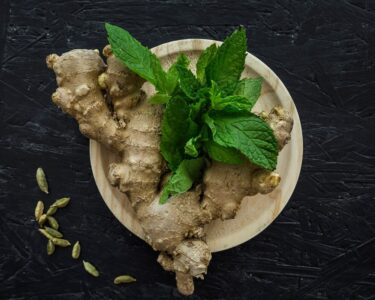
    5. Ginger (Adrak)

    Benefits for Lungs

    Ginger has potent anti-inflammatory and antioxidant properties that help reduce inflammation in the respiratory tract. It also aids in breaking down and expelling mucus from the lungs, making it a useful remedy for colds, coughs, and respiratory infections.

    How to Use

    • Drink ginger tea daily to keep your lungs clear.
    • Add fresh ginger to meals or chew on ginger slices to soothe the throat.

    6. Haridra (Turmeric)

    Benefits for Lungs

    Turmeric is renowned for its powerful anti-inflammatory and antioxidant effects, which help protect the lungs from damage and infection. The active compound, curcumin, helps in reducing inflammation in the lungs and fights off respiratory infections. It is especially helpful in conditions like asthma and chronic bronchitis.

    How to Use

    • Drink warm turmeric milk (Golden Milk) daily.
    • Add turmeric powder to meals or take curcumin supplements.

    7. Pushkarmool (Indian Elecampane)

    Benefits for Lungs

    Pushkarmool is an Ayurvedic herb specifically used for treating respiratory ailments such as asthma and bronchitis. It has bronchodilator effects, helping to open up the airways and make breathing easier. It also acts as an expectorant, clearing mucus from the lungs and reducing congestion.

    How to Use

    • Take Pushkarmool powder with honey or warm water for respiratory relief.
    • It is also available in capsule or tablet form for convenient use.

    8. Kalmegh (Andrographis)

    Benefits for Lungs

    Kalmegh is an herb known for its immune-boosting and anti-inflammatory properties. It helps protect the lungs from infections and inflammation. Kalmegh is often used to treat respiratory conditions like colds, flu, bronchitis, and sinusitis.

    How to Use

    • Kalmegh is available in tablet, powder, and tea forms.
    • Drink Kalmegh tea during flu season to protect the respiratory system.

    9. Shunthi (Dry Ginger)

    Benefits for Lungs

    Shunthi, or dry ginger, is highly effective in reducing Kapha-related issues like mucus buildup and congestion. Its warming nature helps break down phlegm and clears the respiratory channels, making it easier to breathe. Shunthi is particularly useful for treating asthma, colds, and coughs.

    How to Use

    • Mix Shunthi powder with honey and consume it in the morning.
    • Drink Shunthi tea regularly to maintain lung health.

    10. Neem

    Benefits for Lungs

    Neem is well-known for its antibacterial and antiviral properties, making it a great herb for preventing respiratory infections. Neem also helps clear toxins from the body and lungs, reducing the likelihood of respiratory ailments. It supports lung health by balancing Kapha and purifying the blood.

    How to Use

    • Neem tea or capsules can be consumed to protect the lungs.
    • You can also boil Neem leaves and inhale the steam for congestion relief.

    Lung Health

    Ayurvedic Lifestyle Tips for Lung Health

    1. Steam Inhalation: Regular steam inhalation with eucalyptus or tulsi essential oils can help open airways and reduce congestion.
    2. Pranayama (Breathing Exercises): Practicing pranayama such as Anulom Vilom and Kapalbhati can strengthen the lungs and improve respiratory function.
    3. Avoid Cold Foods: Cold and heavy foods increase Kapha and should be avoided to prevent mucus buildup in the lungs.
    4. Stay Hydrated: Drinking warm water throughout the day helps thin mucus and keeps the lungs clear.

    Conclusion

    Ayurvedic herbs offer natural and effective ways to support lung health and prevent respiratory issues. By incorporating herbs like Tulsi, Mulethi, Vasa, and Ginger into your daily routine, along with lifestyle practices like pranayama and steam inhalation, you can maintain optimal lung function and breathe easier.

  • Healing Respiratory Ailments with Herbal Teas

    Healing Respiratory Ailments with Herbal Teas

    Respiratory ailments like cough, cold, asthma, and bronchitis can be persistent and affect day-to-day life. Ayurvedic herbal teas offer natural, gentle relief by soothing the respiratory system, clearing congestion, and boosting immunity. These teas are prepared with specific herbs known for their healing properties and balancing effects on the body’s doshas (Vata, Pitta, Kapha).

    Ayurvedic View on Respiratory Health

    According to Ayurveda, respiratory issues often arise due to an imbalance in Kapha and Vata doshas. Kapha, when in excess, leads to the accumulation of mucus, causing congestion, while Vata imbalance can result in dryness and difficulty in breathing. Ayurvedic herbal teas aim to bring these doshas back into balance by reducing mucus, calming inflammation, and opening the airways.

    Ayurvedic Herbal Teas for Respiratory Health

    1. Tulsi Tea

    How It Works

    Tulsi, also known as holy basil, is revered in Ayurveda for its powerful healing properties, especially for respiratory health. Tulsi tea helps in clearing the lungs, reducing cough, and boosting immunity. It also has anti-inflammatory and antibacterial properties that make it an effective remedy for respiratory infections.

    How to Prepare

    • Boil 1 cup of water.
    • Add a handful of fresh or dried tulsi leaves.
    • Let it simmer for 5-7 minutes.
    • Strain and drink 1-2 cups daily.

    Benefits for Respiratory Ailments

    • Clears congestion and opens the airways.
    • Helps reduce coughing and mucus production.
    • Boosts the immune system to fight off infections.

    2. Ginger and Turmeric Tea

    How It Works

    Ginger and turmeric are warming spices that reduce Kapha and help in breaking down mucus. They are also known for their strong anti-inflammatory and antioxidant properties, making this tea ideal for soothing the throat and reducing inflammation in the respiratory tract.

    How to Prepare

    • Boil 1 cup of water and add 1 tsp of grated ginger.
    • Add ½ tsp of turmeric powder.
    • Simmer for 10 minutes, then strain and drink.
    • You can add honey to enhance the taste and further soothe the throat.

    Benefits for Respiratory Ailments

    • Reduces inflammation and irritation in the respiratory tract.
    • Helps break down and clear mucus.
    • Boosts the body’s natural defenses against infections.

    3. Licorice (Mulethi) Tea

    How It Works

    Licorice, or mulethi, is a popular Ayurvedic herb used to soothe sore throats, reduce cough, and ease breathing. Its expectorant properties help in clearing mucus from the lungs, making it an effective remedy for bronchitis and asthma.

    How to Prepare

    • Boil 1 cup of water.
    • Add ½ tsp of dried licorice root or licorice powder.
    • Let it steep for 10 minutes, then strain and drink.

    Benefits for Respiratory Ailments

    • Soothes the throat and reduces irritation.
    • Acts as a natural expectorant to clear mucus.
    • Helps alleviate symptoms of asthma and bronchitis.

    4. Peppermint Tea

    How It Works

    Peppermint tea is cooling and helps reduce Vata and Kapha imbalances in the body. It is particularly effective in opening up the airways, easing nasal congestion, and soothing irritated respiratory passages.

    How to Prepare

    • Boil 1 cup of water and add a few fresh peppermint leaves or 1 tsp of dried peppermint.
    • Let it steep for 5-7 minutes, strain, and drink.
    • Inhale the steam while sipping for added benefits.

    Benefits for Respiratory Ailments

    • Eases breathing by clearing nasal passages.
    • Provides relief from throat irritation and cough.
    • Reduces symptoms of colds and sinus congestion.

    5. Vasa (Malabar Nut) Tea

    How It Works

    Vasa, or Malabar nut, is an Ayurvedic herb known for its effectiveness in treating asthma, bronchitis, and other respiratory ailments. It has anti-inflammatory and bronchodilator properties, making it an excellent tea for improving lung function and easing breathlessness.

    How to Prepare

    • Boil 1 cup of water.
    • Add 1 tsp of vasa leaves or vasa powder.
    • Let it steep for 10 minutes, then strain and drink.

    Benefits for Respiratory Ailments

    • Improves lung function and eases breathing difficulties.
    • Reduces inflammation in the airways.
    • Helps relieve symptoms of asthma and bronchitis.

    6. Cinnamon and Clove Tea

    How It Works

    Cinnamon and clove have warming and antimicrobial properties that help in clearing mucus, fighting respiratory infections, and easing chest congestion. They are particularly useful in reducing Kapha and supporting respiratory health during colds and flu.

    How to Prepare

    • Boil 1 cup of water and add 1 stick of cinnamon and 2-3 cloves.
    • Let it simmer for 10 minutes, then strain and drink.
    • You can add a spoonful of honey for additional throat soothing.

    Benefits for Respiratory Ailments

    • Reduces mucus and clears congestion.
    • Fights off respiratory infections with antimicrobial properties.
    • Eases symptoms of colds and coughs.

    7. Pippali Tea

    How It Works

    Pippali, or long pepper, is a potent herb in Ayurveda known for its ability to clear excess Kapha and improve respiratory function. It acts as a natural decongestant and helps in clearing blockages in the respiratory system.

    How to Prepare

    • Boil 1 cup of water and add ½ tsp of pippali powder.
    • Let it steep for 5-7 minutes, then strain and drink.
    • For better results, drink this tea after meals.

    Benefits for Respiratory Ailments

    • Clears respiratory blockages and mucus.
    • Acts as a natural decongestant.
    • Eases symptoms of asthma and improves breathing.

    Respiratory

    Ayurvedic Lifestyle Tips for Respiratory Health

    1. Avoid Cold and Heavy Foods

    Cold and heavy foods like dairy products, cold drinks, and processed foods can aggravate Kapha and lead to more mucus production. Stick to warm, light, and easily digestible foods to keep your respiratory system healthy.

    2. Practice Pranayama

    Regular practice of pranayama (breathing exercises) helps strengthen the lungs and improves respiratory function. Techniques like Anulom Vilom and Kapalabhati are especially beneficial for clearing blockages and increasing lung capacity.

    3. Stay Hydrated

    Drinking warm water throughout the day helps thin mucus and prevents it from building up in the respiratory tract. Avoid cold or iced drinks that can worsen Kapha imbalances.

    4. Use Essential Oils

    Inhaling steam with essential oils like eucalyptus, peppermint, or lavender can help open up blocked nasal passages and soothe inflamed airways.

    Conclusion

    Ayurvedic herbal teas offer natural and effective solutions for managing respiratory ailments. Whether you are dealing with a persistent cough, nasal congestion, or chronic respiratory conditions like asthma, these herbal remedies can bring relief without the side effects of conventional medications. By incorporating these teas and Ayurvedic practices into your daily routine, you can strengthen your respiratory health and prevent future ailments.