100% Herbal & Natural |
Extra 10% OFF with code SATRISHI10 |
Backed by Ayurveda |
Free Shipping Above ₹399 |
100% Herbal & Natural |
Extra 10% OFF with code SATRISHI10 |
Backed by Ayurveda |
Free Shipping Above ₹399 |
100% Herbal & Natural |
Extra 10% OFF with code SATRISHI10 |
Backed by Ayurveda |
Free Shipping Above ₹399 |
100% Herbal & Natural |
Extra 10% OFF with code SATRISHI10 |
Backed by Ayurveda |
Free Shipping Above ₹399 |


Maintaining healthy lungs is essential for overall well-being, especially in times when air pollution and respiratory ailments are on the rise. Ayurveda, with its ancient wisdom, provides natural remedies to strengthen lung health, improve respiratory function, and prevent respiratory issues. The use of specific herbs known for their cleansing, soothing, and rejuvenating properties can help protect and nourish the lungs.
According to Ayurveda, the Kapha dosha governs the respiratory system, influencing mucus production and lung function. When Kapha becomes imbalanced due to poor diet, environmental factors, or stress, it can lead to respiratory issues such as congestion, asthma, and bronchitis. The goal is to balance Kapha and cleanse the respiratory channels (Prana Vaha Srotas) to ensure proper lung function.
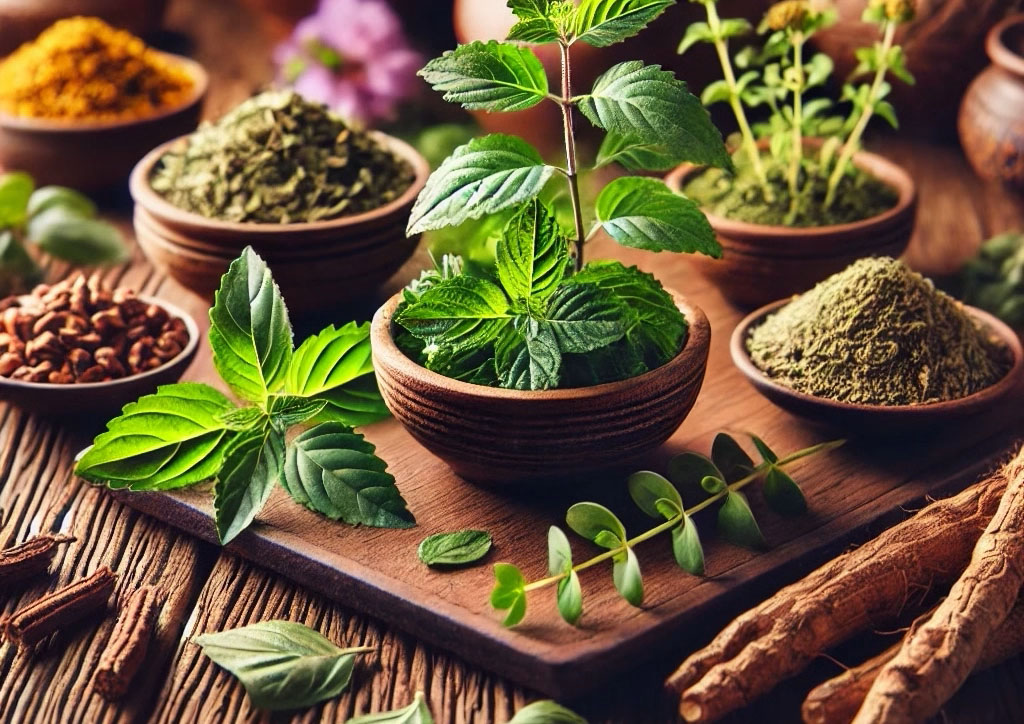
Tulsi is one of the most revered herbs in Ayurveda, especially for respiratory health. It has powerful anti-inflammatory, antimicrobial, and immune-boosting properties that make it excellent for treating respiratory infections, cough, and asthma. Tulsi helps clear mucus from the lungs and reduces inflammation, making breathing easier.
Mulethi, or licorice root, is known for its soothing effects on the respiratory tract. It helps reduce inflammation, irritation, and cough while acting as a natural expectorant, which helps in expelling mucus from the lungs. Mulethi is commonly used to manage bronchitis, asthma, and chronic coughs.
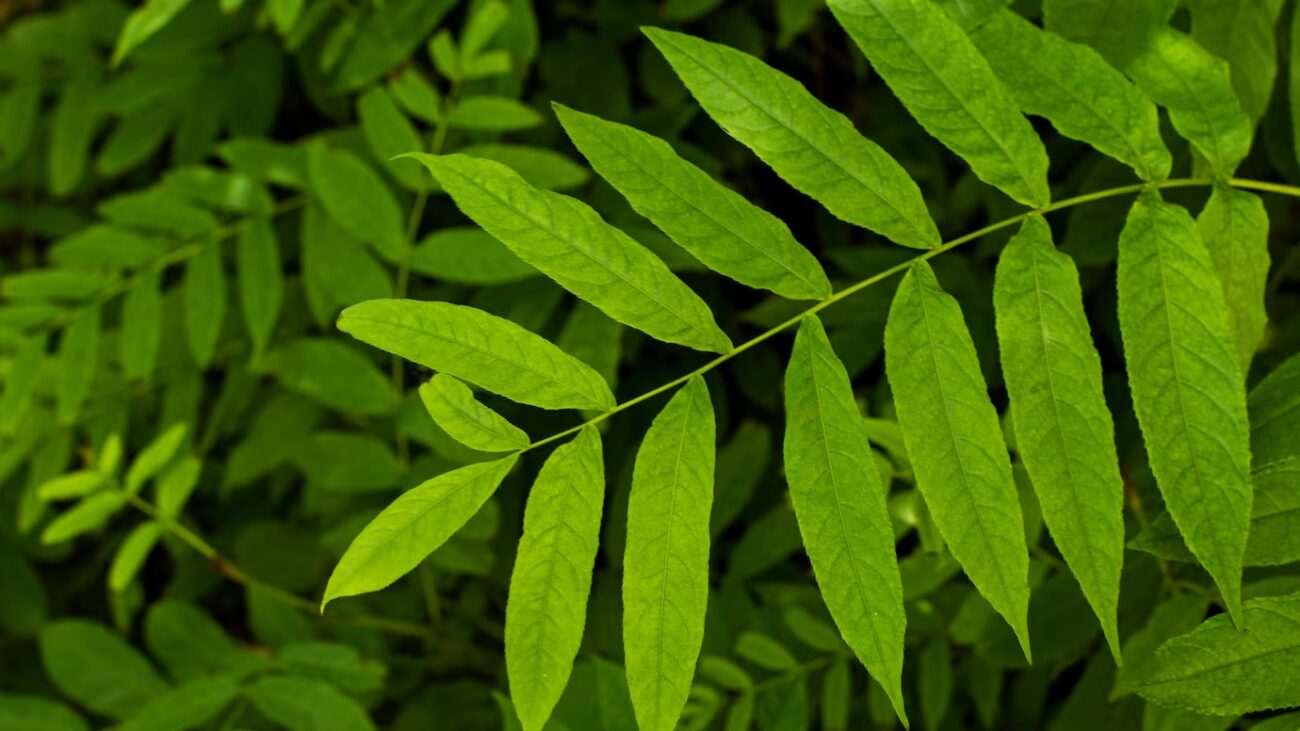
Vasa is an excellent herb for respiratory health due to its bronchodilator and expectorant properties. It is highly effective in treating conditions like asthma, bronchitis, and chronic obstructive pulmonary disease (COPD). Vasa helps improve airflow, clear mucus, and reduce inflammation in the respiratory tract.
Pippali is a warming herb that helps clear excess Kapha and congestion in the lungs. It acts as a natural decongestant, making it easier to expel mucus and improve breathing. Pippali is especially useful for treating respiratory issues such as colds, cough, asthma, and bronchitis.
Ginger has potent anti-inflammatory and antioxidant properties that help reduce inflammation in the respiratory tract. It also aids in breaking down and expelling mucus from the lungs, making it a useful remedy for colds, coughs, and respiratory infections.
Turmeric is renowned for its powerful anti-inflammatory and antioxidant effects, which help protect the lungs from damage and infection. The active compound, curcumin, helps in reducing inflammation in the lungs and fights off respiratory infections. It is especially helpful in conditions like asthma and chronic bronchitis.
Pushkarmool is an Ayurvedic herb specifically used for treating respiratory ailments such as asthma and bronchitis. It has bronchodilator effects, helping to open up the airways and make breathing easier. It also acts as an expectorant, clearing mucus from the lungs and reducing congestion.
Kalmegh is an herb known for its immune-boosting and anti-inflammatory properties. It helps protect the lungs from infections and inflammation. Kalmegh is often used to treat respiratory conditions like colds, flu, bronchitis, and sinusitis.
Shunthi, or dry ginger, is highly effective in reducing Kapha-related issues like mucus buildup and congestion. Its warming nature helps break down phlegm and clears the respiratory channels, making it easier to breathe. Shunthi is particularly useful for treating asthma, colds, and coughs.
Neem is well-known for its antibacterial and antiviral properties, making it a great herb for preventing respiratory infections. Neem also helps clear toxins from the body and lungs, reducing the likelihood of respiratory ailments. It supports lung health by balancing Kapha and purifying the blood.

Ayurvedic herbs offer natural and effective ways to support lung health and prevent respiratory issues. By incorporating herbs like Tulsi, Mulethi, Vasa, and Ginger into your daily routine, along with lifestyle practices like pranayama and steam inhalation, you can maintain optimal lung function and breathe easier.