Tag: Neem

  • Natural Herbs for Diabetes Prevention and Control

    Natural Herbs for Diabetes Prevention and Control

    Diabetes is a growing health concern worldwide, but Ayurveda offers natural solutions that can help prevent and manage the condition. In Ayurveda, diabetes is referred to as Madhumeha, and it is linked to an imbalance in the body’s metabolism and doshas, particularly Kapha. Ayurvedic herbs have been used for centuries to balance blood sugar levels, improve insulin sensitivity, and promote overall health. Below are some of the most effective Ayurvedic herbs for diabetes prevention and control.

    1. Gudmar (Gymnema Sylvestre) – The Sugar Destroyer

    How Gudmar Works

    Gudmar, also known as “sugar destroyer,” is one of the most potent Ayurvedic herbs for controlling diabetes. Its leaves contain compounds that suppress the taste of sugar, helping to reduce sugar cravings. Additionally, Gudmar improves insulin sensitivity and supports the regeneration of beta cells in the pancreas, which are responsible for insulin production.

    Benefits:

    • Reduces sugar absorption in the intestines
    • Lowers blood sugar levels naturally
    • Enhances insulin sensitivity

    How to Use Gudmar:

    Gudmar is available in powder or capsule form. It can be taken with warm water or mixed into smoothies. However, it’s important to consult a healthcare provider for the correct dosage, especially if you’re already taking medication for diabetes.

    2. Turmeric – The Golden Healer

    How Turmeric Works

    Turmeric is a powerful anti-inflammatory herb widely used in Ayurveda for managing various conditions, including diabetes. The active compound in turmeric, curcumin, has been shown to lower blood sugar levels and improve the function of insulin. It also helps reduce inflammation in the body, which is linked to insulin resistance.

    Benefits:

    • Reduces blood sugar levels
    • Enhances insulin sensitivity
    • Fights inflammation and oxidative stress

    How to Use Turmeric:

    You can add turmeric to your daily diet in the form of powder, capsules, or fresh root. A common way to consume it is by mixing a teaspoon of turmeric with warm milk or water, along with black pepper, which enhances curcumin absorption.

    3. Bitter Gourd (Karela) – A Natural Blood Sugar Regulator

    How Bitter Gourd Works

    Bitter gourd, or Karela, is known for its bitter taste and powerful blood sugar-lowering properties. It contains active compounds like charantin and polypeptide-p, which mimic insulin’s effects and help reduce blood glucose levels. Karela also helps improve glucose metabolism and supports healthy pancreatic function.

    Benefits:

    • Lowers blood sugar levels
    • Enhances glucose metabolism
    • Supports pancreatic health

    How to Use Bitter Gourd:

    You can consume bitter gourd juice in the morning on an empty stomach or incorporate it into your meals. It is also available in capsule or tablet form for those who cannot tolerate the bitterness of the raw vegetable.

    4. Amla (Indian Gooseberry) – A Powerful Antioxidant

    How Amla Works

    Amla, or Indian gooseberry, is an excellent source of vitamin C and antioxidants, which help protect against oxidative stress linked to diabetes. It supports healthy pancreatic function and helps regulate blood sugar levels. Amla also improves insulin sensitivity and supports the body’s natural detoxification processes.

    Benefits:

    • Boosts insulin sensitivity
    • Reduces oxidative stress
    • Promotes pancreatic health

    How to Use Amla:

    Amla is available in various forms, such as powder, juice, and capsules. You can take it with warm water or mix it into smoothies and juices. Fresh Amla juice is highly beneficial for diabetes management.

    5. Fenugreek (Methi) – A Digestive Aid for Blood Sugar Control

    How Fenugreek Works

    Fenugreek seeds are rich in soluble fiber, which helps slow down the digestion and absorption of carbohydrates, resulting in more stable blood sugar levels. The seeds also contain compounds that improve insulin sensitivity and reduce blood sugar spikes after meals.

    Benefits:

    • Stabilizes blood sugar levels
    • Improves insulin sensitivity
    • Reduces sugar absorption in the intestines

    How to Use Fenugreek:

    Soak fenugreek seeds overnight in water and consume them in the morning on an empty stomach. You can also incorporate fenugreek powder into your meals or take it in capsule form.

    6. Neem – A Traditional Detoxifier

    How Neem Works

    Neem has long been used in Ayurvedic medicine for its ability to purify the blood and detoxify the body. It helps control blood sugar by improving insulin sensitivity and enhancing glucose uptake by the cells. Neem also supports the liver and pancreas, both of which play critical roles in managing diabetes.

    Benefits:

    • Improves glucose metabolism
    • Enhances insulin sensitivity
    • Supports liver and pancreas health

    How to Use Neem:

    Neem can be consumed in the form of juice, powder, or capsules. Due to its bitter taste, many prefer neem capsules or tablets. It’s recommended to consult with a healthcare professional before using neem regularly.

    7. Cinnamon – A Warming Spice for Blood Sugar

    How Cinnamon Works

    Cinnamon is a warming spice known for its ability to lower blood sugar levels and improve insulin sensitivity. It enhances glucose uptake by the cells and reduces the risk of blood sugar spikes after meals. Cinnamon is particularly beneficial for those with insulin resistance or prediabetes.

    Benefits:

    • Lowers blood sugar levels
    • Reduces insulin resistance
    • Stabilizes blood sugar spikes after meals

    How to Use Cinnamon:

    Add cinnamon to your diet by sprinkling it on your meals, smoothies, or tea. It can also be taken in capsule form for a more concentrated dose. Ceylon cinnamon is considered the best variety for managing blood sugar.

    8. Triphala – A Detoxifying Digestive Aid

    How Triphala Works

    Triphala is a powerful Ayurvedic formulation made from three fruits—Amla, Haritaki, and Bibhitaki. It is known for its detoxifying and digestive benefits, which are essential for managing blood sugar levels. Triphala helps balance the digestive fire (Agni) and reduces the buildup of toxins that can contribute to metabolic disorders like diabetes.

    Benefits:

    • Promotes healthy digestion
    • Balances blood sugar levels
    • Detoxifies the body

    How to Use Triphala:

    Triphala is commonly consumed as a powder mixed with warm water before bedtime. It is also available in tablet or capsule form. Regular use of Triphala helps maintain digestive health and supports the body’s natural detox processes.

    Conclusion

    Ayurvedic herbs offer a natural and effective way to prevent and control diabetes by balancing blood sugar levels, improving insulin sensitivity, and supporting overall metabolic health. By incorporating these powerful herbs—such as Gudmar, turmeric, bitter gourd, Amla, fenugreek, neem, cinnamon, and Triphala—into your daily routine, you can manage diabetes more effectively while promoting long-term health and vitality.

    Always consult with an Ayurvedic practitioner or healthcare provider to determine the appropriate dosage and ensure that these herbs are suitable for your individual needs.

  • Neem: The Ultimate Natural Herb for Skin and Hair

    Neem: The Ultimate Natural Herb for Skin and Hair

    Neem (Azadirachta indica), often referred to as the “wonder tree” in Ayurveda, is a powerful herb that has been used for thousands of years for its remarkable medicinal properties. Every part of the neem tree—leaves, bark, seeds, and oil—has therapeutic benefits, making it an essential part of traditional Ayurvedic medicine. Neem is especially revered for its detoxifying, antibacterial, and anti-inflammatory properties, which make it highly effective for skin care and overall health.

    In this article, we’ll explore the various benefits of neem, particularly its impact on skin health and how it can promote overall wellness.

    1. Neem for Skin Health

    Treats Acne and Pimples

    One of the most well-known benefits of neem is its ability to treat acne and pimples. Neem has powerful antibacterial properties that help fight the bacteria that cause acne. It also soothes inflamed skin, reduces redness, and prevents further breakouts.

    1. Controls Excess Oil

    Neem helps control excess oil production, which is a major cause of acne. It keeps the skin from becoming too oily, reducing the chances of clogged pores and pimples.

    2. Reduces Acne Scars

    The anti-inflammatory properties of neem not only help heal acne but also reduce the appearance of acne scars, giving your skin a smoother and more even texture.

    How to Use Neem for Acne

    • Apply neem paste (made from neem powder or fresh neem leaves) directly to acne-prone areas.
    • Use neem oil as a spot treatment on pimples or mix it with a carrier oil like coconut oil to apply all over the face.

    Soothes Skin Irritations

    Neem’s anti-inflammatory properties make it an excellent remedy for soothing skin irritations, such as rashes, eczema, or psoriasis. It calms the skin, reduces redness, and provides relief from itching and discomfort.

    1. Heals Wounds and Cuts

    Neem is known for its wound-healing properties. It helps disinfect minor cuts, wounds, and scrapes, speeding up the healing process while reducing the risk of infection.

    2. Treats Fungal Infections

    Neem is highly effective in treating fungal infections such as athlete’s foot and ringworm. Its antifungal properties help eliminate the infection while providing relief from itching and discomfort.

    How to Use Neem for Skin Irritations

    • Apply neem oil to affected areas or soak in a neem-infused bath to soothe skin irritations.
    • Use neem-based creams or ointments to treat fungal infections.

    2. Neem for Hair Care

    Prevents Dandruff

    Neem is widely used in hair care for its ability to treat dandruff and scalp infections. It has antifungal and antibacterial properties that help cleanse the scalp and prevent dandruff buildup.

    1. Reduces Scalp Itchiness

    Neem helps soothe an itchy scalp caused by dandruff or dryness. Its moisturizing properties keep the scalp hydrated, reducing flakiness and irritation.

    2. Strengthens Hair Follicles

    Neem strengthens hair from the roots, reducing hair fall and promoting healthy hair growth. Regular use of neem helps combat thinning hair and encourages thicker, stronger strands.

    How to Use Neem for Hair

    • Boil neem leaves in water and use the cooled neem water as a hair rinse after shampooing.
    • Massage neem oil into the scalp and leave it overnight for deep nourishment and dandruff control.

    Neem: The Ultimate Natural Herb for Skin and Hair

    3. Neem for Detoxification

    Purifies the Blood

    Neem is a powerful blood purifier in Ayurveda. It helps remove toxins from the bloodstream, which is essential for maintaining healthy skin and preventing health issues related to toxin buildup.

    1. Improves Skin Health

    By cleansing the blood, neem helps reduce skin conditions like acne, rashes, and eczema. It promotes a clearer complexion by eliminating impurities from the body.

    2. Boosts Immunity

    Neem’s detoxifying properties also strengthen the immune system, helping the body fight off infections more effectively. Regular use of neem can enhance overall immunity and reduce the risk of common illnesses.

    How to Use Neem for Detoxification

    • Drink neem tea or neem-infused water to help cleanse the blood and support overall detoxification.
    • Neem capsules or supplements can also be taken regularly to promote detoxification and boost immunity.

    4. Neem for Oral Health

    Prevents Gum Diseases

    Neem has long been used in Ayurveda for maintaining oral health. Its antibacterial and antifungal properties help prevent gum diseases like gingivitis and periodontitis.

    1. Fights Bad Breath

    Using neem as a mouthwash can help eliminate bacteria that cause bad breath. It also helps maintain healthy gums and teeth, reducing the risk of cavities and tooth decay.

    2. Strengthens Teeth

    Neem’s antimicrobial properties help protect teeth from infections and plaque buildup. Regular use of neem can strengthen teeth and promote overall oral hygiene.

    How to Use Neem for Oral Health

    • Chew neem sticks as a natural toothbrush to clean your teeth and strengthen your gums.
    • Use neem-infused toothpaste or mouthwash for daily oral hygiene.

    5. Neem for Overall Health

    Controls Blood Sugar Levels

    Neem is highly effective in managing blood sugar levels, making it beneficial for people with diabetes. It helps regulate insulin sensitivity and reduces blood glucose levels, preventing spikes in blood sugar.

    1. Promotes Heart Health

    Neem’s ability to lower blood sugar levels also contributes to better cardiovascular health. It helps reduce bad cholesterol (LDL) and supports overall heart function by improving circulation.

    2. Fights Inflammation

    Neem’s anti-inflammatory properties make it useful for reducing inflammation in the body, whether it’s related to arthritis, joint pain, or general inflammation. By fighting inflammation, neem supports better joint health and overall well-being.

    How to Use Neem for Blood Sugar Control

    • Neem supplements can be taken daily to help regulate blood sugar levels.
    • Consult a healthcare professional before using neem as part of a diabetes management plan.

    Conclusion

    Neem is a true powerhouse in Ayurvedic medicine, offering a wide range of health benefits from skin and hair care to detoxification and immune support. Its ability to purify the blood, fight bacteria, and reduce inflammation makes it an essential herb for overall health and well-being. Whether you’re looking to treat skin conditions, promote hair growth, or support your immune system, neem can be a natural and effective solution.

    As with any herbal remedy, it’s important to consult an Ayurvedic practitioner or healthcare provider before incorporating neem into your daily routine, especially if you have existing health conditions or are pregnant.

  • Top Ayurvedic Herbs to Support Lung Health and Cleanse Airways

    Top Ayurvedic Herbs to Support Lung Health and Cleanse Airways

    Maintaining healthy lungs is essential for overall well-being, especially in times when air pollution and respiratory ailments are on the rise. Ayurveda, with its ancient wisdom, provides natural remedies to strengthen lung health, improve respiratory function, and prevent respiratory issues. The use of specific herbs known for their cleansing, soothing, and rejuvenating properties can help protect and nourish the lungs.

    Ayurvedic View on Lung Health

    According to Ayurveda, the Kapha dosha governs the respiratory system, influencing mucus production and lung function. When Kapha becomes imbalanced due to poor diet, environmental factors, or stress, it can lead to respiratory issues such as congestion, asthma, and bronchitis. The goal is to balance Kapha and cleanse the respiratory channels (Prana Vaha Srotas) to ensure proper lung function.

    Top Ayurvedic Herbs for Lung Health

    1. Tulsi (Holy Basil)

    Benefits for Lungs

    Tulsi is one of the most revered herbs in Ayurveda, especially for respiratory health. It has powerful anti-inflammatory, antimicrobial, and immune-boosting properties that make it excellent for treating respiratory infections, cough, and asthma. Tulsi helps clear mucus from the lungs and reduces inflammation, making breathing easier.

    How to Use

    • Drink Tulsi tea daily for lung cleansing.
    • Boil fresh Tulsi leaves in water and inhale the steam to ease nasal congestion.

    2. Mulethi (Licorice Root)

    Benefits for Lungs

    Mulethi, or licorice root, is known for its soothing effects on the respiratory tract. It helps reduce inflammation, irritation, and cough while acting as a natural expectorant, which helps in expelling mucus from the lungs. Mulethi is commonly used to manage bronchitis, asthma, and chronic coughs.

    How to Use

    • Prepare Mulethi tea by boiling the root in water.
    • Add Mulethi powder to warm water or honey to soothe sore throats and reduce cough.

    3. Vasa (Malabar Nut)

    Benefits for Lungs

    Vasa is an excellent herb for respiratory health due to its bronchodilator and expectorant properties. It is highly effective in treating conditions like asthma, bronchitis, and chronic obstructive pulmonary disease (COPD). Vasa helps improve airflow, clear mucus, and reduce inflammation in the respiratory tract.

    How to Use

    • Boil Vasa leaves or powder in water and drink it as tea.
    • Vasa-based formulations are available in Ayurvedic stores for asthma relief.

    4. Pippali (Long Pepper)

    Benefits for Lungs

    Pippali is a warming herb that helps clear excess Kapha and congestion in the lungs. It acts as a natural decongestant, making it easier to expel mucus and improve breathing. Pippali is especially useful for treating respiratory issues such as colds, cough, asthma, and bronchitis.

    How to Use

    • Mix Pippali powder with honey and consume to clear mucus.
    • Pippali tea can be made by boiling the powder in water.

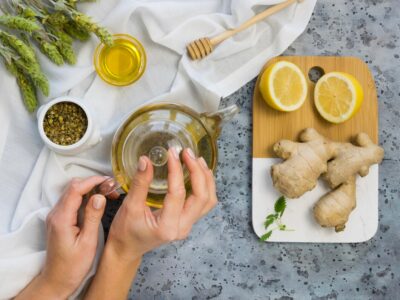
    5. Ginger (Adrak)

    Benefits for Lungs

    Ginger has potent anti-inflammatory and antioxidant properties that help reduce inflammation in the respiratory tract. It also aids in breaking down and expelling mucus from the lungs, making it a useful remedy for colds, coughs, and respiratory infections.

    How to Use

    • Drink ginger tea daily to keep your lungs clear.
    • Add fresh ginger to meals or chew on ginger slices to soothe the throat.

    6. Haridra (Turmeric)

    Benefits for Lungs

    Turmeric is renowned for its powerful anti-inflammatory and antioxidant effects, which help protect the lungs from damage and infection. The active compound, curcumin, helps in reducing inflammation in the lungs and fights off respiratory infections. It is especially helpful in conditions like asthma and chronic bronchitis.

    How to Use

    • Drink warm turmeric milk (Golden Milk) daily.
    • Add turmeric powder to meals or take curcumin supplements.

    7. Pushkarmool (Indian Elecampane)

    Benefits for Lungs

    Pushkarmool is an Ayurvedic herb specifically used for treating respiratory ailments such as asthma and bronchitis. It has bronchodilator effects, helping to open up the airways and make breathing easier. It also acts as an expectorant, clearing mucus from the lungs and reducing congestion.

    How to Use

    • Take Pushkarmool powder with honey or warm water for respiratory relief.
    • It is also available in capsule or tablet form for convenient use.

    8. Kalmegh (Andrographis)

    Benefits for Lungs

    Kalmegh is an herb known for its immune-boosting and anti-inflammatory properties. It helps protect the lungs from infections and inflammation. Kalmegh is often used to treat respiratory conditions like colds, flu, bronchitis, and sinusitis.

    How to Use

    • Kalmegh is available in tablet, powder, and tea forms.
    • Drink Kalmegh tea during flu season to protect the respiratory system.

    9. Shunthi (Dry Ginger)

    Benefits for Lungs

    Shunthi, or dry ginger, is highly effective in reducing Kapha-related issues like mucus buildup and congestion. Its warming nature helps break down phlegm and clears the respiratory channels, making it easier to breathe. Shunthi is particularly useful for treating asthma, colds, and coughs.

    How to Use

    • Mix Shunthi powder with honey and consume it in the morning.
    • Drink Shunthi tea regularly to maintain lung health.

    10. Neem

    Benefits for Lungs

    Neem is well-known for its antibacterial and antiviral properties, making it a great herb for preventing respiratory infections. Neem also helps clear toxins from the body and lungs, reducing the likelihood of respiratory ailments. It supports lung health by balancing Kapha and purifying the blood.

    How to Use

    • Neem tea or capsules can be consumed to protect the lungs.
    • You can also boil Neem leaves and inhale the steam for congestion relief.

    Lung Health

    Ayurvedic Lifestyle Tips for Lung Health

    1. Steam Inhalation: Regular steam inhalation with eucalyptus or tulsi essential oils can help open airways and reduce congestion.
    2. Pranayama (Breathing Exercises): Practicing pranayama such as Anulom Vilom and Kapalbhati can strengthen the lungs and improve respiratory function.
    3. Avoid Cold Foods: Cold and heavy foods increase Kapha and should be avoided to prevent mucus buildup in the lungs.
    4. Stay Hydrated: Drinking warm water throughout the day helps thin mucus and keeps the lungs clear.

    Conclusion

    Ayurvedic herbs offer natural and effective ways to support lung health and prevent respiratory issues. By incorporating herbs like Tulsi, Mulethi, Vasa, and Ginger into your daily routine, along with lifestyle practices like pranayama and steam inhalation, you can maintain optimal lung function and breathe easier.