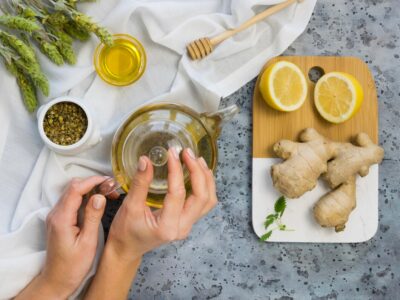
Tag: Ginger

  • Ayurvedic Herbs to Prevent Osteoarthritis and Joint Deterioration

    Ayurvedic Herbs to Prevent Osteoarthritis and Joint Deterioration

    Osteoarthritis is a degenerative joint disease that leads to the gradual breakdown of cartilage, resulting in joint pain, stiffness, and inflammation. While it primarily affects older adults, joint deterioration can begin earlier in life due to lifestyle factors, injuries, or genetic predispositions. Ayurveda offers a range of herbs and treatments to support joint health, prevent the onset of osteoarthritis, and slow down joint deterioration.

    In this article, we’ll explore some of the most effective Ayurvedic herbs that can help prevent osteoarthritis and promote long-term joint health.

    Understanding Osteoarthritis in Ayurveda

    In Ayurveda, osteoarthritis is considered a result of Vata imbalance, particularly aggravated Vata dosha in the joints. This leads to dryness, stiffness, and the degeneration of Asthi dhatu (bone tissue) and cartilage. Ayurvedic treatments focus on balancing Vata, nourishing the bones and joints, and reducing inflammation to prevent further damage.

    1. Top Ayurvedic Herbs to Prevent Osteoarthritis

    1.1 Ashwagandha

    Ashwagandha, also known as Indian ginseng, is one of the most powerful herbs in Ayurveda for joint health. It has anti-inflammatory properties that help reduce swelling and stiffness in the joints. Ashwagandha also strengthens bones and muscles, making it highly effective in preventing the progression of osteoarthritis.

    How to Use: Ashwagandha powder or capsules can be consumed daily, usually with warm milk or water, to promote joint strength and reduce inflammation.

    1.2 Shallaki (Boswellia Serrata)

    Shallaki, also known as Boswellia, is a potent anti-inflammatory herb used in Ayurvedic medicine to treat joint pain and prevent cartilage deterioration. It works by inhibiting enzymes that cause joint inflammation and damage. Shallaki is particularly effective in slowing the progression of osteoarthritis and improving joint flexibility.

    How to Use: Shallaki is available in supplement form (capsules or tablets) and can be taken daily to manage joint pain and support long-term bone health.

    1.3 Guggulu

    Guggulu is a powerful herb known for its anti-inflammatory and analgesic properties. It helps reduce joint pain, stiffness, and inflammation while promoting the regeneration of joint tissues. Guggulu is widely used in Ayurvedic formulas for arthritis and joint problems, helping to prevent further deterioration of the joints.

    How to Use: Guggulu can be consumed in tablet or powder form, often combined with other herbs like Ashwagandha and Triphala for enhanced joint support.

    1.4 Turmeric

    Turmeric, with its active compound curcumin, is one of the most well-known Ayurvedic remedies for joint health. It has potent anti-inflammatory properties that help reduce swelling, pain, and stiffness in the joints. Turmeric is highly effective in preventing cartilage damage and slowing down the progression of osteoarthritis.

    How to Use: Add turmeric to your daily diet in the form of turmeric powder or capsules. It can also be consumed as a tea with warm water and honey for added benefits.

    1.5 Nirgundi

    Nirgundi, also known as Vitex negundo, is a traditional Ayurvedic herb used to treat joint pain and inflammation. It helps reduce swelling and stiffness in the joints and promotes flexibility. Nirgundi is particularly beneficial for individuals with osteoarthritis, as it prevents joint deterioration and supports overall joint health.

    How to Use: Nirgundi can be applied externally in the form of oil to relieve joint pain or taken as a supplement for long-term joint support.

    1.6 Ginger

    Ginger is a natural anti-inflammatory and analgesic herb that helps reduce pain and inflammation associated with osteoarthritis. It improves circulation to the joints, reducing stiffness and promoting flexibility. Ginger also contains antioxidants that protect the joints from oxidative stress and damage.

    How to Use: Incorporate ginger into your diet by adding fresh ginger to meals, teas, or smoothies. You can also take ginger supplements for enhanced joint support.

    Herbal Oils and Treatments for Stronger Bones and Joints

    2. Ayurvedic Oils for Joint Health

    2.1 Mahanarayan Oil

    Mahanarayan oil is a traditional Ayurvedic herbal oil that helps relieve joint pain, reduce inflammation, and nourish the bones and cartilage. It is commonly used to treat arthritis and osteoarthritis by promoting joint flexibility and reducing stiffness.

    How to Use: Warm the oil slightly and massage it into the affected joints daily for best results.

    2.2 Bala Oil

    Bala oil, made from the herb Sida cordifolia, is known for its strengthening and rejuvenating properties. It helps prevent joint deterioration and supports bone health by reducing Vata imbalances in the joints.

    How to Use: Massage the oil into the joints regularly to promote flexibility and reduce pain.

    2.3 Dhanwantharam Oil

    Dhanwantharam oil is used to treat joint pain and stiffness while supporting bone strength and joint mobility. It is especially effective for individuals experiencing early signs of osteoarthritis.

    How to Use: Apply warm Dhanwantharam oil to the joints and leave it on for 30 minutes to an hour before rinsing.

    3. Ayurvedic Treatments to Prevent Osteoarthritis

    3.1 Abhyanga (Self-Massage)

    Abhyanga, or self-massage with herbal oils, is a key Ayurvedic practice for maintaining joint and bone health. Regular oil massage helps nourish the bones, relieve stiffness, and improve circulation, which is essential for preventing joint deterioration.

    How to Practice: Warm your chosen Ayurvedic oil and massage it into your joints and muscles in circular motions. Allow the oil to penetrate for 30 minutes before bathing.

    3.2 Panchakarma

    Panchakarma is a detoxification and rejuvenation therapy in Ayurveda that helps remove toxins from the body, which can contribute to joint inflammation and deterioration. Panchakarma treatments such as Basti (herbal enema) and Swedana (herbal steam therapy) are highly effective in reducing joint pain and preventing osteoarthritis.

    3.3 Yoga and Pranayama

    Yoga and breathing exercises (Pranayama) play a vital role in maintaining joint flexibility and preventing stiffness. Specific yoga poses like Vrikshasana (Tree Pose) and Virabhadrasana (Warrior Pose) help strengthen the joints and improve balance. Pranayama helps improve circulation to the joints, reducing pain and stiffness.

    4. Dietary Recommendations for Joint Health

    Calcium-Rich Foods

    Incorporate calcium-rich foods like sesame seeds, almonds, and green leafy vegetables into your diet. These foods help maintain bone density and prevent joint deterioration.

    Anti-Inflammatory Spices

    Add anti-inflammatory spices such as turmeric, ginger, and cumin to your meals to reduce inflammation and support joint health.

    Hydration

    Staying hydrated is essential for joint lubrication. Drink warm water throughout the day to help balance Vata and keep the joints flexible.

    Conclusion

    Ayurvedic herbs like Ashwagandha, Shallaki, and Guggulu offer natural and effective solutions for preventing osteoarthritis and joint deterioration. Regular use of these herbs, combined with Ayurvedic oils like Mahanarayan oil and treatments like Abhyanga and Panchakarma, can help keep your joints strong, flexible, and pain-free. Incorporating these Ayurvedic remedies into your daily routine, along with a balanced diet and regular exercise, can ensure long-term joint health and prevent the onset of osteoarthritis.


  • Best Foods for Losing Belly Fat

    Best Foods for Losing Belly Fat

    In Ayurveda, the approach to weight loss, especially in the belly area, is holistic, focusing on balancing the doshas, improving digestion, and eliminating toxins. Certain foods are particularly beneficial for promoting fat loss and enhancing overall well-being. Here’s a look at some of the best Ayurvedic foods that can help you lose belly fat.

    1. Ginger

    Ginger is a powerful digestive aid known for its ability to boost metabolism and reduce inflammation.

    • Benefits: It helps stimulate digestion, reduces bloating, and can enhance fat metabolism.
    • How to Use: Add fresh ginger to teas, soups, or stir-fries, or simply chew on a small piece after meals.

    2. Turmeric

    Turmeric contains curcumin, a compound that has potent anti-inflammatory properties and can aid in weight loss.

    • Benefits: It helps regulate fat metabolism and supports liver function, which is crucial for detoxification.
    • How to Use: Incorporate turmeric into your cooking, use it in golden milk, or take it as a supplement.

    3. Cumin

    Cumin seeds are known for their digestive properties and can aid in fat burning.

    • Benefits: Cumin improves digestion, reduces water retention, and can enhance metabolic rate.
    • How to Use: Add cumin powder to dishes, or brew cumin seeds in hot water for a soothing tea.

    4. Mung Beans

    Mung beans are a staple in Ayurvedic diets, known for their lightness and ease of digestion.

    • Benefits: They are high in protein and fiber, helping you feel full longer while promoting healthy digestion.
    • How to Use: Prepare mung bean soup or kitchari for a nourishing meal that supports detoxification.

    5. Fruits

    Certain fruits can be particularly beneficial for weight loss, especially those that are low in sugar and high in fiber.

    • Recommended Fruits: Apples, pears, berries, and papaya. These fruits support digestion and can help regulate blood sugar levels.
    • How to Use: Enjoy them as snacks, in smoothies, or as part of breakfast.

    6. Vegetables

    Incorporating a variety of vegetables into your diet can provide essential nutrients and support weight loss.

    • Recommended Vegetables: Leafy greens, cucumbers, bell peppers, and cruciferous veggies like broccoli and cauliflower. These are low in calories but high in fiber and water content.
    • How to Use: Add them to salads, stir-fries, or soups for a filling and nutritious meal.

    7. Ghee

    Ghee, or clarified butter, is a traditional Ayurvedic fat that is easily digestible and nourishing.

    • Benefits: It aids in the absorption of nutrients, promotes healthy digestion, and can help balance the doshas.
    • How to Use: Use ghee for cooking, drizzling on vegetables, or in warm beverages.

    8. Coriander

    Coriander seeds are known for their ability to aid digestion and reduce belly fat.

    • Benefits: They help in detoxification and can reduce cravings by promoting a sense of fullness.
    • How to Use: Use coriander powder in cooking or brew coriander tea by steeping the seeds in hot water.

    9. Fenugreek

    Fenugreek seeds can help manage blood sugar levels and support weight loss.

    • Benefits: They are high in fiber, which aids in digestion and helps control appetite.
    • How to Use: Soak fenugreek seeds overnight and consume them in the morning, or add the seeds to dishes.

    10. Green Tea

    While not strictly an Ayurvedic food, green tea is valued for its metabolism-boosting properties.

    • Benefits: It contains antioxidants and can enhance fat oxidation during exercise.
    • How to Use: Drink 1-2 cups of green tea daily, preferably without sugar.

    Conclusion

    Incorporating these Ayurvedic foods into your diet can help support weight loss and reduce belly fat by enhancing digestion, boosting metabolism, and promoting overall health. Pair these dietary choices with a balanced lifestyle, including regular exercise, adequate hydration, and stress management, for optimal results. Remember to listen to your body and make adjustments that suit your individual needs for the best outcomes.

  • Top Ayurvedic Herbs to Support Lung Health and Cleanse Airways

    Top Ayurvedic Herbs to Support Lung Health and Cleanse Airways

    Maintaining healthy lungs is essential for overall well-being, especially in times when air pollution and respiratory ailments are on the rise. Ayurveda, with its ancient wisdom, provides natural remedies to strengthen lung health, improve respiratory function, and prevent respiratory issues. The use of specific herbs known for their cleansing, soothing, and rejuvenating properties can help protect and nourish the lungs.

    Ayurvedic View on Lung Health

    According to Ayurveda, the Kapha dosha governs the respiratory system, influencing mucus production and lung function. When Kapha becomes imbalanced due to poor diet, environmental factors, or stress, it can lead to respiratory issues such as congestion, asthma, and bronchitis. The goal is to balance Kapha and cleanse the respiratory channels (Prana Vaha Srotas) to ensure proper lung function.

    Top Ayurvedic Herbs for Lung Health

    1. Tulsi (Holy Basil)

    Benefits for Lungs

    Tulsi is one of the most revered herbs in Ayurveda, especially for respiratory health. It has powerful anti-inflammatory, antimicrobial, and immune-boosting properties that make it excellent for treating respiratory infections, cough, and asthma. Tulsi helps clear mucus from the lungs and reduces inflammation, making breathing easier.

    How to Use

    • Drink Tulsi tea daily for lung cleansing.
    • Boil fresh Tulsi leaves in water and inhale the steam to ease nasal congestion.

    2. Mulethi (Licorice Root)

    Benefits for Lungs

    Mulethi, or licorice root, is known for its soothing effects on the respiratory tract. It helps reduce inflammation, irritation, and cough while acting as a natural expectorant, which helps in expelling mucus from the lungs. Mulethi is commonly used to manage bronchitis, asthma, and chronic coughs.

    How to Use

    • Prepare Mulethi tea by boiling the root in water.
    • Add Mulethi powder to warm water or honey to soothe sore throats and reduce cough.

    3. Vasa (Malabar Nut)

    Benefits for Lungs

    Vasa is an excellent herb for respiratory health due to its bronchodilator and expectorant properties. It is highly effective in treating conditions like asthma, bronchitis, and chronic obstructive pulmonary disease (COPD). Vasa helps improve airflow, clear mucus, and reduce inflammation in the respiratory tract.

    How to Use

    • Boil Vasa leaves or powder in water and drink it as tea.
    • Vasa-based formulations are available in Ayurvedic stores for asthma relief.

    4. Pippali (Long Pepper)

    Benefits for Lungs

    Pippali is a warming herb that helps clear excess Kapha and congestion in the lungs. It acts as a natural decongestant, making it easier to expel mucus and improve breathing. Pippali is especially useful for treating respiratory issues such as colds, cough, asthma, and bronchitis.

    How to Use

    • Mix Pippali powder with honey and consume to clear mucus.
    • Pippali tea can be made by boiling the powder in water.

    5. Ginger (Adrak)

    Benefits for Lungs

    Ginger has potent anti-inflammatory and antioxidant properties that help reduce inflammation in the respiratory tract. It also aids in breaking down and expelling mucus from the lungs, making it a useful remedy for colds, coughs, and respiratory infections.

    How to Use

    • Drink ginger tea daily to keep your lungs clear.
    • Add fresh ginger to meals or chew on ginger slices to soothe the throat.

    6. Haridra (Turmeric)

    Benefits for Lungs

    Turmeric is renowned for its powerful anti-inflammatory and antioxidant effects, which help protect the lungs from damage and infection. The active compound, curcumin, helps in reducing inflammation in the lungs and fights off respiratory infections. It is especially helpful in conditions like asthma and chronic bronchitis.

    How to Use

    • Drink warm turmeric milk (Golden Milk) daily.
    • Add turmeric powder to meals or take curcumin supplements.

    7. Pushkarmool (Indian Elecampane)

    Benefits for Lungs

    Pushkarmool is an Ayurvedic herb specifically used for treating respiratory ailments such as asthma and bronchitis. It has bronchodilator effects, helping to open up the airways and make breathing easier. It also acts as an expectorant, clearing mucus from the lungs and reducing congestion.

    How to Use

    • Take Pushkarmool powder with honey or warm water for respiratory relief.
    • It is also available in capsule or tablet form for convenient use.

    8. Kalmegh (Andrographis)

    Benefits for Lungs

    Kalmegh is an herb known for its immune-boosting and anti-inflammatory properties. It helps protect the lungs from infections and inflammation. Kalmegh is often used to treat respiratory conditions like colds, flu, bronchitis, and sinusitis.

    How to Use

    • Kalmegh is available in tablet, powder, and tea forms.
    • Drink Kalmegh tea during flu season to protect the respiratory system.

    9. Shunthi (Dry Ginger)

    Benefits for Lungs

    Shunthi, or dry ginger, is highly effective in reducing Kapha-related issues like mucus buildup and congestion. Its warming nature helps break down phlegm and clears the respiratory channels, making it easier to breathe. Shunthi is particularly useful for treating asthma, colds, and coughs.

    How to Use

    • Mix Shunthi powder with honey and consume it in the morning.
    • Drink Shunthi tea regularly to maintain lung health.

    10. Neem

    Benefits for Lungs

    Neem is well-known for its antibacterial and antiviral properties, making it a great herb for preventing respiratory infections. Neem also helps clear toxins from the body and lungs, reducing the likelihood of respiratory ailments. It supports lung health by balancing Kapha and purifying the blood.

    How to Use

    • Neem tea or capsules can be consumed to protect the lungs.
    • You can also boil Neem leaves and inhale the steam for congestion relief.

    Lung Health

    Ayurvedic Lifestyle Tips for Lung Health

    1. Steam Inhalation: Regular steam inhalation with eucalyptus or tulsi essential oils can help open airways and reduce congestion.
    2. Pranayama (Breathing Exercises): Practicing pranayama such as Anulom Vilom and Kapalbhati can strengthen the lungs and improve respiratory function.
    3. Avoid Cold Foods: Cold and heavy foods increase Kapha and should be avoided to prevent mucus buildup in the lungs.
    4. Stay Hydrated: Drinking warm water throughout the day helps thin mucus and keeps the lungs clear.

    Conclusion

    Ayurvedic herbs offer natural and effective ways to support lung health and prevent respiratory issues. By incorporating herbs like Tulsi, Mulethi, Vasa, and Ginger into your daily routine, along with lifestyle practices like pranayama and steam inhalation, you can maintain optimal lung function and breathe easier.

  • Trikatu – A Digestive Miracle in Ayurveda

    Trikatu – A Digestive Miracle in Ayurveda

    In the vast world of Ayurveda, Trikatu stands out as a powerful and time-tested formulation for improving digestion and metabolism. Made from three potent herbs — Black Pepper (Pippali), Long Pepper (Piper longum), and Ginger (Zingiber officinale) — Trikatu has been used for centuries to treat digestive disorders, stimulate digestive fire (Agni), and boost metabolism. Whether you’re dealing with indigestion, sluggish metabolism, or excess Kapha, Trikatu can be your digestive miracle.

    1. What is Trikatu and Why is it Effective?

    Understanding the Three Ingredients

    The word “Trikatu” translates to “three pungents,” referring to the spicy nature of the herbs used in its formulation. Each herb in Trikatu plays a crucial role in supporting digestion and overall health.

    1. Black Pepper (Piper nigrum)

    Black pepper, known as Maricha in Ayurveda, is a common spice that not only adds heat to food but also aids digestion. It enhances the bioavailability of nutrients and other herbs, making them more effective.

    2. Long Pepper (Pippali)

    Long pepper or Pippali is another vital ingredient in Trikatu. It is known for its ability to stimulate digestive fire (Agni), improve digestion, and relieve symptoms of bloating and gas.

    3. Ginger (Zingiber officinale)

    Ginger, a well-known household remedy for digestive issues, helps reduce nausea, soothes the stomach, and prevents indigestion. Its anti-inflammatory properties also benefit overall gut health.

    2. Trikatu for Digestive Health

    Stimulates Digestive Fire (Agni)

    In Ayurveda, maintaining a strong and balanced digestive fire, or Agni, is essential for good health. Trikatu helps stoke this fire, ensuring proper digestion, absorption, and assimilation of nutrients.

    1. Enhances Digestion

    Trikatu stimulates the production of digestive enzymes, which help break down food more efficiently. This can prevent issues like indigestion, heaviness after meals, and bloating.

    2. Relieves Bloating and Gas

    Thanks to its carminative properties, Trikatu helps relieve symptoms of gas and bloating, especially in people with Kapha or Vata imbalances.

    How to Use Trikatu for Digestion

    • Take a small amount of Trikatu powder with warm water before meals to stimulate digestion.
    • For those with sensitive stomachs, mixing Trikatu with honey can reduce its strong taste and increase its effectiveness.

    3. Trikatu for Metabolism and Weight Management

    Boosts Metabolism

    Trikatu is known for its ability to boost metabolism by stimulating the digestive fire. A sluggish metabolism is often associated with excess Kapha dosha, which can lead to weight gain and fatigue.

    1. Burns Excess Fat

    By enhancing metabolism, Trikatu helps burn fat more efficiently, making it a useful remedy for those looking to lose weight naturally. Its thermogenic properties also help raise body temperature, further aiding fat loss.

    2. Reduces Excess Kapha

    Kapha dosha, when out of balance, can lead to weight gain, lethargy, and water retention. Trikatu’s pungent nature helps balance excess Kapha by promoting digestion, boosting metabolism, and increasing energy levels.

    How to Use Trikatu for Weight Loss

    • Take Trikatu powder with warm water or herbal teas to improve metabolism and promote fat burning.
    • Combine Trikatu with other Ayurvedic herbs like Guggulu for enhanced weight loss benefits.

    4. Trikatu for Respiratory Health

    Clears Respiratory Channels

    In addition to its digestive benefits, Trikatu is also known for its ability to clear congestion and promote respiratory health. Its warming and expectorant properties help clear mucus and support lung function.

    1. Alleviates Cough and Cold

    Trikatu can be a great remedy for treating respiratory infections, colds, and coughs. The heat generated by the three spices helps break down mucus and clears the respiratory channels.

    2. Relieves Sinus Congestion

    For those dealing with sinus congestion or blocked nasal passages, Trikatu can help open up the sinuses, allowing for easier breathing and quicker recovery from colds.

    How to Use Trikatu for Respiratory Health

    • Mix Trikatu powder with honey to relieve a sore throat or respiratory congestion.
    • Taking it in small doses during winter can help prevent colds and clear the respiratory channels.

    5. Trikatu as a Detoxifier

    Flushes Out Toxins (Ama)

    In Ayurveda, undigested food and toxins in the body are referred to as Ama, which is the root cause of many diseases. Trikatu helps eliminate Ama by promoting proper digestion and clearing toxins from the digestive tract.

    1. Cleanses the Digestive Tract

    By improving digestion and stimulating bowel movements, Trikatu helps cleanse the digestive system and prevent the accumulation of toxins.

    2. Reduces Inflammation

    Trikatu’s anti-inflammatory properties help reduce inflammation in the gut, further supporting detoxification and promoting overall digestive health.

    How to Use Trikatu for Detoxification

    • Take Trikatu with warm water in the morning to support daily detoxification.
    • You can also use it as part of a detox regimen under the guidance of an Ayurvedic practitioner.

    Conclusion

    Trikatu is a true digestive miracle in Ayurveda, offering a wide range of benefits from improving digestion to boosting metabolism and supporting respiratory health. Whether you’re dealing with indigestion, seeking a natural way to manage your weight, or looking for a remedy to clear respiratory congestion, Trikatu can be a powerful ally in your Ayurvedic wellness routine.

    However, as with any Ayurvedic remedy, it’s important to use Trikatu under the guidance of a qualified practitioner, especially if you have Pitta imbalance or other health conditions, as its heating nature may aggravate certain constitutions. Incorporating Trikatu into your daily routine can lead to better digestion, increased vitality, and overall well-being.

  • Herbs for Weight Loss and Metabolism Boost

    Herbs for Weight Loss and Metabolism Boost

    In Ayurveda, weight loss and maintaining a healthy metabolism are all about balancing the doshas and using natural herbs to help the body function optimally. Instead of focusing solely on restrictive diets, Ayurveda promotes a holistic approach to health and wellness by using herbs that not only aid in weight loss but also improve digestion, boost metabolism, and enhance overall vitality.

    Here are some of the most effective Ayurvedic herbs that help promote weight loss and support metabolism naturally.

    1. Triphala: The Detoxifying Herb Blend

    What is Triphala?

    Triphala is a powerful combination of three fruits: Amla (Indian Gooseberry), Bibhitaki, and Haritaki. It is one of the most commonly used Ayurvedic remedies for detoxification and weight loss. Triphala helps regulate the digestive system, improves bowel movements, and removes toxins from the body, which is crucial for weight management.

    How Triphala Supports Weight Loss:

    • Improves Digestion: Triphala stimulates digestive enzymes and helps break down food more efficiently.
    • Detoxifies the Body: By cleansing the digestive system, Triphala removes toxins that may hinder metabolism and lead to weight gain.
    • Prevents Fat Accumulation: The combination of the three fruits helps prevent fat deposits in the body.

    How to Use:

    • Mix 1 teaspoon of Triphala powder in warm water and drink it before bed to promote digestion and detoxification.

    2. Guggul: The Metabolism Booster

    What is Guggul?

    Guggul (Commiphora Mukul) is a resin derived from the Guggul tree and is well-known in Ayurveda for its ability to improve metabolism and support weight loss. Guggul has natural properties that help balance the Kapha dosha, which is often responsible for weight gain and sluggish metabolism.

    How Guggul Supports Weight Loss:

    • Boosts Metabolism: Guggul activates the thyroid gland, improving metabolism and promoting the breakdown of fats.
    • Reduces Cholesterol: It helps lower bad cholesterol levels, supporting cardiovascular health, which is essential for weight management.
    • Balances Kapha Dosha: By reducing Kapha imbalances, Guggul prevents excessive fat accumulation.

    How to Use:

    • Guggul is typically available in tablet form, but consult an Ayurvedic practitioner for proper dosage based on your body type and health condition.

    3. Ginger: The Digestive Fire Enhancer

    What is Ginger?

    Ginger (Zingiber officinale) is a warming herb known for its ability to stimulate Agni (digestive fire) and boost metabolism. Ginger has been used for centuries in Ayurvedic medicine to improve digestion, reduce bloating, and promote weight loss by speeding up metabolism.

    How Ginger Supports Weight Loss:

    • Boosts Metabolism: Ginger helps increase thermogenesis, the process by which the body burns calories to generate heat.
    • Reduces Appetite: Ginger naturally suppresses the appetite, preventing overeating and helping control calorie intake.
    • Improves Digestion: By enhancing digestive fire, ginger helps in the efficient absorption of nutrients and breakdown of fats.

    How to Use:

    • Drink ginger tea by boiling fresh ginger slices in water, or add ginger powder to warm water with lemon and honey for a metabolism boost in the morning.

    4. Fenugreek: The Appetite Suppressant

    What is Fenugreek?

    Fenugreek (Trigonella foenum-graecum) is a popular spice and Ayurvedic herb that has been used to regulate blood sugar levels, improve digestion, and suppress appetite. Its high fiber content helps curb cravings and promotes feelings of fullness, making it easier to manage weight.

    How Fenugreek Supports Weight Loss:

    • Controls Appetite: Fenugreek seeds contain soluble fiber that helps you feel fuller for longer, reducing the urge to snack.
    • Regulates Blood Sugar: By stabilizing blood sugar levels, fenugreek prevents insulin spikes, which are often associated with weight gain.
    • Boosts Metabolism: Fenugreek stimulates digestion, ensuring that food is processed efficiently.

    How to Use:

    • Soak 1 teaspoon of fenugreek seeds in water overnight and drink the water on an empty stomach in the morning to suppress appetite and boost metabolism.

    5. Cinnamon: The Blood Sugar Regulator

    What is Cinnamon?

    Cinnamon (Cinnamomum verum) is a warming spice with powerful metabolic and blood sugar-regulating properties. It is often used in Ayurveda to promote healthy digestion, improve insulin sensitivity, and support weight loss by balancing blood sugar levels.

    How Cinnamon Supports Weight Loss:

    • Regulates Blood Sugar: Cinnamon helps lower blood sugar levels, preventing insulin resistance and weight gain.
    • Speeds Up Metabolism: Cinnamon increases the body’s ability to metabolize carbohydrates and fats.
    • Reduces Cravings: By stabilizing blood sugar levels, cinnamon reduces cravings for sugary and high-calorie foods.

    How to Use:

    • Add cinnamon powder to your tea, oatmeal, or smoothies, or sprinkle it on fruits like apples for a healthy snack.

    6. Ashwagandha: The Stress Reliever

    What is Ashwagandha?

    Ashwagandha (Withania somnifera) is an adaptogenic herb that helps the body manage stress, which is often a major contributor to weight gain. Chronic stress can lead to emotional eating and a slower metabolism. Ashwagandha helps balance cortisol levels, the hormone responsible for stress, and supports a healthy metabolism.

    How Ashwagandha Supports Weight Loss:

    • Reduces Stress: By lowering cortisol levels, Ashwagandha reduces stress-related weight gain and promotes relaxation.
    • Improves Metabolism: Ashwagandha enhances thyroid function, which helps regulate metabolism.
    • Boosts Energy Levels: By reducing fatigue and improving endurance, Ashwagandha makes it easier to stay active and burn calories.

    How to Use:

    • Ashwagandha is available in powder or capsule form. Mix 1 teaspoon of Ashwagandha powder in warm milk before bed to reduce stress and support metabolism.

    7. Turmeric: The Fat-Burning Herb

    What is Turmeric?

    Turmeric (Curcuma longa) is a well-known Ayurvedic herb with anti-inflammatory and antioxidant properties, primarily due to the compound curcumin. Turmeric helps regulate metabolism, reduce inflammation, and support fat loss, making it a popular herb for weight management.

    How Turmeric Supports Weight Loss:

    • Boosts Metabolism: Turmeric stimulates thermogenesis, increasing the body’s ability to burn fat.
    • Reduces Inflammation: Chronic inflammation can slow down metabolism and promote weight gain. Turmeric helps reduce inflammation and supports fat burning.
    • Prevents Fat Accumulation: Turmeric helps block the formation of new fat cells and promotes the breakdown of existing fat.

    How to Use:

    • Add turmeric to your daily meals, or drink turmeric tea by mixing 1 teaspoon of turmeric powder with warm water, lemon, and a pinch of black pepper.

    Conclusion

    Ayurvedic herbs offer a natural and holistic approach to weight loss by addressing the root causes of weight gain, such as poor digestion, slow metabolism, and stress. Herbs like Triphala, Guggul, Ginger, Fenugreek, Cinnamon, Ashwagandha, and Turmeric not only aid in weight loss but also improve overall health and vitality. Incorporating these herbs into your daily routine, along with a balanced diet and regular exercise, can help you achieve your weight loss goals and maintain a healthy metabolism.