100% Herbal & Natural |
Extra 10% OFF with code SATRISHI10 |
Backed by Ayurveda |
Free Shipping Above ₹399 |
100% Herbal & Natural |
Extra 10% OFF with code SATRISHI10 |
Backed by Ayurveda |
Free Shipping Above ₹399 |
100% Herbal & Natural |
Extra 10% OFF with code SATRISHI10 |
Backed by Ayurveda |
Free Shipping Above ₹399 |
100% Herbal & Natural |
Extra 10% OFF with code SATRISHI10 |
Backed by Ayurveda |
Free Shipping Above ₹399 |


Osteoarthritis is a degenerative joint disease that leads to the gradual breakdown of cartilage, resulting in joint pain, stiffness, and inflammation. While it primarily affects older adults, joint deterioration can begin earlier in life due to lifestyle factors, injuries, or genetic predispositions. Ayurveda offers a range of herbs and treatments to support joint health, prevent the onset of osteoarthritis, and slow down joint deterioration.
In this article, we’ll explore some of the most effective Ayurvedic herbs that can help prevent osteoarthritis and promote long-term joint health.
In Ayurveda, osteoarthritis is considered a result of Vata imbalance, particularly aggravated Vata dosha in the joints. This leads to dryness, stiffness, and the degeneration of Asthi dhatu (bone tissue) and cartilage. Ayurvedic treatments focus on balancing Vata, nourishing the bones and joints, and reducing inflammation to prevent further damage.
Ashwagandha, also known as Indian ginseng, is one of the most powerful herbs in Ayurveda for joint health. It has anti-inflammatory properties that help reduce swelling and stiffness in the joints. Ashwagandha also strengthens bones and muscles, making it highly effective in preventing the progression of osteoarthritis.
How to Use: Ashwagandha powder or capsules can be consumed daily, usually with warm milk or water, to promote joint strength and reduce inflammation.
Shallaki, also known as Boswellia, is a potent anti-inflammatory herb used in Ayurvedic medicine to treat joint pain and prevent cartilage deterioration. It works by inhibiting enzymes that cause joint inflammation and damage. Shallaki is particularly effective in slowing the progression of osteoarthritis and improving joint flexibility.
How to Use: Shallaki is available in supplement form (capsules or tablets) and can be taken daily to manage joint pain and support long-term bone health.
Guggulu is a powerful herb known for its anti-inflammatory and analgesic properties. It helps reduce joint pain, stiffness, and inflammation while promoting the regeneration of joint tissues. Guggulu is widely used in Ayurvedic formulas for arthritis and joint problems, helping to prevent further deterioration of the joints.
How to Use: Guggulu can be consumed in tablet or powder form, often combined with other herbs like Ashwagandha and Triphala for enhanced joint support.
Turmeric, with its active compound curcumin, is one of the most well-known Ayurvedic remedies for joint health. It has potent anti-inflammatory properties that help reduce swelling, pain, and stiffness in the joints. Turmeric is highly effective in preventing cartilage damage and slowing down the progression of osteoarthritis.
How to Use: Add turmeric to your daily diet in the form of turmeric powder or capsules. It can also be consumed as a tea with warm water and honey for added benefits.
Nirgundi, also known as Vitex negundo, is a traditional Ayurvedic herb used to treat joint pain and inflammation. It helps reduce swelling and stiffness in the joints and promotes flexibility. Nirgundi is particularly beneficial for individuals with osteoarthritis, as it prevents joint deterioration and supports overall joint health.
How to Use: Nirgundi can be applied externally in the form of oil to relieve joint pain or taken as a supplement for long-term joint support.
Ginger is a natural anti-inflammatory and analgesic herb that helps reduce pain and inflammation associated with osteoarthritis. It improves circulation to the joints, reducing stiffness and promoting flexibility. Ginger also contains antioxidants that protect the joints from oxidative stress and damage.
How to Use: Incorporate ginger into your diet by adding fresh ginger to meals, teas, or smoothies. You can also take ginger supplements for enhanced joint support.
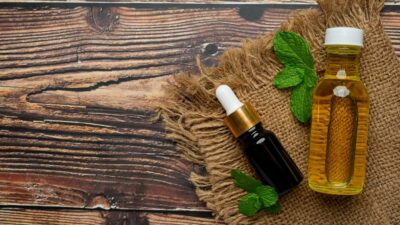
Mahanarayan oil is a traditional Ayurvedic herbal oil that helps relieve joint pain, reduce inflammation, and nourish the bones and cartilage. It is commonly used to treat arthritis and osteoarthritis by promoting joint flexibility and reducing stiffness.
How to Use: Warm the oil slightly and massage it into the affected joints daily for best results.
Bala oil, made from the herb Sida cordifolia, is known for its strengthening and rejuvenating properties. It helps prevent joint deterioration and supports bone health by reducing Vata imbalances in the joints.
How to Use: Massage the oil into the joints regularly to promote flexibility and reduce pain.
Dhanwantharam oil is used to treat joint pain and stiffness while supporting bone strength and joint mobility. It is especially effective for individuals experiencing early signs of osteoarthritis.
How to Use: Apply warm Dhanwantharam oil to the joints and leave it on for 30 minutes to an hour before rinsing.
Abhyanga, or self-massage with herbal oils, is a key Ayurvedic practice for maintaining joint and bone health. Regular oil massage helps nourish the bones, relieve stiffness, and improve circulation, which is essential for preventing joint deterioration.
How to Practice: Warm your chosen Ayurvedic oil and massage it into your joints and muscles in circular motions. Allow the oil to penetrate for 30 minutes before bathing.
Panchakarma is a detoxification and rejuvenation therapy in Ayurveda that helps remove toxins from the body, which can contribute to joint inflammation and deterioration. Panchakarma treatments such as Basti (herbal enema) and Swedana (herbal steam therapy) are highly effective in reducing joint pain and preventing osteoarthritis.
Yoga and breathing exercises (Pranayama) play a vital role in maintaining joint flexibility and preventing stiffness. Specific yoga poses like Vrikshasana (Tree Pose) and Virabhadrasana (Warrior Pose) help strengthen the joints and improve balance. Pranayama helps improve circulation to the joints, reducing pain and stiffness.
Incorporate calcium-rich foods like sesame seeds, almonds, and green leafy vegetables into your diet. These foods help maintain bone density and prevent joint deterioration.
Add anti-inflammatory spices such as turmeric, ginger, and cumin to your meals to reduce inflammation and support joint health.
Staying hydrated is essential for joint lubrication. Drink warm water throughout the day to help balance Vata and keep the joints flexible.
Ayurvedic herbs like Ashwagandha, Shallaki, and Guggulu offer natural and effective solutions for preventing osteoarthritis and joint deterioration. Regular use of these herbs, combined with Ayurvedic oils like Mahanarayan oil and treatments like Abhyanga and Panchakarma, can help keep your joints strong, flexible, and pain-free. Incorporating these Ayurvedic remedies into your daily routine, along with a balanced diet and regular exercise, can ensure long-term joint health and prevent the onset of osteoarthritis.