Tag: Joint Pain

  • Ayurvedic Herbs to Prevent Osteoarthritis and Joint Deterioration

    Ayurvedic Herbs to Prevent Osteoarthritis and Joint Deterioration

    Osteoarthritis is a degenerative joint disease that leads to the gradual breakdown of cartilage, resulting in joint pain, stiffness, and inflammation. While it primarily affects older adults, joint deterioration can begin earlier in life due to lifestyle factors, injuries, or genetic predispositions. Ayurveda offers a range of herbs and treatments to support joint health, prevent the onset of osteoarthritis, and slow down joint deterioration.

    In this article, we’ll explore some of the most effective Ayurvedic herbs that can help prevent osteoarthritis and promote long-term joint health.

    Understanding Osteoarthritis in Ayurveda

    In Ayurveda, osteoarthritis is considered a result of Vata imbalance, particularly aggravated Vata dosha in the joints. This leads to dryness, stiffness, and the degeneration of Asthi dhatu (bone tissue) and cartilage. Ayurvedic treatments focus on balancing Vata, nourishing the bones and joints, and reducing inflammation to prevent further damage.

    1. Top Ayurvedic Herbs to Prevent Osteoarthritis

    1.1 Ashwagandha

    Ashwagandha, also known as Indian ginseng, is one of the most powerful herbs in Ayurveda for joint health. It has anti-inflammatory properties that help reduce swelling and stiffness in the joints. Ashwagandha also strengthens bones and muscles, making it highly effective in preventing the progression of osteoarthritis.

    How to Use: Ashwagandha powder or capsules can be consumed daily, usually with warm milk or water, to promote joint strength and reduce inflammation.

    1.2 Shallaki (Boswellia Serrata)

    Shallaki, also known as Boswellia, is a potent anti-inflammatory herb used in Ayurvedic medicine to treat joint pain and prevent cartilage deterioration. It works by inhibiting enzymes that cause joint inflammation and damage. Shallaki is particularly effective in slowing the progression of osteoarthritis and improving joint flexibility.

    How to Use: Shallaki is available in supplement form (capsules or tablets) and can be taken daily to manage joint pain and support long-term bone health.

    1.3 Guggulu

    Guggulu is a powerful herb known for its anti-inflammatory and analgesic properties. It helps reduce joint pain, stiffness, and inflammation while promoting the regeneration of joint tissues. Guggulu is widely used in Ayurvedic formulas for arthritis and joint problems, helping to prevent further deterioration of the joints.

    How to Use: Guggulu can be consumed in tablet or powder form, often combined with other herbs like Ashwagandha and Triphala for enhanced joint support.

    1.4 Turmeric

    Turmeric, with its active compound curcumin, is one of the most well-known Ayurvedic remedies for joint health. It has potent anti-inflammatory properties that help reduce swelling, pain, and stiffness in the joints. Turmeric is highly effective in preventing cartilage damage and slowing down the progression of osteoarthritis.

    How to Use: Add turmeric to your daily diet in the form of turmeric powder or capsules. It can also be consumed as a tea with warm water and honey for added benefits.

    1.5 Nirgundi

    Nirgundi, also known as Vitex negundo, is a traditional Ayurvedic herb used to treat joint pain and inflammation. It helps reduce swelling and stiffness in the joints and promotes flexibility. Nirgundi is particularly beneficial for individuals with osteoarthritis, as it prevents joint deterioration and supports overall joint health.

    How to Use: Nirgundi can be applied externally in the form of oil to relieve joint pain or taken as a supplement for long-term joint support.

    1.6 Ginger

    Ginger is a natural anti-inflammatory and analgesic herb that helps reduce pain and inflammation associated with osteoarthritis. It improves circulation to the joints, reducing stiffness and promoting flexibility. Ginger also contains antioxidants that protect the joints from oxidative stress and damage.

    How to Use: Incorporate ginger into your diet by adding fresh ginger to meals, teas, or smoothies. You can also take ginger supplements for enhanced joint support.
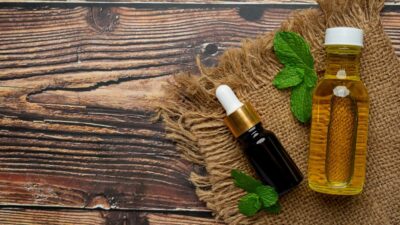
    Herbal Oils and Treatments for Stronger Bones and Joints

    2. Ayurvedic Oils for Joint Health

    2.1 Mahanarayan Oil

    Mahanarayan oil is a traditional Ayurvedic herbal oil that helps relieve joint pain, reduce inflammation, and nourish the bones and cartilage. It is commonly used to treat arthritis and osteoarthritis by promoting joint flexibility and reducing stiffness.

    How to Use: Warm the oil slightly and massage it into the affected joints daily for best results.

    2.2 Bala Oil

    Bala oil, made from the herb Sida cordifolia, is known for its strengthening and rejuvenating properties. It helps prevent joint deterioration and supports bone health by reducing Vata imbalances in the joints.

    How to Use: Massage the oil into the joints regularly to promote flexibility and reduce pain.

    2.3 Dhanwantharam Oil

    Dhanwantharam oil is used to treat joint pain and stiffness while supporting bone strength and joint mobility. It is especially effective for individuals experiencing early signs of osteoarthritis.

    How to Use: Apply warm Dhanwantharam oil to the joints and leave it on for 30 minutes to an hour before rinsing.

    3. Ayurvedic Treatments to Prevent Osteoarthritis

    3.1 Abhyanga (Self-Massage)

    Abhyanga, or self-massage with herbal oils, is a key Ayurvedic practice for maintaining joint and bone health. Regular oil massage helps nourish the bones, relieve stiffness, and improve circulation, which is essential for preventing joint deterioration.

    How to Practice: Warm your chosen Ayurvedic oil and massage it into your joints and muscles in circular motions. Allow the oil to penetrate for 30 minutes before bathing.

    3.2 Panchakarma

    Panchakarma is a detoxification and rejuvenation therapy in Ayurveda that helps remove toxins from the body, which can contribute to joint inflammation and deterioration. Panchakarma treatments such as Basti (herbal enema) and Swedana (herbal steam therapy) are highly effective in reducing joint pain and preventing osteoarthritis.

    3.3 Yoga and Pranayama

    Yoga and breathing exercises (Pranayama) play a vital role in maintaining joint flexibility and preventing stiffness. Specific yoga poses like Vrikshasana (Tree Pose) and Virabhadrasana (Warrior Pose) help strengthen the joints and improve balance. Pranayama helps improve circulation to the joints, reducing pain and stiffness.

    4. Dietary Recommendations for Joint Health

    Calcium-Rich Foods

    Incorporate calcium-rich foods like sesame seeds, almonds, and green leafy vegetables into your diet. These foods help maintain bone density and prevent joint deterioration.

    Anti-Inflammatory Spices

    Add anti-inflammatory spices such as turmeric, ginger, and cumin to your meals to reduce inflammation and support joint health.

    Hydration

    Staying hydrated is essential for joint lubrication. Drink warm water throughout the day to help balance Vata and keep the joints flexible.

    Conclusion

    Ayurvedic herbs like Ashwagandha, Shallaki, and Guggulu offer natural and effective solutions for preventing osteoarthritis and joint deterioration. Regular use of these herbs, combined with Ayurvedic oils like Mahanarayan oil and treatments like Abhyanga and Panchakarma, can help keep your joints strong, flexible, and pain-free. Incorporating these Ayurvedic remedies into your daily routine, along with a balanced diet and regular exercise, can ensure long-term joint health and prevent the onset of osteoarthritis.


  • Natural Solutions for Managing Joint Stiffness and Pain

    Natural Solutions for Managing Joint Stiffness and Pain

    Joint stiffness and pain are common ailments, especially as we age or face certain lifestyle factors such as poor diet, lack of exercise, or injuries. Ayurveda, the ancient holistic system of healing from India, provides natural remedies and lifestyle changes that can help manage and alleviate joint pain effectively. By addressing the root causes of joint discomfort such as inflammation, imbalances in the doshas (especially Vata), and toxin accumulation, Ayurveda offers a comprehensive approach to long-term relief.

    In this article, we’ll explore various Ayurvedic solutions for managing joint stiffness and pain, including herbal treatments, dietary suggestions, and lifestyle practices.

    Understanding Joint Stiffness and Pain in Ayurveda

    In Ayurveda, joint pain is often associated with an aggravation of Vata dosha, which governs movement and dryness in the body. When Vata becomes imbalanced, it can lead to dryness in the joints, causing stiffness, cracking, and discomfort. Another cause of joint pain is the accumulation of toxins, or ama, which builds up in the body due to improper digestion. This can lead to inflammation in the joints (amavata), causing pain and swelling.

    By restoring balance to the Vata dosha and clearing toxins from the body, Ayurveda provides relief from joint stiffness and pain.

    Radiant Skin with Ayurvedic Herbs Ashwagandha Shilajit and Safed Musli scaled e1728975033986

    1. Herbal Remedies for Joint Health

    Ashwagandha

    Ashwagandha is one of the most revered herbs in Ayurveda for its anti-inflammatory and rejuvenating properties. It strengthens the bones and muscles while reducing inflammation, making it effective for easing joint pain and improving mobility.

    How to Use: Ashwagandha can be taken as a powder (1-2 teaspoons) mixed with warm milk or water. Capsules are also available for convenience.

    Shallaki (Boswellia)

    Shallaki, or Boswellia, is a powerful anti-inflammatory herb that helps reduce swelling and pain in the joints. It is especially beneficial for those suffering from conditions like arthritis or osteoarthritis.

    How to Use: Shallaki extract is commonly available in supplement form and can be taken daily to manage chronic joint pain.

    Guggulu

    Guggulu is another potent herb known for its ability to reduce inflammation and promote joint mobility. It helps remove toxins from the joints and is particularly effective for Vata-related joint issues like stiffness and cracking.

    How to Use: Guggulu is typically available as a tablet or powder and can be taken after meals. It’s often combined with other herbs for enhanced effectiveness.

    Nirgundi (Vitex Negundo)

    Nirgundi is a highly effective Ayurvedic herb for joint pain relief. It has anti-inflammatory, analgesic, and muscle-relaxing properties, making it excellent for easing pain and stiffness in the joints.

    How to Use: Nirgundi oil can be applied externally to the affected areas for pain relief. Nirgundi leaves can also be boiled and used as a compress for joint pain.

    Herbal Oils and Treatments for Stronger Bones and Joints

    2. Ayurvedic Oils for Joint Massage (Abhyanga)

    Abhyanga, or self-massage with warm Ayurvedic oils, is an important part of joint pain management. Massage helps increase circulation, reduce stiffness, and nourish the joints. The use of medicated oils enhances the therapeutic benefits of the massage.

    Mahanarayan Oil

    Mahanarayan oil is a traditional Ayurvedic oil infused with various herbs like Ashwagandha, Shatavari, and Bala. It helps reduce joint pain, stiffness, and inflammation, making it ideal for conditions like arthritis.

    How to Use: Warm the oil slightly and gently massage it into the affected joints for 10-15 minutes. Leave it on for at least 30 minutes before rinsing.

    Sesame Oil

    Sesame oil is highly revered in Ayurveda for its ability to balance Vata and lubricate the joints. Regular use of sesame oil massage can reduce stiffness and prevent further damage to the joints.

    How to Use: Warm sesame oil and apply it to the joints daily for relief from stiffness and improved flexibility.

    Nirgundi Oil

    As mentioned earlier, Nirgundi oil is excellent for external application to alleviate joint pain. It has cooling and anti-inflammatory properties, making it particularly useful for reducing swelling and stiffness.

    Panchakarma

    3. Dietary Changes to Support Joint Health

    In Ayurveda, a proper diet plays a crucial role in managing joint pain. A Vata-pacifying diet, which is warm, nourishing, and easy to digest, is recommended to reduce stiffness and improve joint function.

    Eat Warm, Moist Foods

    Since Vata is aggravated by dryness and cold, it’s important to consume foods that are warm and nourishing. Soups, stews, and porridge made from whole grains like rice and barley are beneficial.

    Include Anti-Inflammatory Spices

    Incorporate spices like turmeric, ginger, and garlic into your daily diet. These spices have natural anti-inflammatory properties and help reduce pain and swelling in the joints.

    Avoid Processed and Cold Foods

    Processed foods, fried items, and cold beverages can aggravate Vata and increase the accumulation of toxins in the body. It’s best to avoid them to prevent worsening joint pain.

    Hydration

    Staying hydrated is essential for maintaining the lubrication of the joints. Drink warm water throughout the day to keep Vata in balance and to aid digestion, which in turn helps prevent the accumulation of toxins.

    Sinusitis

    4. Lifestyle Practices for Joint Health

    Regular Exercise

    Moderate exercise is important for maintaining joint flexibility and strength. Yoga is especially beneficial for those suffering from joint pain as it helps stretch the muscles and joints without putting excessive strain on them.

    Recommended Yoga Poses for Joint Pain:

    • Vrikshasana (Tree Pose): Helps improve balance and strengthens the legs and joints.
    • Trikonasana (Triangle Pose): Enhances flexibility and reduces stiffness in the hips and knees.
    • Tadasana (Mountain Pose): Encourages proper posture and aligns the body, reducing joint pain.

    Detoxification (Panchakarma)

    If joint pain is caused by the accumulation of toxins (ama), Ayurvedic detox therapies like Panchakarma can be highly effective. Panchakarma includes treatments like herbal enemas, massage, and steam therapy to cleanse the body of toxins and rejuvenate the joints.

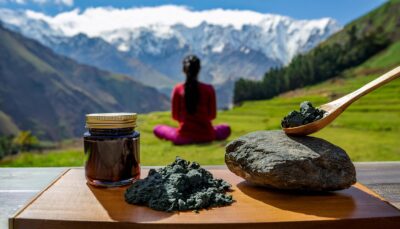
    Natural supplement Shilajit in a vibrant, with Himalaya Mountain in Background

    5. Herbal Supplements for Joint Health

    Triphala

    Triphala is a well-known Ayurvedic supplement that helps cleanse the digestive system and prevent the buildup of toxins that can contribute to joint pain. Regular use of Triphala promotes overall health and supports joint function.

    How to Use: Take 1 teaspoon of Triphala powder with warm water before bed to promote detoxification.

    Shilajit

    Shilajit is a potent natural supplement that is rich in minerals and fulvic acid, known to improve joint health and reduce inflammation. It helps in enhancing mobility and relieving stiffness, making it an excellent choice for individuals with joint discomfort.

    How to Use:

    Dissolve a pea-sized amount of Shilajit in warm water or milk and take it once a day, preferably in the morning.


    Conclusion

    Ayurvedic solutions for managing joint stiffness and pain focus on balancing the body’s internal energies, reducing inflammation, and detoxifying the system. By incorporating herbal remedies, dietary changes, self-massage, and regular exercise, you can effectively reduce joint discomfort and promote long-term joint health. Ayurveda’s holistic approach ensures that you not only address the symptoms but also get to the root cause of the pain, providing sustainable relief and improving your overall well-being.

  • Nirgundi: A Powerful Herb for Pain and Swelling

    Nirgundi: A Powerful Herb for Pain and Swelling

    Nirgundi, scientifically known as Vitex negundo, is a highly revered herb in Ayurveda, celebrated for its remarkable ability to alleviate pain, reduce inflammation, and promote healing. For centuries, this versatile plant has been used as a natural remedy for a wide range of conditions, especially those related to joint and muscle pain. In this article, we’ll delve into the benefits of Nirgundi, how it works, and how you can use it to manage pain and swelling.

    What is Nirgundi?

    Nirgundi is a small aromatic shrub commonly found in tropical regions of India and Southeast Asia. The plant’s leaves, roots, and seeds are packed with medicinal properties that make it a key component in Ayurvedic treatments for joint pain, arthritis, and inflammation. Nirgundi has a potent blend of anti-inflammatory, analgesic, and antioxidant properties, making it a go-to remedy for various types of pain and swelling.

    Key Properties of Nirgundi:

    • Anti-inflammatory: Helps reduce inflammation in the joints and muscles.
    • Analgesic: Provides pain relief, making it effective for treating chronic and acute pain.
    • Antioxidant: Neutralizes free radicals, preventing further damage to the affected areas.
    • Antiseptic: Can also be used to treat skin wounds and infections.

    1. Benefits of Nirgundi for Pain and Swelling

    Relieves Joint Pain and Arthritis

    Nirgundi is widely used in Ayurveda to treat arthritis and joint pain. Its anti-inflammatory properties help reduce swelling, while its analgesic effects offer relief from the discomfort caused by conditions such as osteoarthritis and rheumatoid arthritis.

    How it Helps:

    • Reduces joint inflammation and stiffness.
    • Improves mobility and flexibility in affected areas.
    • Eases chronic pain caused by degenerative joint disorders.

    Soothes Muscle Pain and Cramps

    Muscle pain from injuries, overexertion, or conditions like fibromyalgia can be debilitating. Nirgundi acts as a natural muscle relaxant and helps reduce soreness and pain by soothing inflamed tissues and improving blood circulation to the affected areas.

    How it Helps:

    • Alleviates muscle stiffness and cramps.
    • Promotes faster recovery from muscle injuries.
    • Enhances overall muscle relaxation and comfort.

    Treats Sciatica and Nerve Pain

    Nirgundi’s ability to relieve nerve pain makes it particularly beneficial for those suffering from sciatica, a condition characterized by pain radiating from the lower back down to the legs. The herb reduces nerve inflammation and relieves the intense, shooting pain associated with nerve disorders.

    How it Helps:

    • Reduces nerve inflammation.
    • Alleviates radiating pain and discomfort.
    • Helps manage chronic nerve conditions.

    Heals Wounds and Skin Inflammation

    Thanks to its antiseptic and anti-inflammatory properties, Nirgundi is also used topically to treat skin wounds, ulcers, and inflammatory skin conditions like eczema. It speeds up the healing process and prevents infection in damaged tissues.

    How it Helps:

    • Heals cuts, wounds, and skin ulcers.
    • Reduces swelling and redness in inflamed skin.
    • Prevents infections in open wounds.

    2. How to Use Nirgundi for Pain Relief

    There are several ways to incorporate Nirgundi into your daily routine to manage pain and swelling. Here are some of the most common methods used in Ayurveda:

    Nirgundi Oil

    Nirgundi oil is perhaps the most popular way to use this herb for pain relief. The oil is extracted from the leaves and applied topically to affected areas, offering immediate relief from pain and inflammation.

    How to Use:

    • Warm the oil slightly and massage it gently onto the painful area (joints, muscles, or lower back).
    • Leave it on for at least 30 minutes or overnight for maximum absorption.
    • Use regularly (1–2 times a day) for best results, especially for chronic conditions like arthritis or sciatica.

    Nirgundi Powder or Paste

    You can also find Nirgundi in powdered form, which can be mixed with water or oil to create a paste. This paste can be applied directly to inflamed or swollen areas for localized pain relief.

    How to Use:

    • Mix Nirgundi powder with warm water or oil to form a paste.
    • Apply the paste to the affected area and cover it with a soft cloth.
    • Leave it on for 30–60 minutes before washing off.

    Nirgundi Decoction

    For internal use, Nirgundi can be consumed in the form of a decoction to help reduce inflammation from the inside out. This method is particularly useful for managing chronic inflammatory conditions like arthritis and gout.

    How to Use:

    • Boil Nirgundi leaves in water to create a decoction.
    • Strain and drink the mixture 1–2 times a day, under the guidance of a healthcare provider or Ayurvedic practitioner.

    Nirgundi Capsules

    For those who prefer a more convenient method of consumption, Nirgundi is available in capsule form as well. These supplements provide the benefits of the herb in a concentrated dose, making it easier to manage chronic pain over time.

    How to Use:

    • Take Nirgundi capsules according to the recommended dosage provided by your healthcare provider.
    • Capsules are often taken with warm water after meals for best absorption.

    3. Precautions When Using Nirgundi

    While Nirgundi is generally safe for most people when used appropriately, it’s important to keep a few things in mind:

    • Pregnancy and Breastfeeding: Consult with a healthcare provider before using Nirgundi if you are pregnant or breastfeeding, as its effects on pregnancy are not well studied.
    • Allergic Reactions: As with any herbal remedy, it’s important to perform a patch test before applying Nirgundi oil or paste to the skin, especially if you have sensitive skin or a history of allergies.
    • Chronic Conditions: Always consult a healthcare provider before using Nirgundi internally if you have any chronic health conditions or are taking medications, to avoid potential interactions.

    Conclusion

    Nirgundi is a powerful Ayurvedic herb with a long history of use in managing pain, inflammation, and swelling. Whether used as an oil, paste, or decoction, this versatile plant offers natural and effective relief for a wide range of conditions, from arthritis to muscle soreness. Regular use of Nirgundi can help you manage chronic pain, improve mobility, and support overall joint and muscle health. Always remember to consult an Ayurvedic practitioner or healthcare professional before beginning any new treatment, especially for long-term or chronic conditions.

  • How to Use Natural Oils for Muscle and Joint Pain

    How to Use Natural Oils for Muscle and Joint Pain

    Ayurveda, the ancient Indian system of healing, emphasizes the importance of balance in the body and mind. For centuries, Ayurvedic oils have been used to treat muscle and joint pain through massage and external application. These oils, infused with potent herbs and natural ingredients, help relieve pain, reduce inflammation, and promote healing. In this article, we will explore how to use Ayurvedic oils effectively for muscle and joint pain relief.

    Understanding Ayurvedic Oils

    Ayurvedic oils are created by blending medicinal herbs with base oils such as sesame, coconut, or mustard oil. These oils are designed to penetrate deeply into the skin and muscle tissues, providing both physical relief and energetic balance.

    Some of the most commonly used Ayurvedic oils for pain relief include:

    • Mahanarayan Oil: Known for its anti-inflammatory properties, this oil helps relieve joint pain and stiffness.
    • Dhanwantharam Oil: Effective in treating arthritis, sciatica, and muscular aches.
    • Kottamchukkadi Oil: Reduces swelling, pain, and stiffness, commonly used for arthritis.
    • Karpooradi Oil: Contains camphor, which provides a cooling effect that soothes sore muscles.

    1. Choosing the Right Oil

    Before using any Ayurvedic oil, it’s important to choose one that suits your specific condition. Here’s a brief guide on how to select the appropriate oil based on your needs:

    For Joint Pain (Arthritis)

    • Mahanarayan Oil or Dhanwantharam Oil are highly recommended. They work by reducing inflammation in the joints, improving circulation, and easing stiffness.

    For Muscle Pain (Strain or Fatigue)

    • Karpooradi Oil is ideal for muscle pain as it has a cooling effect and helps relax strained muscles. Kottamchukkadi Oil is also effective for muscle soreness due to its warming and penetrating properties.

    For Nerve Pain (Sciatica, Lower Back Pain)

    • Dhanwantharam Oil helps in soothing nerve pain and promoting healing of the tissues. It is often used for conditions like sciatica or chronic lower back pain.

    2. How to Apply Ayurvedic Oils

    Step 1: Warm the Oil

    Ayurvedic oils should always be warmed before application to enhance their absorption and efficacy. You can do this by:

    • Pouring the required amount into a small bowl.
    • Placing the bowl in hot water for a few minutes to warm the oil gently.

    Step 2: Massage the Affected Area

    Once the oil is warmed, follow these steps:

    • Apply the oil: Gently apply the oil to the affected area (joints, muscles, or back).
    • Massage: Using circular motions for joints and long strokes for muscles, massage the oil into the skin for 5–10 minutes. This increases blood circulation, helps the oil penetrate deeply, and provides immediate relief.
    • Focus on Pain Points: Pay extra attention to areas that feel sore, stiff, or swollen. You can use your palms, knuckles, or a soft cloth to apply pressure and massage these areas.

    Step 3: Leave the Oil On

    Allow the oil to sit on the skin for at least 30 minutes. If possible, leave the oil on overnight for enhanced healing benefits. Ayurvedic oils are designed to be absorbed into the tissues, so extended exposure helps deliver more relief.

    Step 4: Use Heat Therapy (Optional)

    After massaging the oil into your skin, you can apply heat to the affected area using a hot water bottle or warm compress. Heat helps the oil penetrate deeper into the muscles and joints, providing extra relief from stiffness and pain.

    Step 5: Wash Off (Optional)

    If you do not like the oily residue on your skin, you can wash it off with warm water and mild soap after 30–60 minutes. However, leaving the oil on for longer periods is more beneficial for long-term relief.

    3. Frequency of Use

    For best results, Ayurvedic oils should be used consistently. Here’s how often you can apply the oils for different conditions:

    • Acute Pain or Inflammation: Use the oil twice daily until the pain subsides.
    • Chronic Pain or Arthritis: Daily application is recommended, preferably before bed to allow the oil to work overnight.
    • Muscle Fatigue or Soreness: Apply after physical activity or whenever soreness arises.

    4. Incorporating Ayurvedic Oils into Abhyanga (Self-Massage)

    Abhyanga is a traditional Ayurvedic self-massage technique that involves the application of warm oils to the entire body. This practice is particularly beneficial for relieving muscle and joint pain and promoting overall well-being.

    How to Perform Abhyanga:

    1. Warm the oil and apply it generously to your entire body, starting from the scalp and moving down to the feet.
    2. Use firm, long strokes on the limbs and circular motions on the joints.
    3. Massage for 15–20 minutes, focusing on sore or stiff areas.
    4. Leave the oil on for 30 minutes to allow it to penetrate deeply before showering.

    5. Precautions and Considerations

    While Ayurvedic oils are generally safe, it’s important to take a few precautions:

    • Test for Allergies: Before applying any oil, do a patch test on a small area of your skin to ensure you’re not allergic to any ingredients.
    • Consult a Professional: If you have any chronic medical conditions or are pregnant, consult an Ayurvedic practitioner or healthcare provider before using these oils.
    • Avoid Open Wounds: Do not apply oils to broken skin or open wounds, as this could cause irritation.

    Conclusion

    Ayurvedic oils provide a natural and effective solution for relieving muscle and joint pain. By incorporating these oils into your daily routine, along with proper massage techniques and self-care practices like Abhyanga, you can experience long-lasting relief and improved joint flexibility. Remember, consistency is key, and regular use of Ayurvedic oils can help you manage pain, reduce inflammation, and support overall well-being naturally.