Category: Joint & Bone Health

  • Joint Pain Relief Through Ayurvedic Supplements: A Natural Path to Wellness

    Joint Pain Relief Through Ayurvedic Supplements: A Natural Path to Wellness

    Are creaky knees or stiff shoulders slowing you down? Joint pain is a common struggle, affecting everyone from active students to busy professionals and seniors seeking comfort. In India, where ancient wisdom meets modern wellness, Ayurveda offers time-tested solutions. By harnessing the power of herbs like Shallaki, Guggul, and Jod Wellness, you can find natural relief and reclaim mobility. At Satrishi, we’re passionate about bringing you 100% herbal, plant-based supplements to support your joint health. Let’s explore how joint pain ayurvedic medicine can transform your daily life.

    Understanding Joint Pain: Why It Happens

    Joint pain can feel like an unwelcome guest, lingering after long workdays or workouts. It often stems from inflammation, cartilage wear, or imbalances in the body’s energies, known as doshas in Ayurveda. Conditions like osteoarthritis, rheumatoid arthritis, or post-viral joint stiffness (like after chikungunya) are common culprits. Modern lifestyles—sitting for hours, poor diet, or stress—can worsen the issue. Ayurveda views joint pain as a sign of aggravated Vata dosha or toxin (ama) buildup, which disrupts joint lubrication and flexibility.

    Satrishi’s approach combines ancient knowledge with modern needs. Our herbal supplements target the root causes, offering relief without the side effects of conventional painkillers. Whether you’re

     a student managing sports injuries or a senior seeking ease, Ayurveda provides a holistic path.

    The Power of Ayurveda for Joint Health

    Ayurveda, India’s 5,000-year-old healing system, emphasizes balance between body, mind, and spirit. For joint pain, it focuses on reducing inflammation, detoxifying the body, and strengtheni

    szzcxzdfcsadf 3

    ng tissues. Unlike synthetic drugs, Ayurvedic herbs like Shallaki and Guggul work gently, supporting long-term we

    llness. Research supports this: studies show Boswellia serrata (Shallaki) reduces inflammation by inhibiting pro-inflammatory enzymes, offering relief comparable to NSAIDs without gut irritation.

    At Satrishi, our plant-based powders and capsules make

     it easy to incorporate these herbs into your routine. Let’s dive into the key herbs that can ease joint pain and boost mobility.

    Shallaki: The Joint-Soothing Superstar

    Shallaki, or Boswellia serrata, is a cornerstone of joint pain ayurvedic medicine. Known as Indian frankincense, its resin is rich in boswellic acids, which target inflammation at its source. Shallaki strengthens cartilage, reduces swelling, and improves joint flexibility, making it ideal for osteoarthritis and rheumatoid arthritis sufferers. A 2019 study found that 1000 mg of Boswellia daily significantly reduced knee osteoarthritis pain within eight weeks.

    Who benefits most? Seniors with chronic joint issues or athletes recovering from strain. Satrishi’s Shallaki Powder is a pure, vegan-friendly option you can mix into warm water or smoothies. Apply it topically with coconut oil for added relief, as Ayurveda suggests. Explore Satrishi’s Shallaki Capsules for a convenient daily dose.

    Guggul: Nature’s Anti-Inflammatory Ally

    Guggul, derived from Commiphora mukul, is a resin celebrated for its ability to balance Vata and reduce ama (toxins). Its anti-inflammatory and analgesic properties make it a go-to for arthritis-related pain. Guggul also supports joint lubrication, easing stiffness and improving mobility. Research from 2003 showed Guggul’s effectiveness in reducing knee osteoarthritis symptoms, enhancing patients’ quality of life.

    Ideal for professionals with repetitive strain or seniors with morning stiffness, Guggul is versatile. Satrishi’s Guggul Capsules pair well with a balanced diet to maximize benefits. Combine with yoga for optimal joint support. Visit our blog on Ayurvedic Lifestyle Tips for more guidance.

    Jod Wellness: A Holistic Blend for Joint Support

    Satrishi’s Jod Wellness is a unique blend of herbs like Shallaki, Guggul, and Ashwagandha, designed to tackle joint pain holistically. Ashwagandha, an adaptogen, reduces stress-induced inflammation, which can exacerbate joint issues. A 2015 study noted Ashwagandha’s role in lowering cortisol, indirectly supporting joint health by calming the body.

    Image Credit :- Canva

  • Ayurvedic Herbs to Prevent Osteoarthritis and Joint Deterioration

    Ayurvedic Herbs to Prevent Osteoarthritis and Joint Deterioration

    Osteoarthritis is a degenerative joint disease that leads to the gradual breakdown of cartilage, resulting in joint pain, stiffness, and inflammation. While it primarily affects older adults, joint deterioration can begin earlier in life due to lifestyle factors, injuries, or genetic predispositions. Ayurveda offers a range of herbs and treatments to support joint health, prevent the onset of osteoarthritis, and slow down joint deterioration.

    In this article, we’ll explore some of the most effective Ayurvedic herbs that can help prevent osteoarthritis and promote long-term joint health.

    Understanding Osteoarthritis in Ayurveda

    In Ayurveda, osteoarthritis is considered a result of Vata imbalance, particularly aggravated Vata dosha in the joints. This leads to dryness, stiffness, and the degeneration of Asthi dhatu (bone tissue) and cartilage. Ayurvedic treatments focus on balancing Vata, nourishing the bones and joints, and reducing inflammation to prevent further damage.

    1. Top Ayurvedic Herbs to Prevent Osteoarthritis

    1.1 Ashwagandha

    Ashwagandha, also known as Indian ginseng, is one of the most powerful herbs in Ayurveda for joint health. It has anti-inflammatory properties that help reduce swelling and stiffness in the joints. Ashwagandha also strengthens bones and muscles, making it highly effective in preventing the progression of osteoarthritis.

    How to Use: Ashwagandha powder or capsules can be consumed daily, usually with warm milk or water, to promote joint strength and reduce inflammation.

    1.2 Shallaki (Boswellia Serrata)

    Shallaki, also known as Boswellia, is a potent anti-inflammatory herb used in Ayurvedic medicine to treat joint pain and prevent cartilage deterioration. It works by inhibiting enzymes that cause joint inflammation and damage. Shallaki is particularly effective in slowing the progression of osteoarthritis and improving joint flexibility.

    How to Use: Shallaki is available in supplement form (capsules or tablets) and can be taken daily to manage joint pain and support long-term bone health.

    1.3 Guggulu

    Guggulu is a powerful herb known for its anti-inflammatory and analgesic properties. It helps reduce joint pain, stiffness, and inflammation while promoting the regeneration of joint tissues. Guggulu is widely used in Ayurvedic formulas for arthritis and joint problems, helping to prevent further deterioration of the joints.

    How to Use: Guggulu can be consumed in tablet or powder form, often combined with other herbs like Ashwagandha and Triphala for enhanced joint support.

    1.4 Turmeric

    Turmeric, with its active compound curcumin, is one of the most well-known Ayurvedic remedies for joint health. It has potent anti-inflammatory properties that help reduce swelling, pain, and stiffness in the joints. Turmeric is highly effective in preventing cartilage damage and slowing down the progression of osteoarthritis.

    How to Use: Add turmeric to your daily diet in the form of turmeric powder or capsules. It can also be consumed as a tea with warm water and honey for added benefits.

    1.5 Nirgundi

    Nirgundi, also known as Vitex negundo, is a traditional Ayurvedic herb used to treat joint pain and inflammation. It helps reduce swelling and stiffness in the joints and promotes flexibility. Nirgundi is particularly beneficial for individuals with osteoarthritis, as it prevents joint deterioration and supports overall joint health.

    How to Use: Nirgundi can be applied externally in the form of oil to relieve joint pain or taken as a supplement for long-term joint support.

    1.6 Ginger

    Ginger is a natural anti-inflammatory and analgesic herb that helps reduce pain and inflammation associated with osteoarthritis. It improves circulation to the joints, reducing stiffness and promoting flexibility. Ginger also contains antioxidants that protect the joints from oxidative stress and damage.

    How to Use: Incorporate ginger into your diet by adding fresh ginger to meals, teas, or smoothies. You can also take ginger supplements for enhanced joint support.

    Herbal Oils and Treatments for Stronger Bones and Joints

    2. Ayurvedic Oils for Joint Health

    2.1 Mahanarayan Oil

    Mahanarayan oil is a traditional Ayurvedic herbal oil that helps relieve joint pain, reduce inflammation, and nourish the bones and cartilage. It is commonly used to treat arthritis and osteoarthritis by promoting joint flexibility and reducing stiffness.

    How to Use: Warm the oil slightly and massage it into the affected joints daily for best results.

    2.2 Bala Oil

    Bala oil, made from the herb Sida cordifolia, is known for its strengthening and rejuvenating properties. It helps prevent joint deterioration and supports bone health by reducing Vata imbalances in the joints.

    How to Use: Massage the oil into the joints regularly to promote flexibility and reduce pain.

    2.3 Dhanwantharam Oil

    Dhanwantharam oil is used to treat joint pain and stiffness while supporting bone strength and joint mobility. It is especially effective for individuals experiencing early signs of osteoarthritis.

    How to Use: Apply warm Dhanwantharam oil to the joints and leave it on for 30 minutes to an hour before rinsing.

    3. Ayurvedic Treatments to Prevent Osteoarthritis

    3.1 Abhyanga (Self-Massage)

    Abhyanga, or self-massage with herbal oils, is a key Ayurvedic practice for maintaining joint and bone health. Regular oil massage helps nourish the bones, relieve stiffness, and improve circulation, which is essential for preventing joint deterioration.

    How to Practice: Warm your chosen Ayurvedic oil and massage it into your joints and muscles in circular motions. Allow the oil to penetrate for 30 minutes before bathing.

    3.2 Panchakarma

    Panchakarma is a detoxification and rejuvenation therapy in Ayurveda that helps remove toxins from the body, which can contribute to joint inflammation and deterioration. Panchakarma treatments such as Basti (herbal enema) and Swedana (herbal steam therapy) are highly effective in reducing joint pain and preventing osteoarthritis.

    3.3 Yoga and Pranayama

    Yoga and breathing exercises (Pranayama) play a vital role in maintaining joint flexibility and preventing stiffness. Specific yoga poses like Vrikshasana (Tree Pose) and Virabhadrasana (Warrior Pose) help strengthen the joints and improve balance. Pranayama helps improve circulation to the joints, reducing pain and stiffness.

    4. Dietary Recommendations for Joint Health

    Calcium-Rich Foods

    Incorporate calcium-rich foods like sesame seeds, almonds, and green leafy vegetables into your diet. These foods help maintain bone density and prevent joint deterioration.

    Anti-Inflammatory Spices

    Add anti-inflammatory spices such as turmeric, ginger, and cumin to your meals to reduce inflammation and support joint health.

    Hydration

    Staying hydrated is essential for joint lubrication. Drink warm water throughout the day to help balance Vata and keep the joints flexible.

    Conclusion

    Ayurvedic herbs like Ashwagandha, Shallaki, and Guggulu offer natural and effective solutions for preventing osteoarthritis and joint deterioration. Regular use of these herbs, combined with Ayurvedic oils like Mahanarayan oil and treatments like Abhyanga and Panchakarma, can help keep your joints strong, flexible, and pain-free. Incorporating these Ayurvedic remedies into your daily routine, along with a balanced diet and regular exercise, can ensure long-term joint health and prevent the onset of osteoarthritis.

  • Herbal Oils and Treatments for Stronger Bones and Joints

    Herbal Oils and Treatments for Stronger Bones and Joints

    Maintaining strong bones and flexible joints is essential for overall health and mobility, especially as we age. Ayurveda, the ancient science of healing, offers a variety of natural oils and treatments that nourish and strengthen bones and joints. These remedies aim to balance the body’s energies (the doshas) and support joint flexibility, bone density, and overall skeletal health.

    In this article, we’ll explore some of the best Ayurvedic herbal oils and treatments that help promote stronger bones and joints.

    Understanding Bone and Joint Health in Ayurveda

    In Ayurveda, the health of bones and joints is governed by Asthi Dhatu, which refers to the bone tissue. Vata dosha (responsible for movement and dryness in the body) plays a crucial role in bone and joint health. An imbalance in Vata can lead to problems like joint pain, stiffness, and osteoporosis. Ayurvedic treatments aim to balance Vata and nourish the bones and joints, preventing degeneration and promoting strength.

    1. Herbal Oils for Bone and Joint Strength

    1.1 Mahanarayan Oil

    Mahanarayan oil is a traditional Ayurvedic herbal oil known for its ability to relieve joint pain, reduce inflammation, and strengthen bones. Infused with herbs like Ashwagandha, Shatavari, and Bala, this oil is widely used to treat arthritis, muscle stiffness, and joint injuries.

    How to Use: Warm the oil slightly and massage it into the affected joints and bones daily. For best results, leave the oil on for 30-60 minutes before rinsing.

    1.2 Dhanwantharam Oil

    Dhanwantharam oil is a rejuvenating herbal oil that supports joint flexibility and strengthens muscles and bones. It is particularly useful for those recovering from injuries or joint surgeries. Dhanwantharam oil helps balance Vata dosha and provides relief from pain and stiffness.

    How to Use: Massage the oil gently into the affected areas, focusing on joints and bones. Regular use helps improve circulation, mobility, and bone strength.

    1.3 Bala Ashwagandha Oil

    This oil is a combination of two powerful Ayurvedic herbs, Bala and Ashwagandha, both of which are known for their strengthening and rejuvenating properties. Bala Ashwagandha oil helps improve bone density, reduce joint pain, and enhance muscle flexibility.

    How to Use: Apply the oil to the joints and bones twice a day to alleviate pain, promote bone health, and restore strength to the muscles.

    1.4 Sesame Oil

    Sesame oil is one of the most commonly used oils in Ayurveda for balancing Vata and nourishing the bones. Rich in calcium, magnesium, and zinc, sesame oil helps improve bone density and maintain joint flexibility. It’s a natural lubricant for stiff joints and is highly recommended for people with osteoporosis or arthritis.

    How to Use: Warm the oil slightly and massage it into the joints, focusing on areas that feel stiff or painful. Regular application can improve mobility and reduce discomfort.

    1.5 Sahacharadi Oil

    Sahacharadi oil is an Ayurvedic remedy used to treat joint stiffness, muscle spasms, and inflammation. This oil improves circulation to the joints and is particularly beneficial for lower back pain and sciatica. It nourishes the bones and supports joint flexibility.

    How to Use: Apply warm Sahacharadi oil to the joints and affected areas for relief from pain and stiffness.

    Strengthening Bones with Diet and Lifestyle Practices

    2. Ayurvedic Treatments for Bone and Joint Health

    2.1 Abhyanga (Self-Massage)

    Abhyanga, or self-massage with herbal oils, is a key Ayurvedic practice for maintaining joint and bone health. Regular oil massage helps nourish the bones, relieve stiffness, and improve circulation, making it easier for the body to eliminate toxins that can cause inflammation and joint pain.

    How to Practice:

    • Choose a warm, quiet place for the massage.
    • Warm your chosen Ayurvedic oil (such as Mahanarayan or sesame oil).
    • Gently massage the oil into your joints and muscles in circular motions.
    • Focus on areas where you experience stiffness or pain.
    • Allow the oil to penetrate for 30 minutes to an hour before bathing.

    2.2 Pizhichil (Oil Bath Therapy)

    Pizhichil is a traditional Ayurvedic therapy where warm herbal oil is poured over the body in a continuous stream while a gentle massage is performed. This treatment is highly effective for joint stiffness, muscle weakness, and conditions like arthritis. Pizhichil strengthens the bones and joints while soothing inflammation and promoting relaxation.

    Benefits of Pizhichil:

    • Alleviates joint and muscle pain.
    • Enhances circulation, reducing stiffness.
    • Promotes bone density and strengthens tissues.

    2.3 Kati Basti (Lower Back Oil Treatment)

    Kati Basti is an Ayurvedic treatment specifically designed for lower back pain and sciatica, but it can also benefit the joints and bones in other parts of the body. In this treatment, a dam made of dough is placed over the lower back or any affected joint, and warm herbal oil is poured into it. This allows the oil to deeply penetrate the tissues, providing relief from pain and inflammation.

    How Kati Basti Works:

    • The warm oil nourishes and lubricates the bones and joints.
    • It reduces stiffness and pain in the lower back or affected joint.
    • Repeated treatments help restore strength and flexibility.

    2.4 Panchakarma

    Panchakarma is Ayurveda’s premier detoxification and rejuvenation therapy. It involves a series of treatments, including oil massages, steam therapy, and herbal remedies, designed to remove toxins (ama) from the body that contribute to joint inflammation and degeneration. Panchakarma is particularly beneficial for chronic joint pain and stiffness.

    Key Panchakarma Therapies for Joints:

    • Snehana (Oleation): The use of herbal oils to lubricate and nourish the joints.
    • Swedana (Herbal Steam): Steam therapy to improve circulation and reduce stiffness.
    • Basti (Herbal Enema): Detoxifies the digestive system and removes toxins that can affect the joints.

    3. Dietary Suggestions for Stronger Bones and Joints

    Calcium-Rich Foods

    Incorporate calcium-rich foods like sesame seeds, almonds, figs, and leafy greens (spinach, kale) into your diet. Calcium is essential for maintaining strong bones and preventing conditions like osteoporosis.

    Herbal Supplements

    • Ashwagandha: Known to strengthen bones and muscles.
    • Shatavari: A rejuvenating herb that supports bone health and reduces inflammation.
    • Triphala: A combination of three fruits, Triphala helps cleanse the digestive system and supports overall bone health.

    Anti-Inflammatory Spices

    Add anti-inflammatory spices like turmeric and ginger to your meals. These spices reduce inflammation and protect the joints from stiffness and pain.

    Hydration

    Staying hydrated is essential for joint lubrication. Drink warm water throughout the day to help balance Vata and keep the joints lubricated.

    Conclusion

    Ayurvedic herbal oils and treatments offer a holistic and natural way to strengthen bones and joints while managing pain and stiffness. Whether through regular massages with oils like Mahanarayan or Dhanwantharam, or by adopting treatments like Abhyanga and Pizhichil, Ayurveda provides effective solutions for long-term joint health. By nourishing the bones, reducing inflammation, and balancing Vata, these remedies support flexibility, mobility, and overall bone strength. Incorporating dietary changes and regular detoxification practices ensures that the body remains strong and healthy for years to come.

  • Natural Solutions for Managing Joint Stiffness and Pain

    Natural Solutions for Managing Joint Stiffness and Pain

    Joint stiffness and pain are common ailments, especially as we age or face certain lifestyle factors such as poor diet, lack of exercise, or injuries. Ayurveda, the ancient holistic system of healing from India, provides natural remedies and lifestyle changes that can help manage and alleviate joint pain effectively. By addressing the root causes of joint discomfort such as inflammation, imbalances in the doshas (especially Vata), and toxin accumulation, Ayurveda offers a comprehensive approach to long-term relief.

    In this article, we’ll explore various Ayurvedic solutions for managing joint stiffness and pain, including herbal treatments, dietary suggestions, and lifestyle practices.

    Understanding Joint Stiffness and Pain in Ayurveda

    In Ayurveda, joint pain is often associated with an aggravation of Vata dosha, which governs movement and dryness in the body. When Vata becomes imbalanced, it can lead to dryness in the joints, causing stiffness, cracking, and discomfort. Another cause of joint pain is the accumulation of toxins, or ama, which builds up in the body due to improper digestion. This can lead to inflammation in the joints (amavata), causing pain and swelling.

    By restoring balance to the Vata dosha and clearing toxins from the body, Ayurveda provides relief from joint stiffness and pain.

    Radiant Skin with Ayurvedic Herbs Ashwagandha Shilajit and Safed Musli scaled e1728975033986

    1. Herbal Remedies for Joint Health

    Ashwagandha

    Ashwagandha is one of the most revered herbs in Ayurveda for its anti-inflammatory and rejuvenating properties. It strengthens the bones and muscles while reducing inflammation, making it effective for easing joint pain and improving mobility.

    How to Use: Ashwagandha can be taken as a powder (1-2 teaspoons) mixed with warm milk or water. Capsules are also available for convenience.

    Shallaki (Boswellia)

    Shallaki, or Boswellia, is a powerful anti-inflammatory herb that helps reduce swelling and pain in the joints. It is especially beneficial for those suffering from conditions like arthritis or osteoarthritis.

    How to Use: Shallaki extract is commonly available in supplement form and can be taken daily to manage chronic joint pain.

    Guggulu

    Guggulu is another potent herb known for its ability to reduce inflammation and promote joint mobility. It helps remove toxins from the joints and is particularly effective for Vata-related joint issues like stiffness and cracking.

    How to Use: Guggulu is typically available as a tablet or powder and can be taken after meals. It’s often combined with other herbs for enhanced effectiveness.

    Nirgundi (Vitex Negundo)

    Nirgundi is a highly effective Ayurvedic herb for joint pain relief. It has anti-inflammatory, analgesic, and muscle-relaxing properties, making it excellent for easing pain and stiffness in the joints.

    How to Use: Nirgundi oil can be applied externally to the affected areas for pain relief. Nirgundi leaves can also be boiled and used as a compress for joint pain.

    Herbal Oils and Treatments for Stronger Bones and Joints

    2. Ayurvedic Oils for Joint Massage (Abhyanga)

    Abhyanga, or self-massage with warm Ayurvedic oils, is an important part of joint pain management. Massage helps increase circulation, reduce stiffness, and nourish the joints. The use of medicated oils enhances the therapeutic benefits of the massage.

    Mahanarayan Oil

    Mahanarayan oil is a traditional Ayurvedic oil infused with various herbs like Ashwagandha, Shatavari, and Bala. It helps reduce joint pain, stiffness, and inflammation, making it ideal for conditions like arthritis.

    How to Use: Warm the oil slightly and gently massage it into the affected joints for 10-15 minutes. Leave it on for at least 30 minutes before rinsing.

    Sesame Oil

    Sesame oil is highly revered in Ayurveda for its ability to balance Vata and lubricate the joints. Regular use of sesame oil massage can reduce stiffness and prevent further damage to the joints.

    How to Use: Warm sesame oil and apply it to the joints daily for relief from stiffness and improved flexibility.

    Nirgundi Oil

    As mentioned earlier, Nirgundi oil is excellent for external application to alleviate joint pain. It has cooling and anti-inflammatory properties, making it particularly useful for reducing swelling and stiffness.

    Panchakarma

    3. Dietary Changes to Support Joint Health

    In Ayurveda, a proper diet plays a crucial role in managing joint pain. A Vata-pacifying diet, which is warm, nourishing, and easy to digest, is recommended to reduce stiffness and improve joint function.

    Eat Warm, Moist Foods

    Since Vata is aggravated by dryness and cold, it’s important to consume foods that are warm and nourishing. Soups, stews, and porridge made from whole grains like rice and barley are beneficial.

    Include Anti-Inflammatory Spices

    Incorporate spices like turmeric, ginger, and garlic into your daily diet. These spices have natural anti-inflammatory properties and help reduce pain and swelling in the joints.

    Avoid Processed and Cold Foods

    Processed foods, fried items, and cold beverages can aggravate Vata and increase the accumulation of toxins in the body. It’s best to avoid them to prevent worsening joint pain.

    Hydration

    Staying hydrated is essential for maintaining the lubrication of the joints. Drink warm water throughout the day to keep Vata in balance and to aid digestion, which in turn helps prevent the accumulation of toxins.

    Sinusitis

    4. Lifestyle Practices for Joint Health

    Regular Exercise

    Moderate exercise is important for maintaining joint flexibility and strength. Yoga is especially beneficial for those suffering from joint pain as it helps stretch the muscles and joints without putting excessive strain on them.

    Recommended Yoga Poses for Joint Pain:

    • Vrikshasana (Tree Pose): Helps improve balance and strengthens the legs and joints.
    • Trikonasana (Triangle Pose): Enhances flexibility and reduces stiffness in the hips and knees.
    • Tadasana (Mountain Pose): Encourages proper posture and aligns the body, reducing joint pain.

    Detoxification (Panchakarma)

    If joint pain is caused by the accumulation of toxins (ama), Ayurvedic detox therapies like Panchakarma can be highly effective. Panchakarma includes treatments like herbal enemas, massage, and steam therapy to cleanse the body of toxins and rejuvenate the joints.

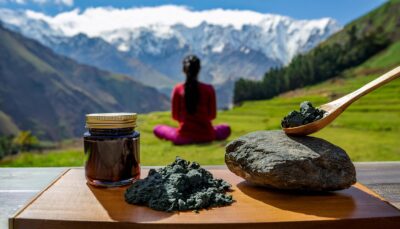
    Natural supplement Shilajit in a vibrant, with Himalaya Mountain in Background

    5. Herbal Supplements for Joint Health

    Triphala

    Triphala is a well-known Ayurvedic supplement that helps cleanse the digestive system and prevent the buildup of toxins that can contribute to joint pain. Regular use of Triphala promotes overall health and supports joint function.

    How to Use: Take 1 teaspoon of Triphala powder with warm water before bed to promote detoxification.

    Shilajit

    Shilajit is a potent natural supplement that is rich in minerals and fulvic acid, known to improve joint health and reduce inflammation. It helps in enhancing mobility and relieving stiffness, making it an excellent choice for individuals with joint discomfort.

    How to Use:

    Dissolve a pea-sized amount of Shilajit in warm water or milk and take it once a day, preferably in the morning.


    Conclusion

    Ayurvedic solutions for managing joint stiffness and pain focus on balancing the body’s internal energies, reducing inflammation, and detoxifying the system. By incorporating herbal remedies, dietary changes, self-massage, and regular exercise, you can effectively reduce joint discomfort and promote long-term joint health. Ayurveda’s holistic approach ensures that you not only address the symptoms but also get to the root cause of the pain, providing sustainable relief and improving your overall well-being.

  • Managing Arthritis Pain Naturally- Ayurvedic Tips and Treatments

    Managing Arthritis Pain Naturally- Ayurvedic Tips and Treatments

    Finding Relief: Natural Ayurvedic Approaches to Manage Arthritis Pain

    Arthritis, a condition characterized by joint pain and inflammation, can significantly impact your daily life. While modern medicine offers treatment options, Ayurveda, the ancient Indian system of medicine, provides a holistic approach to managing arthritis pain naturally. Here’s how Ayurveda can help you find relief and improve your overall well-being.

    Understanding Arthritis Through the Ayurvedic Lens

    Ayurveda views arthritis as an imbalance in the doshas, the three energies that govern your body and mind. An imbalance in Vata dosha, associated with air and space, can manifest as dryness, stiffness, and pain in the joints. Conversely, an imbalance in Kapha dosha, linked to water and earth, can lead to swelling and heaviness in the joints.

    Ayurvedic Practices for Arthritis Relief

    Ayurveda offers a multi-pronged approach to manage arthritis pain:

    Dietary Adjustments: Following a diet that pacifies the aggravated dosha is key. For Vata imbalances, warm, cooked foods rich in healthy fats and spices like ginger are recommended. Kapha imbalances benefit from a lighter, drier diet with plenty of vegetables and less dairy.

    Herbal Remedies: Ayurvedic herbs like Ashwagandha, known for its anti-inflammatory properties, and Boswellia, which helps reduce swelling, can be beneficial. Consult an Ayurvedic practitioner to determine the right herbs and dosage for your specific needs.

    Panchakarma: This intensive detoxification process can be helpful in some cases, but it’s crucial to consult an experienced practitioner before undergoing Panchakarma.

    Soothing Self-Care Routines

    In addition to these core principles, Ayurveda emphasizes self-care practices that can alleviate joint pain:

    Abhyanga (Self-Massage): Massaging the affected joints with warm oil like sesame or castor oil can improve circulation, reduce stiffness, and promote relaxation.

    Shirodhara (Oil Dripping Therapy): This calming therapy involves pouring warm oil on the forehead, promoting relaxation and potentially reducing pain perception.

    Yoga: Gentle yoga poses can improve flexibility and strengthen the muscles surrounding the joints, providing better support and reducing pain.

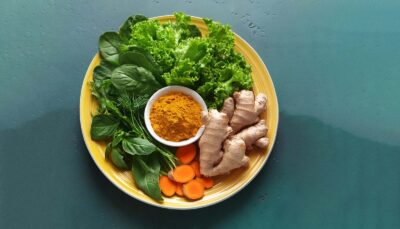
    Anti-inflammatory foods like turmeric, ginger and leafy

    Simple Ayurvedic Home Remedies for Relief

    Here are some easy-to-implement home remedies inspired by Ayurveda:

    Turmeric Paste: Mix turmeric powder with honey or milk to create a paste. Apply it topically to the affected joint for its anti-inflammatory properties.

    Ginger Compress: Grated ginger has warming properties that can soothe achy joints. Make a compress by soaking a cloth in warm ginger tea and applying it to the affected area.

    Warm Castor Oil Pack: Castor oil’s anti-inflammatory properties can be beneficial. Apply warm castor oil to the joint and cover it with a cloth for a soothing effect.

    Remember: These remedies are intended for general well-being, not as a replacement for medical advice. If you experience severe or persistent joint pain, consult with a doctor or an Ayurvedic practitioner for a proper diagnosis and personalized treatment plan.


    Living in Harmony with Your Joints

    By incorporating these Ayurvedic approaches and home remedies into your life, you can embark on a journey towards managing your arthritis pain holistically. Remember, consistency is key. With dedicated self-care, a balanced diet, and the wisdom of Ayurveda, you can find relief and rediscover the joy of movement.


    Additional Tips:

    Rest and Exercise: Balance periods of rest with gentle exercises that promote flexibility and joint health.

    Stress Management: Chronic stress can exacerbate arthritis symptoms. Practice relaxation techniques like meditation or deep breathing to manage stress.

    Warm Baths: Soaking in a warm bath with Epsom salts can help soothe sore muscles and joints.

    Ayurveda offers a complementary approach to managing arthritis pain. By combining these practices with conventional medicine, you can create a holistic plan for optimal joint health and well-being.

  • Strengthening Joints and Bones- Ayurvedic Strategies for Joint Support

    Strengthening Joints and Bones- Ayurvedic Strategies for Joint Support

    Nurturing Your Inner Strength: Ayurvedic Strategies for Healthy Joints and Bones

    Healthy joints and bones are essential for a life of mobility and independence. Ayurveda, the ancient Indian system of medicine, offers a holistic approach to promoting joint and bone health by addressing the root causes of imbalances and nourishing your body’s natural healing mechanisms. Let’s explore how Ayurveda can empower you to maintain strong joints and bones.


    Understanding Joint and Bone Health Through the Ayurvedic Lens

    Ayurveda views bones and joints as the foundation of the body’s structure. Imbalances in the doshas, the three energies that govern your body and mind, can affect their health. Here’s how each doshic imbalance can manifest as joint and bone issues:

    Vata Dosha (Air & Space): When imbalanced, Vata can lead to dryness, weakness in bones and joints, and increased vulnerability to fractures.

    Pitta Dosha (Fire & Water): An aggravated Pitta can manifest as inflammation in joints, leading to pain and stiffness (similar to arthritis).

    Kapha Dosha (Water & Earth): Excess Kapha can cause stiffness and a buildup of toxins in the joints, potentially leading to discomfort.


    The Ayurvedic Diet for Strong Joints and Bones

    A balanced Ayurvedic diet rich in specific nutrients is crucial for bone health:

    Calcium-Rich Foods: Sesame seeds, dairy products (in moderation), and leafy greens are all excellent sources of calcium, essential for bone mineralization.

    Nourishing Fats: Healthy fats from nuts, seeds, and avocados support nutrient absorption and promote bone health.

    Bone Broth: This traditional Ayurvedic remedy is rich in minerals and collagen, which can support bone health.

    Focus on Your Dosha: Choose foods that are beneficial for your dominant dosha:

    Vata: Opt for warm, cooked foods, nuts, and bone broths to nourish and lubricate joints.

    Pitta: Focus on cooling and easily digestible foods like leafy greens and fruits. Limit inflammatory foods like red meat and excess spices.

    Kapha: Prioritize light, dry foods like vegetables and legumes. Limit processed foods and dairy (if needed).


    Ayurvedic Herbs for Joint Support

    Certain Ayurvedic herbs can be beneficial for joint health:

    Ashwagandha: This revered adaptogenic herb supports bone health, reduces inflammation, and promotes healing.

    Bala (Sida Cordifolia): This herb is a natural bone tonic that can help strengthen bones and joints.

    Boswellia (Shallaki): This herb is a traditional remedy for joint inflammation and pain.

    Guduchi (Giloy): This adaptogenic herb supports the immune system and promotes detoxification, which can benefit joint health.

    Remember: Consult with an Ayurvedic practitioner before consuming any herbs, especially if you have any underlying health conditions or are taking medications, as some herbs may interact with them.


    Lifestyle Practices for Optimal Joint and Bone Health

    Regular Exercise: Weight-bearing exercises like walking, yoga, and strength training help build strong bones and improve joint flexibility.

    Manage Stress: Chronic stress can contribute to bone loss. Practice relaxation techniques like yoga or meditation to manage stress effectively.

    Quality Sleep: Aim for 7-8 hours of sleep for optimal bone health and healing.

    Sun Exposure: Moderate sun exposure promotes Vitamin D synthesis, essential for calcium absorption and bone health.


    Simple Ayurvedic Home Remedies

    Sesame Seed Oil Massage: Massaging your joints with warm sesame oil can improve circulation and nourish the joints (especially beneficial for Vata imbalances).

    Warm Milk with Turmeric: This drink before bed can reduce inflammation and promote better sleep, supporting joint health.

    Triphala Churna: This herbal blend can help cleanse the digestive system and reduce inflammation, potentially aiding in joint health.


    Living a Life with Strong Joints and Bones

    By incorporating these Ayurvedic dietary adjustments, herbs, lifestyle practices, and simple home remedies into your routine, you can embark on a journey towards promoting healthy joints and bones. Remember, consistency is key. With dedication to a balanced lifestyle and the wisdom of Ayurveda, you can experience a life of mobility and freedom.


    Important Note: Ayurveda is intended to be complementary to conventional medicine. If you have any concerns about your joint or bone health, consult with a doctor for a proper diagnosis and treatment plan.

  • Strengthening Bones with Diet and Lifestyle Practices

    Strengthening Bones with Diet and Lifestyle Practices

    Strong and healthy bones are essential for a life full of mobility, flexibility, and balance. However, as we age, bone density tends to decline, increasing the risk of osteoporosis, fractures, and other bone-related issues. Ayurveda offers holistic approaches through dietary and lifestyle practices to promote strong bones and maintain optimal bone health.

    In this article, we will explore Ayurvedic dietary recommendations, herbs, and lifestyle practices that help strengthen bones naturally.

    Ayurvedic View on Bone Health

    In Ayurveda, bone health is associated with Asthi Dhatu, which refers to the tissues responsible for forming bones. Any imbalance in the Vata dosha is believed to weaken the bones, causing joint pain, stiffness, and fragility. Strengthening Asthi Dhatu involves consuming nourishing foods, practicing mindful exercises, and using herbal remedies to maintain bone density and strength.

    1. Dietary Practices for Strong Bones

    1.1 Calcium-Rich Foods

    Calcium is the building block for strong bones, and Ayurveda emphasizes the intake of natural, easily digestible calcium sources.

    Key Foods:

    • Sesame Seeds (Til): Rich in calcium, these seeds support bone density and joint lubrication.
    • Leafy Greens: Spinach, kale, and fenugreek leaves are loaded with calcium and magnesium, essential for bone strength.
    • Dairy: Ayurvedic recommendations include consuming warm milk with spices like turmeric or cardamom to enhance calcium absorption. Homemade yogurt or ghee also supports bone health.

    Tip: Drink a glass of warm milk with a pinch of turmeric before bed to boost calcium intake and improve bone strength.

    1.2 Vitamin D-Rich Foods

    Vitamin D is essential for calcium absorption, and without it, bones become brittle. Sunlight is a primary source, but certain foods can also provide vitamin D.

    Key Foods:

    • Mushrooms: Especially sun-dried mushrooms, which contain higher levels of vitamin D.
    • Fortified Foods: Ayurveda recommends fortifying your meals with nuts, seeds, and ghee to help absorb this crucial vitamin.

    1.3 Magnesium-Rich Foods

    Magnesium plays a critical role in converting vitamin D into its active form, aiding calcium absorption in bones.

    Key Foods:

    • Almonds: A magnesium-rich snack that also strengthens bones.
    • Pumpkin Seeds: Excellent for providing magnesium and promoting bone health.

    1.4 Herbal Supplements for Bone Health

    Ayurveda recommends specific herbs that help nourish bones, prevent bone loss, and maintain overall Asthi Dhatu balance.

    1.5 Amalaki (Indian Gooseberry)

    Amalaki is rich in vitamin C, which promotes collagen production, essential for bone strength and flexibility. It also contains calcium and antioxidants that protect against bone damage.

    How to Use: Take Amalaki in powder or supplement form, or incorporate it into your diet as a fruit or juice.

    1.6 Hadjod (Cissus Quadrangularis)

    Hadjod is a powerful herb in Ayurveda that strengthens bones and accelerates fracture healing. It promotes the regeneration of bone tissue and enhances bone density.

    How to Use: Hadjod can be taken as a supplement in powder or tablet form for maintaining bone health.

    1.7 Ashwagandha

    Ashwagandha is a well-known adaptogen that not only calms the mind but also supports bone tissue regeneration. It helps reduce inflammation, improves calcium absorption, and strengthens bones.

    How to Use: Mix Ashwagandha powder with warm milk before bed to promote bone strength and restful sleep.

    Enhancing Longevity Through Panchakarma Cleansing

    2. Ayurvedic Lifestyle Practices for Bone Strength

    2.1 Regular Abhyanga (Oil Massage)

    Abhyanga, or self-massage with warm oils, is a cornerstone of Ayurvedic health. It helps nourish the skin and bones while promoting circulation and flexibility. Regular oil massage helps balance Vata, preventing joint pain and bone weakness.

    Recommended Oils:

    • Sesame Oil: Rich in calcium and magnesium, sesame oil is ideal for massaging the body to promote bone health.
    • Bala Oil: Known for its strengthening properties, Bala oil supports bone and joint health.

    How to Practice Abhyanga: Warm the oil slightly, and massage it into the body with gentle circular motions. Allow the oil to penetrate for at least 30 minutes before taking a warm bath.

    2.2 Yoga for Bone Health

    Yoga is an excellent way to improve flexibility, strengthen bones, and maintain balance. Certain poses help build bone density and prevent the risk of fractures.

    Key Poses:

    • Vrikshasana (Tree Pose): Improves balance and strengthens leg bones.
    • Virabhadrasana (Warrior Pose): Builds strength in the legs, arms, and spine.
    • Trikonasana (Triangle Pose): Stretches the spine and strengthens the legs, hips, and arms.

    Tip: Incorporate these poses into your daily routine to promote bone strength and flexibility.

    2.3 Sun Exposure

    Vitamin D is essential for calcium absorption, and the best way to get it is through sunlight. Ayurveda recommends getting at least 20-30 minutes of sun exposure daily, especially during the early morning hours.

    2.4 Panchakarma

    Panchakarma is a detoxification therapy that helps remove toxins from the body, which may hinder bone health. Treatments like Basti (herbal enema) and Virechana (purgation) help balance Vata and support Asthi Dhatu.

    Consult a Practitioner: It’s important to consult an Ayurvedic doctor before undergoing Panchakarma for bone health.

    3. Hydration and Bone Health

    Ayurveda emphasizes the importance of hydration for maintaining healthy bones. Drinking warm water throughout the day helps in flushing out toxins and lubricating the joints.

    Tip: Start your day with a glass of warm water with lemon to hydrate the body and improve calcium absorption.

    Conclusion

    Strengthening bones with Ayurvedic practices is about adopting a holistic approach that includes a nourishing diet, herbal supplements, regular exercise, and mindful lifestyle practices. Incorporating calcium and magnesium-rich foods, consuming Ayurvedic herbs like Amalaki and Ashwagandha, practicing yoga, and indulging in regular oil massages can help you maintain strong and healthy bones. Balancing Vata dosha, staying hydrated, and getting sun exposure are also essential for promoting long-term bone health.

    By following these Ayurvedic dietary and lifestyle recommendations, you can naturally support your bones and ensure they remain strong and resilient as you age.