100% Herbal & Natural |
Extra 10% OFF with code SATRISHI10 |
Backed by Ayurveda |
Free Shipping Above ₹399 |
100% Herbal & Natural |
Extra 10% OFF with code SATRISHI10 |
Backed by Ayurveda |
Free Shipping Above ₹399 |
100% Herbal & Natural |
Extra 10% OFF with code SATRISHI10 |
Backed by Ayurveda |
Free Shipping Above ₹399 |
100% Herbal & Natural |
Extra 10% OFF with code SATRISHI10 |
Backed by Ayurveda |
Free Shipping Above ₹399 |


Respiratory ailments like cough, cold, asthma, and bronchitis can be persistent and affect day-to-day life. Ayurvedic herbal teas offer natural, gentle relief by soothing the respiratory system, clearing congestion, and boosting immunity. These teas are prepared with specific herbs known for their healing properties and balancing effects on the body’s doshas (Vata, Pitta, Kapha).
According to Ayurveda, respiratory issues often arise due to an imbalance in Kapha and Vata doshas. Kapha, when in excess, leads to the accumulation of mucus, causing congestion, while Vata imbalance can result in dryness and difficulty in breathing. Ayurvedic herbal teas aim to bring these doshas back into balance by reducing mucus, calming inflammation, and opening the airways.
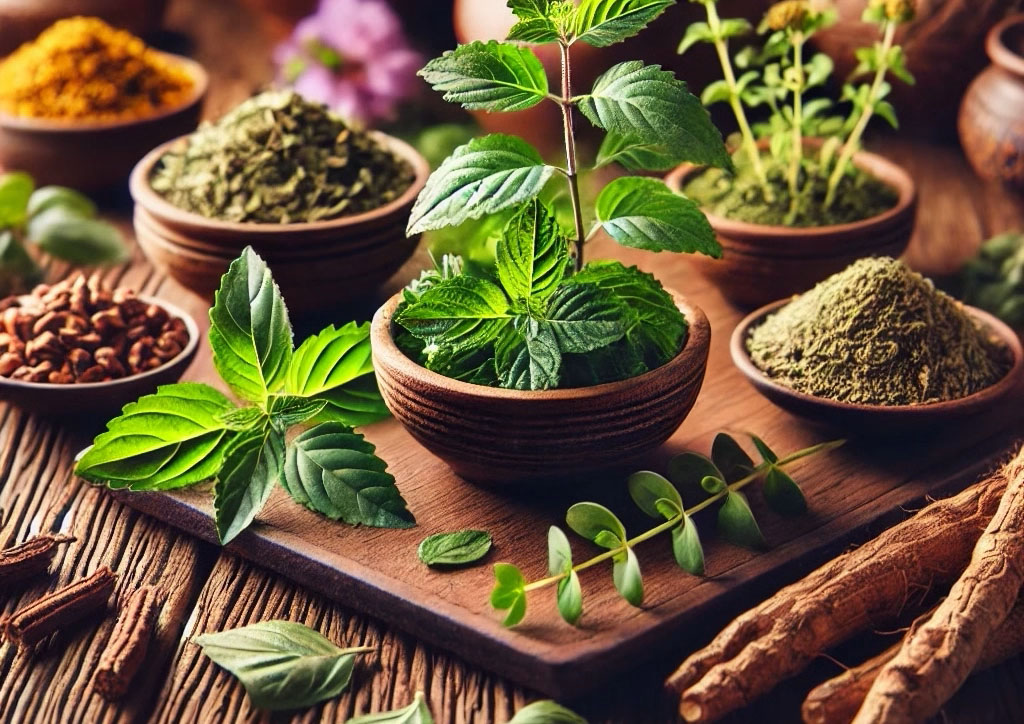
Tulsi, also known as holy basil, is revered in Ayurveda for its powerful healing properties, especially for respiratory health. Tulsi tea helps in clearing the lungs, reducing cough, and boosting immunity. It also has anti-inflammatory and antibacterial properties that make it an effective remedy for respiratory infections.
Ginger and turmeric are warming spices that reduce Kapha and help in breaking down mucus. They are also known for their strong anti-inflammatory and antioxidant properties, making this tea ideal for soothing the throat and reducing inflammation in the respiratory tract.
Licorice, or mulethi, is a popular Ayurvedic herb used to soothe sore throats, reduce cough, and ease breathing. Its expectorant properties help in clearing mucus from the lungs, making it an effective remedy for bronchitis and asthma.
Peppermint tea is cooling and helps reduce Vata and Kapha imbalances in the body. It is particularly effective in opening up the airways, easing nasal congestion, and soothing irritated respiratory passages.
Vasa, or Malabar nut, is an Ayurvedic herb known for its effectiveness in treating asthma, bronchitis, and other respiratory ailments. It has anti-inflammatory and bronchodilator properties, making it an excellent tea for improving lung function and easing breathlessness.
Cinnamon and clove have warming and antimicrobial properties that help in clearing mucus, fighting respiratory infections, and easing chest congestion. They are particularly useful in reducing Kapha and supporting respiratory health during colds and flu.
Pippali, or long pepper, is a potent herb in Ayurveda known for its ability to clear excess Kapha and improve respiratory function. It acts as a natural decongestant and helps in clearing blockages in the respiratory system.
Cold and heavy foods like dairy products, cold drinks, and processed foods can aggravate Kapha and lead to more mucus production. Stick to warm, light, and easily digestible foods to keep your respiratory system healthy.
Regular practice of pranayama (breathing exercises) helps strengthen the lungs and improves respiratory function. Techniques like Anulom Vilom and Kapalabhati are especially beneficial for clearing blockages and increasing lung capacity.
Drinking warm water throughout the day helps thin mucus and prevents it from building up in the respiratory tract. Avoid cold or iced drinks that can worsen Kapha imbalances.
Inhaling steam with essential oils like eucalyptus, peppermint, or lavender can help open up blocked nasal passages and soothe inflamed airways.
Ayurvedic herbal teas offer natural and effective solutions for managing respiratory ailments. Whether you are dealing with a persistent cough, nasal congestion, or chronic respiratory conditions like asthma, these herbal remedies can bring relief without the side effects of conventional medications. By incorporating these teas and Ayurvedic practices into your daily routine, you can strengthen your respiratory health and prevent future ailments.