Tag: Respiratory Health

  • Natural Teas to Soothe Sore Throats and Clear Lungs

    Natural Teas to Soothe Sore Throats and Clear Lungs

    Sore throats and respiratory issues like congestion and mucus buildup are common, especially during cold weather or allergy season. Ayurvedic teas, made from healing herbs and spices, offer a natural way to soothe irritated throats and promote clear lungs. These teas not only ease symptoms but also support respiratory health by boosting the immune system and reducing inflammation.

    In this article, we’ll explore some of the best Ayurvedic teas that can help relieve sore throats and clear the lungs for better breathing.

    The Ayurvedic Approach to Respiratory Health

    Ayurveda believes in balancing the doshas (Vata, Pitta, and Kapha) to maintain overall health. Respiratory issues are often related to an imbalance in the Kapha dosha, leading to excess mucus and congestion in the lungs. Ayurvedic teas help balance Kapha, cleanse the respiratory system, and soothe irritated throats by using a combination of herbs and spices with specific healing properties.

    1. Tulsi Tea (Holy Basil)

    How Tulsi Tea Helps:

    Tulsi, or Holy Basil, is one of the most revered herbs in Ayurveda for respiratory health. Tulsi tea has natural anti-inflammatory, antiviral, and antibacterial properties that help reduce throat irritation and clear the lungs. It is particularly effective in clearing mucus and soothing respiratory discomfort caused by colds, coughs, or asthma.

    Ingredients:

    • Fresh or dried Tulsi leaves
    • Water
    • Honey (optional)

    How to Prepare:

    • Boil 1-2 teaspoons of fresh or dried Tulsi leaves in a cup of water.
    • Let it simmer for 5-10 minutes.
    • Strain the tea and add honey if desired.

    Benefits:

    • Soothes a sore throat and reduces inflammation.
    • Clears mucus and helps with chest congestion.
    • Boosts immunity to fight respiratory infections.

    2. Licorice Root Tea (Mulethi)

    How Licorice Root Tea Helps:

    Licorice root (Mulethi) is a powerful herb for soothing sore throats and calming respiratory inflammation. It acts as a natural demulcent, meaning it coats and soothes irritated mucous membranes in the throat and lungs. Licorice root also has expectorant properties, helping to expel mucus and clear the airways.

    Ingredients:

    • Dried Licorice root (Mulethi)
    • Water
    • Honey (optional)

    How to Prepare:

    • Add 1 teaspoon of dried Licorice root to a cup of boiling water.
    • Let it steep for 10 minutes.
    • Strain and enjoy with honey if needed.

    Benefits:

    • Soothes throat irritation and reduces coughing.
    • Helps expel mucus from the lungs.
    • Provides relief from bronchial inflammation and congestion.

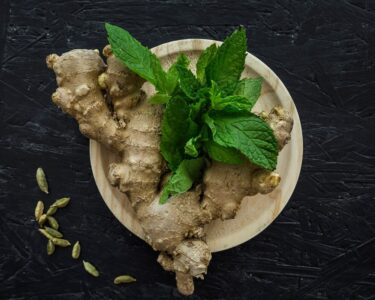
    3. Ginger Tea (Adraka)

    How Ginger Tea Helps:

    Ginger is a warming herb with strong anti-inflammatory and antimicrobial properties, making it ideal for treating sore throats and clearing lung congestion. Ginger tea helps reduce inflammation in the respiratory tract, improves circulation, and promotes the expulsion of mucus. Its warming nature also makes it helpful for dry coughs and throat irritation.

    Ingredients:

    • Fresh ginger root
    • Water
    • Honey or lemon (optional)

    How to Prepare:

    • Slice 1-2 inches of fresh ginger root and add to a cup of boiling water.
    • Let it simmer for 10-15 minutes.
    • Strain the tea and add honey or lemon if desired.

    Benefits:

    • Reduces inflammation and soothes throat irritation.
    • Improves respiratory circulation and clears mucus.
    • Helps alleviate dry cough and sore throat.

    4. Turmeric Tea (Haldi)

    How Turmeric Tea Helps:

    Turmeric is widely known for its anti-inflammatory and antioxidant properties, thanks to the active compound curcumin. Turmeric tea helps reduce inflammation in the throat and lungs, providing relief from irritation and congestion. It also boosts the immune system, helping the body fight off infections that can cause respiratory problems.

    Ingredients:

    • Turmeric powder or fresh turmeric root
    • Water
    • Black pepper (optional for better curcumin absorption)
    • Honey or lemon (optional)

    How to Prepare:

    • Add 1 teaspoon of turmeric powder or 1-inch fresh turmeric root to boiling water.
    • Let it simmer for 10 minutes.
    • Strain the tea and add black pepper, honey, or lemon for extra benefits.

    Benefits:

    • Reduces throat and lung inflammation.
    • Boosts immune function and helps fight respiratory infections.
    • Acts as a natural antioxidant, protecting respiratory health.

    5. Cinnamon Tea (Dalchini)

    How Cinnamon Tea Helps:

    Cinnamon is a warming spice with antibacterial, antifungal, and anti-inflammatory properties. It helps clear the respiratory system by reducing inflammation in the throat and lungs, making it easier to breathe. Cinnamon tea also helps soothe a sore throat and provides relief from coughing.

    Ingredients:

    • Cinnamon sticks or powder
    • Water
    • Honey (optional)

    How to Prepare:

    • Boil a cinnamon stick or 1 teaspoon of cinnamon powder in water for 5-10 minutes.
    • Strain the tea and add honey if desired.

    Benefits:

    • Reduces throat inflammation and soothes irritation.
    • Helps clear mucus from the lungs.
    • Provides relief from coughing and respiratory discomfort.

    6. Peppermint Tea (Pudina)

    How Peppermint Tea Helps:

    Peppermint contains menthol, a natural compound that acts as a decongestant and helps open up the airways. Peppermint tea is excellent for soothing a sore throat, reducing congestion, and promoting clearer breathing. Its cooling properties also provide a refreshing sensation, making it great for relieving throat irritation.

    Ingredients:

    • Fresh or dried peppermint leaves
    • Water
    • Honey (optional)

    How to Prepare:

    • Add 1-2 teaspoons of fresh or dried peppermint leaves to boiling water.
    • Let it steep for 5-10 minutes.
    • Strain and add honey if needed.

    Benefits:

    • Clears nasal and chest congestion.
    • Soothes a sore throat and reduces coughing.
    • Promotes easy breathing with a refreshing feel.

    7. Clove Tea (Laung)

    How Clove Tea Helps:

    Cloves have natural antibacterial and analgesic properties that help reduce throat pain and fight off infections. Clove tea is particularly useful for soothing sore throats, reducing coughing, and clearing the lungs. Cloves also have expectorant properties, making it easier to expel mucus and clear respiratory congestion.

    Ingredients:

    • Whole cloves
    • Water
    • Honey (optional)

    How to Prepare:

    • Boil 4-5 whole cloves in a cup of water for 5-7 minutes.
    • Strain the tea and add honey for additional throat relief.

    Benefits:

    • Relieves sore throat pain and irritation.
    • Helps clear mucus from the lungs.
    • Provides antibacterial protection against infections.

    Conclusion

    Ayurvedic teas made from natural herbs and spices offer a gentle yet effective way to soothe sore throats and promote lung health. From Tulsi to Licorice Root, each tea brings its unique benefits to help relieve respiratory discomfort, clear congestion, and support the immune system. Incorporating these teas into your daily routine, especially during cold and flu season, can provide long-lasting relief and ensure better respiratory health.


  • Tulsi and Mulethi for Respiratory Health

    Tulsi and Mulethi for Respiratory Health

    Maintaining optimal respiratory health is crucial, especially in an age where pollution, allergies, and respiratory infections are on the rise. Ayurveda, the ancient science of natural healing, offers various herbs that support and enhance lung function. Among the most prominent herbs are Tulsi (Holy Basil) and Mulethi (Licorice Root), both known for their powerful healing properties in addressing respiratory issues such as asthma, bronchitis, and other lung conditions.

    In this article, we’ll explore the individual roles of Tulsi and Mulethi in promoting respiratory health and how they can be incorporated into your daily routine for stronger lungs.

    Tulsi: The Holy Basil for Respiratory Wellness

    What is Tulsi?

    Tulsi (Ocimum sanctum), also known as Holy Basil, holds a sacred place in Ayurveda due to its wide range of health benefits. In the context of respiratory health, Tulsi is highly valued for its ability to cleanse the respiratory tract, reduce inflammation, and boost immunity. It is regarded as an adaptogen, helping the body cope with stress, which is often a trigger for respiratory conditions like asthma.

    How Tulsi Benefits Respiratory Health:

    1. Natural Expectorant: Tulsi is a potent expectorant, meaning it helps the body clear out mucus from the lungs. This is particularly beneficial for people suffering from chronic bronchitis or asthma, as it helps reduce chest congestion and ease breathing.
    2. Anti-inflammatory Properties: Tulsi has natural anti-inflammatory properties that help reduce inflammation in the airways, which is one of the primary causes of respiratory distress. This makes it particularly helpful for people with asthma, allergies, and chronic obstructive pulmonary disease (COPD).
    3. Antioxidant and Antiviral Action: Tulsi is rich in antioxidants that help protect the respiratory system from oxidative stress and damage caused by environmental pollutants. Additionally, its antiviral properties help protect against respiratory infections such as the common cold and flu, which can exacerbate conditions like asthma.
    4. Immune-boosting: Tulsi is an immunomodulator, which means it strengthens the immune system and helps the body fight off infections. This is crucial for maintaining healthy lungs, as infections are a common cause of respiratory issues.

    How to Use Tulsi:

    • Tulsi Tea: Boil fresh or dried Tulsi leaves in water and drink the tea to help reduce congestion and improve breathing.
    • Tulsi Steam Inhalation: Boil Tulsi leaves in water and inhale the steam to clear nasal passages and relieve chest congestion.
    • Chewing Fresh Leaves: Chewing 4-5 fresh Tulsi leaves daily can help keep respiratory infections at bay and improve lung strength.

    Mulethi: The Soothing Power of Licorice Root

    What is Mulethi?

    Mulethi (Glycyrrhiza glabra), or Licorice Root, is another widely used herb in Ayurveda, particularly for its ability to soothe and protect the respiratory system. Mulethi has been used for centuries to treat conditions like asthma, bronchitis, and sore throat due to its sweet and cooling properties, which help calm irritation in the respiratory tract.

    How Mulethi Benefits Respiratory Health:

    1. Soothes the Respiratory Tract: Mulethi’s main function in respiratory health is its ability to soothe the mucous membranes of the throat and lungs. This makes it especially effective in treating coughing and throat irritation, which are common symptoms of bronchitis and asthma.
    2. Anti-inflammatory Effects: Like Tulsi, Mulethi has strong anti-inflammatory properties that help reduce inflammation in the airways. By soothing the lungs and reducing inflammation, Mulethi can help ease breathing in individuals with chronic respiratory conditions.
    3. Expectorant Action: Mulethi works as a natural expectorant, helping to loosen and expel mucus from the lungs. This action is essential for people dealing with congestion or chronic cough, as it helps clear the airways and make breathing easier.
    4. Antiviral and Antibacterial Properties: Mulethi’s antiviral and antibacterial properties make it useful in preventing and treating respiratory infections such as the flu, cold, and pneumonia. These infections can weaken the lungs, so Mulethi helps maintain respiratory health by preventing them.
    5. Boosts Immunity: Similar to Tulsi, Mulethi is known to boost the immune system, helping the body fight off infections and protect the respiratory system from damage.

    How to Use Mulethi:

    • Mulethi Tea: Boil Mulethi root in water and drink the tea to soothe the throat, reduce coughing, and ease respiratory congestion.
    • Mulethi Powder: Mix Mulethi powder with honey and consume it daily to boost lung strength and prevent respiratory infections.
    • Mulethi Lozenges: Sucking on Mulethi lozenges can provide quick relief for sore throat and coughing.

    Combining Tulsi and Mulethi for Maximum Benefits

    Both Tulsi and Mulethi work exceptionally well on their own, but combining them can further enhance their respiratory benefits. Together, they provide a powerful blend of anti-inflammatory, expectorant, and immune-boosting properties that can help alleviate respiratory issues and maintain lung health.

    How to Use Tulsi and Mulethi Together:

    • Tulsi-Mulethi Tea: Boil a mixture of Tulsi leaves and Mulethi root in water. Strain the liquid and drink it once or twice a day to relieve congestion, soothe the throat, and strengthen your lungs.
    • Herbal Steam: Add Tulsi and Mulethi to boiling water and inhale the steam to clear your nasal passages and reduce lung congestion.

    Conclusion

    Tulsi and Mulethi are two of the most effective Ayurvedic herbs for maintaining and improving respiratory health. Tulsi acts as a natural expectorant, anti-inflammatory agent, and immune booster, while Mulethi soothes the respiratory tract, reduces inflammation, and helps expel mucus. Whether used individually or in combination, these herbs can provide a natural, holistic approach to strengthening the lungs and alleviating respiratory conditions like asthma, bronchitis, and chronic cough. Incorporating Tulsi and Mulethi into your daily routine can help you breathe easier and keep your lungs healthy and strong.

  • Healing Respiratory Ailments with Herbal Teas

    Healing Respiratory Ailments with Herbal Teas

    Respiratory ailments like cough, cold, asthma, and bronchitis can be persistent and affect day-to-day life. Ayurvedic herbal teas offer natural, gentle relief by soothing the respiratory system, clearing congestion, and boosting immunity. These teas are prepared with specific herbs known for their healing properties and balancing effects on the body’s doshas (Vata, Pitta, Kapha).

    Ayurvedic View on Respiratory Health

    According to Ayurveda, respiratory issues often arise due to an imbalance in Kapha and Vata doshas. Kapha, when in excess, leads to the accumulation of mucus, causing congestion, while Vata imbalance can result in dryness and difficulty in breathing. Ayurvedic herbal teas aim to bring these doshas back into balance by reducing mucus, calming inflammation, and opening the airways.

    Ayurvedic Herbal Teas for Respiratory Health

    1. Tulsi Tea

    How It Works

    Tulsi, also known as holy basil, is revered in Ayurveda for its powerful healing properties, especially for respiratory health. Tulsi tea helps in clearing the lungs, reducing cough, and boosting immunity. It also has anti-inflammatory and antibacterial properties that make it an effective remedy for respiratory infections.

    How to Prepare

    • Boil 1 cup of water.
    • Add a handful of fresh or dried tulsi leaves.
    • Let it simmer for 5-7 minutes.
    • Strain and drink 1-2 cups daily.

    Benefits for Respiratory Ailments

    • Clears congestion and opens the airways.
    • Helps reduce coughing and mucus production.
    • Boosts the immune system to fight off infections.

    2. Ginger and Turmeric Tea

    How It Works

    Ginger and turmeric are warming spices that reduce Kapha and help in breaking down mucus. They are also known for their strong anti-inflammatory and antioxidant properties, making this tea ideal for soothing the throat and reducing inflammation in the respiratory tract.

    How to Prepare

    • Boil 1 cup of water and add 1 tsp of grated ginger.
    • Add ½ tsp of turmeric powder.
    • Simmer for 10 minutes, then strain and drink.
    • You can add honey to enhance the taste and further soothe the throat.

    Benefits for Respiratory Ailments

    • Reduces inflammation and irritation in the respiratory tract.
    • Helps break down and clear mucus.
    • Boosts the body’s natural defenses against infections.

    3. Licorice (Mulethi) Tea

    How It Works

    Licorice, or mulethi, is a popular Ayurvedic herb used to soothe sore throats, reduce cough, and ease breathing. Its expectorant properties help in clearing mucus from the lungs, making it an effective remedy for bronchitis and asthma.

    How to Prepare

    • Boil 1 cup of water.
    • Add ½ tsp of dried licorice root or licorice powder.
    • Let it steep for 10 minutes, then strain and drink.

    Benefits for Respiratory Ailments

    • Soothes the throat and reduces irritation.
    • Acts as a natural expectorant to clear mucus.
    • Helps alleviate symptoms of asthma and bronchitis.

    4. Peppermint Tea

    How It Works

    Peppermint tea is cooling and helps reduce Vata and Kapha imbalances in the body. It is particularly effective in opening up the airways, easing nasal congestion, and soothing irritated respiratory passages.

    How to Prepare

    • Boil 1 cup of water and add a few fresh peppermint leaves or 1 tsp of dried peppermint.
    • Let it steep for 5-7 minutes, strain, and drink.
    • Inhale the steam while sipping for added benefits.

    Benefits for Respiratory Ailments

    • Eases breathing by clearing nasal passages.
    • Provides relief from throat irritation and cough.
    • Reduces symptoms of colds and sinus congestion.

    5. Vasa (Malabar Nut) Tea

    How It Works

    Vasa, or Malabar nut, is an Ayurvedic herb known for its effectiveness in treating asthma, bronchitis, and other respiratory ailments. It has anti-inflammatory and bronchodilator properties, making it an excellent tea for improving lung function and easing breathlessness.

    How to Prepare

    • Boil 1 cup of water.
    • Add 1 tsp of vasa leaves or vasa powder.
    • Let it steep for 10 minutes, then strain and drink.

    Benefits for Respiratory Ailments

    • Improves lung function and eases breathing difficulties.
    • Reduces inflammation in the airways.
    • Helps relieve symptoms of asthma and bronchitis.

    6. Cinnamon and Clove Tea

    How It Works

    Cinnamon and clove have warming and antimicrobial properties that help in clearing mucus, fighting respiratory infections, and easing chest congestion. They are particularly useful in reducing Kapha and supporting respiratory health during colds and flu.

    How to Prepare

    • Boil 1 cup of water and add 1 stick of cinnamon and 2-3 cloves.
    • Let it simmer for 10 minutes, then strain and drink.
    • You can add a spoonful of honey for additional throat soothing.

    Benefits for Respiratory Ailments

    • Reduces mucus and clears congestion.
    • Fights off respiratory infections with antimicrobial properties.
    • Eases symptoms of colds and coughs.

    7. Pippali Tea

    How It Works

    Pippali, or long pepper, is a potent herb in Ayurveda known for its ability to clear excess Kapha and improve respiratory function. It acts as a natural decongestant and helps in clearing blockages in the respiratory system.

    How to Prepare

    • Boil 1 cup of water and add ½ tsp of pippali powder.
    • Let it steep for 5-7 minutes, then strain and drink.
    • For better results, drink this tea after meals.

    Benefits for Respiratory Ailments

    • Clears respiratory blockages and mucus.
    • Acts as a natural decongestant.
    • Eases symptoms of asthma and improves breathing.

    Respiratory

    Ayurvedic Lifestyle Tips for Respiratory Health

    1. Avoid Cold and Heavy Foods

    Cold and heavy foods like dairy products, cold drinks, and processed foods can aggravate Kapha and lead to more mucus production. Stick to warm, light, and easily digestible foods to keep your respiratory system healthy.

    2. Practice Pranayama

    Regular practice of pranayama (breathing exercises) helps strengthen the lungs and improves respiratory function. Techniques like Anulom Vilom and Kapalabhati are especially beneficial for clearing blockages and increasing lung capacity.

    3. Stay Hydrated

    Drinking warm water throughout the day helps thin mucus and prevents it from building up in the respiratory tract. Avoid cold or iced drinks that can worsen Kapha imbalances.

    4. Use Essential Oils

    Inhaling steam with essential oils like eucalyptus, peppermint, or lavender can help open up blocked nasal passages and soothe inflamed airways.

    Conclusion

    Ayurvedic herbal teas offer natural and effective solutions for managing respiratory ailments. Whether you are dealing with a persistent cough, nasal congestion, or chronic respiratory conditions like asthma, these herbal remedies can bring relief without the side effects of conventional medications. By incorporating these teas and Ayurvedic practices into your daily routine, you can strengthen your respiratory health and prevent future ailments.

  • Trikatu – A Digestive Miracle in Ayurveda

    Trikatu – A Digestive Miracle in Ayurveda

    In the vast world of Ayurveda, Trikatu stands out as a powerful and time-tested formulation for improving digestion and metabolism. Made from three potent herbs — Black Pepper (Pippali), Long Pepper (Piper longum), and Ginger (Zingiber officinale) — Trikatu has been used for centuries to treat digestive disorders, stimulate digestive fire (Agni), and boost metabolism. Whether you’re dealing with indigestion, sluggish metabolism, or excess Kapha, Trikatu can be your digestive miracle.

    1. What is Trikatu and Why is it Effective?

    Understanding the Three Ingredients

    The word “Trikatu” translates to “three pungents,” referring to the spicy nature of the herbs used in its formulation. Each herb in Trikatu plays a crucial role in supporting digestion and overall health.

    1. Black Pepper (Piper nigrum)

    Black pepper, known as Maricha in Ayurveda, is a common spice that not only adds heat to food but also aids digestion. It enhances the bioavailability of nutrients and other herbs, making them more effective.

    2. Long Pepper (Pippali)

    Long pepper or Pippali is another vital ingredient in Trikatu. It is known for its ability to stimulate digestive fire (Agni), improve digestion, and relieve symptoms of bloating and gas.

    3. Ginger (Zingiber officinale)

    Ginger, a well-known household remedy for digestive issues, helps reduce nausea, soothes the stomach, and prevents indigestion. Its anti-inflammatory properties also benefit overall gut health.

    2. Trikatu for Digestive Health

    Stimulates Digestive Fire (Agni)

    In Ayurveda, maintaining a strong and balanced digestive fire, or Agni, is essential for good health. Trikatu helps stoke this fire, ensuring proper digestion, absorption, and assimilation of nutrients.

    1. Enhances Digestion

    Trikatu stimulates the production of digestive enzymes, which help break down food more efficiently. This can prevent issues like indigestion, heaviness after meals, and bloating.

    2. Relieves Bloating and Gas

    Thanks to its carminative properties, Trikatu helps relieve symptoms of gas and bloating, especially in people with Kapha or Vata imbalances.

    How to Use Trikatu for Digestion

    • Take a small amount of Trikatu powder with warm water before meals to stimulate digestion.
    • For those with sensitive stomachs, mixing Trikatu with honey can reduce its strong taste and increase its effectiveness.

    3. Trikatu for Metabolism and Weight Management

    Boosts Metabolism

    Trikatu is known for its ability to boost metabolism by stimulating the digestive fire. A sluggish metabolism is often associated with excess Kapha dosha, which can lead to weight gain and fatigue.

    1. Burns Excess Fat

    By enhancing metabolism, Trikatu helps burn fat more efficiently, making it a useful remedy for those looking to lose weight naturally. Its thermogenic properties also help raise body temperature, further aiding fat loss.

    2. Reduces Excess Kapha

    Kapha dosha, when out of balance, can lead to weight gain, lethargy, and water retention. Trikatu’s pungent nature helps balance excess Kapha by promoting digestion, boosting metabolism, and increasing energy levels.

    How to Use Trikatu for Weight Loss

    • Take Trikatu powder with warm water or herbal teas to improve metabolism and promote fat burning.
    • Combine Trikatu with other Ayurvedic herbs like Guggulu for enhanced weight loss benefits.

    4. Trikatu for Respiratory Health

    Clears Respiratory Channels

    In addition to its digestive benefits, Trikatu is also known for its ability to clear congestion and promote respiratory health. Its warming and expectorant properties help clear mucus and support lung function.

    1. Alleviates Cough and Cold

    Trikatu can be a great remedy for treating respiratory infections, colds, and coughs. The heat generated by the three spices helps break down mucus and clears the respiratory channels.

    2. Relieves Sinus Congestion

    For those dealing with sinus congestion or blocked nasal passages, Trikatu can help open up the sinuses, allowing for easier breathing and quicker recovery from colds.

    How to Use Trikatu for Respiratory Health

    • Mix Trikatu powder with honey to relieve a sore throat or respiratory congestion.
    • Taking it in small doses during winter can help prevent colds and clear the respiratory channels.

    5. Trikatu as a Detoxifier

    Flushes Out Toxins (Ama)

    In Ayurveda, undigested food and toxins in the body are referred to as Ama, which is the root cause of many diseases. Trikatu helps eliminate Ama by promoting proper digestion and clearing toxins from the digestive tract.

    1. Cleanses the Digestive Tract

    By improving digestion and stimulating bowel movements, Trikatu helps cleanse the digestive system and prevent the accumulation of toxins.

    2. Reduces Inflammation

    Trikatu’s anti-inflammatory properties help reduce inflammation in the gut, further supporting detoxification and promoting overall digestive health.

    How to Use Trikatu for Detoxification

    • Take Trikatu with warm water in the morning to support daily detoxification.
    • You can also use it as part of a detox regimen under the guidance of an Ayurvedic practitioner.

    Conclusion

    Trikatu is a true digestive miracle in Ayurveda, offering a wide range of benefits from improving digestion to boosting metabolism and supporting respiratory health. Whether you’re dealing with indigestion, seeking a natural way to manage your weight, or looking for a remedy to clear respiratory congestion, Trikatu can be a powerful ally in your Ayurvedic wellness routine.

    However, as with any Ayurvedic remedy, it’s important to use Trikatu under the guidance of a qualified practitioner, especially if you have Pitta imbalance or other health conditions, as its heating nature may aggravate certain constitutions. Incorporating Trikatu into your daily routine can lead to better digestion, increased vitality, and overall well-being.