Category: Herbs & Remedies

  • Timeless Ayurvedic Herbs & Their Modern Uses

    Timeless Ayurvedic Herbs & Their Modern Uses

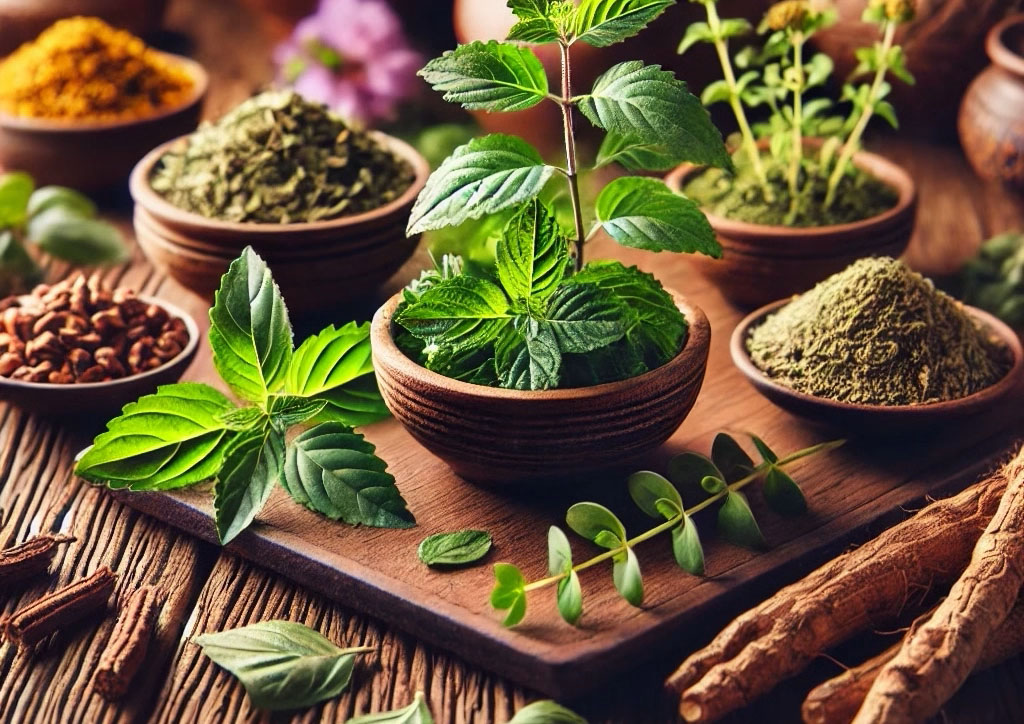
    Struggling with stress, low energy, or a weak immune system? You’re not alone in navigating the demands of modern life. Ayurveda, India’s 5,000-year-old healing tradition, offers a natural solution through Ayurvedic herbs today. These time-tested herbal remedies blend ancient wisdom with modern science to boost vitality and balance. This guide explores powerful Ayurvedic herbs, their benefits, and how Satrishi’s plant-based supplements can elevate your wellness journey.

    What Makes Ayurvedic Herbs Relevant Today?

    Ayurveda, meaning “science of life,” uses herbs to restore harmony in body and mind. Unlike synthetic supplements, Ayurvedic herbs are 100% natural, working gently to address root causes. Today, stress, poor diet, and sedentary lifestyles make these Indian wellness solutions more relevant than ever. From students to seniors, Ayurvedic herbs today offer personalized health benefits backed by research and tradition.

    Gemini Generated Image xj4bptxj4bptxj4b

    Ashwagandha: The Stress-Busting Powerhouse

    Why Ashwagandha Matters

    Ashwagandha, known as “Indian ginseng,” is a cornerstone of Ayurveda. This adaptogenic herb helps the body manage stress and promotes mental clarity. Its name, meaning “strength of a horse,” reflects its energizing properties.

    Modern Benefits

    Ashwagandha shines in reducing anxiety and improving sleep. Studies show it can lower cortisol levels by up to 30%, easing stress. It also supports muscle recovery, making it ideal for active individuals. Whether you’re a student facing exam pressure or a professional juggling deadlines, Ashwagandha offers calm and focus.

    Who Should Use It?

    Ashwagandha suits anyone dealing with stress or fatigue. Young adults, corporate workers, and seniors benefit from its immunity booster effects. Explore Satrishi’s Ashwagandha Powder to add this herb to your daily routine.

    Caution: High doses may cause mild digestive upset. Consult a doctor if pregnant or on medication.

    Turmeric: The Golden Healer

    The Legacy of Turmeric

    Turmeric, with its vibrant golden hue, is a staple in Ayurvedic and Indian kitchens. Its active compound, curcumin, is a potent anti-inflammatory and antioxidant, revered for centuries.

    Benefits for Today’s World

    Turmeric supports joint health, digestion, and skin radiance. Research indicates curcumin may reduce inflammation by 60% in some cases, rivaling over-the-counter pain relievers. It’s perfect for seniors with arthritis or athletes recovering from workouts. Turmeric also enhances immunity, protecting against seasonal illnesses.

    Ideal Users

    Seniors, fitness enthusiasts, and those with digestive concerns find Turmeric invaluable. Its Ayurvedic benefits extend to anyone seeking glowing skin. Try Satrishi’s Turmeric Powder for a versatile wellness boost.

    Caution: Excessive use may cause stomach irritation. Avoid if you have gallstones or are on blood thinners.

    Amla: The Immunity Champion

    Amla’s Ayurvedic Roots

    Amla, or Indian gooseberry, is a Vitamin C-rich fruit celebrated in Ayurveda. Known as a “rasayana” (rejuvenator), it promotes longevity and vitality.

    Contemporary Advantages

    Amla strengthens immunity and supports digestion. Studies suggest its antioxidants neutralize free radicals, reducing oxidative stress. It’s also a natural hair and skin tonic, promoting shine and elasticity. Busy professionals and parents benefit from Amla’s energy-boosting properties.

    Who Benefits Most?

    Amla is ideal for families, travelers, or anyone prone to colds. Students can use it to stay sharp during study sessions. Discover Satrishi’s Amla Powder for a refreshing daily tonic.

    Caution: Amla’s tartness may upset sensitive stomachs. Start with small doses.

    Brahmi: The Brain Booster

    Brahmi in Ayurveda

    Brahmi, a revered herb, is known for enhancing cognitive function. It’s a go-to remedy for mental clarity and memory in Ayurvedic tradition.

    Why It’s Relevant Now

    Brahmi improves focus and reduces anxiety. Research shows it may enhance memory retention by 20% in regular users. It’s a game-changer for students preparing for exams or professionals multitasking. Brahmi also promotes restful sleep, balancing hectic lifestyles.

    Target Audience

    Students, creatives, and those with demanding jobs benefit from Brahmi’s herbal remedies. Seniors use it to support brain health. Try Satrishi’s Brahmi Powder to sharpen your mind.

    Caution: May cause mild nausea in rare cases. Avoid if allergic to herbs in the mint family.

    Shatavari: The Women’s Wellness Herb

    Shatavari’s Role in Ayurveda

    Shatavari, meaning “she who has a hundred husbands,” is Ayurveda’s gift to women’s health. This cooling herb balances hormones and supports reproductive wellness.

    Modern Applications

    Shatavari eases menstrual discomfort and menopausal symptoms. Studies indicate it may regulate estrogen levels, promoting hormonal balance. It also boosts energy, making it ideal for working mothers or women with active lifestyles. Men can use it for general vitality.

    Who Should Try It?

    Women of all ages, especially those navigating hormonal changes, benefit from Shatavari. It’s also great for anyone seeking stamina. Explore Satrishi’s Shatavari Powder for holistic support.

    Caution: Avoid during heavy menstrual flow or if you have estrogen-sensitive conditions.

    How to Incorporate Ayurvedic Herbs Today

    Adding Ayurvedic herbs today to your routine is simple. Start with one herb based on your needs—Ashwagandha for stress, Turmeric for inflammation, or Amla for immunity. Mix powders into smoothies, teas, or warm milk. Capsules offer convenience for busy schedules. Consistency unlocks Indian wellness benefits over weeks.

    Practical Tips

    • Morning Boost: Add Amla powder to your breakfast smoothie.

    • Evening Calm: Sip Ashwagandha tea before bed.

    • Daily Support: Take Turmeric capsules with meals.

    Learn more about integrating herbs in our blog on Ayurvedic Lifestyle Tips. Satrishi’s 100% herbal products ensure purity and potency.

    Research-Backed Insights

    Studies validate Ayurveda’s efficacy. For instance, a 2019 trial found Turmeric reduced joint pain in 70% of participants. Ashwagandha’s stress-relieving effects are documented in over 50 peer-reviewed studies. These findings bridge ancient wisdom with modern needs.

    Caution: Consult a healthcare professional before combining herbs with medications. Allergies to specific plants are rare but possible.

    Why Choose Satrishi’s Herbal Remedies?

    Satrishi’s commitment to quality makes it a trusted name in Ayurvedic benefits. Our 100% plant-based powders and capsules are sourced from organic farms, free of additives. Each product aligns with Ayurvedic principles, ensuring authenticity. Visit satrishi.com to explore our range.

    Real-World Use Cases

    • Students: Brahmi enhances focus during exams.

    • Professionals: Ashwagandha combats workplace stress.

    • Seniors: Turmeric supports joint mobility.

    • Families: Amla boosts immunity for all ages.

    Check out our blog on Ayurvedic Herbs for Beginners for more tips.

    Gemini Generated Image ttxd5cttxd5cttxd

    FAQ: Common Questions About Ayurvedic Herbs Today

    What are Ayurvedic herbs today used for?

    Ayurvedic herbs today address stress, immunity, digestion, and more. Examples include Ashwagandha for anxiety and Amla for vitality.

    Are Ayurvedic herbs today safe?

    Most are safe when used as directed. Research supports their benefits, but consult a doctor if you have medical conditions.

    How do I start using Ayurvedic herbs today?

    Begin with one herb, like Satrishi’s Turmeric Powder. Follow dosage guidelines and monitor effects.

    Can Ayurvedic herbs today replace medicine?

    They complement, not replace, medical treatment. Always consult a healthcare provider for serious conditions.

    Where can I find quality Ayurvedic herbs today?

    Satrishi offers 100% herbal products at satrishi.com, crafted for modern wellness.

    Embrace Ayurveda for a Healthier You

    Ayurvedic herbs today bridge ancient wisdom and modern needs. From Ashwagandha’s stress relief to Turmeric’s anti-inflammatory power, these herbal remedies offer natural solutions. Satrishi’s plant-based supplements make it easy to embrace Indian wellness. Whether you’re seeking an immunity booster or mental clarity, Ayurveda has you covered.

    Start your journey with Satrishi’s Ashwagandha Capsule for a calmer, stronger you. Visit satrishi.com to discover more.

    Image Generated By Gemini AI

  • Natural Teas to Soothe Sore Throats and Clear Lungs

    Natural Teas to Soothe Sore Throats and Clear Lungs

    Sore throats and respiratory issues like congestion and mucus buildup are common, especially during cold weather or allergy season. Ayurvedic teas, made from healing herbs and spices, offer a natural way to soothe irritated throats and promote clear lungs. These teas not only ease symptoms but also support respiratory health by boosting the immune system and reducing inflammation.

    In this article, we’ll explore some of the best Ayurvedic teas that can help relieve sore throats and clear the lungs for better breathing.

    The Ayurvedic Approach to Respiratory Health

    Ayurveda believes in balancing the doshas (Vata, Pitta, and Kapha) to maintain overall health. Respiratory issues are often related to an imbalance in the Kapha dosha, leading to excess mucus and congestion in the lungs. Ayurvedic teas help balance Kapha, cleanse the respiratory system, and soothe irritated throats by using a combination of herbs and spices with specific healing properties.

    1. Tulsi Tea (Holy Basil)

    How Tulsi Tea Helps:

    Tulsi, or Holy Basil, is one of the most revered herbs in Ayurveda for respiratory health. Tulsi tea has natural anti-inflammatory, antiviral, and antibacterial properties that help reduce throat irritation and clear the lungs. It is particularly effective in clearing mucus and soothing respiratory discomfort caused by colds, coughs, or asthma.

    Ingredients:

    • Fresh or dried Tulsi leaves
    • Water
    • Honey (optional)

    How to Prepare:

    • Boil 1-2 teaspoons of fresh or dried Tulsi leaves in a cup of water.
    • Let it simmer for 5-10 minutes.
    • Strain the tea and add honey if desired.

    Benefits:

    • Soothes a sore throat and reduces inflammation.
    • Clears mucus and helps with chest congestion.
    • Boosts immunity to fight respiratory infections.

    2. Licorice Root Tea (Mulethi)

    How Licorice Root Tea Helps:

    Licorice root (Mulethi) is a powerful herb for soothing sore throats and calming respiratory inflammation. It acts as a natural demulcent, meaning it coats and soothes irritated mucous membranes in the throat and lungs. Licorice root also has expectorant properties, helping to expel mucus and clear the airways.

    Ingredients:

    • Dried Licorice root (Mulethi)
    • Water
    • Honey (optional)

    How to Prepare:

    • Add 1 teaspoon of dried Licorice root to a cup of boiling water.
    • Let it steep for 10 minutes.
    • Strain and enjoy with honey if needed.

    Benefits:

    • Soothes throat irritation and reduces coughing.
    • Helps expel mucus from the lungs.
    • Provides relief from bronchial inflammation and congestion.

    3. Ginger Tea (Adraka)

    How Ginger Tea Helps:

    Ginger is a warming herb with strong anti-inflammatory and antimicrobial properties, making it ideal for treating sore throats and clearing lung congestion. Ginger tea helps reduce inflammation in the respiratory tract, improves circulation, and promotes the expulsion of mucus. Its warming nature also makes it helpful for dry coughs and throat irritation.

    Ingredients:

    • Fresh ginger root
    • Water
    • Honey or lemon (optional)

    How to Prepare:

    • Slice 1-2 inches of fresh ginger root and add to a cup of boiling water.
    • Let it simmer for 10-15 minutes.
    • Strain the tea and add honey or lemon if desired.

    Benefits:

    • Reduces inflammation and soothes throat irritation.
    • Improves respiratory circulation and clears mucus.
    • Helps alleviate dry cough and sore throat.

    4. Turmeric Tea (Haldi)

    How Turmeric Tea Helps:

    Turmeric is widely known for its anti-inflammatory and antioxidant properties, thanks to the active compound curcumin. Turmeric tea helps reduce inflammation in the throat and lungs, providing relief from irritation and congestion. It also boosts the immune system, helping the body fight off infections that can cause respiratory problems.

    Ingredients:

    • Turmeric powder or fresh turmeric root
    • Water
    • Black pepper (optional for better curcumin absorption)
    • Honey or lemon (optional)

    How to Prepare:

    • Add 1 teaspoon of turmeric powder or 1-inch fresh turmeric root to boiling water.
    • Let it simmer for 10 minutes.
    • Strain the tea and add black pepper, honey, or lemon for extra benefits.

    Benefits:

    • Reduces throat and lung inflammation.
    • Boosts immune function and helps fight respiratory infections.
    • Acts as a natural antioxidant, protecting respiratory health.

    5. Cinnamon Tea (Dalchini)

    How Cinnamon Tea Helps:

    Cinnamon is a warming spice with antibacterial, antifungal, and anti-inflammatory properties. It helps clear the respiratory system by reducing inflammation in the throat and lungs, making it easier to breathe. Cinnamon tea also helps soothe a sore throat and provides relief from coughing.

    Ingredients:

    • Cinnamon sticks or powder
    • Water
    • Honey (optional)

    How to Prepare:

    • Boil a cinnamon stick or 1 teaspoon of cinnamon powder in water for 5-10 minutes.
    • Strain the tea and add honey if desired.

    Benefits:

    • Reduces throat inflammation and soothes irritation.
    • Helps clear mucus from the lungs.
    • Provides relief from coughing and respiratory discomfort.

    6. Peppermint Tea (Pudina)

    How Peppermint Tea Helps:

    Peppermint contains menthol, a natural compound that acts as a decongestant and helps open up the airways. Peppermint tea is excellent for soothing a sore throat, reducing congestion, and promoting clearer breathing. Its cooling properties also provide a refreshing sensation, making it great for relieving throat irritation.

    Ingredients:

    • Fresh or dried peppermint leaves
    • Water
    • Honey (optional)

    How to Prepare:

    • Add 1-2 teaspoons of fresh or dried peppermint leaves to boiling water.
    • Let it steep for 5-10 minutes.
    • Strain and add honey if needed.

    Benefits:

    • Clears nasal and chest congestion.
    • Soothes a sore throat and reduces coughing.
    • Promotes easy breathing with a refreshing feel.

    7. Clove Tea (Laung)

    How Clove Tea Helps:

    Cloves have natural antibacterial and analgesic properties that help reduce throat pain and fight off infections. Clove tea is particularly useful for soothing sore throats, reducing coughing, and clearing the lungs. Cloves also have expectorant properties, making it easier to expel mucus and clear respiratory congestion.

    Ingredients:

    • Whole cloves
    • Water
    • Honey (optional)

    How to Prepare:

    • Boil 4-5 whole cloves in a cup of water for 5-7 minutes.
    • Strain the tea and add honey for additional throat relief.

    Benefits:

    • Relieves sore throat pain and irritation.
    • Helps clear mucus from the lungs.
    • Provides antibacterial protection against infections.

    Conclusion

    Ayurvedic teas made from natural herbs and spices offer a gentle yet effective way to soothe sore throats and promote lung health. From Tulsi to Licorice Root, each tea brings its unique benefits to help relieve respiratory discomfort, clear congestion, and support the immune system. Incorporating these teas into your daily routine, especially during cold and flu season, can provide long-lasting relief and ensure better respiratory health.

  • Guduchi (Giloy) – The Ultimate Immunity Booster

    Guduchi (Giloy) – The Ultimate Immunity Booster

    Guduchi, also known as Giloy or Tinospora cordifolia, is one of the most revered herbs in Ayurveda for its powerful immunity-boosting properties. Known as the “root of immortality,” Guduchi has been used for centuries to enhance vitality, detoxify the body, and strengthen the immune system. With the growing need for natural ways to support health and wellness, Guduchi stands out as an exceptional herb for boosting immunity and promoting overall well-being. Let’s dive into how Guduchi works and why it is hailed as an ultimate immunity booster.

    1. What is Guduchi and Why Is It Important?

    The Ayurvedic Power of Guduchi

    In Ayurveda, Guduchi is classified as a “Rasayana” herb, meaning it has rejuvenating properties that help the body resist disease and aging. It is known for its ability to balance all three doshas (Vata, Pitta, and Kapha), making it suitable for most people and body types.

    1. Rich in Antioxidants

    Guduchi is packed with antioxidants that help neutralize free radicals, which can cause cellular damage. This prevents oxidative stress and supports the body’s defense mechanisms, keeping you healthy and energized.

    2. Strengthens Immune Response

    Guduchi enhances the body’s ability to fight off infections by boosting the production of white blood cells (WBCs), which are essential for a robust immune system. It works as an immunomodulator, meaning it balances and strengthens the immune response when necessary.

    2. Guduchi for Boosting Immunity

    Enhances the Body’s Natural Defense

    Guduchi plays a crucial role in enhancing the immune system’s natural defenses. Its immunomodulatory properties help the body fight off pathogens, viruses, and bacteria more effectively.

    1. Fights Infections

    Guduchi is known to boost the production and activity of white blood cells, which play a key role in fighting infections. It enhances the body’s resistance to common colds, fevers, and infections, making it a go-to herb for strengthening immunity.

    2. Protects Against Seasonal Allergies

    Many people experience seasonal allergies that weaken their immune systems. Guduchi helps reduce allergic reactions by balancing the immune response, thus offering protection against allergies and respiratory issues.

    How to Use Guduchi for Immunity

    • Guduchi powder or capsules can be consumed daily for immune support.
    • Guduchi juice mixed with water is another popular way to boost immunity, especially during seasonal changes.

    3. Guduchi for Respiratory Health

    Supports Lung Health

    Guduchi has proven to be effective in supporting respiratory health by reducing inflammation in the lungs and clearing toxins. It helps to alleviate respiratory issues such as asthma, bronchitis, and chronic coughs.

    1. Reduces Inflammation in the Respiratory Tract

    By lowering inflammation in the lungs and airways, Guduchi helps ease breathing difficulties, making it especially beneficial for individuals with asthma or chronic respiratory conditions.

    2. Boosts Respiratory Immunity

    Guduchi helps fortify the immune system of the respiratory tract, making it easier to fight off infections like the flu, colds, and respiratory infections.

    How to Use Guduchi for Respiratory Health

    • Guduchi tea or herbal decoctions can be taken regularly to support respiratory health.
    • Combining Guduchi with other Ayurvedic herbs like Tulsi can enhance its effectiveness in promoting lung health.

    4. Guduchi as a Detoxifying Herb

    Purifies the Blood

    Guduchi is a natural detoxifier that helps cleanse the blood, removing toxins and purifying the system. This not only boosts immunity but also improves overall skin health and vitality.

    1. Clears Toxins

    Guduchi helps eliminate toxins (Ama) from the body, which are often the root cause of various diseases. Its detoxifying properties help keep the liver, kidneys, and blood clean, promoting overall well-being.

    2. Enhances Liver Function

    Guduchi is known for its hepatoprotective properties, meaning it supports liver health by aiding in detoxification and regeneration of liver cells. A healthy liver is essential for a strong immune system, as it plays a key role in processing toxins and maintaining a clean bloodstream.

    How to Use Guduchi for Detoxification

    • Guduchi powder or tablets can be consumed daily for detoxifying benefits.
    • A Guduchi decoction (boiling Guduchi stems in water) can be consumed to support liver and kidney health.

    5. Guduchi for Stress and Mental Clarity

    Adaptogenic Properties

    As an adaptogen, Guduchi helps the body cope with stress, anxiety, and fatigue. It brings the body into balance, supporting both mental and physical well-being.

    1. Reduces Stress and Anxiety

    Guduchi’s adaptogenic properties help reduce stress hormones like cortisol, bringing calm and balance to the mind. It is also known to improve cognitive function, focus, and memory, making it a great herb for mental clarity.

    2. Fights Fatigue

    Guduchi is an excellent herb for combating fatigue and tiredness. It helps restore energy levels by supporting the body’s natural resilience and vitality.

    How to Use Guduchi for Stress Relief

    • Drinking Guduchi tea can help reduce stress and boost mental clarity.
    • Guduchi supplements can be taken daily to improve energy and reduce fatigue.

    Conclusion

    Guduchi is undoubtedly a powerhouse herb in the Ayurvedic system, offering a wealth of health benefits, particularly for immunity. Its ability to enhance immune function, detoxify the body, support respiratory health, and reduce stress makes it an essential herb for anyone looking to boost their overall well-being. Incorporating Guduchi into your daily routine, whether through powders, capsules, or herbal teas, can help fortify your immune system and keep your body in balance.

    Before starting any new herbal remedy, it’s always best to consult an Ayurvedic practitioner or healthcare provider to ensure that it’s suitable for your individual health needs.

  • Tulsi and Mulethi for Respiratory Health

    Tulsi and Mulethi for Respiratory Health

    Maintaining optimal respiratory health is crucial, especially in an age where pollution, allergies, and respiratory infections are on the rise. Ayurveda, the ancient science of natural healing, offers various herbs that support and enhance lung function. Among the most prominent herbs are Tulsi (Holy Basil) and Mulethi (Licorice Root), both known for their powerful healing properties in addressing respiratory issues such as asthma, bronchitis, and other lung conditions.

    In this article, we’ll explore the individual roles of Tulsi and Mulethi in promoting respiratory health and how they can be incorporated into your daily routine for stronger lungs.

    Tulsi: The Holy Basil for Respiratory Wellness

    What is Tulsi?

    Tulsi (Ocimum sanctum), also known as Holy Basil, holds a sacred place in Ayurveda due to its wide range of health benefits. In the context of respiratory health, Tulsi is highly valued for its ability to cleanse the respiratory tract, reduce inflammation, and boost immunity. It is regarded as an adaptogen, helping the body cope with stress, which is often a trigger for respiratory conditions like asthma.

    How Tulsi Benefits Respiratory Health:

    1. Natural Expectorant: Tulsi is a potent expectorant, meaning it helps the body clear out mucus from the lungs. This is particularly beneficial for people suffering from chronic bronchitis or asthma, as it helps reduce chest congestion and ease breathing.
    2. Anti-inflammatory Properties: Tulsi has natural anti-inflammatory properties that help reduce inflammation in the airways, which is one of the primary causes of respiratory distress. This makes it particularly helpful for people with asthma, allergies, and chronic obstructive pulmonary disease (COPD).
    3. Antioxidant and Antiviral Action: Tulsi is rich in antioxidants that help protect the respiratory system from oxidative stress and damage caused by environmental pollutants. Additionally, its antiviral properties help protect against respiratory infections such as the common cold and flu, which can exacerbate conditions like asthma.
    4. Immune-boosting: Tulsi is an immunomodulator, which means it strengthens the immune system and helps the body fight off infections. This is crucial for maintaining healthy lungs, as infections are a common cause of respiratory issues.

    How to Use Tulsi:

    • Tulsi Tea: Boil fresh or dried Tulsi leaves in water and drink the tea to help reduce congestion and improve breathing.
    • Tulsi Steam Inhalation: Boil Tulsi leaves in water and inhale the steam to clear nasal passages and relieve chest congestion.
    • Chewing Fresh Leaves: Chewing 4-5 fresh Tulsi leaves daily can help keep respiratory infections at bay and improve lung strength.

    Mulethi: The Soothing Power of Licorice Root

    What is Mulethi?

    Mulethi (Glycyrrhiza glabra), or Licorice Root, is another widely used herb in Ayurveda, particularly for its ability to soothe and protect the respiratory system. Mulethi has been used for centuries to treat conditions like asthma, bronchitis, and sore throat due to its sweet and cooling properties, which help calm irritation in the respiratory tract.

    How Mulethi Benefits Respiratory Health:

    1. Soothes the Respiratory Tract: Mulethi’s main function in respiratory health is its ability to soothe the mucous membranes of the throat and lungs. This makes it especially effective in treating coughing and throat irritation, which are common symptoms of bronchitis and asthma.
    2. Anti-inflammatory Effects: Like Tulsi, Mulethi has strong anti-inflammatory properties that help reduce inflammation in the airways. By soothing the lungs and reducing inflammation, Mulethi can help ease breathing in individuals with chronic respiratory conditions.
    3. Expectorant Action: Mulethi works as a natural expectorant, helping to loosen and expel mucus from the lungs. This action is essential for people dealing with congestion or chronic cough, as it helps clear the airways and make breathing easier.
    4. Antiviral and Antibacterial Properties: Mulethi’s antiviral and antibacterial properties make it useful in preventing and treating respiratory infections such as the flu, cold, and pneumonia. These infections can weaken the lungs, so Mulethi helps maintain respiratory health by preventing them.
    5. Boosts Immunity: Similar to Tulsi, Mulethi is known to boost the immune system, helping the body fight off infections and protect the respiratory system from damage.

    How to Use Mulethi:

    • Mulethi Tea: Boil Mulethi root in water and drink the tea to soothe the throat, reduce coughing, and ease respiratory congestion.
    • Mulethi Powder: Mix Mulethi powder with honey and consume it daily to boost lung strength and prevent respiratory infections.
    • Mulethi Lozenges: Sucking on Mulethi lozenges can provide quick relief for sore throat and coughing.

    Combining Tulsi and Mulethi for Maximum Benefits

    Both Tulsi and Mulethi work exceptionally well on their own, but combining them can further enhance their respiratory benefits. Together, they provide a powerful blend of anti-inflammatory, expectorant, and immune-boosting properties that can help alleviate respiratory issues and maintain lung health.

    How to Use Tulsi and Mulethi Together:

    • Tulsi-Mulethi Tea: Boil a mixture of Tulsi leaves and Mulethi root in water. Strain the liquid and drink it once or twice a day to relieve congestion, soothe the throat, and strengthen your lungs.
    • Herbal Steam: Add Tulsi and Mulethi to boiling water and inhale the steam to clear your nasal passages and reduce lung congestion.

    Conclusion

    Tulsi and Mulethi are two of the most effective Ayurvedic herbs for maintaining and improving respiratory health. Tulsi acts as a natural expectorant, anti-inflammatory agent, and immune booster, while Mulethi soothes the respiratory tract, reduces inflammation, and helps expel mucus. Whether used individually or in combination, these herbs can provide a natural, holistic approach to strengthening the lungs and alleviating respiratory conditions like asthma, bronchitis, and chronic cough. Incorporating Tulsi and Mulethi into your daily routine can help you breathe easier and keep your lungs healthy and strong.

  • Harnessing the Power of Triphala for Gut and Digestive Health

    Harnessing the Power of Triphala for Gut and Digestive Health

    Triphala, a revered Ayurvedic formulation, is a blend of three potent fruits: Amalaki (Indian gooseberry), Haritaki, and Bibhitaki. Known for its numerous health benefits, Triphala is especially celebrated for its role in supporting gut and digestive health. Whether you’re looking to improve digestion, cleanse your gut, or boost overall wellness, Triphala can be a powerful natural solution. Let’s explore how Triphala works to enhance your digestive health and why it’s such a trusted remedy in Ayurveda.

    1. What is Triphala and How Does It Work?

    The Three Fruits of Triphala

    Triphala translates to “three fruits” in Sanskrit, and each component brings its own unique set of health benefits:

    1. Amalaki (Emblica officinalis)

    Also known as Amla or Indian gooseberry, Amalaki is rich in vitamin C and antioxidants. It supports digestion, nourishes the liver, and boosts immunity.

    2. Haritaki (Terminalia chebula)

    Haritaki is known for its ability to cleanse and rejuvenate the digestive system. It’s a mild laxative that helps regulate bowel movements and promotes healthy digestion.

    3. Bibhitaki (Terminalia bellirica)

    Bibhitaki is a detoxifying fruit that helps flush out toxins from the body. It promotes good gut health and supports proper digestion and elimination.

    Together, these three fruits create a balanced formula that promotes digestive regularity, detoxification, and overall health.

    2. Triphala for Gut Health

    Supports Healthy Bowel Movements

    One of the key benefits of Triphala is its gentle laxative effect, which helps regulate bowel movements without being overly harsh. It’s particularly helpful for those suffering from constipation or irregularity.

    1. Relieves Constipation

    Haritaki and Bibhitaki in Triphala act as natural laxatives, helping to relieve constipation and encourage regular bowel movements. Triphala works gently, without causing dependency or severe cramping.

    2. Promotes Gut Cleansing

    Triphala acts as a detoxifier, cleansing the digestive tract and promoting the elimination of waste. By encouraging regular detoxification, it helps prevent toxin buildup in the gut, which can lead to digestive issues.

    How to Use Triphala for Gut Health

    • Take Triphala powder mixed with warm water or honey before bed to promote regular bowel movements.
    • Triphala tablets or capsules are also convenient options for daily consumption.

    3. Triphala for Improved Digestion

    Enhances Digestive Fire (Agni)

    In Ayurveda, the concept of “Agni,” or digestive fire, is crucial for maintaining a healthy digestive system. Triphala helps strengthen and balance Agni, which ensures proper digestion, absorption, and assimilation of nutrients.

    1. Stimulates Digestive Enzymes

    Triphala stimulates the production of digestive enzymes, which are essential for breaking down food and absorbing nutrients efficiently. This prevents bloating, indigestion, and heaviness after meals.

    2. Balances Acidity

    Triphala helps maintain the proper pH balance in the stomach, preventing issues like acid reflux and hyperacidity. Its cooling properties, especially from Amalaki, help soothe the stomach lining.

    How to Use Triphala for Digestion

    • Drink a glass of Triphala-infused water in the morning on an empty stomach to boost digestion throughout the day.
    • You can also consume it after meals to prevent indigestion and bloating.

    4. Triphala as a Detoxifier

    Promotes Internal Cleansing

    Triphala is known for its detoxifying properties, helping to cleanse the digestive system and eliminate toxins (ama) that accumulate due to poor diet, stress, or environmental factors.

    1. Cleanses the Colon

    Triphala helps cleanse the colon by flushing out waste and promoting regularity. By keeping the colon clean, it supports the body’s natural detoxification processes and prevents toxic buildup.

    2. Supports Liver Health

    Triphala nourishes and rejuvenates the liver, an organ crucial for detoxification. It helps the liver process toxins more efficiently, thereby supporting overall digestive health.

    How to Use Triphala for Detoxification

    • Mix Triphala powder with warm water or herbal teas for a gentle detox.
    • Taking Triphala before bed allows it to work overnight, promoting detoxification and gut cleansing by morning.

    5. Triphala for Gut Microbiome Health

    Promotes a Healthy Gut Flora

    Triphala has prebiotic properties, meaning it helps support the growth of healthy bacteria in the gut. A balanced gut microbiome is essential for overall digestive health and immunity.

    1. Encourages Growth of Good Bacteria

    By promoting a healthy gut environment, Triphala encourages the growth of beneficial bacteria like Lactobacillus and Bifidobacterium, which are vital for digestion and nutrient absorption.

    2. Reduces Inflammation in the Gut

    Triphala’s anti-inflammatory properties help reduce inflammation in the gut, which can result from conditions like irritable bowel syndrome (IBS) or leaky gut. This reduces discomfort and promotes healing.

    How to Use Triphala for Gut Microbiome Health

    • Take Triphala regularly as part of your diet to maintain a healthy balance of gut bacteria.
    • Combine Triphala with probiotics to further enhance gut health.

    Conclusion

    Triphala is an incredible herb for maintaining gut and digestive health. Whether you’re struggling with constipation, indigestion, or looking for a natural way to detoxify your body, Triphala offers a well-rounded solution. Its ability to cleanse, balance, and rejuvenate the digestive system makes it an essential part of any Ayurvedic wellness routine.

    For best results, incorporate Triphala into your daily routine under the guidance of an Ayurvedic practitioner to ensure it’s tailored to your specific health needs.

  • How to Strengthen Your Lungs with Natural Herbs

    How to Strengthen Your Lungs with Natural Herbs

    Maintaining healthy lungs is essential for overall well-being, and Ayurveda offers a range of natural remedies to strengthen the respiratory system. Ayurvedic herbs can help cleanse, detoxify, and enhance lung function by improving the body’s capacity to take in oxygen and clear out toxins. Whether you’re looking to improve your respiratory health or manage conditions like asthma and bronchitis, certain Ayurvedic herbs can be of great benefit.

    In this article, we’ll explore some of the best Ayurvedic herbs and remedies for strengthening your lungs and improving respiratory health.

    The Ayurvedic Perspective on Lung Health

    In Ayurveda, the lungs are governed by the Kapha dosha, which is responsible for fluid balance, lubrication, and mucus production in the body. When Kapha becomes aggravated, it leads to an excess buildup of mucus in the lungs, causing congestion and impaired respiratory function. Additionally, Vata dosha imbalances can lead to dryness in the airways, making it difficult to breathe. To restore balance, Ayurvedic treatments focus on using herbs that cleanse the lungs, reduce mucus, and promote healthy respiration.

    1. Tulsi (Holy Basil)

    How Tulsi Strengthens the Lungs:

    Tulsi, or Holy Basil, is one of the most revered herbs in Ayurveda for respiratory health. It has natural antibacterial, antiviral, and anti-inflammatory properties that help clear mucus, reduce inflammation in the lungs, and prevent respiratory infections. Tulsi is known to act as a natural expectorant, which helps to expel excess mucus from the lungs and relieve congestion.

    How to Use:

    • Drink Tulsi tea by boiling fresh or dried Tulsi leaves in water.
    • Chew fresh Tulsi leaves daily to improve respiratory strength and immunity.
    • Inhale steam infused with Tulsi leaves to clear the airways.

    Benefits:

    • Clears mucus from the lungs and reduces inflammation.
    • Strengthens the respiratory system and boosts immune function.
    • Reduces symptoms of asthma and bronchitis.

    2. Vasaka (Malabar Nut)

    How Vasaka Strengthens the Lungs:

    Vasaka, also known as Adhatoda vasica, is one of the most effective herbs for managing respiratory conditions like asthma, bronchitis, and chronic lung issues. It acts as a natural bronchodilator and expectorant, helping to open the airways, reduce wheezing, and clear excess mucus from the lungs. Vasaka is particularly beneficial for strengthening the lungs and enhancing their capacity.

    How to Use:

    • Take Vasaka powder with honey 1–2 times a day.
    • Drink Vasaka tea made from fresh leaves to help relieve lung congestion.

    Benefits:

    • Improves airflow and reduces chest congestion.
    • Strengthens the respiratory system and increases lung capacity.
    • Helps alleviate chronic lung conditions such as asthma.

    3. Pippali (Long Pepper)

    How Pippali Strengthens the Lungs:

    Pippali, or long pepper, is a warming herb that improves circulation in the respiratory system and helps clear excess mucus from the lungs. Its expectorant properties make it useful for treating respiratory conditions, while its immune-boosting effects help prevent infections that can weaken the lungs. Pippali is also known to strengthen lung function and promote better oxygen absorption.

    How to Use:

    • Add Pippali powder to warm water or milk and drink it once daily.
    • Take Pippali mixed with honey to relieve respiratory congestion.

    Benefits:

    • Clears mucus and improves lung circulation.
    • Strengthens lung function and promotes healthy breathing.
    • Boosts the immune system to prevent respiratory infections.

    4. Licorice Root (Yashtimadhu)

    How Licorice Root Strengthens the Lungs:

    Licorice root, or Yashtimadhu, is a soothing herb that helps reduce inflammation in the respiratory tract and strengthens the lungs. It acts as a natural expectorant, making it easier to expel mucus and clear the airways. Licorice root also protects the respiratory system from irritation and promotes healing in inflamed tissues, making it ideal for strengthening the lungs.

    How to Use:

    • Drink Licorice root tea by boiling licorice powder or sticks in water.
    • Use Licorice root supplements as recommended by an Ayurvedic practitioner.

    Benefits:

    • Soothes and reduces inflammation in the airways.
    • Helps expel mucus and strengthens lung capacity.
    • Prevents respiratory infections and boosts immunity.

    5. Haridra (Turmeric)

    How Turmeric Strengthens the Lungs:

    Turmeric, or Haridra, is well-known for its potent anti-inflammatory and antioxidant properties, making it an excellent herb for lung health. Curcumin, the active ingredient in turmeric, helps reduce inflammation in the lungs, making it easier to breathe. Turmeric also has immune-boosting properties that help protect the respiratory system from infections and oxidative stress.

    How to Use:

    • Drink turmeric milk (also known as golden milk) by mixing turmeric powder with warm milk.
    • Add turmeric to your daily meals or take it as a supplement.

    Benefits:

    • Reduces lung inflammation and improves lung capacity.
    • Boosts immune function, protecting the lungs from infections.
    • Acts as an antioxidant, protecting the respiratory system from damage.

    6. Ginger (Adraka)

    How Ginger Strengthens the Lungs:

    Ginger is a warming herb with powerful anti-inflammatory and bronchodilator properties, making it a great remedy for improving lung function. It helps reduce inflammation in the respiratory tract, clears mucus, and promotes better airflow to the lungs. Ginger also strengthens the immune system and acts as a natural antihistamine, which helps prevent respiratory conditions like asthma and allergies.

    How to Use:

    • Drink ginger tea made by boiling fresh ginger slices in water.
    • Add ginger juice to honey and consume it to reduce coughing and congestion.

    Benefits:

    • Reduces inflammation in the lungs and airways.
    • Clears mucus and improves airflow to the lungs.
    • Boosts immunity and prevents respiratory infections.

    7. Pushkarmool (Indian Elecampane)

    How Pushkarmool Strengthens the Lungs:

    Pushkarmool, or Indian Elecampane, is another powerful Ayurvedic herb that is widely used to treat respiratory ailments. It helps relieve congestion, reduce mucus buildup, and strengthen lung capacity. Pushkarmool acts as a bronchodilator and is especially beneficial for people suffering from asthma, bronchitis, and other chronic lung conditions.

    How to Use:

    • Take Pushkarmool powder with warm water or honey to relieve respiratory symptoms.
    • Consult an Ayurvedic practitioner for the correct dosage and usage.

    Benefits:

    • Improves lung capacity and strengthens the respiratory system.
    • Acts as a natural bronchodilator and expectorant.
    • Helps manage chronic respiratory conditions like asthma.

    Conclusion

    Ayurvedic herbs offer a natural and effective way to strengthen the lungs and improve respiratory health. Herbs such as Tulsi, Vasaka, Pippali, Licorice Root, Turmeric, Ginger, and Pushkarmool help cleanse the lungs, reduce inflammation, and enhance lung function. Incorporating these herbs into your daily routine can significantly improve your respiratory strength, making it easier to breathe deeply and maintain overall lung health. However, it’s essential to consult with an Ayurvedic practitioner or healthcare provider before starting any new herbal treatments to ensure safety and effectiveness.

  • Kutki – The Ayurvedic Herb for Liver Health and Detoxification

    Kutki – The Ayurvedic Herb for Liver Health and Detoxification

    Kutki (Picrorhiza kurroa), a highly valued herb in Ayurveda, is well-known for its potent liver-protecting and detoxifying properties. Often referred to as a “liver tonic,” this bitter herb is used to cleanse the liver, support digestion, and promote overall detoxification of the body. In this article, we’ll explore how Kutki works and why it’s a powerful ally for maintaining liver health.

    1. Kutki’s Role in Liver Health

    Promotes Liver Detoxification

    Kutki is renowned for its ability to cleanse and detoxify the liver, which is crucial for maintaining overall health. The liver plays a central role in filtering toxins from the bloodstream, and Kutki helps support this process, preventing the buildup of harmful substances.

    1. Supports Bile Production

    Bile is essential for breaking down fats and removing toxins from the body. Kutki promotes the production and secretion of bile, aiding in digestion and liver detoxification. This action helps prevent liver diseases, such as fatty liver, by keeping the liver clear of toxins.

    2. Protects Against Liver Damage

    Kutki has hepatoprotective properties, meaning it helps protect the liver from damage caused by toxins, alcohol, medications, and other harmful substances. This makes it an excellent herb for people exposed to environmental toxins or those recovering from liver ailments.

    How to Use Kutki for Liver Health

    • Kutki powder can be consumed with warm water or honey to support liver detoxification.
    • Kutki supplements or tablets are also available for easier consumption.

    2. Kutki for Digestive Health

    Improves Digestion and Metabolism

    In addition to its liver-cleansing benefits, Kutki is also beneficial for improving digestion. It stimulates the production of digestive enzymes, which helps the body break down food more effectively, preventing indigestion, bloating, and gas.

    1. Relieves Indigestion

    Kutki’s bitter taste helps stimulate the digestive system, promoting better digestion and absorption of nutrients. It is particularly effective in relieving indigestion and discomfort after meals.

    2. Enhances Metabolic Function

    By supporting the liver and digestive system, Kutki indirectly boosts metabolic function. This helps in maintaining a healthy weight and promoting efficient digestion, which is essential for overall health.

    How to Use Kutki for Digestion

    • Kutki can be taken before meals to stimulate digestion.
    • Kutki-infused teas or powders can be used to relieve symptoms of indigestion or sluggish digestion.

    3. Kutki’s Role in Detoxification

    Promotes Overall Detoxification

    Kutki is a powerful detoxifying herb, not just for the liver but for the entire body. It helps eliminate toxins that accumulate due to poor diet, environmental factors, or stress. Regular detoxification is essential for maintaining optimal health and vitality.

    1. Purifies the Blood

    Kutki’s cleansing properties extend to the blood, helping remove impurities and toxins. This action promotes clearer skin, a stronger immune system, and overall well-being.

    2. Supports Kidney Health

    In addition to the liver, Kutki also supports kidney function by aiding in the elimination of waste products through urine. This dual action of liver and kidney detoxification makes Kutki an all-around detox herb.

    How to Use Kutki for Detoxification

    • Kutki can be used in detox blends with other herbs like Triphala to enhance its effects.
    • Regular consumption of Kutki in powder or capsule form can support a full-body detox.

    4. Kutki for Skin Health

    Clears Skin by Detoxifying the Liver

    Since the liver plays a critical role in detoxification, when it’s overburdened with toxins, the skin can often suffer. Common skin issues like acne, eczema, and rashes can be signs of a sluggish liver. Kutki helps cleanse the liver, which can result in clearer, healthier skin.

    1. Reduces Acne and Inflammation

    By purifying the blood and detoxifying the liver, Kutki helps reduce acne breakouts and skin inflammation. Its anti-inflammatory properties soothe irritated skin, promoting a clear complexion.

    2. Improves Skin Tone

    Kutki’s ability to remove toxins from the body and blood can also lead to a brighter, more even skin tone. Many Ayurvedic skincare regimens include Kutki for maintaining youthful, radiant skin.

    How to Use Kutki for Skin Health

    • Kutki can be consumed internally as part of a liver detox to promote healthy skin.
    • Some Ayurvedic formulations include Kutki as part of topical treatments for acne.

    Conclusion

    Kutki is a powerful herb with exceptional benefits for liver health, detoxification, and digestion. Its ability to cleanse the liver, promote bile production, protect against liver damage, and support overall detoxification makes it an essential herb in Ayurvedic healing. Whether you are looking to improve liver function, enhance digestion, or detoxify your body, incorporating Kutki into your routine can help you achieve these health goals naturally.

    Always consult an Ayurvedic practitioner or healthcare provider before starting Kutki, especially if you have pre-existing health conditions or are on medication.

  • Ashoka – A Woman’s Best Friend in Ayurvedic Healing

    Ashoka – A Woman’s Best Friend in Ayurvedic Healing

    In the realm of Ayurvedic healing, Ashoka (Saraca asoca) holds a special place, particularly for women’s health. Revered for its myriad benefits, this powerful herb has been used for centuries to address various gynecological issues, promote hormonal balance, and enhance overall well-being. Let’s explore the remarkable properties of Ashoka and how it can be a woman’s best friend in holistic healing.

    1. Understanding Ashoka’s Healing Properties

    Promotes Hormonal Balance

    Ashoka is often celebrated for its ability to support hormonal balance in women. It helps regulate menstrual cycles and alleviate symptoms associated with hormonal fluctuations.

    1. Menstrual Health

    By promoting regular menstrual cycles, Ashoka can help reduce issues such as irregular periods, excessive bleeding, and menstrual cramps. Its soothing properties work to ease discomfort during menstruation, making it a valuable ally for women.

    2. Menopause Support

    During menopause, women experience various symptoms due to hormonal changes. Ashoka helps alleviate symptoms like hot flashes, mood swings, and anxiety, contributing to a smoother transition during this phase of life.

    How to Use Ashoka

    • Ashoka bark powder can be taken in water or warm milk for menstrual support.
    • Ashoka capsules or herbal formulations are also available for convenient consumption.

    2. Ashoka for Emotional Well-being

    Supports Mental Health

    The emotional impact of hormonal changes can be significant. Ashoka not only addresses physical symptoms but also promotes emotional well-being by calming the mind and reducing stress.

    1. Reduces Anxiety and Depression

    Ashoka’s adaptogenic properties help combat anxiety and depressive symptoms. By stabilizing mood and promoting emotional balance, it enhances overall mental health.

    2. Enhances Overall Vitality

    By supporting both physical and emotional health, Ashoka helps women feel more vibrant and energetic, enabling them to face daily challenges with resilience.

    How to Use Ashoka for Emotional Health

    • Ashoka tea can be consumed daily for calming effects and stress relief.
    • Combining Ashoka with other calming herbs like Ashwagandha can enhance its benefits for mental well-being.

    3. Ashoka’s Role in Reproductive Health

    Promotes Healthy Reproductive Function

    Ashoka is not only beneficial for menstrual health but also plays a vital role in reproductive health. It helps strengthen the reproductive system and supports fertility.

    1. Supports Ovulation

    By promoting healthy hormone levels, Ashoka supports regular ovulation, which is essential for fertility. This makes it a valuable herb for women trying to conceive.

    2. Improves Uterine Health

    Ashoka helps maintain the health of the uterus by promoting proper blood circulation and reducing inflammation. This is crucial for women’s overall reproductive health.

    How to Use Ashoka for Reproductive Health

    • Regular consumption of Ashoka tea can support reproductive health and enhance fertility.
    • Ashoka supplements can be taken under the guidance of a healthcare practitioner.

    4. Ashoka for Skin and Hair Health

    Enhances Beauty from Within

    In addition to its benefits for menstrual and reproductive health, Ashoka also supports skin and hair health. Its anti-inflammatory and antioxidant properties contribute to a radiant complexion and healthy hair.

    1. Improves Skin Health

    Ashoka helps combat skin issues such as acne, blemishes, and uneven skin tone. Its soothing properties promote a clear and glowing complexion.

    2. Strengthens Hair

    By improving blood circulation to the scalp, Ashoka promotes hair growth and strengthens hair follicles, resulting in thicker, healthier hair.

    How to Use Ashoka for Beauty

    • Ashoka-infused oils can be applied to the skin and hair for nourishment and rejuvenation.
    • Ashoka powder can be mixed with other natural ingredients for homemade face packs.

    Conclusion

    Ashoka is truly a woman’s best friend in Ayurvedic healing, offering a holistic approach to addressing various health issues. From promoting hormonal balance and supporting reproductive health to enhancing emotional well-being and improving skin and hair health, Ashoka provides a wealth of benefits. Whether consumed as a tea, powder, or in supplement form, incorporating Ashoka into your daily routine can help women embrace their health and vitality naturally.

    As always, consult with an Ayurvedic practitioner before starting any new herbal regimen to ensure it aligns with your individual health needs and constitution.

  • Brahmi to Enhance Cognitive Function and Memory

    Brahmi to Enhance Cognitive Function and Memory

    Brahmi (Bacopa monnieri), a revered herb in Ayurveda, is well known for its ability to boost cognitive function and enhance memory. This ancient plant has been used for centuries as a brain tonic, helping improve mental clarity, focus, and overall brain health. Let’s dive into how Brahmi works and how you can use it to sharpen your mind and improve memory.

    1. How Brahmi Supports Cognitive Function

    Enhances Neurotransmitter Activity

    Brahmi’s primary way of supporting cognitive function is by enhancing the activity of neurotransmitters like acetylcholine, which play a crucial role in memory formation and learning. By boosting these chemicals in the brain, Brahmi improves communication between neurons, allowing for faster and more efficient processing of information.

    1. Increases Focus and Attention

    One of the key benefits of Brahmi is its ability to increase focus and attention span. It helps calm the mind, reducing anxiety and restlessness, which can often interfere with concentration.

    2. Boosts Learning Ability

    Research has shown that Brahmi improves learning ability, making it easier to absorb and retain new information. This is especially beneficial for students and professionals looking to enhance their academic or work performance.

    How to Use Brahmi for Cognitive Function

    • Brahmi powder can be mixed into warm water or milk and consumed in the morning to boost cognitive function throughout the day.
    • Brahmi supplements, such as capsules or tablets, are a convenient option for daily use.

    2. Brahmi for Memory Enhancement

    Supports Long-Term Memory

    Brahmi has been traditionally used to support long-term memory retention. It helps in reducing forgetfulness and enhances the ability to recall past information. This is due to its positive effect on brain cells and its ability to prevent damage to neurons caused by free radicals.

    1. Protects Brain Cells

    Brahmi is rich in antioxidants, which protect brain cells from oxidative stress and damage. This leads to improved memory retention and reduced risk of age-related cognitive decline.

    2. Prevents Cognitive Decline

    By protecting the brain from oxidative stress, Brahmi reduces the risk of cognitive decline, which is a common concern as we age. It also helps prevent conditions like Alzheimer’s by supporting brain health.

    How to Use Brahmi for Memory

    • Brahmi tea can be consumed regularly to improve memory and cognitive function.
    • Brahmi oil can be massaged onto the scalp to calm the mind and enhance brain function. This traditional method of application is believed to improve memory retention.

    3. Reducing Anxiety and Mental Fatigue with Brahmi

    Calms the Nervous System

    Brahmi’s adaptogenic properties make it highly effective in reducing stress and anxiety. It works by balancing cortisol levels, the hormone responsible for stress, thus calming the nervous system. A calm mind is essential for optimal cognitive performance and memory retention.

    1. Reduces Mental Fatigue

    Mental fatigue can greatly hinder cognitive function and memory retention. Brahmi combats mental tiredness by increasing energy levels in the brain, thus promoting sharper thinking and better memory.

    2. Supports Emotional Well-Being

    By reducing anxiety and mental stress, Brahmi helps promote emotional well-being, which is critical for maintaining a clear and focused mind.

    How to Use Brahmi for Stress Relief

    • Brahmi capsules or liquid extract can be taken daily to reduce anxiety and promote calmness.
    • Brahmi-infused ghee is a traditional Ayurvedic remedy that can be consumed for both cognitive function and stress relief.

    4. Brahmi’s Role in Brain Development and Learning

    Boosts Synaptic Plasticity

    Synaptic plasticity is the brain’s ability to adapt and learn from new experiences. Brahmi enhances this plasticity by promoting the growth of new nerve endings, which improves brain development and learning ability.

    1. Enhances Problem-Solving Skills

    By improving synaptic plasticity, Brahmi helps enhance problem-solving skills and decision-making. This makes it an excellent herb for professionals who need to think quickly and critically in their daily tasks.

    2. Improves Verbal Learning

    Verbal learning, which involves remembering and recalling spoken or written information, is also improved with Brahmi. This makes it particularly beneficial for students who need to memorize large amounts of information for exams or presentations.

    How to Use Brahmi for Learning and Development

    • Brahmi powder can be mixed with honey or warm water and consumed before studying or working to boost learning ability.
    • Brahmi supplements can be taken daily for overall brain development and enhanced cognitive function.

    Conclusion

    Brahmi is a powerful Ayurvedic herb that offers a wide range of benefits for cognitive function and memory enhancement. By improving neurotransmitter activity, protecting brain cells, reducing anxiety, and promoting brain development, Brahmi supports optimal brain performance. Whether you’re looking to boost your learning ability, enhance your memory, or simply maintain a calm and focused mind, incorporating Brahmi into your daily routine can help you achieve these goals naturally.

    Always consult with an Ayurvedic practitioner or healthcare provider before starting Brahmi, especially if you’re taking other medications.

  • Tulsi, Nature’s Cure for Cough, Cold and Stress

    Tulsi, Nature’s Cure for Cough, Cold and Stress

    Tulsi, also known as Holy Basil (Ocimum sanctum), is revered in Ayurveda for its remarkable healing properties. Often referred to as the “Queen of Herbs,” Tulsi has been used for centuries to treat various ailments, including cough, cold, and stress. Its adaptability to both physical and emotional health makes it a cornerstone of Ayurvedic medicine.

    In this article, we’ll explore how Tulsi can serve as a natural remedy for common respiratory issues and stress relief.

    Understanding Tulsi in Ayurveda

    In Ayurveda, Tulsi is considered a sacred plant and is often associated with purity and healing. It is classified as a Rasayana, which means it promotes longevity and overall health. Tulsi’s rich composition of essential oils, antioxidants, and vitamins makes it effective in treating a variety of conditions.

    Key Properties of Tulsi:

    • Rasa (Taste): Pungent, bitter
    • Guna (Qualities): Light, dry
    • Virya (Potency): Heating
    • Effect on Doshas: Balances Kapha and Vata

    Benefits of Tulsi for Cough and Cold

    1. Antimicrobial Properties

    Tulsi possesses strong antimicrobial properties that help fight off bacteria and viruses. It is effective against respiratory infections, making it an ideal remedy for cough and cold.

    How It Helps:

    • Reduces the severity and duration of respiratory infections.
    • Helps clear mucus from the airways.

    2. Anti-Inflammatory Effects

    The anti-inflammatory properties of Tulsi can help soothe the throat and reduce irritation caused by coughing. It calms the respiratory tract, making it easier to breathe.

    How It Helps:

    • Eases sore throat and inflammation.
    • Reduces symptoms of bronchitis and asthma.

    3. Expectorant Qualities

    Tulsi acts as a natural expectorant, helping to loosen mucus and phlegm. This makes it easier to expel congestion from the lungs, providing relief from cough and chest discomfort.

    How It Helps:

    • Promotes the expulsion of mucus from the respiratory system.
    • Alleviates chest tightness and discomfort.

    4. Boosts Immunity

    Regular consumption of Tulsi strengthens the immune system, making the body more resilient against infections. Its high antioxidant content helps neutralize free radicals and supports overall health.

    How It Helps:

    • Enhances the body’s natural defenses.
    • Reduces the likelihood of recurring colds.

    Tulsi Holy Basil Tea

    Benefits of Tulsi for Stress Relief

    1. Adaptogenic Properties

    Tulsi is known as an adaptogen, helping the body adapt to stress and anxiety. It promotes a sense of calm and well-being, making it useful for managing everyday stressors.

    How It Helps:

    • Balances cortisol levels in the body.
    • Reduces feelings of anxiety and promotes relaxation.

    2. Enhances Mood

    Tulsi has mood-enhancing properties that can help reduce feelings of depression and enhance emotional resilience. Its aroma and taste are soothing, making it a great addition to teas and herbal remedies.

    How It Helps:

    • Promotes mental clarity and focus.
    • Helps in alleviating emotional stress and fatigue.

    3. Improves Sleep Quality

    By calming the mind and reducing stress, Tulsi can help improve sleep quality. Better sleep supports overall health and enhances the body’s ability to fight infections.

    How It Helps:

    • Promotes relaxation before bedtime.
    • Reduces insomnia and sleep disturbances.

    How to Use Tulsi

    Tulsi can be easily incorporated into your daily routine in various forms:

    1. Tulsi Tea

    • Brew fresh Tulsi leaves in hot water for 10-15 minutes. You can add honey or lemon for flavor. Drink 1-2 cups daily for optimal benefits.

    2. Tulsi Powder

    • Mix Tulsi powder with honey or warm milk and consume it daily, especially during cold seasons.

    3. Tulsi Capsules or Extracts

    • Available in health stores, these can be taken according to the dosage instructions.

    Conclusion

    Tulsi is a powerful herb with numerous health benefits, particularly for cough, cold, and stress relief. Its antimicrobial, anti-inflammatory, and adaptogenic properties make it a versatile remedy that can enhance overall well-being. Incorporating Tulsi into your daily routine can help you combat respiratory issues and manage stress naturally.

    As always, consult with a healthcare provider or Ayurvedic practitioner before starting any new herbal regimen, especially if you have existing health conditions or are on medication. Embrace the healing power of Tulsi and enjoy a healthier, calmer life!