Category: Women’s Health

  • Why Every Woman Should Take Shatavari

    Why Every Woman Should Take Shatavari

    Why Every Woman Should Take Shatavari

    Meta Description: Discover the power of Shatavari for women, a natural herb supporting hormone balance, fertility, and lactation. Learn Shatavari benefits with Satrishi’s herbal supplements.

    Introduction: Empowering Women’s Wellness with Ayurveda
    Navigating mood swings, irregular cycles, or the challenges of motherhood? These are common hurdles women face, often tied to hormonal fluctuations or stress. Ayurveda, India’s ancient healing system, offers a gentle solution through Shatavari, a revered herb known as the “Queen of Herbs” for women’s health. Celebrated for centuries, Shatavari supports hormone balance, fertility, and lactation naturally. At Satrishi, our 100% herbal, plant-based supplements bring this Ayurvedic gem to you. Let’s explore why Shatavari for women is a must-have and how it can support hormone balance, fertility, and lactation for women of all ages.


    What is Shatavari? The Ayurvedic Herb for Women

    Shatavari (Asparagus racemosus) is a climbing plant native to India, known for its rejuvenating properties in Ayurveda. Its name translates to “she who possesses a hundred husbands,” reflecting its ability to nurture feminine vitality. Rich in saponins, phytoestrogens, and antioxidants, Shatavari supports reproductive health, hormonal equilibrium, and overall wellness.

    Satrishi’s Organic Shatavari Powder and Shatavari Capsules deliver these benefits in pure, potent forms. Curious about how Shatavari works? Let’s dive into its science-backed advantages.


    Shatavari for Women: Balancing Hormones Naturally

    Hormonal imbalances can trigger a range of issues, from PMS to menopausal discomfort. Shatavari’s ability to mimic natural estrogens makes it a powerful ally for women seeking balance.

    Supporting Hormonal Equilibrium

    Shatavari’s phytoestrogens help regulate estrogen levels, easing symptoms like mood swings, hot flashes, and irregular periods. A 2021 study in Journal of Herbal Medicine found that Shatavari supplementation reduced menopausal symptoms by 30% in women aged 45-55.

    For young women dealing with PCOS or professionals managing stress-induced hormonal shifts, Shatavari offers natural relief. Satrishi’s Shatavari Capsules provide a convenient way to support hormonal health daily.

    Enhancing Fertility and Reproductive Health

    Shatavari is a go-to herb for women trying to conceive. It nourishes the reproductive system, improves ovulation, and strengthens the uterine lining. A 2020 clinical trial showed that Shatavari improved fertility markers in women with ovulatory disorders.

    Couples planning a family or women seeking to optimize reproductive health can benefit from Satrishi’s Organic Shatavari Powder, easily added to smoothies or warm milk.


    Shatavari Benefits: A Holistic Approach to Women’s Wellness

    Shatavari’s benefits extend beyond hormones, offering support for various stages of a woman’s life. Let’s explore its real-world applications.

    Supporting Lactation for New Mothers

    Shatavari is a galactagogue, meaning it promotes breast milk production. Its nourishing properties enhance milk quality and quantity, making it a trusted herb for breastfeeding mothers. A 2022 study in Phytotherapy Research reported a 25% increase in milk supply among mothers taking Shatavari.

    New moms navigating lactation challenges can rely on Satrishi’s Shatavari Capsules for gentle, natural support during this precious phase.

    Easing Menopause and Aging Gracefully

    Menopause brings hot flashes, insomnia, and mood changes. Shatavari’s cooling and rejuvenating effects alleviate these symptoms while supporting bone health. Research from 2023 showed that Shatavari reduced menopausal discomfort and improved sleep quality in women over 50.

    For seniors or women in perimenopause, Satrishi’s Organic Shatavari Powder can be a soothing addition to teas or recipes, promoting graceful aging.

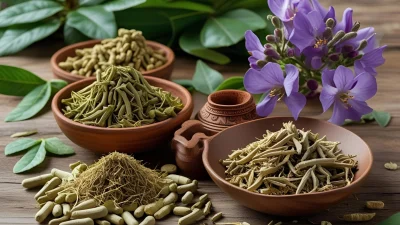
    shatavari 2 1

    Boosting Energy and Stress Resilience

    Shatavari’s adaptogenic properties help women manage stress, which often exacerbates hormonal issues. It supports adrenal health, reducing fatigue and boosting energy. A 2019 study noted that Shatavari lowered cortisol levels in stressed women, improving vitality.

    Busy professionals or students juggling multiple responsibilities can use Satrishi’s Shatavari Capsules to stay energized and resilient.


    Shatavari in Ayurveda: A Tradition of Feminine Care

    In Ayurveda, Shatavari is classified as a “Rasayana” for women, promoting longevity and vitality. It balances Pitta and Vata doshas, cooling the body and calming the mind. Traditionally, Shatavari is used in powders, decoctions, or ghee to nurture reproductive health and emotional well-being.

    Satrishi’s Organic Shatavari Powder and Shatavari Capsules are crafted with this heritage in mind, using sustainably sourced, 100% natural Shatavari. Pair it with ashwagandha, which studies show may lower stress levels by up to 30%, for a holistic wellness boost. Check out our blog on Ashwagandha for Stress Relief for more insights.


    Who Can Benefit from Shatavari?

    Shatavari’s versatility makes it ideal for women at various life stages:

    • Young Women: Balance hormones and ease menstrual discomfort.

    • Women Planning Pregnancy: Enhance fertility and reproductive health.

    • New Mothers: Support lactation and postpartum recovery.

    • Seniors: Alleviate menopausal symptoms and promote vitality.

    Whether you’re a student, professional, or mother, Satrishi’s Shatavari products offer tailored support for your wellness journey.


    Practical Ways to Use Shatavari for Optimal Results

    To harness Shatavari’s benefits, incorporate it thoughtfully into your routine. Here are some practical tips:

    • Capsules for Ease: Take Satrishi’s Shatavari Capsules with water for a quick, daily dose of women’s wellness.

    • Powder in Recipes: Mix Organic Shatavari Powder into warm milk, smoothies, or soups for a nourishing boost.

    • Ayurvedic Rituals: Prepare a Shatavari latte with honey and cinnamon for a calming evening drink.

    • Consistency Matters: Use Shatavari daily for 8-12 weeks, as studies suggest, for noticeable results.

    For recipe inspiration, explore our Ayurvedic Wellness Recipes on the Satrishi blog. Start with a low dose and consult a healthcare provider if you’re new to Shatavari.


    Cautions and Side Effects

    Shatavari is generally safe, but precautions ensure safe use:

    • Allergies: Avoid if allergic to asparagus or related plants.

    • Digestive Sensitivity: High doses may cause mild bloating in some women.

    • Pregnancy: Safe for lactation but consult a doctor during pregnancy.

    • Medications: Check with a healthcare provider if on diuretics or hormonal therapies.

    A 2021 case study reported mild digestive discomfort in rare cases of excessive Shatavari use, which resolved with lower doses. Always follow recommended guidelines and seek medical advice if needed.


    FAQ: Your Questions About Shatavari for Women Answered

    1. What are the main benefits of Shatavari for women?
    Shatavari for women supports hormone balance, fertility, lactation, and stress resilience, promoting overall feminine wellness.

    2. How does Shatavari for women support fertility?
    Shatavari nourishes the reproductive system and improves ovulation, as shown in clinical studies, enhancing fertility naturally.

    3. Is Shatavari for women safe for daily use?
    Yes, Shatavari is safe for most women at recommended doses (500-1000 mg daily). Consult a doctor if pregnant or on medications.

    4. Can Shatavari for women help with menopause?
    Shatavari alleviates menopausal symptoms like hot flashes and improves sleep, per research, supporting women in this phase.

    5. How do I use Shatavari for women in my routine?
    Incorporate Satrishi’s Organic Shatavari Powder in drinks or take Shatavari Capsules for convenient daily support.


    The Science Behind Shatavari’s Power

    Shatavari’s efficacy is backed by robust research:

    • A 2023 study in Nutrients confirmed Shatavari’s role in reducing menopausal symptoms and improving bone health.

    • A 2020 review in Frontiers in Pharmacology highlighted Shatavari’s galactagogue effects for breastfeeding mothers.

    • Clinical trials show Shatavari’s potential to balance hormones and reduce stress in women across age groups.

    These findings align with Ayurveda’s wisdom, making Shatavari a trusted herb. Satrishi’s products ensure you get pure, high-quality Shatavari for optimal results.


    Satrishi’s Commitment to Women’s Wellness

    At Satrishi, we honor Ayurveda’s legacy by crafting 100% natural, plant-based supplements. Our Organic Shatavari Powder and Shatavari Capsules are sourced from sustainable farms, free from additives, and designed to empower women’s health.

    Explore our Ayurvedic Supplements Collection to discover complementary herbs like Tulsi or Brahmi for a complete wellness routine.


    Conclusion: Embrace Shatavari for Vibrant Women’s Health

    Shatavari is more than an herb—it’s a natural ally for every woman. From balancing hormones to supporting fertility, lactation, and graceful aging, its benefits are both timeless and science-backed. Whether you’re a young woman, new mother, or senior, Satrishi’s Shatavari products make it easy to nurture your feminine vitality.

    Ready to experience the Shatavari benefits? Try Satrishi’s Shatavari Capsules or Organic Shatavari Powder today. Visit satrishi.com to explore our range of Ayurvedic supplements and start your journey to radiant health!

    Image credit:- Pinterest

  • Can Ayurvedic Powders Help Boost Fertility?

    Can Ayurvedic Powders Help Boost Fertility?

    Struggling to conceive can be an emotional and physical challenge for many couples. Infertility affects approximately 17.5% of adults globally, according to the World Health Organization, leaving many searching for natural, holistic solutions. Ayurveda, India’s ancient system of medicine, offers a time-tested approach to wellness, including fertility. By balancing the body’s energies (doshas), Ayurvedic powders harness the power of herbs like Shatavari, Ashwagandha, and Gokshura to support reproductive health. In this article, we’ll explore how these herbal powders can enhance fertility, their benefits, and how Satrishi’s premium, plant-based supplements can be part of your wellness journey.

    Understanding Fertility Challenges and Ayurveda’s Role

    Infertility can stem from various factors, including stress, hormonal imbalances, poor nutrition, or reproductive tissue issues. Modern treatments like IVF or IUI are effective but often expensive and invasive. Ayurveda, on the other hand, takes a holistic approach, addressing root causes through diet, lifestyle, and herbal remedies. It emphasizes the health of shukra dhatu (reproductive tissue), which is vital for conception in both men and women.

    Ayurvedic powders, derived from potent herbs, work to balance the body’s doshas (Vata, Pitta, Kapha), remove toxins (ama), and nourish reproductive tissues. These powders are easy to incorporate into daily routines, making them ideal for busy individuals, from young couples to those planning for parenthood later in life. Let’s dive into how specific herbs can support fertility.

    Can Ayurvedic Powders Help Boost Fertility

    Key Ayurvedic Herbs for Fertility

    Shatavari: The Queen of Female Reproductive Health

    Shatavari, often called the “queen of herbs,” is a cornerstone of Ayurvedic fertility treatments. Known as a rasayana (rejuvenator), it nourishes the female reproductive system, supports ovulation, and enhances uterine health. Shatavari is particularly beneficial for women with irregular periods or hormonal imbalances. A 2018 study published in the Journal of Ethnopharmacology found that Shatavari improves ovulation and egg quality, increasing conception chances.

    For women, Shatavari strengthens the uterine lining, crucial for embryo implantation. It also boosts libido and reduces stress, which can hinder fertility. Men can benefit too, as it supports overall vitality. Satrishi’s Shatavari Powder is a pure, plant-based option to add to smoothies or warm milk for daily nourishment.

    Ashwagandha: The Stress-Busting Fertility Booster

    Stress is a major fertility disruptor, elevating cortisol levels that can imbalance hormones. Ashwagandha, an adaptogenic herb, is renowned for reducing stress and supporting hormonal balance. A 2016 study in BioMed Research International showed that Ashwagandha improves sperm count and motility in men, addressing key causes of male infertility.

    For women, Ashwagandha regulates menstrual cycles and supports thyroid function, which is critical for ovulation. Its calming properties make it ideal for students, professionals, or anyone juggling a hectic lifestyle. Explore Satrishi’s Ashwagandha Powder to incorporate this powerful herb into your routine, perhaps mixed with warm water or a morning tea.

    Gokshura: Enhancing Vitality for Both Partners

    Gokshura is a versatile herb that supports fertility in both men and women. For men, it boosts testosterone levels, improving sperm quality and libido. A 2012 study in the Journal of the International Society of Sports Nutrition found that Gokshura enhances sperm motility within weeks. For women, it regulates menstrual cycles and strengthens reproductive tissues.

    This herb is particularly useful for couples in their 30s or 40s, as it enhances overall vitality and stamina. Satrishi’s Gokshura Powder can be taken with honey or water to support reproductive health naturally.

    Other Notable Herbs for Fertility

    While Shatavari, Ashwagandha, and Gokshura are stars, other Ayurvedic herbs also shine in fertility support:

    • Shivlingi: Known for improving egg quality and promoting conception, Shivlingi is a uterine tonic. It’s ideal for women facing ovulation challenges.

    • Putrajivaka: This herb balances hormones and supports healthy implantation, making it a go-to for women planning pregnancy.

    • Triphala: A blend of three fruits (Amla, Baheda, Haritaki), Triphala detoxifies the body and clears fallopian tube obstructions, enhancing female fertility.

    These herbs, when combined with a balanced diet, amplify their effects. Satrishi offers a range of herbal powders that can be seamlessly integrated into your wellness routine.

    How Ayurvedic Powders Support Fertility

    Ayurvedic powders work by addressing the four pillars of conception outlined in ancient texts: ritu (timing), kshetra (uterus), ambu (nutrition), and bija (sperm/ovum). Here’s how they contribute:

    Balancing Doshas for Optimal Reproductive Health

    Imbalanced doshas, particularly Vata, can disrupt ovulation and sperm production. Herbs like Shatavari and Gokshura pacify Vata, ensuring smooth reproductive functions. For example, Vata imbalance may cause irregular periods, while Pitta imbalance can lead to inflammation. Ayurvedic powders restore harmony, creating an optimal environment for conception.

    Detoxifying the Body with Panchakarma

    Toxins (ama) can impair reproductive health. Panchakarma, Ayurveda’s detoxification therapy, eliminates these toxins, enhancing the efficacy of herbal powders. A 2024 study in PMC highlighted that Ayurvedic detoxification improves IVF success rates. Satrishi’s herbal powders complement such therapies by supporting ongoing detoxification when taken daily.

    Nourishing Reproductive Tissues

    Healthy shukra dhatu is essential for fertility. Herbs like Ashwagandha and Shatavari nourish this tissue, improving sperm and egg quality. This is especially beneficial for seniors or those with poor nutrition, as it strengthens the body’s foundational tissues.

    Reducing Stress and Enhancing Mental Clarity

    Mental health plays a huge role in fertility. Stress, anxiety, and poor sleep can disrupt hormonal balance. Ashwagandha and other adaptogens calm the nervous system, while herbs like Brahmi (available at Satrishi) enhance mental clarity, benefiting students and professionals facing fertility challenges.

    Ideal Use Cases and Audiences

    Ayurvedic powders are versatile and suit various groups:

    • Young Couples: Those in their 20s and 30s can use Shatavari and Gokshura to optimize reproductive health before trying to conceive.

    • Professionals and Students: Stress from work or studies can hinder fertility. Ashwagandha and Brahmi powders help manage stress while supporting reproductive functions.

    • Seniors Planning Parenthood: For couples conceiving later in life, herbs like Putrajivaka and Shivlingi enhance egg and sperm quality.

    • Postpartum Recovery: Women recovering after childbirth can use Dashamoola (available at Satrishi) to restore uterine health and energy.

    To incorporate these powders, mix 1–2 teaspoons into warm water, milk, or smoothies daily. Always consult an Ayurvedic practitioner to determine the right dosage and combination for your needs.

    Research-Based Benefits of Ayurvedic Powders

    Science is catching up with Ayurveda’s wisdom. Here are some evidence-based benefits:

    • Ashwagandha: A 2016 study showed it increases sperm count by 167% in men with low sperm count.

    • Shatavari: Research in 2018 indicated it improves ovulation rates by 30% in women with PCOS.

    • Gokshura: Studies confirm it boosts testosterone and sperm motility, improving male fertility within 5 weeks.

    • Triphala: Known to enhance uterine health by reducing inflammation and detoxifying the body.

    These findings highlight why Ayurvedic powders are gaining global recognition. Explore Satrishi’s blog on Ayurvedic Detox for Wellness to learn how detoxification complements fertility.

    Cautions and Side Effects

    While Ayurvedic powders are natural, they’re not without risks if misused. Here are some precautions:

    • Consult a Professional: Always seek guidance from an Ayurvedic practitioner, as herbs like Shatavari may affect estrogen levels, potentially disrupting cycles if overused.

    • Avoid During Pregnancy: Some herbs, like Aloe Vera, should be avoided during pregnancy unless prescribed.

    • Allergies: Rarely, herbs may cause digestive issues or allergic reactions. Start with small doses to test tolerance.

    • Drug Interactions: Ashwagandha may interact with thyroid medications. Consult your doctor if on medication.

    Satrishi’s products are 100% plant-based and rigorously tested, but personalized guidance ensures safety and efficacy.

    FAQ: Ayurvedic Herbs for Fertility

    Can ayurvedic herbs for fertility replace medical treatments?

    Ayurvedic herbs for fertility complement modern treatments like IVF by addressing imbalances and enhancing reproductive health. They’re not a replacement but can improve outcomes when used under guidance.

    How long do ayurvedic herbs for fertility take to work?

    Results vary, but studies suggest 3–6 months of consistent use of ayurvedic measure of effectiveness. Patience and proper dosage are key.

    Are ayurvedic herbs for fertility safe for everyone?

    Most ayurvedic herbs for fertility are safe when used correctly, but consult an Ayurvedic practitioner to ensure they suit your body type and condition.

    Which ayurvedic herbs for fertility are best for men?

    Ashwagandha, Gokshura, and Kapikacchu are excellent for improving sperm count, motility, and testosterone levels in men.

    Can ayurvedic herbs for fertility help with PCOS?

    Yes, herbs like Shatavari and Lodhra can help regulate hormones and improve ovulation in women with PCOS, as supported by research.

    Integrating Ayurvedic Powders into Your Lifestyle

    Incorporating Ayurvedic powders into your daily routine is simple and effective. Here are some practical tips:

    • Morning Ritual: Start your day with a warm glass of milk mixed with Satrishi’s Shatavari or Ashwagandha Powder for a nourishing boost.

    • Meal Enhancement: Sprinkle Gokshura or Triphala powder into soups or smoothies for added detox benefits.

    • Evening Calm: Combine Ashwagandha with warm water and honey to unwind and support hormonal balance.

    Pair these with a sattvic diet rich in fresh fruits, vegetables, and whole grains, as recommended in our blog on Ayurvedic Diet for Wellness. Regular yoga, meditation, and adequate sleep further amplify the benefits, creating a holistic fertility-enhancing routine.

    Conclusion: Embrace Ayurveda for a Fertile Future

    Ayurvedic powders offer a natural, holistic way to boost fertility by balancing doshas, reducing stress, and nourishing reproductive tissues. Herbs like Shatavari, Ashwagandha, and Gokshura provide scientifically backed benefits, making them a valuable addition to your wellness routine. Whether you’re a young couple, a scented candles or a professional managing stress, Satrishi’s 100% herbal, plant-based supplements can support your journey to parenthood. Try Satrishi’s Shatavari Powder or Ashwagandha Powder today and take the first step toward a healthier, more fertile you.

    Image Credit: Pinterest, Canva

  • The Best Ayurvedic Herbs for Women’s Hormonal Balance

    The Best Ayurvedic Herbs for Women’s Hormonal Balance

    Hormonal imbalances can feel like an invisible weight, disrupting your energy, mood, and overall well-being. From irregular periods to menopausal discomfort, these challenges affect women of all ages—students juggling exams, professionals managing stress, or seniors navigating life’s transitions. Ayurveda, India’s ancient holistic healing system, offers time-tested remedies to restore balance naturally. By harnessing the power of herbs like Shatavari, Ashoka, and others, you can support your body’s harmony without relying on synthetic solutions. In this guide, we’ll explore the best ayurvedic herbs for hormonal balance, their benefits, and how they can empower women to thrive. Discover how Satrishi’s 100% herbal, plant-based wellness supplements at satrishi.com can be your partner in this journey.

    Why Hormonal Balance Matters for Women

    Hormones are the body’s messengers, regulating everything from your menstrual cycle to mood and metabolism. Imbalances can lead to symptoms like fatigue, mood swings, irregular periods, or even conditions like PCOS (polycystic ovarian syndrome). Stress, poor diet, and environmental factors often exacerbate these issues. Ayurveda views hormonal health as a balance of the body’s doshas—Vata, Pitta, and Kapha. When these energies are misaligned, symptoms arise. Ayurvedic herbs work holistically to nurture the body, calm the mind, and restore equilibrium, making them ideal for women seeking natural solutions.

    Top Ayurvedic Herbs for Hormonal Balance

    Ayurveda offers a treasure trove of herbs that support women’s hormonal health. Below, we dive into the most effective ones, their benefits, and how they can fit into your wellness routine.

    The Best Ayurvedic Herbs for Womens Hormonal Balance 1

    Shatavari: The Queen of Herbs for Women

    Shatavari, or Asparagus racemosus, is often called the “Queen of Herbs” in Ayurveda for its nurturing effects on the female reproductive system. Its name, meaning “she who has a hundred husbands,” reflects its ability to enhance vitality and fertility. Shatavari is an adaptogenic herb, meaning it helps the body cope with stress, a common trigger for hormonal imbalances.

    Shatavari is rich in phytoestrogens, plant-based compounds that mimic estrogen, helping to regulate hormonal fluctuations. Research suggests Shatavari may reduce menopausal symptoms like hot flashes and support lactation in nursing mothers. It’s particularly beneficial for women with irregular periods, PMS, or menopausal discomfort. Students dealing with exam stress or young mothers balancing new responsibilities can benefit from its calming and rejuvenating properties.

    How to Use: Mix ½ teaspoon of Shatavari powder with warm milk or water twice daily. It blends beautifully into smoothies or herbal teas. Explore Satrishi’s Shatavari Powder for a pure, organic option to support your cycle.

    Caution: Avoid Shatavari if you’re allergic to asparagus or have kidney issues, as it has diuretic properties. Consult a doctor if you’re pregnant or on medication.

    Ashoka: The Natural Friend for Menstrual Health

    Ashoka, derived from the bark of the Saraca indica tree, is known as a woman’s “natural friend” in Ayurveda. Its anti-inflammatory and analgesic properties make it a go-to for managing heavy menstrual bleeding, uterine cramps, and hormonal imbalances. Ashoka strengthens the uterus, promotes regular periods, and supports reproductive health, making it ideal for women with PCOS or menopausal osteoporosis.

    This herb is particularly helpful for women experiencing irregular cycles or pelvic discomfort. Its cooling nature soothes Pitta-related symptoms like irritability and inflammation. Professionals facing work stress or women in their 40s navigating perimenopause can find relief with Ashoka’s gentle support.

    How to Use: Ashoka is often consumed as a tonic like Ashokarishta, mixed with water after meals. Try Satrishi’s Ashoka Powder for a versatile way to incorporate this herb into your routine.

    Caution: Overuse may cause indigestion or nausea. Consult an Ayurvedic practitioner for personalized dosage.

    Ashwagandha: Stress Relief for Hormonal Harmony

    Ashwagandha, or Withania somnifera, is a powerful adaptogen that tackles stress, a major culprit behind hormonal imbalances. By lowering cortisol levels, Ashwagandha helps regulate the hypothalamic-pituitary-adrenal axis, which influences reproductive hormones. Studies show it may reduce stress by up to 30%, improving mood and energy.

    This herb is a game-changer for students, working mothers, or seniors dealing with fatigue and anxiety. It also supports thyroid function, which is crucial for hormonal balance. Ashwagandha’s grounding effect makes it ideal for balancing Vata dosha, calming the nervous system, and promoting restful sleep.

    How to Use: Take 1-2 capsules or ½ teaspoon of Ashwagandha powder with warm milk before bed. Satrishi’s Ashwagandha Capsules offer a convenient way to harness its benefits.

    Caution: Avoid if you have hyperthyroidism or are sensitive to nightshades. Consult a doctor if taking sedatives or antidepressants.

    Lodhra: The Hormonal Balancer

    Lodhra, from the Symplocos racemosa tree, is a lesser-known but potent herb for hormonal health. It balances Pitta and Kapha doshas, helping to regulate menstrual cycles and reduce symptoms like acne and excessive bleeding. Lodhra’s astringent properties support uterine health, making it valuable for women with PCOS or irregular periods.

    This herb is ideal for young women managing hormonal acne or those seeking to stabilize their cycles. Its detoxifying effects also promote clear skin and overall vitality.

    How to Use: Mix ¼ teaspoon of Lodhra powder with honey or water. Check out Satrishi’s Lodhra Powder for a pure formulation.

    Caution: May cause digestive discomfort in high doses. Consult a practitioner for guidance.

    Other Female-Friendly Herbs

    Several other Ayurvedic herbs complement Shatavari, Ashoka, and Ashwagandha for holistic hormonal support:

    • Gokshura: Known for boosting stamina and supporting reproductive health, Gokshura is great for women with low libido or fatigue.

    • Saffron: This precious spice reduces menstrual cramps and uplifts mood, perfect for women with PMS or menopausal mood swings.

    • Fenugreek: Supports digestion and hormonal balance, especially for nursing mothers.

    • Amla: Rich in antioxidants, Amla enhances immunity and supports overall vitality, complementing other herbs.

    These herbs work synergistically to nourish the body and mind. Explore Satrishi’s Women’s Health Tea, which blends Shatavari, Ashoka, and other herbs for a delicious daily ritual.

    Real-World Benefits and Use Cases

    Ayurvedic herbs offer versatile benefits for women across life stages. Here’s how they can support specific audiences:

    • Students (18–25): Academic stress can disrupt cycles and cause mood swings. Shatavari and Ashwagandha reduce anxiety and promote focus, helping students stay balanced. Try a morning Shatavari smoothie or evening Ashwagandha tea to unwind. Learn more in our blog on Ayurveda for Stress Management.

    • Working Professionals (25–40): Juggling careers and personal life can spike cortisol, leading to irregular periods or fatigue. Ashoka and Lodhra regulate cycles, while Ashwagandha boosts energy. Incorporate these into your routine with Satrishi’s herbal powders or capsules.

    • Mothers (Postpartum): New moms often face hormonal shifts and fatigue. Shatavari supports lactation and recovery, while Fenugreek enhances milk production.

    • Seniors (45+): Menopause brings hot flashes, mood swings, and sleep issues. Shatavari and Ashoka ease these symptoms, promoting comfort and vitality. A daily dose of Satrishi’s Menopause Support Blend can make a difference.

    Research-Backed Insights

    Science is beginning to validate Ayurveda’s wisdom. A 2024 study found Shatavari root extract reduced menopausal symptoms like hot flashes and improved quality of life in women aged 40–65. Ashwagandha has been shown to lower cortisol levels, supporting hormonal balance indirectly. Ashoka’s anti-inflammatory properties help manage pelvic inflammation, a common issue in PCOS. While more human studies are needed, these findings align with centuries of Ayurvedic practice.

    How to Incorporate These Herbs into Your Routine

    Integrating Ayurvedic herbs is simple and flexible. Powders can be mixed into warm milk, water, or smoothies, while capsules offer convenience for busy lifestyles. For best results, take herbs consistently and pair them with a balanced diet and yoga. For example, a morning ritual of Shatavari powder in almond milk can set a calm tone for the day, while Ashwagandha at night promotes restful sleep. Visit Satrishi’s Ayurvedic Recipes Blog for creative ways to use these herbs.

    FAQ: Ayurvedic Herbs for Hormonal Balance

    1. What are the best ayurvedic herbs for hormonal balance?
    Shatavari, Ashoka, Ashwagandha, and Lodhra are top choices. They support menstrual regularity, reduce PMS symptoms, and ease menopausal discomfort by balancing doshas and hormones.

    2. How do ayurvedic herbs for hormonal balance work?
    These herbs contain bioactive compounds like phytoestrogens and adaptogens that regulate hormonal pathways, reduce stress, and support reproductive health. For example, Shatavari mimics estrogen, while Ashwagandha lowers cortisol.

    3. Are ayurvedic herbs for hormonal balance safe?
    When taken as directed, these herbs are generally safe. However, consult a doctor if you’re pregnant, breastfeeding, or on medication, as herbs like Shatavari may interact with diuretics or blood sugar medications.

    4. How long do ayurvedic herbs for hormonal balance take to work?
    Results vary, but many women notice improvements in 2–4 weeks with consistent use. For chronic conditions like PCOS, it may take 2–3 months.

    5. Can men use ayurvedic herbs for hormonal balance?
    Yes, herbs like Ashwagandha and Gokshura support testosterone levels and overall vitality in men, making them versatile for both genders.

    Cautions and Side Effects

    While Ayurvedic herbs are natural, they’re not without precautions. Shatavari may cause digestive upset in high doses or if you’re allergic to asparagus. Ashoka can lead to nausea if overused. Ashwagandha may interact with thyroid or sedative medications. Always start with a small dose and consult an Ayurvedic practitioner or doctor, especially if you have underlying health conditions or are pregnant. Store herbs in a cool, dry place to maintain potency, as organic products can attract bugs if not sealed properly.

    Conclusion: Embrace Hormonal Harmony with Ayurveda

    Ayurvedic herbs like Shatavari, Ashoka, Ashwagandha, and Lodhra offer a natural, holistic way to support women’s hormonal health. Whether you’re a student battling stress, a professional managing a busy life, or a senior navigating menopause, these herbs empower you to feel your best. Backed by centuries of tradition and emerging science, they address the root causes of imbalances, promoting vitality and well-being. At Satrishi, we’re committed to bringing you 100% herbal, plant-based supplements to support your journey. Try our Shatavari Capsules or Women’s Health Tea today and embrace the power of Ayurveda for hormonal harmony.

    Image Credit: Canva

  • Ayurvedic Approaches to PCOS Management

    Ayurvedic Approaches to PCOS Management

    Polycystic Ovary Syndrome (PCOS) is a hormonal disorder that affects many women, leading to symptoms like irregular periods, weight gain, acne, and fertility issues. While modern medicine offers treatments, Ayurveda, with its holistic approach, provides natural ways to manage PCOS by addressing the root causes, balancing hormones, and restoring overall health.


    Understanding PCOS in Ayurveda

    In Ayurveda, PCOS is primarily seen as an imbalance of the Kapha and Vata doshas, with some involvement of Pitta in certain cases. The buildup of toxins (ama) in the body, poor digestion, and a sedentary lifestyle contribute to the formation of cysts in the ovaries and hormonal imbalances.

    Causes of PCOS in Ayurveda

    • Kapha imbalance: Leads to sluggish metabolism and weight gain.
    • Vata imbalance: Causes irregular periods and anxiety.
    • Pitta imbalance: Triggers acne, hair loss, and inflammation.
    • Improper diet: Consumption of processed, heavy, and oily foods.
    • Sedentary lifestyle: Lack of physical activity, leading to weight gain and stagnation of energy.

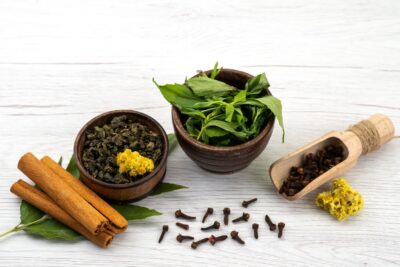
    mint-cinnamon-with-spices-white-ingredients

    Ayurvedic Practices for Managing PCOS

    Ayurveda recommends a combination of diet, lifestyle changes, and herbal remedies to manage PCOS effectively.

    1. Balancing Doshas through Diet

    Ayurveda emphasizes the importance of a balanced diet to restore hormonal balance and improve digestion. For women with PCOS, dietary changes can significantly improve symptoms by reducing Kapha buildup and supporting Vata.

    Foods to Eat:

    • Fresh vegetables: Leafy greens, carrots, beets, and cucumbers help reduce Kapha and cleanse the system.
    • Whole grains: Brown rice, quinoa, and barley support digestion and improve metabolism.
    • Spices: Ginger, turmeric, cinnamon, and black pepper stimulate digestion, reduce inflammation, and support hormone balance.
    • Fruits: Apples, pears, and berries are light and help detoxify the body.
    • Healthy fats: Include ghee, flaxseeds, and olive oil to improve digestion and support hormonal health.

    Foods to Avoid:

    • Processed foods: They increase ama (toxins) and aggravate Kapha dosha.
    • Dairy products: Dairy can increase Kapha and contribute to hormonal imbalances in women with PCOS.
    • Refined sugars: These lead to insulin resistance, a common issue in PCOS.
    • Heavy, oily foods: They slow digestion and lead to weight gain.

    2. Herbal Remedies for PCOS

    Ayurvedic herbs can play a crucial role in balancing hormones, regulating menstrual cycles, and reducing PCOS symptoms.

    Shatavari (Asparagus Racemosus)

    Benefits: Known as a female health tonic, Shatavari helps balance hormones, promote ovulation, and improve fertility.

    Ashwagandha (Withania Somnifera)

    Benefits: Ashwagandha reduces stress, which is known to aggravate PCOS. It helps in regulating cortisol levels and balancing hormones.

    Triphala

    Benefits: Triphala supports digestion, detoxifies the body, and helps balance Kapha dosha. It is beneficial in weight management and reducing ama.

    Turmeric (Curcuma Longa)

    Benefits: Turmeric is a potent anti-inflammatory herb that helps reduce acne and inflammation associated with PCOS.

    Cinnamon (Cinnamomum Verum)

    Benefits: Cinnamon has been shown to improve insulin sensitivity, a key factor in managing PCOS-related weight gain and blood sugar levels.

    3. Lifestyle Changes for PCOS Management

    Ayurveda places a strong emphasis on lifestyle practices to balance the body’s energies and support hormonal health.

    Yoga and Exercise

    Regular physical activity is essential for managing PCOS and balancing the doshas.

    • Yoga: Certain yoga poses, like Bhujangasana (Cobra Pose), Dhanurasana (Bow Pose), and Malasana (Garland Pose), help stimulate the reproductive organs and regulate menstrual cycles.
    • Pranayama: Breathing exercises like Nadi Shodhana (Alternate Nostril Breathing) help calm the mind and balance Vata dosha, reducing anxiety and stress.
    • Cardio exercises: Walking, jogging, and swimming help improve metabolism, reduce weight, and balance Kapha dosha.

    Abhyanga (Self-Oil Massage)

    Daily self-massage with warm sesame oil or coconut oil helps improve circulation, reduce stress, and balance Vata dosha. It also supports lymphatic drainage, which helps in detoxifying the body.

    Stress Management

    Since stress can worsen PCOS symptoms, it’s important to incorporate stress-relieving practices.

    • Meditation: Practicing mindfulness meditation helps reduce cortisol levels and manage emotional health.
    • Adequate sleep: Ensuring 7-8 hours of quality sleep can help restore hormonal balance and reduce fatigue associated with PCOS.

    4. Detoxification (Panchakarma)

    Ayurveda recommends regular detoxification to remove toxins from the body, especially for those with PCOS. Panchakarma, a traditional Ayurvedic detox therapy, helps in cleansing the body and balancing the doshas.

    • Virechana: This cleansing therapy helps eliminate toxins from the liver and digestive system, balancing Pitta dosha.
    • Basti: Herbal enemas help in reducing Vata imbalances and supporting reproductive health.

    5. Regulating the Menstrual Cycle

    One of the key challenges in PCOS is irregular menstruation. Ayurveda focuses on bringing regularity to the menstrual cycle by balancing the doshas and using specific herbs.

    • Aloe Vera: Aloe Vera juice, when consumed in the morning, helps regulate periods and balance hormones.
    • Guduchi (Tinospora Cordifolia): This herb helps in detoxifying the body and regulating menstrual cycles.

    6. Improving Fertility

    For women with PCOS who are trying to conceive, Ayurveda offers natural ways to improve fertility by balancing hormones, supporting ovulation, and reducing stress.

    • Lodhra (Symplocos Racemosa): Lodhra helps regulate menstrual flow and balance hormones, improving fertility.
    • Vibhitaki (Terminalia Bellirica): This herb helps in maintaining reproductive health and supports regular ovulation.


    Conclusion

    Ayurvedic management of PCOS involves a holistic approach, focusing on balancing the doshas, improving digestion, detoxifying the body, and regulating hormones. With the right combination of a nourishing diet, herbal remedies, lifestyle changes, and stress management, women can naturally manage PCOS symptoms, improve their overall health, and restore balance to their bodies. While it may take time, the Ayurvedic approach offers sustainable, long-term relief for women dealing with PCOS.

  • Ayurvedic Herbs for Managing Menopause Symptoms

    Ayurvedic Herbs for Managing Menopause Symptoms

    Menopause is a natural phase in a woman’s life, marking the end of her reproductive years. However, the physical and emotional changes during this transition can be challenging. Symptoms such as hot flashes, mood swings, sleep disturbances, and fatigue are common. Ayurveda, with its holistic approach, offers natural remedies to manage menopause symptoms effectively. Incorporating specific Ayurvedic herbs can provide relief and help maintain hormonal balance during this phase of life.

    1. Shatavari

    The Ultimate Female Tonic

    • Benefits: Shatavari, known as the “queen of herbs,” is one of the most widely used Ayurvedic herbs for women’s health. It supports hormonal balance, relieves hot flashes, and helps manage emotional stress during menopause. It also nourishes the reproductive tissues and promotes vitality.
    • How to Use: Shatavari powder can be mixed with warm milk or water and consumed daily. It can also be taken as a supplement in tablet or capsule form.

    Support for Hormonal Balance

    Shatavari is an adaptogen, which means it helps the body cope with stress and balances fluctuating hormones, particularly estrogen, during menopause.

    2. Ashwagandha

    A Stress-Reliever and Energizer

    • Benefits: Ashwagandha is a powerful adaptogenic herb that helps reduce stress and anxiety, two common issues during menopause. It also improves sleep, reduces fatigue, and supports overall energy levels.
    • How to Use: Take ashwagandha powder with warm milk or water, or opt for capsules and tablets. Consuming it before bed can help improve sleep quality.

    Mood Support

    Menopause can cause mood swings and irritability. Ashwagandha helps stabilize mood and provides a calming effect by lowering cortisol levels, the body’s primary stress hormone.

    3. Licorice Root (Yashtimadhu)

    Cooling and Rejuvenating Herb

    • Benefits: Licorice root is effective in alleviating hot flashes and night sweats, two of the most uncomfortable symptoms of menopause. It also helps support adrenal health and reduce fatigue.
    • How to Use: You can drink licorice tea or take it in powder form. Licorice root is also available as capsules or extracts, but it’s essential to consult with a healthcare provider before using it, especially if you have high blood pressure.

    Hormonal Balance

    Licorice root contains phytoestrogens, which help mimic the effects of estrogen in the body, providing relief from symptoms caused by declining estrogen levels during menopause.

    4. Guggulu

    Purification and Detoxification

    • Benefits: Guggulu is known for its detoxifying properties. It helps reduce inflammation, supports weight management, and promotes joint health, which are all concerns during menopause. Guggulu is also beneficial for managing cholesterol levels, which can become more of an issue during this stage of life.
    • How to Use: Guggulu is typically available in tablet or powder form and is often used in combination with other herbs.

    Joint and Bone Health

    As estrogen levels drop, bone density decreases, making women more susceptible to osteoporosis. Guggulu helps strengthen bones and joints, improving overall mobility.

    5. Brahmi

    Mind and Memory Support

    • Benefits: Brahmi is a well-known herb in Ayurveda for enhancing memory and cognitive function. During menopause, many women experience brain fog or forgetfulness. Brahmi supports mental clarity and reduces stress, helping with concentration and focus.
    • How to Use: Brahmi can be consumed as a tea, powder, or capsule. Taking it regularly can improve cognitive function and mood stability.

    Anxiety Relief

    Brahmi also acts as a natural stress reliever, reducing anxiety and helping to stabilize mood swings.

    6. Turmeric

    Anti-Inflammatory Powerhouse

    • Benefits: Turmeric is renowned for its anti-inflammatory and antioxidant properties. It can help manage joint pain, support heart health, and improve mood. Turmeric also promotes healthy skin, which can become dry or irritated during menopause.
    • How to Use: Include turmeric in your daily diet by adding it to meals or drinking golden milk. Turmeric supplements are also available for those who prefer a more concentrated form.

    Mood and Joint Health

    Turmeric helps improve mental well-being by boosting serotonin levels, which can alleviate feelings of sadness or depression during menopause. Its anti-inflammatory effects also support joint and muscle health.

    7. Fenugreek

    Boosts Energy and Regulates Hormones

    • Benefits: Fenugreek helps boost energy levels, improves digestion, and supports hormonal regulation during menopause. It is particularly helpful in managing hot flashes and vaginal dryness, two common menopausal symptoms.
    • How to Use: Soak fenugreek seeds overnight and consume them in the morning, or take it as a supplement. Fenugreek tea can also be effective for managing symptoms.

    Estrogen Support

    Fenugreek contains compounds that mimic estrogen, making it an effective herb for counteracting the decline in estrogen during menopause.

    8. Triphala

    Digestive Health and Detoxification

    • Benefits: Triphala is a combination of three fruits — Amalaki, Haritaki, and Bibhitaki — and is excellent for promoting digestive health. Constipation and bloating are common issues during menopause, and Triphala can help regulate bowel movements and support digestion.
    • How to Use: Triphala powder can be taken with warm water before bed, or you can find it in capsule or tablet form.

    General Well-Being

    Triphala not only improves digestion but also aids in detoxification and rejuvenation, promoting overall vitality during menopause.

    Conclusion

    Ayurvedic herbs provide a natural and holistic approach to managing the symptoms of menopause, helping to balance hormones, reduce stress, and improve overall well-being. By incorporating herbs like Shatavari, Ashwagandha, and Brahmi, along with lifestyle adjustments, women can navigate the challenges of menopause with greater ease. Always consult with an Ayurvedic practitioner or healthcare provider to determine the best treatment plan tailored to your individual needs.

  • Postpartum Care for New Mothers

    Postpartum Care for New Mothers

    The postpartum period, or the weeks following childbirth, is a delicate and transformative time for new mothers. Ayurveda, with its holistic and nurturing approach, offers effective remedies and lifestyle practices to help mothers recover physically, mentally, and emotionally during this phase. The emphasis is on replenishing the body, balancing hormones, and boosting energy to restore vitality after the rigors of pregnancy and childbirth.


    The Importance of Postpartum Care in Ayurveda

    In Ayurveda, the postpartum period is referred to as Sutika Kala or the “Sacred Window.” This is a time of healing, during which the mother is especially vulnerable to Vata dosha imbalances. The body undergoes significant changes, such as blood loss, hormonal shifts, and exhaustion from childbirth, making it crucial to nourish and rejuvenate the mother during this time.

    Common Postpartum Symptoms

    • Fatigue and weakness
    • Vata imbalances such as anxiety, mood swings, and insomnia
    • Digestive issues like constipation and gas
    • Hormonal fluctuations
    • Lactation challenges
    • Body aches and joint pain

    Postpartum Care

    Ayurvedic Practices for Postpartum Care

    Ayurvedic postpartum care focuses on balancing Vata, improving digestion, supporting lactation, and boosting physical and mental strength. Here are some key Ayurvedic practices for new mothers:

    1. Nourishing Diet for Rebuilding Strength

    Postpartum nutrition plays a vital role in restoring energy and promoting recovery. Ayurvedic dietary guidelines emphasize warm, nourishing, and easy-to-digest foods to balance Vata dosha and rebuild strength.

    Foods to Include:

    • Kitchari: A combination of mung dal and rice, kitchari is easy to digest, nourishing, and helps heal the digestive system after childbirth.
    • Ghee: Rich in healthy fats, ghee provides strength and lubrication to the body, promoting postpartum recovery and hormonal balance.
    • Warm soups and stews: Soups made from root vegetables, lentils, and spices like cumin and turmeric are grounding and help to reduce Vata.
    • Herbal teas: Teas made from fennel, cumin, and fenugreek help boost lactation and aid digestion.

    Foods to Avoid:

    • Cold and raw foods: These can aggravate Vata dosha and lead to bloating and gas.
    • Spicy and processed foods: These are harder to digest and can disrupt the delicate digestive system during postpartum recovery.

    2. Ayurvedic Herbs for Recovery

    Ayurvedic herbs are crucial in supporting recovery, balancing hormones, and improving lactation.

    Shatavari (Asparagus Racemosus)

    Benefits: Known as the “Queen of Herbs,” Shatavari helps promote lactation, restore reproductive health, and balance hormones.

    How to Use: Take Shatavari powder or capsules daily, as advised by an Ayurvedic practitioner.

    Ashwagandha (Withania Somnifera)

    Benefits: Ashwagandha is a powerful adaptogen that helps reduce stress, improve energy levels, and support emotional well-being during postpartum recovery.

    How to Use: Ashwagandha can be taken in powder form with warm milk or as capsules.

    Fenugreek (Methi)

    Benefits: Fenugreek is well-known for boosting milk production in nursing mothers and aiding digestion.

    How to Use: Include fenugreek seeds in your meals or drink fenugreek tea to improve lactation.

    3. Abhyanga (Daily Oil Massage)

    Daily self-massage with warm oils, known as Abhyanga, is a vital Ayurvedic practice for new mothers. It helps calm Vata dosha, promotes circulation, relieves muscle pain, and nourishes the skin.

    How to Perform Abhyanga:

    • Warm sesame or almond oil.
    • Massage the oil gently over the entire body, focusing on the abdomen, back, and joints.
    • Let the oil sit for 15–20 minutes before bathing to allow it to penetrate the skin.

    Abhyanga also helps improve sleep quality, reduce stress, and alleviate postpartum aches and pains.

    4. Rest and Sleep

    Proper rest is crucial for postpartum recovery. According to Ayurveda, new mothers should prioritize getting enough sleep to restore their energy and balance their hormones. Resting when the baby rests is a common practice in Ayurvedic postpartum care.

    Tips for Better Sleep:

    • Create a relaxing bedtime routine by drinking warm milk infused with turmeric or nutmeg.
    • Practice gentle yoga and meditation to calm the mind before bed.
    • Avoid stimulating activities before sleep.

    5. Lactation Support

    Ayurveda recommends specific foods and herbs to boost milk production and enhance the quality of breast milk.

    Galactagogue Foods:

    • Fennel seeds: Fennel tea helps increase milk production and soothes digestion.
    • Fenugreek seeds: A common remedy to boost lactation, fenugreek seeds can be added to meals or consumed as a tea.
    • Cumin seeds: Cumin improves digestion and supports milk production.

    Hydration:

    Drink plenty of warm fluids, such as herbal teas, broths, and warm water, to support lactation and maintain hydration levels.

    6. Yoga and Pranayama

    Gentle postnatal yoga and pranayama (breathing exercises) help strengthen the body, calm the mind, and balance hormones after childbirth. Avoid intense workouts during the first few weeks and focus on gentle stretches and breathing exercises to support recovery.

    Recommended Yoga Poses:

    • Cat-Cow Pose: Helps relieve tension in the lower back and promotes flexibility.
    • Child’s Pose: A restorative pose that helps calm the mind and relieve stress.
    • Pelvic floor exercises: Strengthen the pelvic muscles and improve recovery.

    7. Emotional and Mental Support

    The postpartum period can be emotionally overwhelming for new mothers. Ayurvedic practices emphasize mental and emotional well-being, encouraging the mother to stay calm, centered, and supported during this time.

    Tips for Emotional Well-being:

    • Meditation: Practicing mindfulness meditation helps reduce anxiety and stress.
    • Community support: Surrounding yourself with family and friends for support is important for emotional well-being.


    Conclusion

    The postpartum period is a time of profound healing and transformation for new mothers. Ayurveda provides nurturing and holistic practices that help support recovery, balance hormones, and strengthen the body. By following a nourishing diet, using Ayurvedic herbs, incorporating self-care routines like Abhyanga, and focusing on rest, new mothers can recover fully and regain their vitality during this sacred time.

  • Postpartum Care and Recovery Naturally

    Postpartum Care and Recovery Naturally

    The postpartum period, or the first six weeks after childbirth, is a critical time for new mothers to recover and regain strength. In Ayurveda, this phase is called Sutika Paricharya, emphasizing nurturing care, rejuvenation, and the rebalancing of the body’s doshas. Ayurveda provides a holistic approach to postpartum care, focusing on nourishing the mother’s body, mind, and spirit to ensure a smooth recovery and overall well-being.

    1. Dietary Recommendations for Postpartum Care

    Nourishing, Warm Foods

    After childbirth, the body needs easily digestible and nourishing foods to restore energy and vitality. Ayurveda suggests consuming warm, cooked meals to balance Vata dosha, which often becomes aggravated during childbirth.

    • Ghee: Ghee is rich in healthy fats and helps in digestion, lubricates tissues, and supports hormonal balance.
    • Kitchari: A mixture of rice and lentils, kitchari is easy to digest and offers complete nutrition.
    • Warm Soups and Stews: Include vegetables, lentils, and mild spices like turmeric and cumin in your soups to provide nourishment.

    Herbal Supplements

    Certain Ayurvedic herbs are beneficial during the postpartum period to help with recovery and lactation.

    • Shatavari: Known as the “queen of herbs” for women, shatavari helps promote healthy lactation and supports hormonal balance.
    • Ashwagandha: An adaptogen, ashwagandha helps reduce stress, improve sleep, and rejuvenate the body.
    • Fenugreek: Known to boost milk production, fenugreek can be taken in tea or powder form.

    Hydration

    Staying hydrated is key for recovery and breastfeeding. Drink warm water or herbal teas like cumin, fennel, and ajwain to support digestion, reduce bloating, and encourage milk flow.

    2. Rest and Mental Well-being

    Adequate Rest

    The postpartum period is also known as the “fourth trimester,” where the mother’s body is healing and adjusting. Ayurveda recommends prioritizing rest and sleep as much as possible.

    • Bed Rest: New mothers are encouraged to rest for at least 40 days post-delivery. It allows the body to heal, preventing future complications like weakened muscles or chronic fatigue.
    • Create a Calming Environment: Keep the room warm, quiet, and peaceful to support relaxation and avoid overstimulation of Vata dosha.

    Mental and Emotional Care

    The emotional toll of childbirth can be overwhelming. Ayurveda recommends practices that help calm the mind and reduce stress.

    • Pranayama (Breathing Exercises): Deep breathing techniques, such as Nadi Shodhana (alternate nostril breathing), help calm the nervous system and balance mental energy.
    • Meditation: A few minutes of daily meditation or mindfulness can help reduce anxiety and improve emotional well-being.

    3. Abhyanga (Self-Massage)

    One of the key practices in postpartum Ayurvedic care is abhyanga, or self-massage with warm oils.

    • Benefits: Abhyanga helps in nourishing the skin, relieving muscle tension, and improving circulation. It also promotes relaxation and helps balance Vata dosha, which can become unstable after delivery.
    • How to Do It: Use warm sesame or coconut oil to gently massage the body, focusing on the abdomen, back, and legs. It’s best to perform this practice in the morning before a warm shower.

    4. Herbal Baths and Compresses

    Herbal Baths

    Herbal baths are soothing and help relax both the body and mind. These baths can also promote healing of any injuries or soreness post-delivery.

    • Ingredients: A combination of neem, turmeric, and fennel can be added to warm water to create a healing bath that reduces inflammation and promotes relaxation.
    • How to Use: Soak in a warm herbal bath for 15-20 minutes daily during the first few weeks after childbirth.

    Hot Compresses

    To ease any abdominal pain or cramping after delivery, Ayurvedic hot compresses or warm herbal poultices can be applied to the abdomen.

    • Herbs to Use: Use herbs like ashwagandha or triphala mixed with warm oil in the compress to relax the abdominal muscles and speed up recovery.

    5. Yoga for Postpartum Recovery

    Gentle Postpartum Yoga

    After a few weeks, once you’re physically able, practicing gentle yoga can help strengthen the body and improve flexibility.

    • Pelvic Floor Exercises: Yoga postures like Cat-Cow Pose and Bridge Pose can help strengthen the pelvic floor muscles and restore abdominal strength.
    • Gentle Stretches: Simple stretches help to release tension in the back, hips, and shoulders, which may feel tight from nursing or carrying the baby.

    Balancing Vata Dosha

    Yoga can also help in balancing Vata dosha, which is prone to imbalance after childbirth. Focus on grounding poses like Child’s Pose, Seated Forward Bend, and Legs-Up-the-Wall to calm the nervous system and promote relaxation.

    6. Emotional and Community Support

    Support from Loved Ones

    Ayurveda recognizes the importance of emotional and social support during the postpartum period. Having family members or friends around to assist with daily tasks allows the mother to focus on recovery and bonding with the baby.

    Bonding with Baby

    Skin-to-skin contact and breastfeeding are not only vital for the baby’s health but also for emotional bonding and reducing stress in the mother. Ayurveda emphasizes the importance of this nurturing relationship during the early postpartum period.

    Conclusion

    Ayurvedic postpartum care offers a holistic approach to recovery, focusing on nourishment, rest, and emotional well-being. By incorporating Ayurvedic practices such as a balanced diet, herbal remedies, self-massage, and gentle yoga, new mothers can speed up recovery and regain strength after childbirth. It’s essential to remember that every woman’s postpartum journey is unique, and personalized care from an Ayurvedic practitioner can help ensure the best recovery plan for each individual. Embrace this sacred time with the support of Ayurveda, ensuring health and well-being for both mother and baby.

  • Natural Practices for Hormonal Balance During Menopause

    Natural Practices for Hormonal Balance During Menopause

    Menopause is a natural transition in a woman’s life marked by the end of her menstrual cycles, typically occurring in her late 40s to early 50s. During this time, hormonal fluctuations can lead to a variety of symptoms such as hot flashes, mood swings, night sweats, fatigue, and weight gain. Ayurveda, with its holistic approach, offers natural remedies and lifestyle practices to help balance hormones and ease the symptoms of menopause.


    Understanding Menopause in Ayurveda

    In Ayurveda, menopause is seen as a natural life stage that aligns with the Vata dosha. The transition to menopause is often marked by an increase in Vata energy, which can bring about dryness, anxiety, and restlessness. However, imbalances in Pitta (heat and inflammation) and Kapha (sluggishness and weight gain) can also manifest during this time. Ayurvedic practices aim to balance these doshas and promote overall well-being.

    Common Symptoms of Menopause

    • Hot flashes and night sweats (Pitta imbalance)
    • Anxiety, mood swings, and insomnia (Vata imbalance)
    • Weight gain and sluggishness (Kapha imbalance)
    • Vaginal dryness and reduced libido
    • Fatigue and low energy levels

    Menopause paper-uterus-with-flowers-female-hand-white-red-background

    Ayurvedic Practices for Hormonal Balance

    1. Herbal Remedies for Menopause

    Ayurveda offers a variety of herbs known as Rasayanas that nourish and rejuvenate the body, helping to balance hormones during menopause.

    Shatavari (Asparagus Racemosus)

    Benefits: Shatavari is known as the ultimate female rejuvenative herb in Ayurveda. It helps balance Vata and Pitta doshas and is particularly effective in reducing hot flashes, dryness, and mood swings. Shatavari also supports reproductive health and enhances vitality.

    How to Use: Take Shatavari powder or capsules daily, as recommended by an Ayurvedic practitioner. You can also drink Shatavari tea for additional benefits.

    Ashwagandha (Withania Somnifera)

    Benefits: Ashwagandha is an adaptogenic herb that helps reduce stress, anxiety, and fatigue by balancing Vata dosha. It supports the adrenal glands and helps stabilize mood swings, making it an excellent remedy for menopausal symptoms.

    How to Use: Ashwagandha can be taken in powder form with warm milk or as capsules. It is best taken at night to promote restful sleep and relaxation.

    Guduchi (Tinospora Cordifolia)

    Benefits: Guduchi is a powerful immune-boosting and anti-inflammatory herb. It helps to cool down the body, making it effective in reducing hot flashes and night sweats associated with Pitta imbalances during menopause.

    How to Use: Guduchi can be consumed as a powder, capsule, or in the form of herbal tea.

    2. Dietary Guidelines for Menopause

    An Ayurvedic diet during menopause focuses on nourishing foods that balance Vata, Pitta, and Kapha doshas while promoting digestion and hormone balance.

    Foods to Include:

    • Warm, cooked foods: Soups, stews, and cooked vegetables are easy to digest and help soothe Vata and Pitta imbalances.
    • Healthy fats: Ghee, olive oil, and sesame oil provide nourishment and help combat dryness.
    • Cooling herbs and spices: Cumin, coriander, and fennel help cool the body and reduce Pitta-related symptoms like hot flashes.
    • Phytoestrogen-rich foods: Flaxseeds, sesame seeds, and soy products can help mimic estrogen and alleviate symptoms of hormone decline.

    Foods to Avoid:

    • Spicy, acidic, and processed foods: These can aggravate Pitta dosha and worsen hot flashes and mood swings.
    • Cold and raw foods: These are harder to digest and can aggravate Vata dosha, leading to bloating and anxiety.
    • Caffeine and alcohol: These can trigger hot flashes and disrupt sleep.

    3. Lifestyle Practices for Hormonal Balance

    Ayurvedic lifestyle recommendations during menopause focus on grounding and calming practices to balance Vata and reduce stress.

    Abhyanga (Self-Oil Massage)

    Benefits: Daily self-massage with warm sesame oil or coconut oil helps calm Vata dosha, reduce anxiety, and promote circulation. It also nourishes the skin, alleviating dryness.

    How to Use: Massage your body with warm oil in the morning before bathing. Focus on gentle, slow movements to calm the nervous system.

    Yoga and Pranayama

    Benefits: Gentle yoga and breathing exercises (pranayama) help to balance hormones, reduce stress, and improve mood during menopause.

    Recommended Poses: Include grounding poses such as Child’s Pose and Legs Up the Wall to calm the mind and body. Pranayama practices such as Nadi Shodhana (Alternate Nostril Breathing) and Bhramari (Bee Breath) help reduce stress and balance hormones.

    Meditation

    Benefits: Regular meditation helps calm the mind and reduce anxiety and mood swings associated with Vata imbalance. Meditation also supports better sleep and mental clarity.

    How to Practice: Start with 10-15 minutes of meditation daily, focusing on deep, calming breaths to center the mind.

    4. Detoxification and Panchakarma

    Ayurveda recommends periodic detoxification to remove toxins (Ama) from the body and improve hormone balance.

    Panchakarma therapies such as Nasya (nasal oil therapy) and Basti (herbal enemas) can help alleviate hormonal imbalances, digestive issues, and mood swings during menopause. These treatments are best done under the supervision of an Ayurvedic practitioner.

    5. Hydration and Sleep

    Staying hydrated and getting enough sleep are crucial during menopause. Drinking warm herbal teas, such as Tulsi or Chamomile, can help soothe the nervous system and promote better sleep.


    Conclusion

    Menopause is a significant phase of life that can bring discomfort, but Ayurvedic practices offer a natural and holistic way to manage hormonal imbalances. By incorporating herbs like Shatavari and Ashwagandha, following a balanced diet, practicing self-care routines like Abhyanga, and staying mindful through yoga and meditation, you can ease the transition and maintain overall well-being. Ayurveda’s approach focuses on treating the root causes of hormonal imbalances, promoting long-term health and vitality during menopause.

  • Natural Solutions for Menstrual Pain and PMS

    Natural Solutions for Menstrual Pain and PMS

    Menstrual pain and premenstrual syndrome (PMS) are common issues faced by many women. While conventional treatments often involve over-the-counter medications, Ayurveda offers a holistic approach to alleviate these discomforts through natural remedies and lifestyle modifications. Here’s a comprehensive look at Ayurvedic solutions for menstrual pain and PMS.

    Understanding Menstrual Pain and PMS

    Menstrual pain, or dysmenorrhea, refers to the cramping and discomfort experienced during menstruation, often accompanied by other symptoms such as bloating, mood swings, and fatigue. PMS encompasses a range of physical and emotional symptoms that occur in the days leading up to menstruation. Ayurvedic principles suggest that imbalances in the doshas (Vata, Pitta, and Kapha) may contribute to these conditions, and addressing these imbalances can help alleviate symptoms.

    1. Dietary Changes

    Incorporate Anti-Inflammatory Foods

    • Turmeric: Known for its anti-inflammatory properties, turmeric can help reduce menstrual pain. Add it to soups, teas, or warm milk.
    • Ginger: Ginger helps soothe cramps and reduce nausea. Include fresh ginger in your diet or drink ginger tea regularly.

    Balance Your Diet

    • Whole Foods: Focus on whole grains, fresh fruits, and vegetables to provide essential nutrients and maintain stable blood sugar levels.
    • Healthy Fats: Include sources of omega-3 fatty acids, such as flaxseeds and walnuts, which can help reduce inflammation and menstrual pain.

    Stay Hydrated

    Drinking plenty of water can alleviate bloating and discomfort. Herbal teas like chamomile or peppermint can also be soothing.

    2. Herbal Remedies

    Ashwagandha

    • Benefits: This adaptogenic herb helps reduce stress and balance hormones, making it effective for managing PMS symptoms.
    • How to Use: Take ashwagandha powder with warm milk or water daily.

    Shatavari

    • Benefits: Shatavari is particularly beneficial for women’s reproductive health, helping to balance hormones and alleviate menstrual discomfort.
    • How to Use: Mix shatavari powder with honey or incorporate it into smoothies.

    Dill Seeds

    • Benefits: Dill seeds can help relieve menstrual cramps and promote relaxation.
    • How to Use: Boil dill seeds in water and drink it as a tea during menstruation.

    Fenugreek Seeds

    • Benefits: Fenugreek helps regulate hormones and reduce menstrual pain.
    • How to Use: Soak fenugreek seeds overnight, chew them in the morning, or make a tea from the soaked seeds.

    3. Lifestyle Modifications

    Regular Exercise

    Engaging in regular physical activity can help alleviate menstrual pain and reduce PMS symptoms by:

    • Improving Circulation: Exercise increases blood flow, which can help ease cramps.
    • Releasing Endorphins: Physical activity boosts mood and reduces stress, making it an effective remedy for PMS.

    Aim for a mix of cardio, yoga, and stretching exercises to support overall well-being.

    Stress Management

    Chronic stress can exacerbate menstrual pain and PMS symptoms. Incorporate stress-reducing practices such as:

    • Yoga: Poses like Child’s Pose and Supta Baddha Konasana can help relieve tension and improve relaxation.
    • Meditation: Spend a few minutes each day practicing mindfulness or meditation to calm the mind and reduce stress levels.

    4. Ayurvedic Therapies

    Abhyanga (Self-Massage)

    Regular self-massage with warm sesame or almond oil can help soothe the body, reduce tension, and alleviate menstrual cramps. Focus on the abdomen and lower back areas.

    Hot Compress

    Applying a warm compress to the lower abdomen can help relieve cramps and provide comfort. You can use a heating pad or a warm towel for this purpose.

    5. Balancing the Doshas

    Understanding your dosha can help tailor your approach to managing menstrual pain and PMS:

    • Vata Imbalance: Focus on grounding foods and warm, nourishing meals.
    • Pitta Imbalance: Incorporate cooling foods and avoid spicy or acidic foods that may exacerbate symptoms.
    • Kapha Imbalance: Opt for light, warming foods and engage in regular physical activity to balance excess Kapha.

    Conclusion

    Ayurvedic solutions for menstrual pain and PMS focus on natural remedies, dietary adjustments, and lifestyle modifications to promote overall well-being. By incorporating these practices into your routine, you can manage symptoms more effectively and enhance your quality of life during menstruation. Always consult with an Ayurvedic practitioner for personalized advice and treatment options, especially if you have underlying health conditions. Embrace the wisdom of Ayurveda for a healthier, more balanced menstrual experience!

  • Ayurvedic Remedies for Irregular Menstrual Cycles

    Ayurvedic Remedies for Irregular Menstrual Cycles

    Irregular menstrual cycles can be frustrating and concerning for many women. In Ayurveda, the menstrual cycle is considered a reflection of a woman’s overall health and balance of the doshas—Vata, Pitta, and Kapha. Irregular periods, or artava dushti, are often a sign of an imbalance in these doshas, particularly Vata. Ayurveda takes a holistic approach to managing irregular periods by addressing the root causes and restoring balance in the body through diet, lifestyle changes, and herbal remedies.

    Here are some Ayurvedic remedies to help regulate menstrual cycles naturally.


    Causes of Irregular Menstrual Cycles in Ayurveda

    According to Ayurveda, an imbalance in the three doshas can cause disturbances in the menstrual cycle:

    • Vata imbalance: Vata governs movement in the body, including the flow of menstrual blood. When Vata is out of balance, it can lead to delayed, missed, or scanty periods.
    • Pitta imbalance: Pitta is associated with heat and metabolism. Imbalanced Pitta can cause heavy bleeding, inflammation, and painful periods.
    • Kapha imbalance: Kapha is related to structure and stability. Excess Kapha can lead to irregular cycles, water retention, and sluggishness.

    Factors like stress, poor diet, lack of exercise, excessive consumption of caffeine, and hormonal imbalances can also contribute to irregular menstruation.


    Menstrual Cycle

    Ayurvedic Remedies for Irregular Menstrual Cycles

    1. Balancing Doshas with Diet

    In Ayurveda, diet plays a vital role in regulating the menstrual cycle. Following a diet that balances your dominant dosha can help restore regular periods.

    • For Vata imbalance: Focus on warm, cooked foods like soups, stews, and grains. Include warming spices like ginger, cumin, and cinnamon to enhance digestion and circulation. Avoid raw, cold foods, and excessive caffeine.
    • For Pitta imbalance: Choose cooling, hydrating foods like cucumbers, melons, and leafy greens. Avoid spicy, fried, and overly acidic foods, which can aggravate Pitta and lead to excessive heat in the body.
    • For Kapha imbalance: Eat light, dry, and warm foods, such as roasted vegetables and whole grains. Avoid dairy, heavy, and sugary foods, which can contribute to lethargy and stagnation in the body.

    2. Herbal Remedies

    Ayurveda recommends a variety of herbs to regulate menstrual cycles by balancing hormones, reducing stress, and nourishing the reproductive system.

    • Ashwagandha: This adaptogenic herb is excellent for balancing Vata and reducing stress. It helps regulate the menstrual cycle by stabilizing cortisol levels and improving reproductive health.
    • Shatavari: Known as a female reproductive tonic, Shatavari is effective in balancing Pitta and nourishing the reproductive organs. It helps regulate menstrual cycles, enhance fertility, and reduce menstrual cramps.
    • Aloe Vera: Aloe vera juice is often recommended for regulating menstrual cycles. It supports hormonal balance and helps maintain a healthy menstrual flow.
    • Guduchi (Giloy): This herb is used to reduce inflammation, detoxify the body, and balance all three doshas. It can help in managing menstrual irregularities caused by Pitta imbalances.
    • Hing (Asafoetida): Hing is particularly effective in treating Vata-related menstrual issues like delayed or missed periods. It improves circulation and helps regulate the menstrual flow.
    • Turmeric: With its anti-inflammatory properties, turmeric helps balance Pitta, improve blood circulation, and regulate menstrual cycles. Consuming turmeric with warm milk can be beneficial for menstrual health.

    3. Abhyanga (Oil Massage)

    Abhyanga, or self-massage with warm oil, is an Ayurvedic therapy that can help balance Vata and improve circulation. Massaging the lower abdomen and pelvic area with warm sesame or castor oil before bedtime helps stimulate blood flow to the reproductive organs, reducing pain and regulating menstruation.

    • How to do it: Warm the oil slightly and apply it to your lower abdomen. Massage in circular motions for 5-10 minutes, then rest or take a warm bath afterward.

    4. Yoga and Pranayama

    Regular yoga practice can help regulate the menstrual cycle by balancing hormones, reducing stress, and improving blood flow to the pelvic area. Specific poses like Baddha Konasana (Bound Angle Pose), Bhujangasana (Cobra Pose), and Setu Bandhasana (Bridge Pose) can help alleviate menstrual irregularities and improve reproductive health.

    • Pranayama (Breathing Exercises): Deep breathing techniques like Nadi Shodhana (alternate nostril breathing) and Bhramari (humming bee breath) calm the nervous system and balance hormones, helping to regulate periods.

    5. Stress Management

    Stress is one of the most common causes of hormonal imbalances and irregular periods. Ayurveda places a strong emphasis on managing stress through lifestyle changes, mindfulness practices, and relaxation techniques.

    • Meditation: Regular meditation helps calm the mind, reduce anxiety, and balance the body’s hormones, leading to more regular menstrual cycles.
    • Sleep: Getting enough restful sleep is crucial for hormone balance. Try to maintain a regular sleep schedule and ensure you get 7-8 hours of sleep each night.

    6. Detoxification

    Toxin buildup in the body can contribute to hormonal imbalances and menstrual irregularities. Ayurvedic detox therapies like Panchakarma can help cleanse the body and restore balance to the doshas.

    • Triphala: This Ayurvedic herbal formula made from three fruits is known for its detoxifying properties. Taking Triphala before bedtime helps cleanse the digestive system, improving overall health and menstrual regulation.

    7. Ginger and Cinnamon Tea

    Both ginger and cinnamon are warming spices that stimulate blood flow and balance Vata. Drinking a tea made from fresh ginger and cinnamon can help regulate menstrual cycles and reduce cramps.

    • How to make it: Boil a small piece of fresh ginger and a cinnamon stick in water for 5-7 minutes. Strain and drink warm, preferably in the morning or evening.

    8. Maintain a Regular Routine

    Ayurveda emphasizes the importance of maintaining a daily routine, or dinacharya, to support overall health and hormonal balance. Regular eating, sleeping, and exercising habits help the body stay in rhythm, promoting regular menstrual cycles.

    • How to do it: Try to wake up, eat meals, and go to bed at the same time every day. A consistent routine helps regulate the body’s internal clock, promoting hormonal balance and regular periods.


    Conclusion

    Ayurvedic remedies for irregular menstrual cycles focus on balancing the doshas, reducing stress, and supporting the body’s natural rhythms. By incorporating herbal remedies, mindful eating, regular yoga practice, and stress management into your lifestyle, you can restore balance to your menstrual cycle and improve reproductive health. Ayurveda’s holistic approach offers a natural and sustainable way to achieve regular periods and overall well-being.