Tag: Ayurveda

  • Methi – More Than Just a Spice

    Methi – More Than Just a Spice

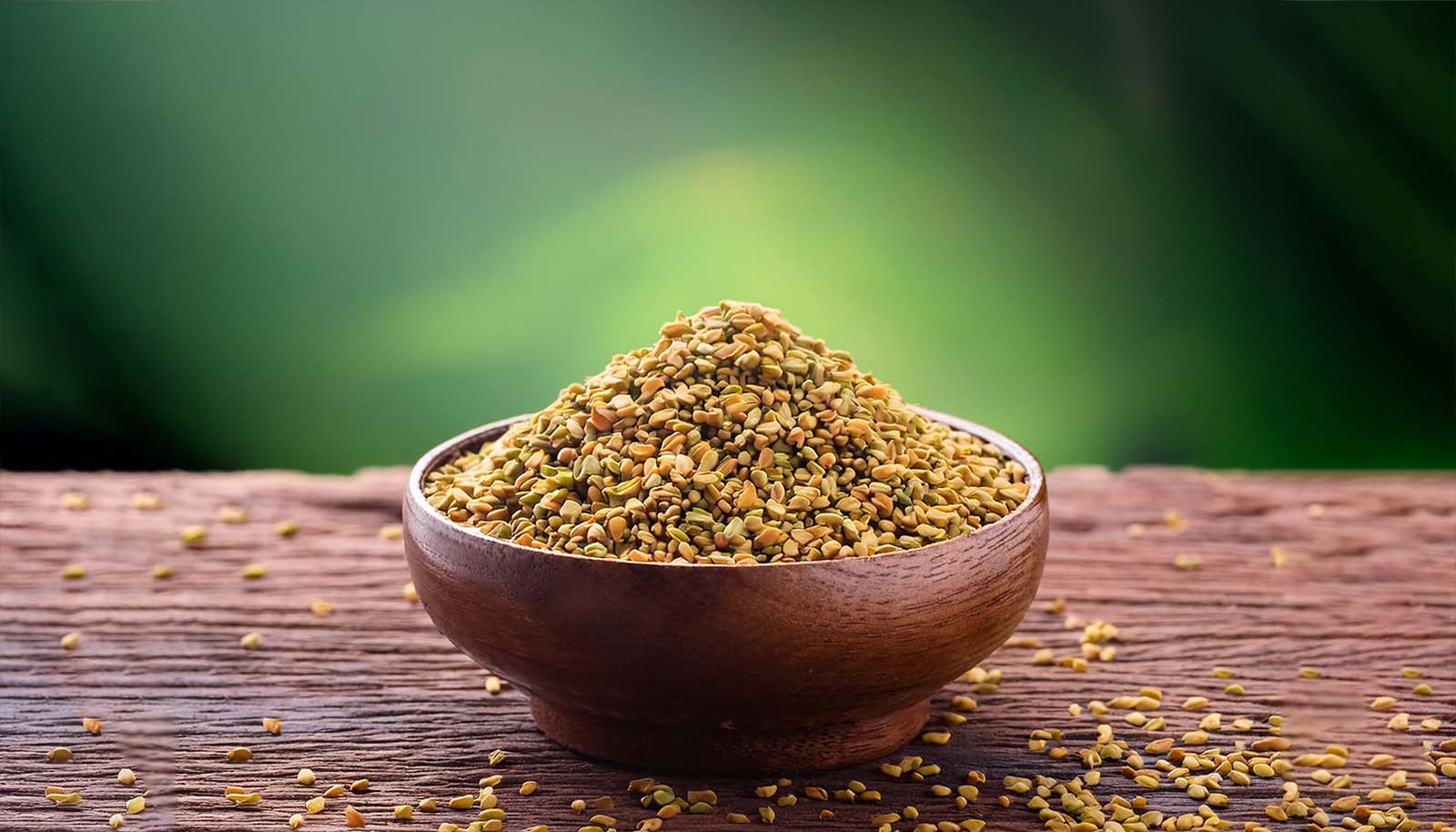
    Methi: The Mighty Seed That’s More Than Just a Spice

    We all know that fragrant, slightly bitter herb that adds a depth of flavor to curries – Methi, also known as fenugreek. But beyond its culinary uses, Methi packs a surprising punch of health benefits. Used extensively in Ayurveda, this tiny seed is a nutritional powerhouse waiting to be explored!

    From Kitchen to Wellness:

    Think of Methi as a tiny green capsule bursting with goodness! Here’s a glimpse of why it’s more than just a spice:

    Digestive Delight:

    Methi is a natural source of fiber, which keeps your digestive system running smoothly. It can aid digestion, soothe constipation, and even help regulate blood sugar by slowing down the absorption of carbs.

    Blood Sugar Balancing Act:

    Studies suggest Methi may have anti-diabetic properties. It might help improve insulin sensitivity and manage blood sugar levels, making it a potential ally for those with diabetes or pre-diabetes.

    Anti-Inflammatory All-Star:

    Methi boasts anti-inflammatory properties that can be beneficial for various conditions like arthritis and inflammatory bowel disease.

    Aiding Weight Management:

    Feeling full for longer can help with weight management. Methi’s fiber content can promote satiety, potentially curbing cravings and reducing overall calorie intake.

    Skin and Hair Friend:

    Methi might be a friend to your skin and hair too! It’s a good source of vitamins and minerals that contribute to healthy skin and hair growth.

    Methi Plant

    Unlocking the Power of Methi:

    Methi is a versatile ingredient that can be enjoyed in many ways:

    Spice Up Your Dishes:

    Sprinkle those fragrant seeds on curries, stir-fries, or roasted vegetables for a delicious and nutritious boost.

    Soak and Sip:

    Soaked fenugreek seeds can be consumed directly or brewed into a tea for a refreshing and potentially health-promoting drink.

    Supplement Power:

    Methi is also available in capsule or powder form, making it an easy way to incorporate its benefits into your daily routine.

    A Word of Caution:

    While Methi is generally safe for most people, it’s always a good idea to consult your doctor before making any significant changes to your diet or supplement routine, especially if you have any underlying health conditions or are pregnant.

    Nature’s Tiny Treasure:

    Methi, with its impressive nutritional profile and potential health benefits, is a tiny seed with a big impact. It’s a testament to the power of including natural ingredients in your diet and exploring the wisdom of ancient practices like Ayurveda. Remember, this information is for educational purposes only and shouldn’t replace professional medical advice. But hey, who knows? Methi might just become your new favorite kitchen and wellness companion!

  • Pranayama and Ayurveda for Mental Well-Being

    Pranayama and Ayurveda for Mental Well-Being

    Mental well-being is essential in today’s fast-paced world where stress and anxiety have become increasingly common. Ayurveda, the ancient Indian system of healing, and Pranayama, the practice of controlled breathing, offer effective solutions for achieving mental balance and peace. Together, they work by harmonizing the mind and body, reducing stress, and promoting clarity and calmness.

    The Ayurvedic Approach to Mental Health

    In Ayurveda, mental well-being is connected to the balance of the three doshas: Vata, Pitta, and Kapha. These doshas govern not only physical health but also mental states and emotions. Imbalances in any of the doshas can result in stress, anxiety, and mental fatigue.

    Vata Imbalance: Anxiety and Restlessness

    An aggravated Vata dosha is often linked to anxiety, nervousness, and overthinking. Vata is light, mobile, and airy in nature, which can lead to a scattered mind and feelings of unease.

    Pitta Imbalance: Irritability and Burnout

    When Pitta, the dosha associated with fire, is imbalanced, it can manifest as irritability, frustration, and mental burnout. Pitta imbalance can make it difficult to stay calm and focused.

    Kapha Imbalance: Lethargy and Depression

    Excessive Kapha, which is associated with heaviness and stagnation, can result in mental sluggishness, lethargy, and even depression. Balancing Kapha helps increase energy and mental clarity.

    Ayurveda offers solutions through lifestyle changes, diet, herbs, and specific practices like Pranayama to balance the doshas and support mental health.

    Pranayama: The Power of Breath for Mental Well-Being

    Pranayama is the practice of controlled breathing and is one of the key components of yoga and Ayurveda. It involves regulating the breath to balance the mind, reduce stress, and improve mental clarity. Each Pranayama technique works to balance the doshas and calm the nervous system, offering significant mental health benefits.

    How Pranayama Works for Mental Health

    • Calms the Nervous System: Pranayama activates the parasympathetic nervous system, which helps reduce stress and anxiety.
    • Balances Emotions: By regulating breath, Pranayama can help control mood swings, anger, and irritability.
    • Increases Oxygen Flow: Breathing exercises increase oxygen supply to the brain, enhancing mental clarity and focus.
    • Reduces Stress Hormones: Regular practice of Pranayama reduces the levels of cortisol, the hormone associated with stress.

    Pranayama and Ayurveda for Mental Well-Being

    Ayurvedic Pranayama Techniques for Mental Well-Being

    Different types of Pranayama techniques target specific mental imbalances, helping to calm the mind, boost focus, or relieve stress. Here are some of the most effective Pranayama practices for mental well-being according to Ayurveda.

    1. Nadi Shodhana (Alternate Nostril Breathing)

    Nadi Shodhana is one of the most powerful Pranayama techniques for balancing the mind and reducing stress. This practice involves breathing alternately through each nostril, which balances both hemispheres of the brain and harmonizes the doshas.

    • Benefits: Nadi Shodhana calms the nervous system, reduces anxiety, and improves concentration. It helps clear mental fog and enhances focus.
    • How to practice:
      • Sit in a comfortable position with your spine straight.
      • Close your right nostril with your thumb and inhale deeply through the left nostril.
      • Close the left nostril with your ring finger, release your thumb, and exhale through the right nostril.
      • Inhale through the right nostril, close it, and exhale through the left nostril.
      • Repeat for 5-10 minutes.

    2. Bhramari (Bee Breath)

    Bhramari, or Bee Breath, is a calming Pranayama technique that helps reduce anxiety and mental tension. The practice involves making a humming sound like a bee, which soothes the mind and promotes deep relaxation.

    • Benefits: Bhramari calms the mind, relieves stress, and reduces anger and frustration. It is particularly effective for calming an aggravated Pitta dosha.
    • How to practice:
      • Sit comfortably and close your eyes.
      • Take a deep breath in and, as you exhale, make a humming sound like a bee.
      • Focus on the sound vibrations in your head and body.
      • Continue for 5-7 rounds.

    3. Sheetali Pranayama (Cooling Breath)

    Sheetali Pranayama is a cooling breath technique that reduces mental stress and irritability, especially in individuals with a Pitta imbalance. It involves inhaling through a curled tongue, which cools both the body and the mind.

    • Benefits: Sheetali cools the mind, reduces anger, and helps calm the nerves. It is especially beneficial for Pitta-related mental stress.
    • How to practice:
      • Sit in a comfortable position and roll your tongue into a tube.
      • Inhale deeply through the curled tongue.
      • Close your mouth and exhale through your nose.
      • Repeat for 5-10 rounds.

    4. Ujjayi Pranayama (Ocean Breath)

    Ujjayi Pranayama, or Ocean Breath, is known for its soothing effect on the mind and body. It involves inhaling and exhaling through the nose while slightly constricting the throat, creating a sound like ocean waves.

    • Benefits: Ujjayi calms the mind, reduces anxiety, and helps improve focus. It is an excellent technique for grounding an overactive Vata dosha.
    • How to practice:
      • Sit comfortably and close your eyes.
      • Inhale deeply through your nose while gently contracting the back of your throat.
      • Exhale through your nose with the same throat contraction, creating a soft ocean-like sound.
      • Continue for 5-7 minutes.

    5. Kapalabhati (Skull Shining Breath)

    Kapalabhati is an energizing Pranayama technique that helps clear mental fog and invigorates the mind. It involves short, forceful exhalations followed by passive inhalations.

    • Benefits: Kapalabhati clears mental sluggishness, improves concentration, and energizes the brain. It is particularly useful for balancing Kapha dosha.
    • How to practice:
      • Sit in a comfortable position with your spine straight.
      • Take a deep breath in, and then forcefully exhale through the nose, pulling your abdomen inward.
      • Allow the inhalation to happen naturally.
      • Repeat this cycle for 20-30 rounds.

    Pranayama and Ayurveda for Mental Well-Being

    Combining Pranayama with Ayurvedic Lifestyle for Mental Health

    While Pranayama is powerful on its own, combining it with Ayurvedic practices can further enhance its benefits for mental well-being. Here are a few Ayurvedic recommendations to complement your Pranayama practice:

    1. Diet for Mental Clarity

    Following an Ayurvedic diet that balances the doshas can greatly impact mental well-being. For example:

    • Vata balancing foods: Warm, nourishing foods like soups, stews, and ghee help calm an overactive mind.
    • Pitta balancing foods: Cooling foods like cucumbers, coconut water, and leafy greens reduce mental irritability.
    • Kapha balancing foods: Light, energizing foods such as ginger tea, spices, and legumes reduce lethargy and promote mental alertness.

    2. Herbs for Mental Calmness

    Incorporating Ayurvedic herbs into your routine can support mental clarity and calmness. Herbs like Brahmi, Ashwagandha, and Shankhapushpi are known for their adaptogenic properties, helping the body handle stress and improving cognitive function.

    3. Meditation and Yoga

    Alongside Pranayama, practicing meditation and yoga can help stabilize the mind and maintain emotional balance. These practices enhance mindfulness and reduce mental chatter, making it easier to focus and stay calm.

    4. Dinacharya (Daily Routine)

    Following a regular daily routine, or Dinacharya, is crucial for mental stability. Having a structured routine helps calm Vata and reduce stress, which promotes overall mental well-being.

    Conclusion

    Pranayama and Ayurveda offer a holistic approach to mental well-being by addressing the root causes of stress, anxiety, and mental fatigue. Through the power of breath control and the wisdom of Ayurvedic practices, you can achieve mental clarity, reduce stress, and cultivate calmness in your life. Regular practice of Pranayama, combined with an Ayurvedic lifestyle, can help you achieve lasting mental balance and emotional resilience.
  • Managing Seasonal Allergies with Ayurveda

    Managing Seasonal Allergies with Ayurveda

    Seasonal allergies, also known as hay fever or allergic rhinitis, can significantly disrupt daily life with symptoms like sneezing, nasal congestion, itchy eyes, and headaches. Ayurveda, with its holistic approach, offers natural remedies to not only relieve allergy symptoms but also strengthen the immune system to prevent them from occurring in the first place. Ayurvedic treatments focus on balancing the doshas (Vata, Pitta, and Kapha) and cleansing the body to reduce the buildup of toxins, known as ama, which contribute to allergic reactions.

    Ayurvedic View on Seasonal Allergies

    In Ayurveda, allergies are linked to an imbalance of the doshas, particularly Kapha dosha, which governs mucus production. When Kapha becomes excessive due to factors such as diet, lifestyle, or seasonal changes, it leads to an accumulation of mucus in the respiratory tract, causing congestion and other allergy symptoms. Imbalances in Vata and Pitta can also trigger allergies, with Vata contributing to dryness and itchiness, and Pitta exacerbating inflammation and heat in the body.

    Common Causes of Seasonal Allergies

    • Exposure to allergens such as pollen, dust, and mold
    • Weak immune system and poor digestion
    • Unbalanced doshas, especially Kapha
    • Accumulation of toxins (Ama) in the body
    • Environmental factors such as pollution or seasonal changes

    Seasonal Allergies

    Ayurvedic Remedies for Seasonal Allergies

    1. Herbal Remedies for Allergy Relief

    Tulsi (Holy Basil)

    Benefits: Tulsi has natural anti-inflammatory and antihistamine properties, making it effective in managing respiratory symptoms such as congestion, sneezing, and cough. It helps in detoxifying the body and reducing Kapha-related imbalances.

    How to Use: Drink Tulsi tea regularly during allergy season or chew fresh Tulsi leaves to relieve congestion.

    Haridra (Turmeric)

    Benefits: Turmeric is a powerful anti-inflammatory herb that helps reduce the symptoms of allergies by balancing Pitta and Kapha doshas. Its active compound, curcumin, strengthens the immune system and acts as a natural antihistamine.

    How to Use: Add turmeric to your diet or drink warm turmeric milk to reduce inflammation and strengthen immunity.

    Mulethi (Licorice Root)

    Benefits: Mulethi soothes irritated airways, reduces inflammation, and helps clear mucus from the respiratory tract. It is especially useful for treating a sore throat, cough, and chest congestion.

    How to Use: Drink Mulethi tea or take it in powder form with warm water to ease respiratory symptoms.

    2. Nasal Irrigation (Jal Neti)

    Benefits: Jal Neti, a nasal cleansing technique, helps flush out allergens, dust, and mucus from the nasal passages, preventing congestion and irritation. It is particularly effective in managing hay fever and allergic rhinitis.

    How to Use: Use a neti pot filled with warm saline water to irrigate the nasal passages daily during allergy season.

    3. Pranayama (Breathing Exercises)

    Kapalbhati

    Benefits: Kapalbhati is a breathing exercise that helps clear the respiratory system of excess mucus and toxins. It is especially effective in balancing Kapha and improving lung function.

    How to Use: Practice Kapalbhati for 5-10 minutes daily in the morning to relieve allergy symptoms and improve respiratory health.

    Nadi Shodhana (Alternate Nostril Breathing)

    Benefits: This pranayama technique helps balance Vata and Kapha doshas while calming the mind and reducing stress. It is useful for alleviating congestion and soothing inflamed nasal passages.

    How to Use: Practice Nadi Shodhana for 5-10 minutes daily to clear nasal congestion and restore balance to the respiratory system.

    4. Ayurvedic Diet for Allergy Management

    Foods to Include:

    • Ginger: A warming herb that helps reduce Kapha and clears mucus from the respiratory tract.
    • Cumin, Coriander, and Fennel: These spices help improve digestion and reduce the buildup of toxins (Ama) that contribute to allergies.
    • Warm soups and herbal teas: Keep the body warm and hydrated, helping to expel mucus and prevent congestion.

    Foods to Avoid:

    • Cold and heavy foods: Dairy products, cold drinks, and processed foods can increase Kapha and worsen mucus production.
    • Sugar and fried foods: These foods increase inflammation and can aggravate allergy symptoms.

    5. Detoxification and Panchakarma

    Ayurveda recommends periodic detoxification to remove accumulated toxins (Ama) from the body, which can worsen allergy symptoms. Panchakarma, a cleansing therapy, helps eliminate toxins, balance the doshas, and improve immunity.

    How to Use: Consult an Ayurvedic practitioner for personalized Panchakarma treatments, such as Vamana (therapeutic vomiting) and Nasya (nasal cleansing), which are effective in treating respiratory issues and allergies.

    Seasonal Allergies

    Ayurvedic Lifestyle Tips to Prevent Allergies

    1. Daily Routine (Dinacharya)

    Following a daily routine that balances the doshas and supports immunity can help prevent seasonal allergies. Incorporate practices such as:

    • Abhyanga (Self-Oil Massage): Use warm sesame or mustard oil for daily oil massages to improve circulation and remove toxins.
    • Tongue Scraping: Use a tongue scraper to remove toxins and bacteria that accumulate overnight, which can contribute to allergies.

    2. Stay Hydrated

    Drinking warm water throughout the day helps thin mucus and flush out toxins from the body. Warm herbal teas, such as ginger or Tulsi tea, are especially beneficial during allergy season.

    3. Avoid Exposure to Allergens

    During allergy season, try to minimize exposure to common allergens like pollen by:

    • Staying indoors on windy days.
    • Using air purifiers in your home.
    • Wearing a mask if you need to be outdoors for long periods.

    Conclusion

    Ayurveda offers a holistic and natural approach to managing seasonal allergies by focusing on balancing the doshas, strengthening immunity, and reducing toxins in the body. By incorporating Ayurvedic herbs, pranayama, and a balanced diet, you can effectively reduce allergy symptoms and prevent them from recurring. With the right Ayurvedic practices, you can maintain optimal health and enjoy the changing seasons without discomfort.