Category: Mental Wellness

  • How Ashwagandha Boosts Energy and Lowers Stress: Unlocking Ayurvedic Wellness

    How Ashwagandha Boosts Energy and Lowers Stress: Unlocking Ayurvedic Wellness

    Feeling drained by endless to-do lists or overwhelmed by daily stress? You’re not alone. In today’s fast-paced world, fatigue and anxiety are common hurdles for students, professionals, and seniors alike. Enter Ashwagandha, a cornerstone of Ayurveda, India’s ancient healing system. Known as “Indian ginseng,” this powerful herb has been used for millennia to restore vitality and calm the mind. In this article, we’ll explore how Ashwagandha fights stress, supports stamina, and restores adrenal balance, backed by science and tradition. Ready to discover how Satrishi’s 100% herbal Ashwagandha can transform your wellness routine? Let’s dive in.


    What Is Ashwagandha? The Ayurvedic Powerhouse

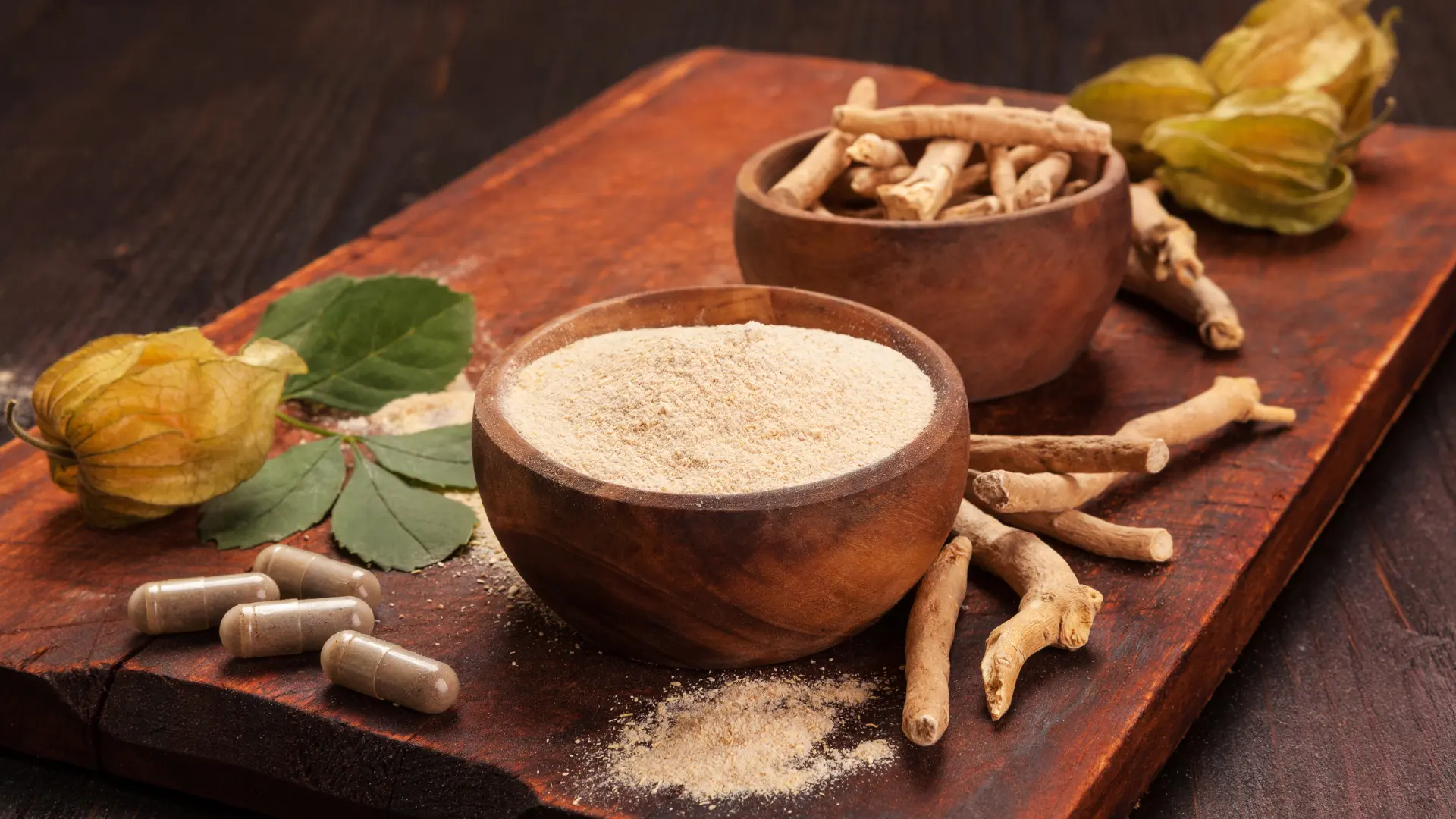
    Ashwagandha, or Withania somnifera, is a small shrub native to India, Southeast Asia, and parts of Africa. Its name, derived from Sanskrit, means “smell of the horse,” hinting at its unique aroma and its ability to impart strength and vitality. In Ayurveda, Ashwagandha is classified as a Rasayana—a rejuvenating tonic that promotes longevity, balances energy, and enhances overall well-being.

    The herb’s roots and leaves are packed with active compounds called withanolides, which drive its adaptogenic properties. Adaptogens help your body adapt to stress, whether it’s physical, mental, or emotional. This makes Ashwagandha a go-to remedy for modern challenges like burnout, sleeplessness, and low energy. At Satrishi, our Ashwagandha Powder is crafted to preserve these potent compounds, ensuring you get the full benefits of this time-honored herb.


    How Ashwagandha Fights Stress: A Natural Stress-Buster

    Stress is more than just a mental burden—it triggers physical responses like elevated cortisol, the body’s primary stress hormone. High cortisol levels can lead to anxiety, poor sleep, and even weight gain. Ashwagandha shines as a natural solution to manage stress by balancing cortisol and calming the nervous system.

    The Science Behind Stress Relief

    Research supports Ashwagandha’s stress-reducing effects. A 2021 study found that adults taking 250–600 mg of Ashwagandha extract daily for 8 weeks experienced significantly lower cortisol levels and reported reduced perceived stress compared to a placebo group. Another trial with 60 participants showed that 240 mg of Ashwagandha extract daily for 60 days reduced anxiety scores markedly. These findings highlight Ashwagandha’s ability to soothe both mind and body.

    Who Benefits Most?

    Ashwagandha is ideal for anyone juggling high-stress situations. Students facing exam pressure, professionals navigating tight deadlines, or parents balancing work and family can find relief. Its calming effects also make it a great choice for seniors dealing with age-related stress or sleep issues. By promoting a sense of calm, Ashwagandha helps you tackle challenges with clarity and composure.

    Explore Satrishi’s Ashwagandha Capsules for a convenient way to incorporate this stress-relieving herb into your daily routine.


    Boosting Energy and Stamina with Ashwagandha

    Low energy can make even simple tasks feel overwhelming. Ashwagandha supports stamina by enhancing physical endurance and mental alertness, making it a favorite among athletes, busy professionals, and anyone seeking a natural energy boost.

    Enhancing Physical Performance

    Studies suggest Ashwagandha improves cardiorespiratory endurance, measured by VO2 max (the body’s ability to use oxygen during exercise). A 2020 meta-analysis found that 600 mg of Ashwagandha daily for 8 weeks increased VO2 max by 9.5% in men and 7% in women, supporting better stamina for workouts or daily activities. This makes it perfect for fitness enthusiasts or those looking to stay active without feeling drained.

    Mental Energy and Focus

    Ashwagandha also sharpens mental clarity. A 2017 study showed that it improved memory and cognitive function in adults with mild cognitive impairment. For students cramming for exams or professionals needing sustained focus, Ashwagandha can provide a mental edge without the jitters of caffeine.

    Satrishi’s Ashwagandha Churna is a versatile powder you can mix into smoothies or warm milk for a daily energy boost.


    Restoring Adrenal Balance: Ashwagandha’s Role in Hormonal Health

    Your adrenal glands play a key role in managing stress and energy by producing hormones like cortisol and adrenaline. Chronic stress can overwork the adrenals, leading to fatigue, mood swings, and hormonal imbalances. Ashwagandha helps restore adrenal balance, supporting overall vitality.

    How It Works

    Ashwagandha’s adaptogenic properties regulate the hypothalamic-pituitary-adrenal (HPA) axis, which controls stress hormone production. By lowering cortisol, it prevents adrenal burnout and promotes hormonal harmony. A 2019 study found that Ashwagandha supplementation improved thyroid function by increasing T3 hormone levels, which is crucial for metabolism and energy.

    Untitled design 4 1


    Benefits for Specific Groups

    • Women: Ashwagandha may ease symptoms of menopause, such as mood swings and fatigue, by balancing hormones.

    • Men: Limited evidence suggests it can boost testosterone and improve sperm quality, supporting male reproductive health.

    •  

    • Seniors: By supporting thyroid function, Ashwagandha can help combat age-related fatigue and sluggishness.

    For a holistic approach to hormonal health, pair Ashwagandha with Satrishi’s Shatavari Powder, known for supporting women’s wellness.


    Additional Health Benefits of Ashwagandha

    Beyond stress relief and energy, Ashwagandha offers a range of benefits that align with Ayurvedic principles of holistic health.

    Supporting Sleep Quality

    Struggling to fall asleep? Ashwagandha’s botanical name, Withania somnifera, means “sleep-inducing,” reflecting its calming properties. A 2021 meta-analysis found that 300 mg of Ashwagandha twice daily improved sleep quality, especially in those with insomnia. Better sleep means more energy and resilience to face the day.

    Reducing Inflammation

    Chronic inflammation is linked to conditions like arthritis and heart disease. Ashwagandha’s withanolides have anti-inflammatory properties, reducing markers like C-reactive protein (CRP). A 2021 study showed that an Ayurvedic formulation with Ashwagandha lowered inflammatory markers in COVID-19 patients, suggesting its potential for broader immune support.

    Boosting Immunity

    Ayurveda values Ashwagandha for its immune-modulating effects. It enhances white blood cell activity, helping your body fight infections. This makes it a great addition for anyone looking to stay healthy year-round.

    Discover more about boosting immunity with Satrishi’s Giloy Powder in our blog on Ayurvedic Immunity Boosters.


    How to Use Ashwagandha for Maximum Benefits

    Ashwagandha is versatile and can be incorporated into your routine in various forms. Here’s how to use it effectively:

    Forms and Dosage

    • Powder: Mix 1/4–1/2 tsp of Satrishi’s Ashwagandha Powder into warm milk, water, or smoothies. Take once or twice daily, ideally on an empty stomach or before bed.

    • Capsules: Satrishi’s Ashwagandha Capsules are perfect for those on the go. Follow the recommended dosage (typically 1–2 capsules daily).

    • Tea: Steep Ashwagandha powder with honey or ghee for a soothing drink, especially before bedtime.

    Best Practices

    • Timing: Take Ashwagandha in the morning for energy or at night for relaxati on and sleep support.

    • Consistency: Effects may take 3–6 weeks to fully manifest, so use it regularly for best results.

    • Pairing: Combine with cooling herbs like Shatavari to balance its warming nature, especially for those with Pitta dosha.

    Always consult a healthcare provider to determine the right dosage for your needs, especially if you’re new to Ayurveda.


    Who Should Use Ashwagandha?

    Ashwagandha’s versatility makes it suitable for a wide audience:

    • Students: Enhances focus and reduces exam stress.

    • Professionals: Supports energy and resilience under work pressure.

    • Athletes: Boosts stamina and aids muscle recovery.

    • Seniors: Improves sleep, energy, and cognitive health.

    • Anyone Seeking Balance: Ideal for those looking to manage stress and improve overall wellness.


    Safety and Side Effects: What to Know

    While Ashwagandha is generally safe for most people, there are some precautions to consider:

    • Side Effects: In rare cases, high doses may cause digestive upset, nausea, or drowsiness. Start with a low dose and monitor your body’s response.

    • Contraindications: Avoid Ashwagandha if you’re pregnant, breastfeeding, or have autoimmune diseases like lupus or rheumatoid arthritis, as it may stimulate the immune system. It may also interact with medications for diabetes, thyroid, or blood pressure.

    • Quality Matters: Choose high-quality, third-party-tested supplements like Satrishi’s Ashwagandha to avoid contaminants like heavy metals, which some Ayurvedic products may contain.

    Always consult a healthcare professional before starting Ashwagandha, especially if you have pre-existing conditions or are on medication.


    FAQ: Your Questions About Ashwagandha Health Benefits Answered

    1. What are the main Ashwagandha health benefits?
    Ashwagandha health benefits include reducing stress and anxiety, boosting energy and stamina, improving sleep quality, and supporting hormonal balance. It’s also known for its anti-inflammatory and immune-boosting properties.

    2. How long does it take to see Ashwagandha health benefits?
    Most people notice Ashwagandha health benefits after 3–6 weeks of consistent use. Effects like reduced stress or improved energy may vary based on dosage and individual health.

    3. Is Ashwagandha safe for everyone to use for its health benefits?
    While Ashwagandha health benefits are well-documented, it’s not suitable for pregnant or breastfeeding women, those with autoimmune conditions, or people on certain medications. Consult a doctor first.

    4. How can I incorporate Ashwagandha health benefits into my routine?
    You can take Ashwagandha as a powder, capsule, or tea. Satrishi’s Ashwagandha Powder or Capsules can be taken daily with water or milk for stress relief and energy support.

    5. Can Ashwagandha health benefits help with sleep?
    Yes, Ashwagandha health benefits include improved sleep quality, especially for those with insomnia. Taking it before bed can promote relaxation and deeper rest.


    Why Choose Satrishi’s Ashwagandha?

    At Satrishi, we’re committed to bringing you 100% herbal, plant-based wellness solutions rooted in Ayurvedic wisdom. Our Ashwagandha products are sourced from premium-quality plants, standardized for high withanolide content, and rigorously tested for purity. Whether you prefer the traditional Ashwagandha Churna or convenient Ashwagandha Capsules, Satrishi ensures you get the full spectrum of this herb’s benefits.


    Conclusion: Embrace Vitality with Ashwagandha

    Ashwagandha is more than just an herb—it’s a time-tested ally for modern wellness challenges. From reducing stress and boosting energy to supporting sleep and hormonal balance, its benefits are backed by both Ayurveda and science. Whether you’re a student, professional, or senior, Ashwagandha can help you thrive in today’s demanding world. Ready to experience the power of this Ayurvedic gem? Try Satrishi’s Ashwagandha Capsule today and take the first step toward a calmer, more energized you.

    Alt Text Suggestions for Images:

    1. Image of Ashwagandha Plant: A vibrant Ashwagandha shrub with yellow flowers and red berries against a lush green background, showcasing its natural origins.

    2. Image of Satrishi Ashwagandha Powder: A jar of Satrishi Ashwagandha Powder on a wooden table with a glass of warm milk, emphasizing its traditional use in Ayurveda.

    3. Image of a Relaxed Person: A serene individual meditating in a peaceful setting, representing the stress-relieving benefits of Ashwagandha.

  • Ayurvedic Supplements for Students: Boosting Focus, Memory, and Energy

    Ayurvedic Supplements for Students: Boosting Focus, Memory, and Energy

    Exams looming, late-night study sessions, and the constant juggle of deadlines—sound familiar? Students today face immense pressure to perform, often battling stress, foggy focus, and low energy. Modern lifestyles, packed with distractions and digital overload, can make it hard to stay sharp. Enter Ayurveda, India’s ancient system of holistic wellness, offering time-tested herbal solutions to enhance cognitive function. At Satrishi, we believe nature holds the key to unlocking your brain’s potential. Our 100% herbal, plant-based supplements, rooted in Ayurvedic wisdom, are crafted to help students thrive. Let’s explore how ayurvedic herbs for brain health—like Brahmi, Shankhpushpi, and Ashwagandha—can boost focus, memory, and energy, naturally.

    Why Students Need Cognitive Support

    The student life is a whirlwind of mental demands. From memorizing complex concepts to staying alert during long lectures, your brain is constantly at work. Stress, poor sleep, and irregular diets can take a toll, leading to forgetfulness, lack of focus, and burnout. Ayurveda offers a holistic approach, addressing the root causes of these issues rather than masking symptoms. By nourishing the mind and body, ayurvedic herbs promote balance, helping students stay calm, focused, and energized.

    Satrishi’s range of herbal powders and capsules, like Brahmi Powder and Ashwagandha Capsules, are designed to support students in their academic journey. These herbs, known as Medhya Rasayana in Ayurveda, are revered for their brain-boosting properties. Let’s dive into the top three herbs that can transform your study game.

    Ayurvedic Supplements for Students Focus Memory Energy

    Brahmi: The Brain Tonic for Memory and Clarity

    What is Brahmi?

    Brahmi (Bacopa monnieri), a lush green herb found in India’s wetlands, is a cornerstone of Ayurvedic medicine. Known as a powerful Medhya Rasayana (brain tonic), it has been used for centuries to enhance cognitive function. Brahmi supports memory, learning, and mental clarity, making it a go-to for students.

    Benefits for Students

    Brahmi’s magic lies in its ability to strengthen nerve cell connections. Research suggests it increases the length of dendrites, the parts of neurons responsible for communication, improving memory retention and recall. A 2016 study published in Evidence-Based Complementary and Alternative Medicine found that Brahmi improved cognitive performance in healthy adults, enhancing attention and memory processing speed. For students, this means better retention during revision and sharper focus during exams.

    Brahmi also calms the mind, reducing anxiety—a common hurdle during high-pressure study periods. By soothing Vata and Pitta doshas, it promotes mental clarity without the jitters of caffeine.

    How to Use Brahmi

    Incorporate Brahmi into your routine with Satrishi’s Brahmi Powder. Mix a teaspoon into warm water or milk, or try it in a smoothie for a morning boost. For those who prefer convenience, Satrishi’s Brahmi Capsules are a great on-the-go option. Take it consistently for 4–6 weeks to notice improvements in focus and memory.

    Explore Satrishi’s Brahmi Powder at satrishi.com for a natural cognitive boost.

    Shankhpushpi: The Stress-Busting Memory Enhancer

    Understanding Shankhpushpi

    Shankhpushpi (Convolvulus prostratus) is a delicate flowering plant celebrated in Ayurveda for its calming and cognitive-enhancing effects. Often called the “student’s herb,” it’s a favorite for those preparing for exams or tackling demanding projects.

    Why It’s Great for Students

    Shankhpushpi is a natural stress reliever, helping students manage exam anxiety and mental fatigue. It supports cognitive functions like concentration and memory by calming the nervous system. According to a 2020 article on Netmeds, Shankhpushpi is a key Medhya Rasayana herb that enhances intelligence and learning skills while protecting against cognitive decline. Its soothing properties also promote restful sleep, crucial for memory consolidation.

    For students burning the midnight oil, Shankhpushpi can help maintain focus without overstimulation. It’s particularly effective for those who feel scattered or overwhelmed by multitasking.

    Practical Usage Tips

    Try Satrishi’s Shankhpushpi Powder mixed with honey or warm water before study sessions to enhance focus. For best results, take it in the morning or early evening to support mental clarity throughout the day. Consistency is key, so incorporate it into your daily routine.

    Visit satrishi.com to explore Shankhpushpi Capsules for easy integration into your busy student life.

    Ashwagandha: The Energy and Stress Balancer

    What Makes Ashwagandha Special?

    Ashwagandha (Withania somnifera), often dubbed the “king of adaptogens,” is a powerhouse herb for managing stress and boosting energy. Its name, meaning “strength of ten horses,” reflects its ability to promote vitality and resilience.

    Benefits for Academic Success

    Ashwagandha is a student’s ally against stress-induced burnout. Studies, like one published in Journal of Ethnopharmacology (2021), show that Ashwagandha reduces cortisol levels, the stress hormone that can impair memory and focus. By regulating cortisol, it helps students stay calm under pressure, whether it’s a looming deadline or a tough exam.

    Beyond stress relief, Ashwagandha supports sustained energy without the crash of stimulants. It enhances stamina, making it easier to power through long study sessions. Research from Healthline (2019) also suggests Ashwagandha boosts brain function by increasing levels of brain-derived neurotrophic factor (BDNF), a protein linked to learning and memory.

    How to Incorporate Ashwagandha

    Satrishi’s Ashwagandha Powder can be added to warm milk or a smoothie for a soothing evening ritual. For convenience, try Satrishi’s Ashwagandha Capsules, perfect for students on the move. Take it in the evening to promote restful sleep and wake up refreshed.

    Check out Satrishi’s Ashwagandha Capsules at satrishi.com to support your energy and stress management.

    Why Ayurveda is Ideal for Students

    Ayurveda takes a holistic approach, addressing the mind, body, and spirit. Unlike synthetic stimulants, ayurvedic herbs work synergistically with your body, offering long-term benefits without harsh side effects. For students, this means improved focus, better memory retention, and sustained energy to tackle academic challenges.

    Real-World Applications

    • Exam Preparation: Brahmi and Shankhpushpi enhance memory and concentration, helping you retain complex concepts.

    • Stress Management: Ashwagandha reduces anxiety, keeping you calm during high-pressure moments.

    • Energy Boost: These herbs provide steady energy, avoiding the crashes associated with caffeine or energy drinks.

    • Sleep Support: Proper rest is critical for learning. Shankhpushpi and Ashwagandha promote restful sleep, aiding memory consolidation.

    Satrishi’s herbal supplements are crafted with purity in mind, ensuring you get the full benefits of these time-tested herbs. Whether you’re a high school student, college undergrad, or preparing for competitive exams, these herbs can support your academic journey.

    Learn more about Ayurvedic lifestyle tips in our blog at satrishi.com/blog.

    Beyond Students: Who Else Can Benefit?

    While students are the primary focus, these ayurvedic herbs for brain health benefit a wider audience:

    • Seniors: Brahmi and Shankhpushpi support cognitive health, potentially slowing age-related memory decline. Research from PubMed (2013) highlights Brahmi’s role in enhancing memory in older adults.

    • Professionals: Ashwagandha’s stress-relieving properties help working individuals manage mental fatigue and stay productive.

    • Athletes: Ashwagandha boosts stamina and recovery, supporting both mental and physical performance.

    Satrishi’s herbal powders and capsules are versatile, making them suitable for anyone seeking mental clarity and vitality.

    Cautions and Side Effects

    While ayurvedic herbs are generally safe, moderation is key. Here are some precautions:

    • Brahmi: May cause mild digestive upset in some individuals. Start with a small dose and consult a healthcare provider if you’re on medication.

    • Shankhpushpi: Safe for most, but excessive use may lead to drowsiness. Stick to recommended doses.

    • Ashwagandha: Avoid if you have hyperthyroidism or are pregnant unless advised by a doctor. A 2021 study in Journal of Ethnopharmacology notes rare cases of gastrointestinal discomfort.

    Always consult a healthcare professional before starting any supplement, especially if you have pre-existing conditions or are on medication. Satrishi’s products are 100% natural, but individual responses may vary.

    FAQ: Ayurvedic Herbs for Brain Health

    1. What are the best ayurvedic herbs for brain health?
    Brahmi, Shankhpushpi, and Ashwagandha are top choices. Brahmi enhances memory, Shankhpushpi boosts focus, and Ashwagandha reduces stress, all supporting cognitive health.

    2. How long do ayurvedic herbs for brain take to work?
    Results vary, but consistent use for 4–8 weeks often yields noticeable improvements in focus, memory, and energy, as per studies in Evidence-Based Complementary and Alternative Medicine.

    3. Are ayurvedic herbs for brain safe for students?
    Yes, when taken in recommended doses. Satrishi’s herbal supplements are 100% natural and safe for most students, but consult a doctor if you have health concerns.

    4. Can I combine ayurvedic herbs for brain health?
    Combining Brahmi, Shankhpushpi, and Ashwagandha is common in Ayurveda for synergistic effects. Satrishi’s formulations ensure safe, balanced blends.

    5. Where can I buy quality ayurvedic herbs for brain health?
    Satrishi offers premium, 100% herbal Brahmi, Shankhpushpi, and Ashwagandha supplements. Visit satrishi.com to explore our range.

    Integrating Ayurveda into Your Student Life

    To maximize the benefits of these herbs, pair them with Ayurvedic lifestyle practices:

    • Morning Routine: Start your day with Brahmi Powder in warm water to kickstart focus. Practice 5–10 minutes of meditation to center your mind.

    • Study Habits: Take Shankhpushpi before study sessions to enhance concentration. Keep your study space clutter-free to align with Vata balance.

    • Evening Wind-Down: Use Ashwagandha in the evening to relax and promote restful sleep. Avoid screens an hour before bed to support cognitive recovery.

    For more tips, check out our blog on “Ayurvedic Lifestyle for Students” at satrishi.com/blog.

    The Science Behind Ayurvedic Herbs

    Ayurveda’s efficacy is increasingly backed by science. A 2018 study in Evidence-Based Complementary and Alternative Medicine found that Brahmi improves cognitive function by enhancing neural communication. Shankhpushpi’s calming effects are linked to its impact on the nervous system, reducing stress-induced cognitive impairment (Netmeds, 2021). Ashwagandha’s adaptogenic properties lower cortisol, with a 2021 Journal of Ethnopharmacology study confirming its role in stress reduction and memory enhancement.

    These herbs work holistically, supporting the brain while balancing the body’s energies. Satrishi’s commitment to purity ensures you get the full potency of these herbs, sourced sustainably and tested for quality.

    Why Choose Satrishi?

    Satrishi is dedicated to bringing authentic Ayurvedic wellness to your doorstep. Our 100% herbal, plant-based supplements are crafted with care, adhering to traditional formulations while meeting modern standards. Whether you’re a student aiming to ace exams or someone seeking mental clarity, our Brahmi, Shankhpushpi, and Ashwagandha products are designed to support your goals.

    Browse our full range of herbal supplements at satrishi.com/products.

    Conclusion: Empower Your Mind with Satrishi’s Ayurvedic Supplements

    In the fast-paced world of academics, staying focused, energized, and stress-free is a game-changer. Ayurvedic herbs for brain health—Brahmi, Shankhpushpi, and Ashwagandha—offer a natural, holistic way to boost memory, sharpen focus, and sustain energy. Backed by centuries of wisdom and modern research, these herbs are a student’s secret weapon for success. Satrishi’s premium herbal powders and capsules make it easy to integrate Ayurveda into your daily routine.

    Image Credit: Canva

  • Pranayama and Ayurveda for Mental Well-Being

    Pranayama and Ayurveda for Mental Well-Being

    Mental well-being is essential in today’s fast-paced world where stress and anxiety have become increasingly common. Ayurveda, the ancient Indian system of healing, and Pranayama, the practice of controlled breathing, offer effective solutions for achieving mental balance and peace. Together, they work by harmonizing the mind and body, reducing stress, and promoting clarity and calmness.

    The Ayurvedic Approach to Mental Health

    In Ayurveda, mental well-being is connected to the balance of the three doshas: Vata, Pitta, and Kapha. These doshas govern not only physical health but also mental states and emotions. Imbalances in any of the doshas can result in stress, anxiety, and mental fatigue.

    Vata Imbalance: Anxiety and Restlessness

    An aggravated Vata dosha is often linked to anxiety, nervousness, and overthinking. Vata is light, mobile, and airy in nature, which can lead to a scattered mind and feelings of unease.

    Pitta Imbalance: Irritability and Burnout

    When Pitta, the dosha associated with fire, is imbalanced, it can manifest as irritability, frustration, and mental burnout. Pitta imbalance can make it difficult to stay calm and focused.

    Kapha Imbalance: Lethargy and Depression

    Excessive Kapha, which is associated with heaviness and stagnation, can result in mental sluggishness, lethargy, and even depression. Balancing Kapha helps increase energy and mental clarity.

    Ayurveda offers solutions through lifestyle changes, diet, herbs, and specific practices like Pranayama to balance the doshas and support mental health.

    Pranayama: The Power of Breath for Mental Well-Being

    Pranayama is the practice of controlled breathing and is one of the key components of yoga and Ayurveda. It involves regulating the breath to balance the mind, reduce stress, and improve mental clarity. Each Pranayama technique works to balance the doshas and calm the nervous system, offering significant mental health benefits.

    How Pranayama Works for Mental Health

    • Calms the Nervous System: Pranayama activates the parasympathetic nervous system, which helps reduce stress and anxiety.
    • Balances Emotions: By regulating breath, Pranayama can help control mood swings, anger, and irritability.
    • Increases Oxygen Flow: Breathing exercises increase oxygen supply to the brain, enhancing mental clarity and focus.
    • Reduces Stress Hormones: Regular practice of Pranayama reduces the levels of cortisol, the hormone associated with stress.

    Pranayama and Ayurveda for Mental Well-Being

    Ayurvedic Pranayama Techniques for Mental Well-Being

    Different types of Pranayama techniques target specific mental imbalances, helping to calm the mind, boost focus, or relieve stress. Here are some of the most effective Pranayama practices for mental well-being according to Ayurveda.

    1. Nadi Shodhana (Alternate Nostril Breathing)

    Nadi Shodhana is one of the most powerful Pranayama techniques for balancing the mind and reducing stress. This practice involves breathing alternately through each nostril, which balances both hemispheres of the brain and harmonizes the doshas.

    • Benefits: Nadi Shodhana calms the nervous system, reduces anxiety, and improves concentration. It helps clear mental fog and enhances focus.
    • How to practice:
      • Sit in a comfortable position with your spine straight.
      • Close your right nostril with your thumb and inhale deeply through the left nostril.
      • Close the left nostril with your ring finger, release your thumb, and exhale through the right nostril.
      • Inhale through the right nostril, close it, and exhale through the left nostril.
      • Repeat for 5-10 minutes.

    2. Bhramari (Bee Breath)

    Bhramari, or Bee Breath, is a calming Pranayama technique that helps reduce anxiety and mental tension. The practice involves making a humming sound like a bee, which soothes the mind and promotes deep relaxation.

    • Benefits: Bhramari calms the mind, relieves stress, and reduces anger and frustration. It is particularly effective for calming an aggravated Pitta dosha.
    • How to practice:
      • Sit comfortably and close your eyes.
      • Take a deep breath in and, as you exhale, make a humming sound like a bee.
      • Focus on the sound vibrations in your head and body.
      • Continue for 5-7 rounds.

    3. Sheetali Pranayama (Cooling Breath)

    Sheetali Pranayama is a cooling breath technique that reduces mental stress and irritability, especially in individuals with a Pitta imbalance. It involves inhaling through a curled tongue, which cools both the body and the mind.

    • Benefits: Sheetali cools the mind, reduces anger, and helps calm the nerves. It is especially beneficial for Pitta-related mental stress.
    • How to practice:
      • Sit in a comfortable position and roll your tongue into a tube.
      • Inhale deeply through the curled tongue.
      • Close your mouth and exhale through your nose.
      • Repeat for 5-10 rounds.

    4. Ujjayi Pranayama (Ocean Breath)

    Ujjayi Pranayama, or Ocean Breath, is known for its soothing effect on the mind and body. It involves inhaling and exhaling through the nose while slightly constricting the throat, creating a sound like ocean waves.

    • Benefits: Ujjayi calms the mind, reduces anxiety, and helps improve focus. It is an excellent technique for grounding an overactive Vata dosha.
    • How to practice:
      • Sit comfortably and close your eyes.
      • Inhale deeply through your nose while gently contracting the back of your throat.
      • Exhale through your nose with the same throat contraction, creating a soft ocean-like sound.
      • Continue for 5-7 minutes.

    5. Kapalabhati (Skull Shining Breath)

    Kapalabhati is an energizing Pranayama technique that helps clear mental fog and invigorates the mind. It involves short, forceful exhalations followed by passive inhalations.

    • Benefits: Kapalabhati clears mental sluggishness, improves concentration, and energizes the brain. It is particularly useful for balancing Kapha dosha.
    • How to practice:
      • Sit in a comfortable position with your spine straight.
      • Take a deep breath in, and then forcefully exhale through the nose, pulling your abdomen inward.
      • Allow the inhalation to happen naturally.
      • Repeat this cycle for 20-30 rounds.

    Pranayama and Ayurveda for Mental Well-Being

    Combining Pranayama with Ayurvedic Lifestyle for Mental Health

    While Pranayama is powerful on its own, combining it with Ayurvedic practices can further enhance its benefits for mental well-being. Here are a few Ayurvedic recommendations to complement your Pranayama practice:

    1. Diet for Mental Clarity

    Following an Ayurvedic diet that balances the doshas can greatly impact mental well-being. For example:

    • Vata balancing foods: Warm, nourishing foods like soups, stews, and ghee help calm an overactive mind.
    • Pitta balancing foods: Cooling foods like cucumbers, coconut water, and leafy greens reduce mental irritability.
    • Kapha balancing foods: Light, energizing foods such as ginger tea, spices, and legumes reduce lethargy and promote mental alertness.

    2. Herbs for Mental Calmness

    Incorporating Ayurvedic herbs into your routine can support mental clarity and calmness. Herbs like Brahmi, Ashwagandha, and Shankhapushpi are known for their adaptogenic properties, helping the body handle stress and improving cognitive function.

    3. Meditation and Yoga

    Alongside Pranayama, practicing meditation and yoga can help stabilize the mind and maintain emotional balance. These practices enhance mindfulness and reduce mental chatter, making it easier to focus and stay calm.

    4. Dinacharya (Daily Routine)

    Following a regular daily routine, or Dinacharya, is crucial for mental stability. Having a structured routine helps calm Vata and reduce stress, which promotes overall mental well-being.

    Conclusion

    Pranayama and Ayurveda offer a holistic approach to mental well-being by addressing the root causes of stress, anxiety, and mental fatigue. Through the power of breath control and the wisdom of Ayurvedic practices, you can achieve mental clarity, reduce stress, and cultivate calmness in your life. Regular practice of Pranayama, combined with an Ayurvedic lifestyle, can help you achieve lasting mental balance and emotional resilience.

  • The Ayurvedic Approach to Stress Management and Mental Well-being

    The Ayurvedic Approach to Stress Management and Mental Well-being

    Finding Your Calm: An Ayurvedic Guide to De-stressing

    Feeling overwhelmed? Like life’s turned up the pressure a notch (or ten)? In our fast-paced world, stress is a constant companion for many. But what if there was a way to manage it naturally, a way that brings your mind, body, and spirit back into harmony? Enter Ayurveda, the ancient Indian system of holistic healing, with its treasure trove of stress-busting techniques.

    Understanding Your Dosha: The Root of the Matter

    Ayurveda believes everyone has a unique mind-body constitution, called a dosha. These doshas – Vata (air), Pitta (fire), and Kapha (earth and water) – influence our physical and emotional tendencies. When stressed, our doshas can become imbalanced, leading to anxiety, fatigue, and even physical ailments. The key to managing stress according to Ayurveda? Rebalancing your dosha!

    Vata Blues? Feeling scattered and anxious? You might be a Vata dominant. Focus on grounding routines – regular sleep schedules, calming evening walks, and warm, nourishing meals like soups and stews. Consider massages with calming oils like sesame or coconut.

    Pitta on Fire? Does stress make you irritable and hypercritical? You could have Pitta tendencies. Embrace cooling practices – meditation, gentle yoga, and cooling foods like cucumber and melons. Avoid spicy foods and stimulants like caffeine, which can further aggravate Pitta.

    Kapha Feeling Sluggish? Does stress make you lethargic and unmotivated? Kapha might be your dominant dosha. Lighten things up! Engage in activities that get your energy flowing – brisk walks, stimulating conversations, and lighter meals with plenty of spices.


    Living Ayurvedically for a Calmer You

    Beyond understanding your dosha, here are some simple yet powerful Ayurvedic practices to incorporate into your daily life for better stress management:

    Dinacharya: The Power of Routine – Ayurveda emphasizes the importance of a daily routine (Dinacharya). Waking up and going to bed at consistent times, regular meals, and carving out time for relaxation all contribute to a sense of calm and stability.

    Yoga and Pranayama: Breathe and Move Your Way to Peace – Gentle yoga postures and breathing exercises (Pranayama) are fantastic tools for stress relief. Yoga helps release tension, while Pranayama calms the mind and improves oxygen flow, promoting a sense of inner peace.

    Meditation: Finding Stillness in the Storm – Taking a few minutes each day to simply be present can do wonders for stress management. Meditation helps quiet the mind, cultivate focus, and promote emotional resilience.

    Abhyanga: Self-care with Oil – This ancient Ayurvedic practice involves massaging your body with warm oil. It not only promotes relaxation but also improves circulation and eliminates toxins.

    Herbal Allies: Nature’s Stress Busters – Certain herbs like Ashwagandha, known as an adaptogen, can help the body adapt to stress, while others like Brahmi promote mental clarity and relaxation. Remember, consulting with an Ayurvedic practitioner is recommended before starting any herbal remedies.


    Remember: Stress management is a journey, not a destination. Be kind to yourself, incorporate these practices gradually, and celebrate your progress. With a little Ayurveda in your life, you can find your inner calm and navigate life’s stressors with greater ease and grace.

  • Ayurvedic Herbs to Support Mental Clarity and Calmness

    Ayurvedic Herbs to Support Mental Clarity and Calmness

    Maintaining mental clarity and calmness can be challenging, especially with the fast pace of modern life. Ayurveda, an ancient Indian healing system, offers natural remedies that help balance the mind and body. Ayurvedic herbs have been used for centuries to promote mental clarity, reduce stress, and cultivate calmness. These herbs work by balancing the three doshas—Vata, Pitta, and Kapha—restoring equilibrium and supporting cognitive function.

    How Ayurvedic Herbs Support Mental Clarity

    Ayurvedic herbs known as Medhya Rasayana are traditionally used to enhance cognitive function, memory, and concentration. These herbs are also known for their adaptogenic properties, helping the body cope with stress, anxiety, and mental fatigue. They improve mental clarity by nourishing the brain, supporting neurotransmitter function, and balancing the nervous system.

    Brahmi: The Brain Tonic

    Brahmi (Bacopa monnieri) is one of the most well-known Ayurvedic herbs for improving cognitive function. It has long been used to support memory, concentration, and overall brain health.

    • Benefits: Brahmi enhances memory, improves concentration, and reduces mental fatigue. It also helps lower stress and anxiety levels by calming the nervous system.
    • How it works: Brahmi increases blood flow to the brain and supports the production of neurotransmitters that are essential for cognitive function. It is an excellent herb for reducing mental fog and enhancing clarity.

    Ashwagandha: The Stress Reliever

    Ashwagandha (Withania somnifera) is an adaptogenic herb that helps the body adapt to stress and maintain mental balance. It is often used to promote mental clarity and emotional stability, especially during times of stress.

    • Benefits: Ashwagandha reduces cortisol levels, which helps decrease stress and anxiety. It also improves cognitive function, particularly in individuals experiencing mental fatigue.
    • How it works: By regulating the body’s stress response and supporting adrenal health, Ashwagandha helps maintain a calm and focused mind, preventing stress from clouding mental clarity.

    Shankhapushpi: The Memory Enhancer

    Shankhapushpi (Convolvulus pluricaulis) is a powerful herb for supporting memory and mental clarity. It has a calming effect on the nervous system, making it ideal for improving focus and reducing mental distractions.

    • Benefits: Shankhapushpi enhances learning ability, sharpens memory, and promotes mental relaxation. It is especially useful for calming an overactive mind and reducing stress-induced distractions.
    • How it works: This herb improves the brain’s ability to retain and recall information while simultaneously calming the mind, making it easier to concentrate on tasks.

    Gotu Kola: The Brain Revitalizer

    Gotu Kola (Centella asiatica) is another revered Ayurvedic herb for improving mental clarity and focus. It is known for its ability to enhance cognitive function and reduce stress, making it particularly useful for balancing both Vata and Pitta doshas.

    • Benefits: Gotu Kola improves mental clarity, sharpens memory, and supports calmness. It also has neuroprotective properties that help reduce brain fog and mental fatigue.
    • How it works: Gotu Kola enhances circulation, particularly to the brain, which increases oxygen flow and mental sharpness. It is also known to support the regeneration of brain cells, promoting long-term brain health.

    Jatamansi: The Calming Herb

    Jatamansi (Nardostachys jatamansi) is a potent herb for promoting mental relaxation and emotional balance. It is particularly effective for reducing anxiety, promoting sleep, and calming an overactive mind.

    • Benefits: Jatamansi helps reduce stress, calms the mind, and promotes restful sleep. It is an excellent herb for people dealing with anxiety, insomnia, and restlessness.
    • How it works: Jatamansi acts as a natural sedative, calming the nervous system and promoting relaxation. It is especially beneficial for calming an aggravated Vata dosha, which often leads to anxiety and restlessness.

    Tulsi (Holy Basil): The Adaptogen

    Tulsi (Ocimum sanctum), also known as Holy Basil, is an adaptogenic herb with powerful calming and anti-anxiety properties. It helps the body cope with stress and supports mental clarity by reducing the impact of stress on the brain.

    • Benefits: Tulsi reduces anxiety, calms the mind, and enhances focus. It also supports immunity and overall vitality, making it a versatile herb for balancing mental and physical health.
    • How it works: Tulsi lowers cortisol levels and promotes mental calmness. By helping the body adapt to stress, it prevents mental fatigue and distraction, allowing for better focus and clarity.

    Vacha: The Cognitive Enhancer

    Vacha (Acorus calamus) is another Ayurvedic herb used to promote mental clarity and enhance cognitive function. It is particularly useful for improving concentration and sharpening memory.

    • Benefits: Vacha enhances mental clarity, sharpens focus, and improves memory retention. It is often used to clear mental fog and reduce distraction.
    • How it works: Vacha has stimulating properties that enhance the functioning of the nervous system, improving concentration and preventing mental sluggishness. It is especially useful for individuals with Kapha imbalances, who may experience slow cognitive processing.

    Ayurvedic Herbs to Support Mental Clarity and Calmness

    How to Incorporate Ayurvedic Herbs for Mental Clarity and Calmness

    Incorporating Ayurvedic herbs into your daily routine can be easy and beneficial for both short-term and long-term mental health. Here are some practical ways to use these herbs:

    Herbal Teas and Infusions

    Many Ayurvedic herbs can be consumed as teas or infusions. Brahmi, Tulsi, and Gotu Kola make excellent teas that can be enjoyed daily to promote mental clarity and calmness.

    Herbal Supplements

    Ayurvedic herbs are available in various forms, including powders, capsules, and tinctures. Ashwagandha, Jatamansi, and Shankhapushpi are often consumed as supplements to support long-term mental health.

    Nasya (Nasal Oil Therapy)

    Nasya involves applying medicated oils into the nostrils, which helps calm the mind and enhance mental clarity. Herbal oils infused with Brahmi or Vacha are ideal for this practice.

    Diet and Lifestyle Adjustments

    In addition to taking Ayurvedic herbs, maintaining a balanced diet and lifestyle is crucial for mental clarity and calmness. Incorporating grounding foods, regular sleep patterns, and mindfulness practices like meditation and yoga can significantly enhance the effects of Ayurvedic herbs.

    Conclusion

    Ayurvedic herbs provide a natural and effective way to support mental clarity and calmness. Whether you’re dealing with stress, anxiety, or difficulty concentrating, herbs like Brahmi, Ashwagandha, Gotu Kola, and Tulsi can help restore balance to the mind and body. By integrating these herbs into your daily routine and complementing them with a balanced lifestyle, you can experience enhanced mental clarity, focus, and a sense of calm that supports overall well-being.

  • Improving Focus and Concentration with Ayurvedic Practices

    Improving Focus and Concentration with Ayurvedic Practices

    In today’s world, staying focused and maintaining concentration can be challenging due to constant distractions and high stress levels. Ayurveda, the ancient Indian system of medicine, offers a holistic approach to improving mental clarity and focus by balancing the mind, body, and spirit. Ayurvedic practices emphasize nurturing the brain, calming the nervous system, and aligning the body’s energy to improve concentration and mental sharpness.

    Ayurvedic View on Focus and Concentration

    In Ayurveda, focus and concentration are linked to the balanced functioning of the three doshas: Vata, Pitta, and Kapha. Mental clarity and sharpness come from a harmonious interaction between these doshas, especially the balance of the Pitta dosha, which governs intellect and concentration. When the doshas are imbalanced, especially Vata, it can lead to restlessness, distraction, and mental fatigue.

    Vata Imbalance and Lack of Focus

    Vata’s light, airy, and mobile nature can lead to scattered thoughts and a lack of concentration when it is aggravated. Grounding practices are essential to help soothe an overactive Vata.

    Pitta Imbalance and Mental Burnout

    Excess Pitta, which has fiery qualities, can lead to overworking, burnout, and irritability, making it difficult to maintain sustained focus. Cooling and calming techniques are ideal for balancing Pitta.

    Kapha Imbalance and Mental Sluggishness

    Too much Kapha can result in mental sluggishness, lethargy, and difficulty in concentrating. Stimulating and energizing techniques are recommended to invigorate a sluggish mind.

    Improving Focus and Concentration with Ayurvedic Practices

    Ayurvedic Techniques for Improving Focus and Concentration

    Ayurveda offers a range of natural techniques to improve focus and concentration by balancing the doshas and nurturing the brain. These techniques involve lifestyle changes, mental exercises, and the use of specific herbs and practices to support cognitive function.

    1. Medhya Rasayana: Ayurvedic Herbs for the Mind

    Medhya Rasayana refers to a group of Ayurvedic herbs that are known for their brain-boosting and rejuvenating properties. These herbs support cognitive function, improve memory, and enhance concentration.

    • Brahmi: Known as a powerful brain tonic, Brahmi improves memory, sharpens intellect, and promotes mental clarity. It also helps reduce stress and anxiety, which can interfere with focus.
    • Shankhapushpi: This herb is highly revered for its ability to enhance learning capacity, reduce mental fatigue, and calm the mind. It supports both focus and mental stamina.
    • Ashwagandha: This adaptogenic herb helps the brain cope with stress, reducing mental fatigue and improving concentration. It enhances energy levels and resilience, helping the mind stay sharp.
    • Gotu Kola: Gotu Kola is known for its ability to improve mental clarity and blood circulation to the brain. It helps reduce brain fog and increase alertness.

    2. Nasya: Nasal Oil Therapy for Mental Clarity

    Nasya is an Ayurvedic technique that involves the administration of medicated oils through the nose. This practice helps improve mental clarity and concentration by nourishing the brain and calming the nervous system.

    • How it helps: Nasya helps clear blockages in the head region and promotes oxygen flow to the brain. This can enhance focus and mental sharpness, especially in individuals with high Vata imbalances.
    • How to do it: Warm a few drops of medicated oil like Brahmi or Anu oil and administer it in each nostril. Gently inhale to allow the oil to penetrate deeply. Nasya is best done in the morning or before studying.

    3. Pranayama: Breathing Techniques for Focus

    Pranayama, or controlled breathing, helps calm the mind, balance the doshas, and improve mental clarity. Specific breathing exercises are designed to increase oxygen flow to the brain, supporting concentration and focus.

    • Nadi Shodhana (Alternate Nostril Breathing): This technique balances both hemispheres of the brain and calms the nervous system. It enhances focus, mental clarity, and reduces anxiety.
    • Bhramari (Bee Breath): This technique involves humming like a bee while exhaling. Bhramari soothes the mind, reduces distractions, and promotes deep focus.

    4. Dinacharya: Following a Daily Routine

    Following a regular daily routine, or Dinacharya, helps create mental stability and enhances focus. A well-structured routine provides the mind with consistency and reduces the stress of constant decision-making.

    • Wake up early: Ayurveda recommends waking up before sunrise, during the Vata time of day, when the mind is most alert and clear. This helps set a productive and focused tone for the day.
    • Eat nourishing meals: Regular meals with grounding foods, such as cooked grains, vegetables, and ghee, help stabilize Vata and provide the brain with the energy it needs to concentrate.
    • Sleep hygiene: Ensure a good night’s sleep by going to bed by 10 PM to avoid overstimulation of the mind. A rested brain is essential for maintaining focus and sharpness.

    5. Yoga: Asanas to Sharpen the Mind

    Yoga postures can help improve focus and concentration by calming the nervous system and promoting mental stillness. These poses stimulate blood flow to the brain, reduce tension, and support cognitive function.

    • Balasana (Child’s Pose): This restorative pose helps calm the mind and reduce mental chatter, making it easier to focus.
    • Sirsasana (Headstand): This inversion increases blood flow to the brain, boosting mental clarity and concentration.
    • Tadasana (Mountain Pose): A simple yet powerful posture that helps ground the body and mind, Tadasana improves balance, focus, and presence.

    6. Mindful Meditation for Mental Clarity

    Meditation is a powerful practice in Ayurveda for improving focus and concentration. By training the mind to remain present, meditation helps reduce distractions and enhances mental endurance.

    • How it helps: Meditation encourages mindfulness, which is essential for staying focused on the task at hand. It also reduces stress, which can impair concentration.
    • Simple meditation practice: Start with 5–10 minutes of meditation daily. Sit comfortably, close your eyes, and focus on your breath. When the mind wanders, gently bring your attention back to the breath.

    7. Ayurvedic Diet for Enhancing Focus

    A balanced diet plays a crucial role in supporting mental function. Ayurvedic nutrition emphasizes foods that nourish the brain and support cognitive health.

    • Vata-calming foods: Warm, grounding foods like cooked vegetables, rice, and healthy fats like ghee help pacify Vata and improve focus.
    • Pitta-calming foods: Cooling foods like cucumbers, leafy greens, and coconut water help reduce excess heat in the body, preventing burnout and mental irritability.
    • Kapha-balancing foods: Light, warm, and mildly spicy foods like ginger tea, lentils, and green vegetables help stimulate a sluggish mind and improve mental clarity.

    8. Reducing Digital Overload

    Limiting screen time and reducing digital distractions is crucial for improving focus in the modern world. Ayurveda emphasizes mindfulness and being present in the moment, so it’s important to take regular breaks from technology to allow the mind to rest and recharge.

    • Practice screen breaks: Take regular breaks from screens to rest your eyes and mind. Spending time in nature or doing physical activity can help re-energize your brain.
    • Set boundaries: Set limits on social media and notifications to reduce distractions and improve concentration on important tasks.

    Conclusion

    Ayurveda provides a comprehensive approach to improving focus and concentration by balancing the body, calming the mind, and nurturing the nervous system. Through practices like Nasya, Pranayama, herbal remedies, and following a structured daily routine, you can enhance mental clarity and maintain sustained focus. By integrating these Ayurvedic techniques into your daily life, you can improve cognitive function, reduce distractions, and enjoy a sharper, more focused mind.

  • Ayurvedic Techniques to Relieve Stress and Anxiety

    Ayurvedic Techniques to Relieve Stress and Anxiety

    In today’s fast-paced world, stress and anxiety have become all too common, often leading to long-term health issues. Ayurveda, the ancient system of medicine from India, offers a holistic approach to managing stress and anxiety by balancing the mind, body, and spirit. Ayurvedic techniques focus on harmonizing the three doshas (Vata, Pitta, and Kapha) and nurturing the nervous system through lifestyle changes, herbs, yoga, and meditation.

    Understanding Stress and Anxiety in Ayurveda

    In Ayurveda, stress and anxiety are typically linked to an imbalance in the Vata dosha, which governs movement, the nervous system, and mental activity. When Vata is out of balance, it leads to excessive thoughts, worry, and restlessness. However, Pitta and Kapha imbalances can also contribute to stress in different ways, such as irritability and lethargy.

    Vata Imbalance and Anxiety

    Vata’s airy and mobile qualities, when heightened, can result in anxiety, restlessness, and difficulty concentrating. To calm an aggravated Vata, Ayurveda recommends grounding practices that focus on stability, warmth, and nourishment.

    Pitta Imbalance and Stress

    An excess of Pitta, the fire element, leads to irritability, anger, and impatience. For Pitta-related stress, cooling and soothing techniques are suggested to restore balance and calm the mind.

    Kapha Imbalance and Emotional Overload

    Kapha imbalances can lead to feelings of heaviness, depression, and emotional stagnation. To uplift Kapha, Ayurveda suggests energizing and stimulating practices that promote lightness and clarity.

    Ayurvedic Techniques for Stress and Anxiety Relief

    Ayurveda offers a variety of techniques to relieve stress and anxiety, ranging from diet and lifestyle changes to herbal remedies and self-care practices. These methods are designed to restore balance to the doshas and bring the mind and body into harmony.

    1. Abhyanga: Self-Massage with Warm Oil

    Abhyanga, the practice of self-massage using warm herbal oils, is an excellent way to calm the nervous system and reduce stress.

    • How it helps: The warm oil nourishes the skin, soothes the nerves, and promotes a sense of grounding and relaxation. For Vata-related anxiety, sesame oil is recommended, while cooling coconut oil is better for Pitta imbalances.
    • How to do it: Warm the oil slightly and massage it onto the body in long strokes toward the heart. Leave the oil on for 20-30 minutes before bathing.

    2. Pranayama: Breathing Exercises

    Pranayama, or controlled breathing, is an effective technique for calming the mind and reducing stress. Specific breathing exercises can balance the doshas and promote relaxation.

    • Nadi Shodhana (Alternate Nostril Breathing): This practice balances Vata and calms the mind by regulating the breath. It helps ease anxiety and promotes mental clarity.
    • Sheetali Pranayama (Cooling Breath): Useful for Pitta imbalances, this technique helps cool down the body and mind, relieving irritability and frustration.

    3. Meditation and Mindfulness

    Meditation is a powerful tool for managing stress and anxiety by promoting mental stillness and balance.

    • How it helps: Regular meditation helps reduce stress hormones, enhances focus, and promotes a sense of calm. It can be particularly helpful for soothing an overactive Vata mind.
    • Simple meditation practice: Sit comfortably, close your eyes, and focus on your breath. When thoughts arise, gently bring your attention back to your breathing. Start with just 5–10 minutes a day.

    4. Herbal Remedies

    Ayurvedic herbs are known for their adaptogenic and calming properties, helping the body and mind cope with stress more effectively.

    • Ashwagandha: This powerful adaptogen helps reduce cortisol levels, calming the nervous system and promoting emotional resilience.
    • Brahmi: Known for its ability to enhance mental clarity and reduce anxiety, Brahmi is a go-to herb for stress relief.
    • Tulsi (Holy Basil): Tulsi is an adaptogenic herb that helps manage stress and strengthens the immune system.

    5. Shirodhara: Oil Therapy for the Mind

    Shirodhara is a traditional Ayurvedic therapy in which warm, herbal oil is poured gently over the forehead, specifically targeting the “third eye” area.

    • How it helps: Shirodhara deeply relaxes the nervous system, calms the mind, and reduces anxiety and insomnia. It’s particularly effective for those with Vata and Pitta imbalances.
    • When to seek it: Shirodhara should be done under the guidance of an Ayurvedic practitioner. It’s ideal for periods of intense stress or after long-term anxiety.

    6. Dinacharya: Daily Routine for Balance

    Ayurveda emphasizes the importance of following a daily routine, or Dinacharya, to maintain balance in life. A structured routine helps regulate Vata and promotes mental stability.

    • Wake up early: Ideally, wake up before sunrise to align your body with the natural rhythms of the day. This practice helps stabilize the mind and prevents anxiety.
    • Eat regular meals: Vata types benefit from eating warm, nourishing meals at consistent times each day. Avoid skipping meals or eating at irregular times.
    • Sleep hygiene: Aim for 7–8 hours of sleep each night, and try to go to bed by 10 PM to avoid overstimulating the mind with late-night activities.

    7. Yoga for Stress Relief

    Yoga is a time-tested practice in Ayurveda for relieving stress and anxiety by uniting the mind and body through movement and breath.

    • Vata-balancing yoga: Gentle, grounding postures like Balasana (Child’s Pose) and Viparita Karani (Legs Up the Wall) help calm an overactive mind.
    • Pitta-balancing yoga: Cooling and restorative poses like Supta Baddha Konasana (Reclining Bound Angle Pose) and forward folds help reduce excess heat and anger.
    • Kapha-balancing yoga: More energizing postures, such as Surya Namaskar (Sun Salutations) and heart-opening poses, help uplift and energize the Kapha dosha.

    Ayurvedic Diet for Stress and Anxiety

    A balanced diet is essential in managing stress and anxiety. Ayurveda emphasizes the importance of eating foods that are suited to your dosha to calm the mind and body.

    • Vata-calming foods: Warm, cooked, and nourishing foods like soups, stews, and ghee help pacify Vata. Avoid cold, dry, and raw foods.
    • Pitta-calming foods: Cooling, hydrating foods like cucumber, coconut, and leafy greens help soothe Pitta. Avoid spicy, sour, or fried foods.
    • Kapha-calming foods: Light, warm, and spicy foods such as ginger tea, steamed vegetables, and legumes help energize Kapha. Avoid heavy, oily, or overly sweet foods.

    Conclusion

    Ayurveda provides a wealth of natural techniques to manage stress and anxiety by balancing the doshas and promoting a calm, centered mind. By incorporating practices like Abhyanga, Pranayama, meditation, herbal remedies, and a balanced diet, you can reduce the harmful effects of stress and cultivate lasting inner peace. Regularly following Ayurvedic techniques will not only relieve anxiety but also create a foundation for long-term mental, emotional, and physical well-being.