Tag: Pranayama

  • Pranayama Breathing Techniques for Lung Health

    Pranayama Breathing Techniques for Lung Health

    Breathing is fundamental to life, and in Ayurveda, the quality of our breath plays a significant role in maintaining overall health and balance. Pranayama, the practice of controlled breathing, is an ancient Ayurvedic technique that helps improve lung capacity, boost respiratory health, and increase the flow of life energy, or “prana.” In this article, we will explore some key Ayurvedic breathing techniques for improving lung health and how they can be incorporated into your daily routine for better respiratory well-being.

    The Importance of Pranayama for Lung Health

    In Ayurveda, lung health is closely connected to Prana Vayu, the vital life force that governs all respiratory and circulatory functions. When the lungs are strong and clear, prana flows freely, leading to better oxygenation, improved energy, and enhanced immune function. Pranayama is a powerful tool for detoxifying the lungs, increasing lung capacity, and promoting relaxation. It is especially beneficial for people suffering from respiratory issues such as asthma, bronchitis, and allergies.

    Key Benefits of Pranayama for Lung Health:

    • Cleanses the lungs and removes toxins from the respiratory system.
    • Increases oxygen intake, improving energy levels and reducing fatigue.
    • Strengthens lung capacity, helping manage respiratory conditions.
    • Reduces stress and promotes relaxation, which is essential for lung function.

    1. Nadi Shodhana (Alternate Nostril Breathing)

    What is Nadi Shodhana?

    Nadi Shodhana, also known as alternate nostril breathing, is one of the most well-known pranayama techniques in Ayurveda. This breathing exercise helps balance the left and right hemispheres of the brain, calms the mind, and enhances lung function by increasing oxygen flow to the lungs.

    How to Practice:

    1. Sit comfortably with your spine straight.
    2. Use your right thumb to close your right nostril.
    3. Inhale deeply through your left nostril.
    4. Close your left nostril with your ring finger, and exhale through the right nostril.
    5. Inhale through the right nostril, close it with your thumb, and exhale through the left nostril.
    6. Repeat this cycle for 5–10 minutes, focusing on smooth and deep breaths.

    Benefits:

    • Cleanses the respiratory channels, allowing better air circulation.
    • Balances the nervous system, promoting relaxation and reducing stress.
    • Enhances lung capacity and increases oxygen intake.

    2. Kapalbhati (Skull Shining Breath)

    What is Kapalbhati?

    Kapalbhati, or the skull shining breath, is an energizing breathing technique that involves powerful exhalations followed by passive inhalations. This pranayama exercise helps clear the lungs, improve digestion, and strengthen the respiratory system by expelling toxins from the body.

    How to Practice:

    1. Sit comfortably in a cross-legged position with a straight back.
    2. Inhale deeply through both nostrils.
    3. Exhale forcefully through the nose, using your abdominal muscles to push the air out. Inhale passively, allowing the lungs to fill naturally.
    4. Repeat the forceful exhalations for 20–30 breaths, and then relax.
    5. Gradually increase the number of rounds as your lung strength improves.

    Benefits:

    • Cleanses the lungs by expelling stale air and toxins.
    • Improves lung strength and enhances oxygen intake.
    • Boosts energy levels and revitalizes the respiratory system.
    • Helps manage respiratory conditions such as asthma and bronchitis.

    3. Bhastrika (Bellows Breath)

    What is Bhastrika?

    Bhastrika, or bellows breath, is a vigorous pranayama technique that stimulates the lungs and boosts lung capacity. It involves rapid and forceful inhalations and exhalations, mimicking the action of a bellow. This technique helps clear the lungs, increase oxygen intake, and promote a sense of vitality.

    How to Practice:

    1. Sit comfortably in a meditative position with your hands resting on your knees.
    2. Inhale deeply through both nostrils, expanding your chest and abdomen.
    3. Exhale forcefully, contracting your abdominal muscles as you push the air out.
    4. Continue this rapid breathing for 10–20 breaths, and then relax.
    5. Take a few deep, calming breaths before repeating another round.

    Benefits:

    • Strengthens the lungs and enhances lung capacity.
    • Increases oxygen levels in the body, improving energy and stamina.
    • Cleanses the respiratory system, removing excess mucus and toxins.
    • Invigorates the mind and body, helping to clear mental fog.

    4. Ujjayi (Ocean Breath)

    What is Ujjayi?

    Ujjayi, also known as the ocean breath, is a gentle pranayama technique that involves constricting the throat to create a soft, ocean-like sound while breathing. This controlled breathing technique helps calm the mind, increase lung capacity, and improve respiratory function.

    How to Practice:

    1. Sit in a comfortable position with your spine straight.
    2. Inhale deeply through your nose while slightly constricting your throat, creating a gentle hissing or ocean-like sound.
    3. Exhale slowly through the nose, maintaining the same throat constriction.
    4. Focus on deep, controlled breaths, and continue for 5–10 minutes.

    Benefits:

    • Improves lung function by increasing oxygen intake.
    • Relieves stress and anxiety, which can enhance overall respiratory health.
    • Strengthens the diaphragm and increases lung capacity.
    • Helps clear the airways, making it easier to breathe deeply.

    5. Anulom Vilom (Controlled Nostril Breathing)

    What is Anulom Vilom?

    Anulom Vilom is another form of alternate nostril breathing that focuses on controlled inhalations and exhalations. This technique helps purify the respiratory system, balance energy in the body, and increase lung efficiency.

    How to Practice:

    1. Sit in a comfortable meditative position.
    2. Close your right nostril with your thumb and inhale deeply through your left nostril.
    3. Close your left nostril with your ring finger and exhale through the right nostril.
    4. Inhale through the right nostril, close it with your thumb, and exhale through the left nostril.
    5. Repeat this cycle for 5–10 minutes, keeping your breaths slow and controlled.

    Benefits:

    • Enhances respiratory function by balancing oxygen and carbon dioxide levels.
    • Purifies the lungs, improving lung capacity and reducing congestion.
    • Balances the body’s energy channels, promoting overall well-being.
    • Calms the nervous system, helping to manage stress and anxiety.

    Conclusion

    Ayurvedic breathing techniques, or pranayama, offer a powerful way to improve lung health and boost overall well-being. By incorporating practices such as Nadi Shodhana, Kapalbhati, Bhastrika, Ujjayi, and Anulom Vilom into your daily routine, you can cleanse and strengthen your lungs, enhance oxygen intake, and promote better respiratory health. These techniques are not only beneficial for managing respiratory conditions but also help reduce stress, improve energy levels, and promote mental clarity.

  • Pranayama and Ayurveda for Mental Well-Being

    Pranayama and Ayurveda for Mental Well-Being

    Mental well-being is essential in today’s fast-paced world where stress and anxiety have become increasingly common. Ayurveda, the ancient Indian system of healing, and Pranayama, the practice of controlled breathing, offer effective solutions for achieving mental balance and peace. Together, they work by harmonizing the mind and body, reducing stress, and promoting clarity and calmness.

    The Ayurvedic Approach to Mental Health

    In Ayurveda, mental well-being is connected to the balance of the three doshas: Vata, Pitta, and Kapha. These doshas govern not only physical health but also mental states and emotions. Imbalances in any of the doshas can result in stress, anxiety, and mental fatigue.

    Vata Imbalance: Anxiety and Restlessness

    An aggravated Vata dosha is often linked to anxiety, nervousness, and overthinking. Vata is light, mobile, and airy in nature, which can lead to a scattered mind and feelings of unease.

    Pitta Imbalance: Irritability and Burnout

    When Pitta, the dosha associated with fire, is imbalanced, it can manifest as irritability, frustration, and mental burnout. Pitta imbalance can make it difficult to stay calm and focused.

    Kapha Imbalance: Lethargy and Depression

    Excessive Kapha, which is associated with heaviness and stagnation, can result in mental sluggishness, lethargy, and even depression. Balancing Kapha helps increase energy and mental clarity.

    Ayurveda offers solutions through lifestyle changes, diet, herbs, and specific practices like Pranayama to balance the doshas and support mental health.

    Pranayama: The Power of Breath for Mental Well-Being

    Pranayama is the practice of controlled breathing and is one of the key components of yoga and Ayurveda. It involves regulating the breath to balance the mind, reduce stress, and improve mental clarity. Each Pranayama technique works to balance the doshas and calm the nervous system, offering significant mental health benefits.

    How Pranayama Works for Mental Health

    • Calms the Nervous System: Pranayama activates the parasympathetic nervous system, which helps reduce stress and anxiety.
    • Balances Emotions: By regulating breath, Pranayama can help control mood swings, anger, and irritability.
    • Increases Oxygen Flow: Breathing exercises increase oxygen supply to the brain, enhancing mental clarity and focus.
    • Reduces Stress Hormones: Regular practice of Pranayama reduces the levels of cortisol, the hormone associated with stress.

    Pranayama and Ayurveda for Mental Well-Being

    Ayurvedic Pranayama Techniques for Mental Well-Being

    Different types of Pranayama techniques target specific mental imbalances, helping to calm the mind, boost focus, or relieve stress. Here are some of the most effective Pranayama practices for mental well-being according to Ayurveda.

    1. Nadi Shodhana (Alternate Nostril Breathing)

    Nadi Shodhana is one of the most powerful Pranayama techniques for balancing the mind and reducing stress. This practice involves breathing alternately through each nostril, which balances both hemispheres of the brain and harmonizes the doshas.

    • Benefits: Nadi Shodhana calms the nervous system, reduces anxiety, and improves concentration. It helps clear mental fog and enhances focus.
    • How to practice:
      • Sit in a comfortable position with your spine straight.
      • Close your right nostril with your thumb and inhale deeply through the left nostril.
      • Close the left nostril with your ring finger, release your thumb, and exhale through the right nostril.
      • Inhale through the right nostril, close it, and exhale through the left nostril.
      • Repeat for 5-10 minutes.

    2. Bhramari (Bee Breath)

    Bhramari, or Bee Breath, is a calming Pranayama technique that helps reduce anxiety and mental tension. The practice involves making a humming sound like a bee, which soothes the mind and promotes deep relaxation.

    • Benefits: Bhramari calms the mind, relieves stress, and reduces anger and frustration. It is particularly effective for calming an aggravated Pitta dosha.
    • How to practice:
      • Sit comfortably and close your eyes.
      • Take a deep breath in and, as you exhale, make a humming sound like a bee.
      • Focus on the sound vibrations in your head and body.
      • Continue for 5-7 rounds.

    3. Sheetali Pranayama (Cooling Breath)

    Sheetali Pranayama is a cooling breath technique that reduces mental stress and irritability, especially in individuals with a Pitta imbalance. It involves inhaling through a curled tongue, which cools both the body and the mind.

    • Benefits: Sheetali cools the mind, reduces anger, and helps calm the nerves. It is especially beneficial for Pitta-related mental stress.
    • How to practice:
      • Sit in a comfortable position and roll your tongue into a tube.
      • Inhale deeply through the curled tongue.
      • Close your mouth and exhale through your nose.
      • Repeat for 5-10 rounds.

    4. Ujjayi Pranayama (Ocean Breath)

    Ujjayi Pranayama, or Ocean Breath, is known for its soothing effect on the mind and body. It involves inhaling and exhaling through the nose while slightly constricting the throat, creating a sound like ocean waves.

    • Benefits: Ujjayi calms the mind, reduces anxiety, and helps improve focus. It is an excellent technique for grounding an overactive Vata dosha.
    • How to practice:
      • Sit comfortably and close your eyes.
      • Inhale deeply through your nose while gently contracting the back of your throat.
      • Exhale through your nose with the same throat contraction, creating a soft ocean-like sound.
      • Continue for 5-7 minutes.

    5. Kapalabhati (Skull Shining Breath)

    Kapalabhati is an energizing Pranayama technique that helps clear mental fog and invigorates the mind. It involves short, forceful exhalations followed by passive inhalations.

    • Benefits: Kapalabhati clears mental sluggishness, improves concentration, and energizes the brain. It is particularly useful for balancing Kapha dosha.
    • How to practice:
      • Sit in a comfortable position with your spine straight.
      • Take a deep breath in, and then forcefully exhale through the nose, pulling your abdomen inward.
      • Allow the inhalation to happen naturally.
      • Repeat this cycle for 20-30 rounds.

    Pranayama and Ayurveda for Mental Well-Being

    Combining Pranayama with Ayurvedic Lifestyle for Mental Health

    While Pranayama is powerful on its own, combining it with Ayurvedic practices can further enhance its benefits for mental well-being. Here are a few Ayurvedic recommendations to complement your Pranayama practice:

    1. Diet for Mental Clarity

    Following an Ayurvedic diet that balances the doshas can greatly impact mental well-being. For example:

    • Vata balancing foods: Warm, nourishing foods like soups, stews, and ghee help calm an overactive mind.
    • Pitta balancing foods: Cooling foods like cucumbers, coconut water, and leafy greens reduce mental irritability.
    • Kapha balancing foods: Light, energizing foods such as ginger tea, spices, and legumes reduce lethargy and promote mental alertness.

    2. Herbs for Mental Calmness

    Incorporating Ayurvedic herbs into your routine can support mental clarity and calmness. Herbs like Brahmi, Ashwagandha, and Shankhapushpi are known for their adaptogenic properties, helping the body handle stress and improving cognitive function.

    3. Meditation and Yoga

    Alongside Pranayama, practicing meditation and yoga can help stabilize the mind and maintain emotional balance. These practices enhance mindfulness and reduce mental chatter, making it easier to focus and stay calm.

    4. Dinacharya (Daily Routine)

    Following a regular daily routine, or Dinacharya, is crucial for mental stability. Having a structured routine helps calm Vata and reduce stress, which promotes overall mental well-being.

    Conclusion

    Pranayama and Ayurveda offer a holistic approach to mental well-being by addressing the root causes of stress, anxiety, and mental fatigue. Through the power of breath control and the wisdom of Ayurvedic practices, you can achieve mental clarity, reduce stress, and cultivate calmness in your life. Regular practice of Pranayama, combined with an Ayurvedic lifestyle, can help you achieve lasting mental balance and emotional resilience.

  • Yoga and Pranayama for a Stronger Heart

    Yoga and Pranayama for a Stronger Heart

    Heart health is critical to overall well-being, and yoga offers an excellent way to support cardiovascular function. By combining gentle physical postures with breathing exercises (Pranayama), yoga helps strengthen the heart, improve circulation, and reduce stress, which are all vital for a healthy heart. Practicing yoga regularly can help lower blood pressure, reduce cholesterol levels, and increase the flexibility and strength of the heart muscles.

    In this article, we will explore yoga poses and Pranayama techniques that can promote a stronger heart and improve overall cardiovascular health.

    The Connection Between Yoga and Heart Health

    Yoga has been shown to lower blood pressure, reduce stress, and improve the heart’s function by encouraging relaxation and improving circulation. It helps balance the doshas (Vata, Pitta, and Kapha) in Ayurveda, which in turn supports heart health. Moreover, regular practice can help you manage weight, boost oxygen levels in the blood, and promote healthy arteries.

    Benefits of Yoga for the Heart:

    • Lowers stress levels: Chronic stress is a major risk factor for heart disease. Yoga and Pranayama help calm the mind, reduce anxiety, and lower cortisol levels, which leads to better heart health.
    • Improves circulation: Many yoga poses improve blood flow, ensuring that the heart receives more oxygen-rich blood, which strengthens the heart muscles.
    • Regulates blood pressure: Regular yoga practice can help lower high blood pressure by improving circulation and reducing stress.
    • Promotes relaxation: Yoga activates the parasympathetic nervous system, which promotes relaxation and reduces the strain on the heart.
    • Balances cholesterol: Certain yoga poses and breathing exercises can improve metabolism, helping regulate cholesterol levels and reducing the risk of heart disease.

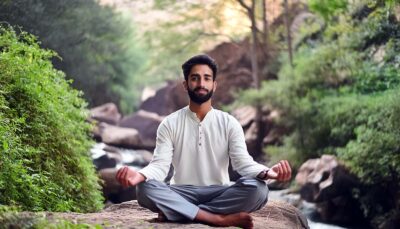
    A person meditating in a peaceful natural surrounding

    Yoga Poses for a Stronger Heart

    These gentle yoga poses can help you improve heart health by boosting circulation, improving flexibility, and promoting relaxation. Always practice yoga with slow, controlled movements, and focus on your breath for maximum benefit.

    1. Tadasana (Mountain Pose)

    Tadasana is a simple standing pose that helps improve posture, enhance circulation, and encourage proper breathing.

    How to perform:

    1. Stand with your feet together and arms by your sides.
    2. Engage your thigh muscles and lift your chest while keeping your spine straight.
    3. Inhale deeply, and as you exhale, relax your shoulders.
    4. Stay in this pose for 5-10 breaths, focusing on slow, deep breathing.

    Benefits: Improves circulation, encourages deep breathing, and promotes relaxation.

    2. Setu Bandhasana (Bridge Pose)

    Bridge pose is excellent for opening the chest and heart, improving circulation, and strengthening the spine and lower back.

    How to perform:

    1. Lie on your back with your knees bent and feet hip-width apart.
    2. Place your arms alongside your body, palms facing down.
    3. Inhale and lift your hips off the floor, pressing your feet into the ground.
    4. Hold the pose for 5-7 breaths, then exhale as you slowly lower your hips back down.

    Benefits: Opens the chest, strengthens the heart muscles, and improves blood flow.

    3. Vrikshasana (Tree Pose)

    Tree pose helps improve balance, concentration, and stability while enhancing blood circulation and reducing stress.

    How to perform:

    1. Stand tall with your feet together.
    2. Shift your weight onto one foot and bring the opposite foot to rest on the inside of your thigh or calf.
    3. Raise your arms overhead and hold the pose for 5-10 breaths.
    4. Repeat on the other side.

    Benefits: Improves circulation, strengthens leg muscles, and promotes mental focus and relaxation.

    4. Bhujangasana (Cobra Pose)

    Cobra pose opens the chest and stretches the heart, lungs, and abdomen. It is excellent for improving circulation and releasing tension in the upper body.

    How to perform:

    1. Lie on your stomach with your legs stretched out behind you.
    2. Place your palms on the floor under your shoulders.
    3. Inhale as you gently lift your chest off the ground, keeping your elbows slightly bent.
    4. Hold the pose for 5-7 breaths, then slowly lower back down.

    Benefits: Expands the chest, improves lung capacity, and promotes better oxygen flow to the heart.

    5. Uttanasana (Standing Forward Bend)

    Forward bends help calm the nervous system, reduce stress, and improve circulation by encouraging blood flow to the heart and brain.

    How to perform:

    1. Stand with your feet hip-width apart.
    2. Inhale and reach your arms overhead.
    3. Exhale as you bend forward from the hips, bringing your hands toward the floor (or resting them on your shins).
    4. Hold the pose for 5-10 breaths, then slowly rise back up.

    Benefits: Calms the mind, reduces stress, and improves circulation to the heart.

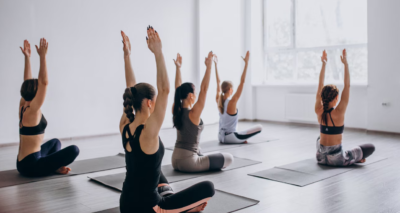
    yoga group classes inside gym

    Pranayama for a Stronger Heart

    Pranayama, or yogic breathing exercises, is a vital part of yoga practice that focuses on controlling the breath to improve physical and mental health. Regular practice of Pranayama can enhance lung capacity, reduce stress, and improve oxygen flow, all of which benefit the heart.

    1. Anulom Vilom (Alternate Nostril Breathing)

    Anulom Vilom is one of the most popular Pranayama techniques for balancing the body’s energy and calming the mind. It also improves oxygen flow to the heart and reduces stress.

    How to perform:

    1. Sit in a comfortable position with your spine straight.
    2. Close your right nostril with your thumb and inhale deeply through your left nostril.
    3. Close your left nostril with your ring finger and release your right nostril, exhaling fully.
    4. Inhale through your right nostril, then switch again, exhaling through the left nostril.
    5. Repeat for 5-10 minutes.

    Benefits: Reduces stress, balances blood pressure, and improves oxygenation of the heart.

    2. Bhramari (Bee Breath)

    Bhramari is a calming breathing technique that helps reduce stress and anxiety, which can be beneficial for heart health.

    How to perform:

    1. Sit comfortably with your eyes closed.
    2. Inhale deeply, then close your ears with your thumbs and gently press your eyes with your fingertips.
    3. Exhale while making a humming sound like a bee.
    4. Repeat for 5-7 rounds.

    Benefits: Reduces stress, promotes relaxation, and lowers blood pressure.

    3. Ujjayi Pranayama (Ocean Breath)

    Ujjayi Pranayama is a breathing technique that involves slightly constricting the throat while breathing, which helps increase oxygen flow and improve circulation. It also has a calming effect on the mind.

    How to perform:

    1. Sit in a comfortable position with your spine straight.
    2. Inhale deeply through your nose while slightly constricting your throat, producing a sound like ocean waves.
    3. Exhale through your nose with the same constriction.
    4. Repeat for 5-10 minutes.

    Benefits: Enhances oxygen flow, improves circulation, and calms the mind and body.

    4. Shitali Pranayama (Cooling Breath)

    Shitali Pranayama is a cooling breathing technique that helps reduce heat and inflammation in the body, which is beneficial for lowering blood pressure and supporting heart health.

    How to perform:

    1. Sit comfortably with your spine straight.
    2. Curl your tongue and inhale through your mouth, drawing in cool air.
    3. Close your mouth and exhale through your nose.
    4. Repeat for 5-7 rounds.

    Benefits: Cools the body, reduces stress, and balances Pitta dosha, which can help lower blood pressure.

    Conclusion

    Yoga and Pranayama offer a holistic approach to strengthening the heart and improving cardiovascular health. By incorporating heart-friendly yoga poses and breathing exercises into your daily routine, you can reduce stress, improve circulation, and maintain a healthy heart. Whether you’re looking to prevent heart issues or support existing heart health, these practices can offer significant benefits.

    Remember, it’s essential to practice yoga and Pranayama consistently and listen to your body. If you have any pre-existing health conditions, consult with a healthcare professional before starting a new yoga routine.