Category: Pain Relief & Inflammation

  • Curcumin: The Golden Spice for Inflammation

    Curcumin: The Golden Spice for Inflammation

    Curcumin: The Golden Spice for Inflammation

    Meta Description: Discover the powerful curcumin benefits for fighting inflammation naturally. Learn how this Ayurvedic superfood boosts immunity and supports wellness with Satrishi’s premium herbal supplements.

    Introduction: A Timeless Remedy for Modern Ailments
    Feeling stiff after a long day at work? Or perhaps you’re battling persistent fatigue and nagging joint pain? These are common struggles in today’s fast-paced world, where stress and inflammation often take a toll on our health. Enter curcumin, the golden gem of turmeric, rooted in India’s ancient Ayurvedic traditions. For centuries, Ayurveda has celebrated turmeric as a healing spice, and modern science now backs its remarkable benefits. At Satrishi, we bring this time-honored wisdom to you through our 100% herbal, plant-based wellness supplements. Let’s dive into why curcumin is your natural ally for fighting inflammation and boosting immunity.


    What is Curcumin? The Heart of Turmeric

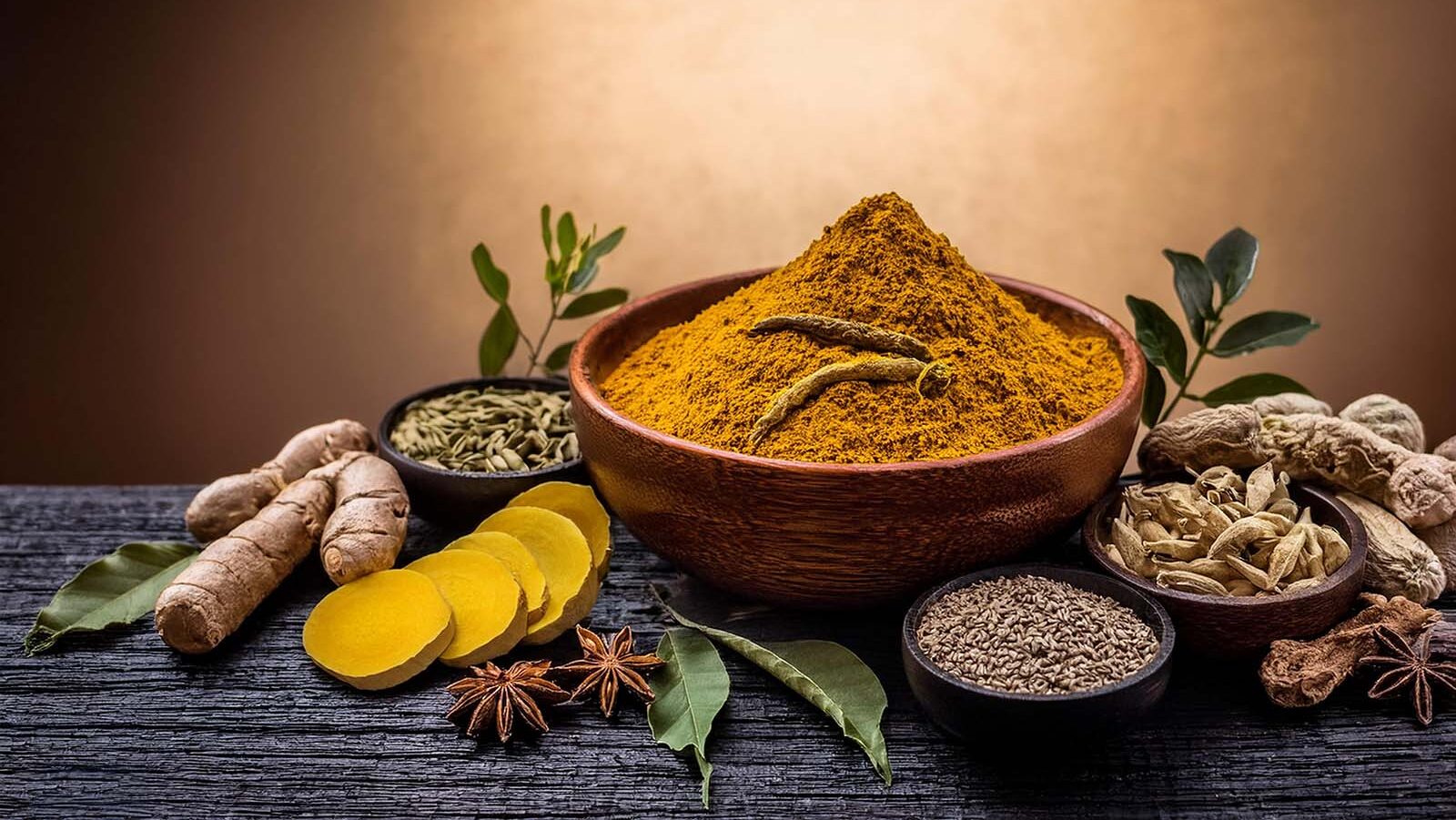
    Curcumin is the vibrant yellow compound found in turmeric (Curcuma longa), a spice integral to Indian cuisine and Ayurvedic medicine. Known as the “golden spice,” turmeric owes its healing powers to curcumin, which makes up about 3-5% of its composition. This polyphenol is packed with anti-inflammatory, antioxidant, and antimicrobial properties, making it a cornerstone of natural wellness.

    At Satrishi, we harness curcumin’s potential in products like our Turmeric Curcumin Capsules and Organic Turmeric Powder. These offerings ensure you get the full spectrum of curcumin benefits in a convenient, high-potency form. Curious about how curcumin works its magic? Let’s explore its science-backed advantages.

    curcumin benefits3 1


    Curcumin Benefits: A Natural Solution for Inflammation

    Inflammation is the body’s response to injury or stress, but chronic inflammation can lead to issues like joint pain, heart disease, and even cognitive decline. Curcumin’s ability to fight inflammation naturally makes it a game-changer for people of all ages, from students to seniors.

    How Curcumin Tames Inflammation

    Curcumin works by inhibiting pro-inflammatory pathways, such as NF-κB and COX-2, which are linked to chronic inflammation. Studies show that curcumin can reduce markers of inflammation, like C-reactive protein (CRP), by up to 50% in some cases. This makes it a powerful tool for managing conditions like arthritis, inflammatory bowel disease, and even exercise-induced muscle soreness.

    For instance, a 2017 study found that curcumin supplementation reduced joint pain and swelling in osteoarthritis patients, offering relief comparable to non-steroidal anti-inflammatory drugs (NSAIDs) but without the side effects. Whether you’re a student recovering from sports injuries or a senior seeking joint comfort, curcumin is a natural, side-effect-free option. Explore Satrishi’s Turmeric Curcumin Capsules for a potent dose to support your active lifestyle.

    Boosting Immunity with Curcumin

    Curcumin’s benefits extend beyond inflammation to immunity boost. It enhances the activity of immune cells like T-lymphocytes and macrophages, which help your body fend off infections. A 2018 study highlighted curcumin’s ability to reduce the severity of viral infections by supporting immune responses. This makes it ideal for students facing seasonal colds or professionals navigating stressful work environments.

    Satrishi’s Organic Turmeric Powder can be added to smoothies or teas for a daily immunity boost. Pair it with a pinch of black pepper (containing piperine) to enhance curcumin absorption by up to 2000%, as research suggests.


    Curcumin’s Healing Properties for Everyday Wellness

    Curcumin’s versatility makes it a must-have for various audiences. Let’s break down its healing properties and ideal use cases.

    Joint Health for Active Lifestyles

    Joint pain can slow down anyone, from athletes to seniors. Curcumin’s anti-inflammatory effects help reduce stiffness and improve mobility. A 2020 clinical trial showed that curcumin supplementation improved joint function in rheumatoid arthritis patients, making it a go-to for those seeking natural relief.

    Try incorporating Satrishi’s Turmeric Curcumin Capsules into your routine if you’re an active individual or someone dealing with age-related joint discomfort. A daily dose can keep you moving smoothly.

    Supporting Heart and Brain Health

    Curcumin’s antioxidant properties protect against oxidative stress, a key factor in heart disease and cognitive decline. Research indicates that curcumin can lower LDL cholesterol and improve blood vessel function, reducing the risk of cardiovascular issues. For brain health, curcumin boosts brain-derived neurotrophic factor (BDNF), which supports memory and may help prevent conditions like Alzheimer’s.

    Students cramming for exams or professionals managing high-pressure jobs can benefit from curcumin’s cognitive support. Explore Satrishi’s Ayurvedic Wellness Blends for a holistic approach to heart and brain health.

    Skin Health and Anti-Aging

    Curcumin’s antioxidant powers also promote radiant skin. By neutralizing free radicals, it helps slow skin aging and reduces inflammation-related issues like acne or psoriasis. A 2019 study found that topical curcumin improved wound healing and reduced skin irritation, making it a natural choice for glowing skin.

    Add Satrishi’s Organic Turmeric Powder to your face masks or smoothies for a beauty boost from within. It’s a simple way to nourish your skin while embracing Ayurveda’s wisdom.


    Curcumin in Ayurveda: A Tradition of Healing

    In Ayurveda, turmeric is revered as a “warming” herb that balances the body’s doshas (Vata, Pitta, Kapha). It’s traditionally used to purify blood, heal wounds, and support digestion. Curcumin, as turmeric’s active compound, amplifies these effects, making it a staple in Ayurvedic formulations.

    Satrishi’s products, like our Turmeric Curcumin Capsules, are crafted with this heritage in mind. We source 100% natural, plant-based ingredients to deliver authentic Ayurvedic benefits. Pair curcumin with other Ayurvedic superstars like ashwagandha, which studies show may lower stress levels by up to 30%, for a comprehensive wellness routine. Check out our blog on Ashwagandha for Stress Relief for more insights.


    Who Can Benefit from Curcumin?

    Curcumin’s universal appeal lies in its ability to address diverse health needs. Here’s who can benefit most:

    • Students: Combat stress, boost immunity during flu season, and recover faster from physical activities.

    • Professionals: Support brain health and reduce inflammation from long work hours or sedentary lifestyles.

    • Seniors: Ease joint pain, support heart health, and promote healthy aging.

    • Fitness Enthusiasts: Reduce exercise-induced inflammation and enhance recovery.

    No matter your age or lifestyle, curcumin offers a natural way to stay vibrant. Satrishi’s Organic Turmeric Powder is perfect for daily use—sprinkle it into meals or mix it into warm milk for a soothing “golden latte.”

    curcumin benefits1 1


    How to Use Curcumin for Maximum Benefits

    To reap curcumin’s benefits, consistency and proper usage are key. Here are some tips:

    • Choose High-Quality Supplements: Opt for products with at least 95% curcuminoids, like Satrishi’s Turmeric Curcumin Capsules, for maximum potency.

    • Pair with Piperine: Black pepper enhances curcumin’s bioavailability. Many of Satrishi’s formulations include piperine for optimal absorption.

    • Incorporate into Meals: Add Organic Turmeric Powder to curries, soups, or smoothies for a flavorful health boost.

    • Start Small: Begin with 500-1000 mg daily and consult a healthcare provider if you’re new to curcumin supplements.

    For a delicious recipe, try our Golden Turmeric Smoothie from the Satrishi blog—perfect for a morning energy kick.


    Cautions and Side Effects

    While curcumin is generally safe, some precautions are necessary:

    • Digestive Sensitivity: High doses (over 1500 mg daily) may cause mild stomach upset in some individuals.

    • Blood Thinning: Curcumin has mild anticoagulant properties, so consult a doctor if you’re on blood thinners.

    • Allergies: Those with turmeric allergies should avoid curcumin supplements.

    • Pregnancy and Medical Conditions: Pregnant women or those with chronic conditions should seek medical advice before use.

    A 2019 case study reported heart palpitations in a patient taking high-dose curcumin (1500 mg/day), which resolved after discontinuation. Always start with a moderate dose and consult a healthcare provider.


    FAQ: Your Questions About Curcumin Benefits Answered

    1. What are the main curcumin benefits for health?
    Curcumin benefits include reducing inflammation, boosting immunity, supporting joint health, and promoting heart and brain wellness. It’s a versatile supplement for overall vitality.

    2. How does curcumin help fight inflammation naturally?
    Curcumin inhibits pro-inflammatory pathways like NF-κB, reducing chronic inflammation linked to arthritis, heart disease, and more, as shown in multiple studies.

    3. Can curcumin boost immunity effectively?
    Yes, curcumin enhances immune cell activity, helping your body fight infections and maintain resilience, especially during stressful periods.

    4. Is curcumin safe for daily use?
    Curcumin is safe for most people at recommended doses (500-1000 mg/day). However, consult a doctor if you have medical conditions or take medications.

    5. How can I incorporate curcumin into my routine?
    Add Satrishi’s Organic Turmeric Powder to meals or try Turmeric Curcumin Capsules for a convenient daily dose with enhanced bioavailability.


    The Science Behind Curcumin: Research Highlights

    Curcumin’s benefits are backed by decades of research:

    • A 2023 study in Molecules confirmed curcumin’s role in reducing inflammation in neurodegenerative diseases, potentially slowing cognitive decline.

    • A 2024 review in Nutraceuticals highlighted curcumin’s cardio-protective effects, including improved cholesterol levels and blood pressure.

    • Clinical trials show curcumin’s wound-healing properties, making it a promising ingredient in skincare and recovery products.

    These findings underscore curcumin’s role as a natural powerhouse. At Satrishi, we ensure our products meet the highest standards, delivering these benefits in every dose.


    Satrishi’s Commitment to Ayurvedic Wellness

    At Satrishi, we believe in blending ancient Ayurvedic wisdom with modern science. Our Turmeric Curcumin Capsules and Organic Turmeric Powder are crafted with care, using 100% natural ingredients free from harmful additives. We partner with sustainable farms to source high-quality turmeric, ensuring you get the best of nature’s healing power.

    Explore our range of Ayurvedic Supplements to complement your curcumin journey. From ashwagandha to triphala, our products support holistic wellness for every lifestyle.


    Conclusion: Embrace Curcumin’s Golden Power

    Curcumin is more than a spice—it’s a natural solution for fighting inflammation, boosting immunity, and enhancing overall wellness. Rooted in Ayurveda and backed by science, its benefits span joint health, heart function, brain clarity, and radiant skin. Whether you’re a student, professional, or senior, curcumin can be your daily partner in vitality.

    Ready to experience the golden spice’s magic? Try Satrishi’s Turmeric Curcumin Capsules or Organic Turmeric Powder today and take the first step toward a healthier you. Visit satrishi.com to explore our full range of Ayurvedic wellness products and start your journey to natural healing!

    Image  Credit:- Pinterest

  • Ayurvedic Herbs for Natural Inflammation Relief

    Ayurvedic Herbs for Natural Inflammation Relief

    Chronic aches, swollen joints, or persistent fatigue? Inflammation could be the culprit behind these common health woes. In Ayurveda, India’s 5,000-year-old healing system, Ayurvedic anti-inflammatory herbs offer a natural way to soothe the body and restore balance. This guide explores the power of these herbs, their benefits, and how Satrishi’s herbal remedies can help you reclaim vitality. Whether you’re battling stress or seeking an immunity booster, Ayurveda has solutions rooted in nature.

    Understanding Inflammation and Ayurveda

    Inflammation is the body’s response to stress, injury, or poor diet. While short-term inflammation heals, chronic inflammation can lead to pain, digestive issues, or even heart problems. Ayurveda views inflammation as an imbalance in the doshas—Vata, Pitta, and Kapha. Herbal remedies like Turmeric and Ginger calm these imbalances, promoting Indian wellness. Let’s explore the top anti-inflammatory herbs and their real-world benefits.

    Gemini Generated Image ojnh3sojnh3sojnh

    Turmeric: The Golden Healer

    Why Turmeric Shines

    Turmeric, or Curcuma longa, is a cornerstone of Ayurveda. Its active compound, curcumin, fights inflammation at the cellular level. Studies show curcumin may reduce joint pain and swelling, rivaling some over-the-counter drugs. Its warm, earthy flavor makes it a kitchen staple.

    Who Benefits Most?

    Turmeric suits seniors with arthritis, athletes recovering from workouts, or anyone with chronic pain. It’s also a digestive aid for those with sluggish systems. Explore Satrishi’s Turmeric Powder to add this Ayurvedic benefit to your routine.

    How to Use It

    Add Turmeric to soups, teas, or smoothies. Pair it with black pepper to boost absorption. A daily golden milk latte with Satrishi’s Turmeric Powder can ease inflammation and uplift mood.

    Caution: High doses may cause stomach upset. Consult a doctor if you’re on blood thinners.

    Ginger: The Warming Soother

    Ginger’s Anti-Inflammatory Power

    Ginger, or Zingiber officinale, is a fiery herb that reduces inflammation and boosts digestion. Research suggests its gingerols may alleviate muscle soreness and joint stiffness. Its versatility makes it ideal for daily use.

    Ideal Use Cases

    Ginger benefits students under stress, professionals with digestive issues, or seniors with stiff joints. It’s also a natural immunity booster during cold seasons. Try Satrishi’s Ginger Powder for a warming, anti-inflammatory boost.

    Practical Tips

    Brew Ginger tea or add it to stir-fries. A morning shot of Ginger and lemon juice can kickstart your day. Learn more about digestive health in our blog on Ayurvedic Gut Health.

    Caution: Avoid excessive Ginger if you have acid reflux or are on blood-thinning medications.

    Ashwagandha: The Stress-Relieving Root

    Why Ashwagandha Works

    Ashwagandha, known as Withania somnifera, is an adaptogen that reduces stress-induced inflammation. Studies show it may lower cortisol levels by up to 30%, easing inflammation tied to anxiety. Its calming effects promote mental and physical balance.

    Who It Helps

    Ashwagandha is perfect for overworked professionals, students facing exams, or anyone battling chronic stress. It also supports seniors with sleep issues. Discover Satrishi’s Ashwagandha Powder for stress relief and vitality.

    How to Incorporate It

    Mix Ashwagandha into warm milk or smoothies. A nighttime dose can improve sleep quality. Explore more stress-relief tips in our blog on Ayurvedic Stress Management.

    Caution: May cause drowsiness. Avoid if pregnant or on sedatives without medical advice.

    Boswellia: The Joint-Supporting Resin

    Benefits of Boswellia

    Boswellia, or Boswellia serrata, also known as Indian frankincense, is a potent anti-inflammatory herb. Its boswellic acids may reduce joint pain and improve mobility, per clinical studies. It’s a go-to for chronic inflammatory conditions.

    Target Audience

    Boswellia is ideal for seniors with arthritis, athletes with joint strain, or those with autoimmune issues. It supports long-term joint health. Try Satrishi’s Boswellia Powder for natural relief.

    How to Use It

    Take Boswellia as a capsule or mix into warm water. Combine with Turmeric for enhanced effects. Learn about joint health in our blog on Ayurvedic Joint Care.

    Caution: May cause mild digestive upset. Consult a doctor if on anti-inflammatory drugs.

    Amla: The Vitamin C Powerhouse

    Amla’s Anti-Inflammatory Edge

    Amla, or Phyllanthus emblica, is packed with Vitamin C and antioxidants. Research shows it may reduce inflammation markers and support heart health. Its cooling properties balance Pitta-related inflammation.

    Who Benefits?

    Amla suits those with skin issues, weak immunity, or digestive discomfort. It’s great for students, parents, or seniors seeking an immunity booster. Explore Satrishi’s Amla Powder for a refreshing health tonic.

    Ways to Enjoy Amla

    Add Amla to smoothies or make a tangy chutney. A daily Amla drink can boost vitality. Check out our blog on Ayurvedic Immunity Tips for more ideas.

    Caution: High doses may cause loose stools. Start with small amounts.

    Gemini Generated Image 5tqsc25tqsc25tqs

    Integrating Ayurvedic Anti-Inflammatory Herbs into Your Life

    Ayurveda emphasizes balance. Start by identifying your dosha (Vata, Pitta, Kapha) to choose the right herbs. For example, Pitta types benefit from cooling Amla, while Vata types thrive on warming Ginger. Small changes—like adding Turmeric to meals or sipping Ginger tea—yield big results.

    Real-World Benefits

    • Students: Ashwagandha reduces exam stress and inflammation.

    • Professionals: Ginger eases digestive issues from long work hours.

    • Seniors: Boswellia and Turmeric support joint mobility and comfort.

    Consistency is key. Use Satrishi’s 100% herbal powders daily for sustained Ayurvedic benefits. Track your progress over weeks to feel the difference.

    Practical Tips for Beginners

    Choose one herb to start, like Satrishi’s Turmeric Capsule. Pair with a balanced diet and light exercise. Avoid processed foods to maximize anti-inflammatory effects. For more guidance, read our blog on Starting with Ayurveda.

    Caution: Consult a healthcare provider before combining herbs with medications or if you have chronic conditions.

    FAQ: Common Questions About Ayurvedic Anti-Inflammatory Herbs

    What are Ayurvedic anti-inflammatory herbs?

    These are natural herbs like Turmeric, Ginger, and Boswellia that reduce inflammation, support immunity, and promote balance, rooted in Ayurvedic tradition.

    How do Ayurvedic anti-inflammatory herbs work?

    They contain bioactive compounds (e.g., curcumin in Turmeric) that target inflammation pathways, as supported by studies on joint pain and stress relief.

    Are Ayurvedic anti-inflammatory herbs safe?

    Most are safe when used as directed. However, consult a doctor if pregnant, on medications, or experiencing side effects like digestive upset.

    Which Ayurvedic anti-inflammatory herb is best for joint pain?

    Boswellia and Turmeric are highly effective, with research backing their ability to reduce joint inflammation and improve mobility.

    How can Satrishi’s products support Ayurvedic anti-inflammatory benefits?

    Satrishi offers pure, plant-based powders like Turmeric and Ginger, designed to reduce inflammation and enhance Indian wellness.

    The Path to Inflammation-Free Living

    Ayurvedic anti-inflammatory herbs offer a natural, time-tested way to manage pain, stress, and fatigue. From Turmeric’s golden glow to Ashwagandha’s calming embrace, these herbs empower you to live vibrantly. Whether you’re a student, professional, or senior, Satrishi’s herbal remedies make Ayurveda accessible.

    Ready to feel your best? Try Satrishi’s Turmeric Capsule today for a natural anti-inflammatory boost. Visit satrishi.com to explore our range Eisenstein of wellness solutions.

    Image generated By Gemini AI

  • Ayurvedic Herbal Patches for Pain and Swelling

    Ayurvedic Herbal Patches for Pain and Swelling

    Ayurvedic herbal patches are a natural remedy for managing pain and swelling, offering a non-invasive, external solution to discomfort. These patches use a combination of potent Ayurvedic herbs that penetrate the skin and target pain and inflammation at the source. Ayurveda has long relied on herbal compresses and pastes to treat localized pain, and modern herbal patches follow the same principle, providing relief for conditions like joint pain, muscle stiffness, swelling, and inflammation.

    How Ayurvedic Herbal Patches Work

    Ayurvedic herbal patches work by delivering the healing properties of herbs directly to the affected area. When applied to the skin, the active compounds in these herbs penetrate through the skin layers and interact with tissues, reducing inflammation and easing pain. These patches are particularly effective because they provide a localized treatment, which can be more efficient than oral medications for certain types of pain or swelling.

    1. Key Ingredients in Ayurvedic Herbal Patches

    Turmeric (Haridra)

    Turmeric is widely known for its anti-inflammatory and analgesic properties. The compound curcumin found in turmeric helps reduce inflammation and pain, making it a key ingredient in many Ayurvedic pain-relief remedies.

    • Benefits: Reduces swelling, inflammation, and stiffness.
    • Usage: Effective for joint pain, muscle soreness, and arthritis.

    Shallaki (Boswellia Serrata)

    Shallaki is another powerful anti-inflammatory herb used in Ayurveda. Its extracts are known to reduce pain and improve mobility in people suffering from arthritis and other joint disorders.

    • Benefits: Reduces joint swelling, improves movement, and eases pain.
    • Usage: Excellent for chronic pain in conditions like osteoarthritis.

    Ashwagandha

    Ashwagandha is known for its anti-inflammatory and adaptogenic properties. It helps soothe the muscles and reduce pain while promoting overall wellness by managing stress and fatigue.

    • Benefits: Relieves muscle tension and reduces inflammation.
    • Usage: Useful for muscle pain, stress-induced aches, and stiffness.

    Nirgundi

    Nirgundi is a common Ayurvedic herb used for reducing pain and inflammation. It works effectively for muscle aches, joint pain, and swelling, making it an ideal component of herbal patches.

    • Benefits: Alleviates inflammation and pain.
    • Usage: Best for arthritis, muscle sprains, and localized swelling.

    2. How to Use Ayurvedic Herbal Patches

    Applying Ayurvedic herbal patches is simple and convenient. The patches are designed to stick to the skin easily and release the herbal extracts slowly over time, providing sustained relief. Here’s how to use them:

    1. Clean the Area: Wash the area where you will apply the patch to remove any dirt, oil, or sweat. This ensures better adhesion and absorption.
    2. Apply the Patch: Place the herbal patch directly on the affected area. Make sure it sticks properly and covers the entire painful region.
    3. Leave it On: Most patches are designed to be left on for several hours or even overnight to allow the herbs to work their magic.
    4. Replace as Needed: Depending on the severity of the pain or swelling, you may need to replace the patch after a few hours or as directed on the product.

    3. Conditions that Benefit from Ayurvedic Herbal Patches

    Joint Pain and Arthritis

    Ayurvedic herbal patches are particularly beneficial for people suffering from joint pain and arthritis. The herbs used in these patches help reduce inflammation and provide relief from chronic pain.

    • Application: Apply the patch over the affected joint for several hours, or as recommended by an Ayurvedic practitioner.

    Muscle Aches and Sprains

    For muscle aches and sprains, herbal patches can be a quick way to ease discomfort. Herbs like Ashwagandha and Nirgundi provide immediate relief from pain and help reduce swelling.

    • Application: Place the patch on the strained or sore muscle for targeted relief.

    Swelling and Inflammation

    Swelling due to injuries, sprains, or inflammation can be reduced significantly by the anti-inflammatory properties of the herbs used in these patches. Turmeric and Shallaki are particularly effective in reducing swelling.

    • Application: Apply the patch on the swollen area, ensuring full coverage for maximum absorption of herbal extracts.

    4. Benefits of Ayurvedic Herbal Patches

    Natural Pain Relief

    One of the primary benefits of Ayurvedic herbal patches is that they offer a natural alternative to painkillers, which can have side effects when taken long-term. The herbal extracts used in the patches provide natural relief without harsh chemicals.

    Targeted Treatment

    Herbal patches offer localized treatment. Unlike oral medications that must go through the digestive system, herbal patches directly target the pain or swelling, providing faster and more efficient relief.

    Long-Lasting Effects

    Many Ayurvedic patches are designed to release herbal extracts slowly over time, offering prolonged relief from pain and swelling. This makes them convenient for people who need continuous pain management.

    Non-Invasive

    These patches are a non-invasive way to treat pain and swelling. They do not require ingestion or injections and have minimal risk of side effects, making them a safe and accessible option for many people.

    5. Potential Side Effects and Precautions

    While Ayurvedic herbal patches are generally safe for most people, there are a few precautions to keep in mind:

    • Skin Sensitivity: Some individuals may experience skin irritation or allergic reactions to the adhesive or certain herbs. If irritation occurs, remove the patch immediately and wash the area with water.
    • Pregnancy and Breastfeeding: Consult with an Ayurvedic practitioner or healthcare provider before using herbal patches during pregnancy or breastfeeding, as some herbs may not be suitable.
    • Chronic Conditions: People with chronic conditions or who are taking other medications should consult with a healthcare professional before using Ayurvedic herbal patches to avoid any potential interactions.

    Herbal Patches for Pain and Swelling

    Conclusion

    Ayurvedic herbal patches provide an effective, natural way to relieve pain and reduce swelling. With ingredients like turmeric, Nirgundi, and Ashwagandha, these patches offer localized treatment for conditions such as arthritis, muscle pain, and inflammation. Safe, non-invasive, and long-lasting, they are a valuable addition to any Ayurvedic pain management regimen.

    Always consult an Ayurvedic expert for the best approach to using these patches based on your specific condition.

  • Panchakarma Therapy for Chronic Pain Relief

    Panchakarma Therapy for Chronic Pain Relief

    Panchakarma is one of the most effective Ayurvedic therapies for detoxification and rejuvenation. It’s a comprehensive treatment used to balance the body’s doshas (Vata, Pitta, and Kapha) and eliminate toxins, offering a holistic approach to managing chronic pain. Chronic pain can arise from imbalances in the body due to inflammation, stress, poor digestion, and accumulated toxins. Panchakarma provides relief by addressing the root cause of these imbalances, purifying the body, and restoring its natural healing capabilities.

    What is Panchakarma?

    Panchakarma is an ancient Ayurvedic process that translates to “five actions” or “five treatments.” These five therapeutic actions aim to cleanse the body of accumulated waste, toxins, and impurities, which may be causing illness or discomfort. Panchakarma therapy includes a variety of treatments such as massages, herbal oils, detoxification techniques, and specialized diets designed to cleanse the body and alleviate chronic pain.

    1. Vamana (Therapeutic Emesis)

    What is Vamana?

    Vamana is a process where controlled vomiting is induced to remove toxins from the upper gastrointestinal tract. This is particularly beneficial for those with chronic pain caused by congestion in the respiratory system or gastrointestinal disorders.

    Benefits for Chronic Pain:

    • Relieves pain associated with conditions like asthma and allergies.
    • Reduces inflammation caused by toxins in the upper body.
    • Helps improve digestion, which can reduce pain linked to poor gut health.

    2. Virechana (Purgation Therapy)

    What is Virechana?

    Virechana therapy involves the use of herbal purgatives to cleanse the liver and intestines. It’s mainly used to pacify the Pitta dosha, which is responsible for inflammation in the body.

    Benefits for Chronic Pain:

    • Reduces inflammation, especially in cases of arthritis and skin disorders.
    • Alleviates pain related to digestive issues and liver disorders.
    • Purifies the blood and balances the body’s internal heat, lowering inflammation-related pain.

    3. Basti (Medicated Enema)

    What is Basti?

    Basti is considered one of the most effective treatments for managing Vata imbalances, which are often responsible for chronic pain in the form of arthritis, joint pain, or nerve pain. Herbal oils or decoctions are administered through the rectum to cleanse and nourish the colon.

    Benefits for Chronic Pain:

    • Provides relief from lower back pain, sciatica, and joint pain.
    • Improves lubrication in the joints and reduces stiffness.
    • Nourishes the nervous system, helping to reduce nerve pain.

    4. Nasya (Nasal Administration of Medications)

    What is Nasya?

    Nasya involves the administration of herbal oils or powders through the nasal passage. It is used to clear the head region, helping relieve chronic headaches, migraines, and neck pain.

    Benefits for Chronic Pain:

    • Eases migraines and chronic headaches.
    • Helps with sinus-related pain and tension in the head and neck.
    • Reduces inflammation in the nasal cavity and improves respiratory function, easing pain caused by sinus blockages.

    5. Raktamokshana (Bloodletting Therapy)

    What is Raktamokshana?

    Raktamokshana is a blood purification therapy where small amounts of blood are removed to eliminate toxins and reduce inflammation. It is particularly useful for chronic pain caused by skin diseases and blood-related conditions.

    Benefits for Chronic Pain:

    • Reduces pain and inflammation caused by skin conditions like eczema and psoriasis.
    • Alleviates joint pain in conditions like gout and rheumatoid arthritis.
    • Purifies the blood, reducing the inflammatory load on the body.

    Panchakarma

    Other Supporting Panchakarma Therapies for Chronic Pain

    While the five main Panchakarma treatments are essential, additional therapies are often used to enhance the healing process and offer greater relief from chronic pain. These therapies focus on rejuvenating the body, reducing stress, and improving circulation.

    1. Abhyanga (Oil Massage)

    What is Abhyanga?

    Abhyanga is a full-body massage performed with warm, medicated oils. It helps stimulate circulation, nourish tissues, and reduce muscle tension.

    Benefits for Chronic Pain:

    • Relieves muscle pain and stiffness.
    • Improves flexibility and mobility in the joints.
    • Reduces stress, which can exacerbate chronic pain.

    2. Shirodhara (Oil Dripping Therapy)

    What is Shirodhara?

    Shirodhara involves the continuous pouring of warm herbal oil on the forehead, which helps calm the mind and nervous system. This therapy is especially beneficial for those suffering from migraines, headaches, and stress-related pain.

    Benefits for Chronic Pain:

    • Eases stress-induced headaches and neck pain.
    • Helps calm the mind and reduce overall pain perception.
    • Improves sleep, which is often disturbed by chronic pain.

    3. Swedana (Herbal Steam Therapy)

    What is Swedana?

    Swedana is a steam therapy where herbal steam is used to open up the body’s channels, improve circulation, and eliminate toxins through sweating. This therapy complements other Panchakarma treatments by enhancing the detoxification process.

    Benefits for Chronic Pain:

    • Eases muscle and joint stiffness.
    • Reduces pain caused by arthritis and rheumatism.
    • Promotes deep relaxation, helping reduce stress-related pain.

    Herbal Tea with Panchakarma

    Diet and Lifestyle During Panchakarma for Chronic Pain

    During Panchakarma therapy, following a simple, detoxifying diet is crucial. Foods that are easy to digest and free from toxins are recommended to support the cleansing process and reduce inflammation. A typical Panchakarma diet includes:

    • Kitchari: A light, nourishing meal made of rice and mung beans, which supports digestion and detoxification.
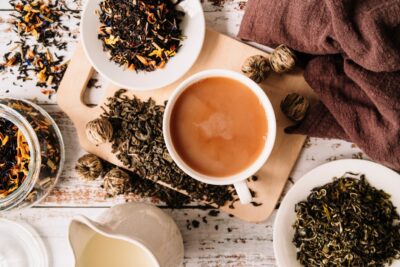
    • Herbal Teas: Teas made from ginger, turmeric, and other anti-inflammatory herbs help reduce pain and inflammation.
    • Warm Water: Drinking warm water throughout the day helps flush toxins from the body and supports digestion.

    Lifestyle Tips During Panchakarma

    • Rest: Adequate rest is essential during the detoxification process to allow the body to heal.
    • Gentle Yoga: Practicing gentle yoga postures can improve flexibility and ease pain in stiff joints and muscles.
    • Meditation and Pranayama: Deep breathing exercises and meditation help reduce stress and calm the mind, which can lower pain perception.

    Conclusion

    Panchakarma therapy offers a holistic and natural approach to managing chronic pain. By cleansing the body, balancing the doshas, and nourishing tissues, Panchakarma not only provides relief from pain but also promotes long-term health and well-being. If you suffer from chronic pain, Panchakarma therapy may be a transformative solution that addresses the root cause of your discomfort while supporting your body’s natural healing processes.

    Always consult with a qualified Ayurvedic practitioner to design a personalized Panchakarma treatment plan that suits your unique needs and condition.

  • Natural Remedies for Inflammation-Induced Chronic Pain

    Natural Remedies for Inflammation-Induced Chronic Pain

    Chronic pain caused by inflammation can be a long-lasting and frustrating issue. It is often linked to conditions like arthritis, autoimmune diseases, and injuries. While conventional medications can help, many people turn to natural remedies for relief. Ayurvedic and other traditional systems of medicine offer a wealth of natural remedies to ease inflammation and chronic pain. These approaches focus on reducing inflammation, balancing the body’s energies, and promoting overall healing.

    Understanding Inflammation and Chronic Pain

    Inflammation is the body’s natural response to injury or illness, but when it becomes chronic, it can cause long-term damage and discomfort. In Ayurvedic terms, chronic pain is often linked to an imbalance in the Vata and Pitta doshas, which can lead to inflammation, pain, and stiffness. By addressing these imbalances and reducing inflammation, natural remedies can provide significant relief from chronic pain.

    1. Turmeric (Curcumin)

    Benefits:

    Turmeric is one of the most powerful anti-inflammatory herbs used in both Ayurveda and modern medicine. Its active compound, curcumin, has been shown to reduce inflammation and pain in conditions like arthritis and muscle injuries.

    How to Use:

    • Golden Milk: Mix a teaspoon of turmeric powder with warm milk and drink it daily to reduce inflammation.
    • Curcumin Supplements: Take curcumin supplements for a higher concentration of the active compound, but consult with a healthcare provider first.

    2. Ginger

    Benefits:

    Ginger is another potent anti-inflammatory herb that has been used for centuries to relieve pain and inflammation. It contains compounds called gingerols, which help reduce swelling and inflammation in the body.

    How to Use:

    • Ginger Tea: Brew fresh ginger slices in hot water and drink it daily to help reduce chronic pain.
    • Topical Application: Mix ginger powder with warm water to create a paste, and apply it to the painful area for relief.

    3. Ashwagandha

    Benefits:

    Ashwagandha, known as an adaptogen, helps the body manage stress and inflammation. It has anti-inflammatory properties that are particularly effective for relieving joint pain and muscle soreness associated with chronic conditions.

    How to Use:

    • Take Ashwagandha capsules or powder daily to reduce inflammation and enhance overall well-being.
    • Mix Ashwagandha powder with warm milk or water and drink it before bedtime.

    4. Boswellia (Indian Frankincense)

    Benefits:

    Boswellia is a powerful herb in Ayurveda known for its ability to reduce inflammation, particularly in conditions like arthritis. It inhibits the production of inflammatory enzymes and helps ease chronic pain.

    How to Use:

    • Boswellia supplements are available in capsule form and can be taken daily for inflammation-induced pain relief.
    • You can also find Boswellia creams and oils for topical application to sore joints and muscles.

    5. Willow Bark

    Benefits:

    Willow bark has been used for centuries to treat pain and inflammation. It contains salicin, a compound similar to aspirin, making it an excellent natural remedy for managing chronic pain, particularly in conditions like back pain and osteoarthritis.

    How to Use:

    • Drink willow bark tea or take it in supplement form to reduce pain and inflammation naturally.

    Omega 3 Inflammation-Induced Chronic Pain

    6. Omega-3 Fatty Acids

    Benefits:

    Omega-3 fatty acids, found in fish oil and flaxseeds, are known for their anti-inflammatory properties. They help reduce chronic inflammation in conditions like rheumatoid arthritis and can alleviate joint stiffness and pain.

    How to Use:

    • Include foods rich in omega-3s, like fatty fish (salmon, mackerel) and flaxseeds, in your diet.
    • Omega-3 supplements can also be taken daily to reduce inflammation.

    7. Cayenne Pepper (Capsaicin)

    Benefits:

    Capsaicin, the active compound in cayenne pepper, helps reduce pain by depleting substance P, a neurotransmitter that signals pain to the brain. It’s often used in topical creams and ointments for conditions like arthritis and muscle pain.

    How to Use:

    • Apply capsaicin cream to painful areas a few times a day for relief from chronic pain.
    • Add cayenne pepper to your meals to boost circulation and reduce inflammation.

    8. Epsom Salt Bath

    Benefits:

    Epsom salt contains magnesium, which helps relax muscles, reduce inflammation, and ease chronic pain. Soaking in an Epsom salt bath can provide immediate relief from muscle soreness and joint stiffness.

    How to Use:

    • Add 2 cups of Epsom salt to warm bath water and soak for 20 minutes to relieve inflammation and pain.

    9. Flaxseeds and Chia Seeds

    Benefits:

    Both flaxseeds and chia seeds are rich in omega-3 fatty acids, which have strong anti-inflammatory effects. These seeds help to reduce inflammation throughout the body, particularly in joints and muscles.

    How to Use:

    • Add ground flaxseeds or chia seeds to smoothies, salads, or yogurt for a daily anti-inflammatory boost.

    10. Massage with Ayurvedic Oils

    Benefits:

    Ayurvedic oils, such as Mahanarayan oil and sesame oil, are infused with herbs that help reduce inflammation and relieve chronic pain. Regular oil massages help improve blood circulation, relax muscles, and soothe aching joints.

    How to Use:

    • Warm the oil and gently massage it into the painful areas for 10-15 minutes.
    • Use these oils daily for long-term relief from chronic pain.

    How to Incorporate Natural Remedies into Your Routine

    Using natural remedies to manage chronic pain involves consistent effort. Incorporate a few of these remedies into your daily routine for lasting relief:

    • Start your day with a cup of turmeric or ginger tea.
    • Add anti-inflammatory foods like fish, flaxseeds, and leafy greens to your meals.
    • Set aside time for a relaxing Epsom salt bath or an oil massage once or twice a week.
    • Take supplements like curcumin, Boswellia, and omega-3s as recommended by your healthcare provider.

    Conclusion

    Inflammation-induced chronic pain can be debilitating, but natural remedies provide a safe and effective way to manage it. By incorporating Ayurvedic herbs, anti-inflammatory foods, and therapeutic oils into your daily routine, you can reduce inflammation, ease pain, and improve your overall well-being. Always consult with a healthcare professional before starting new supplements or treatments, especially if you have existing health conditions.

  • Nirgundi: A Powerful Herb for Pain and Swelling

    Nirgundi: A Powerful Herb for Pain and Swelling

    Nirgundi, scientifically known as Vitex negundo, is a highly revered herb in Ayurveda, celebrated for its remarkable ability to alleviate pain, reduce inflammation, and promote healing. For centuries, this versatile plant has been used as a natural remedy for a wide range of conditions, especially those related to joint and muscle pain. In this article, we’ll delve into the benefits of Nirgundi, how it works, and how you can use it to manage pain and swelling.

    What is Nirgundi?

    Nirgundi is a small aromatic shrub commonly found in tropical regions of India and Southeast Asia. The plant’s leaves, roots, and seeds are packed with medicinal properties that make it a key component in Ayurvedic treatments for joint pain, arthritis, and inflammation. Nirgundi has a potent blend of anti-inflammatory, analgesic, and antioxidant properties, making it a go-to remedy for various types of pain and swelling.

    Key Properties of Nirgundi:

    • Anti-inflammatory: Helps reduce inflammation in the joints and muscles.
    • Analgesic: Provides pain relief, making it effective for treating chronic and acute pain.
    • Antioxidant: Neutralizes free radicals, preventing further damage to the affected areas.
    • Antiseptic: Can also be used to treat skin wounds and infections.

    1. Benefits of Nirgundi for Pain and Swelling

    Relieves Joint Pain and Arthritis

    Nirgundi is widely used in Ayurveda to treat arthritis and joint pain. Its anti-inflammatory properties help reduce swelling, while its analgesic effects offer relief from the discomfort caused by conditions such as osteoarthritis and rheumatoid arthritis.

    How it Helps:

    • Reduces joint inflammation and stiffness.
    • Improves mobility and flexibility in affected areas.
    • Eases chronic pain caused by degenerative joint disorders.

    Soothes Muscle Pain and Cramps

    Muscle pain from injuries, overexertion, or conditions like fibromyalgia can be debilitating. Nirgundi acts as a natural muscle relaxant and helps reduce soreness and pain by soothing inflamed tissues and improving blood circulation to the affected areas.

    How it Helps:

    • Alleviates muscle stiffness and cramps.
    • Promotes faster recovery from muscle injuries.
    • Enhances overall muscle relaxation and comfort.

    Treats Sciatica and Nerve Pain

    Nirgundi’s ability to relieve nerve pain makes it particularly beneficial for those suffering from sciatica, a condition characterized by pain radiating from the lower back down to the legs. The herb reduces nerve inflammation and relieves the intense, shooting pain associated with nerve disorders.

    How it Helps:

    • Reduces nerve inflammation.
    • Alleviates radiating pain and discomfort.
    • Helps manage chronic nerve conditions.

    Heals Wounds and Skin Inflammation

    Thanks to its antiseptic and anti-inflammatory properties, Nirgundi is also used topically to treat skin wounds, ulcers, and inflammatory skin conditions like eczema. It speeds up the healing process and prevents infection in damaged tissues.

    How it Helps:

    • Heals cuts, wounds, and skin ulcers.
    • Reduces swelling and redness in inflamed skin.
    • Prevents infections in open wounds.

    2. How to Use Nirgundi for Pain Relief

    There are several ways to incorporate Nirgundi into your daily routine to manage pain and swelling. Here are some of the most common methods used in Ayurveda:

    Nirgundi Oil

    Nirgundi oil is perhaps the most popular way to use this herb for pain relief. The oil is extracted from the leaves and applied topically to affected areas, offering immediate relief from pain and inflammation.

    How to Use:

    • Warm the oil slightly and massage it gently onto the painful area (joints, muscles, or lower back).
    • Leave it on for at least 30 minutes or overnight for maximum absorption.
    • Use regularly (1–2 times a day) for best results, especially for chronic conditions like arthritis or sciatica.

    Nirgundi Powder or Paste

    You can also find Nirgundi in powdered form, which can be mixed with water or oil to create a paste. This paste can be applied directly to inflamed or swollen areas for localized pain relief.

    How to Use:

    • Mix Nirgundi powder with warm water or oil to form a paste.
    • Apply the paste to the affected area and cover it with a soft cloth.
    • Leave it on for 30–60 minutes before washing off.

    Nirgundi Decoction

    For internal use, Nirgundi can be consumed in the form of a decoction to help reduce inflammation from the inside out. This method is particularly useful for managing chronic inflammatory conditions like arthritis and gout.

    How to Use:

    • Boil Nirgundi leaves in water to create a decoction.
    • Strain and drink the mixture 1–2 times a day, under the guidance of a healthcare provider or Ayurvedic practitioner.

    Nirgundi Capsules

    For those who prefer a more convenient method of consumption, Nirgundi is available in capsule form as well. These supplements provide the benefits of the herb in a concentrated dose, making it easier to manage chronic pain over time.

    How to Use:

    • Take Nirgundi capsules according to the recommended dosage provided by your healthcare provider.
    • Capsules are often taken with warm water after meals for best absorption.

    3. Precautions When Using Nirgundi

    While Nirgundi is generally safe for most people when used appropriately, it’s important to keep a few things in mind:

    • Pregnancy and Breastfeeding: Consult with a healthcare provider before using Nirgundi if you are pregnant or breastfeeding, as its effects on pregnancy are not well studied.
    • Allergic Reactions: As with any herbal remedy, it’s important to perform a patch test before applying Nirgundi oil or paste to the skin, especially if you have sensitive skin or a history of allergies.
    • Chronic Conditions: Always consult a healthcare provider before using Nirgundi internally if you have any chronic health conditions or are taking medications, to avoid potential interactions.

    Conclusion

    Nirgundi is a powerful Ayurvedic herb with a long history of use in managing pain, inflammation, and swelling. Whether used as an oil, paste, or decoction, this versatile plant offers natural and effective relief for a wide range of conditions, from arthritis to muscle soreness. Regular use of Nirgundi can help you manage chronic pain, improve mobility, and support overall joint and muscle health. Always remember to consult an Ayurvedic practitioner or healthcare professional before beginning any new treatment, especially for long-term or chronic conditions.

  • Using Ayurvedic Oils for Muscle Pain Relief

    Using Ayurvedic Oils for Muscle Pain Relief

    Muscle pain can arise from various factors such as overexertion, injury, or stress. Ayurveda, the ancient Indian system of medicine, offers effective remedies in the form of therapeutic oils for relieving muscle pain. Ayurvedic oils, infused with medicinal herbs, are applied topically to provide relief and promote healing. These oils work by balancing the body’s doshas (Vata, Pitta, Kapha), reducing inflammation, and relaxing the muscles.

    Understanding Muscle Pain in Ayurveda

    In Ayurveda, muscle pain is often associated with an imbalance in the Vata dosha, which governs movement and activity in the body. When Vata becomes aggravated, it can lead to stiffness, pain, and discomfort in the muscles and joints. Using specific Ayurvedic oils can help calm Vata, promote circulation, and ease muscle tension.

    1. Mahanarayan Oil

    Benefits:

    Mahanarayan oil is one of the most renowned Ayurvedic oils for muscle and joint pain relief. It contains a blend of over 20 herbs, including Ashwagandha and Bala, which work together to reduce inflammation and improve muscle strength. The oil is particularly effective for chronic pain caused by conditions like arthritis and rheumatism.

    How to Use:

    • Warm the oil slightly before applying it to the affected area.
    • Gently massage the oil into the skin for 10-15 minutes.
    • Leave the oil on for at least an hour or overnight for deeper relief.

    2. Ashwagandha Oil

    Benefits:

    Ashwagandha oil is widely used in Ayurveda for its muscle-relaxing and stress-relieving properties. The oil helps alleviate pain caused by muscle tension, overuse, and stress-related conditions. It also helps in reducing fatigue and improving muscle recovery.

    How to Use:

    • Apply the oil to the sore muscles after a warm bath or shower.
    • Massage in circular motions to boost circulation and soothe muscle pain.

    3. Dhanwantharam Oil

    Benefits:

    Dhanwantharam oil is traditionally used for post-injury recovery and pain relief. It contains ingredients like Bala and sesame oil, which help reduce inflammation, strengthen muscles, and improve mobility. It’s especially beneficial for muscle stiffness and pain caused by Vata imbalance.

    How to Use:

    • Warm the oil before applying it to the affected muscles.
    • Massage for 10-20 minutes, followed by a warm compress for deeper penetration.

    4. Karpasasthyadi Oil

    Benefits:

    Karpasasthyadi oil is beneficial for relieving muscular pain, especially related to injuries and nerve damage. It contains herbs like cottonseed oil and sesame oil, which help reduce swelling and promote healing in sore muscles and joints.

    How to Use:

    • Use this oil for gentle massages on the affected areas.
    • Regular use helps improve mobility and reduces chronic pain over time.

    5. Sesame Oil (Til Taila)

    Benefits:

    Sesame oil, also known as Til Taila, is a base oil in many Ayurvedic formulations. Its warming and grounding properties make it an excellent oil for relieving muscle pain and stiffness caused by Vata imbalance. It is rich in antioxidants and penetrates deep into the tissues to provide long-lasting relief.

    How to Use:

    • Warm the sesame oil and apply it directly to the painful muscles.
    • Massage gently for 10-15 minutes, allowing the oil to absorb into the skin.
    • You can also mix sesame oil with other Ayurvedic herbs for enhanced effects.

    6. Eucalyptus Oil

    Benefits:

    Though not traditionally Ayurvedic, eucalyptus oil is often incorporated into Ayurvedic treatments for muscle pain. Its cooling and anti-inflammatory properties help in relieving pain, reducing swelling, and promoting relaxation in overworked muscles.

    How to Use:

    • Dilute a few drops of eucalyptus oil with a carrier oil like sesame or coconut oil.
    • Massage it onto the affected muscles for immediate relief.

    7. Nirgundi Oil

    Benefits:

    Nirgundi oil is specifically used for reducing muscle inflammation and pain. Its anti-inflammatory properties make it highly effective for treating muscle sprains, soreness, and chronic conditions like arthritis.

    How to Use:

    • Apply Nirgundi oil to the painful areas and massage gently.
    • For enhanced relief, use a warm compress after the massage.

    8. Sahacharadi Oil

    Benefits:

    Sahacharadi oil is known for its ability to relieve muscle stiffness and improve circulation. It is used for treating muscle spasms, soreness, and pain, particularly in the lower back and legs. This oil is helpful for conditions where the muscles feel tight and cramped.

    How to Use:

    • Warm the oil and apply it to the affected muscles.
    • Massage for 10-15 minutes daily to improve muscle flexibility and reduce pain.

    Ayurvedic Oils for Muscle Pain Relief

    How Ayurvedic Oils Work

    Ayurvedic oils are often infused with herbs that have anti-inflammatory, pain-relieving, and warming properties. When massaged into the skin, these oils help improve blood circulation, reduce inflammation, and promote relaxation in sore muscles. The warmth of the oil and massage helps soothe muscle tension, while the herbs work at a deeper level to reduce pain and heal the tissue.

    Benefits of Ayurvedic Oil Massage

    • Improved Circulation: Massaging oils into the skin increases blood flow, bringing more oxygen and nutrients to the muscles.
    • Reduced Inflammation: Ayurvedic oils often contain anti-inflammatory herbs that help reduce swelling and pain.
    • Relaxation: The act of massaging the oils into the muscles has a calming effect, which helps in reducing stress-related muscle tension.
    • Enhanced Recovery: Regular oil massages help speed up the healing process after muscle injuries or overexertion.

    Conclusion

    Ayurvedic oils offer a natural and effective way to manage muscle pain. With the right oil and massage techniques, you can reduce inflammation, relieve soreness, and promote overall muscle health. Incorporating these Ayurvedic practices into your routine not only alleviates pain but also supports long-term muscle recovery and well-being. Always consult with an Ayurvedic practitioner to choose the best oils and methods for your specific needs.

  • Natural Herbs for Reducing Joint Inflammation

    Natural Herbs for Reducing Joint Inflammation

    Joint inflammation, often caused by conditions like arthritis, can lead to pain, stiffness, and reduced mobility. Ayurveda, the ancient holistic system of medicine, offers natural solutions to alleviate inflammation and support joint health. Ayurvedic herbs, known for their anti-inflammatory and healing properties, provide long-lasting relief without the side effects associated with conventional medications. Here are some of the top Ayurvedic herbs for reducing joint inflammation.

    Understanding Joint Inflammation in Ayurveda

    In Ayurveda, joint inflammation is typically associated with an imbalance in the Vata dosha, which governs movement in the body. Excess Vata can dry out the joints, leading to pain and inflammation. Additionally, imbalances in Pitta (associated with heat and inflammation) and Kapha (related to stiffness) can also contribute to joint issues.

    1. Ashwagandha (Withania somnifera)

    How it Helps:

    Ashwagandha, a powerful adaptogen, is well-known for its ability to reduce stress and inflammation. It helps balance the Vata and Kapha doshas, easing joint pain and inflammation over time. Its anti-inflammatory properties help to protect the joints from further damage.

    How to Use:

    • Take Ashwagandha in powdered form, mixed with warm milk or water.
    • It can also be consumed as a capsule or extract.

    2. Turmeric (Curcuma longa)

    How it Helps:

    Turmeric is one of the most well-researched Ayurvedic herbs for its potent anti-inflammatory and antioxidant properties. Its active compound, curcumin, helps reduce joint inflammation and pain, particularly in conditions like osteoarthritis and rheumatoid arthritis.

    How to Use:

    • Add turmeric powder to your daily meals.
    • For more potent effects, take turmeric supplements or mix the powder with warm milk and black pepper (which helps increase curcumin absorption).

    3. Guggul (Commiphora mukul)

    How it Helps:

    Guggul is a resin known for its strong anti-inflammatory and rejuvenating properties. It is often used in Ayurvedic formulations to reduce joint swelling, stiffness, and pain. Guggul helps balance Vata and Pitta doshas, making it ideal for inflammatory conditions.

    How to Use:

    • Guggul is typically available in tablet or capsule form.
    • Consult an Ayurvedic practitioner for the correct dosage and formulation.

    4. Shallaki (Boswellia serrata)

    How it Helps:

    Shallaki, also known as Indian frankincense, is another powerful herb with strong anti-inflammatory properties. It reduces joint inflammation, improves mobility, and may help slow down cartilage loss in conditions like osteoarthritis.

    How to Use:

    • Shallaki is available in capsules and extract form.
    • Consuming it regularly can help reduce inflammation and protect joint health.

    5. Ginger (Zingiber officinale)

    How it Helps:

    Ginger is widely used in Ayurveda for its warming and anti-inflammatory properties. It helps in reducing Vata and Kapha dosha imbalances and provides relief from joint pain and stiffness by improving circulation and reducing inflammation.

    How to Use:

    • Add fresh or powdered ginger to your meals.
    • Drink ginger tea daily to relieve joint inflammation.

    6. Nirgundi (Vitex negundo)

    How it Helps:

    Nirgundi is known for its ability to reduce joint swelling and pain. It helps alleviate Vata and Kapha imbalances, making it ideal for treating arthritis and other inflammatory joint conditions.

    How to Use:

    • Nirgundi oil can be applied topically to affected joints.
    • Nirgundi leaf paste or powder can be consumed under the guidance of an Ayurvedic practitioner.

    7. Triphala

    How it Helps:

    Triphala, a combination of three fruits—Amalaki, Bibhitaki, and Haritaki—acts as a powerful detoxifier. It helps remove toxins from the body, reduces inflammation, and promotes overall health. Triphala supports digestion and helps manage Vata imbalance, which is key to reducing joint inflammation.

    How to Use:

    • Take Triphala powder with warm water before bed for gentle detoxification and anti-inflammatory effects.

    8. Methi (Fenugreek)

    How it Helps:

    Fenugreek seeds are rich in anti-inflammatory compounds and antioxidants, making them effective for reducing joint inflammation and pain. They are particularly helpful in reducing Vata and Kapha imbalances.

    How to Use:

    • Soak fenugreek seeds overnight and consume them in the morning.
    • Fenugreek powder can also be added to food or taken with water.

    9. Bala (Sida cordifolia)

    How it Helps:

    Bala, which means “strength” in Sanskrit, is an herb that helps strengthen muscles and joints. It is particularly useful for managing Vata imbalances and relieving joint pain caused by inflammation.

    How to Use:

    • Bala oil can be used for massages to soothe inflamed joints.
    • It can also be consumed in powder or capsule form under the guidance of an Ayurvedic practitioner.

    10. Ajwain (Carom seeds)

    How it Helps:

    Ajwain, commonly used in Indian cooking, has strong anti-inflammatory properties that help reduce joint pain and inflammation. It is especially beneficial for Vata and Kapha related joint issues.

    How to Use:

    • Soak ajwain seeds in water overnight and drink the water the next morning.
    • Ajwain oil can be applied topically for joint pain relief.

    Joint Inflammation

    Conclusion

    Ayurvedic herbs offer a natural and holistic approach to managing joint inflammation. By incorporating these herbs into your daily routine, you can reduce inflammation, ease pain, and support overall joint health. However, it’s essential to consult with an Ayurvedic practitioner before starting any herbal regimen, as they can recommend the best herbs and dosages based on your unique constitution and condition. With the right guidance, these Ayurvedic herbs can help you manage joint inflammation and improve your quality of life naturally.

  • Natural Solutions for Arthritis Pain Relief

    Natural Solutions for Arthritis Pain Relief

    Arthritis is a common condition that causes pain, swelling, and stiffness in the joints. It can significantly affect daily life, making even simple tasks difficult. While conventional medicine often focuses on managing symptoms with painkillers and anti-inflammatory drugs, natural remedies offer long-term, holistic solutions that target the root causes of arthritis pain. In this article, we’ll explore some of the most effective natural approaches to managing arthritis pain and improving joint health.

    Understanding Arthritis

    Arthritis refers to inflammation of the joints, and there are two main types:

    • Osteoarthritis (OA): Caused by wear and tear on the joints, leading to cartilage breakdown.
    • Rheumatoid Arthritis (RA): An autoimmune disorder where the immune system attacks the joints, causing inflammation and pain.

    Both types can cause chronic pain, reduced mobility, and discomfort. Natural solutions aim to reduce inflammation, improve joint health, and alleviate pain without the side effects associated with prescription drugs.

    1. Herbal Remedies

    Many herbs have been traditionally used in natural medicine to reduce inflammation and provide pain relief. Here are some of the most effective ones for arthritis:

    Turmeric

    Turmeric contains curcumin, a compound with powerful anti-inflammatory and antioxidant properties. It can help reduce joint pain and stiffness, especially in osteoarthritis and rheumatoid arthritis patients.

    How to Use:

    • Add turmeric powder to curries, soups, or smoothies.
    • Take curcumin supplements for a more concentrated dose.

    Boswellia (Indian Frankincense)

    Boswellia has been shown to reduce inflammation and prevent cartilage loss. It is particularly helpful for those with rheumatoid arthritis, as it inhibits pro-inflammatory enzymes.

    How to Use:

    • Available in capsule or resin form.
    • Can be taken as a supplement under a healthcare provider’s guidance.

    Ginger

    Ginger works as a natural anti-inflammatory by blocking the formation of inflammatory compounds. It can help reduce muscle pain, joint pain, and stiffness.

    How to Use:

    • Drink ginger tea by steeping fresh ginger slices in hot water.
    • Add fresh or powdered ginger to your meals.

    2. Exercise and Movement

    While arthritis pain might make you want to avoid physical activity, regular movement is essential for maintaining joint health and flexibility. Low-impact exercises can strengthen the muscles around your joints, reduce stiffness, and improve overall mobility.

    Recommended Exercises:

    • Yoga: Gentle stretching and poses in yoga help increase flexibility, reduce pain, and promote relaxation. Yoga also helps reduce stress, which can exacerbate arthritis symptoms.
    • Swimming or Water Aerobics: Exercising in water reduces the stress on your joints while allowing you to build muscle and increase range of motion.
    • Walking: Regular walking can improve circulation, strengthen leg muscles, and reduce joint stiffness.

    Tip:

    Avoid high-impact activities like running or jumping that can put excessive strain on your joints.

    3. Hot and Cold Therapy

    Using hot and cold therapy can provide immediate pain relief and reduce inflammation. Each method serves a different purpose and can be alternated depending on the type of discomfort you experience.

    Heat Therapy:

    • How it helps: Heat relaxes tense muscles and improves circulation, providing relief from stiffness and muscle spasms.
    • How to use: Apply a warm towel, heating pad, or take a warm bath to soothe stiff joints.

    Cold Therapy:

    • How it helps: Cold reduces inflammation, numbs sharp pain, and slows down nerve impulses, making it great for acute flare-ups.
    • How to use: Wrap an ice pack in a towel and apply it to the affected area for 10-15 minutes.

    4. Dietary Changes

    Your diet plays a significant role in managing inflammation and arthritis pain. Eating anti-inflammatory foods can help reduce joint inflammation, while certain foods can worsen arthritis symptoms.

    Foods to Include:

    • Omega-3 Fatty Acids: Found in fatty fish (salmon, mackerel), flaxseeds, and chia seeds, omega-3s have strong anti-inflammatory effects.
    • Leafy Greens: Vegetables like spinach, kale, and broccoli contain antioxidants that help fight inflammation.
    • Berries: Blueberries, strawberries, and cherries are rich in antioxidants and anti-inflammatory compounds that protect the joints.
    • Nuts and Seeds: Almonds, walnuts, and flaxseeds contain healthy fats that can reduce inflammation and support joint health.

    Foods to Avoid:

    • Processed Foods: High in unhealthy fats and sugars, processed foods can worsen inflammation and contribute to weight gain, which puts added pressure on your joints.
    • Red Meat: High in saturated fats, red meat can trigger inflammatory responses in the body.
    • Refined Carbs and Sugars: White bread, pastries, and sugary drinks can spike inflammation levels.

    5. Supplements for Joint Health

    Certain supplements can support joint health and reduce arthritis symptoms when taken regularly. Some of the most effective ones include:

    Glucosamine and Chondroitin

    These compounds are naturally found in cartilage and are often taken together to help slow down cartilage deterioration and reduce pain in osteoarthritis patients.

    Omega-3 Fatty Acids

    Omega-3s, found in fish oil supplements, reduce inflammation throughout the body and help prevent joint stiffness.

    Vitamin D

    Vitamin D helps regulate calcium absorption and is essential for bone and joint health. A deficiency can worsen arthritis symptoms, so it’s important to ensure you’re getting enough.

    6. Acupuncture

    Acupuncture is an ancient Chinese therapy that involves inserting thin needles into specific points on the body to reduce pain and inflammation. For arthritis, acupuncture can help by:

    • Stimulating blood flow to the affected areas.
    • Releasing endorphins, the body’s natural painkillers.
    • Relaxing tight muscles and reducing stress.

    Many people with arthritis report significant pain relief after acupuncture sessions, though results may vary.

    7. Stress Reduction Techniques

    Stress can exacerbate arthritis pain by increasing muscle tension and inflammation in the body. Mind-body techniques can help manage pain by promoting relaxation and reducing the body’s stress response.

    Practices to Consider:

    • Meditation: Regular meditation practice helps calm the mind and body, reducing the perception of pain.
    • Deep Breathing: Focusing on slow, deep breaths can help lower stress levels and reduce pain intensity.
    • Progressive Muscle Relaxation: This technique involves tensing and relaxing different muscle groups, helping to relieve muscle tension and pain.

    Conclusion

    Managing arthritis pain naturally requires a holistic approach that combines dietary changes, physical activity, herbal remedies, and stress reduction techniques. While these natural remedies may not provide instant relief, they work to address the root causes of inflammation and joint discomfort over time. Always consult with a healthcare professional before starting any new treatment, especially if you have pre-existing health conditions or are taking medication.

  • How to Use Natural Oils for Muscle and Joint Pain

    How to Use Natural Oils for Muscle and Joint Pain

    Ayurveda, the ancient Indian system of healing, emphasizes the importance of balance in the body and mind. For centuries, Ayurvedic oils have been used to treat muscle and joint pain through massage and external application. These oils, infused with potent herbs and natural ingredients, help relieve pain, reduce inflammation, and promote healing. In this article, we will explore how to use Ayurvedic oils effectively for muscle and joint pain relief.

    Understanding Ayurvedic Oils

    Ayurvedic oils are created by blending medicinal herbs with base oils such as sesame, coconut, or mustard oil. These oils are designed to penetrate deeply into the skin and muscle tissues, providing both physical relief and energetic balance.

    Some of the most commonly used Ayurvedic oils for pain relief include:

    • Mahanarayan Oil: Known for its anti-inflammatory properties, this oil helps relieve joint pain and stiffness.
    • Dhanwantharam Oil: Effective in treating arthritis, sciatica, and muscular aches.
    • Kottamchukkadi Oil: Reduces swelling, pain, and stiffness, commonly used for arthritis.
    • Karpooradi Oil: Contains camphor, which provides a cooling effect that soothes sore muscles.

    1. Choosing the Right Oil

    Before using any Ayurvedic oil, it’s important to choose one that suits your specific condition. Here’s a brief guide on how to select the appropriate oil based on your needs:

    For Joint Pain (Arthritis)

    • Mahanarayan Oil or Dhanwantharam Oil are highly recommended. They work by reducing inflammation in the joints, improving circulation, and easing stiffness.

    For Muscle Pain (Strain or Fatigue)

    • Karpooradi Oil is ideal for muscle pain as it has a cooling effect and helps relax strained muscles. Kottamchukkadi Oil is also effective for muscle soreness due to its warming and penetrating properties.

    For Nerve Pain (Sciatica, Lower Back Pain)

    • Dhanwantharam Oil helps in soothing nerve pain and promoting healing of the tissues. It is often used for conditions like sciatica or chronic lower back pain.

    2. How to Apply Ayurvedic Oils

    Step 1: Warm the Oil

    Ayurvedic oils should always be warmed before application to enhance their absorption and efficacy. You can do this by:

    • Pouring the required amount into a small bowl.
    • Placing the bowl in hot water for a few minutes to warm the oil gently.

    Step 2: Massage the Affected Area

    Once the oil is warmed, follow these steps:

    • Apply the oil: Gently apply the oil to the affected area (joints, muscles, or back).
    • Massage: Using circular motions for joints and long strokes for muscles, massage the oil into the skin for 5–10 minutes. This increases blood circulation, helps the oil penetrate deeply, and provides immediate relief.
    • Focus on Pain Points: Pay extra attention to areas that feel sore, stiff, or swollen. You can use your palms, knuckles, or a soft cloth to apply pressure and massage these areas.

    Step 3: Leave the Oil On

    Allow the oil to sit on the skin for at least 30 minutes. If possible, leave the oil on overnight for enhanced healing benefits. Ayurvedic oils are designed to be absorbed into the tissues, so extended exposure helps deliver more relief.

    Step 4: Use Heat Therapy (Optional)

    After massaging the oil into your skin, you can apply heat to the affected area using a hot water bottle or warm compress. Heat helps the oil penetrate deeper into the muscles and joints, providing extra relief from stiffness and pain.

    Step 5: Wash Off (Optional)

    If you do not like the oily residue on your skin, you can wash it off with warm water and mild soap after 30–60 minutes. However, leaving the oil on for longer periods is more beneficial for long-term relief.

    3. Frequency of Use

    For best results, Ayurvedic oils should be used consistently. Here’s how often you can apply the oils for different conditions:

    • Acute Pain or Inflammation: Use the oil twice daily until the pain subsides.
    • Chronic Pain or Arthritis: Daily application is recommended, preferably before bed to allow the oil to work overnight.
    • Muscle Fatigue or Soreness: Apply after physical activity or whenever soreness arises.

    4. Incorporating Ayurvedic Oils into Abhyanga (Self-Massage)

    Abhyanga is a traditional Ayurvedic self-massage technique that involves the application of warm oils to the entire body. This practice is particularly beneficial for relieving muscle and joint pain and promoting overall well-being.

    How to Perform Abhyanga:

    1. Warm the oil and apply it generously to your entire body, starting from the scalp and moving down to the feet.
    2. Use firm, long strokes on the limbs and circular motions on the joints.
    3. Massage for 15–20 minutes, focusing on sore or stiff areas.
    4. Leave the oil on for 30 minutes to allow it to penetrate deeply before showering.

    5. Precautions and Considerations

    While Ayurvedic oils are generally safe, it’s important to take a few precautions:

    • Test for Allergies: Before applying any oil, do a patch test on a small area of your skin to ensure you’re not allergic to any ingredients.
    • Consult a Professional: If you have any chronic medical conditions or are pregnant, consult an Ayurvedic practitioner or healthcare provider before using these oils.
    • Avoid Open Wounds: Do not apply oils to broken skin or open wounds, as this could cause irritation.

    Conclusion

    Ayurvedic oils provide a natural and effective solution for relieving muscle and joint pain. By incorporating these oils into your daily routine, along with proper massage techniques and self-care practices like Abhyanga, you can experience long-lasting relief and improved joint flexibility. Remember, consistency is key, and regular use of Ayurvedic oils can help you manage pain, reduce inflammation, and support overall well-being naturally.