100% Herbal & Natural |
Extra 10% OFF with code SATRISHI10 |
Backed by Ayurveda |
Free Shipping Above ₹399 |
100% Herbal & Natural |
Extra 10% OFF with code SATRISHI10 |
Backed by Ayurveda |
Free Shipping Above ₹399 |
100% Herbal & Natural |
Extra 10% OFF with code SATRISHI10 |
Backed by Ayurveda |
Free Shipping Above ₹399 |
100% Herbal & Natural |
Extra 10% OFF with code SATRISHI10 |
Backed by Ayurveda |
Free Shipping Above ₹399 |

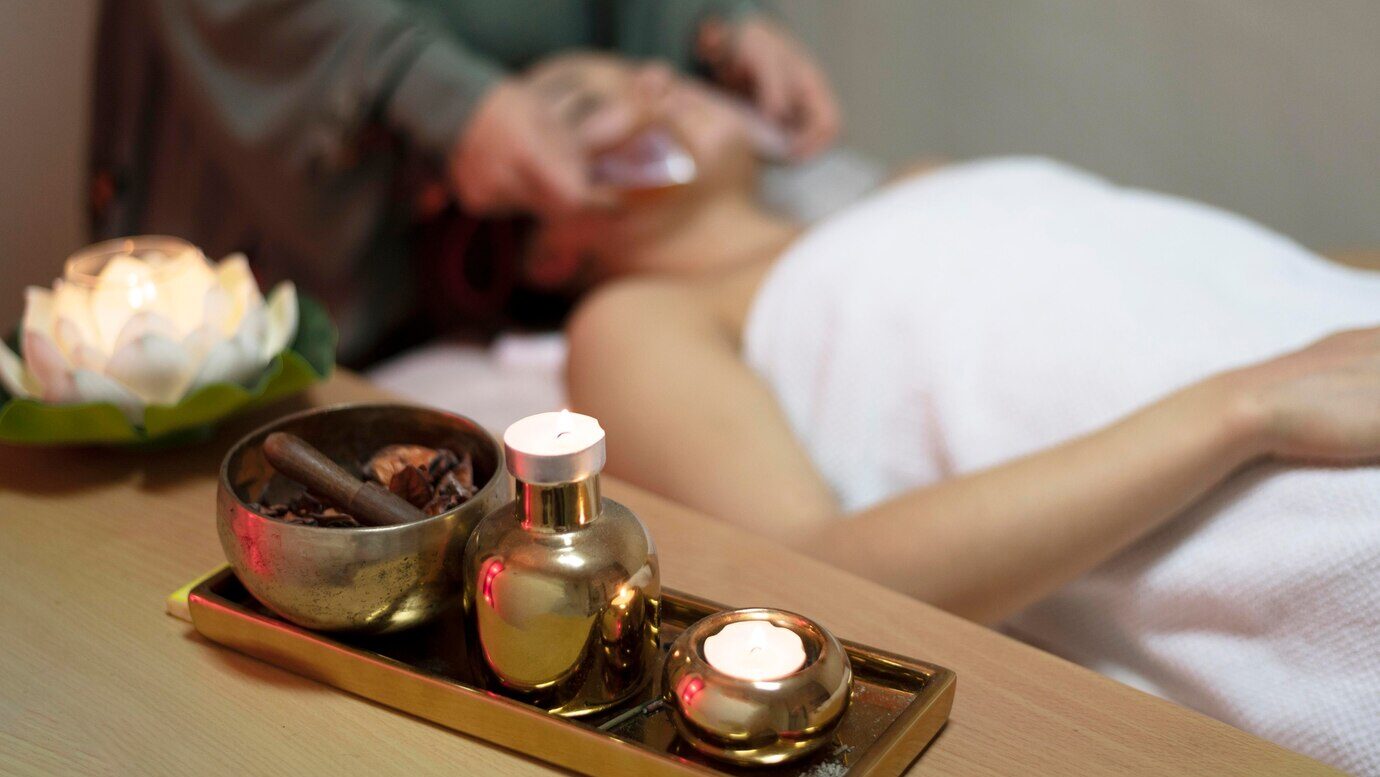
Panchakarma is one of the most effective Ayurvedic therapies for detoxification and rejuvenation. It’s a comprehensive treatment used to balance the body’s doshas (Vata, Pitta, and Kapha) and eliminate toxins, offering a holistic approach to managing chronic pain. Chronic pain can arise from imbalances in the body due to inflammation, stress, poor digestion, and accumulated toxins. Panchakarma provides relief by addressing the root cause of these imbalances, purifying the body, and restoring its natural healing capabilities.
Panchakarma is an ancient Ayurvedic process that translates to “five actions” or “five treatments.” These five therapeutic actions aim to cleanse the body of accumulated waste, toxins, and impurities, which may be causing illness or discomfort. Panchakarma therapy includes a variety of treatments such as massages, herbal oils, detoxification techniques, and specialized diets designed to cleanse the body and alleviate chronic pain.
Vamana is a process where controlled vomiting is induced to remove toxins from the upper gastrointestinal tract. This is particularly beneficial for those with chronic pain caused by congestion in the respiratory system or gastrointestinal disorders.
Virechana therapy involves the use of herbal purgatives to cleanse the liver and intestines. It’s mainly used to pacify the Pitta dosha, which is responsible for inflammation in the body.
Basti is considered one of the most effective treatments for managing Vata imbalances, which are often responsible for chronic pain in the form of arthritis, joint pain, or nerve pain. Herbal oils or decoctions are administered through the rectum to cleanse and nourish the colon.
Nasya involves the administration of herbal oils or powders through the nasal passage. It is used to clear the head region, helping relieve chronic headaches, migraines, and neck pain.
Raktamokshana is a blood purification therapy where small amounts of blood are removed to eliminate toxins and reduce inflammation. It is particularly useful for chronic pain caused by skin diseases and blood-related conditions.
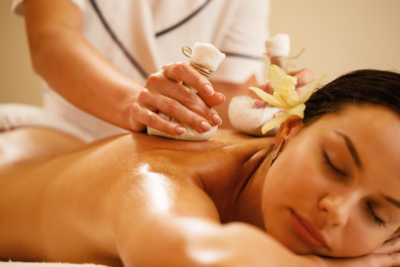
While the five main Panchakarma treatments are essential, additional therapies are often used to enhance the healing process and offer greater relief from chronic pain. These therapies focus on rejuvenating the body, reducing stress, and improving circulation.
Abhyanga is a full-body massage performed with warm, medicated oils. It helps stimulate circulation, nourish tissues, and reduce muscle tension.
Shirodhara involves the continuous pouring of warm herbal oil on the forehead, which helps calm the mind and nervous system. This therapy is especially beneficial for those suffering from migraines, headaches, and stress-related pain.
Swedana is a steam therapy where herbal steam is used to open up the body’s channels, improve circulation, and eliminate toxins through sweating. This therapy complements other Panchakarma treatments by enhancing the detoxification process.
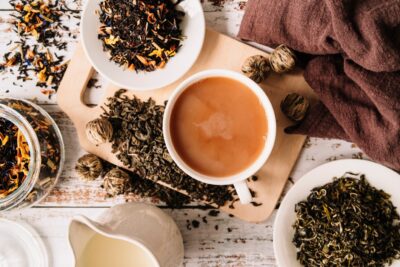
During Panchakarma therapy, following a simple, detoxifying diet is crucial. Foods that are easy to digest and free from toxins are recommended to support the cleansing process and reduce inflammation. A typical Panchakarma diet includes:
Panchakarma therapy offers a holistic and natural approach to managing chronic pain. By cleansing the body, balancing the doshas, and nourishing tissues, Panchakarma not only provides relief from pain but also promotes long-term health and well-being. If you suffer from chronic pain, Panchakarma therapy may be a transformative solution that addresses the root cause of your discomfort while supporting your body’s natural healing processes.
Always consult with a qualified Ayurvedic practitioner to design a personalized Panchakarma treatment plan that suits your unique needs and condition.


