Category: Heart Health

  • Unlock the Benefits of Omega 3 Fatty Acids for Heart and Brain Health

    Unlock the Benefits of Omega 3 Fatty Acids for Heart and Brain Health

    Feeling sluggish, stressed, or worried about your heart health? You’re not alone. In today’s fast-paced world, many Indians face challenges like high cholesterol, mental fog, or low energy. Ayurveda, India’s ancient wellness system, has long emphasized balance through nature’s gifts. Enter omega 3 fatty acids—essential nutrients that align beautifully with Ayurvedic principles to support your heart, brain, and overall wellness. At Satrishi, we harness plant-based omega 3 sources to bring you 100% herbal supplements that nurture your body holistically. Let’s dive into how these fatty acids can transform your health and why they’re a must-have in your daily routine.

    Why Omega 3 Fatty Acids Matter for Your Health

    Omega 3 fatty acids are polyunsaturated fats your body can’t produce on its own. They’re essential, meaning you must get them from food or supplements. The three main types—ALA (alpha-linolenic acid), EPA (eicosapentaenoic acid), and DHA (docosahexaenoic acid)—play unique roles. ALA is found in plant sources like flaxseeds and chia seeds, while EPA and DHA are abundant in fatty fish. For vegetarians, plant-based sources are key, and Satrishi’s vegan-friendly supplements make it easy to meet your needs.

    These nutrients are vital for cell membrane structure, especially in the heart, brain, and eyes. Research shows omega 3s reduce inflammation, a root cause of many chronic diseases. By incorporating them into your diet, you’re supporting long-term wellness, from sharper focus to a healthier heart.

    Discover How Omega 3 Supplements Improve Heart Health

    Lowering Cholesterol and Triglycerides

    Heart disease is a leading concern in India, with stress and poor diet contributing to rising cases. Omega 3 fatty acids benefits include improving your cholesterol profile. Studies show EPA and DHA can lower triglycerides by up to 20–50% in people with high levels. They also boost HDL (good) cholesterol, which helps clear arteries. For those managing high LDL (bad) cholesterol, omega 3s may help, though results vary.

    [](https://www.medicoverhospitals.in/articles/omega-3-fatty-acids)

    Imagine a busy professional in Mumbai juggling deadlines and family responsibilities. Adding omega 3-rich foods like walnuts or Satrishi’s Flaxseed Powder to their diet could reduce heart disease risk without drastic lifestyle changes. Explore Satrishi’s Flaxseed Powder for a convenient way to support your heart.

    Reducing Blood Pressure and Clot Risk

    High blood pressure silently damages blood vessels, increasing heart attack risk. Omega 3s relax blood vessels, improving flow and lowering pressure. Research suggests regular omega 3 intake can reduce blood pressure by 4–5 mmHg in hypertensive individuals. They also prevent platelet clumping, reducing the risk of harmful blood clots that can lead to strokes.

    [](https://www.acko.com/health-insurance/benefits-omega-3-fatty-acids-heart-brain-health/)

    For seniors in India, where stroke risk rises with age, omega 3 supplements are a natural ally. A daily dose of Satrishi’s plant-based omega 3 capsules ca

    omega 3 2

    n complement an Ayurvedic lifestyle, promoting vitality and heart health.

    Boosting Brain Function with Omega 3 Fatty Acids

    Enhancing Cognitive Performance

    Your brain thrives on omega 3s, especially DHA,

    which makes up about 8% of brain weight. DHA supports neuron communication, improving memory, focus, and processing speed. A study found that 1.4 g of EPA and DHA daily for six months improved episodic and working memory in healthy adults with low fish intake.

    [](https://journals.sagepub.com/doi/full/10.1177/20533691251341701)

    Students preparing for competitive exams like UPSC or NEET can benefit immensely. A sharp mind is critical for long study hours, and omega 3s provide the fuel for sustained focus. Try blending Satrishi’s Chia Seed Powder into smoothies for a brain-boosting breakfast.

    Protecting Against Cognitive Decline

    As we age, cognitive decline becomes a concern. Omega 3s may slow age-related memory loss and reduce Alzheimer’s risk. A 2018 review found omega 3 supplements beneficial for mild cognitive impairment, especially when taken early. Those with the APOE4 gene, linked to higher Alzheimer’s risk, may see even greater benefits from DHA.

    [](https://www.nccih.nih.gov/health/omega3-supplements-what-you-need-to-know)

    For elderly family members, omega 3s offer a proactive way to maintain mental clarity. Pairing Satrishi’s omega 3 supplements with Ayurvedic herbs like Brahmi, known to enhance memory, creates a powerful synergy. Learn more about Brahmi’s benefits in our Ayurvedic Brain Health Guide.

    Supporting Mental Health

    Depression and anxiety are common in urba

    n India, driven by stress and lifestyle changes. Omega 3s, particularly EPA, act as natural antidepressants. Studies show regular omega 3 intake reduces depressive symptoms by up to 30% in some cases. They also stabilize mood, helping those with anxiety feel calmer.

    [](https://www.healthline.com/nutrition/17-health-benefits-of-omega-3)

    For young professionals or parents managing high-pressure lives, omega 3s can be a game-changer. Satrishi’s vegan omega 3 capsules, derived from algae, offer a sustainable way to support mental wellness without relying on fish-based sources.

    Additional Wellness Benefits of Omega 3 Fatty Acids

    Reducing Inflammation

    Chronic inflammation fuels conditions like arthritis and diabetes. Omega 3s, especially EPA and DHA, lower inflammatory markers like C-reactive protein. A 2

    021 review found omega 3 supplements reduced pain in rheumatoid arthritis patients when taken with standard treatments.

    [](https://www.nccih.nih.gov/health/omega3-supplements-what-you-need-to-know)

    Athletes or middle-aged adults with joint pain can find relief with omega 3s. Satrishi’s Omega 3 Capsules provide a high-potency dose to ease inflammation naturally.

    Supporting Eye and Skin Health

    DHA is a key component of the retina, and omega 3s may reduce the risk of macular degeneration by up to 30%. They also combat dry eye syndrome, common in post-menopausal women. For skin, omega 3s improve hydration and reduce acne by balancing oil production.

    [](https://www.healthspan.co.uk/guides/omega-3-fatty-acids-the-benefits-for-heart-brain-and-eye-health/)

    Whether you’re a student staring at screens or a retiree seeking clear vision, omega 3s support long-term eye health. Add Satrishi’s Flaxseed Powder to your diet for a plant-based boost.

    Ayurvedic Synergy with Omega 3 Fatty Acids

    Ayurveda emphasizes balance across body, mind, and spirit. Omega 3s align with this philosophy by nourishing tissues (dhatus) and supporting ojas, the essence of vitality. Combining omega 3s with herbs like Ashwagandha, which studies show may lower cortisol levels by 15–30%, amplifies their benefits. Satrishi’s Ashwagandha Powder is a perfect complement for stress relief and overall wellness.

    In Ayurveda, foods like flaxseeds and walnuts are considered “oily” and nourishing, supporting digestion and tissue health. Incorporating these into your diet, alongside Satrishi’s plant-based supplements, creates a holistic approach to wellness.

    Who Should Use Omega 3 Supplem

    ents?

    Omega 3s are versatile, benefiting a wide range of people:

    Students: Enhance focus and memory for academic success.

    Working Professionals: Combat stress and boost mental clarity.

    Seniors: Protect heart and brain health to stay active.

    Pregnant Women: Support fetal brain and eye development (consult a doctor first).

    Athletes: Reduce inflammation and support joint health.

    Vegetarians and vegans, common in India, often lack EPA and DH

    A. Satrishi’s algae-based omega 3 supplements fill this gap, aligning with Ayurvedic and ethical values.

    Cautions and Side Effects

    Omega 3s are generally safe, but high doses (over 3 g/day of EPA and DHA) may increase bleeding risk, especially if you’re on blood thinners. Some people experience mild side effects like fishy aftertaste (less common with plant-based options) or digestive discomfort. Always consult a doctor if you’re pregnant, breastfeeding, or taking medications.

    [](https://www.webmd.com/drugs/2/drug-17804/omega-3-oral/details)

    Satrishi’s supplements are third-party tested for purity, ensuring you get high-quality, contaminant-free products. Check labels for dosage and avoid exceeding 2 g/day from supplements unless prescribed.

    FAQ: Omega 3 Fatty Acids Benefits

    What are the main omega 3 fatty acids benefits?

    Omega 3 fatty acids benefits include improved heart health by lowering triglycerides and blood pressure, enhanced brain function through better memory and focus, and reduced inflammation for joint and overall wellness.

    Can omega 3 fatty acids benefits extend to mental health?

    Yes, omega 3s, especially EPA, can reduce symptoms of depression and anxiety, supporting mood stability and mental clarity, as shown in multiple studies.

    Who can experience omega 3 fatty acids benefits?

    Students, professionals, seniors, pregnant women, and athletes can all benefit from omega 3s. Vegetarians can use plant-based sources like Satrishi’s omega 3 capsules to meet their needs.

    Are there risks to omega 3 fatty acids benefits?

    While safe for most, high doses may cause bleeding risks or digestive issues. Consult a doctor if you’re on medications or have health conditions.

    Conclusion: Embrace Omega 3s for a Healthier You

    Omega 3 fatty acids are a cornerstone of heart and brain health, offering benefits from lower cholesterol to sharper cognition. Rooted in Ayurvedic principles of balance and nourishment, they’re a natural fit for anyone seeking holistic wellness. Whether you’re a student aiming for focus, a professional managing stress, or a senior prioritizing vitality, omega 3s can transform your health. Satrishi’s plant-based supplements, like our Omega 3 Capsules and Flaxseed Powder, make it easy to incorporate these nutrients into your life. Try them today and take the first step toward a healthier, more vibrant you!

    Image credit :- Canva

  • The Ayurvedic Approach to Lowering Cholesterol

    The Ayurvedic Approach to Lowering Cholesterol

    High cholesterol is a common health concern that increases the risk of heart disease, stroke, and other cardiovascular issues. Ayurveda, the ancient system of natural healing, offers a holistic approach to lowering cholesterol by focusing on balancing the body’s doshas, improving digestion, and using natural remedies that help cleanse the blood and improve heart health. This article will explore how Ayurveda can help manage cholesterol levels naturally and effectively.

    Understanding Cholesterol in Ayurveda

    In Ayurveda, cholesterol is linked to Medas Dhatu (fat tissue) and the accumulation of toxins known as Ama. Ama is formed due to poor digestion and an unhealthy lifestyle, leading to blockages in the body’s channels (Srotas), including the blood vessels. Ayurveda aims to balance the doshas, especially Kapha, which governs fat and mucus production, and supports healthy liver function to manage cholesterol levels.

    How Ayurveda Views Cholesterol

    Cholesterol is not inherently harmful, but an imbalance of Kapha dosha and poor Agni (digestive fire) can lead to its excessive buildup in the body, increasing the risk of heart problems. Therefore, improving digestion, reducing Ama, and balancing Kapha are key aspects of Ayurvedic treatment for lowering cholesterol.

    Ayurvedic Remedies to Lower Cholesterol

    Ayurveda recommends several herbs, spices, and lifestyle practices to naturally lower cholesterol levels and support overall heart health.

    1. Herbal Remedies for Cholesterol Management

    Several Ayurvedic herbs are known for their ability to reduce cholesterol levels, improve liver function, and cleanse the blood.

    A. Arjuna (Terminalia Arjuna)

    Arjuna is one of the most powerful heart-protective herbs in Ayurveda. It helps strengthen the heart muscles, improve circulation, and reduce cholesterol levels.

    • Benefits:
      • Lowers LDL (bad cholesterol) levels
      • Strengthens the heart
      • Reduces plaque buildup in the arteries

    How to use: Take Arjuna powder or capsules daily, or make a tea by boiling Arjuna bark in water.

    B. Guggul (Commiphora Mukul)

    Guggul is a resin known for its powerful cholesterol-lowering properties. It helps reduce LDL cholesterol and triglycerides while increasing HDL (good cholesterol).

    • Benefits:
      • Lowers total cholesterol and triglycerides
      • Promotes fat metabolism
      • Cleanses the blood

    How to use: Guggul is commonly available in tablet or capsule form. Consult an Ayurvedic practitioner for the correct dosage based on your health condition.

    C. Triphala

    Triphala is a combination of three fruits (Amalaki, Bibhitaki, and Haritaki) that work together to detoxify the body, improve digestion, and support liver function, all of which contribute to healthy cholesterol levels.

    • Benefits:
      • Detoxifies the liver and blood
      • Reduces cholesterol absorption
      • Improves digestion and fat metabolism

    How to use: Take Triphala powder or capsules daily, preferably before bed, for optimal results.

    D. Turmeric (Haldi)

    Turmeric is a potent anti-inflammatory and antioxidant herb that helps reduce cholesterol levels and protect the heart from oxidative stress.

    • Benefits:
      • Reduces LDL cholesterol
      • Prevents plaque buildup in arteries
      • Supports liver detoxification

    How to use: Add turmeric to your daily meals or drink turmeric tea. For better absorption, mix it with black pepper.

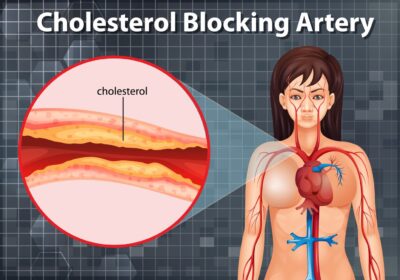
    diagram showing cholesterol blocking artery human body

    2. Dietary Guidelines for Lowering Cholesterol

    Ayurveda emphasizes a Kapha-balancing diet to lower cholesterol levels. The diet should focus on foods that improve digestion, reduce Ama, and promote fat metabolism.

    A. Eat Bitter and Astringent Foods

    Bitter and astringent foods help reduce Kapha and improve fat metabolism. These include:

    • Bitter melon (Karela)
    • Fenugreek (Methi)
    • Leafy greens (spinach, kale)

    B. Include Fiber-Rich Foods

    Fiber helps reduce cholesterol levels by binding to cholesterol in the digestive system and preventing its absorption into the bloodstream.

    • Foods to include:
      • Oats and whole grains
      • Legumes (lentils, chickpeas)
      • Fresh fruits (apples, berries)

    C. Use Heart-Healthy Fats

    While reducing unhealthy fats (like trans fats), it’s essential to include good fats in your diet. Ayurveda recommends using oils like:

    • Ghee (clarified butter)
      • Rich in healthy fats that support digestion and liver function
    • Olive oil
      • Improves cholesterol balance by raising HDL levels

    D. Avoid Heavy and Oily Foods

    Kapha imbalance is aggravated by oily, heavy, and processed foods. To manage cholesterol, avoid:

    • Fried foods
    • Excess dairy
    • Sugary snacks and pastries

    3. Spices to Boost Cholesterol Metabolism

    Ayurvedic spices help stimulate Agni (digestive fire), improve fat metabolism, and prevent cholesterol buildup.

    A. Cinnamon (Dalchini)

    Cinnamon is known for its ability to regulate blood sugar and cholesterol levels, making it an excellent spice for heart health.

    • Benefits:
      • Lowers LDL cholesterol
      • Improves circulation
      • Reduces blood sugar spikes

    B. Garlic (Lahsuna)

    Garlic is a natural cholesterol-lowering agent that helps reduce total cholesterol and prevent the oxidation of LDL cholesterol.

    • Benefits:
      • Reduces cholesterol and blood pressure
      • Supports heart health
      • Improves blood flow

    C. Cumin (Jeera)

    Cumin helps improve digestion and fat metabolism, reducing the risk of cholesterol buildup in the arteries.

    • Benefits:
      • Enhances digestion
      • Improves fat breakdown
      • Cleanses the blood

    4. Lifestyle Modifications for Cholesterol Management

    In addition to diet and herbal remedies, Ayurveda recommends several lifestyle practices to help lower cholesterol levels and improve heart health.

    A. Regular Exercise (Vyayama)

    Physical activity is essential for improving circulation, reducing cholesterol levels, and balancing Kapha. Ayurveda recommends moderate exercise like walking, yoga, or swimming.

    • Recommended activities:
      • Brisk walking for 30 minutes daily
      • Yoga poses like Bhujangasana (Cobra Pose) and Setu Bandhasana (Bridge Pose) to strengthen the heart

    B. Practice Pranayama (Breathing Exercises)

    Pranayama helps reduce stress and improve circulation, both of which are crucial for managing cholesterol levels.

    • Pranayama practices to try:
      • Anulom Vilom (Alternate Nostril Breathing): Balances the doshas and calms the mind
      • Kapalbhati (Skull Shining Breath): Stimulates digestion and reduces Kapha buildup

    C. Sleep and Stress Management

    Poor sleep and high stress levels can lead to an increase in cholesterol levels. Ayurveda emphasizes the importance of regular, restful sleep and stress reduction through meditation and relaxation techniques.

    • Ayurvedic tips for better sleep:
      • Establish a consistent sleep routine
      • Avoid stimulating activities before bed
      • Practice Abhyanga (oil massage) before sleep to calm the mind

    5. Detoxification (Panchakarma)

    Panchakarma, an Ayurvedic detoxification process, helps cleanse the body of Ama and supports liver function, which is crucial for cholesterol metabolism.

    • Benefits:
      • Eliminates toxins from the body
      • Improves digestion and fat metabolism
      • Strengthens the liver and heart

    How to detox: Consult an Ayurvedic practitioner for a personalized Panchakarma treatment plan, which may include therapies like herbal oil massages, steam baths, and cleansing diets.

    Conclusion

    The Ayurvedic approach to lowering cholesterol focuses on balancing the body’s doshas, improving digestion, and using natural remedies to promote heart health. By incorporating herbs like Arjuna, Guggul, and Triphala, along with dietary changes, regular exercise, and stress management, you can naturally lower cholesterol levels and reduce the risk of heart disease. Always consult with an Ayurvedic practitioner or healthcare provider before starting any new treatments, especially if you have pre-existing health conditions.

  • Dietary Changes for Lowering Blood Pressure

    Dietary Changes for Lowering Blood Pressure

    Hypertension, or high blood pressure, is a common health issue that can lead to serious cardiovascular conditions if not properly managed. Ayurveda, the ancient science of holistic healing, offers natural dietary recommendations to help regulate blood pressure by balancing the body’s doshas, particularly Pitta and Vata, which often play a role in hypertension.

    By making specific dietary changes, you can not only manage high blood pressure but also promote overall heart health. Here are Ayurvedic dietary guidelines to help lower blood pressure naturally.

    1. Understanding the Doshas and Blood Pressure

    The Role of Pitta and Vata in Hypertension

    In Ayurveda, high blood pressure is often associated with imbalances in the Pitta and Vata doshas:

    • Pitta Imbalance: Leads to inflammation, irritability, and excessive heat in the body, which can increase blood pressure.
    • Vata Imbalance: Causes irregularities in circulation, anxiety, and nervous tension, contributing to elevated blood pressure.

    By focusing on a diet that calms Pitta and stabilizes Vata, you can naturally lower blood pressure and promote heart health.

    2. Foods to Include for Lower Blood Pressure

    Cooling and Hydrating Foods

    Since Pitta imbalance often leads to overheating in the body, consuming cooling foods helps calm this dosha and reduce blood pressure. Focus on foods that are hydrating, cooling, and light on the digestive system.

    1. Fresh Vegetables

    • Cucumbers, zucchini, leafy greens (spinach, kale), and celery are cooling vegetables that hydrate the body and help in lowering blood pressure.
    • These vegetables are also rich in potassium, which plays a key role in managing blood pressure by balancing sodium levels in the body.

    2. Fruits

    • Fruits like watermelon, pomegranate, and apples are excellent for balancing Pitta and reducing blood pressure.
    • Pomegranate is particularly known for its heart-healthy properties and helps improve blood circulation and lower blood pressure.

    3. Whole Grains

    • Whole grains like brown rice, quinoa, and barley are beneficial for reducing Vata and Pitta imbalances, providing long-lasting energy without spiking blood sugar levels, which can stress the heart.

    Healthy Fats

    In Ayurveda, healthy fats are recommended to nourish the body and stabilize the Vata dosha, which is responsible for the movement of blood and other fluids in the body.

    1. Ghee

    • Ghee, or clarified butter, is an excellent source of healthy fat that balances Vata and soothes Pitta. It helps improve circulation and reduce inflammation.
    • Consume small amounts of ghee in cooking to add a heart-healthy fat to your diet.

    2. Coconut Oil

    • Coconut oil has cooling properties, making it ideal for reducing Pitta. It also helps improve cholesterol levels, promoting heart health.
    • Use coconut oil for cooking, especially during warmer months.

    Spices and Herbs to Lower Blood Pressure

    Ayurvedic spices and herbs are powerful tools for improving circulation, reducing inflammation, and lowering blood pressure. Some of the best spices for managing blood pressure include:

    1. Garlic

    • Garlic is one of the most potent natural remedies for lowering blood pressure. It helps dilate blood vessels, improving circulation and reducing the pressure on artery walls.

    2. Turmeric

    • Turmeric is anti-inflammatory and supports cardiovascular health. It helps reduce arterial inflammation, which is often associated with high blood pressure.

    3. Cinnamon

    • Cinnamon is beneficial for balancing blood sugar levels and reducing hypertension. Add it to teas, smoothies, or oatmeal for a subtle flavor and health benefits.

    4. Basil

    • Basil helps reduce stress levels and supports heart health by lowering blood pressure. You can add fresh basil leaves to soups, salads, or herbal teas.

    Legumes

    Legumes such as lentils, mung beans, and chickpeas are an excellent source of protein and fiber. They are light and easy to digest, making them a great choice for those with high blood pressure.

    • Mung beans are especially recommended in Ayurveda for their cooling properties and ability to balance all three doshas.

    3. Foods to Avoid for Lowering Blood Pressure

    Salty and Processed Foods

    Excessive salt intake is one of the leading causes of high blood pressure. In Ayurveda, salty foods aggravate the Pitta and Kapha doshas, leading to water retention, increased blood volume, and elevated blood pressure.

    • Avoid processed foods, canned items, and ready-made sauces, as they often contain hidden sodium.
    • Limit your intake of salty snacks, pickles, and cured meats.

    Fried and Fatty Foods

    Fried foods are heavy and aggravate Kapha and Pitta, both of which can contribute to weight gain, high cholesterol, and high blood pressure.

    • Replace fried foods with baked or steamed options.
    • Reduce consumption of fatty meats and dairy products, opting for plant-based sources of protein and fats.

    Spicy and Hot Foods

    Excessively spicy foods aggravate Pitta and increase internal heat, which can lead to higher blood pressure.

    • Limit your consumption of hot peppers, chilies, and overly spicy dishes, especially if you have a Pitta imbalance.
    • Opt for milder spices like coriander, fennel, and cardamom that are cooling and calming.

    Caffeine and Alcohol

    Caffeine and alcohol stimulate the nervous system, increasing Vata and Pitta, and can lead to spikes in blood pressure.

    • Reduce your intake of coffee, tea, and alcohol, as they can lead to dehydration and strain the heart.
    • If you drink tea, opt for herbal teas like tulsi or chamomile, which are calming and help lower blood pressure.

    4. Hydration for Blood Pressure Regulation

    Stay Hydrated with Water

    Proper hydration is essential for maintaining healthy blood pressure levels. Dehydration can aggravate Vata, causing irregular heartbeats and poor circulation.

    • Drink plenty of water throughout the day, especially during hot weather or after physical activity.
    • Add a few drops of lime or lemon juice to water for a refreshing, heart-friendly drink.

    Herbal Teas

    Herbal teas are an excellent way to stay hydrated while also benefiting from the medicinal properties of herbs. Some of the best herbal teas for lowering blood pressure include:

    • Tulsi Tea: Balances Vata and Pitta, reduces stress, and supports heart health.
    • Hibiscus Tea: Known for its ability to lower blood pressure and support cardiovascular health.
    • Chamomile Tea: Calming and stress-relieving, helping reduce Vata imbalances and hypertension.

    5. Mindful Eating Practices

    Eat Slowly and Mindfully

    Ayurveda emphasizes mindful eating to support digestion and reduce stress on the body. Eating too quickly or while stressed can aggravate Vata and Pitta, leading to digestive issues and increased blood pressure.

    • Sit down and take time to enjoy your meals.
    • Avoid distractions like TV or work while eating.
    • Chew your food slowly and thoroughly to aid digestion and promote relaxation.

    Conclusion

    Ayurvedic dietary changes offer a natural and effective way to manage blood pressure by focusing on balance, nourishment, and mindful eating. By incorporating cooling, hydrating foods, heart-healthy fats, and beneficial spices into your daily diet, and avoiding processed, salty, and heavy foods, you can promote cardiovascular health and lower blood pressure.

    Incorporating these Ayurvedic principles into your lifestyle, along with regular exercise and stress management, can help keep your blood pressure in check and support long-term heart health. Always consult with an Ayurvedic practitioner to personalize your diet based on your unique constitution and health needs.

  • Ayurvedic Lifestyle Tips for a Healthy Heart

    Ayurvedic Lifestyle Tips for a Healthy Heart

    Maintaining a healthy heart is essential for overall well-being, and Ayurveda offers a holistic approach to cardiovascular health. With an emphasis on balance, diet, exercise, and stress management, Ayurvedic principles can help strengthen the heart, improve circulation, and prevent heart disease.

    In this article, we’ll explore Ayurvedic lifestyle tips that promote a healthy heart, including diet, daily habits, and mental well-being.

    1. Balancing the Doshas for Heart Health

    The Importance of Dosha Balance

    Ayurveda focuses on maintaining balance among the three doshas: Vata, Pitta, and Kapha. Heart health is influenced by the harmony of these doshas, with imbalances leading to various cardiovascular issues. Here’s how each dosha affects the heart:

    • Vata Imbalance: Can cause irregular heartbeats, anxiety, and poor circulation.
    • Pitta Imbalance: Often results in inflammation, high blood pressure, and excess heat in the body.
    • Kapha Imbalance: May lead to sluggishness, high cholesterol, and arterial blockages.

    By understanding your dominant dosha and recognizing potential imbalances, you can adjust your lifestyle to promote better heart health.

    Daily Practices to Balance Doshas

    • For Vata: Focus on grounding activities like gentle yoga, warm foods, and regular meals to stabilize circulation and calm anxiety.
    • For Pitta: Engage in cooling practices like Pranayama (breathing exercises) and a diet rich in cooling, hydrating foods.
    • For Kapha: Stimulate circulation with regular exercise, spicy foods, and a lighter diet to avoid cholesterol buildup.

    2. Heart-Healthy Ayurvedic Diet

    Foods to Include

    Ayurveda emphasizes the importance of a balanced, wholesome diet to nourish the heart and promote circulation. Here are some heart-healthy food choices based on Ayurvedic principles:

    • Whole Grains: Brown rice, barley, and quinoa provide fiber and essential nutrients that support heart health.
    • Leafy Greens: Spinach, kale, and fenugreek are rich in antioxidants and help cleanse the blood, supporting healthy arteries.
    • Fruits: Apples, pomegranates, and berries are excellent for improving heart function and reducing oxidative stress.
    • Nuts and Seeds: Almonds, flaxseeds, and walnuts contain healthy fats that protect the heart and reduce inflammation.
    • Legumes: Lentils, chickpeas, and mung beans are easy to digest and help regulate cholesterol levels.

    Spices to Support Heart Health

    Certain Ayurvedic spices can improve digestion, reduce cholesterol, and enhance circulation:

    • Turmeric: Anti-inflammatory properties protect the heart and reduce arterial plaque.
    • Cinnamon: Helps balance blood sugar levels and supports heart function.
    • Garlic: Reduces cholesterol levels and improves blood circulation.
    • Ginger: Aids digestion and reduces inflammation, supporting heart health.

    Foods to Avoid

    To protect your heart, avoid foods that increase Kapha and contribute to cholesterol buildup:

    • Excessive salty, oily, or fried foods.
    • Processed and sugary items.
    • Heavy, rich, or fatty meats like red meat.

    3. Exercise and Movement for Heart Health

    Yoga for Cardiovascular Strength

    Ayurveda recommends daily movement to promote circulation and heart health. Yoga is especially beneficial, as it combines physical movement with breathing exercises that calm the nervous system and reduce stress.

    Best Yoga Poses for Heart Health:

    • Tadasana (Mountain Pose): Improves posture, balance, and circulation.
    • Bhujangasana (Cobra Pose): Opens the chest and strengthens heart muscles.
    • Ustrasana (Camel Pose): Increases circulation and improves lung capacity.
    • Setu Bandhasana (Bridge Pose): Helps reduce blood pressure and stimulates the heart.

    Pranayama (Breathing Techniques)

    Breathing exercises are essential for reducing stress and improving heart function. Pranayama techniques help regulate blood flow and oxygen intake, which directly benefits cardiovascular health.

    Recommended Pranayama for Heart Health:

    • Nadi Shodhana (Alternate Nostril Breathing): Balances energy and calms the nervous system, reducing stress on the heart.
    • Bhramari (Bee Breath): Relieves anxiety and promotes mental clarity.
    • Kapalbhati (Skull-Shining Breath): Stimulates circulation and detoxifies the body.

    Regular Physical Activity

    Apart from yoga, other forms of exercise such as brisk walking, swimming, or cycling are essential for maintaining heart health. Aim for at least 30 minutes of physical activity daily to keep your heart strong.

    4. Stress Management for a Healthy Heart

    Meditation for Mental Calmness

    Stress is one of the leading causes of heart disease, and Ayurveda emphasizes the importance of mental well-being in heart health. Regular meditation helps calm the mind, reduce anxiety, and relieve stress, which directly benefits the heart.

    How to Practice Meditation:

    • Start with 5-10 minutes of daily meditation, gradually increasing the time.
    • Focus on your breath, and let go of any distracting thoughts.
    • Use guided meditations or calming music to deepen your practice.

    Abhyanga (Self-Massage)

    Daily self-massage with warm herbal oils, known as Abhyanga, stimulates circulation, calms the nervous system, and reduces stress. Regular Abhyanga not only nourishes the skin but also protects the heart by promoting relaxation and improving blood flow.

    Best Oils for Heart Health:

    • Sesame oil: Warming and grounding, great for calming Vata and promoting circulation.
    • Coconut oil: Cooling and soothing, ideal for balancing Pitta and reducing inflammation.
    • Arjuna oil: Known for its heart-strengthening properties.

    5. Sleep and Heart Health

    Prioritize Restorative Sleep

    In Ayurveda, sleep is considered a critical pillar of health. Lack of sleep or poor-quality sleep can lead to imbalances in the body and weaken the heart over time. Ensuring you get enough rest is essential for maintaining heart health.

    Tips for Better Sleep:

    • Establish a consistent sleep routine by going to bed and waking up at the same time each day.
    • Avoid stimulants like caffeine or heavy meals before bed.
    • Create a calming bedtime routine, such as a warm bath, reading, or listening to calming music.
    • Practice Shirodhara (pouring warm oil on the forehead) for deep relaxation before sleep.

    Conclusion

    Ayurveda offers a comprehensive approach to heart health by focusing on balance in all aspects of life—diet, exercise, mental well-being, and self-care. By following these Ayurvedic lifestyle tips, you can nourish your heart, reduce stress, and improve circulation, all of which are essential for a long and healthy life. Incorporate heart-healthy practices into your daily routine to maintain balance in your doshas and enjoy the full benefits of a strong cardiovascular system.

    For personalized guidance, it’s always best to consult an Ayurvedic practitioner to determine the best diet, herbs, and lifestyle practices for your unique constitution.

  • Herbal Oils and Massage for Cardiovascular Health

    Herbal Oils and Massage for Cardiovascular Health

    Ayurveda places great emphasis on the importance of self-care routines, including herbal oil massages, to maintain overall health and wellness. When it comes to cardiovascular health, specific herbal oils and massage techniques are known to support circulation, reduce stress, and balance the body’s doshas, especially Kapha and Vata, which can contribute to heart-related issues.

    Massage therapy, known as Abhyanga in Ayurveda, not only nourishes the skin but also enhances the function of the circulatory system. Let’s explore how herbal oils and massage can be effective in promoting cardiovascular health.

    1. The Ayurvedic Connection Between Massage and Heart Health

    Abhyanga for Circulation and Relaxation

    In Ayurveda, Abhyanga, or oil massage, is considered a therapeutic ritual that helps balance the doshas, reduce stress, and improve circulation. A regular self-massage with herbal oils improves blood flow, warms the body, and supports the heart’s function by reducing the strain caused by stress and inflammation.

    Benefits of Oil Massage for the Heart

    • Stimulates blood circulation, preventing the buildup of cholesterol in arteries.
    • Reduces mental and emotional stress, a significant factor in heart disease.
    • Balances the doshas, especially Vata and Kapha, which are linked to cardiovascular issues.
    • Helps detoxify the body by stimulating the lymphatic system, promoting better heart health.

    2. Herbal Oils for Cardiovascular Health

    1. Sesame Oil

    Sesame oil is considered one of the best oils for Abhyanga and is often referred to as the “king of oils” in Ayurveda. It is warming, grounding, and pacifies Vata dosha, which is known to cause irregularities in the heart’s rhythm and blood flow.

    Benefits for the Heart:

    • Promotes circulation by penetrating deep into the tissues.
    • Reduces anxiety and calms the nervous system, which helps the heart function better.
    • Rich in antioxidants that support cardiovascular health.

    How to Use:

    • Warm the oil slightly before massaging it onto the body in slow, circular motions. Focus on the chest area to directly stimulate heart function.

    2. Coconut Oil

    Coconut oil has a cooling effect on the body and is beneficial for balancing Pitta dosha, which is linked to inflammation and high blood pressure in Ayurvedic medicine. This oil can help in reducing excess heat and inflammation that might affect cardiovascular health.

    Benefits for the Heart:

    • Reduces inflammation in the arteries, promoting better circulation.
    • Helps lower bad cholesterol levels (LDL), protecting the heart.
    • Improves elasticity of the blood vessels.

    How to Use:

    • Use coconut oil for a gentle chest and full-body massage, particularly during the summer or in warm climates.

    3. Brahmi Oil

    Brahmi oil is made from the Brahmi herb (Bacopa monnieri), known for its calming and rejuvenating effects on the mind and body. Stress is one of the primary contributors to heart disease, and Brahmi oil helps soothe the nervous system, thus improving heart health.

    Benefits for the Heart:

    • Reduces stress and anxiety, leading to a more balanced heart rate.
    • Supports mental clarity and reduces emotional strain on the heart.
    • Enhances blood circulation, which is essential for cardiovascular health.

    How to Use:

    • Apply Brahmi oil to the scalp, temples, and chest for a calming massage that benefits both the mind and heart.

    4. Ashwagandha Oil

    Ashwagandha (Withania somnifera) is an adaptogenic herb that helps the body adapt to stress, which is crucial for heart health. Massaging with Ashwagandha oil can help strengthen the heart muscles and promote emotional resilience.

    Benefits for the Heart:

    • Reduces cortisol levels, a hormone linked to stress and heart disease.
    • Supports the strengthening of heart muscles and improves stamina.
    • Helps balance Vata dosha, which often causes irregular heartbeats and poor circulation.

    How to Use:

    • Warm the oil and use it for a full-body massage, focusing on the chest and back to nourish the heart muscles and improve circulation.

    5. Arjuna Oil

    Arjuna (Terminalia arjuna) is one of the most revered herbs in Ayurveda for cardiovascular health. Arjuna oil is used specifically to strengthen the heart and improve its function.

    Benefits for the Heart:

    • Strengthens heart muscles and improves overall cardiac function.
    • Regulates blood pressure and improves circulation.
    • Reduces the buildup of cholesterol in the arteries.

    How to Use:

    • Massage Arjuna oil on the chest area in gentle, upward strokes to promote heart health and blood flow.

    3. How to Perform Ayurvedic Massage for Heart Health

    1. Warm the Oil

    Before starting the massage, warm the oil slightly, as this helps the oil penetrate the skin better and improves its therapeutic effects.

    2. Start with the Chest Area

    Gently massage the chest in a circular, clockwise motion to stimulate blood flow and activate the heart center. This can be done for 5-10 minutes.

    3. Massage the Rest of the Body

    Using long, sweeping strokes, massage the limbs, torso, and back. Always move towards the heart to promote proper circulation.

    4. Focus on Relaxation

    Heart health is closely linked to stress management. Take deep breaths and try to relax fully during the massage. This will help lower stress levels and support cardiovascular function.

    5. Practice Regularly

    To see lasting benefits, practice Abhyanga regularly, ideally daily or at least 3-4 times a week. This consistent routine will help maintain balance in the doshas and protect heart health.

    4. Complementary Practices for Heart Health

    1. Meditation and Pranayama

    Breathing exercises like Anulom Vilom (alternate nostril breathing) and Bhramari (bee breath) are great companions to massage. These exercises calm the nervous system and lower blood pressure, enhancing cardiovascular health.

    2. Regular Exercise

    Yoga and light cardiovascular exercises such as walking can improve circulation and strengthen the heart. Aim for at least 30 minutes of activity daily.

    3. Ayurvedic Diet

    Incorporating heart-healthy foods such as whole grains, leafy greens, and healthy fats (ghee, olive oil) into your diet can further support cardiovascular health. Avoid processed foods, fried items, and excess salt to prevent Kapha imbalance, which can lead to cholesterol buildup.

    Conclusion

    Ayurvedic herbal oils and massage offer a natural, therapeutic way to improve cardiovascular health. By incorporating oils like sesame, Brahmi, Ashwagandha, and Arjuna into regular Abhyanga practices, you can enhance circulation, reduce stress, and protect the heart from disease. When combined with a heart-healthy diet, exercise, and stress management techniques, these Ayurvedic practices serve as powerful tools to maintain and strengthen cardiovascular function for the long term.

    Always consult with an Ayurvedic practitioner to ensure the right oils and techniques are suitable for your unique constitution.

  • Yoga and Pranayama for a Stronger Heart

    Yoga and Pranayama for a Stronger Heart

    Heart health is critical to overall well-being, and yoga offers an excellent way to support cardiovascular function. By combining gentle physical postures with breathing exercises (Pranayama), yoga helps strengthen the heart, improve circulation, and reduce stress, which are all vital for a healthy heart. Practicing yoga regularly can help lower blood pressure, reduce cholesterol levels, and increase the flexibility and strength of the heart muscles.

    In this article, we will explore yoga poses and Pranayama techniques that can promote a stronger heart and improve overall cardiovascular health.

    The Connection Between Yoga and Heart Health

    Yoga has been shown to lower blood pressure, reduce stress, and improve the heart’s function by encouraging relaxation and improving circulation. It helps balance the doshas (Vata, Pitta, and Kapha) in Ayurveda, which in turn supports heart health. Moreover, regular practice can help you manage weight, boost oxygen levels in the blood, and promote healthy arteries.

    Benefits of Yoga for the Heart:

    • Lowers stress levels: Chronic stress is a major risk factor for heart disease. Yoga and Pranayama help calm the mind, reduce anxiety, and lower cortisol levels, which leads to better heart health.
    • Improves circulation: Many yoga poses improve blood flow, ensuring that the heart receives more oxygen-rich blood, which strengthens the heart muscles.
    • Regulates blood pressure: Regular yoga practice can help lower high blood pressure by improving circulation and reducing stress.
    • Promotes relaxation: Yoga activates the parasympathetic nervous system, which promotes relaxation and reduces the strain on the heart.
    • Balances cholesterol: Certain yoga poses and breathing exercises can improve metabolism, helping regulate cholesterol levels and reducing the risk of heart disease.

    A person meditating in a peaceful natural surrounding

    Yoga Poses for a Stronger Heart

    These gentle yoga poses can help you improve heart health by boosting circulation, improving flexibility, and promoting relaxation. Always practice yoga with slow, controlled movements, and focus on your breath for maximum benefit.

    1. Tadasana (Mountain Pose)

    Tadasana is a simple standing pose that helps improve posture, enhance circulation, and encourage proper breathing.

    How to perform:

    1. Stand with your feet together and arms by your sides.
    2. Engage your thigh muscles and lift your chest while keeping your spine straight.
    3. Inhale deeply, and as you exhale, relax your shoulders.
    4. Stay in this pose for 5-10 breaths, focusing on slow, deep breathing.

    Benefits: Improves circulation, encourages deep breathing, and promotes relaxation.

    2. Setu Bandhasana (Bridge Pose)

    Bridge pose is excellent for opening the chest and heart, improving circulation, and strengthening the spine and lower back.

    How to perform:

    1. Lie on your back with your knees bent and feet hip-width apart.
    2. Place your arms alongside your body, palms facing down.
    3. Inhale and lift your hips off the floor, pressing your feet into the ground.
    4. Hold the pose for 5-7 breaths, then exhale as you slowly lower your hips back down.

    Benefits: Opens the chest, strengthens the heart muscles, and improves blood flow.

    3. Vrikshasana (Tree Pose)

    Tree pose helps improve balance, concentration, and stability while enhancing blood circulation and reducing stress.

    How to perform:

    1. Stand tall with your feet together.
    2. Shift your weight onto one foot and bring the opposite foot to rest on the inside of your thigh or calf.
    3. Raise your arms overhead and hold the pose for 5-10 breaths.
    4. Repeat on the other side.

    Benefits: Improves circulation, strengthens leg muscles, and promotes mental focus and relaxation.

    4. Bhujangasana (Cobra Pose)

    Cobra pose opens the chest and stretches the heart, lungs, and abdomen. It is excellent for improving circulation and releasing tension in the upper body.

    How to perform:

    1. Lie on your stomach with your legs stretched out behind you.
    2. Place your palms on the floor under your shoulders.
    3. Inhale as you gently lift your chest off the ground, keeping your elbows slightly bent.
    4. Hold the pose for 5-7 breaths, then slowly lower back down.

    Benefits: Expands the chest, improves lung capacity, and promotes better oxygen flow to the heart.

    5. Uttanasana (Standing Forward Bend)

    Forward bends help calm the nervous system, reduce stress, and improve circulation by encouraging blood flow to the heart and brain.

    How to perform:

    1. Stand with your feet hip-width apart.
    2. Inhale and reach your arms overhead.
    3. Exhale as you bend forward from the hips, bringing your hands toward the floor (or resting them on your shins).
    4. Hold the pose for 5-10 breaths, then slowly rise back up.

    Benefits: Calms the mind, reduces stress, and improves circulation to the heart.

    yoga group classes inside gym

    Pranayama for a Stronger Heart

    Pranayama, or yogic breathing exercises, is a vital part of yoga practice that focuses on controlling the breath to improve physical and mental health. Regular practice of Pranayama can enhance lung capacity, reduce stress, and improve oxygen flow, all of which benefit the heart.

    1. Anulom Vilom (Alternate Nostril Breathing)

    Anulom Vilom is one of the most popular Pranayama techniques for balancing the body’s energy and calming the mind. It also improves oxygen flow to the heart and reduces stress.

    How to perform:

    1. Sit in a comfortable position with your spine straight.
    2. Close your right nostril with your thumb and inhale deeply through your left nostril.
    3. Close your left nostril with your ring finger and release your right nostril, exhaling fully.
    4. Inhale through your right nostril, then switch again, exhaling through the left nostril.
    5. Repeat for 5-10 minutes.

    Benefits: Reduces stress, balances blood pressure, and improves oxygenation of the heart.

    2. Bhramari (Bee Breath)

    Bhramari is a calming breathing technique that helps reduce stress and anxiety, which can be beneficial for heart health.

    How to perform:

    1. Sit comfortably with your eyes closed.
    2. Inhale deeply, then close your ears with your thumbs and gently press your eyes with your fingertips.
    3. Exhale while making a humming sound like a bee.
    4. Repeat for 5-7 rounds.

    Benefits: Reduces stress, promotes relaxation, and lowers blood pressure.

    3. Ujjayi Pranayama (Ocean Breath)

    Ujjayi Pranayama is a breathing technique that involves slightly constricting the throat while breathing, which helps increase oxygen flow and improve circulation. It also has a calming effect on the mind.

    How to perform:

    1. Sit in a comfortable position with your spine straight.
    2. Inhale deeply through your nose while slightly constricting your throat, producing a sound like ocean waves.
    3. Exhale through your nose with the same constriction.
    4. Repeat for 5-10 minutes.

    Benefits: Enhances oxygen flow, improves circulation, and calms the mind and body.

    4. Shitali Pranayama (Cooling Breath)

    Shitali Pranayama is a cooling breathing technique that helps reduce heat and inflammation in the body, which is beneficial for lowering blood pressure and supporting heart health.

    How to perform:

    1. Sit comfortably with your spine straight.
    2. Curl your tongue and inhale through your mouth, drawing in cool air.
    3. Close your mouth and exhale through your nose.
    4. Repeat for 5-7 rounds.

    Benefits: Cools the body, reduces stress, and balances Pitta dosha, which can help lower blood pressure.

    Conclusion

    Yoga and Pranayama offer a holistic approach to strengthening the heart and improving cardiovascular health. By incorporating heart-friendly yoga poses and breathing exercises into your daily routine, you can reduce stress, improve circulation, and maintain a healthy heart. Whether you’re looking to prevent heart issues or support existing heart health, these practices can offer significant benefits.

    Remember, it’s essential to practice yoga and Pranayama consistently and listen to your body. If you have any pre-existing health conditions, consult with a healthcare professional before starting a new yoga routine.

  • Natural Home Remedies for High Cholesterol

    Natural Home Remedies for High Cholesterol

    High cholesterol is a growing concern in today’s world due to poor diet, lack of physical activity, and stress. Ayurveda, with its holistic approach to health, offers natural remedies that not only help manage cholesterol levels but also promote overall well-being. Through a combination of diet, lifestyle adjustments, and herbal remedies, Ayurveda aims to balance cholesterol levels without the need for heavy medications. Let’s explore effective Ayurvedic home remedies for reducing high cholesterol.

    1. Understanding Cholesterol from an Ayurvedic Perspective

    Cholesterol and Dosha Imbalance

    According to Ayurveda, high cholesterol is the result of an imbalance in the Kapha dosha. Excess Kapha can lead to the buildup of fats and lipids, causing blockages in the arteries. Ayurveda emphasizes balancing all three doshas (Vata, Pitta, and Kapha) to maintain healthy cholesterol levels.

    Causes of High Cholesterol in Ayurveda

    • Poor diet, especially foods high in unhealthy fats.
    • Lack of physical activity.
    • Mental stress and emotional imbalance.
    • Poor digestion and improper elimination of waste.

    2. Ayurvedic Dietary Guidelines for Lowering Cholesterol

    1. Incorporate Fiber-Rich Foods

    Fiber helps reduce cholesterol levels by aiding digestion and promoting the elimination of excess fats. Ayurveda recommends including a variety of whole grains, fruits, and vegetables in your diet.

    Best Fiber-Rich Foods:

    • Oats
    • Barley
    • Apples and pears
    • Carrots and beets
    • Lentils and chickpeas

    2. Cook with Heart-Healthy Oils

    Switching to heart-healthy oils is crucial in managing cholesterol. Ayurveda encourages the use of natural oils that balance Kapha and promote heart health.

    Best Oils for Cooking:

    • Ghee (clarified butter)
    • Coconut oil
    • Olive oil
    • Sesame oil

    3. Include Garlic in Your Diet

    Garlic is a well-known remedy in Ayurveda for reducing cholesterol. Its natural compounds help break down fats and prevent plaque formation in arteries.

    How to Use Garlic:

    • Consume one or two raw garlic cloves with warm water each morning.
    • Add garlic to soups, stews, and curries.

    4. Add Turmeric to Meals

    Turmeric is a powerful anti-inflammatory and antioxidant that helps reduce cholesterol and improve overall heart health. Its active compound, curcumin, helps prevent the oxidation of cholesterol.

    How to Use Turmeric:

    • Add a teaspoon of turmeric powder to warm milk or water and drink daily.
    • Incorporate turmeric into cooking by adding it to vegetables, rice, and soups.

    3. Ayurvedic Herbs for Managing Cholesterol

    1. Arjuna (Terminalia arjuna)

    Arjuna is a potent herb in Ayurveda known for its heart-protective properties. It helps strengthen the heart muscles, reduces cholesterol, and improves blood circulation.

    How to Use Arjuna:

    • Take Arjuna bark powder with warm water or honey.
    • Alternatively, use Arjuna-based supplements available in Ayurvedic stores.

    2. Guggul (Commiphora mukul)

    Guggul is widely used in Ayurveda for its ability to lower cholesterol and triglyceride levels. It also helps reduce the buildup of plaque in arteries.

    How to Use Guggul:

    • Guggul supplements can be taken after consulting an Ayurvedic practitioner.
    • Guggul can be consumed in powder or tablet form.

    3. Triphala

    Triphala, a blend of three fruits (Amalaki, Bibhitaki, and Haritaki), is known for its detoxifying properties. It helps in cleansing the digestive system, reducing cholesterol, and improving liver function.

    How to Use Triphala:

    • Take a teaspoon of Triphala powder with warm water before bedtime for best results.

    4. Fenugreek Seeds (Methi)

    Fenugreek seeds are an effective remedy for lowering cholesterol. They contain soluble fiber, which helps in binding cholesterol and reducing its absorption in the body.

    How to Use Fenugreek:

    • Soak a teaspoon of fenugreek seeds overnight and consume them on an empty stomach in the morning.
    • You can also add fenugreek seeds to your curries or soups.

    4. Lifestyle Adjustments for Cholesterol Control

    1. Engage in Regular Exercise

    Physical activity is essential for balancing Kapha dosha and maintaining healthy cholesterol levels. Ayurveda recommends incorporating moderate exercises such as yoga, walking, or swimming into your daily routine.

    Recommended Practices:

    • Practice yoga poses like Suryanamaskar (sun salutation) and Trikonasana (triangle pose) for improved circulation.
    • Take brisk walks for 30 minutes every day to stimulate metabolism and lower cholesterol.

    2. Practice Stress Management

    Stress is a significant contributor to high cholesterol. Ayurvedic practices like meditation and deep breathing (Pranayama) help manage stress and prevent cholesterol imbalances.

    Recommended Techniques:

    • Meditate for 10-15 minutes each day to calm the mind and reduce stress levels.
    • Practice Anulom Vilom (alternate nostril breathing) to enhance mental clarity and relaxation.

    3. Adequate Sleep

    Ayurveda emphasizes the importance of proper rest for balancing doshas and promoting heart health. Ensure you get 7-8 hours of uninterrupted sleep each night for optimal cholesterol management.

    5. Ayurvedic Detox for Cholesterol Management

    1. Panchakarma Detox

    Panchakarma is a traditional Ayurvedic detox therapy that helps remove toxins and excess cholesterol from the body. It includes therapies like massage, herbal steam baths, and enemas, all aimed at cleansing the body and rejuvenating the system.

    2. Drink Warm Water

    Ayurveda recommends drinking warm water throughout the day to help flush out toxins and improve digestion, which in turn aids in cholesterol reduction.

    Conclusion

    Managing high cholesterol through Ayurvedic remedies is not just about treating the symptoms but addressing the root causes of imbalance. By incorporating the right herbs, diet, lifestyle changes, and detox practices, you can reduce cholesterol naturally and protect your heart health. Always remember to consult with a qualified Ayurvedic practitioner before starting any herbal supplements to ensure they are appropriate for your unique body constitution.

  • Natural Herbs for Reducing Blood Pressure

    Natural Herbs for Reducing Blood Pressure

    High blood pressure, or hypertension, is a common condition that can lead to serious health complications like heart disease, stroke, and kidney damage. While modern medicine offers a variety of treatments for managing hypertension, many people are turning to natural remedies, including herbs, to help lower their blood pressure. Ayurvedic and other traditional healing systems offer a wide range of herbs that have been shown to support cardiovascular health and naturally reduce blood pressure.

    In this article, we will explore some of the most effective natural herbs for reducing blood pressure, their benefits, and how they can be used as part of a healthy lifestyle.

    Ayurvedic Perspective on Blood Pressure

    In Ayurveda, high blood pressure is often associated with imbalances in the Vata and Pitta doshas. Vata imbalance leads to irregular circulation and heart function, while Pitta imbalance can cause excessive heat, inflammation, and stress on the cardiovascular system. Ayurvedic herbs aim to restore balance to the doshas, detoxify the body, improve circulation, and strengthen the heart.

    Key Ayurvedic Principles for Blood Pressure:

    • Balancing Vata: Helps regulate blood flow and calm the nervous system.
    • Cooling Pitta: Reduces inflammation and stress-related hypertension.
    • Strengthening Kapha: Supports heart function and circulatory health.

    1. Arjuna (Terminalia arjuna)

    Arjuna is a potent herb in Ayurveda that has been used for centuries to support heart health. Known for its cardio-tonic properties, Arjuna helps strengthen the heart muscles, improve circulation, and reduce high blood pressure. It also helps to lower cholesterol levels and protect the heart from oxidative stress.

    How it works:

    • Strengthens the cardiovascular system
    • Lowers blood pressure by improving arterial function
    • Reduces stress-induced hypertension

    How to use: Arjuna is often available in powder or capsule form. Take 1-2 capsules daily or ½ teaspoon of the powder with warm water after meals.

    2. Ashwagandha (Withania somnifera)

    Ashwagandha is a well-known adaptogen that helps the body cope with stress, a significant contributor to high blood pressure. By reducing cortisol levels (the stress hormone), Ashwagandha helps to naturally lower blood pressure and calm the nervous system.

    How it works:

    • Reduces stress and anxiety, which can lead to lower blood pressure
    • Balances Vata and Pitta doshas
    • Supports overall cardiovascular health

    How to use: Ashwagandha can be taken in capsule or powder form. Take 1-2 capsules daily or mix ½ teaspoon of Ashwagandha powder in warm milk or water before bed.

    3. Garlic (Allium sativum)

    Garlic is a widely studied herb for its ability to lower blood pressure and cholesterol levels. It contains a compound called allicin, which relaxes blood vessels, improves circulation, and reduces systolic and diastolic blood pressure. Garlic also has anti-inflammatory and antioxidant properties that support heart health.

    How it works:

    • Relaxes blood vessels and improves blood flow
    • Lowers cholesterol and triglycerides
    • Reduces inflammation and oxidative stress

    How to use: You can eat raw garlic (1-2 cloves daily) or take garlic supplements to lower blood pressure. Some people prefer garlic extract capsules for convenience.

    4. Brahmi (Bacopa monnieri)

    Brahmi is an excellent herb for reducing stress and anxiety, both of which can contribute to high blood pressure. It also has anti-inflammatory and antioxidant properties that support healthy blood vessels and improve circulation.

    How it works:

    • Reduces stress and anxiety, a major factor in hypertension
    • Balances Vata and Pitta doshas
    • Improves circulation and protects blood vessels

    How to use: Brahmi is available in capsule or powder form. Take 1-2 capsules daily, or mix ½ teaspoon of Brahmi powder with warm water or ghee.

    5. Tulsi (Holy Basil)

    Tulsi, also known as Holy Basil, is a revered herb in Ayurveda for its ability to balance the doshas and improve overall health. It has anti-inflammatory, antioxidant, and stress-relieving properties that help lower blood pressure and improve heart function.

    How it works:

    • Reduces inflammation and oxidative stress
    • Improves circulation and blood vessel health
    • Lowers stress-induced hypertension

    How to use: Tulsi can be consumed as a tea or in capsule form. Drink Tulsi tea 1-2 times daily to support heart health and reduce blood pressure.

    6. Hibiscus (Hibiscus sabdariffa)

    Hibiscus is known for its ability to lower blood pressure naturally. Studies show that Hibiscus can reduce both systolic and diastolic blood pressure by acting as a natural diuretic and improving arterial function. It also helps balance cholesterol levels and prevent inflammation.

    How it works:

    • Lowers blood pressure by acting as a diuretic
    • Improves arterial health and circulation
    • Reduces cholesterol and prevents oxidative damage

    How to use: Hibiscus tea is one of the most common ways to consume this herb. Drink a cup of Hibiscus tea 1-2 times daily to lower blood pressure.

    7. Cinnamon (Cinnamomum verum)

    Cinnamon is a warming spice that can help improve blood flow and lower blood pressure. It also helps regulate blood sugar levels, which can contribute to high blood pressure in people with diabetes or insulin resistance.

    How it works:

    • Improves circulation and relaxes blood vessels
    • Balances blood sugar levels, reducing hypertension risk
    • Acts as an anti-inflammatory agent

    How to use: Add 1 teaspoon of cinnamon powder to your daily diet, either in tea, smoothies, or sprinkled over food. You can also take cinnamon supplements.

    8. Cardamom (Elettaria cardamomum)

    Cardamom is a flavorful spice with heart-protective properties. It helps reduce blood pressure by acting as a diuretic, which helps the body eliminate excess fluid and lower the volume of blood in the arteries. Cardamom also has antioxidant properties that improve heart function and reduce inflammation.

    How it works:

    • Acts as a natural diuretic, reducing blood pressure
    • Improves circulation and heart function
    • Reduces oxidative stress and inflammation

    How to use: Add cardamom to your meals or brew cardamom tea by boiling the pods in water. You can also take cardamom supplements for additional benefits.

    9. Triphala

    Triphala is an Ayurvedic herbal formula made from three fruits: Amalaki (Indian gooseberry), Haritaki, and Bibhitaki. It is known for its detoxifying properties and helps improve digestion, which can reduce cholesterol levels and support cardiovascular health.

    How it works:

    • Detoxifies the body and removes Ama (toxins)
    • Improves digestion and metabolism
    • Supports cardiovascular health and lowers cholesterol

    How to use: Triphala powder can be taken daily by mixing ½ teaspoon in warm water before bed. It is also available in capsule form.

    Conclusion

    Natural herbs can be a powerful ally in managing high blood pressure and supporting heart health. By incorporating herbs like Arjuna, Ashwagandha, and Garlic into your daily routine, you can reduce stress, improve circulation, and maintain a healthy blood pressure level. However, it’s important to remember that herbs should be used as part of a holistic approach to health, which includes a balanced diet, regular exercise, and stress management. Always consult with a healthcare provider before starting any new herbal supplements, especially if you are already on medication for blood pressure.

  • Diet for a Heart Health, Foods to Eat and Avoid

    Diet for a Heart Health, Foods to Eat and Avoid

    Heart health is one of the most important aspects of overall well-being, and Ayurveda provides a holistic approach to maintaining cardiovascular health through diet and lifestyle. According to Ayurveda, an imbalanced diet and lifestyle can aggravate doshas (Vata, Pitta, and Kapha), leading to conditions like high cholesterol, hypertension, and heart disease. To promote heart health, an Ayurvedic diet focuses on balancing the doshas, reducing Ama (toxins), and improving Agni (digestive fire). This article outlines foods to eat and avoid for a healthy heart based on Ayurvedic principles.

    Understanding Heart Health in Ayurveda

    In Ayurveda, the heart (known as Hridaya) is seen as the center of circulation and emotions. Proper heart function depends on balanced Ojas (vital energy), healthy Rasa Dhatu (plasma), and good circulation. An improper diet and lifestyle can lead to an accumulation of toxins (Ama), weak digestion (Agni), and imbalanced Kapha or Pitta, contributing to heart disease.

    The Importance of Dosha Balance for Heart Health

    • Vata imbalance can cause irregular heartbeats and high blood pressure.
    • Pitta imbalance can lead to inflammation, high cholesterol, and heartburn.
    • Kapha imbalance is often linked to sluggish circulation, high cholesterol, and clogged arteries.

    Ayurvedic Foods to Eat for a Healthy Heart

    Ayurveda emphasizes consuming foods that are easy to digest, reduce Ama, and balance the doshas. Here’s a look at the best heart-healthy foods based on Ayurvedic principles.

    1. Whole Grains and Legumes

    Whole grains are rich in fiber, which helps lower cholesterol levels and supports digestive health. Legumes provide protein without adding excess fat, making them ideal for heart health.

    • Best options:
      • Barley
      • Oats
      • Brown rice
      • Lentils, mung beans, and chickpeas

    Why it’s good: These foods are easy to digest, high in fiber, and reduce Kapha and Ama.

    2. Fresh Fruits and Vegetables

    Fresh fruits and vegetables provide essential vitamins, minerals, and antioxidants that support heart health by reducing inflammation and promoting good circulation.

    • Best options:
      • Apples, pomegranates, and berries (rich in antioxidants)
      • Leafy greens (spinach, kale)
      • Carrots, beets, and cucumbers

    Why it’s good: These foods balance Pitta and Kapha, help detoxify the body, and improve circulation.

    3. Healthy Fats

    Ayurveda recommends using natural oils in moderation to nourish the body without clogging the arteries.

    • Best options:
      • Ghee (clarified butter)
      • Sesame oil
      • Olive oil

    Why it’s good: These healthy fats support digestion, nourish the heart, and reduce Vata imbalances that can affect circulation.

    4. Spices to Boost Heart Health

    Spices play an essential role in Ayurveda by boosting Agni (digestive fire), improving circulation, and reducing Ama. Certain spices are particularly good for heart health.

    • Best options:
      • Turmeric: Anti-inflammatory and lowers cholesterol
      • Garlic: Reduces cholesterol and improves blood circulation
      • Cinnamon: Balances blood sugar and reduces bad cholesterol
      • Ginger: Improves circulation and digestion

    Why it’s good: Spices help regulate digestion and metabolism, reducing the risk of heart-related issues like high cholesterol and blood pressure.

    5. Herbs for Cardiovascular Health

    Certain Ayurvedic herbs are renowned for their ability to support heart health.

    • Best options:
      • Arjuna (Terminalia arjuna): Strengthens heart muscles and reduces cholesterol
      • Ashwagandha: Reduces stress, which is a significant factor in heart disease
      • Triphala: Detoxifies the system, improving digestion and reducing cholesterol absorption

    Why it’s good: These herbs cleanse the blood, reduce stress, and support overall cardiovascular health.

    6. Nuts and Seeds

    Nuts and seeds are packed with heart-healthy fats, protein, and fiber, making them an excellent addition to your diet.

    • Best options:
      • Almonds, walnuts
      • Flaxseeds, chia seeds

    Why it’s good: Rich in omega-3 fatty acids, they help reduce inflammation and lower cholesterol.

    7. Hydrating Liquids

    Staying hydrated is essential for maintaining healthy blood pressure and good circulation.

    • Best options:
      • Warm water with lemon
      • Herbal teas (like ginger, cinnamon, and tulsi)
      • Coconut water

    Why it’s good: These drinks help detoxify the body, improve digestion, and reduce blood pressure.

    Ayurvedic Diet for a Heart Health, Foods to Eat and Avoid

    Foods to Avoid for a Healthy Heart

    Certain foods increase Kapha or Pitta, leading to high cholesterol, clogged arteries, and other heart issues. To maintain heart health, Ayurveda recommends avoiding or reducing the intake of these foods.

    1. Processed and Fried Foods

    Processed and fried foods are heavy, difficult to digest, and increase Ama and Kapha, leading to clogged arteries and increased cholesterol levels.

    • Foods to avoid:
      • Potato chips, fried snacks
      • Processed meats and fast foods

    2. Sugary Foods and Drinks

    Excess sugar contributes to weight gain, increased blood sugar levels, and inflammation, all of which negatively impact heart health.

    • Foods to avoid:
      • Sugary beverages (sodas, energy drinks)
      • Sweets, pastries, and refined sugar products

    3. Dairy and Heavy Meats

    Dairy products, particularly when consumed in excess, and heavy meats like red meat can clog arteries and increase cholesterol levels, leading to heart disease.

    • Foods to avoid:
      • Full-fat dairy (cheese, cream, butter)
      • Red meat and processed meats

    4. Excessive Salt

    Too much salt can raise blood pressure and contribute to water retention, which negatively affects the heart.

    • Foods to avoid:
      • Packaged and canned foods (high in sodium)
      • Excessively salty snacks

    5. Alcohol and Caffeine

    Excessive alcohol and caffeine can increase Pitta dosha, causing inflammation and high blood pressure, which are harmful to heart health.

    • Foods to avoid:
      • Alcoholic beverages
      • Coffee and caffeinated drinks

    Ayurvedic Lifestyle Practices for Heart Health

    In addition to diet, Ayurveda emphasizes lifestyle practices to support cardiovascular health.

    1. Exercise (Vyayama)

    Regular exercise helps reduce Kapha, improve circulation, and lower cholesterol levels. Activities like walking, yoga, and swimming are particularly beneficial for heart health.

    2. Pranayama (Breathing Exercises)

    Breathing exercises like Anulom Vilom (alternate nostril breathing) and Kapalbhati (skull shining breath) help reduce stress, improve lung capacity, and support cardiovascular function.

    3. Adequate Sleep

    Lack of sleep increases stress and disrupts the body’s natural rhythms, contributing to heart disease. Ayurveda recommends getting 7-8 hours of restful sleep each night to support heart health.

    4. Stress Management

    Since stress is a major contributor to heart disease, Ayurvedic practices like meditation, Abhyanga (self-oil massage), and daily routines (Dinacharya) help reduce stress and promote relaxation.

    Conclusion

    The Ayurvedic approach to heart health emphasizes a balanced diet, stress management, and lifestyle practices that support the body’s natural ability to maintain a healthy heart. By incorporating whole grains, fresh fruits, healthy fats, and heart-supportive herbs while avoiding processed foods, excess salt, and unhealthy fats, you can reduce your risk of heart disease and support overall well-being. Always consult with an Ayurvedic practitioner or healthcare provider for personalized advice based on your unique constitution and health condition.

  • Ashwagandha and Its Role in Cardiovascular Health

    Ashwagandha and Its Role in Cardiovascular Health

    Ashwagandha (Withania somnifera), a powerful adaptogenic herb, has been used in Ayurvedic medicine for thousands of years to promote overall well-being and longevity. Known for its stress-reducing and rejuvenating properties, Ashwagandha plays a significant role in supporting cardiovascular health by balancing the body’s systems and addressing the root causes of heart-related issues, such as high blood pressure, cholesterol imbalances, and stress-induced heart conditions. Let’s explore how Ashwagandha contributes to maintaining a healthy heart.

    Ashwagandha in Ayurveda

    In Ayurveda, Ashwagandha is classified as a Rasayana, a rejuvenative herb that supports the vitality of the body. It has a balancing effect on Vata and Kapha doshas, which helps to regulate heart function. Stress is often seen as a major contributor to heart disease in both modern medicine and Ayurveda, and Ashwagandha is renowned for its ability to reduce stress and calm the nervous system, making it an essential herb for heart health.

    Key Ayurvedic Properties of Ashwagandha

    • Rasa (Taste): Bitter, astringent
    • Virya (Potency): Warming
    • Vipaka (Post-digestive effect): Sweet
    • Effect on doshas: Balances Vata and Kapha

    Benefits of Ashwagandha for Cardiovascular Health

    Ashwagandha offers numerous benefits for the cardiovascular system, helping to regulate heart rate, improve circulation, and protect the heart from stress-related damage.

    1. Reduces Stress and Anxiety

    Stress and anxiety are significant risk factors for heart disease. Chronic stress leads to elevated levels of cortisol, the body’s stress hormone, which can increase blood pressure and lead to heart complications over time. Ashwagandha is well-known for its adaptogenic properties, which help the body adapt to stress and reduce cortisol levels.

    • How it helps:
      • Lowers cortisol levels
      • Reduces the impact of stress on the heart
      • Promotes relaxation and improves sleep

    Scientific Support:

    Studies have shown that Ashwagandha supplementation can significantly reduce stress and anxiety. Lower cortisol levels lead to improved heart rate variability, which is associated with a lower risk of heart disease.

    2. Lowers Blood Pressure

    High blood pressure, or hypertension, is one of the leading causes of heart disease. Ashwagandha helps regulate blood pressure by improving circulation, reducing stress, and balancing the doshas, particularly Vata, which is linked to high blood pressure.

    • How it helps:
      • Improves blood circulation
      • Relaxes blood vessels and reduces vascular resistance
      • Balances blood pressure naturally

    Scientific Support:

    Research suggests that Ashwagandha has antihypertensive effects, helping to reduce both systolic and diastolic blood pressure levels in individuals with hypertension. It is also believed to act as a mild vasodilator, relaxing blood vessels and improving blood flow.

    3. Reduces Inflammation

    Chronic inflammation plays a critical role in the development of heart disease by contributing to the formation of arterial plaques and increasing the risk of heart attacks and strokes. Ashwagandha contains potent anti-inflammatory properties that help reduce inflammation and protect the cardiovascular system.

    • How it helps:
      • Reduces levels of C-reactive protein (CRP), a marker of inflammation linked to heart disease
      • Protects the heart from oxidative stress
      • Reduces the risk of atherosclerosis (hardening of the arteries)

    Scientific Support:

    Several studies have demonstrated the anti-inflammatory effects of Ashwagandha, showing a reduction in inflammatory markers like CRP and tumor necrosis factor (TNF-alpha), both of which are linked to cardiovascular diseases.

    4. Lowers Cholesterol and Triglycerides

    High cholesterol and triglyceride levels are major contributors to heart disease. Ashwagandha helps lower LDL (bad cholesterol) and triglycerides while boosting HDL (good cholesterol). This balance is essential for preventing the buildup of plaque in the arteries and reducing the risk of heart attacks and strokes.

    • How it helps:
      • Reduces LDL cholesterol and triglycerides
      • Increases HDL cholesterol
      • Prevents plaque formation in the arteries

    Scientific Support:

    Animal and human studies have indicated that Ashwagandha can significantly lower cholesterol and triglyceride levels, contributing to overall cardiovascular health. This effect is likely due to its ability to improve fat metabolism and detoxify the blood.

    5. Strengthens Heart Muscles

    Ashwagandha supports the physical structure of the heart by strengthening the heart muscles and improving endurance. This is particularly beneficial for individuals who suffer from conditions like heart failure, where the heart’s ability to pump blood is compromised.

    • How it helps:
      • Strengthens and tones the heart muscles
      • Improves cardiac endurance
      • Enhances overall cardiovascular function

    Scientific Support:

    Studies suggest that Ashwagandha helps improve endurance and overall cardiovascular performance, especially in athletes. Its ability to increase stamina and reduce fatigue is beneficial for maintaining heart health, particularly during physical exertion.

    6. Improves Blood Sugar Levels

    High blood sugar levels contribute to cardiovascular disease by damaging blood vessels and increasing cholesterol levels. Ashwagandha helps regulate blood sugar, preventing damage to the arteries and reducing the risk of diabetes-related heart complications.

    • How it helps:
      • Reduces fasting blood sugar levels
      • Improves insulin sensitivity
      • Prevents diabetic complications that can affect the heart

    Scientific Support:

    Several clinical studies have shown that Ashwagandha improves insulin sensitivity and reduces blood sugar levels, making it an excellent herb for individuals with diabetes or those at risk of developing heart disease due to high blood sugar.

    How to Use Ashwagandha for Heart Health

    Ashwagandha can be taken in various forms, depending on your preference and health needs.

    A. Ashwagandha Powder (Churna)

    • How to use: Mix 1/2 to 1 teaspoon of Ashwagandha powder with warm water, milk, or ghee. It can be consumed once or twice daily.

    B. Ashwagandha Capsules or Tablets

    • How to use: Take 1-2 capsules or tablets with water after meals, as directed by an Ayurvedic practitioner.

    C. Ashwagandha Tea

    • How to use: Boil Ashwagandha root in water for 10-15 minutes, strain, and drink as a tea. This can be consumed once daily to support heart health.

    Conclusion

    Ashwagandha is a versatile herb with powerful cardiovascular benefits. By reducing stress, lowering cholesterol and blood pressure, reducing inflammation, and strengthening the heart, Ashwagandha plays a crucial role in maintaining heart health and preventing cardiovascular diseases. Incorporating Ashwagandha into your daily routine, along with a balanced diet and regular exercise, can significantly improve your heart’s overall function. Always consult with an Ayurvedic practitioner or healthcare provider before starting any new supplements, especially if you have pre-existing heart conditions.