100% Herbal & Natural |
Extra 10% OFF with code SATRISHI10 |
Backed by Ayurveda |
Free Shipping Above ₹399 |
100% Herbal & Natural |
Extra 10% OFF with code SATRISHI10 |
Backed by Ayurveda |
Free Shipping Above ₹399 |
100% Herbal & Natural |
Extra 10% OFF with code SATRISHI10 |
Backed by Ayurveda |
Free Shipping Above ₹399 |
100% Herbal & Natural |
Extra 10% OFF with code SATRISHI10 |
Backed by Ayurveda |
Free Shipping Above ₹399 |

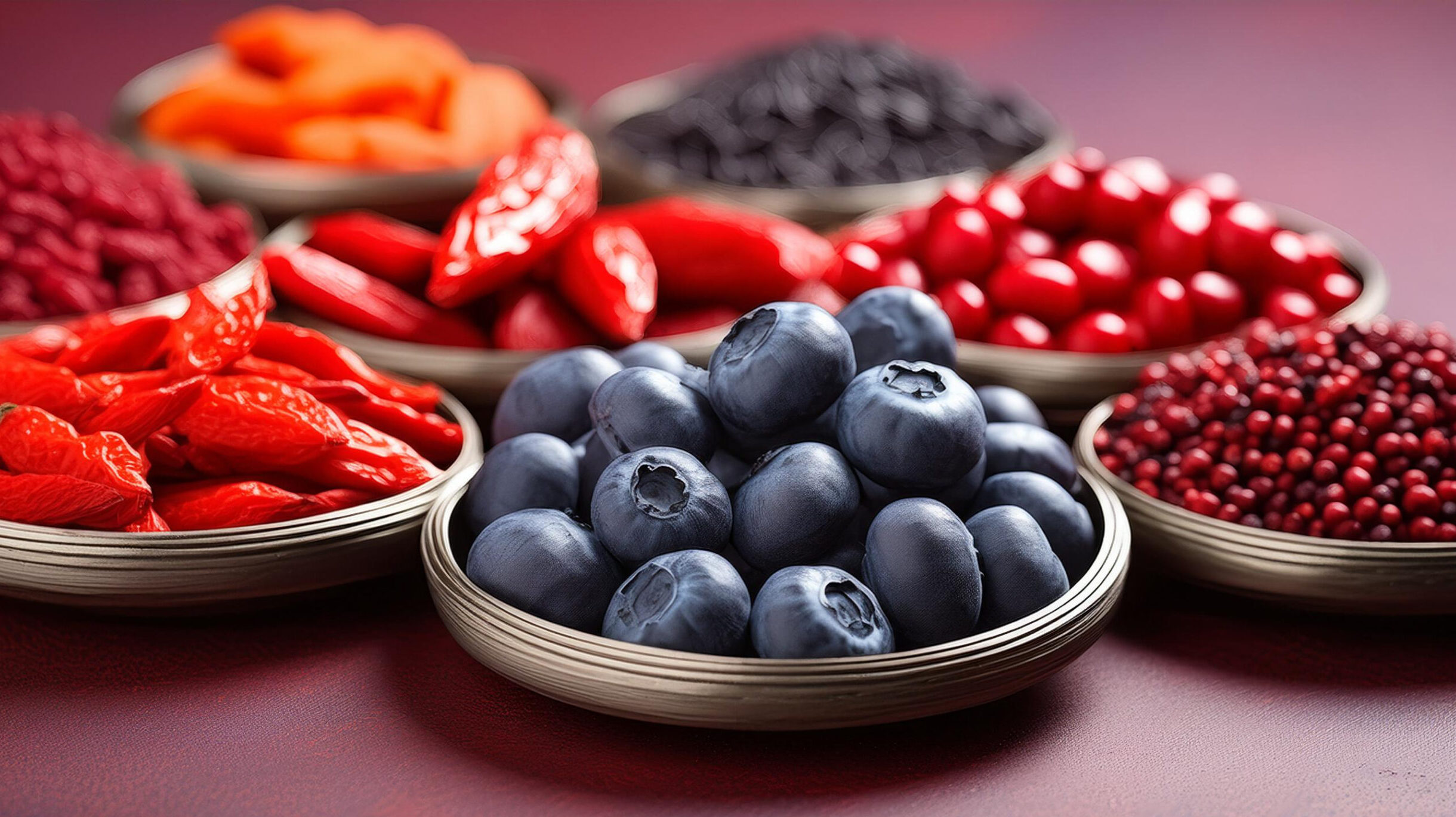
While the concept of antioxidants is a recent scientific discovery, Ayurveda, the ancient Indian system of medicine, has long emphasized the importance of consuming certain foods to promote cellular health. This synergy between traditional wisdom and modern science empowers you to make informed choices for optimal well-being.
Free radicals are unstable molecules produced during normal metabolism and through exposure to environmental toxins. These free radicals can damage cells, contributing to aging and chronic diseases. Antioxidants are natural or man-made substances that neutralize free radicals, protecting your cells from this damage.
Ayurveda doesn’t directly mention antioxidants, but it focuses on nourishing the agni, the digestive fire responsible for breaking down food and extracting its essence. A strong agni allows your body to absorb nutrients effectively. Ayurvedic dietary principles recommend specific foods that promote agni and possess inherent antioxidant properties.
Here’s a glimpse into some antioxidant-rich food groups recommended in Ayurveda:
Fruits: Amla (Indian Gooseberry), rich in Vitamin C and phytonutrients, is a revered fruit in Ayurveda for its cellular rejuvenation properties. Other beneficial fruits include berries, pomegranate, and grapes.
Vegetables: Leafy greens like spinach and kale are rich in antioxidants and vitamins that protect cells. Ayurveda also recommends brightly colored vegetables like beetroot and carrots.
Spices: Turmeric, a golden wonder, contains curcumin, a potent anti-inflammatory and antioxidant compound. Other beneficial spices include ginger, cloves, and cumin.
Nuts and Seeds: Almonds, walnuts, and flaxseeds are all rich in antioxidants, healthy fats, and Vitamin E, which contribute to cellular health.
Remember: Consult with an Ayurvedic practitioner for personalized dietary advice based on your unique needs and doshic constitution.
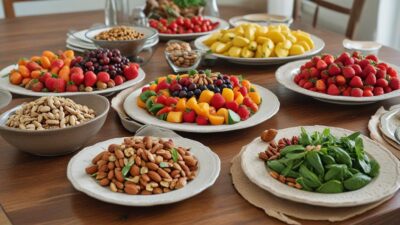
Foundation of a healthy diet – Fruits, Vegetables, Spices, and Nuts
A holistic approach to cellular health goes beyond just diet. Here are some Ayurvedic practices that can contribute:
Regular Exercise: Moderate physical activity improves circulation and cellular respiration, promoting overall well-being.
Quality Sleep: Adequate sleep allows your body to repair and rejuvenate cells.
Stress Management: Chronic stress can increase free radical production. Practice relaxation techniques like yoga or meditation to manage stress effectively.
By incorporating these ancient practices alongside a diet rich in antioxidant-rich foods, you can create a powerful foundation for cellular health. Remember, consistency is key. With dedication to a balanced lifestyle, you can embrace the wisdom of Ayurveda and empower your body’s natural defense mechanisms for a life of vitality.