100% Herbal & Natural |
Extra 10% OFF with code SATRISHI10 |
Backed by Ayurveda |
Free Shipping Above ₹399 |
100% Herbal & Natural |
Extra 10% OFF with code SATRISHI10 |
Backed by Ayurveda |
Free Shipping Above ₹399 |
100% Herbal & Natural |
Extra 10% OFF with code SATRISHI10 |
Backed by Ayurveda |
Free Shipping Above ₹399 |
100% Herbal & Natural |
Extra 10% OFF with code SATRISHI10 |
Backed by Ayurveda |
Free Shipping Above ₹399 |

Maintaining stable blood sugar levels is essential for overall health, particularly for individuals managing diabetes or prediabetes. A well-balanced vegetarian diet can be an effective way to control blood sugar levels, as plant-based foods are generally rich in fiber, antioxidants, and essential nutrients. By incorporating the right combination of vegetables, legumes, whole grains, and healthy fats, you can help regulate blood sugar and reduce insulin resistance.
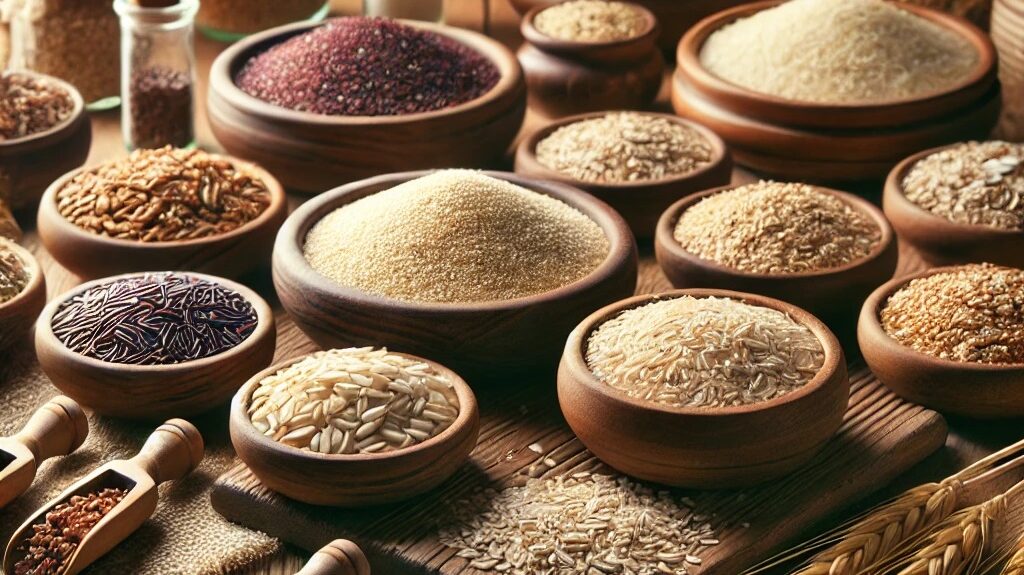
Whole grains, unlike refined grains, contain all parts of the grain kernel, which means they retain more nutrients and fiber. Fiber helps slow down the absorption of sugar into the bloodstream, which prevents blood sugar spikes and promotes steady energy throughout the day. Refined grains, like white rice and white bread, cause rapid increases in blood sugar levels due to their low fiber content.
Start your day with oatmeal or a whole grain breakfast porridge. Use brown rice or quinoa as a base for salads or stir-fries, and replace white bread with whole-grain bread.
High-fiber vegetables are crucial for blood sugar stability. They not only help slow down digestion but also promote feelings of fullness, which can prevent overeating. Non-starchy vegetables, in particular, are low in carbohydrates and calories, making them ideal for managing blood sugar levels.
Include a variety of non-starchy vegetables in your meals. You can roast them, add them to salads, or stir-fry them with spices. Aim to fill half of your plate with vegetables at each meal to get the most benefits.
Protein helps stabilize blood sugar levels by slowing down the absorption of carbohydrates. Adding plant-based proteins to your meals can help keep blood sugar levels steady and provide lasting energy. Additionally, plant-based protein sources are often rich in fiber and other nutrients.
Add beans and legumes to soups, salads, or grain bowls. Tofu and tempeh can be stir-fried, grilled, or baked and added to meals as a protein source. You can also blend cooked lentils into sauces for added fiber and protein.
Healthy fats, such as monounsaturated and polyunsaturated fats, help slow digestion and prevent rapid blood sugar spikes. They also promote heart health and reduce inflammation, which is important for individuals with diabetes. Including healthy fats in your meals can increase satiety and keep you feeling fuller for longer.
Add avocado slices to your salads or toast. Use olive oil for cooking or drizzle it over roasted vegetables. Snack on a handful of nuts or sprinkle seeds over your meals for an extra boost of healthy fats.
Low-glycemic fruits are those that have a minimal impact on blood sugar levels. They contain natural sugars, but their high fiber content slows down sugar absorption. These fruits provide essential vitamins and antioxidants while helping to maintain stable blood sugar.
Enjoy berries with yogurt or oatmeal for breakfast. Snack on apples or pears with nut butter. Use low-glycemic fruits as natural sweeteners in smoothies or desserts.
Refined sugars and processed foods can cause sharp spikes and drops in blood sugar levels, making it harder to maintain steady energy and stable glucose. Many processed foods also lack fiber and essential nutrients, which are crucial for blood sugar regulation.
Opt for natural sweeteners like stevia or monk fruit in place of sugar. Choose whole, unprocessed foods and cook meals at home as often as possible to avoid hidden sugars in packaged foods.
Certain herbs and spices have been shown to support blood sugar regulation by improving insulin sensitivity and reducing inflammation. Incorporating these into your meals can enhance flavor while promoting stable blood sugar levels.
Add cinnamon to oatmeal or smoothies. Use turmeric and ginger in curries, soups, or teas. Sprinkle fenugreek seeds on salads or blend them into smoothies for an added boost.
A vegetarian diet can play a vital role in stabilizing blood sugar levels when combined with the right foods and balanced nutrition. Focus on incorporating whole grains, fiber-rich vegetables, plant-based proteins, and healthy fats into your meals, while limiting processed foods and refined sugars. By following these tips, you can help maintain stable blood sugar and support overall health.