Tag: Diabetes

  • Preventing Diabetes Complications with Ayurvedic Remedies

    Preventing Diabetes Complications with Ayurvedic Remedies

    Diabetes is a chronic condition that, if left unmanaged, can lead to serious complications affecting various parts of the body, such as the heart, kidneys, eyes, and nerves. In addition to modern medicine, Ayurveda offers holistic approaches to prevent these complications by balancing the body’s doshas, improving digestion, and using natural herbs and practices to support the organs affected by diabetes. Let’s explore some Ayurvedic remedies and lifestyle practices that can help prevent diabetes complications.

    Ayurvedic View on Diabetes and Its Complications

    In Ayurveda, diabetes is known as “Madhumeha,” and it is primarily considered a Kapha dosha imbalance. Over time, this imbalance affects other doshas and can lead to the accumulation of toxins (Ama) in the body, which worsens the condition and leads to complications. Ayurveda focuses on detoxification, balancing the doshas, and using herbs to prevent these complications.

    Common Diabetes Complications

    1. Cardiovascular disease
    2. Kidney damage (nephropathy)
    3. Nerve damage (neuropathy)
    4. Eye damage (retinopathy)
    5. Foot infections and ulcers
    6. Poor wound healing

    Top Ayurvedic Remedies to Prevent Diabetes Complications

    Ayurveda addresses the root causes of diabetes complications and aims to improve overall health through dietary changes, herbal remedies, and lifestyle modifications.

    1. Herbal Remedies to Protect Organs

    Ayurvedic herbs are known for their powerful effects in regulating blood sugar levels and supporting the health of various organs affected by diabetes.

    A. Guduchi (Giloy)

    Guduchi is a potent herb with immune-boosting and anti-inflammatory properties that help prevent diabetes complications by supporting the body’s natural healing process and reducing oxidative stress.

    • Benefits:
      • Protects kidneys and liver
      • Reduces inflammation
      • Improves immune function

    How to use: Take Guduchi powder or capsules daily, or make a tea by boiling its stem in water.

    B. Punarnava

    Punarnava is known for its diuretic properties and is excellent for kidney health. It helps prevent kidney complications, a common issue for diabetics.

    • Benefits:
      • Supports kidney function
      • Helps reduce swelling and water retention
      • Detoxifies the body

    How to use: Punarnava is often consumed as a powder mixed with water or made into a tea. It can also be found in capsule form.

    C. Turmeric (Haldi)

    Turmeric is widely known for its anti-inflammatory and antioxidant properties. It helps prevent cardiovascular complications and supports nerve health in diabetics.

    • Benefits:
      • Reduces inflammation
      • Improves insulin sensitivity
      • Protects the heart and nerves

    How to use: Add turmeric to meals or consume it as a tea mixed with black pepper for better absorption.

    D. Amalaki (Amla)

    Amla is rich in vitamin C and helps protect the eyes, skin, and immune system from the oxidative stress that diabetes can cause.

    • Benefits:
      • Prevents retinopathy (eye damage)
      • Enhances insulin function
      • Strengthens the immune system

    How to use: Drink Amla juice or take it in powder or tablet form daily to improve overall health.

    2. Dietary Recommendations to Prevent Complications

    A balanced Ayurvedic diet plays a critical role in preventing diabetes complications. By following a Kapha-pacifying diet, you can manage blood sugar levels and prevent complications like weight gain, heart disease, and kidney problems.

    A. Eat Bitter Foods

    Bitter foods like bitter melon (Karela), fenugreek (Methi), and neem are excellent for managing blood sugar levels and protecting against complications.

    • Benefits:
      • Improve digestion
      • Lower blood sugar levels
      • Cleanse the blood and organs

    B. Reduce Sugar and Processed Foods

    Refined sugars and processed foods increase Kapha and cause blood sugar spikes, leading to further complications. Focus on whole foods, fresh fruits (like berries and citrus), and vegetables.

    • Benefits:
      • Stabilizes blood sugar levels
      • Reduces insulin resistance
      • Lowers risk of heart disease

    C. Include Spices

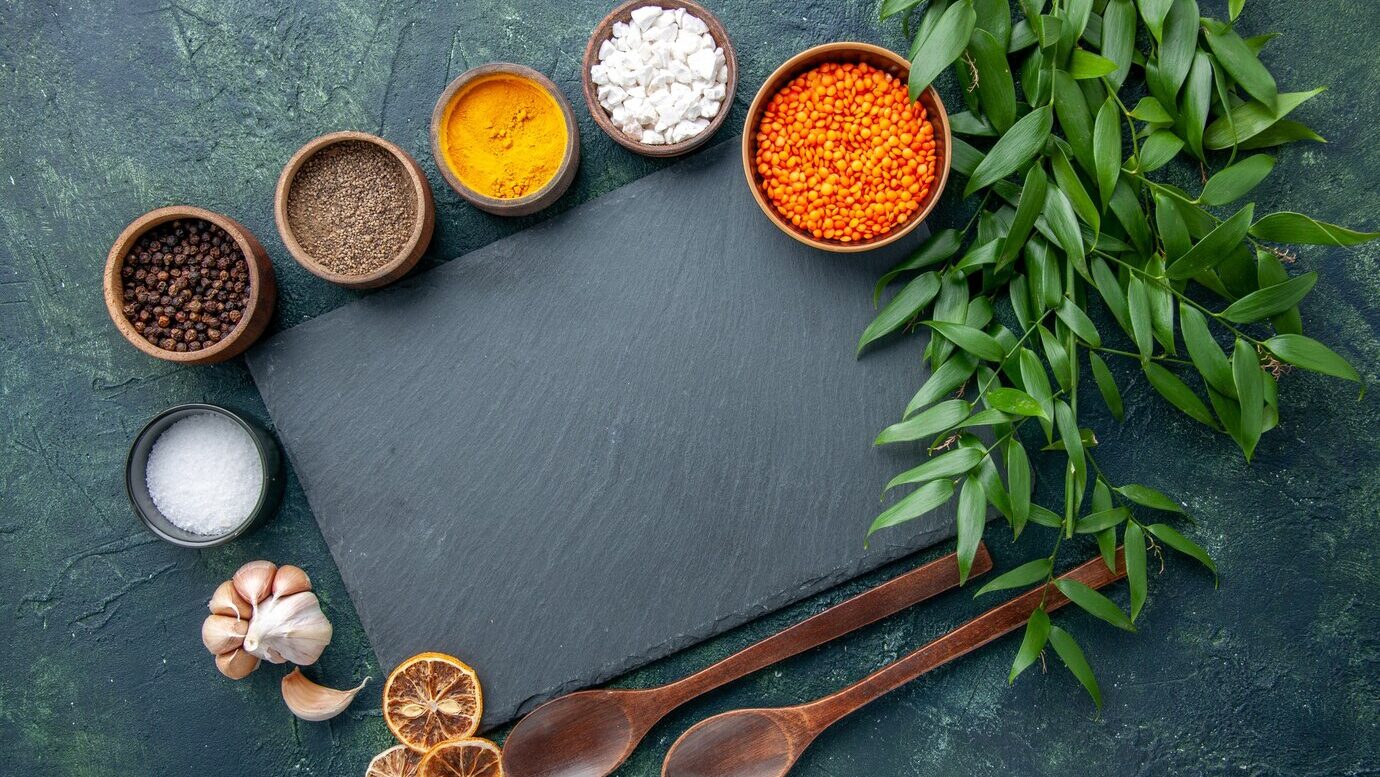
    Spices like cinnamon, cumin, turmeric, and fenugreek help improve digestion, reduce sugar cravings, and boost insulin sensitivity.

    • Benefits:
      • Enhance metabolism
      • Lower cholesterol levels
      • Support overall blood sugar management

    3. Lifestyle Modifications

    Ayurveda emphasizes the importance of a healthy lifestyle to prevent diabetes complications. These practices improve overall well-being and help manage stress, which can exacerbate diabetes symptoms.

    A. Regular Exercise (Vyayama)

    Physical activity is crucial in Ayurveda to maintain balance in the body. Regular exercise helps regulate blood sugar levels, improves circulation, and reduces the risk of cardiovascular complications.

    • Activities to try:
      • Walking
      • Yoga
      • Swimming
      • Cycling

    B. Practice Yoga and Meditation

    Yoga and meditation help reduce stress, improve digestion, and balance the nervous system, which is crucial for preventing diabetes-related nerve damage (neuropathy).

    • Benefits:
      • Lowers cortisol (stress hormone) levels
      • Enhances insulin sensitivity
      • Supports mental health and well-being

    Recommended yoga poses for diabetes:

    • Viparita Karani (Legs-Up-The-Wall Pose)
    • Dhanurasana (Bow Pose)
    • Paschimottanasana (Seated Forward Bend)

    C. Maintain a Regular Sleep Schedule

    Getting enough sleep is essential for preventing diabetes complications. Lack of sleep increases insulin resistance and worsens blood sugar levels.

    • Ayurvedic Tips for Better Sleep:
      • Go to bed and wake up at the same time daily
      • Avoid stimulants like caffeine in the evening
      • Use warm oil massage (Abhyanga) before bed to promote relaxation

    4. Detoxification (Panchakarma)

    Ayurvedic detox therapies like Panchakarma can help eliminate toxins (Ama) from the body, improve digestion, and rejuvenate the organs affected by diabetes. Regular detoxification supports the liver, kidneys, and digestive system, helping prevent long-term complications.

    • Benefits:
      • Improves metabolism
      • Enhances the functioning of vital organs
      • Reduces the risk of complications like nephropathy (kidney damage)

    How to detox: It’s best to consult with an Ayurvedic practitioner for a personalized detox plan, which may include therapies like oil massages, steam baths, and herbal remedies.

    Conclusion

    Ayurveda offers a holistic approach to preventing diabetes complications by focusing on balancing the doshas, supporting organ function, and using natural remedies to manage blood sugar levels. Incorporating Ayurvedic herbs like Guduchi, Punarnava, and Amla, along with a healthy diet, regular exercise, and stress management techniques, can help prevent complications and improve overall well-being. Always consult an Ayurvedic practitioner or healthcare provider before starting any new remedies, especially if you’re already on medication for diabetes.


  • Ayurvedic Teas for Blood Sugar Control

    Ayurvedic Teas for Blood Sugar Control

    Ayurveda, the ancient Indian system of medicine, offers a wealth of natural remedies for managing blood sugar levels. One of the easiest and most effective ways to incorporate Ayurvedic herbs into your routine is through herbal teas. These teas not only help regulate blood sugar levels but also offer numerous other health benefits, such as improving digestion and reducing inflammation. Let’s explore some of the top Ayurvedic teas that can support blood sugar control.

    Why Ayurvedic Teas are Effective for Blood Sugar

    Ayurvedic teas are made from herbs and spices that are known to balance blood sugar levels by improving insulin sensitivity, reducing sugar absorption, and supporting overall metabolic health. These teas also offer a gentle, natural way to manage diabetes without the harsh side effects often associated with synthetic medications.

    Herbal Teas and Blood Sugar

    Herbal teas target the root causes of blood sugar imbalances, such as poor digestion, weak metabolism, and insulin resistance. Many of these teas also help balance the doshas (Vata, Pitta, Kapha) and improve the functioning of key organs like the pancreas and liver.

    Regular Consumption

    For best results, it’s recommended to drink these teas regularly, along with a balanced Ayurvedic diet and lifestyle. Consistency is key when it comes to managing chronic conditions like diabetes.

    high angle woman checking glucose levels

    Top Ayurvedic Teas for Blood Sugar Control

    Here are some of the most effective Ayurvedic teas for balancing blood sugar levels:

    1. Cinnamon Tea (Dalchini)

    Cinnamon is a popular spice with powerful blood sugar-lowering properties. Drinking cinnamon tea regularly can help improve insulin sensitivity and reduce fasting blood sugar levels.

    • Benefits:
      • Improves insulin sensitivity
      • Reduces blood sugar spikes after meals
      • Anti-inflammatory properties

    How to make:
    Boil 1 to 2 cinnamon sticks in a cup of water for 5-10 minutes. Strain and drink twice daily, especially after meals.

    2. Fenugreek Tea (Methi)

    Fenugreek seeds are rich in soluble fiber, which slows down digestion and helps regulate the absorption of carbohydrates, thus controlling blood sugar levels.

    • Benefits:
      • Reduces fasting blood sugar
      • Improves glucose tolerance
      • Helps curb sugar cravings

    How to make:
    Soak 1 tablespoon of fenugreek seeds overnight in water. In the morning, boil the seeds in a cup of water, strain, and drink on an empty stomach.

    3. Gudmar Tea (Gymnema Sylvestre)

    Gudmar, also known as the “sugar destroyer,” is one of the best Ayurvedic herbs for managing blood sugar. It helps block the absorption of sugar in the intestines and reduces sugar cravings.

    • Benefits:
      • Blocks sugar absorption
      • Reduces sugar cravings
      • Enhances insulin production

    How to make:
    Boil a teaspoon of dried Gudmar leaves in a cup of water for 5-7 minutes. Strain and drink daily, preferably after meals.

    4. Bitter Melon Tea (Karela)

    Bitter melon is another excellent herb for controlling blood sugar levels. It contains compounds that mimic insulin and help in lowering glucose levels.

    • Benefits:
      • Increases insulin sensitivity
      • Lowers blood sugar naturally
      • Improves glucose metabolism

    How to make:
    Boil dried bitter melon slices or powder in water for 5-10 minutes. Strain and drink once or twice a day.

    5. Amla Tea (Indian Gooseberry)

    Amla, or Indian gooseberry, is rich in vitamin C and antioxidants. It helps in improving insulin sensitivity and protecting pancreatic cells from oxidative damage.

    • Benefits:
      • Improves insulin production
      • Reduces oxidative stress
      • Supports overall metabolic health

    How to make:
    Mix 1 teaspoon of Amla powder with hot water and drink it daily, either in the morning or before meals.

    6. Tulsi Tea (Holy Basil)

    Tulsi is a sacred herb in Ayurveda known for its numerous health benefits, including its ability to regulate blood sugar levels by reducing stress-related spikes in blood sugar.

    • Benefits:
      • Reduces stress-related blood sugar levels
      • Enhances insulin function
      • Anti-inflammatory and antioxidant properties

    How to make:
    Steep fresh or dried Tulsi leaves in hot water for 5 minutes. Strain and enjoy 1-2 cups daily, preferably in the morning.

    7. Turmeric Tea (Haldi)

    Turmeric has potent anti-inflammatory and antioxidant properties. It helps reduce insulin resistance and supports the overall function of the pancreas.

    • Benefits:
      • Reduces insulin resistance
      • Lowers blood sugar levels
      • Supports liver and pancreatic health

    How to make:
    Boil ½ teaspoon of turmeric powder in water or milk for 5-7 minutes. Add a pinch of black pepper to enhance absorption, then strain and drink.

    8. Cumin Tea (Jeera)

    Cumin seeds are known to improve digestion and enhance metabolism, both of which are important for managing blood sugar levels.

    • Benefits:
      • Improves insulin sensitivity
      • Aids digestion
      • Reduces post-meal blood sugar spikes

    How to make:
    Boil 1 teaspoon of cumin seeds in water for 5-7 minutes. Strain and drink after meals to aid digestion and control blood sugar.

    9. Neem Tea

    Neem leaves are bitter but highly effective in controlling blood sugar by reducing glucose absorption and promoting insulin production.

    • Benefits:
      • Reduces glucose absorption
      • Promotes insulin secretion
      • Lowers blood sugar naturally

    How to make:
    Steep a few fresh or dried neem leaves in hot water for 5 minutes. Strain and drink once a day, preferably in the morning.

    Conclusion

    Ayurvedic teas offer a natural, holistic way to help manage blood sugar levels. Incorporating these herbal teas into your daily routine, along with a balanced diet and regular physical activity, can make a significant difference in controlling Type 2 diabetes. Always consult with your healthcare provider before starting any new herbal regimen, especially if you’re on medication for diabetes.

  • Magic of Gudmar aka Madhunashni in Balancing Blood Sugar

    Magic of Gudmar aka Madhunashni in Balancing Blood Sugar

    Gudmar, also known as Gymnema Sylvestre, or simply Madhunashni in Local Language is a powerful herb in Ayurvedic medicine, especially recognized for its ability to help manage and balance blood sugar levels. In Sanskrit, “Gudmar” literally means “sugar destroyer,” and for centuries, it has been used to treat diabetes and regulate blood sugar naturally. In this article, we’ll explore how Gudmar works, its health benefits, and why it’s such a valuable herb for people dealing with blood sugar issues.

    How Gudmar Works to Balance Blood Sugar

    Gudmar contains compounds called gymnemic acids, which play a key role in managing blood sugar levels. These compounds work in various ways to help balance blood sugar and improve insulin sensitivity.

    1. Reducing Sugar Absorption

    One of the unique effects of Gudmar is its ability to block the taste of sweetness. The gymnemic acids present in the herb temporarily interfere with the receptors on the taste buds that detect sugar, making sugary foods taste less appealing. This can help reduce sugar cravings, which is especially beneficial for those with Type 2 diabetes or anyone trying to cut down on sugar.

    In addition to its effects on taste, Gudmar also helps reduce sugar absorption in the intestines. By preventing sugar from being fully absorbed into the bloodstream, it can help lower blood sugar spikes after meals.

    2. Enhancing Insulin Sensitivity

    Gudmar improves the body’s ability to produce insulin and enhances the effectiveness of existing insulin. This is crucial for people with Type 2 diabetes, where the body either doesn’t produce enough insulin or becomes resistant to it. By improving insulin sensitivity, Gudmar helps cells absorb and utilize glucose more efficiently, thus reducing overall blood sugar levels.

    3. Regenerating Pancreatic Cells

    In some cases, Gudmar has been shown to help regenerate beta cells in the pancreas, the cells responsible for producing insulin. This regeneration can improve the pancreas’ ability to produce insulin naturally, providing long-term benefits for managing blood sugar levels.

    Health Benefits of Gudmar

    Beyond its role in balancing blood sugar, Gudmar offers several additional health benefits. Let’s explore a few of these:

    1. Aiding in Weight Management

    Gudmar not only helps regulate blood sugar but can also aid in weight management. Its ability to curb sugar cravings and block the absorption of sugar can lead to reduced calorie intake, which is helpful for people looking to lose or maintain weight.

    2. Lowering Cholesterol Levels

    Gudmar may also help lower cholesterol levels, another important aspect of managing diabetes. By reducing the body’s absorption of lipids and improving fat metabolism, Gudmar can help maintain healthy cholesterol levels, reducing the risk of heart disease in people with diabetes.

    3. Anti-Inflammatory Properties

    Chronic inflammation is often associated with high blood sugar and insulin resistance. Gudmar has anti-inflammatory properties that can help reduce inflammation in the body, supporting overall health and improving insulin sensitivity.

    4. Supporting Digestive Health

    Gudmar also benefits digestive health by improving metabolism and helping the body break down sugars and fats more effectively. A healthy digestive system is crucial for maintaining balanced blood sugar levels and preventing issues like indigestion or bloating.

    How to Use Gudmar for Blood Sugar Management

    Gudmar can be consumed in various forms, including capsules, powders, or teas. It’s commonly available as a dietary supplement in health food stores and online.

    1. Gudmar Powder

    Gudmar powder can be mixed with warm water or added to teas. The recommended dosage is typically between 1 to 2 teaspoons per day, but it’s best to consult an Ayurvedic practitioner or healthcare provider for personalized advice.

    2. Gudmar Capsules

    Capsules are a convenient way to take Gudmar daily. They usually come in 250-500 mg doses, and a common recommendation is to take one or two capsules per day after meals to help control post-meal blood sugar spikes.

    3. Gudmar Tea

    Gudmar can also be brewed into a tea by steeping its dried leaves in hot water. Drinking this tea regularly can help manage sugar levels and provide additional health benefits.

    Precautions and Considerations

    While Gudmar is generally considered safe for most people, it’s important to consult with a healthcare provider before incorporating it into your routine, especially if you’re already taking medications for diabetes. Gudmar can enhance the effects of insulin and other blood sugar-lowering medications, which may lead to hypoglycemia (low blood sugar). Monitoring your blood sugar levels closely is key when using Gudmar in combination with other treatments.

    Additionally, pregnant or breastfeeding women should avoid taking Gudmar without medical supervision.

    Conclusion

    Gudmar, or Gymnema Sylvestre, is a powerful Ayurvedic herb that plays a significant role in balancing blood sugar levels. By reducing sugar absorption, enhancing insulin sensitivity, and regenerating pancreatic cells, it provides a natural way to help manage Type 2 diabetes and improve overall health. Whether consumed as a powder, capsule, or tea, Gudmar can be a valuable addition to a diabetes management plan. However, as with any supplement, it’s crucial to use it under the guidance of a healthcare professional to avoid any complications.

  • Vegetarian Dietary Tips for Blood Sugar Stability

    Vegetarian Dietary Tips for Blood Sugar Stability

    Maintaining stable blood sugar levels is essential for overall health, particularly for individuals managing diabetes or prediabetes. A well-balanced vegetarian diet can be an effective way to control blood sugar levels, as plant-based foods are generally rich in fiber, antioxidants, and essential nutrients. By incorporating the right combination of vegetables, legumes, whole grains, and healthy fats, you can help regulate blood sugar and reduce insulin resistance.

    1. Choose Whole Grains Over Refined Carbohydrates

    Why Whole Grains Are Important

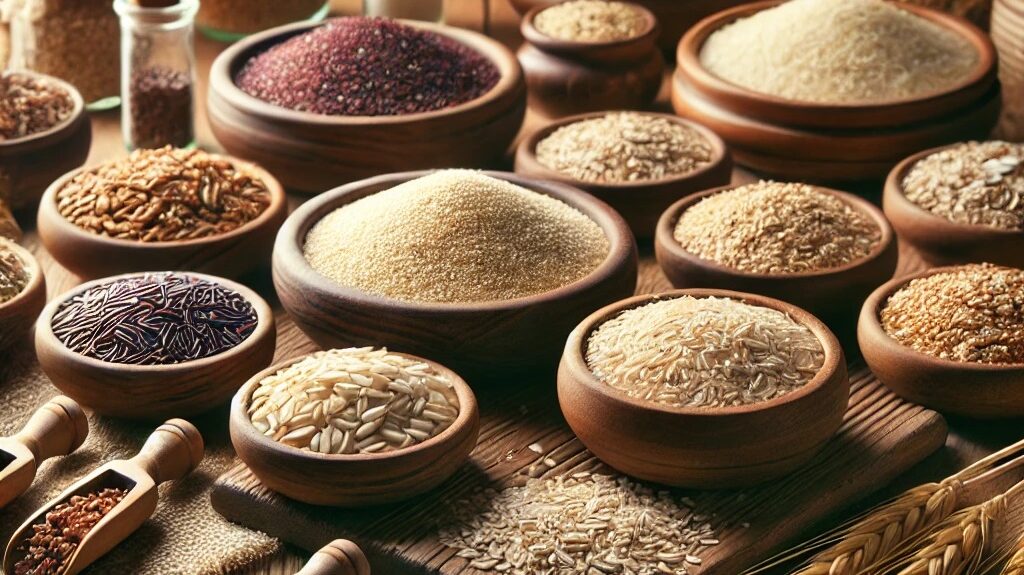
    Whole grains, unlike refined grains, contain all parts of the grain kernel, which means they retain more nutrients and fiber. Fiber helps slow down the absorption of sugar into the bloodstream, which prevents blood sugar spikes and promotes steady energy throughout the day. Refined grains, like white rice and white bread, cause rapid increases in blood sugar levels due to their low fiber content.

    Whole Grains to Include:

    • Quinoa
    • Brown rice
    • Barley
    • Oats
    • Millet

    How to Incorporate Whole Grains

    Start your day with oatmeal or a whole grain breakfast porridge. Use brown rice or quinoa as a base for salads or stir-fries, and replace white bread with whole-grain bread.

    2. Incorporate High-Fiber Vegetables

    Fiber for Blood Sugar Control

    High-fiber vegetables are crucial for blood sugar stability. They not only help slow down digestion but also promote feelings of fullness, which can prevent overeating. Non-starchy vegetables, in particular, are low in carbohydrates and calories, making them ideal for managing blood sugar levels.

    High-Fiber Vegetables to Include:

    • Broccoli
    • Spinach
    • Kale
    • Zucchini
    • Cauliflower
    • Brussels sprouts

    How to Incorporate High-Fiber Vegetables

    Include a variety of non-starchy vegetables in your meals. You can roast them, add them to salads, or stir-fry them with spices. Aim to fill half of your plate with vegetables at each meal to get the most benefits.

    3. Add Protein-Rich Plant-Based Foods

    The Importance of Plant-Based Protein

    Protein helps stabilize blood sugar levels by slowing down the absorption of carbohydrates. Adding plant-based proteins to your meals can help keep blood sugar levels steady and provide lasting energy. Additionally, plant-based protein sources are often rich in fiber and other nutrients.

    Protein-Rich Foods to Include:

    • Lentils
    • Chickpeas
    • Black beans
    • Tofu
    • Tempeh
    • Edamame

    How to Incorporate Plant-Based Proteins

    Add beans and legumes to soups, salads, or grain bowls. Tofu and tempeh can be stir-fried, grilled, or baked and added to meals as a protein source. You can also blend cooked lentils into sauces for added fiber and protein.

    4. Healthy Fats for Blood Sugar Stability

    Why Healthy Fats Are Essential

    Healthy fats, such as monounsaturated and polyunsaturated fats, help slow digestion and prevent rapid blood sugar spikes. They also promote heart health and reduce inflammation, which is important for individuals with diabetes. Including healthy fats in your meals can increase satiety and keep you feeling fuller for longer.

    Healthy Fats to Include:

    • Avocado
    • Nuts (almonds, walnuts)
    • Seeds (chia seeds, flaxseeds, pumpkin seeds)
    • Olive oil
    • Coconut oil

    How to Incorporate Healthy Fats

    Add avocado slices to your salads or toast. Use olive oil for cooking or drizzle it over roasted vegetables. Snack on a handful of nuts or sprinkle seeds over your meals for an extra boost of healthy fats.

    5. Low-Glycemic Fruits for Sweetness and Fiber

    Why Low-Glycemic Fruits Matter

    Low-glycemic fruits are those that have a minimal impact on blood sugar levels. They contain natural sugars, but their high fiber content slows down sugar absorption. These fruits provide essential vitamins and antioxidants while helping to maintain stable blood sugar.

    Low-Glycemic Fruits to Include:

    • Berries (blueberries, strawberries, raspberries)
    • Apples
    • Pears
    • Oranges
    • Plums

    How to Incorporate Low-Glycemic Fruits

    Enjoy berries with yogurt or oatmeal for breakfast. Snack on apples or pears with nut butter. Use low-glycemic fruits as natural sweeteners in smoothies or desserts.

    6. Limit Sugary and Processed Foods

    The Impact of Refined Sugar

    Refined sugars and processed foods can cause sharp spikes and drops in blood sugar levels, making it harder to maintain steady energy and stable glucose. Many processed foods also lack fiber and essential nutrients, which are crucial for blood sugar regulation.

    Foods to Avoid:

    • Sugary cereals
    • Soft drinks and sugary beverages
    • White bread, pastries, and baked goods
    • Candy and sweets
    • Processed snacks like chips and crackers

    How to Reduce Sugar Intake

    Opt for natural sweeteners like stevia or monk fruit in place of sugar. Choose whole, unprocessed foods and cook meals at home as often as possible to avoid hidden sugars in packaged foods.

    7. Herbs and Spices for Blood Sugar Control

    The Role of Herbs and Spices

    Certain herbs and spices have been shown to support blood sugar regulation by improving insulin sensitivity and reducing inflammation. Incorporating these into your meals can enhance flavor while promoting stable blood sugar levels.

    Beneficial Herbs and Spices:

    • Cinnamon: Helps lower blood sugar and improve insulin sensitivity.
    • Turmeric: Contains curcumin, which has anti-inflammatory properties that can benefit insulin function.
    • Ginger: Improves digestion and helps regulate blood sugar.
    • Fenugreek: Reduces blood sugar spikes by slowing carbohydrate digestion.

    How to Use Herbs and Spices

    Add cinnamon to oatmeal or smoothies. Use turmeric and ginger in curries, soups, or teas. Sprinkle fenugreek seeds on salads or blend them into smoothies for an added boost.

    Conclusion

    A vegetarian diet can play a vital role in stabilizing blood sugar levels when combined with the right foods and balanced nutrition. Focus on incorporating whole grains, fiber-rich vegetables, plant-based proteins, and healthy fats into your meals, while limiting processed foods and refined sugars. By following these tips, you can help maintain stable blood sugar and support overall health.

  • Managing Type 2 Diabetes with Natural Diet and Lifestyle

    Managing Type 2 Diabetes with Natural Diet and Lifestyle

    Type 2 diabetes is becoming more common, and while modern medicine offers many treatments, Ayurveda provides a holistic approach to managing the condition. Ayurveda focuses on balancing the body’s doshas (Vata, Pitta, Kapha) through diet, lifestyle, and herbal remedies. This approach can help manage blood sugar levels naturally, improve overall health, and reduce the risk of complications. Let’s explore how an Ayurvedic diet and lifestyle can help you manage Type 2 diabetes.

    How Ayurveda Views Diabetes

    In Ayurveda, Type 2 diabetes is often linked to an imbalance in the Kapha dosha, which is responsible for qualities like heaviness, sluggishness, and coldness. This imbalance leads to poor metabolism and insulin resistance, resulting in high blood sugar levels.

    Dosha Imbalance and Diabetes

    Kapha types are more prone to conditions like diabetes due to their natural tendency toward weight gain and slower digestion. However, diabetes can also arise when there’s an imbalance in other doshas, particularly Pitta, which controls metabolism. Ayurveda aims to balance these doshas through diet and lifestyle changes to prevent or manage the condition.

    Agni (Digestive Fire)

    In Ayurveda, the concept of Agni, or digestive fire, is central. Weak Agni leads to the accumulation of toxins (Ama), which disrupts bodily functions and can contribute to conditions like diabetes. Strengthening Agni through a proper diet is key to managing Type 2 diabetes.

    Ayurvedic Dietary Guidelines for Type 2 Diabetes

    Ayurveda emphasizes a diet that balances the Kapha dosha and keeps blood sugar levels stable. The focus is on foods that are light, easy to digest, and don’t spike blood sugar levels.

    1. Favor Bitter and Astringent Tastes

    Bitter and astringent tastes help balance Kapha and improve digestion, making them essential for managing diabetes.

    • Foods to include:
      • Bitter gourd (Karela)
      • Leafy greens like spinach and kale
      • Fenugreek seeds
      • Turmeric
      • Neem

    These foods help regulate blood sugar and reduce insulin resistance naturally.

    2. Avoid Sugary and Heavy Foods

    Foods that are sweet, oily, or heavy increase Kapha and contribute to weight gain and high blood sugar levels.

    • Foods to avoid:
      • Sugary snacks, pastries, and desserts
      • White rice and refined carbs
      • Deep-fried foods
      • Processed foods

    Instead, focus on whole grains like quinoa, buckwheat, and barley, which are lighter and help maintain steady blood sugar levels.

    3. Incorporate Spices

    Spices like cumin, turmeric, and cinnamon not only add flavor to your meals but also help manage blood sugar by improving insulin sensitivity and digestion.

    • Spices to use:
      • Cinnamon (Dalchini)
      • Turmeric (Haldi)
      • Cumin (Jeera)
      • Fenugreek (Methi)

    These spices are particularly effective in managing insulin levels and reducing blood sugar spikes after meals.

    4. Eat Seasonal and Fresh Foods

    Ayurveda stresses the importance of eating fresh, seasonal foods that are aligned with your local environment. These foods are naturally more nourishing and easier to digest, supporting overall health and keeping blood sugar stable.

    • Summer foods: Cooling fruits and vegetables like cucumber, leafy greens, and berries.
    • Winter foods: Warming soups, root vegetables, and spices like ginger and black pepper.

    5. Portion Control

    Ayurveda recommends eating smaller, frequent meals throughout the day rather than large meals. This prevents overeating, supports digestion, and helps in stabilizing blood sugar levels.

    6. Drink Herbal Teas

    Herbal teas made from ingredients like cinnamon, fenugreek, or tulsi (holy basil) can be beneficial in managing diabetes. These herbs help regulate blood sugar and improve digestion.

    Ayurvedic Lifestyle Practices for Managing Diabetes

    Along with a balanced diet, Ayurveda places equal importance on lifestyle practices to manage diabetes effectively.

    1. Daily Exercise (Vyayama)

    Regular physical activity is essential in Ayurveda for maintaining balance in the body, particularly for managing Kapha-related conditions like diabetes. Exercise helps in weight management, improves circulation, and enhances insulin sensitivity.

    • Recommended activities:
      • Walking
      • Yoga
      • Cycling
      • Swimming

    Practicing yoga, in particular, can be helpful in reducing stress and improving metabolism, both of which are key in managing diabetes.

    2. Maintain a Regular Eating Schedule

    Ayurveda emphasizes eating meals at consistent times each day to help regulate digestion and stabilize blood sugar levels. Skipping meals or irregular eating habits can lead to blood sugar fluctuations, so it’s important to maintain a regular schedule.

    3. Mindful Eating

    Ayurveda recommends eating meals in a calm, peaceful environment, without distractions like TV or work. This mindful eating practice improves digestion and prevents overeating, helping to control blood sugar levels.

    4. Manage Stress

    Stress can lead to high blood sugar levels by increasing the production of cortisol, a stress hormone that affects insulin sensitivity. Incorporating stress-reducing practices like meditation, pranayama (breathing exercises), or mindfulness can help keep stress levels in check.

    5. Adequate Sleep

    Getting enough sleep is critical for overall health, especially for those managing diabetes. Poor sleep can affect insulin sensitivity and lead to higher blood sugar levels. Ayurveda recommends going to bed early and waking up with the sun to maintain a healthy circadian rhythm.

    6. Detoxification (Panchakarma)

    Ayurvedic detoxification, known as Panchakarma, can help eliminate toxins from the body, improve digestion, and enhance the functioning of organs like the liver and pancreas. Regular detoxification is beneficial for managing Type 2 diabetes by clearing out Ama (toxins) and restoring balance.

    Conclusion

    Managing Type 2 diabetes with Ayurvedic diet and lifestyle involves balancing the doshas, improving digestion, and making mindful food choices. By incorporating herbs, spices, and a Kapha-balancing diet, along with regular exercise and stress management techniques, you can naturally control your blood sugar levels and improve your overall health. While Ayurveda offers powerful tools for managing diabetes, it’s always important to consult with your healthcare provider before making any significant changes to your diet or lifestyle.

  • Ayurvedic Herbs to Naturally Lower Blood Sugar Levels

    Ayurvedic Herbs to Naturally Lower Blood Sugar Levels

    Managing blood sugar levels is super important, especially for those with diabetes or pre-diabetes. But did you know that Ayurveda has a whole bunch of herbs that can naturally help with this? Instead of relying just on modern medicines, incorporating some of these herbs into your daily routine can make a real difference. Let’s dive into some of the best Ayurvedic herbs for lowering blood sugar naturally!

    How Ayurveda Helps with Blood Sugar

    Ayurveda offers a holistic approach to health, focusing on balancing the doshas and keeping the body’s natural systems in harmony. Certain herbs can help regulate blood sugar by supporting the pancreas, enhancing insulin sensitivity, and reducing sugar absorption.

    The Role of Doshas in Blood Sugar

    According to Ayurveda, an imbalance in the doshas—especially Kapha—can contribute to high blood sugar. Herbs that help balance Kapha and Pitta doshas are typically used for regulating blood sugar.

    The Importance of Diet

    Along with herbs, Ayurveda emphasizes diet and lifestyle changes. A Kapha-balancing diet, which includes lots of bitter, astringent, and spicy flavors, can also help control blood sugar levels naturally.

    Holistic Approach

    Ayurvedic herbs are not a quick fix but can work wonders when combined with other healthy habits like regular exercise, stress management, and mindful eating.

    Shankhpushpi

    Ayurvedic Herbs to Lower Blood Sugar

    Here’s a look at some Ayurvedic herbs known for their blood sugar-lowering properties. These herbs have been used for centuries and are still popular today for natural diabetes management.

    1. Bitter Melon (Karela)

    Bitter melon is a powerful herb that helps regulate blood sugar by improving insulin sensitivity and reducing glucose levels.

    • Benefits:
      • Increases insulin production
      • Improves glucose uptake by cells
      • Helps reduce sugar cravings

    You can consume bitter melon as a juice, in powder form, or cook it in a variety of dishes. Though it’s bitter, it’s highly effective in managing blood sugar.

    2. Fenugreek (Methi)

    Fenugreek seeds are packed with soluble fiber, which helps lower blood sugar by slowing down digestion and carbohydrate absorption.

    • Benefits:
      • Improves insulin sensitivity
      • Reduces fasting blood sugar levels
      • Reduces post-meal sugar spikes

    Soak fenugreek seeds overnight and drink the water in the morning, or add them to your meals.

    3. Amla (Indian Gooseberry)

    Amla is rich in antioxidants and vitamin C, making it a great herb for not just overall health but also for lowering blood sugar.

    • Benefits:
      • Improves insulin production
      • Protects pancreas cells
      • Reduces oxidative stress

    You can consume Amla as juice or powder, or just eat it fresh.

    Anti-inflammatory foods like turmeric, ginger and leafy

    4. Turmeric (Haldi)

    Turmeric is well-known for its anti-inflammatory properties but is also great for regulating blood sugar.

    • Benefits:
      • Reduces inflammation linked to insulin resistance
      • Improves liver function
      • Lowers glucose levels

    You can take turmeric with warm milk (golden milk) or as part of your daily cooking.

    5. Cinnamon (Dalchini)

    Cinnamon is a commonly used spice that has been shown to reduce blood sugar levels by mimicking insulin.

    • Benefits:
      • Improves insulin sensitivity
      • Lowers fasting blood sugar
      • Reduces post-meal blood sugar spikes

    Add cinnamon to your morning tea, oatmeal, or smoothies for its blood sugar-lowering benefits.

    6. Neem

    Neem leaves are bitter but are packed with medicinal properties that help lower blood sugar.

    • Benefits:
      • Reduces glucose absorption
      • Promotes insulin secretion
      • Protects pancreatic cells

    Neem can be consumed as juice, powder, or in the form of supplements. However, due to its strong taste, it may be easier to take as a supplement.

    7. Gymnema Sylvestre (Gurmar)

    Gymnema, also known as the “sugar destroyer,” helps reduce the absorption of sugar in the intestines.

    • Benefits:
      • Reduces sugar absorption
      • Suppresses sweet cravings
      • Increases insulin sensitivity

    You can take Gymnema as a supplement or in powder form, typically mixed with water or another liquid.

    8. Holy Basil (Tulsi)

    Tulsi is another powerful herb that supports blood sugar management by reducing stress and promoting insulin production.

    • Benefits:
      • Improves pancreatic function
      • Reduces stress-related blood sugar spikes
      • Balances blood sugar levels naturally

    You can consume Tulsi as a tea or add fresh leaves to your food.

    9. Cumin (Jeera)

    Cumin seeds help control blood sugar levels by reducing inflammation and improving insulin sensitivity.

    • Benefits:
      • Reduces post-meal blood sugar spikes
      • Improves digestion
      • Reduces inflammation

    Add cumin to your meals or drink cumin water for its blood sugar-lowering properties.

    10. Berberine (Daruharidra)

    Berberine, found in several plants, including Barberry, is known for its ability to lower blood sugar levels and improve insulin sensitivity.

    • Benefits:
      • Reduces glucose production in the liver
      • Enhances insulin sensitivity
      • Reduces sugar absorption

    Berberine is typically consumed in supplement form.

    Conclusion

    Ayurvedic herbs are a fantastic natural way to help regulate blood sugar levels. However, they should be used as part of a holistic approach that includes a balanced diet, exercise, and regular medical checkups. Always consult a healthcare professional before starting any herbal regimen, especially if you’re on medication for diabetes.

    By integrating these Ayurvedic herbs into your routine, you can naturally support your body’s ability to maintain balanced blood sugar levels.

  • Natural Herbs for Diabetes Prevention and Control

    Natural Herbs for Diabetes Prevention and Control

    Diabetes is a growing health concern worldwide, but Ayurveda offers natural solutions that can help prevent and manage the condition. In Ayurveda, diabetes is referred to as Madhumeha, and it is linked to an imbalance in the body’s metabolism and doshas, particularly Kapha. Ayurvedic herbs have been used for centuries to balance blood sugar levels, improve insulin sensitivity, and promote overall health. Below are some of the most effective Ayurvedic herbs for diabetes prevention and control.

    1. Gudmar (Gymnema Sylvestre) – The Sugar Destroyer

    How Gudmar Works

    Gudmar, also known as “sugar destroyer,” is one of the most potent Ayurvedic herbs for controlling diabetes. Its leaves contain compounds that suppress the taste of sugar, helping to reduce sugar cravings. Additionally, Gudmar improves insulin sensitivity and supports the regeneration of beta cells in the pancreas, which are responsible for insulin production.

    Benefits:

    • Reduces sugar absorption in the intestines
    • Lowers blood sugar levels naturally
    • Enhances insulin sensitivity

    How to Use Gudmar:

    Gudmar is available in powder or capsule form. It can be taken with warm water or mixed into smoothies. However, it’s important to consult a healthcare provider for the correct dosage, especially if you’re already taking medication for diabetes.

    2. Turmeric – The Golden Healer

    How Turmeric Works

    Turmeric is a powerful anti-inflammatory herb widely used in Ayurveda for managing various conditions, including diabetes. The active compound in turmeric, curcumin, has been shown to lower blood sugar levels and improve the function of insulin. It also helps reduce inflammation in the body, which is linked to insulin resistance.

    Benefits:

    • Reduces blood sugar levels
    • Enhances insulin sensitivity
    • Fights inflammation and oxidative stress

    How to Use Turmeric:

    You can add turmeric to your daily diet in the form of powder, capsules, or fresh root. A common way to consume it is by mixing a teaspoon of turmeric with warm milk or water, along with black pepper, which enhances curcumin absorption.

    3. Bitter Gourd (Karela) – A Natural Blood Sugar Regulator

    How Bitter Gourd Works

    Bitter gourd, or Karela, is known for its bitter taste and powerful blood sugar-lowering properties. It contains active compounds like charantin and polypeptide-p, which mimic insulin’s effects and help reduce blood glucose levels. Karela also helps improve glucose metabolism and supports healthy pancreatic function.

    Benefits:

    • Lowers blood sugar levels
    • Enhances glucose metabolism
    • Supports pancreatic health

    How to Use Bitter Gourd:

    You can consume bitter gourd juice in the morning on an empty stomach or incorporate it into your meals. It is also available in capsule or tablet form for those who cannot tolerate the bitterness of the raw vegetable.

    4. Amla (Indian Gooseberry) – A Powerful Antioxidant

    How Amla Works

    Amla, or Indian gooseberry, is an excellent source of vitamin C and antioxidants, which help protect against oxidative stress linked to diabetes. It supports healthy pancreatic function and helps regulate blood sugar levels. Amla also improves insulin sensitivity and supports the body’s natural detoxification processes.

    Benefits:

    • Boosts insulin sensitivity
    • Reduces oxidative stress
    • Promotes pancreatic health

    How to Use Amla:

    Amla is available in various forms, such as powder, juice, and capsules. You can take it with warm water or mix it into smoothies and juices. Fresh Amla juice is highly beneficial for diabetes management.

    5. Fenugreek (Methi) – A Digestive Aid for Blood Sugar Control

    How Fenugreek Works

    Fenugreek seeds are rich in soluble fiber, which helps slow down the digestion and absorption of carbohydrates, resulting in more stable blood sugar levels. The seeds also contain compounds that improve insulin sensitivity and reduce blood sugar spikes after meals.

    Benefits:

    • Stabilizes blood sugar levels
    • Improves insulin sensitivity
    • Reduces sugar absorption in the intestines

    How to Use Fenugreek:

    Soak fenugreek seeds overnight in water and consume them in the morning on an empty stomach. You can also incorporate fenugreek powder into your meals or take it in capsule form.

    6. Neem – A Traditional Detoxifier

    How Neem Works

    Neem has long been used in Ayurvedic medicine for its ability to purify the blood and detoxify the body. It helps control blood sugar by improving insulin sensitivity and enhancing glucose uptake by the cells. Neem also supports the liver and pancreas, both of which play critical roles in managing diabetes.

    Benefits:

    • Improves glucose metabolism
    • Enhances insulin sensitivity
    • Supports liver and pancreas health

    How to Use Neem:

    Neem can be consumed in the form of juice, powder, or capsules. Due to its bitter taste, many prefer neem capsules or tablets. It’s recommended to consult with a healthcare professional before using neem regularly.

    7. Cinnamon – A Warming Spice for Blood Sugar

    How Cinnamon Works

    Cinnamon is a warming spice known for its ability to lower blood sugar levels and improve insulin sensitivity. It enhances glucose uptake by the cells and reduces the risk of blood sugar spikes after meals. Cinnamon is particularly beneficial for those with insulin resistance or prediabetes.

    Benefits:

    • Lowers blood sugar levels
    • Reduces insulin resistance
    • Stabilizes blood sugar spikes after meals

    How to Use Cinnamon:

    Add cinnamon to your diet by sprinkling it on your meals, smoothies, or tea. It can also be taken in capsule form for a more concentrated dose. Ceylon cinnamon is considered the best variety for managing blood sugar.

    8. Triphala – A Detoxifying Digestive Aid

    How Triphala Works

    Triphala is a powerful Ayurvedic formulation made from three fruits—Amla, Haritaki, and Bibhitaki. It is known for its detoxifying and digestive benefits, which are essential for managing blood sugar levels. Triphala helps balance the digestive fire (Agni) and reduces the buildup of toxins that can contribute to metabolic disorders like diabetes.

    Benefits:

    • Promotes healthy digestion
    • Balances blood sugar levels
    • Detoxifies the body

    How to Use Triphala:

    Triphala is commonly consumed as a powder mixed with warm water before bedtime. It is also available in tablet or capsule form. Regular use of Triphala helps maintain digestive health and supports the body’s natural detox processes.

    Conclusion

    Ayurvedic herbs offer a natural and effective way to prevent and control diabetes by balancing blood sugar levels, improving insulin sensitivity, and supporting overall metabolic health. By incorporating these powerful herbs—such as Gudmar, turmeric, bitter gourd, Amla, fenugreek, neem, cinnamon, and Triphala—into your daily routine, you can manage diabetes more effectively while promoting long-term health and vitality.

    Always consult with an Ayurvedic practitioner or healthcare provider to determine the appropriate dosage and ensure that these herbs are suitable for your individual needs.