Blog

  • Ayurvedic Remedies for Irregular Menstrual Cycles

    Ayurvedic Remedies for Irregular Menstrual Cycles

    Irregular menstrual cycles can be frustrating and concerning for many women. In Ayurveda, the menstrual cycle is considered a reflection of a woman’s overall health and balance of the doshas—Vata, Pitta, and Kapha. Irregular periods, or artava dushti, are often a sign of an imbalance in these doshas, particularly Vata. Ayurveda takes a holistic approach to managing irregular periods by addressing the root causes and restoring balance in the body through diet, lifestyle changes, and herbal remedies.

    Here are some Ayurvedic remedies to help regulate menstrual cycles naturally.


    Causes of Irregular Menstrual Cycles in Ayurveda

    According to Ayurveda, an imbalance in the three doshas can cause disturbances in the menstrual cycle:

    • Vata imbalance: Vata governs movement in the body, including the flow of menstrual blood. When Vata is out of balance, it can lead to delayed, missed, or scanty periods.
    • Pitta imbalance: Pitta is associated with heat and metabolism. Imbalanced Pitta can cause heavy bleeding, inflammation, and painful periods.
    • Kapha imbalance: Kapha is related to structure and stability. Excess Kapha can lead to irregular cycles, water retention, and sluggishness.

    Factors like stress, poor diet, lack of exercise, excessive consumption of caffeine, and hormonal imbalances can also contribute to irregular menstruation.

     

    Menstrual Cycle

    Ayurvedic Remedies for Irregular Menstrual Cycles

    1. Balancing Doshas with Diet

    In Ayurveda, diet plays a vital role in regulating the menstrual cycle. Following a diet that balances your dominant dosha can help restore regular periods.

    • For Vata imbalance: Focus on warm, cooked foods like soups, stews, and grains. Include warming spices like ginger, cumin, and cinnamon to enhance digestion and circulation. Avoid raw, cold foods, and excessive caffeine.
    • For Pitta imbalance: Choose cooling, hydrating foods like cucumbers, melons, and leafy greens. Avoid spicy, fried, and overly acidic foods, which can aggravate Pitta and lead to excessive heat in the body.
    • For Kapha imbalance: Eat light, dry, and warm foods, such as roasted vegetables and whole grains. Avoid dairy, heavy, and sugary foods, which can contribute to lethargy and stagnation in the body.

    2. Herbal Remedies

    Ayurveda recommends a variety of herbs to regulate menstrual cycles by balancing hormones, reducing stress, and nourishing the reproductive system.

    • Ashwagandha: This adaptogenic herb is excellent for balancing Vata and reducing stress. It helps regulate the menstrual cycle by stabilizing cortisol levels and improving reproductive health.
    • Shatavari: Known as a female reproductive tonic, Shatavari is effective in balancing Pitta and nourishing the reproductive organs. It helps regulate menstrual cycles, enhance fertility, and reduce menstrual cramps.
    • Aloe Vera: Aloe vera juice is often recommended for regulating menstrual cycles. It supports hormonal balance and helps maintain a healthy menstrual flow.
    • Guduchi (Giloy): This herb is used to reduce inflammation, detoxify the body, and balance all three doshas. It can help in managing menstrual irregularities caused by Pitta imbalances.
    • Hing (Asafoetida): Hing is particularly effective in treating Vata-related menstrual issues like delayed or missed periods. It improves circulation and helps regulate the menstrual flow.
    • Turmeric: With its anti-inflammatory properties, turmeric helps balance Pitta, improve blood circulation, and regulate menstrual cycles. Consuming turmeric with warm milk can be beneficial for menstrual health.

    3. Abhyanga (Oil Massage)

    Abhyanga, or self-massage with warm oil, is an Ayurvedic therapy that can help balance Vata and improve circulation. Massaging the lower abdomen and pelvic area with warm sesame or castor oil before bedtime helps stimulate blood flow to the reproductive organs, reducing pain and regulating menstruation.

    • How to do it: Warm the oil slightly and apply it to your lower abdomen. Massage in circular motions for 5-10 minutes, then rest or take a warm bath afterward.

    4. Yoga and Pranayama

    Regular yoga practice can help regulate the menstrual cycle by balancing hormones, reducing stress, and improving blood flow to the pelvic area. Specific poses like Baddha Konasana (Bound Angle Pose), Bhujangasana (Cobra Pose), and Setu Bandhasana (Bridge Pose) can help alleviate menstrual irregularities and improve reproductive health.

    • Pranayama (Breathing Exercises): Deep breathing techniques like Nadi Shodhana (alternate nostril breathing) and Bhramari (humming bee breath) calm the nervous system and balance hormones, helping to regulate periods.

    5. Stress Management

    Stress is one of the most common causes of hormonal imbalances and irregular periods. Ayurveda places a strong emphasis on managing stress through lifestyle changes, mindfulness practices, and relaxation techniques.

    • Meditation: Regular meditation helps calm the mind, reduce anxiety, and balance the body’s hormones, leading to more regular menstrual cycles.
    • Sleep: Getting enough restful sleep is crucial for hormone balance. Try to maintain a regular sleep schedule and ensure you get 7-8 hours of sleep each night.

    6. Detoxification

    Toxin buildup in the body can contribute to hormonal imbalances and menstrual irregularities. Ayurvedic detox therapies like Panchakarma can help cleanse the body and restore balance to the doshas.

    • Triphala: This Ayurvedic herbal formula made from three fruits is known for its detoxifying properties. Taking Triphala before bedtime helps cleanse the digestive system, improving overall health and menstrual regulation.

    7. Ginger and Cinnamon Tea

    Both ginger and cinnamon are warming spices that stimulate blood flow and balance Vata. Drinking a tea made from fresh ginger and cinnamon can help regulate menstrual cycles and reduce cramps.

    • How to make it: Boil a small piece of fresh ginger and a cinnamon stick in water for 5-7 minutes. Strain and drink warm, preferably in the morning or evening.

    8. Maintain a Regular Routine

    Ayurveda emphasizes the importance of maintaining a daily routine, or dinacharya, to support overall health and hormonal balance. Regular eating, sleeping, and exercising habits help the body stay in rhythm, promoting regular menstrual cycles.

    • How to do it: Try to wake up, eat meals, and go to bed at the same time every day. A consistent routine helps regulate the body’s internal clock, promoting hormonal balance and regular periods.


    Conclusion

    Ayurvedic remedies for irregular menstrual cycles focus on balancing the doshas, reducing stress, and supporting the body’s natural rhythms. By incorporating herbal remedies, mindful eating, regular yoga practice, and stress management into your lifestyle, you can restore balance to your menstrual cycle and improve reproductive health. Ayurveda’s holistic approach offers a natural and sustainable way to achieve regular periods and overall well-being.

  • Remedies for Respiratory Conditions like Asthma and Bronchitis

    Remedies for Respiratory Conditions like Asthma and Bronchitis

    Respiratory conditions like asthma and bronchitis can be debilitating, often leading to difficulty breathing, chronic coughing, and inflammation of the airways. Ayurveda, the ancient Indian system of medicine, offers several herbal remedies to alleviate the symptoms and promote lung health. These herbs, known for their anti-inflammatory, bronchodilator, and immune-boosting properties, help treat asthma, bronchitis, and other respiratory issues naturally.

    In this article, we will explore some of the most effective Ayurvedic herbs and remedies for respiratory health.

    Understanding Respiratory Conditions in Ayurveda

    According to Ayurveda, respiratory problems stem from an imbalance in the Kapha dosha (the dosha associated with water and earth elements), which leads to excess mucus production, congestion, and restricted airflow. Asthma and bronchitis can also be influenced by Vata dosha imbalances, causing difficulty in breathing and dryness in the airways. To manage these conditions, Ayurveda focuses on balancing these doshas through diet, lifestyle changes, and herbal remedies.

    1. Tulsi (Holy Basil)

    How Tulsi Helps:

    Tulsi, also known as Holy Basil, is one of the most revered herbs in Ayurveda, particularly for respiratory health. It acts as a natural expectorant and bronchodilator, helping to clear mucus from the airways and ease breathing. Its anti-inflammatory properties help reduce swelling in the lungs, while its antibacterial and antiviral actions protect against infections that can trigger asthma and bronchitis flare-ups.

    How to Use:

    • Drink Tulsi tea by boiling fresh or dried tulsi leaves in water.
    • Inhale steam infused with tulsi leaves to relieve congestion.
    • Chew a few fresh tulsi leaves daily to strengthen the respiratory system.

    Benefits:

    • Reduces asthma symptoms by opening up the airways.
    • Clears mucus and reduces inflammation in bronchitis.
    • Boosts the immune system to prevent respiratory infections.

    2. Licorice Root (Yashtimadhu)

    How Licorice Root Helps:

    Licorice root, or Yashtimadhu, is a well-known Ayurvedic remedy for soothing the airways and reducing inflammation. Its natural sweet properties help coat the throat, reducing irritation and soothing dry, inflamed airways. Licorice root also acts as an expectorant, helping clear mucus and making it easier to breathe, making it especially useful for asthma and bronchitis patients.

    How to Use:

    • Boil licorice root powder in water to make a tea, and drink it 1–2 times daily.
    • Take licorice root supplements or extracts, under the guidance of an Ayurvedic practitioner.

    Benefits:

    • Reduces airway inflammation, making breathing easier.
    • Acts as a natural cough suppressant and expectorant.
    • Protects the respiratory tract from infections.

    3. Vasaka (Malabar Nut)

    How Vasaka Helps:

    Vasaka, or Adhatoda vasica, is one of the most powerful Ayurvedic herbs for treating asthma, bronchitis, and other respiratory conditions. Known for its bronchodilator and expectorant properties, Vasaka helps open the airways, expel mucus, and alleviate coughing. This herb is particularly effective for managing chronic bronchitis and severe asthma attacks.

    How to Use:

    • Drink Vasaka leaf juice mixed with honey 1–2 times a day.
    • Take Vasaka powder or capsules under the supervision of a healthcare provider.

    Benefits:

    • Relieves chest congestion and reduces wheezing.
    • Expels excess mucus from the lungs.
    • Helps reduce the frequency and severity of asthma attacks.

    4. Pippali (Long Pepper)

    How Pippali Helps:

    Pippali, or long pepper, is a warming herb that helps improve lung function and boosts respiratory circulation. It acts as a natural decongestant, helping clear blocked sinuses and expel excess mucus from the lungs. Pippali also strengthens the immune system, making it an excellent remedy for respiratory infections that can aggravate conditions like asthma and bronchitis.

    How to Use:

    • Add Pippali powder to warm milk or water, and drink it once a day.
    • Combine Pippali with honey and consume it after meals to enhance digestion and clear mucus.

    Benefits:

    • Clears mucus and improves lung circulation.
    • Reduces the intensity of asthma and bronchitis symptoms.
    • Strengthens the immune system to prevent respiratory infections.

    5. Ginger (Adraka)

    How Ginger Helps:

    Ginger is one of the most versatile herbs in Ayurveda, known for its anti-inflammatory and antioxidant properties. It helps reduce inflammation in the airways, making it easier to breathe during asthma attacks or bronchitis flare-ups. Ginger also acts as a natural antihistamine, reducing allergic reactions that can trigger asthma. Its warming properties improve circulation and help expel excess mucus from the lungs.

    How to Use:

    • Drink ginger tea by boiling fresh ginger slices in water.
    • Add ginger juice to honey and consume it to reduce coughing and chest tightness.

    Benefits:

    • Reduces airway inflammation and clears mucus.
    • Acts as a natural antihistamine, preventing asthma triggers.
    • Soothes the respiratory tract, reducing coughing.

    6. Mulethi (Licorice Root)

    How Mulethi Helps:

    Mulethi, or Indian licorice, is known for its ability to soothe irritated airways and reduce inflammation. It helps relieve symptoms like coughing, wheezing, and shortness of breath, making it an excellent remedy for both asthma and bronchitis. Mulethi also has immune-boosting properties that help prevent respiratory infections.

    How to Use:

    • Boil Mulethi powder in water to make a tea, and drink it 1–2 times a day.
    • Chew on Mulethi sticks to soothe throat irritation and reduce coughing.

    Benefits:

    • Soothes inflamed airways and reduces coughing.
    • Boosts the immune system to prevent respiratory infections.
    • Helps clear mucus and reduce shortness of breath.

    7. Haridra (Turmeric)

    How Turmeric Helps:

    Turmeric, known as Haridra in Ayurveda, is a powerful anti-inflammatory herb that helps reduce lung inflammation in asthma and bronchitis patients. Curcumin, the active ingredient in turmeric, has been shown to have antioxidant and anti-inflammatory properties, which help reduce oxidative stress and inflammation in the respiratory tract.

    How to Use:

    • Mix turmeric powder with warm milk (known as golden milk) and drink it once a day.
    • Add turmeric powder to your food or take it in capsule form for long-term lung health.

    Benefits:

    • Reduces inflammation in the lungs, improving airflow.
    • Boosts immune function to prevent respiratory infections.
    • Acts as a natural antioxidant, reducing oxidative stress in the respiratory system.

    Conclusion

    Ayurvedic herbs offer a natural and effective way to manage respiratory conditions like asthma and bronchitis. Herbs such as Tulsi, Licorice Root, Vasaka, Pippali, Ginger, and Turmeric help reduce inflammation, clear mucus, and improve lung function, providing relief from symptoms and promoting overall respiratory health. Incorporating these remedies into your daily routine can help you manage respiratory conditions naturally, but it’s important to consult an Ayurvedic practitioner or healthcare provider before starting any new treatments.

  • Tulsi and Its Role in Strengthening Immunity

    Tulsi and Its Role in Strengthening Immunity

    Tulsi, also known as Holy Basil, holds a sacred place in Ayurveda and is often referred to as the “Queen of Herbs.” For centuries, it has been used as a potent medicinal herb in India to promote overall health and well-being. Tulsi is especially renowned for its ability to strengthen the immune system and help the body ward off illnesses. Packed with antioxidants and bioactive compounds, Tulsi has gained widespread recognition as a natural remedy for enhancing immunity, managing stress, and preventing various infections.

    What Makes Tulsi a Powerful Immune Booster?

    Tulsi is rich in essential nutrients and contains phytochemicals like eugenol, rosmarinic acid, apigenin, and luteolin, which have potent anti-inflammatory, antiviral, and antimicrobial properties. These bioactive compounds work synergistically to support the immune system and provide protection against infections.

    Key Nutrients and Compounds in Tulsi:

    • Eugenol: A compound with anti-inflammatory and antioxidant properties that helps fight infections.
    • Vitamin C and A: Essential vitamins that boost the body’s defense mechanism.
    • Antioxidants: Tulsi is rich in antioxidants, which protect cells from oxidative stress and strengthen immune function.

    How Tulsi Strengthens Immunity

    1. Anti-Inflammatory Properties

    One of the key ways Tulsi boosts immunity is by reducing inflammation in the body. Chronic inflammation is often the underlying cause of many diseases and weakens the immune system. Tulsi’s anti-inflammatory compounds, such as eugenol and rosmarinic acid, help to combat inflammation, keeping the immune system healthy and resilient.

    2. Antiviral and Antibacterial Effects

    Tulsi has been traditionally used to treat viral and bacterial infections. Its antiviral and antibacterial properties make it an effective natural remedy for preventing infections like the common cold, flu, and respiratory illnesses. Tulsi works by inhibiting the growth of harmful pathogens and enhancing the body’s ability to fight off infections.

    3. Adaptogenic Properties for Stress Management

    Stress is one of the major contributors to a weakened immune system. Tulsi is an adaptogen, meaning it helps the body adapt to and manage stress more effectively. By reducing the levels of the stress hormone cortisol, Tulsi improves overall immune function. Regular consumption of Tulsi can help reduce stress and anxiety, indirectly strengthening the immune system.

    4. Rich Source of Antioxidants

    Tulsi is packed with antioxidants, which play a crucial role in protecting the body from free radicals. Free radicals are unstable molecules that can damage cells and weaken the immune system. The antioxidants in Tulsi neutralize these harmful molecules, protecting cells and boosting immunity.

    5. Respiratory Health

    Tulsi is particularly effective in promoting respiratory health, which is essential for a strong immune system. Tulsi helps to clear the respiratory tract, reduce congestion, and soothe the lungs. This is especially important during cold and flu season when respiratory infections are common. Tulsi tea or extracts can be consumed to alleviate coughs, bronchitis, and other respiratory issues.

    6. Detoxifying the Body

    A healthy immune system requires regular detoxification to remove toxins that can weaken the body’s defenses. Tulsi supports liver function and promotes detoxification by flushing out harmful substances from the body. This helps reduce the toxic load on the immune system, allowing it to focus on fighting infections more effectively.

    Tulsi and Its Role in Strengthening Immunity

    Ways to Incorporate Tulsi for Immunity

    1. Tulsi Tea

    One of the simplest and most popular ways to consume Tulsi is by drinking Tulsi tea. This herbal infusion is packed with immune-boosting properties and can be enjoyed daily.

    How to Make Tulsi Tea:

    • Boil 1-2 cups of water.
    • Add a handful of fresh or dried Tulsi leaves.
    • Let it simmer for 5-10 minutes.
    • Strain and enjoy, optionally adding honey or lemon for taste.

    2. Tulsi Powder or Capsules

    Tulsi powder or capsules are easily available in health stores and can be taken as a daily supplement. These forms provide a concentrated dose of the herb’s immune-boosting properties and are convenient for those with busy lifestyles.

    3. Tulsi Juice

    Fresh Tulsi juice can be made by blending Tulsi leaves with water. Drinking a small amount of this juice regularly can help support respiratory health and strengthen the immune system. For an extra immunity boost, mix Tulsi juice with honey and ginger.

    4. Tulsi Inhalation

    For respiratory issues, Tulsi can also be used as a steam inhalation. Boil water with fresh Tulsi leaves and inhale the steam to clear nasal congestion and improve lung function.

    Conclusion

    Tulsi, the revered “Queen of Herbs,” is one of the most effective natural remedies for boosting immunity. Its powerful combination of antioxidants, anti-inflammatory compounds, and adaptogenic properties helps the body ward off infections, manage stress, and improve overall health. Whether consumed as tea, powder, or in its fresh form, Tulsi is a valuable addition to any daily routine for building a stronger, healthier immune system year-round.

  • Magic of Gudmar aka Madhunashni in Balancing Blood Sugar

    Magic of Gudmar aka Madhunashni in Balancing Blood Sugar

    Gudmar, also known as Gymnema Sylvestre, or simply Madhunashni in Local Language is a powerful herb in Ayurvedic medicine, especially recognized for its ability to help manage and balance blood sugar levels. In Sanskrit, “Gudmar” literally means “sugar destroyer,” and for centuries, it has been used to treat diabetes and regulate blood sugar naturally. In this article, we’ll explore how Gudmar works, its health benefits, and why it’s such a valuable herb for people dealing with blood sugar issues.

    How Gudmar Works to Balance Blood Sugar

    Gudmar contains compounds called gymnemic acids, which play a key role in managing blood sugar levels. These compounds work in various ways to help balance blood sugar and improve insulin sensitivity.

    1. Reducing Sugar Absorption

    One of the unique effects of Gudmar is its ability to block the taste of sweetness. The gymnemic acids present in the herb temporarily interfere with the receptors on the taste buds that detect sugar, making sugary foods taste less appealing. This can help reduce sugar cravings, which is especially beneficial for those with Type 2 diabetes or anyone trying to cut down on sugar.

    In addition to its effects on taste, Gudmar also helps reduce sugar absorption in the intestines. By preventing sugar from being fully absorbed into the bloodstream, it can help lower blood sugar spikes after meals.

    2. Enhancing Insulin Sensitivity

    Gudmar improves the body’s ability to produce insulin and enhances the effectiveness of existing insulin. This is crucial for people with Type 2 diabetes, where the body either doesn’t produce enough insulin or becomes resistant to it. By improving insulin sensitivity, Gudmar helps cells absorb and utilize glucose more efficiently, thus reducing overall blood sugar levels.

    3. Regenerating Pancreatic Cells

    In some cases, Gudmar has been shown to help regenerate beta cells in the pancreas, the cells responsible for producing insulin. This regeneration can improve the pancreas’ ability to produce insulin naturally, providing long-term benefits for managing blood sugar levels.

    Health Benefits of Gudmar

    Beyond its role in balancing blood sugar, Gudmar offers several additional health benefits. Let’s explore a few of these:

    1. Aiding in Weight Management

    Gudmar not only helps regulate blood sugar but can also aid in weight management. Its ability to curb sugar cravings and block the absorption of sugar can lead to reduced calorie intake, which is helpful for people looking to lose or maintain weight.

    2. Lowering Cholesterol Levels

    Gudmar may also help lower cholesterol levels, another important aspect of managing diabetes. By reducing the body’s absorption of lipids and improving fat metabolism, Gudmar can help maintain healthy cholesterol levels, reducing the risk of heart disease in people with diabetes.

    3. Anti-Inflammatory Properties

    Chronic inflammation is often associated with high blood sugar and insulin resistance. Gudmar has anti-inflammatory properties that can help reduce inflammation in the body, supporting overall health and improving insulin sensitivity.

    4. Supporting Digestive Health

    Gudmar also benefits digestive health by improving metabolism and helping the body break down sugars and fats more effectively. A healthy digestive system is crucial for maintaining balanced blood sugar levels and preventing issues like indigestion or bloating.

    How to Use Gudmar for Blood Sugar Management

    Gudmar can be consumed in various forms, including capsules, powders, or teas. It’s commonly available as a dietary supplement in health food stores and online.

    1. Gudmar Powder

    Gudmar powder can be mixed with warm water or added to teas. The recommended dosage is typically between 1 to 2 teaspoons per day, but it’s best to consult an Ayurvedic practitioner or healthcare provider for personalized advice.

    2. Gudmar Capsules

    Capsules are a convenient way to take Gudmar daily. They usually come in 250-500 mg doses, and a common recommendation is to take one or two capsules per day after meals to help control post-meal blood sugar spikes.

    3. Gudmar Tea

    Gudmar can also be brewed into a tea by steeping its dried leaves in hot water. Drinking this tea regularly can help manage sugar levels and provide additional health benefits.

    Precautions and Considerations

    While Gudmar is generally considered safe for most people, it’s important to consult with a healthcare provider before incorporating it into your routine, especially if you’re already taking medications for diabetes. Gudmar can enhance the effects of insulin and other blood sugar-lowering medications, which may lead to hypoglycemia (low blood sugar). Monitoring your blood sugar levels closely is key when using Gudmar in combination with other treatments.

    Additionally, pregnant or breastfeeding women should avoid taking Gudmar without medical supervision.

    Conclusion

    Gudmar, or Gymnema Sylvestre, is a powerful Ayurvedic herb that plays a significant role in balancing blood sugar levels. By reducing sugar absorption, enhancing insulin sensitivity, and regenerating pancreatic cells, it provides a natural way to help manage Type 2 diabetes and improve overall health. Whether consumed as a powder, capsule, or tea, Gudmar can be a valuable addition to a diabetes management plan. However, as with any supplement, it’s crucial to use it under the guidance of a healthcare professional to avoid any complications.

  • Panchakarma Therapy for Chronic Pain Relief

    Panchakarma Therapy for Chronic Pain Relief

    Panchakarma is one of the most effective Ayurvedic therapies for detoxification and rejuvenation. It’s a comprehensive treatment used to balance the body’s doshas (Vata, Pitta, and Kapha) and eliminate toxins, offering a holistic approach to managing chronic pain. Chronic pain can arise from imbalances in the body due to inflammation, stress, poor digestion, and accumulated toxins. Panchakarma provides relief by addressing the root cause of these imbalances, purifying the body, and restoring its natural healing capabilities.

    What is Panchakarma?

    Panchakarma is an ancient Ayurvedic process that translates to “five actions” or “five treatments.” These five therapeutic actions aim to cleanse the body of accumulated waste, toxins, and impurities, which may be causing illness or discomfort. Panchakarma therapy includes a variety of treatments such as massages, herbal oils, detoxification techniques, and specialized diets designed to cleanse the body and alleviate chronic pain.

    1. Vamana (Therapeutic Emesis)

    What is Vamana?

    Vamana is a process where controlled vomiting is induced to remove toxins from the upper gastrointestinal tract. This is particularly beneficial for those with chronic pain caused by congestion in the respiratory system or gastrointestinal disorders.

    Benefits for Chronic Pain:

    • Relieves pain associated with conditions like asthma and allergies.
    • Reduces inflammation caused by toxins in the upper body.
    • Helps improve digestion, which can reduce pain linked to poor gut health.

    2. Virechana (Purgation Therapy)

    What is Virechana?

    Virechana therapy involves the use of herbal purgatives to cleanse the liver and intestines. It’s mainly used to pacify the Pitta dosha, which is responsible for inflammation in the body.

    Benefits for Chronic Pain:

    • Reduces inflammation, especially in cases of arthritis and skin disorders.
    • Alleviates pain related to digestive issues and liver disorders.
    • Purifies the blood and balances the body’s internal heat, lowering inflammation-related pain.

    3. Basti (Medicated Enema)

    What is Basti?

    Basti is considered one of the most effective treatments for managing Vata imbalances, which are often responsible for chronic pain in the form of arthritis, joint pain, or nerve pain. Herbal oils or decoctions are administered through the rectum to cleanse and nourish the colon.

    Benefits for Chronic Pain:

    • Provides relief from lower back pain, sciatica, and joint pain.
    • Improves lubrication in the joints and reduces stiffness.
    • Nourishes the nervous system, helping to reduce nerve pain.

    4. Nasya (Nasal Administration of Medications)

    What is Nasya?

    Nasya involves the administration of herbal oils or powders through the nasal passage. It is used to clear the head region, helping relieve chronic headaches, migraines, and neck pain.

    Benefits for Chronic Pain:

    • Eases migraines and chronic headaches.
    • Helps with sinus-related pain and tension in the head and neck.
    • Reduces inflammation in the nasal cavity and improves respiratory function, easing pain caused by sinus blockages.

    5. Raktamokshana (Bloodletting Therapy)

    What is Raktamokshana?

    Raktamokshana is a blood purification therapy where small amounts of blood are removed to eliminate toxins and reduce inflammation. It is particularly useful for chronic pain caused by skin diseases and blood-related conditions.

    Benefits for Chronic Pain:

    • Reduces pain and inflammation caused by skin conditions like eczema and psoriasis.
    • Alleviates joint pain in conditions like gout and rheumatoid arthritis.
    • Purifies the blood, reducing the inflammatory load on the body.

    Panchakarma

    Other Supporting Panchakarma Therapies for Chronic Pain

    While the five main Panchakarma treatments are essential, additional therapies are often used to enhance the healing process and offer greater relief from chronic pain. These therapies focus on rejuvenating the body, reducing stress, and improving circulation.

    1. Abhyanga (Oil Massage)

    What is Abhyanga?

    Abhyanga is a full-body massage performed with warm, medicated oils. It helps stimulate circulation, nourish tissues, and reduce muscle tension.

    Benefits for Chronic Pain:

    • Relieves muscle pain and stiffness.
    • Improves flexibility and mobility in the joints.
    • Reduces stress, which can exacerbate chronic pain.

    2. Shirodhara (Oil Dripping Therapy)

    What is Shirodhara?

    Shirodhara involves the continuous pouring of warm herbal oil on the forehead, which helps calm the mind and nervous system. This therapy is especially beneficial for those suffering from migraines, headaches, and stress-related pain.

    Benefits for Chronic Pain:

    • Eases stress-induced headaches and neck pain.
    • Helps calm the mind and reduce overall pain perception.
    • Improves sleep, which is often disturbed by chronic pain.

    3. Swedana (Herbal Steam Therapy)

    What is Swedana?

    Swedana is a steam therapy where herbal steam is used to open up the body’s channels, improve circulation, and eliminate toxins through sweating. This therapy complements other Panchakarma treatments by enhancing the detoxification process.

    Benefits for Chronic Pain:

    • Eases muscle and joint stiffness.
    • Reduces pain caused by arthritis and rheumatism.
    • Promotes deep relaxation, helping reduce stress-related pain.

    Herbal Tea with Panchakarma

    Diet and Lifestyle During Panchakarma for Chronic Pain

    During Panchakarma therapy, following a simple, detoxifying diet is crucial. Foods that are easy to digest and free from toxins are recommended to support the cleansing process and reduce inflammation. A typical Panchakarma diet includes:

    • Kitchari: A light, nourishing meal made of rice and mung beans, which supports digestion and detoxification.
    • Herbal Teas: Teas made from ginger, turmeric, and other anti-inflammatory herbs help reduce pain and inflammation.
    • Warm Water: Drinking warm water throughout the day helps flush toxins from the body and supports digestion.

    Lifestyle Tips During Panchakarma

    • Rest: Adequate rest is essential during the detoxification process to allow the body to heal.
    • Gentle Yoga: Practicing gentle yoga postures can improve flexibility and ease pain in stiff joints and muscles.
    • Meditation and Pranayama: Deep breathing exercises and meditation help reduce stress and calm the mind, which can lower pain perception.

    Conclusion

    Panchakarma therapy offers a holistic and natural approach to managing chronic pain. By cleansing the body, balancing the doshas, and nourishing tissues, Panchakarma not only provides relief from pain but also promotes long-term health and well-being. If you suffer from chronic pain, Panchakarma therapy may be a transformative solution that addresses the root cause of your discomfort while supporting your body’s natural healing processes.

    Always consult with a qualified Ayurvedic practitioner to design a personalized Panchakarma treatment plan that suits your unique needs and condition.

  • Tips for Balancing Hormones Naturally

    Tips for Balancing Hormones Naturally

    Hormonal imbalances can lead to various health issues, affecting everything from mood to metabolism. Ayurveda offers a holistic approach to hormone balance, focusing on lifestyle, diet, and natural remedies. Here are some effective Ayurvedic strategies for balancing hormones naturally.

    1. Dietary Adjustments

    Incorporate Hormone-Balancing Foods

    • Healthy Fats: Include sources like avocados, ghee, and nuts, which support hormone production.
    • Fiber-Rich Foods: Whole grains, fruits, and vegetables help regulate estrogen levels.
    • Spices: Turmeric, ginger, and cinnamon have anti-inflammatory properties that can support hormone health.

    Avoid Processed Foods

    Minimize sugar, caffeine, and refined carbs, as these can disrupt hormonal balance and contribute to inflammation.

    2. Herbal Remedies

    Ashwagandha

    • Benefits: Known as an adaptogen, ashwagandha helps reduce stress and cortisol levels, promoting hormonal balance.
    • How to Use: Take ashwagandha powder mixed with warm milk or water daily.

    Shatavari

    • Benefits: This herb is particularly beneficial for women, supporting reproductive health and balancing estrogen levels.
    • How to Use: Consume shatavari powder mixed with honey or warm milk.

    Fenugreek Seeds

    • Benefits: Fenugreek helps regulate blood sugar and may improve testosterone levels in men.
    • How to Use: Soak fenugreek seeds overnight, then consume them in the morning.

    Tips for Balancing Hormones Naturally

    3. Lifestyle Practices

    Stress Management

    Chronic stress can lead to hormonal imbalances. Incorporate stress-reducing practices such as:

    • Yoga: Poses like Child’s Pose and Legs-Up-the-Wall can promote relaxation.
    • Meditation: Spend a few minutes daily in meditation to calm the mind and reduce cortisol levels.

    Adequate Sleep

    Prioritize good sleep hygiene to support hormone production:

    • Sleep Schedule: Go to bed and wake up at the same time each day.
    • Sleep Environment: Keep your bedroom dark, quiet, and cool.

    4. Regular Physical Activity

    Engaging in regular exercise can help balance hormones by:

    • Reducing Stress: Exercise releases endorphins, which improve mood and reduce stress.
    • Maintaining Weight: A healthy weight supports hormonal balance.

    Aim for a mix of cardiovascular, strength training, and flexibility exercises.

    5. Detoxification

    Regular Detox Practices

    Supporting the liver helps eliminate excess hormones from the body. Consider these practices:

    • Herbal Teas: Drink detoxifying herbal teas like dandelion or milk thistle.
    • Gentle Cleansing: Incorporate detoxifying foods like beets, cilantro, and green leafy vegetables into your diet.

    6. Balancing the Doshas

    In Ayurveda, maintaining dosha balance is crucial for overall health. Consult with an Ayurvedic practitioner to determine your dosha and receive personalized guidance on diet and lifestyle choices.

    • Vata Imbalance: Incorporate grounding foods and practices.
    • Pitta Imbalance: Focus on cooling foods and reducing stress.
    • Kapha Imbalance: Opt for lighter foods and stimulating activities.

    Conclusion

    Ayurvedic approaches to balancing hormones emphasize a holistic lifestyle that combines diet, herbs, stress management, and physical activity. By incorporating these practices into your daily routine, you can promote hormonal balance naturally and improve your overall well-being.

    Always consult with a healthcare provider or Ayurvedic practitioner for personalized advice, especially if you have underlying health conditions. Embrace the wisdom of Ayurveda for a healthier, more balanced life.

  • Ashoka – A Woman’s Best Friend in Ayurvedic Healing

    Ashoka – A Woman’s Best Friend in Ayurvedic Healing

    In the realm of Ayurvedic healing, Ashoka (Saraca asoca) holds a special place, particularly for women’s health. Revered for its myriad benefits, this powerful herb has been used for centuries to address various gynecological issues, promote hormonal balance, and enhance overall well-being. Let’s explore the remarkable properties of Ashoka and how it can be a woman’s best friend in holistic healing.

    1. Understanding Ashoka’s Healing Properties

    Promotes Hormonal Balance

    Ashoka is often celebrated for its ability to support hormonal balance in women. It helps regulate menstrual cycles and alleviate symptoms associated with hormonal fluctuations.

    1. Menstrual Health

    By promoting regular menstrual cycles, Ashoka can help reduce issues such as irregular periods, excessive bleeding, and menstrual cramps. Its soothing properties work to ease discomfort during menstruation, making it a valuable ally for women.

    2. Menopause Support

    During menopause, women experience various symptoms due to hormonal changes. Ashoka helps alleviate symptoms like hot flashes, mood swings, and anxiety, contributing to a smoother transition during this phase of life.

    How to Use Ashoka

    • Ashoka bark powder can be taken in water or warm milk for menstrual support.
    • Ashoka capsules or herbal formulations are also available for convenient consumption.

    2. Ashoka for Emotional Well-being

    Supports Mental Health

    The emotional impact of hormonal changes can be significant. Ashoka not only addresses physical symptoms but also promotes emotional well-being by calming the mind and reducing stress.

    1. Reduces Anxiety and Depression

    Ashoka’s adaptogenic properties help combat anxiety and depressive symptoms. By stabilizing mood and promoting emotional balance, it enhances overall mental health.

    2. Enhances Overall Vitality

    By supporting both physical and emotional health, Ashoka helps women feel more vibrant and energetic, enabling them to face daily challenges with resilience.

    How to Use Ashoka for Emotional Health

    • Ashoka tea can be consumed daily for calming effects and stress relief.
    • Combining Ashoka with other calming herbs like Ashwagandha can enhance its benefits for mental well-being.

    3. Ashoka’s Role in Reproductive Health

    Promotes Healthy Reproductive Function

    Ashoka is not only beneficial for menstrual health but also plays a vital role in reproductive health. It helps strengthen the reproductive system and supports fertility.

    1. Supports Ovulation

    By promoting healthy hormone levels, Ashoka supports regular ovulation, which is essential for fertility. This makes it a valuable herb for women trying to conceive.

    2. Improves Uterine Health

    Ashoka helps maintain the health of the uterus by promoting proper blood circulation and reducing inflammation. This is crucial for women’s overall reproductive health.

    How to Use Ashoka for Reproductive Health

    • Regular consumption of Ashoka tea can support reproductive health and enhance fertility.
    • Ashoka supplements can be taken under the guidance of a healthcare practitioner.

    4. Ashoka for Skin and Hair Health

    Enhances Beauty from Within

    In addition to its benefits for menstrual and reproductive health, Ashoka also supports skin and hair health. Its anti-inflammatory and antioxidant properties contribute to a radiant complexion and healthy hair.

    1. Improves Skin Health

    Ashoka helps combat skin issues such as acne, blemishes, and uneven skin tone. Its soothing properties promote a clear and glowing complexion.

    2. Strengthens Hair

    By improving blood circulation to the scalp, Ashoka promotes hair growth and strengthens hair follicles, resulting in thicker, healthier hair.

    How to Use Ashoka for Beauty

    • Ashoka-infused oils can be applied to the skin and hair for nourishment and rejuvenation.
    • Ashoka powder can be mixed with other natural ingredients for homemade face packs.

    Conclusion

    Ashoka is truly a woman’s best friend in Ayurvedic healing, offering a holistic approach to addressing various health issues. From promoting hormonal balance and supporting reproductive health to enhancing emotional well-being and improving skin and hair health, Ashoka provides a wealth of benefits. Whether consumed as a tea, powder, or in supplement form, incorporating Ashoka into your daily routine can help women embrace their health and vitality naturally.

    As always, consult with an Ayurvedic practitioner before starting any new herbal regimen to ensure it aligns with your individual health needs and constitution.

  • Tips for Maintaining a Healthy Metabolism

    Tips for Maintaining a Healthy Metabolism

    Maintaining a healthy metabolism is key to overall wellness, weight management, and energy levels. In Ayurveda, metabolism is closely tied to the concept of Agni—the digestive fire that governs how well our bodies break down and absorb food. When Agni is strong and balanced, the body processes nutrients efficiently, leading to optimal health. On the other hand, a weak or imbalanced Agni can result in poor digestion, sluggish metabolism, and weight gain.

    Ayurveda offers a range of holistic practices that support and maintain a healthy metabolism. Let’s explore these Ayurvedic tips to keep your metabolism functioning at its best.

    What is Agni in Ayurveda?

    In Ayurveda, Agni refers to the digestive fire responsible for breaking down food, absorbing nutrients, and eliminating waste. A balanced Agni is essential for good digestion, energy levels, and maintaining a healthy body weight. There are four types of Agni:

    1. Sama Agni (Balanced Digestion): Ideal digestion where food is efficiently processed and waste is properly eliminated.
    2. Vishama Agni (Irregular Digestion): Unpredictable digestion, often seen in people with a dominant Vata dosha, leading to bloating and gas.
    3. Tikshna Agni (Sharp Digestion): Overactive digestion, commonly found in Pitta-dominant individuals, leading to hunger and irritability.
    4. Manda Agni (Slow Digestion): Sluggish digestion, often seen in Kapha-dominant individuals, leading to slow metabolism and weight gain.

    Balancing Agni is the first step toward a healthy metabolism. Here are some Ayurvedic practices to help you achieve this.

    Metabolism Agni in Ayurveda

    Ayurvedic Tips for Boosting Metabolism

    1. Eat According to Your Dosha

    One of the key principles of Ayurveda is that each person has a unique dosha combination, and balancing your dosha can help maintain a healthy metabolism.

    • Vata: For people with a dominant Vata dosha, metabolism tends to be irregular, and digestion can be weak. To balance Vata, eat warm, grounding foods such as soups, stews, and cooked grains. Avoid raw, cold, or dry foods that can aggravate Vata.
    • Pitta: Pitta-dominant individuals usually have a fast metabolism but can suffer from acidity and inflammation. To calm Pitta, eat cooling foods like cucumbers, leafy greens, and fresh fruits. Avoid overly spicy, oily, or fried foods that may cause indigestion.
    • Kapha: Kapha types tend to have a slow metabolism, and weight gain can be an issue. To stimulate digestion, Kapha should focus on light, spicy, and warming foods. Avoid heavy, fatty, and sugary foods that slow down digestion.

    2. Drink Warm Water Throughout the Day

    Drinking warm or room-temperature water throughout the day is a simple yet effective way to support digestion and metabolism. Warm water helps dissolve toxins (ama) and stimulates Agni, allowing the body to metabolize food more efficiently.

    • How to do it: Start your day with a glass of warm water. Continue sipping warm water or herbal teas throughout the day, especially between meals.

    3. Spice Up Your Meals

    Ayurvedic spices like ginger, cumin, fennel, black pepper, and turmeric are known for their metabolism-boosting properties. These spices not only enhance the flavor of your meals but also support digestion and Agni.

    • How it helps: Spices like ginger and cumin help stimulate digestive enzymes, while turmeric and black pepper improve metabolism and detoxify the body.

    4. Eat Your Largest Meal at Lunch

    In Ayurveda, the digestive fire (Agni) is strongest around midday, making lunch the most important meal of the day. Eating your largest and heaviest meal at lunchtime ensures that your body can digest and absorb nutrients more effectively.

    • How to do it: Aim to have a balanced meal with protein, healthy fats, and fiber around midday. Avoid heavy dinners, as digestion slows down in the evening.

    5. Follow a Regular Eating Schedule

    A regular eating routine helps to regulate your metabolism and keeps your digestive fire balanced. Eating at the same times each day allows your body to anticipate and prepare for food, improving digestion and nutrient absorption.

    • How to do it: Try to eat meals at consistent times each day. Avoid skipping meals or eating late at night, as irregular eating can disrupt Agni and slow down metabolism.

    6. Practice Mindful Eating

    Ayurveda emphasizes mindful eating, which involves being present and conscious of your food choices, portion sizes, and eating environment. Eating mindfully helps your body recognize when it’s full, improves digestion, and prevents overeating.

    • How to do it: Sit down to eat in a calm, peaceful environment without distractions like phones or TV. Chew your food thoroughly and eat slowly to allow for proper digestion.

    7. Incorporate Herbal Remedies

    Ayurveda recommends several herbs to boost metabolism and support digestive health. These herbs help balance Agni, reduce bloating, and improve nutrient absorption.

    • Triphala: A blend of three fruits (Amalaki, Haritaki, Bibhitaki), Triphala is a powerful detoxifier that supports digestion and regular bowel movements.
    • Ginger: Known for its warming properties, ginger stimulates digestion, improves circulation, and helps the body metabolize food more efficiently.
    • Trikatu: A combination of black pepper, long pepper, and ginger, Trikatu is a potent herbal formula that boosts metabolism, improves digestion, and burns fat.

    8. Exercise Regularly

    Physical activity is essential for maintaining a healthy metabolism in Ayurveda. Regular exercise helps to stimulate Agni, improve circulation, and burn calories. However, the type and intensity of exercise should be tailored to your dosha type.

    • Vata: Gentle exercises like yoga, walking, or swimming are best for Vata types, as they help balance energy without exhausting the body.
    • Pitta: Moderate-intensity activities like hiking, cycling, or swimming help Pitta individuals burn off excess energy without overheating.
    • Kapha: Vigorous activities like running, weight training, or aerobics are ideal for Kapha types to stimulate metabolism and reduce sluggishness.

    9. Sleep Well

    Getting enough restful sleep is crucial for metabolism and overall health. Poor sleep can disrupt Agni, leading to slower digestion, weight gain, and fatigue.

    • How to do it: Aim for 7-8 hours of sleep each night. Establish a calming nighttime routine, avoid stimulants before bed, and try to go to bed and wake up at the same time each day.

    10. Manage Stress

    Chronic stress can disrupt the balance of Agni and negatively affect metabolism. Stress increases cortisol levels, which can slow down digestion, increase fat storage, and lead to overeating.

    • How to do it: Practice stress-reducing techniques like meditation, pranayama (breathing exercises), and yoga to calm the mind and support a balanced metabolism.

    Conclusion

    Maintaining a healthy metabolism through Ayurveda is all about keeping the digestive fire (Agni) strong and balanced. By eating according to your dosha, incorporating metabolism-boosting herbs and spices, staying hydrated, and following a regular eating and exercise routine, you can support your body’s natural ability to process food efficiently and maintain a healthy weight. Ayurveda’s holistic approach ensures not only physical wellness but also mental and emotional balance, promoting overall vitality.

  • Pranayama Breathing Techniques for Lung Health

    Pranayama Breathing Techniques for Lung Health

    Breathing is fundamental to life, and in Ayurveda, the quality of our breath plays a significant role in maintaining overall health and balance. Pranayama, the practice of controlled breathing, is an ancient Ayurvedic technique that helps improve lung capacity, boost respiratory health, and increase the flow of life energy, or “prana.” In this article, we will explore some key Ayurvedic breathing techniques for improving lung health and how they can be incorporated into your daily routine for better respiratory well-being.

    The Importance of Pranayama for Lung Health

    In Ayurveda, lung health is closely connected to Prana Vayu, the vital life force that governs all respiratory and circulatory functions. When the lungs are strong and clear, prana flows freely, leading to better oxygenation, improved energy, and enhanced immune function. Pranayama is a powerful tool for detoxifying the lungs, increasing lung capacity, and promoting relaxation. It is especially beneficial for people suffering from respiratory issues such as asthma, bronchitis, and allergies.

    Key Benefits of Pranayama for Lung Health:

    • Cleanses the lungs and removes toxins from the respiratory system.
    • Increases oxygen intake, improving energy levels and reducing fatigue.
    • Strengthens lung capacity, helping manage respiratory conditions.
    • Reduces stress and promotes relaxation, which is essential for lung function.

    1. Nadi Shodhana (Alternate Nostril Breathing)

    What is Nadi Shodhana?

    Nadi Shodhana, also known as alternate nostril breathing, is one of the most well-known pranayama techniques in Ayurveda. This breathing exercise helps balance the left and right hemispheres of the brain, calms the mind, and enhances lung function by increasing oxygen flow to the lungs.

    How to Practice:

    1. Sit comfortably with your spine straight.
    2. Use your right thumb to close your right nostril.
    3. Inhale deeply through your left nostril.
    4. Close your left nostril with your ring finger, and exhale through the right nostril.
    5. Inhale through the right nostril, close it with your thumb, and exhale through the left nostril.
    6. Repeat this cycle for 5–10 minutes, focusing on smooth and deep breaths.

    Benefits:

    • Cleanses the respiratory channels, allowing better air circulation.
    • Balances the nervous system, promoting relaxation and reducing stress.
    • Enhances lung capacity and increases oxygen intake.

    2. Kapalbhati (Skull Shining Breath)

    What is Kapalbhati?

    Kapalbhati, or the skull shining breath, is an energizing breathing technique that involves powerful exhalations followed by passive inhalations. This pranayama exercise helps clear the lungs, improve digestion, and strengthen the respiratory system by expelling toxins from the body.

    How to Practice:

    1. Sit comfortably in a cross-legged position with a straight back.
    2. Inhale deeply through both nostrils.
    3. Exhale forcefully through the nose, using your abdominal muscles to push the air out. Inhale passively, allowing the lungs to fill naturally.
    4. Repeat the forceful exhalations for 20–30 breaths, and then relax.
    5. Gradually increase the number of rounds as your lung strength improves.

    Benefits:

    • Cleanses the lungs by expelling stale air and toxins.
    • Improves lung strength and enhances oxygen intake.
    • Boosts energy levels and revitalizes the respiratory system.
    • Helps manage respiratory conditions such as asthma and bronchitis.

    3. Bhastrika (Bellows Breath)

    What is Bhastrika?

    Bhastrika, or bellows breath, is a vigorous pranayama technique that stimulates the lungs and boosts lung capacity. It involves rapid and forceful inhalations and exhalations, mimicking the action of a bellow. This technique helps clear the lungs, increase oxygen intake, and promote a sense of vitality.

    How to Practice:

    1. Sit comfortably in a meditative position with your hands resting on your knees.
    2. Inhale deeply through both nostrils, expanding your chest and abdomen.
    3. Exhale forcefully, contracting your abdominal muscles as you push the air out.
    4. Continue this rapid breathing for 10–20 breaths, and then relax.
    5. Take a few deep, calming breaths before repeating another round.

    Benefits:

    • Strengthens the lungs and enhances lung capacity.
    • Increases oxygen levels in the body, improving energy and stamina.
    • Cleanses the respiratory system, removing excess mucus and toxins.
    • Invigorates the mind and body, helping to clear mental fog.

    4. Ujjayi (Ocean Breath)

    What is Ujjayi?

    Ujjayi, also known as the ocean breath, is a gentle pranayama technique that involves constricting the throat to create a soft, ocean-like sound while breathing. This controlled breathing technique helps calm the mind, increase lung capacity, and improve respiratory function.

    How to Practice:

    1. Sit in a comfortable position with your spine straight.
    2. Inhale deeply through your nose while slightly constricting your throat, creating a gentle hissing or ocean-like sound.
    3. Exhale slowly through the nose, maintaining the same throat constriction.
    4. Focus on deep, controlled breaths, and continue for 5–10 minutes.

    Benefits:

    • Improves lung function by increasing oxygen intake.
    • Relieves stress and anxiety, which can enhance overall respiratory health.
    • Strengthens the diaphragm and increases lung capacity.
    • Helps clear the airways, making it easier to breathe deeply.

    5. Anulom Vilom (Controlled Nostril Breathing)

    What is Anulom Vilom?

    Anulom Vilom is another form of alternate nostril breathing that focuses on controlled inhalations and exhalations. This technique helps purify the respiratory system, balance energy in the body, and increase lung efficiency.

    How to Practice:

    1. Sit in a comfortable meditative position.
    2. Close your right nostril with your thumb and inhale deeply through your left nostril.
    3. Close your left nostril with your ring finger and exhale through the right nostril.
    4. Inhale through the right nostril, close it with your thumb, and exhale through the left nostril.
    5. Repeat this cycle for 5–10 minutes, keeping your breaths slow and controlled.

    Benefits:

    • Enhances respiratory function by balancing oxygen and carbon dioxide levels.
    • Purifies the lungs, improving lung capacity and reducing congestion.
    • Balances the body’s energy channels, promoting overall well-being.
    • Calms the nervous system, helping to manage stress and anxiety.

    Conclusion

    Ayurvedic breathing techniques, or pranayama, offer a powerful way to improve lung health and boost overall well-being. By incorporating practices such as Nadi Shodhana, Kapalbhati, Bhastrika, Ujjayi, and Anulom Vilom into your daily routine, you can cleanse and strengthen your lungs, enhance oxygen intake, and promote better respiratory health. These techniques are not only beneficial for managing respiratory conditions but also help reduce stress, improve energy levels, and promote mental clarity.

  • Vegetarian Dietary Tips for Blood Sugar Stability

    Vegetarian Dietary Tips for Blood Sugar Stability

    Maintaining stable blood sugar levels is essential for overall health, particularly for individuals managing diabetes or prediabetes. A well-balanced vegetarian diet can be an effective way to control blood sugar levels, as plant-based foods are generally rich in fiber, antioxidants, and essential nutrients. By incorporating the right combination of vegetables, legumes, whole grains, and healthy fats, you can help regulate blood sugar and reduce insulin resistance.

    1. Choose Whole Grains Over Refined Carbohydrates

    Why Whole Grains Are Important

    Whole grains, unlike refined grains, contain all parts of the grain kernel, which means they retain more nutrients and fiber. Fiber helps slow down the absorption of sugar into the bloodstream, which prevents blood sugar spikes and promotes steady energy throughout the day. Refined grains, like white rice and white bread, cause rapid increases in blood sugar levels due to their low fiber content.

    Whole Grains to Include:

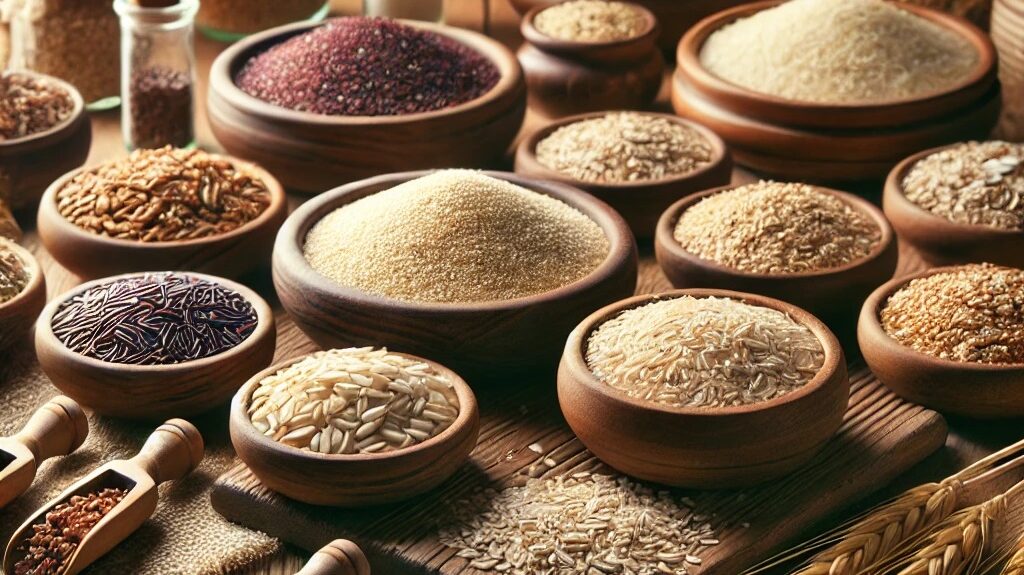
    • Quinoa
    • Brown rice
    • Barley
    • Oats
    • Millet

    How to Incorporate Whole Grains

    Start your day with oatmeal or a whole grain breakfast porridge. Use brown rice or quinoa as a base for salads or stir-fries, and replace white bread with whole-grain bread.

    2. Incorporate High-Fiber Vegetables

    Fiber for Blood Sugar Control

    High-fiber vegetables are crucial for blood sugar stability. They not only help slow down digestion but also promote feelings of fullness, which can prevent overeating. Non-starchy vegetables, in particular, are low in carbohydrates and calories, making them ideal for managing blood sugar levels.

    High-Fiber Vegetables to Include:

    • Broccoli
    • Spinach
    • Kale
    • Zucchini
    • Cauliflower
    • Brussels sprouts

    How to Incorporate High-Fiber Vegetables

    Include a variety of non-starchy vegetables in your meals. You can roast them, add them to salads, or stir-fry them with spices. Aim to fill half of your plate with vegetables at each meal to get the most benefits.

    3. Add Protein-Rich Plant-Based Foods

    The Importance of Plant-Based Protein

    Protein helps stabilize blood sugar levels by slowing down the absorption of carbohydrates. Adding plant-based proteins to your meals can help keep blood sugar levels steady and provide lasting energy. Additionally, plant-based protein sources are often rich in fiber and other nutrients.

    Protein-Rich Foods to Include:

    • Lentils
    • Chickpeas
    • Black beans
    • Tofu
    • Tempeh
    • Edamame

    How to Incorporate Plant-Based Proteins

    Add beans and legumes to soups, salads, or grain bowls. Tofu and tempeh can be stir-fried, grilled, or baked and added to meals as a protein source. You can also blend cooked lentils into sauces for added fiber and protein.

    4. Healthy Fats for Blood Sugar Stability

    Why Healthy Fats Are Essential

    Healthy fats, such as monounsaturated and polyunsaturated fats, help slow digestion and prevent rapid blood sugar spikes. They also promote heart health and reduce inflammation, which is important for individuals with diabetes. Including healthy fats in your meals can increase satiety and keep you feeling fuller for longer.

    Healthy Fats to Include:

    • Avocado
    • Nuts (almonds, walnuts)
    • Seeds (chia seeds, flaxseeds, pumpkin seeds)
    • Olive oil
    • Coconut oil

    How to Incorporate Healthy Fats

    Add avocado slices to your salads or toast. Use olive oil for cooking or drizzle it over roasted vegetables. Snack on a handful of nuts or sprinkle seeds over your meals for an extra boost of healthy fats.

    5. Low-Glycemic Fruits for Sweetness and Fiber

    Why Low-Glycemic Fruits Matter

    Low-glycemic fruits are those that have a minimal impact on blood sugar levels. They contain natural sugars, but their high fiber content slows down sugar absorption. These fruits provide essential vitamins and antioxidants while helping to maintain stable blood sugar.

    Low-Glycemic Fruits to Include:

    • Berries (blueberries, strawberries, raspberries)
    • Apples
    • Pears
    • Oranges
    • Plums

    How to Incorporate Low-Glycemic Fruits

    Enjoy berries with yogurt or oatmeal for breakfast. Snack on apples or pears with nut butter. Use low-glycemic fruits as natural sweeteners in smoothies or desserts.

    6. Limit Sugary and Processed Foods

    The Impact of Refined Sugar

    Refined sugars and processed foods can cause sharp spikes and drops in blood sugar levels, making it harder to maintain steady energy and stable glucose. Many processed foods also lack fiber and essential nutrients, which are crucial for blood sugar regulation.

    Foods to Avoid:

    • Sugary cereals
    • Soft drinks and sugary beverages
    • White bread, pastries, and baked goods
    • Candy and sweets
    • Processed snacks like chips and crackers

    How to Reduce Sugar Intake

    Opt for natural sweeteners like stevia or monk fruit in place of sugar. Choose whole, unprocessed foods and cook meals at home as often as possible to avoid hidden sugars in packaged foods.

    7. Herbs and Spices for Blood Sugar Control

    The Role of Herbs and Spices

    Certain herbs and spices have been shown to support blood sugar regulation by improving insulin sensitivity and reducing inflammation. Incorporating these into your meals can enhance flavor while promoting stable blood sugar levels.

    Beneficial Herbs and Spices:

    • Cinnamon: Helps lower blood sugar and improve insulin sensitivity.
    • Turmeric: Contains curcumin, which has anti-inflammatory properties that can benefit insulin function.
    • Ginger: Improves digestion and helps regulate blood sugar.
    • Fenugreek: Reduces blood sugar spikes by slowing carbohydrate digestion.

    How to Use Herbs and Spices

    Add cinnamon to oatmeal or smoothies. Use turmeric and ginger in curries, soups, or teas. Sprinkle fenugreek seeds on salads or blend them into smoothies for an added boost.

    Conclusion

    A vegetarian diet can play a vital role in stabilizing blood sugar levels when combined with the right foods and balanced nutrition. Focus on incorporating whole grains, fiber-rich vegetables, plant-based proteins, and healthy fats into your meals, while limiting processed foods and refined sugars. By following these tips, you can help maintain stable blood sugar and support overall health.