Blog

  • Breathing Easy- Ayurvedic Approaches to Asthma Prevention

    Breathing Easy- Ayurvedic Approaches to Asthma Prevention

    Breathe Deep, Breathe Easy: Ayurvedic Approaches to Asthma Prevention

    Asthma, a chronic respiratory condition characterized by wheezing, shortness of breath, and chest tightness, can significantly impact your quality of life. While conventional medicine offers treatment options, Ayurveda, the ancient Indian system of medicine, provides a holistic approach to preventing and managing asthma symptoms.


    Understanding Asthma through the Ayurvedic Lens

    Ayurveda views asthma as an imbalance in the doshas, the three energies that govern our body and mind. An imbalance in Vata dosha, associated with air and space, can manifest as dry coughs, wheezing, and difficulty breathing. Imbalance in Kapha dosha, linked to water and earth, can lead to excessive mucus production and congestion, further aggravating asthma symptoms.


    Ayurvedic Practices for Optimal Lung Health

    Ayurveda offers a multi-faceted approach to prevent and manage asthma:

    Dietary Adjustments: Following a diet that pacifies the aggravated dosha is key. For Vata imbalances, warm, cooked foods rich in easily digestible carbohydrates and spices like ginger are recommended. Kapha imbalances benefit from a lighter, drier diet with plenty of vegetables and less dairy products that can increase mucus production.

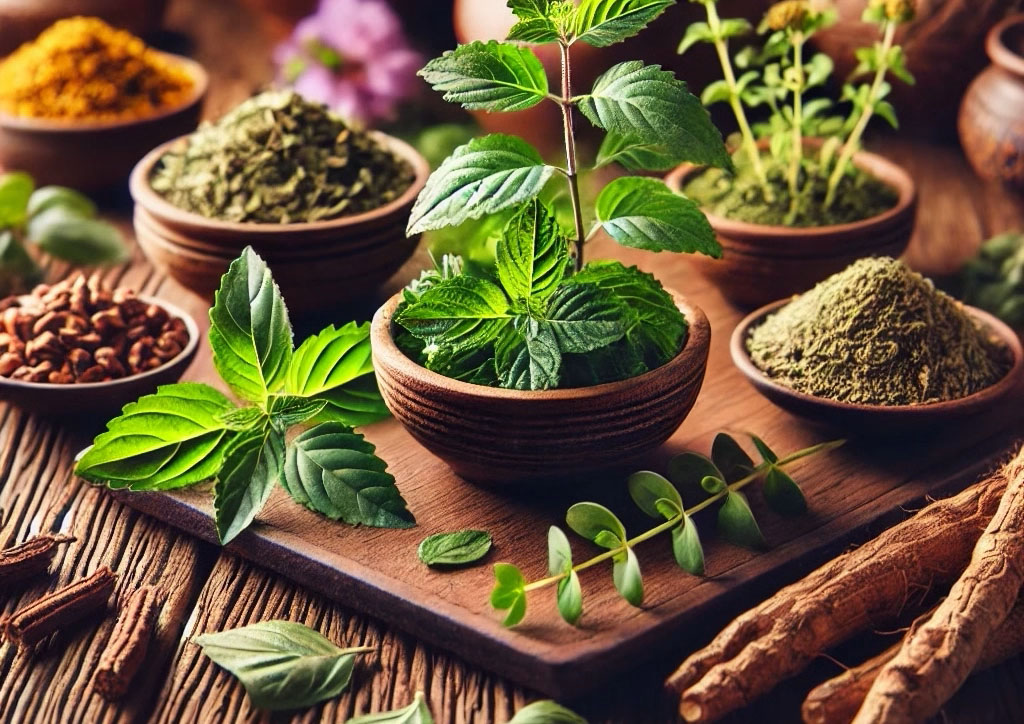
    Herbal Allies: Certain Ayurvedic herbs can be beneficial for lung health:

    Vasaka (Adhatoda Vasica): This herb is a revered bronchodilator that helps relax the airways and ease breathing.

    Licorice Root (Mulethi): This herb possesses anti-inflammatory properties that can soothe irritated airways.

    Tulsi (Holy Basil): Tulsi boasts immune-boosting properties and may help reduce the frequency of asthma attacks.

    Pranayama (Yogic Breathing): Specific breathing exercises like Kapalbhati and Bhastrika Pranayama help strengthen the respiratory system and improve lung capacity.


    Soothing Self-Care Practices

    Nasya (Nasal Decongestion): This Ayurvedic practice involves administering medicated drops or oil into the nostrils to clear congestion and promote overall respiratory health.

    Steam Inhalation: Inhaling steam infused with essential oils like eucalyptus or peppermint can help loosen mucus and ease breathing.

    Yoga: Gentle yoga poses can improve lung function, strengthen respiratory muscles, and promote relaxation.


    Simple Ayurvedic Home Remedies

    Honey and Ginger Tea: A warm cup of honey and ginger tea can soothe a cough and ease congestion.

    Warm Milk with Turmeric: Sipping on warm milk with a pinch of turmeric before bed can have anti-inflammatory benefits and promote restful sleep.

    Chest Rub with Ghee: Ghee, a clarified butter, has soothing properties. You can create a chest rub with ghee and herbs like camphor for topical relief.

    Remember: Consult with an Ayurvedic practitioner before using any herbs or practicing techniques like Nasya, especially if you have a severe case of asthma or are taking medications.


    Living a Breath-Easy Life

    By incorporating these Ayurvedic practices and home remedies into your life, you can embark on a journey towards preventing asthma and managing its symptoms naturally. Remember, consistency is key. With dedicated self-care, a balanced diet, and the wisdom of Ayurveda, you can breathe easier and experience improved respiratory health.


    Additional Tips:

    Manage Stress: Chronic stress can exacerbate asthma symptoms. Practice relaxation techniques like meditation or deep breathing to manage stress.

    Identify and Avoid Triggers: Common triggers like dust, pollen, and smoke can worsen asthma. Identify your triggers and take steps to avoid them whenever possible.

    Regular Exercise: Moderate exercise can improve lung function and overall health. Choose activities you enjoy and consult with your doctor before starting any new exercise program.


    Ayurveda offers a complementary approach to preventing and managing asthma. By combining these practices with conventional medicine, you can create a holistic plan for optimal lung health and a life filled with deep, easy breaths.

  • Ayurvedic Herbs for Managing Menopause Symptoms

    Ayurvedic Herbs for Managing Menopause Symptoms

    Menopause is a natural phase in a woman’s life, marking the end of her reproductive years. However, the physical and emotional changes during this transition can be challenging. Symptoms such as hot flashes, mood swings, sleep disturbances, and fatigue are common. Ayurveda, with its holistic approach, offers natural remedies to manage menopause symptoms effectively. Incorporating specific Ayurvedic herbs can provide relief and help maintain hormonal balance during this phase of life.

    1. Shatavari

    The Ultimate Female Tonic

    • Benefits: Shatavari, known as the “queen of herbs,” is one of the most widely used Ayurvedic herbs for women’s health. It supports hormonal balance, relieves hot flashes, and helps manage emotional stress during menopause. It also nourishes the reproductive tissues and promotes vitality.
    • How to Use: Shatavari powder can be mixed with warm milk or water and consumed daily. It can also be taken as a supplement in tablet or capsule form.

    Support for Hormonal Balance

    Shatavari is an adaptogen, which means it helps the body cope with stress and balances fluctuating hormones, particularly estrogen, during menopause.

    2. Ashwagandha

    A Stress-Reliever and Energizer

    • Benefits: Ashwagandha is a powerful adaptogenic herb that helps reduce stress and anxiety, two common issues during menopause. It also improves sleep, reduces fatigue, and supports overall energy levels.
    • How to Use: Take ashwagandha powder with warm milk or water, or opt for capsules and tablets. Consuming it before bed can help improve sleep quality.

    Mood Support

    Menopause can cause mood swings and irritability. Ashwagandha helps stabilize mood and provides a calming effect by lowering cortisol levels, the body’s primary stress hormone.

    3. Licorice Root (Yashtimadhu)

    Cooling and Rejuvenating Herb

    • Benefits: Licorice root is effective in alleviating hot flashes and night sweats, two of the most uncomfortable symptoms of menopause. It also helps support adrenal health and reduce fatigue.
    • How to Use: You can drink licorice tea or take it in powder form. Licorice root is also available as capsules or extracts, but it’s essential to consult with a healthcare provider before using it, especially if you have high blood pressure.

    Hormonal Balance

    Licorice root contains phytoestrogens, which help mimic the effects of estrogen in the body, providing relief from symptoms caused by declining estrogen levels during menopause.

    4. Guggulu

    Purification and Detoxification

    • Benefits: Guggulu is known for its detoxifying properties. It helps reduce inflammation, supports weight management, and promotes joint health, which are all concerns during menopause. Guggulu is also beneficial for managing cholesterol levels, which can become more of an issue during this stage of life.
    • How to Use: Guggulu is typically available in tablet or powder form and is often used in combination with other herbs.

    Joint and Bone Health

    As estrogen levels drop, bone density decreases, making women more susceptible to osteoporosis. Guggulu helps strengthen bones and joints, improving overall mobility.

    5. Brahmi

    Mind and Memory Support

    • Benefits: Brahmi is a well-known herb in Ayurveda for enhancing memory and cognitive function. During menopause, many women experience brain fog or forgetfulness. Brahmi supports mental clarity and reduces stress, helping with concentration and focus.
    • How to Use: Brahmi can be consumed as a tea, powder, or capsule. Taking it regularly can improve cognitive function and mood stability.

    Anxiety Relief

    Brahmi also acts as a natural stress reliever, reducing anxiety and helping to stabilize mood swings.

    6. Turmeric

    Anti-Inflammatory Powerhouse

    • Benefits: Turmeric is renowned for its anti-inflammatory and antioxidant properties. It can help manage joint pain, support heart health, and improve mood. Turmeric also promotes healthy skin, which can become dry or irritated during menopause.
    • How to Use: Include turmeric in your daily diet by adding it to meals or drinking golden milk. Turmeric supplements are also available for those who prefer a more concentrated form.

    Mood and Joint Health

    Turmeric helps improve mental well-being by boosting serotonin levels, which can alleviate feelings of sadness or depression during menopause. Its anti-inflammatory effects also support joint and muscle health.

    7. Fenugreek

    Boosts Energy and Regulates Hormones

    • Benefits: Fenugreek helps boost energy levels, improves digestion, and supports hormonal regulation during menopause. It is particularly helpful in managing hot flashes and vaginal dryness, two common menopausal symptoms.
    • How to Use: Soak fenugreek seeds overnight and consume them in the morning, or take it as a supplement. Fenugreek tea can also be effective for managing symptoms.

    Estrogen Support

    Fenugreek contains compounds that mimic estrogen, making it an effective herb for counteracting the decline in estrogen during menopause.

    8. Triphala

    Digestive Health and Detoxification

    • Benefits: Triphala is a combination of three fruits — Amalaki, Haritaki, and Bibhitaki — and is excellent for promoting digestive health. Constipation and bloating are common issues during menopause, and Triphala can help regulate bowel movements and support digestion.
    • How to Use: Triphala powder can be taken with warm water before bed, or you can find it in capsule or tablet form.

    General Well-Being

    Triphala not only improves digestion but also aids in detoxification and rejuvenation, promoting overall vitality during menopause.

    Conclusion

    Ayurvedic herbs provide a natural and holistic approach to managing the symptoms of menopause, helping to balance hormones, reduce stress, and improve overall well-being. By incorporating herbs like Shatavari, Ashwagandha, and Brahmi, along with lifestyle adjustments, women can navigate the challenges of menopause with greater ease. Always consult with an Ayurvedic practitioner or healthcare provider to determine the best treatment plan tailored to your individual needs.

  • Guduchi (Giloy) – The Ultimate Immunity Booster

    Guduchi (Giloy) – The Ultimate Immunity Booster

    Guduchi, also known as Giloy or Tinospora cordifolia, is one of the most revered herbs in Ayurveda for its powerful immunity-boosting properties. Known as the “root of immortality,” Guduchi has been used for centuries to enhance vitality, detoxify the body, and strengthen the immune system. With the growing need for natural ways to support health and wellness, Guduchi stands out as an exceptional herb for boosting immunity and promoting overall well-being. Let’s dive into how Guduchi works and why it is hailed as an ultimate immunity booster.

    1. What is Guduchi and Why Is It Important?

    The Ayurvedic Power of Guduchi

    In Ayurveda, Guduchi is classified as a “Rasayana” herb, meaning it has rejuvenating properties that help the body resist disease and aging. It is known for its ability to balance all three doshas (Vata, Pitta, and Kapha), making it suitable for most people and body types.

    1. Rich in Antioxidants

    Guduchi is packed with antioxidants that help neutralize free radicals, which can cause cellular damage. This prevents oxidative stress and supports the body’s defense mechanisms, keeping you healthy and energized.

    2. Strengthens Immune Response

    Guduchi enhances the body’s ability to fight off infections by boosting the production of white blood cells (WBCs), which are essential for a robust immune system. It works as an immunomodulator, meaning it balances and strengthens the immune response when necessary.

    2. Guduchi for Boosting Immunity

    Enhances the Body’s Natural Defense

    Guduchi plays a crucial role in enhancing the immune system’s natural defenses. Its immunomodulatory properties help the body fight off pathogens, viruses, and bacteria more effectively.

    1. Fights Infections

    Guduchi is known to boost the production and activity of white blood cells, which play a key role in fighting infections. It enhances the body’s resistance to common colds, fevers, and infections, making it a go-to herb for strengthening immunity.

    2. Protects Against Seasonal Allergies

    Many people experience seasonal allergies that weaken their immune systems. Guduchi helps reduce allergic reactions by balancing the immune response, thus offering protection against allergies and respiratory issues.

    How to Use Guduchi for Immunity

    • Guduchi powder or capsules can be consumed daily for immune support.
    • Guduchi juice mixed with water is another popular way to boost immunity, especially during seasonal changes.

    3. Guduchi for Respiratory Health

    Supports Lung Health

    Guduchi has proven to be effective in supporting respiratory health by reducing inflammation in the lungs and clearing toxins. It helps to alleviate respiratory issues such as asthma, bronchitis, and chronic coughs.

    1. Reduces Inflammation in the Respiratory Tract

    By lowering inflammation in the lungs and airways, Guduchi helps ease breathing difficulties, making it especially beneficial for individuals with asthma or chronic respiratory conditions.

    2. Boosts Respiratory Immunity

    Guduchi helps fortify the immune system of the respiratory tract, making it easier to fight off infections like the flu, colds, and respiratory infections.

    How to Use Guduchi for Respiratory Health

    • Guduchi tea or herbal decoctions can be taken regularly to support respiratory health.
    • Combining Guduchi with other Ayurvedic herbs like Tulsi can enhance its effectiveness in promoting lung health.

    4. Guduchi as a Detoxifying Herb

    Purifies the Blood

    Guduchi is a natural detoxifier that helps cleanse the blood, removing toxins and purifying the system. This not only boosts immunity but also improves overall skin health and vitality.

    1. Clears Toxins

    Guduchi helps eliminate toxins (Ama) from the body, which are often the root cause of various diseases. Its detoxifying properties help keep the liver, kidneys, and blood clean, promoting overall well-being.

    2. Enhances Liver Function

    Guduchi is known for its hepatoprotective properties, meaning it supports liver health by aiding in detoxification and regeneration of liver cells. A healthy liver is essential for a strong immune system, as it plays a key role in processing toxins and maintaining a clean bloodstream.

    How to Use Guduchi for Detoxification

    • Guduchi powder or tablets can be consumed daily for detoxifying benefits.
    • A Guduchi decoction (boiling Guduchi stems in water) can be consumed to support liver and kidney health.

    5. Guduchi for Stress and Mental Clarity

    Adaptogenic Properties

    As an adaptogen, Guduchi helps the body cope with stress, anxiety, and fatigue. It brings the body into balance, supporting both mental and physical well-being.

    1. Reduces Stress and Anxiety

    Guduchi’s adaptogenic properties help reduce stress hormones like cortisol, bringing calm and balance to the mind. It is also known to improve cognitive function, focus, and memory, making it a great herb for mental clarity.

    2. Fights Fatigue

    Guduchi is an excellent herb for combating fatigue and tiredness. It helps restore energy levels by supporting the body’s natural resilience and vitality.

    How to Use Guduchi for Stress Relief

    • Drinking Guduchi tea can help reduce stress and boost mental clarity.
    • Guduchi supplements can be taken daily to improve energy and reduce fatigue.

    Conclusion

    Guduchi is undoubtedly a powerhouse herb in the Ayurvedic system, offering a wealth of health benefits, particularly for immunity. Its ability to enhance immune function, detoxify the body, support respiratory health, and reduce stress makes it an essential herb for anyone looking to boost their overall well-being. Incorporating Guduchi into your daily routine, whether through powders, capsules, or herbal teas, can help fortify your immune system and keep your body in balance.

    Before starting any new herbal remedy, it’s always best to consult an Ayurvedic practitioner or healthcare provider to ensure that it’s suitable for your individual health needs.

  • Postpartum Care for New Mothers

    Postpartum Care for New Mothers

    The postpartum period, or the weeks following childbirth, is a delicate and transformative time for new mothers. Ayurveda, with its holistic and nurturing approach, offers effective remedies and lifestyle practices to help mothers recover physically, mentally, and emotionally during this phase. The emphasis is on replenishing the body, balancing hormones, and boosting energy to restore vitality after the rigors of pregnancy and childbirth.


    The Importance of Postpartum Care in Ayurveda

    In Ayurveda, the postpartum period is referred to as Sutika Kala or the “Sacred Window.” This is a time of healing, during which the mother is especially vulnerable to Vata dosha imbalances. The body undergoes significant changes, such as blood loss, hormonal shifts, and exhaustion from childbirth, making it crucial to nourish and rejuvenate the mother during this time.

    Common Postpartum Symptoms

    • Fatigue and weakness
    • Vata imbalances such as anxiety, mood swings, and insomnia
    • Digestive issues like constipation and gas
    • Hormonal fluctuations
    • Lactation challenges
    • Body aches and joint pain

    Postpartum Care

    Ayurvedic Practices for Postpartum Care

    Ayurvedic postpartum care focuses on balancing Vata, improving digestion, supporting lactation, and boosting physical and mental strength. Here are some key Ayurvedic practices for new mothers:

    1. Nourishing Diet for Rebuilding Strength

    Postpartum nutrition plays a vital role in restoring energy and promoting recovery. Ayurvedic dietary guidelines emphasize warm, nourishing, and easy-to-digest foods to balance Vata dosha and rebuild strength.

    Foods to Include:

    • Kitchari: A combination of mung dal and rice, kitchari is easy to digest, nourishing, and helps heal the digestive system after childbirth.
    • Ghee: Rich in healthy fats, ghee provides strength and lubrication to the body, promoting postpartum recovery and hormonal balance.
    • Warm soups and stews: Soups made from root vegetables, lentils, and spices like cumin and turmeric are grounding and help to reduce Vata.
    • Herbal teas: Teas made from fennel, cumin, and fenugreek help boost lactation and aid digestion.

    Foods to Avoid:

    • Cold and raw foods: These can aggravate Vata dosha and lead to bloating and gas.
    • Spicy and processed foods: These are harder to digest and can disrupt the delicate digestive system during postpartum recovery.

    2. Ayurvedic Herbs for Recovery

    Ayurvedic herbs are crucial in supporting recovery, balancing hormones, and improving lactation.

    Shatavari (Asparagus Racemosus)

    Benefits: Known as the “Queen of Herbs,” Shatavari helps promote lactation, restore reproductive health, and balance hormones.

    How to Use: Take Shatavari powder or capsules daily, as advised by an Ayurvedic practitioner.

    Ashwagandha (Withania Somnifera)

    Benefits: Ashwagandha is a powerful adaptogen that helps reduce stress, improve energy levels, and support emotional well-being during postpartum recovery.

    How to Use: Ashwagandha can be taken in powder form with warm milk or as capsules.

    Fenugreek (Methi)

    Benefits: Fenugreek is well-known for boosting milk production in nursing mothers and aiding digestion.

    How to Use: Include fenugreek seeds in your meals or drink fenugreek tea to improve lactation.

    3. Abhyanga (Daily Oil Massage)

    Daily self-massage with warm oils, known as Abhyanga, is a vital Ayurvedic practice for new mothers. It helps calm Vata dosha, promotes circulation, relieves muscle pain, and nourishes the skin.

    How to Perform Abhyanga:

    • Warm sesame or almond oil.
    • Massage the oil gently over the entire body, focusing on the abdomen, back, and joints.
    • Let the oil sit for 15–20 minutes before bathing to allow it to penetrate the skin.

    Abhyanga also helps improve sleep quality, reduce stress, and alleviate postpartum aches and pains.

    4. Rest and Sleep

    Proper rest is crucial for postpartum recovery. According to Ayurveda, new mothers should prioritize getting enough sleep to restore their energy and balance their hormones. Resting when the baby rests is a common practice in Ayurvedic postpartum care.

    Tips for Better Sleep:

    • Create a relaxing bedtime routine by drinking warm milk infused with turmeric or nutmeg.
    • Practice gentle yoga and meditation to calm the mind before bed.
    • Avoid stimulating activities before sleep.

    5. Lactation Support

    Ayurveda recommends specific foods and herbs to boost milk production and enhance the quality of breast milk.

    Galactagogue Foods:

    • Fennel seeds: Fennel tea helps increase milk production and soothes digestion.
    • Fenugreek seeds: A common remedy to boost lactation, fenugreek seeds can be added to meals or consumed as a tea.
    • Cumin seeds: Cumin improves digestion and supports milk production.

    Hydration:

    Drink plenty of warm fluids, such as herbal teas, broths, and warm water, to support lactation and maintain hydration levels.

    6. Yoga and Pranayama

    Gentle postnatal yoga and pranayama (breathing exercises) help strengthen the body, calm the mind, and balance hormones after childbirth. Avoid intense workouts during the first few weeks and focus on gentle stretches and breathing exercises to support recovery.

    Recommended Yoga Poses:

    • Cat-Cow Pose: Helps relieve tension in the lower back and promotes flexibility.
    • Child’s Pose: A restorative pose that helps calm the mind and relieve stress.
    • Pelvic floor exercises: Strengthen the pelvic muscles and improve recovery.

    7. Emotional and Mental Support

    The postpartum period can be emotionally overwhelming for new mothers. Ayurvedic practices emphasize mental and emotional well-being, encouraging the mother to stay calm, centered, and supported during this time.

    Tips for Emotional Well-being:

    • Meditation: Practicing mindfulness meditation helps reduce anxiety and stress.
    • Community support: Surrounding yourself with family and friends for support is important for emotional well-being.


    Conclusion

    The postpartum period is a time of profound healing and transformation for new mothers. Ayurveda provides nurturing and holistic practices that help support recovery, balance hormones, and strengthen the body. By following a nourishing diet, using Ayurvedic herbs, incorporating self-care routines like Abhyanga, and focusing on rest, new mothers can recover fully and regain their vitality during this sacred time.

  • Tulsi and Mulethi for Respiratory Health

    Tulsi and Mulethi for Respiratory Health

    Maintaining optimal respiratory health is crucial, especially in an age where pollution, allergies, and respiratory infections are on the rise. Ayurveda, the ancient science of natural healing, offers various herbs that support and enhance lung function. Among the most prominent herbs are Tulsi (Holy Basil) and Mulethi (Licorice Root), both known for their powerful healing properties in addressing respiratory issues such as asthma, bronchitis, and other lung conditions.

    In this article, we’ll explore the individual roles of Tulsi and Mulethi in promoting respiratory health and how they can be incorporated into your daily routine for stronger lungs.

    Tulsi: The Holy Basil for Respiratory Wellness

    What is Tulsi?

    Tulsi (Ocimum sanctum), also known as Holy Basil, holds a sacred place in Ayurveda due to its wide range of health benefits. In the context of respiratory health, Tulsi is highly valued for its ability to cleanse the respiratory tract, reduce inflammation, and boost immunity. It is regarded as an adaptogen, helping the body cope with stress, which is often a trigger for respiratory conditions like asthma.

    How Tulsi Benefits Respiratory Health:

    1. Natural Expectorant: Tulsi is a potent expectorant, meaning it helps the body clear out mucus from the lungs. This is particularly beneficial for people suffering from chronic bronchitis or asthma, as it helps reduce chest congestion and ease breathing.
    2. Anti-inflammatory Properties: Tulsi has natural anti-inflammatory properties that help reduce inflammation in the airways, which is one of the primary causes of respiratory distress. This makes it particularly helpful for people with asthma, allergies, and chronic obstructive pulmonary disease (COPD).
    3. Antioxidant and Antiviral Action: Tulsi is rich in antioxidants that help protect the respiratory system from oxidative stress and damage caused by environmental pollutants. Additionally, its antiviral properties help protect against respiratory infections such as the common cold and flu, which can exacerbate conditions like asthma.
    4. Immune-boosting: Tulsi is an immunomodulator, which means it strengthens the immune system and helps the body fight off infections. This is crucial for maintaining healthy lungs, as infections are a common cause of respiratory issues.

    How to Use Tulsi:

    • Tulsi Tea: Boil fresh or dried Tulsi leaves in water and drink the tea to help reduce congestion and improve breathing.
    • Tulsi Steam Inhalation: Boil Tulsi leaves in water and inhale the steam to clear nasal passages and relieve chest congestion.
    • Chewing Fresh Leaves: Chewing 4-5 fresh Tulsi leaves daily can help keep respiratory infections at bay and improve lung strength.

    Mulethi: The Soothing Power of Licorice Root

    What is Mulethi?

    Mulethi (Glycyrrhiza glabra), or Licorice Root, is another widely used herb in Ayurveda, particularly for its ability to soothe and protect the respiratory system. Mulethi has been used for centuries to treat conditions like asthma, bronchitis, and sore throat due to its sweet and cooling properties, which help calm irritation in the respiratory tract.

    How Mulethi Benefits Respiratory Health:

    1. Soothes the Respiratory Tract: Mulethi’s main function in respiratory health is its ability to soothe the mucous membranes of the throat and lungs. This makes it especially effective in treating coughing and throat irritation, which are common symptoms of bronchitis and asthma.
    2. Anti-inflammatory Effects: Like Tulsi, Mulethi has strong anti-inflammatory properties that help reduce inflammation in the airways. By soothing the lungs and reducing inflammation, Mulethi can help ease breathing in individuals with chronic respiratory conditions.
    3. Expectorant Action: Mulethi works as a natural expectorant, helping to loosen and expel mucus from the lungs. This action is essential for people dealing with congestion or chronic cough, as it helps clear the airways and make breathing easier.
    4. Antiviral and Antibacterial Properties: Mulethi’s antiviral and antibacterial properties make it useful in preventing and treating respiratory infections such as the flu, cold, and pneumonia. These infections can weaken the lungs, so Mulethi helps maintain respiratory health by preventing them.
    5. Boosts Immunity: Similar to Tulsi, Mulethi is known to boost the immune system, helping the body fight off infections and protect the respiratory system from damage.

    How to Use Mulethi:

    • Mulethi Tea: Boil Mulethi root in water and drink the tea to soothe the throat, reduce coughing, and ease respiratory congestion.
    • Mulethi Powder: Mix Mulethi powder with honey and consume it daily to boost lung strength and prevent respiratory infections.
    • Mulethi Lozenges: Sucking on Mulethi lozenges can provide quick relief for sore throat and coughing.

    Combining Tulsi and Mulethi for Maximum Benefits

    Both Tulsi and Mulethi work exceptionally well on their own, but combining them can further enhance their respiratory benefits. Together, they provide a powerful blend of anti-inflammatory, expectorant, and immune-boosting properties that can help alleviate respiratory issues and maintain lung health.

    How to Use Tulsi and Mulethi Together:

    • Tulsi-Mulethi Tea: Boil a mixture of Tulsi leaves and Mulethi root in water. Strain the liquid and drink it once or twice a day to relieve congestion, soothe the throat, and strengthen your lungs.
    • Herbal Steam: Add Tulsi and Mulethi to boiling water and inhale the steam to clear your nasal passages and reduce lung congestion.

    Conclusion

    Tulsi and Mulethi are two of the most effective Ayurvedic herbs for maintaining and improving respiratory health. Tulsi acts as a natural expectorant, anti-inflammatory agent, and immune booster, while Mulethi soothes the respiratory tract, reduces inflammation, and helps expel mucus. Whether used individually or in combination, these herbs can provide a natural, holistic approach to strengthening the lungs and alleviating respiratory conditions like asthma, bronchitis, and chronic cough. Incorporating Tulsi and Mulethi into your daily routine can help you breathe easier and keep your lungs healthy and strong.

  • Digestive Health- Ayurvedic Herbs for a Happy Gut

    Digestive Health- Ayurvedic Herbs for a Happy Gut

    Cultivating a Happy Gut: Ayurvedic Herbs for Digestive Harmony

    Digestive woes can put a damper on our lives. From occasional heartburn to chronic bloating, a troubled gut can significantly impact our well-being. Ayurveda, the ancient Indian system of medicine, offers a wealth of natural remedies to promote a happy and healthy gut. These Ayurvedic herbs can help restore digestive balance and keep your gut feeling its best.


    The Ayurvedic Approach to Digestion

    Ayurveda views the digestive system, or agni, as the cornerstone of health. Proper digestion is essential for the absorption of nutrients and the elimination of waste. An imbalance in the doshas, the three energies that govern our body and mind, can disrupt digestion. For example, an aggravated Pitta dosha, linked to fire and water, can lead to heartburn and acidity. An aggravated Vata dosha, associated with air and space, can manifest as constipation and bloating.


    Ayurvedic Herbs for Digestive Bliss

    Ayurveda boasts a treasure trove of herbs to address various digestive concerns:

    Triphala: This revered herbal blend of Amalaki (Indian Gooseberry), Bibhitaki, and Haritaki is a gentle yet potent digestive tonic. It promotes regularity, eases constipation, and supports overall gut health.

    Ginger (Shunthi): This versatile spice is a digestive powerhouse. It helps stimulate digestive juices, soothes nausea, and aids in the breakdown of food.

    Cumin (Jeera): This common spice is more than just a flavor enhancer. Cumin has carminative properties that help relieve gas and bloating. It also aids in digestion by stimulating the release of digestive enzymes.

    Fennel (Saunf): This flavorful seed has properties that can ease bloating and discomfort after meals. Chewing fennel seeds after a meal can freshen breath and promote digestion.

    Licorice Root (Mulethi): This sweet herb soothes irritation in the stomach lining and can be helpful for managing ulcers and heartburn.

    Remember: Consult with an Ayurvedic practitioner to determine the right herbs and dosage for your specific needs. Some herbs may interact with medications, so it’s crucial to get proper guidance.


    Simple Ayurvedic Practices for a Happy Gut

    In addition to these herbs, incorporating these Ayurvedic practices can further support your digestive health:

    Mindful Eating: Eat slowly and savor your food. This allows for better digestion and prevents overeating.

    Warm Water with Lemon: Drinking warm water with lemon juice in the morning helps stimulate digestion and cleanse the digestive tract.

    Light Evening Meals: Avoid heavy meals close to bedtime to allow your digestive system ample time to rest and process food.

    Lassi (Buttermilk Drink): This cooling drink made with yogurt, water, and spices can soothe an upset stomach and promote healthy gut bacteria.


    Living in Harmony with Your Gut

    By incorporating these Ayurvedic herbs and practices into your daily routine, you can nurture a happy and healthy gut. Remember, consistency is key. With dedicated self-care, mindful dietary practices, and the wisdom of Ayurveda, you can cultivate a digestive system that functions optimally and keeps you feeling your best.

  • Herbal Oils and Treatments for Stronger Bones and Joints

    Herbal Oils and Treatments for Stronger Bones and Joints

    Maintaining strong bones and flexible joints is essential for overall health and mobility, especially as we age. Ayurveda, the ancient science of healing, offers a variety of natural oils and treatments that nourish and strengthen bones and joints. These remedies aim to balance the body’s energies (the doshas) and support joint flexibility, bone density, and overall skeletal health.

    In this article, we’ll explore some of the best Ayurvedic herbal oils and treatments that help promote stronger bones and joints.

    Understanding Bone and Joint Health in Ayurveda

    In Ayurveda, the health of bones and joints is governed by Asthi Dhatu, which refers to the bone tissue. Vata dosha (responsible for movement and dryness in the body) plays a crucial role in bone and joint health. An imbalance in Vata can lead to problems like joint pain, stiffness, and osteoporosis. Ayurvedic treatments aim to balance Vata and nourish the bones and joints, preventing degeneration and promoting strength.

    1. Herbal Oils for Bone and Joint Strength

    1.1 Mahanarayan Oil

    Mahanarayan oil is a traditional Ayurvedic herbal oil known for its ability to relieve joint pain, reduce inflammation, and strengthen bones. Infused with herbs like Ashwagandha, Shatavari, and Bala, this oil is widely used to treat arthritis, muscle stiffness, and joint injuries.

    How to Use: Warm the oil slightly and massage it into the affected joints and bones daily. For best results, leave the oil on for 30-60 minutes before rinsing.

    1.2 Dhanwantharam Oil

    Dhanwantharam oil is a rejuvenating herbal oil that supports joint flexibility and strengthens muscles and bones. It is particularly useful for those recovering from injuries or joint surgeries. Dhanwantharam oil helps balance Vata dosha and provides relief from pain and stiffness.

    How to Use: Massage the oil gently into the affected areas, focusing on joints and bones. Regular use helps improve circulation, mobility, and bone strength.

    1.3 Bala Ashwagandha Oil

    This oil is a combination of two powerful Ayurvedic herbs, Bala and Ashwagandha, both of which are known for their strengthening and rejuvenating properties. Bala Ashwagandha oil helps improve bone density, reduce joint pain, and enhance muscle flexibility.

    How to Use: Apply the oil to the joints and bones twice a day to alleviate pain, promote bone health, and restore strength to the muscles.

    1.4 Sesame Oil

    Sesame oil is one of the most commonly used oils in Ayurveda for balancing Vata and nourishing the bones. Rich in calcium, magnesium, and zinc, sesame oil helps improve bone density and maintain joint flexibility. It’s a natural lubricant for stiff joints and is highly recommended for people with osteoporosis or arthritis.

    How to Use: Warm the oil slightly and massage it into the joints, focusing on areas that feel stiff or painful. Regular application can improve mobility and reduce discomfort.

    1.5 Sahacharadi Oil

    Sahacharadi oil is an Ayurvedic remedy used to treat joint stiffness, muscle spasms, and inflammation. This oil improves circulation to the joints and is particularly beneficial for lower back pain and sciatica. It nourishes the bones and supports joint flexibility.

    How to Use: Apply warm Sahacharadi oil to the joints and affected areas for relief from pain and stiffness.

    Strengthening Bones with Diet and Lifestyle Practices

    2. Ayurvedic Treatments for Bone and Joint Health

    2.1 Abhyanga (Self-Massage)

    Abhyanga, or self-massage with herbal oils, is a key Ayurvedic practice for maintaining joint and bone health. Regular oil massage helps nourish the bones, relieve stiffness, and improve circulation, making it easier for the body to eliminate toxins that can cause inflammation and joint pain.

    How to Practice:

    • Choose a warm, quiet place for the massage.
    • Warm your chosen Ayurvedic oil (such as Mahanarayan or sesame oil).
    • Gently massage the oil into your joints and muscles in circular motions.
    • Focus on areas where you experience stiffness or pain.
    • Allow the oil to penetrate for 30 minutes to an hour before bathing.

    2.2 Pizhichil (Oil Bath Therapy)

    Pizhichil is a traditional Ayurvedic therapy where warm herbal oil is poured over the body in a continuous stream while a gentle massage is performed. This treatment is highly effective for joint stiffness, muscle weakness, and conditions like arthritis. Pizhichil strengthens the bones and joints while soothing inflammation and promoting relaxation.

    Benefits of Pizhichil:

    • Alleviates joint and muscle pain.
    • Enhances circulation, reducing stiffness.
    • Promotes bone density and strengthens tissues.

    2.3 Kati Basti (Lower Back Oil Treatment)

    Kati Basti is an Ayurvedic treatment specifically designed for lower back pain and sciatica, but it can also benefit the joints and bones in other parts of the body. In this treatment, a dam made of dough is placed over the lower back or any affected joint, and warm herbal oil is poured into it. This allows the oil to deeply penetrate the tissues, providing relief from pain and inflammation.

    How Kati Basti Works:

    • The warm oil nourishes and lubricates the bones and joints.
    • It reduces stiffness and pain in the lower back or affected joint.
    • Repeated treatments help restore strength and flexibility.

    2.4 Panchakarma

    Panchakarma is Ayurveda’s premier detoxification and rejuvenation therapy. It involves a series of treatments, including oil massages, steam therapy, and herbal remedies, designed to remove toxins (ama) from the body that contribute to joint inflammation and degeneration. Panchakarma is particularly beneficial for chronic joint pain and stiffness.

    Key Panchakarma Therapies for Joints:

    • Snehana (Oleation): The use of herbal oils to lubricate and nourish the joints.
    • Swedana (Herbal Steam): Steam therapy to improve circulation and reduce stiffness.
    • Basti (Herbal Enema): Detoxifies the digestive system and removes toxins that can affect the joints.

    3. Dietary Suggestions for Stronger Bones and Joints

    Calcium-Rich Foods

    Incorporate calcium-rich foods like sesame seeds, almonds, figs, and leafy greens (spinach, kale) into your diet. Calcium is essential for maintaining strong bones and preventing conditions like osteoporosis.

    Herbal Supplements

    • Ashwagandha: Known to strengthen bones and muscles.
    • Shatavari: A rejuvenating herb that supports bone health and reduces inflammation.
    • Triphala: A combination of three fruits, Triphala helps cleanse the digestive system and supports overall bone health.

    Anti-Inflammatory Spices

    Add anti-inflammatory spices like turmeric and ginger to your meals. These spices reduce inflammation and protect the joints from stiffness and pain.

    Hydration

    Staying hydrated is essential for joint lubrication. Drink warm water throughout the day to help balance Vata and keep the joints lubricated.

    Conclusion

    Ayurvedic herbal oils and treatments offer a holistic and natural way to strengthen bones and joints while managing pain and stiffness. Whether through regular massages with oils like Mahanarayan or Dhanwantharam, or by adopting treatments like Abhyanga and Pizhichil, Ayurveda provides effective solutions for long-term joint health. By nourishing the bones, reducing inflammation, and balancing Vata, these remedies support flexibility, mobility, and overall bone strength. Incorporating dietary changes and regular detoxification practices ensures that the body remains strong and healthy for years to come.

  • Preventing Diabetes Complications with Ayurvedic Remedies

    Preventing Diabetes Complications with Ayurvedic Remedies

    Diabetes is a chronic condition that, if left unmanaged, can lead to serious complications affecting various parts of the body, such as the heart, kidneys, eyes, and nerves. In addition to modern medicine, Ayurveda offers holistic approaches to prevent these complications by balancing the body’s doshas, improving digestion, and using natural herbs and practices to support the organs affected by diabetes. Let’s explore some Ayurvedic remedies and lifestyle practices that can help prevent diabetes complications.

    Ayurvedic View on Diabetes and Its Complications

    In Ayurveda, diabetes is known as “Madhumeha,” and it is primarily considered a Kapha dosha imbalance. Over time, this imbalance affects other doshas and can lead to the accumulation of toxins (Ama) in the body, which worsens the condition and leads to complications. Ayurveda focuses on detoxification, balancing the doshas, and using herbs to prevent these complications.

    Common Diabetes Complications

    1. Cardiovascular disease
    2. Kidney damage (nephropathy)
    3. Nerve damage (neuropathy)
    4. Eye damage (retinopathy)
    5. Foot infections and ulcers
    6. Poor wound healing

    Top Ayurvedic Remedies to Prevent Diabetes Complications

    Ayurveda addresses the root causes of diabetes complications and aims to improve overall health through dietary changes, herbal remedies, and lifestyle modifications.

    1. Herbal Remedies to Protect Organs

    Ayurvedic herbs are known for their powerful effects in regulating blood sugar levels and supporting the health of various organs affected by diabetes.

    A. Guduchi (Giloy)

    Guduchi is a potent herb with immune-boosting and anti-inflammatory properties that help prevent diabetes complications by supporting the body’s natural healing process and reducing oxidative stress.

    • Benefits:
      • Protects kidneys and liver
      • Reduces inflammation
      • Improves immune function

    How to use: Take Guduchi powder or capsules daily, or make a tea by boiling its stem in water.

    B. Punarnava

    Punarnava is known for its diuretic properties and is excellent for kidney health. It helps prevent kidney complications, a common issue for diabetics.

    • Benefits:
      • Supports kidney function
      • Helps reduce swelling and water retention
      • Detoxifies the body

    How to use: Punarnava is often consumed as a powder mixed with water or made into a tea. It can also be found in capsule form.

    C. Turmeric (Haldi)

    Turmeric is widely known for its anti-inflammatory and antioxidant properties. It helps prevent cardiovascular complications and supports nerve health in diabetics.

    • Benefits:
      • Reduces inflammation
      • Improves insulin sensitivity
      • Protects the heart and nerves

    How to use: Add turmeric to meals or consume it as a tea mixed with black pepper for better absorption.

    D. Amalaki (Amla)

    Amla is rich in vitamin C and helps protect the eyes, skin, and immune system from the oxidative stress that diabetes can cause.

    • Benefits:
      • Prevents retinopathy (eye damage)
      • Enhances insulin function
      • Strengthens the immune system

    How to use: Drink Amla juice or take it in powder or tablet form daily to improve overall health.

    2. Dietary Recommendations to Prevent Complications

    A balanced Ayurvedic diet plays a critical role in preventing diabetes complications. By following a Kapha-pacifying diet, you can manage blood sugar levels and prevent complications like weight gain, heart disease, and kidney problems.

    A. Eat Bitter Foods

    Bitter foods like bitter melon (Karela), fenugreek (Methi), and neem are excellent for managing blood sugar levels and protecting against complications.

    • Benefits:
      • Improve digestion
      • Lower blood sugar levels
      • Cleanse the blood and organs

    B. Reduce Sugar and Processed Foods

    Refined sugars and processed foods increase Kapha and cause blood sugar spikes, leading to further complications. Focus on whole foods, fresh fruits (like berries and citrus), and vegetables.

    • Benefits:
      • Stabilizes blood sugar levels
      • Reduces insulin resistance
      • Lowers risk of heart disease

    C. Include Spices

    Spices like cinnamon, cumin, turmeric, and fenugreek help improve digestion, reduce sugar cravings, and boost insulin sensitivity.

    • Benefits:
      • Enhance metabolism
      • Lower cholesterol levels
      • Support overall blood sugar management

    3. Lifestyle Modifications

    Ayurveda emphasizes the importance of a healthy lifestyle to prevent diabetes complications. These practices improve overall well-being and help manage stress, which can exacerbate diabetes symptoms.

    A. Regular Exercise (Vyayama)

    Physical activity is crucial in Ayurveda to maintain balance in the body. Regular exercise helps regulate blood sugar levels, improves circulation, and reduces the risk of cardiovascular complications.

    • Activities to try:
      • Walking
      • Yoga
      • Swimming
      • Cycling

    B. Practice Yoga and Meditation

    Yoga and meditation help reduce stress, improve digestion, and balance the nervous system, which is crucial for preventing diabetes-related nerve damage (neuropathy).

    • Benefits:
      • Lowers cortisol (stress hormone) levels
      • Enhances insulin sensitivity
      • Supports mental health and well-being

    Recommended yoga poses for diabetes:

    • Viparita Karani (Legs-Up-The-Wall Pose)
    • Dhanurasana (Bow Pose)
    • Paschimottanasana (Seated Forward Bend)

    C. Maintain a Regular Sleep Schedule

    Getting enough sleep is essential for preventing diabetes complications. Lack of sleep increases insulin resistance and worsens blood sugar levels.

    • Ayurvedic Tips for Better Sleep:
      • Go to bed and wake up at the same time daily
      • Avoid stimulants like caffeine in the evening
      • Use warm oil massage (Abhyanga) before bed to promote relaxation

    4. Detoxification (Panchakarma)

    Ayurvedic detox therapies like Panchakarma can help eliminate toxins (Ama) from the body, improve digestion, and rejuvenate the organs affected by diabetes. Regular detoxification supports the liver, kidneys, and digestive system, helping prevent long-term complications.

    • Benefits:
      • Improves metabolism
      • Enhances the functioning of vital organs
      • Reduces the risk of complications like nephropathy (kidney damage)

    How to detox: It’s best to consult with an Ayurvedic practitioner for a personalized detox plan, which may include therapies like oil massages, steam baths, and herbal remedies.

    Conclusion

    Ayurveda offers a holistic approach to preventing diabetes complications by focusing on balancing the doshas, supporting organ function, and using natural remedies to manage blood sugar levels. Incorporating Ayurvedic herbs like Guduchi, Punarnava, and Amla, along with a healthy diet, regular exercise, and stress management techniques, can help prevent complications and improve overall well-being. Always consult an Ayurvedic practitioner or healthcare provider before starting any new remedies, especially if you’re already on medication for diabetes.

  • Breathing Exercises for Asthma Management

    Breathing Exercises for Asthma Management

    Asthma is a respiratory condition that can make breathing difficult due to inflammation and narrowing of the airways. While modern medicine offers various treatments, Ayurveda provides a holistic approach to managing asthma through lifestyle changes, diet, and breathing exercises, also known as Pranayama. Ayurvedic breathing exercises help in calming the mind, improving lung capacity, and enhancing oxygen flow, making them a powerful tool for asthma management.

    Benefits of Ayurvedic Breathing Exercises for Asthma

    Ayurvedic breathing exercises focus on strengthening the respiratory system and reducing the frequency and severity of asthma attacks. These exercises, when practiced regularly, can:

    • Improve lung function by expanding the lungs and improving their elasticity.
    • Reduce stress, which is often a trigger for asthma attacks.
    • Enhance oxygen flow to the bloodstream, easing shortness of breath.
    • Balance the body’s doshas, particularly Vata and Kapha, which are often aggravated in asthma sufferers.
    • Help clear congestion and improve airflow, making breathing easier.

    Asthma

    Key Ayurvedic Breathing Exercises (Pranayama) for Asthma

    1. Nadi Shodhana (Alternate Nostril Breathing)

    How It Works

    Nadi Shodhana helps balance the flow of oxygen in both nostrils and calm the nervous system. It clears the airways, making it easier to breathe and reduces stress, which can trigger asthma attacks.

    How to Perform

    1. Sit in a comfortable position with your spine straight.
    2. Close your right nostril with your thumb and inhale deeply through your left nostril.
    3. Now close your left nostril with your ring finger and exhale through your right nostril.
    4. Inhale through the right nostril and then close it while exhaling through the left nostril.
    5. Repeat this cycle for 5-10 minutes daily.

    Benefits for Asthma

    • Balances oxygen intake.
    • Clears nasal blockages.
    • Calms the nervous system and relieves stress.

    2. Anulom Vilom (Controlled Breathing)

    How It Works

    Anulom Vilom is similar to Nadi Shodhana but focuses more on controlling the breath in a rhythmic manner. This helps improve lung efficiency and reduces breathlessness, a common issue in asthma.

    How to Perform

    1. Sit in a cross-legged position.
    2. Close your right nostril with your thumb and inhale deeply through your left nostril.
    3. Close the left nostril and exhale through the right nostril.
    4. Repeat this process, alternating nostrils for about 10 minutes.

    Benefits for Asthma

    • Improves lung capacity.
    • Regulates airflow in the lungs.
    • Reduces stress-induced asthma attacks.

    3. Bhastrika Pranayama (Bellows Breathing)

    How It Works

    Bhastrika is an energizing breathing technique that involves rapid inhalation and exhalation. It strengthens the lungs and helps expel mucus, making it beneficial for people suffering from asthma.

    How to Perform

    1. Sit in a comfortable position with your spine straight.
    2. Inhale deeply through both nostrils, expanding your diaphragm.
    3. Exhale forcefully, using your diaphragm to push out the air.
    4. Continue this rapid inhalation and exhalation for 1-2 minutes, gradually increasing the time as you practice.

    Benefits for Asthma

    • Clears mucus from the respiratory system.
    • Strengthens lung muscles.
    • Improves oxygen supply to the lungs.

    4. Ujjayi Pranayama (Ocean Breath)

    How It Works

    Ujjayi Pranayama helps in controlling the breath and calming the mind, which is essential for people with asthma, especially during an attack. This technique mimics the sound of ocean waves and helps regulate airflow while reducing anxiety.

    How to Perform

    1. Sit in a relaxed position.
    2. Inhale slowly through your nose, slightly constricting the back of your throat to make a soft “ocean-like” sound.
    3. Exhale through your nose while maintaining the throat constriction.
    4. Repeat this for 5-10 minutes, focusing on deep and steady breaths.

    Benefits for Asthma

    • Opens up the airways.
    • Calms the mind and body.
    • Reduces the frequency of asthma attacks.

    5. Kapalbhati Pranayama (Skull Shining Breath)

    How It Works

    Kapalbhati involves forceful exhalation and passive inhalation, which helps to expel toxins from the body and clears the respiratory passages. It is particularly effective for people who have asthma triggered by congestion.

    How to Perform

    1. Sit in a cross-legged position with a straight spine.
    2. Take a deep breath in, and then exhale forcefully by contracting your abdominal muscles.
    3. Focus on short, rapid exhalations while the inhalation happens naturally.
    4. Practice this for 1-2 minutes and gradually increase the duration as you become more comfortable.

    Benefits for Asthma

    • Cleanses the respiratory system.
    • Reduces mucus buildup in the lungs.
    • Strengthens the diaphragm and lungs.

    6. Sitali Pranayama (Cooling Breath)

    How It Works

    Sitali Pranayama is a cooling breathing exercise that reduces body heat and helps calm the mind. For people with asthma, this exercise can be soothing and help reduce inflammation in the airways.

    How to Perform

    1. Sit comfortably with a straight back.
    2. Roll your tongue into a tube shape and inhale through the mouth, feeling the cool air pass through your tongue.
    3. Close your mouth and exhale through your nose.
    4. Repeat this process for 5 minutes.

    Benefits for Asthma

    • Reduces inflammation in the airways.
    • Cools the body and calms the mind.
    • Relieves shortness of breath and wheezing.

    Pranayama

    Additional Tips for Asthma Management

    In addition to these breathing exercises, Ayurvedic practices recommend a holistic approach for managing asthma that includes:

    • Herbal Remedies: Herbs like Vasaka, Licorice, Tulsi, and Mulethi are often used in Ayurvedic treatments for respiratory conditions.
    • Dietary Adjustments: Reducing Kapha-aggravating foods like dairy, cold foods, and heavy, greasy meals can help reduce mucus and inflammation in the respiratory system.
    • Lifestyle Changes: Regular exercise, avoiding exposure to pollution and allergens, and staying hydrated are crucial for asthma management.

    Conclusion

    Ayurvedic breathing exercises, or Pranayama, offer a powerful tool for managing asthma naturally. By strengthening the respiratory system, calming the mind, and reducing inflammation, these exercises can improve lung function and reduce the frequency of asthma attacks. Consistency is key, and incorporating these practices into your daily routine can lead to better asthma control and overall respiratory health.

    Always consult with a healthcare provider before making significant changes to your asthma management routine, especially if you’re new to Pranayama.

  • Postpartum Care and Recovery Naturally

    Postpartum Care and Recovery Naturally

    The postpartum period, or the first six weeks after childbirth, is a critical time for new mothers to recover and regain strength. In Ayurveda, this phase is called Sutika Paricharya, emphasizing nurturing care, rejuvenation, and the rebalancing of the body’s doshas. Ayurveda provides a holistic approach to postpartum care, focusing on nourishing the mother’s body, mind, and spirit to ensure a smooth recovery and overall well-being.

    1. Dietary Recommendations for Postpartum Care

    Nourishing, Warm Foods

    After childbirth, the body needs easily digestible and nourishing foods to restore energy and vitality. Ayurveda suggests consuming warm, cooked meals to balance Vata dosha, which often becomes aggravated during childbirth.

    • Ghee: Ghee is rich in healthy fats and helps in digestion, lubricates tissues, and supports hormonal balance.
    • Kitchari: A mixture of rice and lentils, kitchari is easy to digest and offers complete nutrition.
    • Warm Soups and Stews: Include vegetables, lentils, and mild spices like turmeric and cumin in your soups to provide nourishment.

    Herbal Supplements

    Certain Ayurvedic herbs are beneficial during the postpartum period to help with recovery and lactation.

    • Shatavari: Known as the “queen of herbs” for women, shatavari helps promote healthy lactation and supports hormonal balance.
    • Ashwagandha: An adaptogen, ashwagandha helps reduce stress, improve sleep, and rejuvenate the body.
    • Fenugreek: Known to boost milk production, fenugreek can be taken in tea or powder form.

    Hydration

    Staying hydrated is key for recovery and breastfeeding. Drink warm water or herbal teas like cumin, fennel, and ajwain to support digestion, reduce bloating, and encourage milk flow.

    2. Rest and Mental Well-being

    Adequate Rest

    The postpartum period is also known as the “fourth trimester,” where the mother’s body is healing and adjusting. Ayurveda recommends prioritizing rest and sleep as much as possible.

    • Bed Rest: New mothers are encouraged to rest for at least 40 days post-delivery. It allows the body to heal, preventing future complications like weakened muscles or chronic fatigue.
    • Create a Calming Environment: Keep the room warm, quiet, and peaceful to support relaxation and avoid overstimulation of Vata dosha.

    Mental and Emotional Care

    The emotional toll of childbirth can be overwhelming. Ayurveda recommends practices that help calm the mind and reduce stress.

    • Pranayama (Breathing Exercises): Deep breathing techniques, such as Nadi Shodhana (alternate nostril breathing), help calm the nervous system and balance mental energy.
    • Meditation: A few minutes of daily meditation or mindfulness can help reduce anxiety and improve emotional well-being.

    3. Abhyanga (Self-Massage)

    One of the key practices in postpartum Ayurvedic care is abhyanga, or self-massage with warm oils.

    • Benefits: Abhyanga helps in nourishing the skin, relieving muscle tension, and improving circulation. It also promotes relaxation and helps balance Vata dosha, which can become unstable after delivery.
    • How to Do It: Use warm sesame or coconut oil to gently massage the body, focusing on the abdomen, back, and legs. It’s best to perform this practice in the morning before a warm shower.

    4. Herbal Baths and Compresses

    Herbal Baths

    Herbal baths are soothing and help relax both the body and mind. These baths can also promote healing of any injuries or soreness post-delivery.

    • Ingredients: A combination of neem, turmeric, and fennel can be added to warm water to create a healing bath that reduces inflammation and promotes relaxation.
    • How to Use: Soak in a warm herbal bath for 15-20 minutes daily during the first few weeks after childbirth.

    Hot Compresses

    To ease any abdominal pain or cramping after delivery, Ayurvedic hot compresses or warm herbal poultices can be applied to the abdomen.

    • Herbs to Use: Use herbs like ashwagandha or triphala mixed with warm oil in the compress to relax the abdominal muscles and speed up recovery.

    5. Yoga for Postpartum Recovery

    Gentle Postpartum Yoga

    After a few weeks, once you’re physically able, practicing gentle yoga can help strengthen the body and improve flexibility.

    • Pelvic Floor Exercises: Yoga postures like Cat-Cow Pose and Bridge Pose can help strengthen the pelvic floor muscles and restore abdominal strength.
    • Gentle Stretches: Simple stretches help to release tension in the back, hips, and shoulders, which may feel tight from nursing or carrying the baby.

    Balancing Vata Dosha

    Yoga can also help in balancing Vata dosha, which is prone to imbalance after childbirth. Focus on grounding poses like Child’s Pose, Seated Forward Bend, and Legs-Up-the-Wall to calm the nervous system and promote relaxation.

    6. Emotional and Community Support

    Support from Loved Ones

    Ayurveda recognizes the importance of emotional and social support during the postpartum period. Having family members or friends around to assist with daily tasks allows the mother to focus on recovery and bonding with the baby.

    Bonding with Baby

    Skin-to-skin contact and breastfeeding are not only vital for the baby’s health but also for emotional bonding and reducing stress in the mother. Ayurveda emphasizes the importance of this nurturing relationship during the early postpartum period.

    Conclusion

    Ayurvedic postpartum care offers a holistic approach to recovery, focusing on nourishment, rest, and emotional well-being. By incorporating Ayurvedic practices such as a balanced diet, herbal remedies, self-massage, and gentle yoga, new mothers can speed up recovery and regain strength after childbirth. It’s essential to remember that every woman’s postpartum journey is unique, and personalized care from an Ayurvedic practitioner can help ensure the best recovery plan for each individual. Embrace this sacred time with the support of Ayurveda, ensuring health and well-being for both mother and baby.