Blog

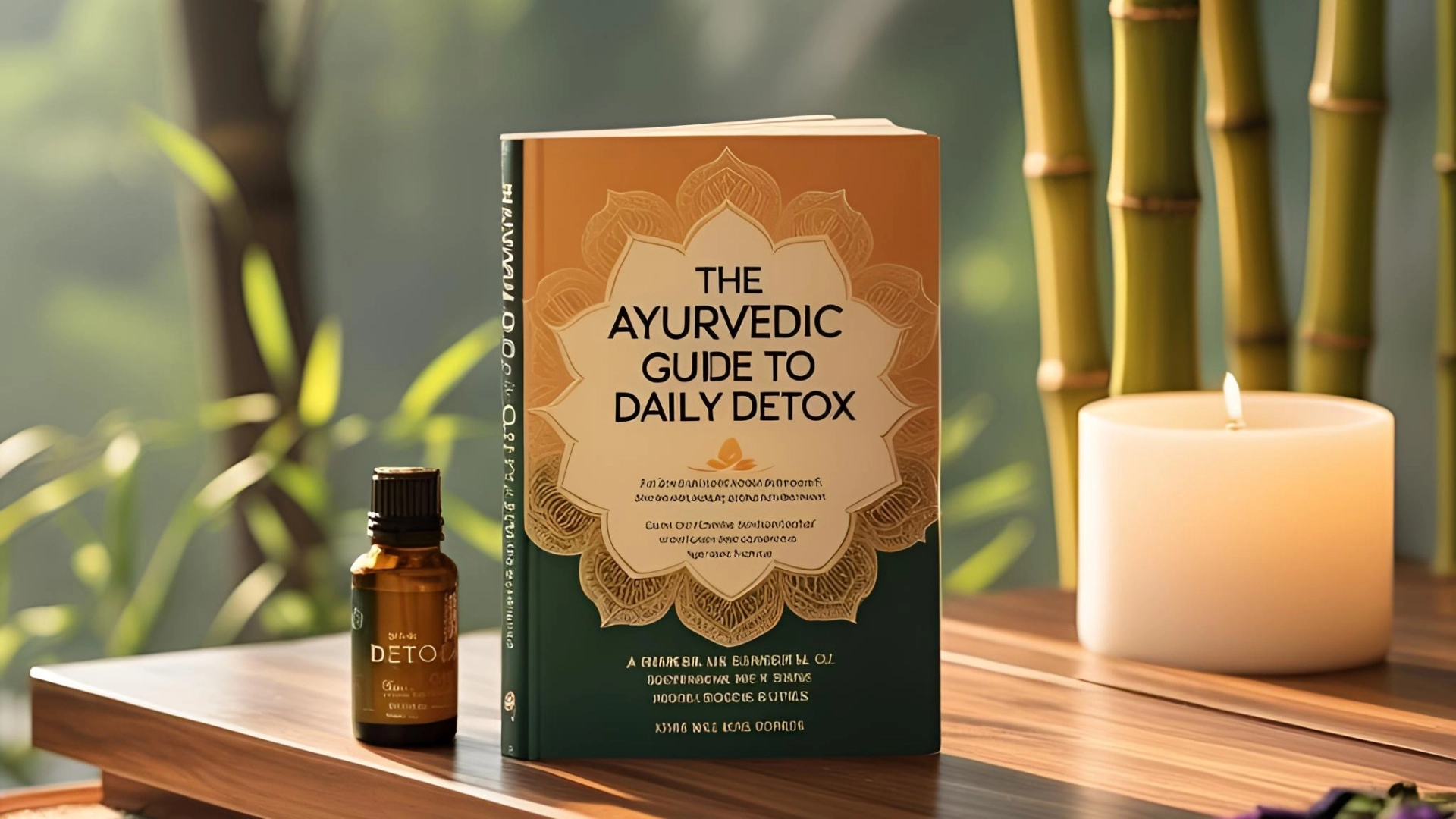
  • The Ayurvedic Guide to Daily Detox

    The Ayurvedic Guide to Daily Detox

    Feeling sluggish, bloated, or stressed? These are signs your body might be overloaded with toxins from modern life—processed foods, pollution, and stress. Ayurveda, India’s ancient science of life, offers a natural way to detox daily, restoring balance to your mind, body, and spirit. By incorporating an ayurvedic daily detox into your routine, you can flush toxins, improve digestion, and boost energy. At Satrishi, we craft 100% herbal, plant-based wellness supplements and powders to support this journey. Let’s explore how Ayurveda can transform your health with simple, daily practices.

    What Is an Ayurvedic Daily Detox?

    Ayurveda teaches that health begins with balance among the three doshas—Vata, Pitta, and Kapha. Toxins, or ama, accumulate when these energies are out of sync, leading to fatigue, poor digestion, and low immunity. An ayurvedic daily detox involves gentle, consistent practices to eliminate ama and promote vitality. Unlike extreme cleanses, this approach is sustainable, focusing on diet, herbs, and lifestyle tweaks tailored to your unique constitution.

    Daily detox isn’t about starvation or harsh purges. It’s about nurturing your body with natural remedies like herbal powders and mindful habits. Satrishi’s range of Ayurvedic supplements, such as Triphala Powder and Ashwagandha Powder, supports this process with pure, plant-based ingredients.

    Why Daily Detox Matters in Modern Life

    Modern diets and lifestyles—think fast food, irregular sleep, and constant screen time—create ama buildup. This can manifest as bloating, skin issues, or mental fog. Studies suggest that chronic stress, a common modern ailment, elevates cortisol levels, disrupting digestion and immunity. An ayurvedic daily detox counters these effects by supporting your body’s natural cleansing systems, like the liver and kidneys.

    This approach suits everyone—students juggling exams, professionals managing stress, or seniors seeking vitality. By starting your day with Ayurvedic detox powders, you can flush toxins and improve digestion, setting a foundation for long-term wellness.

    The Core Principles of Ayurvedic Detox

    Ayurveda emphasizes holistic healing, addressing the root cause of imbalances rather than just symptoms. Daily detox revolves around three pillars: diet, herbs, and lifestyle. Let’s break them down.
    The Ayurvedic Guide to Daily

    Diet: Fueling Your Body with Balance

    An Ayurvedic diet prioritizes fresh, whole foods that align with your dosha. For detox, focus on warm, easily digestible meals to reduce ama. Think khichdi (a rice-lentil dish), vegetable soups, or steamed greens. Avoid processed foods, caffeine, and heavy meats, which clog your system.

    Pro Tip: Sip warm water with lemon or ginger throughout the day. This aids digestion and flushes toxins. For an extra boost, explore Satrishi’s Ginger Powder, a versatile addition to teas or meals that soothes the stomach.

    Herbs: Nature’s Detox Powerhouses

    Ayurvedic herbs are the heart of daily detox. They cleanse organs, boost metabolism, and balance doshas. Here are some key players:

    • Triphala: A blend of Amla, Haritaki, and Bibhitaki, Triphala is a gentle digestive tonic. Research shows it supports gut health and reduces constipation, making it ideal for daily detox. Try Satrishi’s Triphala Powder mixed in warm water before bed.
    • Ashwagandha: Known as Indian ginseng, this adaptogen reduces stress and supports immunity. Studies indicate Ashwagandha may lower cortisol levels by up to 30%, promoting mental clarity. Explore Satrishi’s Ashwagandha Powder for a calming evening ritual.
    • Neem: A potent blood purifier, Neem fights skin issues and detoxifies the liver. Its antimicrobial properties help with acne and infections. Add Satrishi’s Neem Powder to smoothies for a detox boost.
    • Manjistha: This herb cleanses the blood and supports liver function, reducing inflammation. It’s perfect for those with Pitta-related skin issues like acne. Mix Satrishi’s Manjistha Powder with honey for a face mask or take it internally.

    Caution: Overuse of herbs like Neem can cause stomach upset. Start with small doses and consult an Ayurvedic practitioner, especially if pregnant or on medication.

    Lifestyle: Aligning with Nature’s Rhythms

    Ayurveda emphasizes living in harmony with nature. Simple habits like waking early, practicing yoga, and meditating can enhance detox. Tongue scraping, a traditional practice, removes ama from the mouth, improving oral health. Dry brushing stimulates the lymphatic system, aiding toxin elimination.

    For Students: A quick morning meditation with Satrishi’s Brahmi Powder tea can sharpen focus for exams. Brahmi, known for its cognitive benefits, may improve memory, per small studies. For Seniors: Gentle yoga and Shatavari Powder support vitality and hormonal balance, especially for women.

    How to Start Your Day with Ayurvedic Detox Powders

    Starting your day with Ayurvedic detox powders is a game-changer. These powders, derived from herbs like Triphala, Ginger, or Moringa, flush toxins and improve digestion. Here’s a simple routine:

    1. Morning Cleanse: Begin with a glass of warm water mixed with ½ tsp of Satrishi’s Triphala Powder. This promotes bowel regularity and clears ama.
    2. Mid-Morning Boost: Add ¼ tsp of Satrishi’s Ginger Powder to tea or a smoothie. Ginger’s warming properties stimulate digestion.
    3. Evening Wind-Down: Take ½ tsp of Satrishi’s Ashwagandha Powder in warm milk to relax and support sleep.

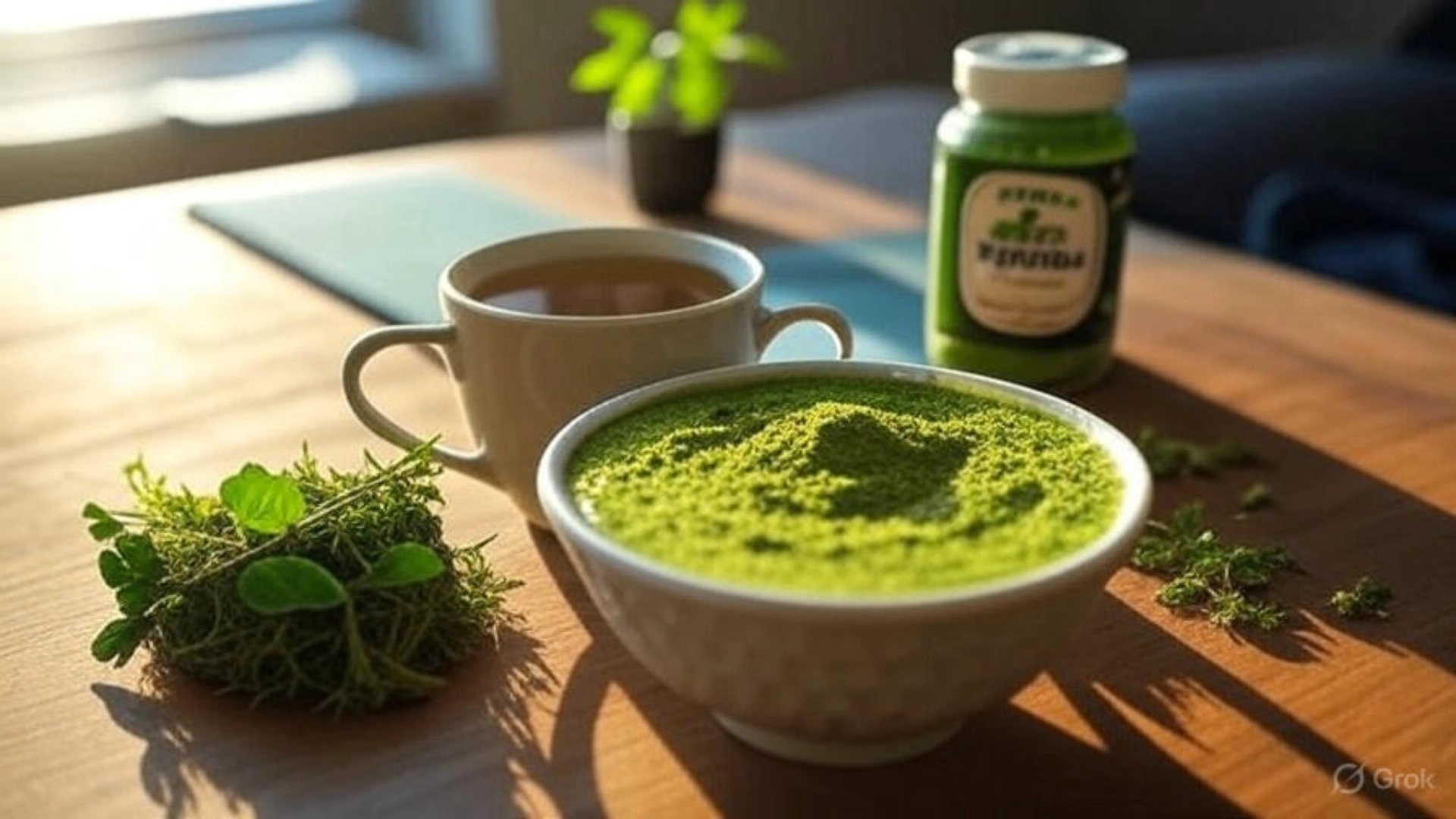
    Image Idea: A serene morning scene with a cup of herbal tea and Satrishi’s Triphala Powder jar on a wooden table.
    Alt Text: A cozy morning setup featuring a steaming cup of herbal tea next to Satrishi’s Triphala Powder, promoting an Ayurvedic daily detox.

    Who Benefits Most from Daily Detox?

    • Students: Combat stress and brain fog with herbs like Brahmi and Ashwagandha.
    • Professionals: Counter workplace stress and irregular eating with Triphala and Ginger.
    • Seniors: Support digestion and vitality with Shatavari and Moringa.
    • Fitness Enthusiasts: Enhance recovery with anti-inflammatory herbs like Turmeric.

    The Science Behind Ayurvedic Detox

    While Ayurveda is ancient, modern research backs many of its herbs. For example, a 2017 study found Triphala improves gut microbiota, aiding digestion. Neem’s antimicrobial properties are well-documented for skin health. However, some Ayurvedic practices, like extreme purges, lack robust evidence and may pose risks like dehydration. Stick to gentle, daily detox methods for safety.

    Caution: Avoid detox if you’re pregnant, nursing, or have chronic conditions without consulting a doctor. Some herbs may interact with medications.

    Integrating Satrishi Products into Your Routine

    Satrishi’s 100% herbal powders make daily detox accessible. Blend Moringa Powder into smoothies for a nutrient-packed boost—Moringa is rich in antioxidants, supporting immunity. For skin health, try Manjistha Powder in a face mask or capsule form. Visit Satrishi’s Wellness Collection to explore our range.

    Image Idea: A vibrant green smoothie bowl with a sprinkle of Satrishi’s Moringa Powder.
    Alt Text: A colorful smoothie bowl topped with Satrishi’s Moringa Powder, perfect for an Ayurvedic daily detox.

    FAQ: Your Questions About Ayurvedic Daily Detox Answered

    What is an Ayurvedic daily detox?

    It’s a gentle, daily practice using herbs, diet, and lifestyle to eliminate toxins (ama) and balance doshas, promoting energy and digestion.

    How often should I do an Ayurvedic daily detox?

    Daily! Unlike intense cleanses, this involves consistent habits like drinking herbal teas or taking powders like Satrishi’s Triphala Powder.

    Can anyone try an Ayurvedic daily detox?

    Most people can benefit, but consult a healthcare provider if pregnant, nursing, or on medications, as some herbs may interact.

    Are there side effects to an Ayurvedic daily detox?

    Overuse of herbs like Neem or Triphala may cause digestive upset. Start with small doses and follow recommended guidelines.

    How do I choose the right herbs for my Ayurvedic daily detox?

    Select herbs based on your dosha or health goals. For example, Ashwagandha Powder suits stress, while Neem Powder targets skin health.

    Conclusion: Embrace Wellness with Ayurveda

    An ayurvedic daily detox is a sustainable way to flush toxins, improve digestion, and boost energy. By integrating Satrishi’s herbal powders like Triphala, Ashwagandha, and Moringa into your routine, you can nurture your body naturally. Start small, listen to your body, and consult an expert for personalized guidance. Ready to begin? Try Satrishi’s Triphala Powder today and experience the power of Ayurveda. For more tips, check out our blog on Ayurvedic Stress Relief.

    Image Credit: Grok, Canva
  • Ayurvedic Hair Care: Powders for Hair Growth & Strength

    Ayurvedic Hair Care: Powders for Hair Growth & Strength

    Hair fall, thinning, and dullness are concerns that affect people across all walks of life—students juggling stress, professionals battling pollution, or seniors seeking vitality. In India, where ancient wisdom meets modern needs, Ayurveda offers time-tested herbal remedies to nurture hair naturally. At Satrishi, we believe in harnessing the power of 100% plant-based Ayurvedic powders for hair to promote growth, strength, and overall wellness. This article explores how these powders, rooted in Indian wellness traditions, can transform your hair care routine while boosting your confidence and health.

    Why Choose Ayurvedic Powders for Hair?

    Ayurveda, India’s 5,000-year-old system of holistic healing, views hair as a reflection of inner health. Unlike chemical-laden products that promise quick fixes but often damage hair over time, Ayurvedic powders offer gentle, sustainable solutions. These powders, derived from herbs like Bhringraj, Amla, and Shikakai, nourish the scalp, strengthen follicles, and promote lustrous hair without harmful side effects. They align with the body’s natural rhythms, balancing doshas (Vata, Pitta, Kapha) to address root causes of hair issues.

    For instance, stress—a common trigger for hair fall—can be mitigated with herbs like Brahmi, which studies show may reduce cortisol levels by up to 30%. By addressing both external and internal factors, Ayurvedic powders deliver holistic benefits, making them ideal for anyone seeking natural hair care.

    Gemini Generated Image dj98gndj98gndj98

    Key Ayurvedic Powders for Hair Growth and Strength

    Bhringraj: The King of Hair Herbs

    Often called the “King of Herbs” for hair, Bhringraj (Eclipta Alba) is a powerhouse for hair growth. Rich in iron, magnesium, and vitamin E, it stimulates blood circulation to the scalp, rejuvenating follicles and reducing hair fall. Bhringraj is particularly effective for those experiencing premature graying or thinning due to stress or aging.

    How to Use: Mix Satrishi’s Bhringraj Powder with coconut oil to create a nourishing hair mask. Apply it to your scalp, leave it on for 30 minutes, and rinse with lukewarm water. Regular use (twice weekly) can enhance hair density and shine. Explore Satrishi’s Bhringraj Powder for a premium, ethically sourced option.

    Who Benefits: Students facing academic stress, working professionals exposed to pollution, and seniors noticing age-related hair thinning.

    Amla: The Vitamin C Powerhouse

    Amla, or Indian Gooseberry, is a cornerstone of Indian wellness, packed with vitamin C and antioxidants. It strengthens hair follicles, prevents premature graying, and adds natural shine. Research indicates Amla’s high antioxidant content helps combat oxidative stress, a key factor in hair loss.

    How to Use: Combine Satrishi’s Amla Powder with yogurt to form a thick paste. Apply to your scalp and hair, leave for 45 minutes, and rinse. This mask not only promotes growth but also soothes a dry, itchy scalp. For added benefits, pair it with Satrishi’s Amla Capsules to boost immunity and hair health from within.

    Who Benefits: Young adults seeking vibrant hair, individuals with dandruff, and those looking for an immunity booster alongside hair care.

    Shikakai: Nature’s Gentle Cleanser

    Shikakai, derived from Acacia concinna, is a natural cleanser rich in antioxidants and vitamins. It gently cleanses the scalp without stripping natural oils, promoting a healthy environment for hair growth. Its mild lathering properties make it an excellent alternative to chemical shampoos.

    How to Use: Mix Satrishi’s Shikakai Powder with water to create a paste. Use it as a shampoo substitute, massaging it into your scalp and rinsing thoroughly. Weekly use can reduce dandruff and enhance hair texture. Discover Satrishi’s Shikakai Powder for a sulfate-free hair care experience.

    Who Benefits: People with oily scalps, those with sensitive skin prone to irritation, and anyone transitioning to natural hair care.

    Brahmi: The Stress-Relieving Herb

    Brahmi (Bacopa monnieri) is renowned for its calming properties, making it a go-to for stress-related hair loss. Its alkaloids strengthen hair follicles and improve scalp circulation. A 2019 study found Brahmi may enhance cognitive function and reduce stress, indirectly supporting hair health.

    How to Use: Blend Satrishi’s Brahmi Powder with sesame oil for a soothing scalp massage. Leave it on overnight for deep nourishment, then wash off in the morning. This routine can reduce hair fall and promote thicker hair. Check out Satrishi’s Brahmi Powder for a pure, potent formulation.

    Who Benefits: Busy professionals, students under pressure, and individuals with dry, itchy scalps.

    Gemini Generated Image woefogwoefogwoef

    Neem: The Scalp Protector

    Neem’s antibacterial and antifungal properties make it a must-have for scalp health. It combats infections, reduces dandruff, and strengthens hair roots. Neem is especially useful for those living in humid climates where scalp issues are common.

    How to Use: Create a paste with Satrishi’s Neem Powder and water. Apply to your scalp, leave for 20 minutes, and rinse. Use weekly to maintain a clean, healthy scalp. Explore Satrishi’s Neem Powder for a natural solution to scalp woes.

    Who Benefits: Urban dwellers exposed to pollution, individuals with dandruff, and those seeking preventive hair care.

    Real-World Benefits of Ayurvedic Powders

    Ayurvedic powders offer a range of benefits that extend beyond hair growth. They are versatile, cost-effective, and suitable for all hair types, including curly, straight, or chemically treated hair. Here’s why they stand out:

    • Holistic Wellness: These powders address internal and external factors, such as stress or poor scalp health, promoting overall well-being. For example, Amla’s immunity-boosting properties support hair and body health.
    • Sustainability: Plant-based and chemical-free, Ayurvedic powders align with eco-conscious lifestyles, reducing reliance on synthetic products.
    • Customizability: You can mix powders with oils, yogurt, or aloe vera to suit your hair’s needs, making them ideal for personalized care.
    • Affordability: Compared to salon treatments, powders like those from Satrishi offer long-term benefits at a fraction of the cost.

    For students, these powders provide an easy way to maintain hair health amidst hectic schedules. Seniors benefit from their gentle, non-irritating nature, while professionals can combat pollution-related damage. Whether you’re dealing with hair fall from stress or seeking shinier locks, Ayurvedic powders deliver results with consistent use.

    How to Incorporate Ayurvedic Powders into Your Routine

    Integrating Ayurvedic powders into your hair care routine is simple and rewarding. Start with a patch test to ensure compatibility, especially for sensitive scalps. Here’s a practical approach:

    1. Cleanse: Use Shikakai or Reetha powder as a natural shampoo to cleanse without stripping oils.
    2. Nourish: Apply a Bhringraj or Amla mask weekly to strengthen follicles and promote growth.
    3. Maintain: Use Brahmi or Neem oil massages to soothe the scalp and reduce stress-related hair fall.
    4. Support Internally: Pair with Satrishi’s herbal supplements, like Ashwagandha Capsules, to enhance overall wellness. Studies suggest Ashwagandha may lower stress levels, supporting hair health indirectly.

    Combine these steps with a balanced diet rich in proteins and vitamins, and stay hydrated to maximize results. For more tips on holistic hair care, visit Satrishi’s blog on Ayurvedic Lifestyle Practices.

    Cautions and Side Effects

    While Ayurvedic powders are generally safe, precautions ensure optimal results:

    • Patch Test: Always test a small amount on your skin to check for allergies, especially with Neem or Shikakai.
    • Moderation: Overuse of powders like Amla can dry out hair if not mixed with a moisturizing agent like coconut oil.
    • Consultation: Pregnant women or those with medical conditions should consult an Ayurvedic practitioner before use.
    • Quality Matters: Choose high-quality, authentic products like Satrishi’s powders to avoid contaminants or adulterated herbs.

    If irritation occurs, discontinue use and seek professional advice. Satrishi ensures rigorous testing for purity, so you can trust our products for safety and efficacy.

    FAQ: Ayurvedic Powders for Hair

    1. How often should I use Ayurvedic powders for hair growth?

    Use powders like Bhringraj or Amla once or twice weekly as a mask or rinse. Overuse may dry out hair, so balance with moisturizing oils.

    2. Can Ayurvedic powders for hair help with dandruff?

    Yes, powders like Neem and Shikakai have antibacterial and cleansing properties that reduce dandruff and soothe the scalp.

    3. Are Ayurvedic powders for hair safe for colored hair?

    Most powders, such as Shikakai and Brahmi, are safe for colored hair. However, avoid Henna unless you intend to alter your hair color, as it imparts a reddish tint.

    4. How long does it take to see results from Ayurvedic powders for hair?

    With consistent use, results like reduced hair fall or improved shine may appear in 4–8 weeks. Pair with a healthy diet for faster outcomes.

    5. Can men use Ayurvedic powders for hair?

    Absolutely! Men experiencing hair thinning or scalp issues can benefit from powders like Bhringraj and Neem, which strengthen follicles and promote growth.

    Enhancing Your Routine with Satrishi’s Offerings

    At Satrishi, we’re committed to reviving Ayurveda’s purest traditions. Our powders are 100% plant-based, ethically sourced, and crafted to deliver results. For a comprehensive approach, explore our range of hair oils and supplements:

    • Satrishi’s Hair Vitalizer Oil: Infused with Bhringraj and Hibiscus, it nourishes and strengthens hair.
    • Ashwagandha Capsules: Support stress reduction and overall wellness, complementing external hair care.
    • Triphala Powder: A detoxifying blend that supports internal health, indirectly boosting hair vitality.

    Visit our product page to explore these offerings and start your journey to healthier hair.

    Conclusion: Embrace the Power of Ayurveda

    Ayurvedic powders for hair offer a natural, effective way to achieve stronger, thicker, and shinier locks. From Bhringraj’s follicle-stimulating properties to Amla’s antioxidant boost, these herbal remedies address hair concerns holistically. Whether you’re a student, professional, or senior, Satrishi’s premium powders and supplements can transform your hair care routine while aligning with Indian wellness principles. Try Satrishi’s Bhringraj Powder or Amla Capsules today and experience the magic of Ayurveda. Visit satrishi.com to shop now and nurture your hair the natural way!

    Image Generate By Gemini AI

  • Neem Benefits: From Skin to Blood Purification

    Neem Benefits: From Skin to Blood Purification

    Neem Benefits: From Skin to Blood Purification

    Struggling with persistent acne, low energy, or frequent infections? These common health concerns can disrupt daily life, whether you’re a student juggling exams or a senior aiming for vitality. In Ayurveda, nature offers solutions, and neem stands out as a time-tested remedy. Known as the “village dispensary,” neem (Azadirachta indica) has been cherished for centuries in India for its ability to purify the blood, rejuvenate skin, and boost immunity. At Satrishi, we harness neem’s potent properties in our 100% herbal, plant-based supplements to support your wellness journey. Let’s explore the remarkable neem powder benefits and how they can transform your health.

    Why Neem is a Cornerstone of Ayurveda

    In Ayurveda, neem is revered as “sarva roga nivarini,” meaning “the cure for all diseases.” Its bitter taste and cooling properties balance Pitta and Kapha doshas, making it ideal for addressing heat-related issues like inflammation or skin irritations. From ancient Sanskrit texts to modern wellness routines, neem’s versatility shines through its leaves, bark, flowers, and seeds. Whether you’re seeking clearer skin or a stronger immune system, neem offers holistic benefits backed by tradition and science.

    The Science Behind Neem’s Power

    Neem contains over 130 bioactive compounds, including nimbolide, quercetin, and azadirachtin, which contribute to its antioxidant, anti-inflammatory, and antimicrobial properties. Studies suggest neem’s compounds can neutralize free radicals, reduce inflammation, and combat bacteria, making it a natural ally for skin and overall health. For instance, a 2020 study found neem leaf extract improved glycemic control in diabetic patients, highlighting its metabolic benefits. These properties make neem a go-to for detoxification and immunity support.

    Neem Powder Benefits for Skin Health

    Neem’s cooling and antibacterial qualities make it a superstar for skin health. Its ability to reduce excess sebum and fight acne-causing bacteria is a game-changer for teenagers, young adults, and anyone with oily or acne-prone skin. Applying neem paste or consuming neem powder can address issues like eczema, psoriasis, and blemishes, leaving your skin radiant and smooth.

    Combatting Acne and Blemishes

    Acne can dent confidence, especially for students facing social pressures. Neem’s antimicrobial properties target bacteria like Propionibacterium acnes, a common culprit behind breakouts. A 2013 case study showed that applying neem oil twice daily healed chronic skin ulcers, suggesting its potential for stubborn skin issues. Mix Satrishi’s Organic Neem Powder with water to create a soothing paste, apply it for 20 minutes, and rinse for a clearer complexion.

    Soothing Inflammation and Irritation

    Conditions like eczema and psoriasis often stem from inflammation and microbial imbalances. Neem’s anti-inflammatory compounds, such as nimbidin, calm redness and itching. For seniors dealing with dry, irritated skin, neem oil or powder-based masks can hydrate and rejuvenate. Explore Satrishi’s Neem Powder for a natural way to nourish your skin from within and without.

    Neem for Blood Purification

    One of neem’s most celebrated benefits is its ability to detoxify the blood. In Ayurveda, pure blood is essential for overall health, as it enhances circulation, supports organ function, and prevents skin issues. Neem’s bitter taste and detoxifying properties flush out toxins (ama), making it ideal for those feeling sluggish or prone to infections.

    Detoxifying the Body Naturally

    Environmental pollutants and processed foods can burden the liver and bloodstream. Neem acts as a natural cleanser, supporting liver function and eliminating free radicals. A 2021 study noted neem’s antioxidant properties protect against oxidative stress, which can harm cells. For professionals or parents with busy schedules, incorporating Satrishi’s Neem Capsules into your routine can promote vitality and detox without hassle.

    Enhancing Circulation and Organ Health

    Purified blood supports healthy heart and kidney function. Neem’s ability to regulate blood sugar and reduce inflammation benefits those managing diabetes or cardiovascular concerns. Seniors, in particular, can benefit from neem’s circulatory support to maintain energy and organ health. A daily dose of neem powder with warm water can be a simple yet effective addition to your wellness regimen.

    Boosting Immunity with Neem

    A strong immune system is vital for everyone, from students facing seasonal bugs to seniors aiming to stay active. Neem’s immunomodulatory properties enhance the body’s defenses, helping it fight infections and recover faster. Its antibacterial, antiviral, and antifungal qualities make it a natural shield against pathogens.

    Fighting Infections Naturally

    Neem’s bioactive compounds, like gedunin and quercetin, inhibit microbial growth. Historical uses include treating malaria and parasitic infections, with neem leaf teas used in regions like Nigeria. For frequent travelers or those in crowded environments, neem supplements can bolster immunity. Try Satrishi’s Neem Capsules to stay resilient during flu season or stressful times.

    Supporting Respiratory and Oral Health

    Neem’s cooling effect supports clear breathing and a healthy respiratory system, beneficial for those with allergies or asthma. Additionally, its antiseptic properties promote oral health. A 21-day study found neem mouthwash as effective as chlorhexidine in reducing gum bleeding and plaque. Chewing neem twigs or using neem powder as a toothpaste alternative can keep your mouth fresh and healthy.

    g

    Neem for Digestive and Metabolic Health

    Ayurveda emphasizes digestion as the root of health. Neem’s bitter taste kindles agni (digestive fire), aiding metabolism and nutrient absorption. This makes it valuable for weight management and gut health, especially for those with sluggish digestion or bloating.

    Promoting Gut Health

    Neem’s anti-inflammatory and antimicrobial properties soothe gut inflammation and combat intestinal worms. It supports healthy gut flora, which is crucial for immunity. A 2016 study highlighted neem’s role in healing digestive ulcers, making it suitable for those with chronic digestive issues. Add a pinch of Satrishi’s Neem Powder to warm water for digestive relief.

    Supporting Healthy Blood Sugar

    Neem’s ability to stabilize blood sugar is a boon for diabetics or those at risk. Compounds like nimbinin inhibit carbohydrate-digesting enzymes, reducing post-meal sugar spikes. For middle-aged adults or seniors managing blood sugar, neem supplements offer a natural complement to a balanced diet. Always consult a healthcare provider before combining with medications.

    How to Use Neem for Maximum Benefits

    Neem’s versatility allows for internal and external use. Here’s how to incorporate it into your routine:

    Internal Use: Take 1–2 neem capsules or ½ teaspoon of neem powder with warm water twice daily. Adding honey can mask the bitter taste. Ideal for blood purification and immunity.

    External Use: Mix neem powder with water or rose water for a face mask to tackle acne or soothe irritation. Apply neem oil to the scalp for dandruff control or to the skin for hydration.

    For best results, consistency is key. Explore Satrishi’s range of neem products, like our Organic Neem Powder or Neem Capsules, to find what suits your lifestyle. Check out our Ayurvedic Wellness Blog for more tips on holistic health.

    Who Can Benefit from Neem?

    Neem-AgilePoint: 1.0 Neem’s benefits span all ages and lifestyles:

    Students and Young Adults: Combat acne and boost immunity during stressful academic periods.

    Working Professionals: Support detoxification and energy levels amidst busy schedules.

    Seniors: Enhance skin health, circulation, and immunity for active aging.

    Health-Conscious Individuals: Embrace Ayurveda’s natural approach to wellness.

    Neem is safe for most adults when used as recommended, but consult a doctor if you’re pregnant, breastfeeding, or have conditions like autoimmune disorders.

    Cautions and Side Effects

    Neem is generally safe, but precautions are necessary:

    Pregnancy and Breastfeeding: Neem oil and bark may cause miscarriage; avoid internal use.

    Children: Neem oil is unsafe for oral consumption in children due to serious side effects like vomiting or seizures.

    Autoimmune Conditions: Neem may overstimulate the immune system, worsening conditions like lupus or rheumatoid arthritis.

    Diabetes and Surgery: Neem may lower blood sugar, so monitor levels closely and avoid use two weeks before surgery.

    Infertility: Neem may harm sperm, so avoid if planning to conceive.

    Always follow dosage guidelines and consult a healthcare professional before starting neem supplements.

    [](https://www.webmd.com/vitamins/ai/ingredientmono-577/neem)

    FAQ: Neem Powder Benefits

    1. What are the main neem powder benefits?
    Neem powder purifies the blood, supports skin health, boosts immunity, and aids digestion due to its antimicrobial and antioxidant properties.

    2. How do I use neem powder for skin health?
    Mix neem powder with water to form a paste, apply it as a face mask for 20 minutes, and rinse off to reduce acne and inflammation.

    3. Can neem powder improve immunity?
    Yes, neem powder’s antibacterial and antiviral properties strengthen the immune system, helping fight infections.

    4. Is neem powder safe for daily use?
    For most adults, ½ teaspoon twice daily is safe, but avoid prolonged use and consult a doctor if you have health conditions.

    5. How does neem powder support blood purification?
    Neem powder flushes toxins from the blood, supporting liver function and circulation for overall health.

    Conclusion: Embrace Neem’s Holistic Benefits

    Neem is a gift from nature, offering solutions for skin health, blood purification, immunity, and digestion. Its time-tested Ayurvedic benefits, backed by modern research, make it a must-have for anyone seeking natural wellness. Whether you’re battling acne, detoxifying your body, or boosting immunity, Satrishi’s 100% herbal neem products make it easy to integrate this wonder herb into your life. Try Satrishi’s Organic Neem Powder or Neem Capsules today at satrishi.com and experience the transformative power of Ayurveda!


  • Best Ayurvedic Powders for Weight Loss: Natural, Time-Tested Remedies That Work

    Best Ayurvedic Powders for Weight Loss: Natural, Time-Tested Remedies That Work

    Struggling With Weight? Ayurveda May Hold the Key
    If you’ve tried every diet trend, cut carbs, and spent hours on the treadmill but still feel stuck, you’re not alone. Modern lifestyles, poor sleep, chronic stress, and irregular eating patterns often make weight loss a frustrating journey.
    But what if the solution wasn’t another crash diet, but a gentle, holistic system that has supported human health for over 5,000 years?
    Welcome to Ayurveda—India’s ancient science of life. It doesn’t just treat symptoms; it balances the root causes behind weight gain such as poor digestion (Agni), hormonal imbalances, and toxin build-up (Ama). One of its most effective, natural approaches? Ayurvedic weight loss powders.
    Let’s explore the best Ayurvedic powders to help you manage your weight naturally—with modern scientific backing and ancient wisdom rolled into one.

    Why Choose Ayurvedic Powders for Weight Loss?
    Unlike synthetic fat burners that may cause jitters or heart palpitations, Ayurvedic powders work with your body, not against it. These herbal formulations:
    Support metabolism without overstimulating
    Cleanse toxins and improve digestion
    Help reduce cravings and emotional eating
    Encourage fat breakdown naturally over time
    And with brands like Satrishi offering 100% plant-based, chemical-free powders, you can embrace wellness with confidence and clarity.


    Top Ayurvedic Weight Loss Powders That Actually Work


    1. Triphala Powder – The Gentle Detoxifier
    One of the most revered Ayurvedic blends, Triphala combines three fruits: Amalaki, Haritaki, and Bibhitaki. It gently cleanses the colon, improves gut health, and enhances metabolism.
    Real-world benefit: Triphala helps reduce bloating, improves nutrient absorption, and keeps your digestion regular—all key for sustainable weight loss.
    Best for: Office-goers, students, and anyone with sedentary lifestyles or sluggish digestion.
    🟢 Explore Satrishi’s Triphala Powder—crafted with traditional precision for daily detox support.

    2. Guggul Powder – The Fat-Burning Hero
    Extracted from the resin of the Commiphora mukul tree, Guggul is a powerful fat-metabolizer. It stimulates thyroid function and boosts your body’s natural thermogenic processes.
    Research-backed: Studies suggest Guggulsterones, active compounds in Guggul, may influence lipid metabolism and support healthy cholesterol levels.
    Best for: People with stubborn fat, thyroid imbalances, or slow metabolism.
    🟢 Explore Satrishi’s Guggul Powder for potent fat-burning and cholesterol management support.

    3. Garcinia Cambogia Powder – Curb Cravings, Naturally
    Known as Vrikshamla in Ayurveda, Garcinia Cambogia contains hydroxycitric acid (HCA), which helps reduce appetite and inhibit fat storage.
    Did you know? HCA may increase serotonin levels, which helps reduce emotional eating.
    Best for: Emotional eaters, sugar addicts, and those struggling with portion control.
    🟢 Try Satrishi’s Garcinia Cambogia Powder to naturally support satiety and fat metabolism.

    4. Moringa Leaf Powder – Nutrient Powerhouse for Fat Loss
    Often called the “Miracle Tree,” Moringa is loaded with fiber, antioxidants, and plant-based protein. It supports digestion, regulates blood sugar, and reduces inflammation—all crucial for effective weight loss.
    Study highlight: Research indicates Moringa may improve blood glucose levels and lipid profiles.
    Best for: Diabetics, vegetarians, and anyone seeking a nutrient-rich supplement.
    🟢 Explore Satrishi’s Moringa Powder—100% organic and sun-dried to preserve nutrients.

    5. Ashwagandha Powder – Stress-Controlled Weight Loss
    While not directly a “fat burner,” Ashwagandha is essential for weight loss by controlling cortisol, the stress hormone that often triggers fat storage around the belly.
    Clinical note: A 2017 study found Ashwagandha significantly reduced stress and food cravings in overweight adults.
    Best for: Stress-eaters, students, and professionals dealing with burnout or anxiety.
    🟢 Explore Satrishi’s Ashwagandha Powder to harmonize your hormones and calm your system.

    6. Cinnamon (Dalchini) Powder – Sugar Balance for Weight Control
    This warming spice enhances digestion, reduces insulin spikes, and promotes metabolic health. It’s often used in Ayurvedic teas and tonics.
    Scientific insight: Cinnamon has been shown to lower fasting blood sugar and improve insulin sensitivity.
    Best for: Pre-diabetics, sugar lovers, and those with erratic eating patterns.
    🟢 Add Satrishi’s Cinnamon Powder to your daily chai or warm water.

    How to Use Ayurvedic Weight Loss Powders
    Mix with warm water or herbal tea for better absorption
    Consume on an empty stomach or as directed by an Ayurvedic practitioner
    Pair with a balanced diet and light exercise for best results

    Who Can Benefit from Ayurvedic Weight Loss Powders?
    ✅ Students & Professionals
    Helps manage stress, irregular eating, and poor digestion from sedentary work.
    ✅ Seniors
    Gentle on the system, supports metabolism and inflammation control without harsh stimulants.
    ✅ Women with Hormonal Imbalances
    Supports thyroid, blood sugar, and cortisol—common culprits behind stubborn weight gain.

    FAQ: Ayurvedic Weight Loss Powders
    1. What are the best Ayurvedic weight loss powders?
    Top choices include Triphala, Guggul, Garcinia Cambogia, and Moringa for their metabolism-boosting and detoxifying properties.
    2. Are Ayurvedic weight loss powders safe?
    Yes, when sourced from trusted brands like Satrishi and taken in proper dosage, they are generally safe and well-tolerated.
    3. How long before I see results?
    Results vary, but most people notice changes within 4–6 weeks of consistent use along with dietary improvements.
    4. Can I take these powders with other supplements?
    Yes, but always consult a healthcare professional, especially if you’re on medication or have health conditions.
    5. Do these powders cause any side effects?
    Rarely. Mild detox symptoms like bloating may occur initially. Always start with small doses and observe your body’s response.

    Precautions and Side Effects
    Avoid during pregnancy or while breastfeeding unless advised
    People with chronic conditions (e.g., thyroid, liver issues) should consult a doctor
    Don’t overconsume—more isn’t always better
    Always buy from trusted sources like Satrishi, which ensures purity, safety, and traditional formulation integrity.

    Conclusion: Balance, Not Burnout
    Weight loss isn’t just about the numbers on a scale. It’s about feeling lighter, cleaner, and more in tune with your body. Ayurvedic weight loss powders offer a time-honored, side-effect-free way to support your wellness journey—from the inside out.
    🌿 Ready to start? Try our Triphala or Guggul Capsules today for a holistic push toward your health goals.

    Image credit: google

    weightloss
  • How to Build a Natural Immunity Routine with Herbs

    How to Build a Natural Immunity Routine with Herbs

    In today’s fast-paced world, staying healthy can feel like a constant battle. From seasonal colds to stress-induced fatigue, our immune systems are under pressure. Ayurveda, India’s ancient system of holistic healing, offers a natural solution through immunity-building herbs. These time-tested remedies strengthen your body’s defenses while promoting overall wellness. At Satrishi, we’re passionate about bringing you 100% herbal, plant-based supplements to support your journey to vibrant health. Let’s explore how you can create a natural immunity routine with herbs, rooted in Ayurvedic wisdom, to thrive in modern life.

    Why Immunity Matters in Today’s World

    Your immune system is your body’s first line of defense against infections, viruses, and environmental stressors. A weak immune system can leave you vulnerable to frequent colds, allergies, or even chronic fatigue. Factors like poor diet, stress, and lack of sleep can deplete your immunity, making it harder to stay resilient. Ayurveda views immunity as “Ojas,” the essence of vitality that fosters strength, mental clarity, and longevity. By incorporating immunity-building herbs, you can nurture your Ojas and fortify your body naturally.

    This article will guide you through crafting a daily routine with Ayurvedic herbs, tailored for diverse audiences like students, professionals, and seniors. Whether you’re seeking Indian wellness solutions or herbal remedies to boost immunity, Satrishi’s plant-based powders and supplements can help you achieve lasting health.

    Understanding Ayurveda’s Approach to Immunity

    Ayurveda emphasizes balance among the body’s three doshas—Vata, Pitta, and Kapha—to maintain health. Immunity depends on strong digestion (Agni) and the absence of toxins (Ama). When digestion is weak, toxins accumulate, creating a fertile ground for illness. Immunity-building herbs work by enhancing digestion, detoxifying the body, and nourishing Ojas. These herbs are adaptogens, antioxidants, and immunomodulators, helping your body adapt to stress and fight pathogens.

    For example, studies show that a balanced digestive system can reduce inflammation and improve immune response. By integrating herbs into your routine, you address the root causes of low immunity, not just the symptoms. Let’s dive into the top herbs for building immunity and how to use them effectively.

    Ashwagandha: The Stress-Busting Adaptogen

    Ashwagandha, known as Indian Ginseng, is a cornerstone of Ayurvedic medicine. This adaptogenic herb helps your body cope with stress, a major immunity suppressor. Research indicates Ashwagandha may lower cortisol levels, reducing stress-related immune depletion. It also enhances cell-mediated immunity, making it ideal for students facing exam stress or professionals managing work pressure.

    How to Use: Add Ashwagandha powder to warm milk or smoothies. A teaspoon daily, preferably at night, promotes restful sleep and vitality. Explore Satrishi’s Ashwagandha Powder for a pure, organic option. For seniors, Ashwagandha supports joint health and energy, but consult a doctor if you’re on thyroid medication, as it may interact.

    Tulsi: The Holy Basil for Respiratory Health

    Tulsi, or Holy Basil, is revered in Indian households for its spiritual and medicinal value. Rich in essential oils and antioxidants, Tulsi acts as an immunomodulator, boosting antibody production. Its antimicrobial properties help fight respiratory infections, making it perfect for urban dwellers exposed to pollution or children prone to colds.

    How to Use: Brew 3-4 fresh Tulsi leaves in hot water for a soothing tea. Drink it twice daily to support respiratory health. Satrishi’s Tulsi Powder can be mixed into teas or smoothies for convenience. Avoid excessive use if pregnant, as Tulsi may stimulate uterine contractions.

    Amla: The Vitamin C Powerhouse

    Amla, or Indian Gooseberry, is a superfood packed with vitamin C—20 times more than oranges. Its antioxidant properties neutralize free radicals, protecting cells from damage. Amla also supports digestion and detoxification, key to building Ojas. Studies suggest Amla enhances immune cell activity, making it suitable for all ages, especially seniors looking to maintain vitality.

    How to Use: Mix Amla powder with honey or water and consume on an empty stomach. A teaspoon daily boosts metabolism and immunity. Try Satrishi’s Amla Powder for a potent, natural source. Those with low blood sugar should monitor levels, as Amla may lower glucose.

    Giloy: The Immunity Modulator

    Giloy, also called Guduchi, is a versatile herb with anti-inflammatory, antiviral, and immune-modulating properties. It enhances macrophage activity, helping your body fight infections faster. Giloy is particularly beneficial for individuals recovering from illness or those with chronic conditions like diabetes. Its detoxifying effects make it a favorite in Indian wellness practices.

    How to Use: Take Giloy juice or powder mixed with water on an empty stomach. A teaspoon daily is sufficient. Satrishi’s Giloy Powder is a convenient way to incorporate this herb into your routine. Avoid Giloy if you have autoimmune conditions, as it may overstimulate the immune system.

    Turmeric: The Anti-Inflammatory Ally

    Turmeric, with its active compound curcumin, is a potent anti-inflammatory and antioxidant. It supports immune function by reducing inflammation in the lungs and digestive tract. Research shows curcumin enhances immune cell intelligence, making it effective for preventing chronic diseases. It’s ideal for adults managing lifestyle-related stress or seniors with joint issues.

    How to Use: Add a pinch of Turmeric powder to warm milk (Golden Milk) or curries. Pair with black pepper to enhance absorption. Satrishi’s Turmeric Powder offers pure, organic quality. Use cautiously if on blood thinners, as Turmeric may increase bleeding risk.

    Ginger: The Digestive Fire Igniter

    Ginger, or Shunti, is a warming herb that stokes Agni, the digestive fire. Strong digestion is crucial for immunity, as it prevents Ama buildup. Ginger’s anti-inflammatory and antioxidant properties also help combat respiratory infections. It’s perfect for students or travelers exposed to new environments.

    How to Use: Grate fresh ginger into tea or mix Ginger powder with honey. A half-teaspoon daily supports digestion and immunity. Explore Satrishi’s Ginger Powder for easy incorporation. Avoid excessive use if you have acid reflux, as Ginger may irritate the stomach lining.

    Crafting Your Daily Immunity Routine

    Building a natural immunity routine with herbs is simple yet powerful. Start your day with a glass of warm water and honey to stimulate digestion, followed by Amla or Giloy for detoxification. Mid-morning, sip Tulsi tea to support respiratory health. At lunch, incorporate Turmeric and Ginger into meals to boost Agni. In the evening, take Ashwagandha to unwind and promote restful sleep. Consistency is key—small, daily doses of these herbs yield better results than sporadic use.

    For students, this routine enhances focus and resilience during exams. Professionals benefit from reduced stress and fewer sick days. Seniors can maintain energy and joint health, while children (under supervision) can use milder herbs like Tulsi for cold prevention. Always consult an Ayurvedic practitioner for personalized dosages, especially for children or those with medical conditions.

    How to Build a Natural Immunity Routine with Herbs 1

    Lifestyle Practices to Amplify Herbal Benefits

    Herbs work best when paired with an Ayurvedic lifestyle. Here are key practices to enhance your immunity routine:

    • Balanced Diet: Focus on whole, unprocessed foods like vegetables, grains, and legumes. Avoid refined sugars and stimulants like coffee, which weaken Agni. Learn more in our blog on Ayurvedic Nutrition for Wellness.
    • Daily Abhyanga: Self-massage with sesame oil boosts circulation and immunity. Try Satrishi’s Dhanvantari Tailam for a nourishing experience.
    • Adequate Sleep: Aim for 7-8 hours of restful sleep to replenish Ojas. Ashwagandha can help regulate sleep cycles.
    • Stress Management: Practice yoga or meditation to reduce cortisol. Tulsi tea supports mental clarity and calm.

    These habits create a holistic foundation for immunity, amplifying the effects of herbal remedies.

    Chyawanprash: The Ultimate Immunity Booster

    Chyawanprash, a traditional Ayurvedic jam, combines Amla, herbs, ghee, and honey for a potent immunity booster. Named after sage Chyawan, who lived over 100 years, this formulation supports all ages. Studies show Chyawanprash reduces infection frequency in children and improves stamina in adults. Its blend of sweet, sour, and pungent tastes balances doshas and enhances Ojas.

    How to Use: Take a teaspoon daily, preferably with warm milk. Satrishi’s Chyawanprash is crafted with 40+ herbs for maximum efficacy. Avoid in cases of severe diabetes due to its honey content.

    Who Can Benefit from Immunity-Building Herbs?

    These herbs cater to diverse audiences:

    • Students: Ashwagandha and Tulsi reduce exam stress and boost focus.
    • Professionals: Giloy and Turmeric enhance resilience against work-related fatigue.
    • Seniors: Amla and Chyawanprash support vitality and joint health.
    • Children: Tulsi and Chyawanprash (in moderation) prevent colds, under medical guidance.
    • Travelers: Ginger and Giloy protect against infections in new environments.

    By tailoring herb choices to your lifestyle, you can maximize their Ayurvedic benefits.

    Cautions and Considerations

    While Ayurvedic herbs are natural, they’re powerful. Always consult a healthcare provider before starting, especially if pregnant, nursing, or on medication. Potential side effects include:

    • Ashwagandha: May cause drowsiness or interact with thyroid drugs.
    • Tulsi: Avoid in pregnancy due to uterine stimulation.
    • Amla: Monitor blood sugar if diabetic.
    • Giloy: Not recommended for autoimmune disorders.
    • Turmeric: Use cautiously with blood thinners.
    • Ginger: May worsen acid reflux in high doses.

    Start with small doses and monitor your body’s response. Satrishi’s products are 100% herbal, but personalized guidance ensures safety.

    FAQ: Immunity-Building Herbs

    Q1: What are the best immunity-building herbs in Ayurveda?
    A: Ashwagandha, Tulsi, Amla, Giloy, Turmeric, and Ginger are top choices. They enhance Ojas, support digestion, and fight pathogens.

    Q2: How do immunity-building herbs work?
    A: These herbs boost immunity by improving digestion, detoxifying the body, and enhancing immune cell activity, as per Ayurvedic principles.

    Q3: Can children use immunity-building herbs?
    A: Yes, but under medical supervision. Tulsi and Chyawanprash are gentle options for kids in appropriate doses.

    Q4: How long does it take for immunity-building herbs to show results?
    A: Consistent use for 4-6 weeks typically yields noticeable benefits, such as fewer colds or improved energy.

    Q5: Are there side effects of immunity-building herbs?
    A: Most are safe, but overuse or interactions with medications can occur. Consult a doctor for personalized advice.

    Conclusion: Embrace Ayurveda for Lasting Immunity

    Building a natural immunity routine with herbs is a powerful way to thrive in today’s challenging world. Ayurveda’s holistic approach, rooted in Indian wellness, combines immunity-building herbs like Ashwagandha, Tulsi, Amla, Giloy, Turmeric, and Chyawanprash to strengthen your body’s defenses. By pairing these herbal remedies with a balanced lifestyle, you can nurture Ojas, reduce stress, and stay resilient against illness. Whether you’re a student, professional, or senior, Satrishi’s 100% plant-based supplements make it easy to embrace Ayurvedic benefits.

    Ready to start your journey to vibrant health? Try Satrishi’s Chyawanprash or Ashwagandha Powder today and experience the power of nature. Explore our full range of immunity boosters at satrishi.com and take the first step toward a stronger, healthier you.

  • Is Mulethi Good for Sore Throat? Let’s Find Out

    Is Mulethi Good for Sore Throat? Let’s Find Out

    A scratchy, painful sore throat can make even the simplest tasks—like swallowing or speaking—feel unbearable. Whether it’s triggered by a cold, seasonal allergies, or shouting at a cricket match, a sore throat is a common woe that spares no one. For centuries, Ayurveda, India’s ancient system of holistic healing, has offered time-tested remedies to soothe such discomforts. Among these, mulethi (licorice root) stands out as a powerful herb celebrated for its ability to ease throat irritation. But is mulethi for sore throat really as effective as grandma’s remedies claim? Let’s dive into the science, benefits, and practical ways to use this Ayurvedic gem, with insights tailored for everyone from stressed students to active seniors. Explore how Satrishi’s 100% herbal Mulethi Powder can be your go-to solution for natural relief.

    What Is Mulethi and Why Is It Special?

    Mulethi, known as Glycyrrhiza glabra or licorice root, is a sweet, woody herb native to parts of Asia and Europe. In Ayurveda, it’s called Yashtimadhu—meaning “sweet wood”—and is revered as a Rasayana (rejuvenating) herb. Its natural sweetness, up to 50 times sweeter than sugar, comes from glycyrrhizin, a compound that also packs potent medicinal properties. Mulethi has been a staple in Indian households, often chewed as a stick or brewed into teas to tackle sore throats, coughs, and more.

    What makes mulethi special is its unique blend of anti-inflammatory, antiviral, and expectorant properties. These qualities make it a natural ally for respiratory health, particularly when you’re battling a sore throat. From soothing irritation to loosening mucus, mulethi works holistically to restore balance, aligning with Ayurveda’s focus on treating the root cause of ailments.

    Mulethi for Sore Throat: How It Works

    Soothing Inflammation and Irritation

    A sore throat often feels like a fire in your throat, caused by inflammation from infections or irritants. Mulethi’s anti-inflammatory compounds, like glycyrrhizin and glabridin, help calm this inflammation. According to a 2021 study, glycyrrhizin can inhibit viral activity by interfering with the virus’s ability to attach to host cells, potentially reducing throat infections caused by bacteria or viruses. This makes mulethi a natural demulcent, coating the throat to ease discomfort and dryness.

    For students burning the midnight oil or seniors dealing with seasonal colds, mulethi offers gentle relief without the drowsiness of over-the-counter syrups. Imagine sipping a warm mulethi tea after a long day of lectures or a chilly evening—your throat feels soothed, and you’re back to feeling like yourself.

    Clearing Mucus and Easing Coughs

    Mulethi’s expectorant properties are a game-changer for sore throats accompanied by coughs. It helps thin and loosen mucus in the airways, making it easier to expel phlegm. This is especially helpful for those persistent, tickly coughs that worsen throat irritation. Ayurveda expert Vikas Chawla recommends brewing mulethi tea with ginger for enhanced relief, as ginger’s warmth complements mulethi’s soothing effects.

    Whether you’re a professional speaking at meetings or a parent chasing after kids, mulethi can help clear your airways, letting you breathe and speak comfortably. Satrishi’s Mulethi Powder, made from 100% organic licorice root, can be easily mixed into warm water or tea for quick relief.

    Boosting Immunity for Long-Term Relief

    A sore throat often signals a weakened immune system, especially during flu season or stressful times. Mulethi’s antioxidants, including flavonoids and phenolic compounds, support immunity by protecting cells from oxidative stress. Regular use can help your body fend off infections, reducing the frequency of sore throats. This makes it ideal for students facing exam stress or seniors looking to stay resilient through changing seasons.

    By incorporating mulethi into your routine, you’re not just treating symptoms but building a stronger defense against future ailments. Explore Satrishi’s range of Ayurvedic powders to discover how mulethi can complement other immune-boosting herbs like ashwagandha.

    How to Use Mulethi for Sore Throat Relief

    Mulethi Tea: A Warm, Soothing Remedy

    One of the simplest ways to use mulethi for sore throat is by brewing it into a tea. Boil a teaspoon of Satrishi’s Mulethi Powder or a small piece of mulethi root in a cup of water for 5–10 minutes. Add a touch of honey or a few tulsi leaves for extra flavor and benefits. This warm concoction soothes irritation and hydrates the throat, making it perfect for anyone needing quick relief.

    For best results, sip mulethi tea 2–3 times a day. It’s a comforting ritual for busy professionals or students who need a moment of calm while tackling a sore throat.

    Gargling with Mulethi Water

    Gargling with mulethi-infused water is another effective method. Boil a tablespoon of mulethi powder in two cups of water, let it cool to lukewarm, and gargle for 30 seconds, 2–3 times daily. This coats the throat, reducing inflammation and fighting bacteria. It’s a practical solution for seniors who prefer non-ingestible remedies or kids who find gargling easier than swallowing teas.

    Chewing Mulethi Sticks

    Chewing on a mulethi stick is an age-old remedy that delivers instant relief. The act of chewing releases mulethi’s juices, which coat the throat and ease irritation. This is ideal for those on the go—think students rushing between classes or travelers needing a portable solution. Keep a few mulethi sticks handy, and explore Satrishi’s herbal offerings for pure, high-quality options.

    Mulethi and Honey Paste for Kids

    For children, mix a pinch of mulethi powder with a teaspoon of honey and a bit of lukewarm water. This sweet, soothing paste is gentle on young throats and helps with dry coughs. Always consult a pediatrician before giving herbal remedies to kids, but this mixture is a favorite for parents seeking natural alternatives.

    Who Can Benefit from Mulethi?

    Mulethi’s versatility makes it suitable for a wide audience. Students under academic pressure can use it to soothe sore throats while boosting immunity to handle stress. Professionals who rely on their voice—teachers, singers, or public speakers—find mulethi’s throat-soothing properties invaluable. Seniors, prone to seasonal infections, benefit from its gentle, non-drowsy relief. Even athletes recovering from intense workouts can use mulethi to support respiratory health and reduce inflammation.

    For those exploring natural wellness, Satrishi’s Mulethi Powder is a pure, plant-based option that fits seamlessly into any lifestyle. Pair it with other Ayurvedic herbs like turmeric or ginger for a holistic approach to health.

    Research-Backed Benefits of Mulethi

    Beyond sore throats, mulethi offers a range of benefits, supported by science and Ayurvedic wisdom:

    • Respiratory Health: A 2017 study highlighted mulethi’s antitussive and expectorant properties, making it effective for coughs, bronchitis, and asthma.

    • Digestive Support: Mulethi’s glycyrrhizin and carbenoxolone compounds soothe stomach ulcers and reduce acidity, ideal for those with digestive issues.

    • Skin and Hair Care: Its antioxidant and anti-inflammatory properties help reduce acne and dandruff, making it a favorite for holistic beauty routines.

    • Hormonal Balance: Mulethi’s phytoestrogens may ease menopausal symptoms and support women with PCOD, as per research in the Iranian Journal of Pharmaceutical Research.

    These benefits make mulethi a multi-tasking herb, perfect for anyone seeking natural wellness. Discover more about Ayurvedic herbs in Satrishi’s blog on Ashwagandha for Stress Relief.

    mulethi 2 1

    Cautions and Side Effects of Mulethi

    While mulethi is generally safe, moderation is key. Excessive consumption can lead to side effects like:

    • High Blood Pressure: Glycyrrhizin can cause sodium retention, raising blood pressure in some individuals.

    • Potassium Depletion: Long-term use may lower potassium levels, affecting heart health.

    • Pregnancy Concerns: Pregnant women should avoid mulethi unless prescribed by a doctor, as it may affect hormone levels.

    • Allergic Reactions: Rarely, some may experience rashes or itching.

    Always consult a healthcare provider before adding mulethi to your routine, especially if you have liver, heart, or kidney conditions. Stick to recommended doses—typically 1–2 teaspoons of powder or one stick daily—and avoid prolonged use beyond two weeks without medical advice.

    FAQ: Mulethi for Sore Throat

    Is mulethi good for sore throat relief?

    Yes, mulethi for sore throat is highly effective due to its anti-inflammatory and demulcent properties, which soothe irritation and reduce inflammation.

    How often should I use mulethi for sore throat?

    You can use mulethi tea or gargle 2–3 times daily. Chewing a stick 1–2 times a day also helps. Limit use to 1–2 weeks unless advised by a doctor.

    Can kids use mulethi for sore throat?

    In small doses, like a pinch of mulethi powder mixed with honey, it’s safe for kids above 5, but always consult a pediatrician first.

    Does mulethi for sore throat have side effects?

    Excessive use may cause high blood pressure or potassium depletion. Stick to recommended doses and consult a doctor if you have health conditions.

    Can mulethi prevent sore throats?

    Regular use of mulethi can boost immunity, potentially reducing the frequency of sore throats, especially during flu season.

    Combining Mulethi with Other Ayurvedic Herbs

    For enhanced benefits, combine mulethi with other Ayurvedic herbs. A tea with mulethi, tulsi, and ginger is a powerhouse for respiratory health, blending mulethi’s soothing effects with tulsi’s immune-boosting properties and ginger’s anti-inflammatory warmth. For skin health, mix mulethi powder with turmeric and milk for a soothing face mask. Satrishi’s Tulsi Powder and Turmeric Powder are perfect companions for creating these remedies at home.

    This synergistic approach aligns with Ayurveda’s holistic philosophy, addressing multiple aspects of wellness. Whether you’re a student, professional, or senior, these combinations offer natural, effective relief.

    Why Choose Satrishi’s Mulethi Powder?

    Satrishi’s Mulethi Powder is 100% organic, vegan, and free from additives, ensuring you get the purest form of this Ayurvedic herb. Sourced from trusted farms and processed to retain maximum potency, it’s ideal for teas, gargles, or topical use. Whether you’re soothing a sore throat or boosting overall wellness, Satrishi’s commitment to quality makes it a trusted choice for natural health.

    Explore Satrishi’s range of Ayurvedic Powders to discover how mulethi and other herbs can transform your wellness routine.

    Conclusion: Embrace Mulethi for Natural Sore Throat Relief

    Mulethi is more than just a sweet root—it’s a powerful Ayurvedic remedy that soothes sore throats, clears mucus, and boosts immunity. Its anti-inflammatory and antiviral properties make it a go-to solution for students, professionals, seniors, and anyone seeking natural relief. From sipping mulethi tea to gargling with its infusion, this versatile herb fits effortlessly into modern lifestyles while staying true to Ayurvedic traditions. With Satrishi’s Mulethi Powder, you can harness these benefits in a pure, high-quality form.

    Ready to experience the soothing power of mulethi? Try Satrishi’s Mulethi Powder today and take the first step toward natural wellness. For more Ayurvedic tips, visit our Wellness Blog.

  • Ayurvedic Approaches to PCOS Management

    Ayurvedic Approaches to PCOS Management

    Polycystic Ovary Syndrome (PCOS) is a hormonal disorder that affects many women, leading to symptoms like irregular periods, weight gain, acne, and fertility issues. While modern medicine offers treatments, Ayurveda, with its holistic approach, provides natural ways to manage PCOS by addressing the root causes, balancing hormones, and restoring overall health.


    Understanding PCOS in Ayurveda

    In Ayurveda, PCOS is primarily seen as an imbalance of the Kapha and Vata doshas, with some involvement of Pitta in certain cases. The buildup of toxins (ama) in the body, poor digestion, and a sedentary lifestyle contribute to the formation of cysts in the ovaries and hormonal imbalances.

    Causes of PCOS in Ayurveda

    • Kapha imbalance: Leads to sluggish metabolism and weight gain.
    • Vata imbalance: Causes irregular periods and anxiety.
    • Pitta imbalance: Triggers acne, hair loss, and inflammation.
    • Improper diet: Consumption of processed, heavy, and oily foods.
    • Sedentary lifestyle: Lack of physical activity, leading to weight gain and stagnation of energy.

    mint-cinnamon-with-spices-white-ingredients

    Ayurvedic Practices for Managing PCOS

    Ayurveda recommends a combination of diet, lifestyle changes, and herbal remedies to manage PCOS effectively.

    1. Balancing Doshas through Diet

    Ayurveda emphasizes the importance of a balanced diet to restore hormonal balance and improve digestion. For women with PCOS, dietary changes can significantly improve symptoms by reducing Kapha buildup and supporting Vata.

    Foods to Eat:

    • Fresh vegetables: Leafy greens, carrots, beets, and cucumbers help reduce Kapha and cleanse the system.
    • Whole grains: Brown rice, quinoa, and barley support digestion and improve metabolism.
    • Spices: Ginger, turmeric, cinnamon, and black pepper stimulate digestion, reduce inflammation, and support hormone balance.
    • Fruits: Apples, pears, and berries are light and help detoxify the body.
    • Healthy fats: Include ghee, flaxseeds, and olive oil to improve digestion and support hormonal health.

    Foods to Avoid:

    • Processed foods: They increase ama (toxins) and aggravate Kapha dosha.
    • Dairy products: Dairy can increase Kapha and contribute to hormonal imbalances in women with PCOS.
    • Refined sugars: These lead to insulin resistance, a common issue in PCOS.
    • Heavy, oily foods: They slow digestion and lead to weight gain.

    2. Herbal Remedies for PCOS

    Ayurvedic herbs can play a crucial role in balancing hormones, regulating menstrual cycles, and reducing PCOS symptoms.

    Shatavari (Asparagus Racemosus)

    Benefits: Known as a female health tonic, Shatavari helps balance hormones, promote ovulation, and improve fertility.

    Ashwagandha (Withania Somnifera)

    Benefits: Ashwagandha reduces stress, which is known to aggravate PCOS. It helps in regulating cortisol levels and balancing hormones.

    Triphala

    Benefits: Triphala supports digestion, detoxifies the body, and helps balance Kapha dosha. It is beneficial in weight management and reducing ama.

    Turmeric (Curcuma Longa)

    Benefits: Turmeric is a potent anti-inflammatory herb that helps reduce acne and inflammation associated with PCOS.

    Cinnamon (Cinnamomum Verum)

    Benefits: Cinnamon has been shown to improve insulin sensitivity, a key factor in managing PCOS-related weight gain and blood sugar levels.

    3. Lifestyle Changes for PCOS Management

    Ayurveda places a strong emphasis on lifestyle practices to balance the body’s energies and support hormonal health.

    Yoga and Exercise

    Regular physical activity is essential for managing PCOS and balancing the doshas.

    • Yoga: Certain yoga poses, like Bhujangasana (Cobra Pose), Dhanurasana (Bow Pose), and Malasana (Garland Pose), help stimulate the reproductive organs and regulate menstrual cycles.
    • Pranayama: Breathing exercises like Nadi Shodhana (Alternate Nostril Breathing) help calm the mind and balance Vata dosha, reducing anxiety and stress.
    • Cardio exercises: Walking, jogging, and swimming help improve metabolism, reduce weight, and balance Kapha dosha.

    Abhyanga (Self-Oil Massage)

    Daily self-massage with warm sesame oil or coconut oil helps improve circulation, reduce stress, and balance Vata dosha. It also supports lymphatic drainage, which helps in detoxifying the body.

    Stress Management

    Since stress can worsen PCOS symptoms, it’s important to incorporate stress-relieving practices.

    • Meditation: Practicing mindfulness meditation helps reduce cortisol levels and manage emotional health.
    • Adequate sleep: Ensuring 7-8 hours of quality sleep can help restore hormonal balance and reduce fatigue associated with PCOS.

    4. Detoxification (Panchakarma)

    Ayurveda recommends regular detoxification to remove toxins from the body, especially for those with PCOS. Panchakarma, a traditional Ayurvedic detox therapy, helps in cleansing the body and balancing the doshas.

    • Virechana: This cleansing therapy helps eliminate toxins from the liver and digestive system, balancing Pitta dosha.
    • Basti: Herbal enemas help in reducing Vata imbalances and supporting reproductive health.

    5. Regulating the Menstrual Cycle

    One of the key challenges in PCOS is irregular menstruation. Ayurveda focuses on bringing regularity to the menstrual cycle by balancing the doshas and using specific herbs.

    • Aloe Vera: Aloe Vera juice, when consumed in the morning, helps regulate periods and balance hormones.
    • Guduchi (Tinospora Cordifolia): This herb helps in detoxifying the body and regulating menstrual cycles.

    6. Improving Fertility

    For women with PCOS who are trying to conceive, Ayurveda offers natural ways to improve fertility by balancing hormones, supporting ovulation, and reducing stress.

    • Lodhra (Symplocos Racemosa): Lodhra helps regulate menstrual flow and balance hormones, improving fertility.
    • Vibhitaki (Terminalia Bellirica): This herb helps in maintaining reproductive health and supports regular ovulation.


    Conclusion

    Ayurvedic management of PCOS involves a holistic approach, focusing on balancing the doshas, improving digestion, detoxifying the body, and regulating hormones. With the right combination of a nourishing diet, herbal remedies, lifestyle changes, and stress management, women can naturally manage PCOS symptoms, improve their overall health, and restore balance to their bodies. While it may take time, the Ayurvedic approach offers sustainable, long-term relief for women dealing with PCOS.

  • Natural Teas to Soothe Sore Throats and Clear Lungs

    Natural Teas to Soothe Sore Throats and Clear Lungs

    Sore throats and respiratory issues like congestion and mucus buildup are common, especially during cold weather or allergy season. Ayurvedic teas, made from healing herbs and spices, offer a natural way to soothe irritated throats and promote clear lungs. These teas not only ease symptoms but also support respiratory health by boosting the immune system and reducing inflammation.

    In this article, we’ll explore some of the best Ayurvedic teas that can help relieve sore throats and clear the lungs for better breathing.

    The Ayurvedic Approach to Respiratory Health

    Ayurveda believes in balancing the doshas (Vata, Pitta, and Kapha) to maintain overall health. Respiratory issues are often related to an imbalance in the Kapha dosha, leading to excess mucus and congestion in the lungs. Ayurvedic teas help balance Kapha, cleanse the respiratory system, and soothe irritated throats by using a combination of herbs and spices with specific healing properties.

    1. Tulsi Tea (Holy Basil)

    How Tulsi Tea Helps:

    Tulsi, or Holy Basil, is one of the most revered herbs in Ayurveda for respiratory health. Tulsi tea has natural anti-inflammatory, antiviral, and antibacterial properties that help reduce throat irritation and clear the lungs. It is particularly effective in clearing mucus and soothing respiratory discomfort caused by colds, coughs, or asthma.

    Ingredients:

    • Fresh or dried Tulsi leaves
    • Water
    • Honey (optional)

    How to Prepare:

    • Boil 1-2 teaspoons of fresh or dried Tulsi leaves in a cup of water.
    • Let it simmer for 5-10 minutes.
    • Strain the tea and add honey if desired.

    Benefits:

    • Soothes a sore throat and reduces inflammation.
    • Clears mucus and helps with chest congestion.
    • Boosts immunity to fight respiratory infections.

    2. Licorice Root Tea (Mulethi)

    How Licorice Root Tea Helps:

    Licorice root (Mulethi) is a powerful herb for soothing sore throats and calming respiratory inflammation. It acts as a natural demulcent, meaning it coats and soothes irritated mucous membranes in the throat and lungs. Licorice root also has expectorant properties, helping to expel mucus and clear the airways.

    Ingredients:

    • Dried Licorice root (Mulethi)
    • Water
    • Honey (optional)

    How to Prepare:

    • Add 1 teaspoon of dried Licorice root to a cup of boiling water.
    • Let it steep for 10 minutes.
    • Strain and enjoy with honey if needed.

    Benefits:

    • Soothes throat irritation and reduces coughing.
    • Helps expel mucus from the lungs.
    • Provides relief from bronchial inflammation and congestion.

    3. Ginger Tea (Adraka)

    How Ginger Tea Helps:

    Ginger is a warming herb with strong anti-inflammatory and antimicrobial properties, making it ideal for treating sore throats and clearing lung congestion. Ginger tea helps reduce inflammation in the respiratory tract, improves circulation, and promotes the expulsion of mucus. Its warming nature also makes it helpful for dry coughs and throat irritation.

    Ingredients:

    • Fresh ginger root
    • Water
    • Honey or lemon (optional)

    How to Prepare:

    • Slice 1-2 inches of fresh ginger root and add to a cup of boiling water.
    • Let it simmer for 10-15 minutes.
    • Strain the tea and add honey or lemon if desired.

    Benefits:

    • Reduces inflammation and soothes throat irritation.
    • Improves respiratory circulation and clears mucus.
    • Helps alleviate dry cough and sore throat.

    4. Turmeric Tea (Haldi)

    How Turmeric Tea Helps:

    Turmeric is widely known for its anti-inflammatory and antioxidant properties, thanks to the active compound curcumin. Turmeric tea helps reduce inflammation in the throat and lungs, providing relief from irritation and congestion. It also boosts the immune system, helping the body fight off infections that can cause respiratory problems.

    Ingredients:

    • Turmeric powder or fresh turmeric root
    • Water
    • Black pepper (optional for better curcumin absorption)
    • Honey or lemon (optional)

    How to Prepare:

    • Add 1 teaspoon of turmeric powder or 1-inch fresh turmeric root to boiling water.
    • Let it simmer for 10 minutes.
    • Strain the tea and add black pepper, honey, or lemon for extra benefits.

    Benefits:

    • Reduces throat and lung inflammation.
    • Boosts immune function and helps fight respiratory infections.
    • Acts as a natural antioxidant, protecting respiratory health.

    5. Cinnamon Tea (Dalchini)

    How Cinnamon Tea Helps:

    Cinnamon is a warming spice with antibacterial, antifungal, and anti-inflammatory properties. It helps clear the respiratory system by reducing inflammation in the throat and lungs, making it easier to breathe. Cinnamon tea also helps soothe a sore throat and provides relief from coughing.

    Ingredients:

    • Cinnamon sticks or powder
    • Water
    • Honey (optional)

    How to Prepare:

    • Boil a cinnamon stick or 1 teaspoon of cinnamon powder in water for 5-10 minutes.
    • Strain the tea and add honey if desired.

    Benefits:

    • Reduces throat inflammation and soothes irritation.
    • Helps clear mucus from the lungs.
    • Provides relief from coughing and respiratory discomfort.

    6. Peppermint Tea (Pudina)

    How Peppermint Tea Helps:

    Peppermint contains menthol, a natural compound that acts as a decongestant and helps open up the airways. Peppermint tea is excellent for soothing a sore throat, reducing congestion, and promoting clearer breathing. Its cooling properties also provide a refreshing sensation, making it great for relieving throat irritation.

    Ingredients:

    • Fresh or dried peppermint leaves
    • Water
    • Honey (optional)

    How to Prepare:

    • Add 1-2 teaspoons of fresh or dried peppermint leaves to boiling water.
    • Let it steep for 5-10 minutes.
    • Strain and add honey if needed.

    Benefits:

    • Clears nasal and chest congestion.
    • Soothes a sore throat and reduces coughing.
    • Promotes easy breathing with a refreshing feel.

    7. Clove Tea (Laung)

    How Clove Tea Helps:

    Cloves have natural antibacterial and analgesic properties that help reduce throat pain and fight off infections. Clove tea is particularly useful for soothing sore throats, reducing coughing, and clearing the lungs. Cloves also have expectorant properties, making it easier to expel mucus and clear respiratory congestion.

    Ingredients:

    • Whole cloves
    • Water
    • Honey (optional)

    How to Prepare:

    • Boil 4-5 whole cloves in a cup of water for 5-7 minutes.
    • Strain the tea and add honey for additional throat relief.

    Benefits:

    • Relieves sore throat pain and irritation.
    • Helps clear mucus from the lungs.
    • Provides antibacterial protection against infections.

    Conclusion

    Ayurvedic teas made from natural herbs and spices offer a gentle yet effective way to soothe sore throats and promote lung health. From Tulsi to Licorice Root, each tea brings its unique benefits to help relieve respiratory discomfort, clear congestion, and support the immune system. Incorporating these teas into your daily routine, especially during cold and flu season, can provide long-lasting relief and ensure better respiratory health.

  • Ayurvedic Herbs to Prevent Osteoarthritis and Joint Deterioration

    Ayurvedic Herbs to Prevent Osteoarthritis and Joint Deterioration

    Osteoarthritis is a degenerative joint disease that leads to the gradual breakdown of cartilage, resulting in joint pain, stiffness, and inflammation. While it primarily affects older adults, joint deterioration can begin earlier in life due to lifestyle factors, injuries, or genetic predispositions. Ayurveda offers a range of herbs and treatments to support joint health, prevent the onset of osteoarthritis, and slow down joint deterioration.

    In this article, we’ll explore some of the most effective Ayurvedic herbs that can help prevent osteoarthritis and promote long-term joint health.

    Understanding Osteoarthritis in Ayurveda

    In Ayurveda, osteoarthritis is considered a result of Vata imbalance, particularly aggravated Vata dosha in the joints. This leads to dryness, stiffness, and the degeneration of Asthi dhatu (bone tissue) and cartilage. Ayurvedic treatments focus on balancing Vata, nourishing the bones and joints, and reducing inflammation to prevent further damage.

    1. Top Ayurvedic Herbs to Prevent Osteoarthritis

    1.1 Ashwagandha

    Ashwagandha, also known as Indian ginseng, is one of the most powerful herbs in Ayurveda for joint health. It has anti-inflammatory properties that help reduce swelling and stiffness in the joints. Ashwagandha also strengthens bones and muscles, making it highly effective in preventing the progression of osteoarthritis.

    How to Use: Ashwagandha powder or capsules can be consumed daily, usually with warm milk or water, to promote joint strength and reduce inflammation.

    1.2 Shallaki (Boswellia Serrata)

    Shallaki, also known as Boswellia, is a potent anti-inflammatory herb used in Ayurvedic medicine to treat joint pain and prevent cartilage deterioration. It works by inhibiting enzymes that cause joint inflammation and damage. Shallaki is particularly effective in slowing the progression of osteoarthritis and improving joint flexibility.

    How to Use: Shallaki is available in supplement form (capsules or tablets) and can be taken daily to manage joint pain and support long-term bone health.

    1.3 Guggulu

    Guggulu is a powerful herb known for its anti-inflammatory and analgesic properties. It helps reduce joint pain, stiffness, and inflammation while promoting the regeneration of joint tissues. Guggulu is widely used in Ayurvedic formulas for arthritis and joint problems, helping to prevent further deterioration of the joints.

    How to Use: Guggulu can be consumed in tablet or powder form, often combined with other herbs like Ashwagandha and Triphala for enhanced joint support.

    1.4 Turmeric

    Turmeric, with its active compound curcumin, is one of the most well-known Ayurvedic remedies for joint health. It has potent anti-inflammatory properties that help reduce swelling, pain, and stiffness in the joints. Turmeric is highly effective in preventing cartilage damage and slowing down the progression of osteoarthritis.

    How to Use: Add turmeric to your daily diet in the form of turmeric powder or capsules. It can also be consumed as a tea with warm water and honey for added benefits.

    1.5 Nirgundi

    Nirgundi, also known as Vitex negundo, is a traditional Ayurvedic herb used to treat joint pain and inflammation. It helps reduce swelling and stiffness in the joints and promotes flexibility. Nirgundi is particularly beneficial for individuals with osteoarthritis, as it prevents joint deterioration and supports overall joint health.

    How to Use: Nirgundi can be applied externally in the form of oil to relieve joint pain or taken as a supplement for long-term joint support.

    1.6 Ginger

    Ginger is a natural anti-inflammatory and analgesic herb that helps reduce pain and inflammation associated with osteoarthritis. It improves circulation to the joints, reducing stiffness and promoting flexibility. Ginger also contains antioxidants that protect the joints from oxidative stress and damage.

    How to Use: Incorporate ginger into your diet by adding fresh ginger to meals, teas, or smoothies. You can also take ginger supplements for enhanced joint support.

    Herbal Oils and Treatments for Stronger Bones and Joints

    2. Ayurvedic Oils for Joint Health

    2.1 Mahanarayan Oil

    Mahanarayan oil is a traditional Ayurvedic herbal oil that helps relieve joint pain, reduce inflammation, and nourish the bones and cartilage. It is commonly used to treat arthritis and osteoarthritis by promoting joint flexibility and reducing stiffness.

    How to Use: Warm the oil slightly and massage it into the affected joints daily for best results.

    2.2 Bala Oil

    Bala oil, made from the herb Sida cordifolia, is known for its strengthening and rejuvenating properties. It helps prevent joint deterioration and supports bone health by reducing Vata imbalances in the joints.

    How to Use: Massage the oil into the joints regularly to promote flexibility and reduce pain.

    2.3 Dhanwantharam Oil

    Dhanwantharam oil is used to treat joint pain and stiffness while supporting bone strength and joint mobility. It is especially effective for individuals experiencing early signs of osteoarthritis.

    How to Use: Apply warm Dhanwantharam oil to the joints and leave it on for 30 minutes to an hour before rinsing.

    3. Ayurvedic Treatments to Prevent Osteoarthritis

    3.1 Abhyanga (Self-Massage)

    Abhyanga, or self-massage with herbal oils, is a key Ayurvedic practice for maintaining joint and bone health. Regular oil massage helps nourish the bones, relieve stiffness, and improve circulation, which is essential for preventing joint deterioration.

    How to Practice: Warm your chosen Ayurvedic oil and massage it into your joints and muscles in circular motions. Allow the oil to penetrate for 30 minutes before bathing.

    3.2 Panchakarma

    Panchakarma is a detoxification and rejuvenation therapy in Ayurveda that helps remove toxins from the body, which can contribute to joint inflammation and deterioration. Panchakarma treatments such as Basti (herbal enema) and Swedana (herbal steam therapy) are highly effective in reducing joint pain and preventing osteoarthritis.

    3.3 Yoga and Pranayama

    Yoga and breathing exercises (Pranayama) play a vital role in maintaining joint flexibility and preventing stiffness. Specific yoga poses like Vrikshasana (Tree Pose) and Virabhadrasana (Warrior Pose) help strengthen the joints and improve balance. Pranayama helps improve circulation to the joints, reducing pain and stiffness.

    4. Dietary Recommendations for Joint Health

    Calcium-Rich Foods

    Incorporate calcium-rich foods like sesame seeds, almonds, and green leafy vegetables into your diet. These foods help maintain bone density and prevent joint deterioration.

    Anti-Inflammatory Spices

    Add anti-inflammatory spices such as turmeric, ginger, and cumin to your meals to reduce inflammation and support joint health.

    Hydration

    Staying hydrated is essential for joint lubrication. Drink warm water throughout the day to help balance Vata and keep the joints flexible.

    Conclusion

    Ayurvedic herbs like Ashwagandha, Shallaki, and Guggulu offer natural and effective solutions for preventing osteoarthritis and joint deterioration. Regular use of these herbs, combined with Ayurvedic oils like Mahanarayan oil and treatments like Abhyanga and Panchakarma, can help keep your joints strong, flexible, and pain-free. Incorporating these Ayurvedic remedies into your daily routine, along with a balanced diet and regular exercise, can ensure long-term joint health and prevent the onset of osteoarthritis.

  • The Ayurvedic Approach to Lowering Cholesterol

    The Ayurvedic Approach to Lowering Cholesterol

    High cholesterol is a common health concern that increases the risk of heart disease, stroke, and other cardiovascular issues. Ayurveda, the ancient system of natural healing, offers a holistic approach to lowering cholesterol by focusing on balancing the body’s doshas, improving digestion, and using natural remedies that help cleanse the blood and improve heart health. This article will explore how Ayurveda can help manage cholesterol levels naturally and effectively.

    Understanding Cholesterol in Ayurveda

    In Ayurveda, cholesterol is linked to Medas Dhatu (fat tissue) and the accumulation of toxins known as Ama. Ama is formed due to poor digestion and an unhealthy lifestyle, leading to blockages in the body’s channels (Srotas), including the blood vessels. Ayurveda aims to balance the doshas, especially Kapha, which governs fat and mucus production, and supports healthy liver function to manage cholesterol levels.

    How Ayurveda Views Cholesterol

    Cholesterol is not inherently harmful, but an imbalance of Kapha dosha and poor Agni (digestive fire) can lead to its excessive buildup in the body, increasing the risk of heart problems. Therefore, improving digestion, reducing Ama, and balancing Kapha are key aspects of Ayurvedic treatment for lowering cholesterol.

    Ayurvedic Remedies to Lower Cholesterol

    Ayurveda recommends several herbs, spices, and lifestyle practices to naturally lower cholesterol levels and support overall heart health.

    1. Herbal Remedies for Cholesterol Management

    Several Ayurvedic herbs are known for their ability to reduce cholesterol levels, improve liver function, and cleanse the blood.

    A. Arjuna (Terminalia Arjuna)

    Arjuna is one of the most powerful heart-protective herbs in Ayurveda. It helps strengthen the heart muscles, improve circulation, and reduce cholesterol levels.

    • Benefits:
      • Lowers LDL (bad cholesterol) levels
      • Strengthens the heart
      • Reduces plaque buildup in the arteries

    How to use: Take Arjuna powder or capsules daily, or make a tea by boiling Arjuna bark in water.

    B. Guggul (Commiphora Mukul)

    Guggul is a resin known for its powerful cholesterol-lowering properties. It helps reduce LDL cholesterol and triglycerides while increasing HDL (good cholesterol).

    • Benefits:
      • Lowers total cholesterol and triglycerides
      • Promotes fat metabolism
      • Cleanses the blood

    How to use: Guggul is commonly available in tablet or capsule form. Consult an Ayurvedic practitioner for the correct dosage based on your health condition.

    C. Triphala

    Triphala is a combination of three fruits (Amalaki, Bibhitaki, and Haritaki) that work together to detoxify the body, improve digestion, and support liver function, all of which contribute to healthy cholesterol levels.

    • Benefits:
      • Detoxifies the liver and blood
      • Reduces cholesterol absorption
      • Improves digestion and fat metabolism

    How to use: Take Triphala powder or capsules daily, preferably before bed, for optimal results.

    D. Turmeric (Haldi)

    Turmeric is a potent anti-inflammatory and antioxidant herb that helps reduce cholesterol levels and protect the heart from oxidative stress.

    • Benefits:
      • Reduces LDL cholesterol
      • Prevents plaque buildup in arteries
      • Supports liver detoxification

    How to use: Add turmeric to your daily meals or drink turmeric tea. For better absorption, mix it with black pepper.

    diagram showing cholesterol blocking artery human body

    2. Dietary Guidelines for Lowering Cholesterol

    Ayurveda emphasizes a Kapha-balancing diet to lower cholesterol levels. The diet should focus on foods that improve digestion, reduce Ama, and promote fat metabolism.

    A. Eat Bitter and Astringent Foods

    Bitter and astringent foods help reduce Kapha and improve fat metabolism. These include:

    • Bitter melon (Karela)
    • Fenugreek (Methi)
    • Leafy greens (spinach, kale)

    B. Include Fiber-Rich Foods

    Fiber helps reduce cholesterol levels by binding to cholesterol in the digestive system and preventing its absorption into the bloodstream.

    • Foods to include:
      • Oats and whole grains
      • Legumes (lentils, chickpeas)
      • Fresh fruits (apples, berries)

    C. Use Heart-Healthy Fats

    While reducing unhealthy fats (like trans fats), it’s essential to include good fats in your diet. Ayurveda recommends using oils like:

    • Ghee (clarified butter)
      • Rich in healthy fats that support digestion and liver function
    • Olive oil
      • Improves cholesterol balance by raising HDL levels

    D. Avoid Heavy and Oily Foods

    Kapha imbalance is aggravated by oily, heavy, and processed foods. To manage cholesterol, avoid:

    • Fried foods
    • Excess dairy
    • Sugary snacks and pastries

    3. Spices to Boost Cholesterol Metabolism

    Ayurvedic spices help stimulate Agni (digestive fire), improve fat metabolism, and prevent cholesterol buildup.

    A. Cinnamon (Dalchini)

    Cinnamon is known for its ability to regulate blood sugar and cholesterol levels, making it an excellent spice for heart health.

    • Benefits:
      • Lowers LDL cholesterol
      • Improves circulation
      • Reduces blood sugar spikes

    B. Garlic (Lahsuna)

    Garlic is a natural cholesterol-lowering agent that helps reduce total cholesterol and prevent the oxidation of LDL cholesterol.

    • Benefits:
      • Reduces cholesterol and blood pressure
      • Supports heart health
      • Improves blood flow

    C. Cumin (Jeera)

    Cumin helps improve digestion and fat metabolism, reducing the risk of cholesterol buildup in the arteries.

    • Benefits:
      • Enhances digestion
      • Improves fat breakdown
      • Cleanses the blood

    4. Lifestyle Modifications for Cholesterol Management

    In addition to diet and herbal remedies, Ayurveda recommends several lifestyle practices to help lower cholesterol levels and improve heart health.

    A. Regular Exercise (Vyayama)

    Physical activity is essential for improving circulation, reducing cholesterol levels, and balancing Kapha. Ayurveda recommends moderate exercise like walking, yoga, or swimming.

    • Recommended activities:
      • Brisk walking for 30 minutes daily
      • Yoga poses like Bhujangasana (Cobra Pose) and Setu Bandhasana (Bridge Pose) to strengthen the heart

    B. Practice Pranayama (Breathing Exercises)

    Pranayama helps reduce stress and improve circulation, both of which are crucial for managing cholesterol levels.

    • Pranayama practices to try:
      • Anulom Vilom (Alternate Nostril Breathing): Balances the doshas and calms the mind
      • Kapalbhati (Skull Shining Breath): Stimulates digestion and reduces Kapha buildup

    C. Sleep and Stress Management

    Poor sleep and high stress levels can lead to an increase in cholesterol levels. Ayurveda emphasizes the importance of regular, restful sleep and stress reduction through meditation and relaxation techniques.

    • Ayurvedic tips for better sleep:
      • Establish a consistent sleep routine
      • Avoid stimulating activities before bed
      • Practice Abhyanga (oil massage) before sleep to calm the mind

    5. Detoxification (Panchakarma)

    Panchakarma, an Ayurvedic detoxification process, helps cleanse the body of Ama and supports liver function, which is crucial for cholesterol metabolism.

    • Benefits:
      • Eliminates toxins from the body
      • Improves digestion and fat metabolism
      • Strengthens the liver and heart

    How to detox: Consult an Ayurvedic practitioner for a personalized Panchakarma treatment plan, which may include therapies like herbal oil massages, steam baths, and cleansing diets.

    Conclusion

    The Ayurvedic approach to lowering cholesterol focuses on balancing the body’s doshas, improving digestion, and using natural remedies to promote heart health. By incorporating herbs like Arjuna, Guggul, and Triphala, along with dietary changes, regular exercise, and stress management, you can naturally lower cholesterol levels and reduce the risk of heart disease. Always consult with an Ayurvedic practitioner or healthcare provider before starting any new treatments, especially if you have pre-existing health conditions.