Blog

  • Fertility Boosting Herbs in Ayurveda

    Fertility Boosting Herbs in Ayurveda

    Ayurveda, the ancient science of natural healing, has long recognized the connection between a balanced body, mind, and enhanced fertility. In Ayurveda, fertility is considered a reflection of the health of the entire system, involving not just the reproductive organs but also digestive health, mental peace, and balanced doshas (Vata, Pitta, and Kapha). Several Ayurvedic herbs are known to support fertility by improving reproductive health, balancing hormones, and boosting overall vitality.


    Ayurvedic Perspective on Fertility

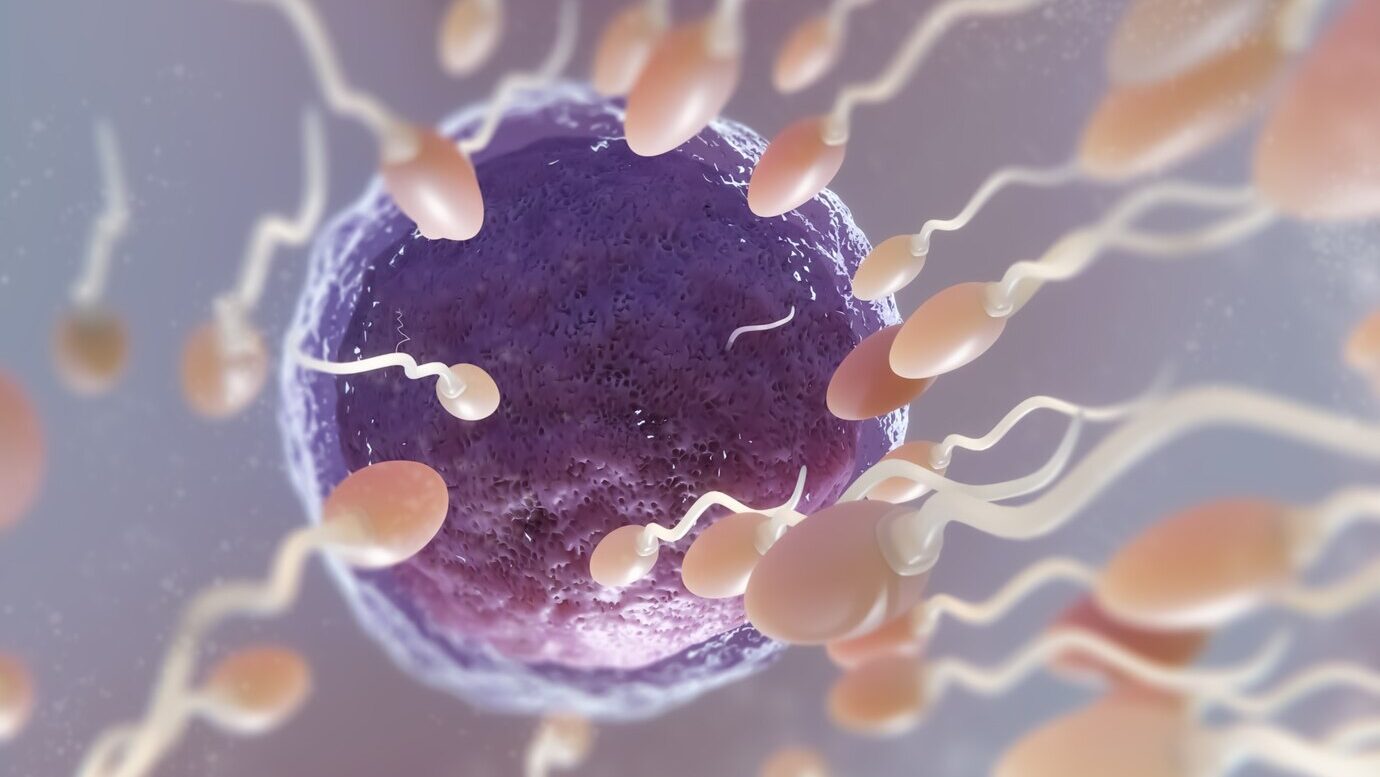
    Ayurveda approaches fertility through the concept of Shukra Dhatu, which is the reproductive tissue responsible for sperm and ovum production. A strong and nourished Shukra Dhatu is essential for conception. Ayurveda emphasizes the importance of balancing the doshas, improving digestion, and detoxifying the body to strengthen Shukra Dhatu.

    Factors Affecting Fertility in Ayurveda:

    • Vata imbalance: Can cause irregular menstrual cycles and infertility due to dryness and poor nourishment of reproductive tissues.
    • Pitta imbalance: May lead to inflammation, hormonal imbalances, and reproductive issues such as endometriosis or polycystic ovary syndrome (PCOS).
    • Kapha imbalance: Can result in stagnation, obesity, and conditions like cysts or blocked fallopian tubes, affecting fertility.

    Fertility happy-couple-smiling-after-find-out-positive-pregnancy-test

    Top Ayurvedic Herbs for Fertility

    Several herbs have been used in Ayurveda for centuries to promote reproductive health, enhance fertility, and balance hormones naturally.

    1. Shatavari (Asparagus Racemosus)

    Shatavari is one of the most revered herbs in Ayurveda, particularly for women’s reproductive health. Known as a natural tonic for the female reproductive system, it is often referred to as the “queen of herbs.”

    Benefits of Shatavari for Fertility:

    • Supports hormonal balance: Shatavari helps regulate estrogen levels, promoting healthy ovulation and menstrual cycles.
    • Improves egg quality: It nourishes and strengthens the female reproductive system, enhancing egg quality.
    • Boosts libido: Shatavari acts as an aphrodisiac, increasing sexual vitality and fertility.

    2. Ashwagandha (Withania Somnifera)

    Ashwagandha is a powerful adaptogen that supports the endocrine system and helps balance hormones. It’s beneficial for both men and women in enhancing fertility.

    Benefits of Ashwagandha for Fertility:

    • Reduces stress: Ashwagandha helps lower cortisol levels, which can impact fertility. Lower stress levels promote hormonal balance.
    • Enhances sperm quality: In men, Ashwagandha improves sperm count, motility, and overall reproductive health.
    • Strengthens reproductive organs: It supports the vitality of the reproductive system, aiding in conception.

    3. Maca Root (Lepidium Meyenii)

    Though not traditionally Ayurvedic, Maca root has been incorporated into Ayurvedic practices for its ability to improve hormonal balance and fertility.

    Benefits of Maca Root for Fertility:

    • Regulates hormonal levels: Maca root supports the production of hormones essential for fertility in both men and women.
    • Improves libido: It boosts energy and sexual vitality, supporting reproductive health.
    • Enhances sperm and egg quality: Maca is beneficial for improving fertility by enhancing the quality of both sperm and eggs.

    4. Gokshura (Tribulus Terrestris)

    Gokshura is known for its ability to support male fertility and boost reproductive health.

    Benefits of Gokshura for Fertility:

    • Improves sperm count and motility: Gokshura has been traditionally used to increase male fertility by improving sperm quality.
    • Supports hormonal balance: It balances testosterone levels, promoting male reproductive health.
    • Enhances sexual desire: Gokshura acts as a natural aphrodisiac, improving libido and sexual function.

    5. Lodhra (Symplocos Racemosa)

    Lodhra is an important herb in Ayurveda for supporting female fertility. It helps maintain healthy reproductive organs and balance hormones.

    Benefits of Lodhra for Fertility:

    • Regulates menstruation: Lodhra helps regulate irregular menstrual cycles, which are crucial for conception.
    • Supports uterine health: It tones and strengthens the uterus, making it more receptive to implantation.
    • Balances Pitta dosha: Lodhra helps reduce inflammation and heat in the body, supporting reproductive health.

    6. Kapikacchu (Mucuna Pruriens)

    Kapikacchu, also known as velvet bean, is highly beneficial for both male and female reproductive health.

    Benefits of Kapikacchu for Fertility:

    • Boosts libido: It is known for enhancing sexual desire and vitality in both men and women.
    • Improves sperm quality: Kapikacchu improves sperm count and motility, enhancing male fertility.
    • Balances hormones: It helps regulate dopamine levels, supporting overall hormonal health and stress management.

    7. Guduchi (Tinospora Cordifolia)

    Guduchi is a potent adaptogen that supports immune function and hormonal balance.

    Benefits of Guduchi for Fertility:

    • Strengthens immunity: A strong immune system is essential for reproductive health and successful conception.
    • Balances Vata and Pitta doshas: Guduchi helps reduce inflammation and promote a healthy reproductive system.
    • Detoxifies the body: It supports the elimination of toxins, which can hinder fertility.

    8. Vidari (Pueraria Tuberosa)

    Vidari is known for its nourishing and rejuvenating effects, making it a valuable herb for promoting fertility.

    Benefits of Vidari for Fertility:

    • Supports reproductive tissue health: Vidari nourishes and rejuvenates the reproductive tissues, enhancing fertility.
    • Balances hormones: It helps regulate hormones related to fertility and reproductive function.
    • Boosts vitality: Vidari improves overall strength and vitality, making it easier to conceive.
    mint cinnamon with-spices

    Additional Ayurvedic Tips for Enhancing Fertility

    Ayurveda recommends not only using herbs but also adopting a holistic approach to enhance fertility. Here are some lifestyle practices to improve reproductive health:

    1. Detoxification (Panchakarma)

    • Undergo regular detoxification therapies such as Panchakarma to cleanse the body and remove toxins that may affect fertility.

    2. Maintain a Balanced Diet

    • Eat foods that balance your doshas and support reproductive health. Include healthy fats, fresh fruits, and vegetables that nourish the reproductive tissues.

    3. Stress Management

    • Practice Yoga and Pranayama to reduce stress and balance hormones. Stress is one of the major causes of infertility.

    4. Avoid Overheating the Body

    • Avoid excessive heat, such as saunas or hot baths, which can reduce fertility, especially in men.

    5. Healthy Sleep Routine

    • Maintain a regular sleep schedule to balance hormones and improve overall reproductive health.


    Conclusion

    Ayurveda offers a wealth of natural herbs and holistic practices that can support fertility in both men and women. By balancing the doshas, nourishing reproductive tissues, and using fertility-boosting herbs like Shatavari, Ashwagandha, and Gokshura, Ayurveda provides a natural and effective way to enhance fertility. Incorporating these herbs and practices into your daily life can help create the optimal conditions for conception and promote long-term reproductive health.

  • Trikatu – A Digestive Miracle in Ayurveda

    Trikatu – A Digestive Miracle in Ayurveda

    In the vast world of Ayurveda, Trikatu stands out as a powerful and time-tested formulation for improving digestion and metabolism. Made from three potent herbs — Black Pepper (Pippali), Long Pepper (Piper longum), and Ginger (Zingiber officinale) — Trikatu has been used for centuries to treat digestive disorders, stimulate digestive fire (Agni), and boost metabolism. Whether you’re dealing with indigestion, sluggish metabolism, or excess Kapha, Trikatu can be your digestive miracle.

    1. What is Trikatu and Why is it Effective?

    Understanding the Three Ingredients

    The word “Trikatu” translates to “three pungents,” referring to the spicy nature of the herbs used in its formulation. Each herb in Trikatu plays a crucial role in supporting digestion and overall health.

    1. Black Pepper (Piper nigrum)

    Black pepper, known as Maricha in Ayurveda, is a common spice that not only adds heat to food but also aids digestion. It enhances the bioavailability of nutrients and other herbs, making them more effective.

    2. Long Pepper (Pippali)

    Long pepper or Pippali is another vital ingredient in Trikatu. It is known for its ability to stimulate digestive fire (Agni), improve digestion, and relieve symptoms of bloating and gas.

    3. Ginger (Zingiber officinale)

    Ginger, a well-known household remedy for digestive issues, helps reduce nausea, soothes the stomach, and prevents indigestion. Its anti-inflammatory properties also benefit overall gut health.

    2. Trikatu for Digestive Health

    Stimulates Digestive Fire (Agni)

    In Ayurveda, maintaining a strong and balanced digestive fire, or Agni, is essential for good health. Trikatu helps stoke this fire, ensuring proper digestion, absorption, and assimilation of nutrients.

    1. Enhances Digestion

    Trikatu stimulates the production of digestive enzymes, which help break down food more efficiently. This can prevent issues like indigestion, heaviness after meals, and bloating.

    2. Relieves Bloating and Gas

    Thanks to its carminative properties, Trikatu helps relieve symptoms of gas and bloating, especially in people with Kapha or Vata imbalances.

    How to Use Trikatu for Digestion

    • Take a small amount of Trikatu powder with warm water before meals to stimulate digestion.
    • For those with sensitive stomachs, mixing Trikatu with honey can reduce its strong taste and increase its effectiveness.

    3. Trikatu for Metabolism and Weight Management

    Boosts Metabolism

    Trikatu is known for its ability to boost metabolism by stimulating the digestive fire. A sluggish metabolism is often associated with excess Kapha dosha, which can lead to weight gain and fatigue.

    1. Burns Excess Fat

    By enhancing metabolism, Trikatu helps burn fat more efficiently, making it a useful remedy for those looking to lose weight naturally. Its thermogenic properties also help raise body temperature, further aiding fat loss.

    2. Reduces Excess Kapha

    Kapha dosha, when out of balance, can lead to weight gain, lethargy, and water retention. Trikatu’s pungent nature helps balance excess Kapha by promoting digestion, boosting metabolism, and increasing energy levels.

    How to Use Trikatu for Weight Loss

    • Take Trikatu powder with warm water or herbal teas to improve metabolism and promote fat burning.
    • Combine Trikatu with other Ayurvedic herbs like Guggulu for enhanced weight loss benefits.

    4. Trikatu for Respiratory Health

    Clears Respiratory Channels

    In addition to its digestive benefits, Trikatu is also known for its ability to clear congestion and promote respiratory health. Its warming and expectorant properties help clear mucus and support lung function.

    1. Alleviates Cough and Cold

    Trikatu can be a great remedy for treating respiratory infections, colds, and coughs. The heat generated by the three spices helps break down mucus and clears the respiratory channels.

    2. Relieves Sinus Congestion

    For those dealing with sinus congestion or blocked nasal passages, Trikatu can help open up the sinuses, allowing for easier breathing and quicker recovery from colds.

    How to Use Trikatu for Respiratory Health

    • Mix Trikatu powder with honey to relieve a sore throat or respiratory congestion.
    • Taking it in small doses during winter can help prevent colds and clear the respiratory channels.

    5. Trikatu as a Detoxifier

    Flushes Out Toxins (Ama)

    In Ayurveda, undigested food and toxins in the body are referred to as Ama, which is the root cause of many diseases. Trikatu helps eliminate Ama by promoting proper digestion and clearing toxins from the digestive tract.

    1. Cleanses the Digestive Tract

    By improving digestion and stimulating bowel movements, Trikatu helps cleanse the digestive system and prevent the accumulation of toxins.

    2. Reduces Inflammation

    Trikatu’s anti-inflammatory properties help reduce inflammation in the gut, further supporting detoxification and promoting overall digestive health.

    How to Use Trikatu for Detoxification

    • Take Trikatu with warm water in the morning to support daily detoxification.
    • You can also use it as part of a detox regimen under the guidance of an Ayurvedic practitioner.

    Conclusion

    Trikatu is a true digestive miracle in Ayurveda, offering a wide range of benefits from improving digestion to boosting metabolism and supporting respiratory health. Whether you’re dealing with indigestion, seeking a natural way to manage your weight, or looking for a remedy to clear respiratory congestion, Trikatu can be a powerful ally in your Ayurvedic wellness routine.

    However, as with any Ayurvedic remedy, it’s important to use Trikatu under the guidance of a qualified practitioner, especially if you have Pitta imbalance or other health conditions, as its heating nature may aggravate certain constitutions. Incorporating Trikatu into your daily routine can lead to better digestion, increased vitality, and overall well-being.

  • Enhancing Longevity Through Panchakarma Cleansing

    Enhancing Longevity Through Panchakarma Cleansing

    Ayurveda, one of the world’s oldest healing systems, offers a wide range of therapies aimed at maintaining health and promoting longevity. Among these, Panchakarma stands out as a powerful detoxification and cleansing procedure. This ancient practice is designed not only to eliminate toxins but also to restore balance and vitality to the body, thereby enhancing longevity.

    What is Panchakarma?

    Panchakarma literally means “five actions” and refers to five therapeutic treatments used to cleanse the body of toxins and restore the balance of doshas (Vata, Pitta, and Kapha). These treatments are tailored to each individual’s constitution, with the goal of removing accumulated impurities and fostering natural healing.

    The Five Major Therapies of Panchakarma

    • Vamana (Therapeutic Emesis): This procedure involves inducing vomiting to eliminate excess Kapha dosha. It is often used for individuals with respiratory issues, excess mucus, or digestive disorders. Vamana helps cleanse the upper respiratory tract and improve lung function.
    • Virechana (Therapeutic Purgation): Virechana is the cleansing of the bowels to remove excess Pitta from the body. It works by expelling toxins through controlled purgation, primarily targeting the liver, gall bladder, and small intestine.
    • Basti (Enema Therapy): Basti is considered the most effective therapy for balancing Vata dosha. It involves the administration of medicated oils or herbal decoctions through enema to detoxify the colon and promote deep cleansing of the digestive tract.
    • Nasya (Nasal Administration): Nasya involves the use of herbal oils or powders administered through the nasal passages. This therapy helps clear toxins from the head and neck region and is beneficial for sinus issues, headaches, and mental clarity.
    • Raktamokshana (Bloodletting): Raktamokshana is a lesser-known therapy used to remove toxins from the blood. This can be done using leeches or other bloodletting techniques to balance Pitta dosha, especially for skin disorders and inflammatory conditions.

    The Role of Panchakarma in Longevity

    The primary goal of Panchakarma is to detoxify the body and restore its natural balance. When the body is free of toxins and functioning efficiently, it ages more gracefully. By regularly undergoing Panchakarma, you can enhance your immune system, reduce stress, and maintain overall vitality—key factors that contribute to a longer and healthier life.

    Detoxification for Cellular Health

    One of the main reasons Panchakarma is linked to longevity is its deep detoxifying effect on the body’s tissues. Toxins accumulate in the cells over time due to poor diet, stress, pollution, and unhealthy habits. Panchakarma cleanses the body at a cellular level, promoting regeneration and improving the function of vital organs, which slows the aging process.

    Balancing the Doshas

    In Ayurveda, longevity is tied to the balance of the three doshas: Vata, Pitta, and Kapha. An imbalance of these energies leads to diseases and premature aging. Panchakarma helps restore this balance, promoting optimal health and well-being, which naturally supports a longer life.

    Improved Digestion and Metabolism

    Healthy digestion is essential for longevity, as poor digestion leads to the accumulation of ama (toxins). Panchakarma helps reset the digestive system, improving metabolism and nutrient absorption, which in turn supports energy, vitality, and longevity.

    Key Steps in a Panchakarma Program

    1. Purva Karma (Preparation Phase)

    Before the main Panchakarma therapies are administered, the body needs to be prepared for detoxification. This involves two main steps:

    • Snehana (Oleation): Internal and external application of medicated oils is done to loosen toxins from the tissues. The use of herbal oils also nourishes the body and supports the detox process.
    • Swedana (Sudation): Steam therapy is applied to open up the body’s channels, allowing toxins to move more easily toward the digestive tract, where they can be expelled.

    2. Pradhana Karma (Main Cleansing Phase)

    This is where the five Panchakarma therapies (Vamana, Virechana, Basti, Nasya, and Raktamokshana) are administered. Depending on the individual’s health condition and dosha imbalance, one or more of these therapies may be used.

    3. Paschat Karma (Post-Cleansing Phase)

    After detoxification, the body needs to be slowly brought back to a state of normalcy. A specific diet and lifestyle are recommended to rebuild strength and replenish the body’s tissues. This phase focuses on rejuvenation and maintaining the benefits gained from the cleansing process.

    Benefits of Panchakarma for Longevity

    Slowing Down the Aging Process

    By regularly detoxifying the body and promoting better function of the organs and tissues, Panchakarma helps in reducing signs of aging such as wrinkles, fatigue, and cognitive decline. The therapy revitalizes the skin, supports joint mobility, and enhances overall vitality.

    Strengthening the Immune System

    Toxins weaken the immune system, making the body more susceptible to diseases and infections. Panchakarma strengthens immunity by eliminating toxins and improving the body’s natural defenses. A strong immune system is key to living a long and healthy life.

    Mental Clarity and Emotional Balance

    In addition to physical benefits, Panchakarma also promotes mental clarity and emotional well-being. The cleansing of the head and nasal passages through Nasya and other treatments helps reduce stress, anxiety, and mental fog, contributing to a more balanced and joyful life.

    Conclusion

    Panchakarma is a powerful Ayurvedic therapy that not only detoxifies the body but also enhances longevity by promoting balance, cellular health, and vitality. Incorporating this ancient cleansing practice into your life can help you maintain good health, prevent diseases, and enjoy a longer, more fulfilling life. Whether you are seeking to age gracefully or simply want to boost your overall well-being, Panchakarma offers a natural and holistic path to long-lasting health.

  • Herbs for Weight Loss and Metabolism Boost

    Herbs for Weight Loss and Metabolism Boost

    In Ayurveda, weight loss and maintaining a healthy metabolism are all about balancing the doshas and using natural herbs to help the body function optimally. Instead of focusing solely on restrictive diets, Ayurveda promotes a holistic approach to health and wellness by using herbs that not only aid in weight loss but also improve digestion, boost metabolism, and enhance overall vitality.

    Here are some of the most effective Ayurvedic herbs that help promote weight loss and support metabolism naturally.

    1. Triphala: The Detoxifying Herb Blend

    What is Triphala?

    Triphala is a powerful combination of three fruits: Amla (Indian Gooseberry), Bibhitaki, and Haritaki. It is one of the most commonly used Ayurvedic remedies for detoxification and weight loss. Triphala helps regulate the digestive system, improves bowel movements, and removes toxins from the body, which is crucial for weight management.

    How Triphala Supports Weight Loss:

    • Improves Digestion: Triphala stimulates digestive enzymes and helps break down food more efficiently.
    • Detoxifies the Body: By cleansing the digestive system, Triphala removes toxins that may hinder metabolism and lead to weight gain.
    • Prevents Fat Accumulation: The combination of the three fruits helps prevent fat deposits in the body.

    How to Use:

    • Mix 1 teaspoon of Triphala powder in warm water and drink it before bed to promote digestion and detoxification.

    2. Guggul: The Metabolism Booster

    What is Guggul?

    Guggul (Commiphora Mukul) is a resin derived from the Guggul tree and is well-known in Ayurveda for its ability to improve metabolism and support weight loss. Guggul has natural properties that help balance the Kapha dosha, which is often responsible for weight gain and sluggish metabolism.

    How Guggul Supports Weight Loss:

    • Boosts Metabolism: Guggul activates the thyroid gland, improving metabolism and promoting the breakdown of fats.
    • Reduces Cholesterol: It helps lower bad cholesterol levels, supporting cardiovascular health, which is essential for weight management.
    • Balances Kapha Dosha: By reducing Kapha imbalances, Guggul prevents excessive fat accumulation.

    How to Use:

    • Guggul is typically available in tablet form, but consult an Ayurvedic practitioner for proper dosage based on your body type and health condition.

    3. Ginger: The Digestive Fire Enhancer

    What is Ginger?

    Ginger (Zingiber officinale) is a warming herb known for its ability to stimulate Agni (digestive fire) and boost metabolism. Ginger has been used for centuries in Ayurvedic medicine to improve digestion, reduce bloating, and promote weight loss by speeding up metabolism.

    How Ginger Supports Weight Loss:

    • Boosts Metabolism: Ginger helps increase thermogenesis, the process by which the body burns calories to generate heat.
    • Reduces Appetite: Ginger naturally suppresses the appetite, preventing overeating and helping control calorie intake.
    • Improves Digestion: By enhancing digestive fire, ginger helps in the efficient absorption of nutrients and breakdown of fats.

    How to Use:

    • Drink ginger tea by boiling fresh ginger slices in water, or add ginger powder to warm water with lemon and honey for a metabolism boost in the morning.

    4. Fenugreek: The Appetite Suppressant

    What is Fenugreek?

    Fenugreek (Trigonella foenum-graecum) is a popular spice and Ayurvedic herb that has been used to regulate blood sugar levels, improve digestion, and suppress appetite. Its high fiber content helps curb cravings and promotes feelings of fullness, making it easier to manage weight.

    How Fenugreek Supports Weight Loss:

    • Controls Appetite: Fenugreek seeds contain soluble fiber that helps you feel fuller for longer, reducing the urge to snack.
    • Regulates Blood Sugar: By stabilizing blood sugar levels, fenugreek prevents insulin spikes, which are often associated with weight gain.
    • Boosts Metabolism: Fenugreek stimulates digestion, ensuring that food is processed efficiently.

    How to Use:

    • Soak 1 teaspoon of fenugreek seeds in water overnight and drink the water on an empty stomach in the morning to suppress appetite and boost metabolism.

    5. Cinnamon: The Blood Sugar Regulator

    What is Cinnamon?

    Cinnamon (Cinnamomum verum) is a warming spice with powerful metabolic and blood sugar-regulating properties. It is often used in Ayurveda to promote healthy digestion, improve insulin sensitivity, and support weight loss by balancing blood sugar levels.

    How Cinnamon Supports Weight Loss:

    • Regulates Blood Sugar: Cinnamon helps lower blood sugar levels, preventing insulin resistance and weight gain.
    • Speeds Up Metabolism: Cinnamon increases the body’s ability to metabolize carbohydrates and fats.
    • Reduces Cravings: By stabilizing blood sugar levels, cinnamon reduces cravings for sugary and high-calorie foods.

    How to Use:

    • Add cinnamon powder to your tea, oatmeal, or smoothies, or sprinkle it on fruits like apples for a healthy snack.

    6. Ashwagandha: The Stress Reliever

    What is Ashwagandha?

    Ashwagandha (Withania somnifera) is an adaptogenic herb that helps the body manage stress, which is often a major contributor to weight gain. Chronic stress can lead to emotional eating and a slower metabolism. Ashwagandha helps balance cortisol levels, the hormone responsible for stress, and supports a healthy metabolism.

    How Ashwagandha Supports Weight Loss:

    • Reduces Stress: By lowering cortisol levels, Ashwagandha reduces stress-related weight gain and promotes relaxation.
    • Improves Metabolism: Ashwagandha enhances thyroid function, which helps regulate metabolism.
    • Boosts Energy Levels: By reducing fatigue and improving endurance, Ashwagandha makes it easier to stay active and burn calories.

    How to Use:

    • Ashwagandha is available in powder or capsule form. Mix 1 teaspoon of Ashwagandha powder in warm milk before bed to reduce stress and support metabolism.

    7. Turmeric: The Fat-Burning Herb

    What is Turmeric?

    Turmeric (Curcuma longa) is a well-known Ayurvedic herb with anti-inflammatory and antioxidant properties, primarily due to the compound curcumin. Turmeric helps regulate metabolism, reduce inflammation, and support fat loss, making it a popular herb for weight management.

    How Turmeric Supports Weight Loss:

    • Boosts Metabolism: Turmeric stimulates thermogenesis, increasing the body’s ability to burn fat.
    • Reduces Inflammation: Chronic inflammation can slow down metabolism and promote weight gain. Turmeric helps reduce inflammation and supports fat burning.
    • Prevents Fat Accumulation: Turmeric helps block the formation of new fat cells and promotes the breakdown of existing fat.

    How to Use:

    • Add turmeric to your daily meals, or drink turmeric tea by mixing 1 teaspoon of turmeric powder with warm water, lemon, and a pinch of black pepper.

    Conclusion

    Ayurvedic herbs offer a natural and holistic approach to weight loss by addressing the root causes of weight gain, such as poor digestion, slow metabolism, and stress. Herbs like Triphala, Guggul, Ginger, Fenugreek, Cinnamon, Ashwagandha, and Turmeric not only aid in weight loss but also improve overall health and vitality. Incorporating these herbs into your daily routine, along with a balanced diet and regular exercise, can help you achieve your weight loss goals and maintain a healthy metabolism.

  • Supporting Breast Health with Ayurvedic Practices

    Supporting Breast Health with Ayurvedic Practices

    Breast health is a crucial aspect of overall well-being for women, and Ayurveda, the ancient Indian system of medicine, offers holistic approaches to maintaining and supporting healthy breasts. Through a combination of diet, lifestyle practices, and the use of natural herbs, Ayurveda aims to balance the body’s doshas (Vata, Pitta, and Kapha) and promote healthy breast tissue while preventing diseases such as breast cancer.


    Ayurvedic Understanding of Breast Health

    In Ayurveda, the breasts are considered part of the Rasa Dhatu, which is associated with the body’s nutritional fluid. Healthy Rasa Dhatu is essential for proper breast development and function. Imbalances in any of the three doshas can lead to issues like breast lumps, pain, or other complications. By maintaining balance, Ayurveda helps nourish the breast tissue and supports overall breast health.

    Causes of Breast Health Issues in Ayurveda

    • Kapha imbalance: Can lead to the formation of cysts and fibrous tissue in the breasts.
    • Vata imbalance: May cause dryness and irregularities in breast tissue development.
    • Pitta imbalance: Can lead to inflammation, tenderness, and hormonal imbalances affecting breast health.

    Breast Health

    Ayurvedic Practices for Breast Health

    Ayurveda emphasizes the importance of balancing the doshas and nourishing the body with proper diet, herbs, and self-care routines. Here are several Ayurvedic practices to support breast health.

    1. Self-Massage (Abhyanga) for Breast Health

    Self-massage, or Abhyanga, is a vital practice in Ayurveda to stimulate circulation, improve lymphatic drainage, and prevent stagnation of fluids in the breast tissue.

    How to Perform Breast Massage:

    • Use warm, natural oils like sesame oil, coconut oil, or castor oil.
    • Gently massage the breasts in circular motions for 5-10 minutes daily, starting from the center of the chest and moving outward.
    • This practice helps reduce the risk of cysts and promotes the natural flow of lymph, aiding in detoxification.

    2. Balancing Hormones Naturally

    Hormonal imbalances can affect breast health, particularly in conditions like fibrocystic breast disease or during menopause. Ayurveda offers natural ways to regulate hormones by nourishing the body and reducing stress.

    Herbs for Hormonal Balance:

    • Shatavari (Asparagus Racemosus): Known as a female tonic, Shatavari supports hormonal balance, helps with breast tenderness, and promotes healthy reproductive function.
    • Ashwagandha (Withania Somnifera): Reduces stress, balances cortisol levels, and supports the endocrine system, improving hormonal health.
    • Triphala: A powerful detoxifying formula, Triphala helps maintain digestive health and balance Pitta dosha, which is crucial for hormonal regulation.

    3. Diet for Breast Health

    Diet plays a central role in Ayurveda. Eating the right foods can help balance the doshas, nourish breast tissue, and prevent the accumulation of toxins that can lead to breast-related health issues.

    Foods to Eat:

    • Fresh vegetables: Leafy greens, cruciferous vegetables (like broccoli and cauliflower), and carrots are rich in antioxidants and support healthy breast tissue.
    • Fruits: Berries, pomegranates, and apples are high in antioxidants and support overall breast health.
    • Spices: Turmeric, ginger, and cumin have anti-inflammatory properties and help in detoxifying the body.
    • Healthy fats: Ghee, flaxseed, and sesame oil promote tissue nourishment and balance hormones.

    Foods to Avoid:

    • Processed foods: Increase Kapha and lead to the accumulation of toxins in the body.
    • Dairy products: May aggravate Kapha and contribute to the formation of cysts.
    • Refined sugars and fried foods: Promote inflammation and hormonal imbalance.

    4. Herbs to Support Breast Health

    Ayurveda offers several herbs that are known to support breast health by reducing inflammation, detoxifying the body, and promoting hormonal balance.

    Turmeric (Curcuma Longa)

    Benefits: Turmeric is known for its anti-inflammatory and anti-cancer properties. Regular consumption helps detoxify the body and reduces the risk of breast cancer.

    Manjistha (Rubia Cordifolia)

    Benefits: This herb is a powerful blood purifier, helping to remove toxins from the bloodstream, thus promoting healthy breast tissue.

    Neem (Azadirachta Indica)

    Benefits: Neem has natural anti-inflammatory and detoxifying properties, which help in reducing Kapha and preventing the formation of cysts in the breasts.

    5. Lifestyle Practices to Maintain Breast Health

    In addition to diet and herbs, lifestyle changes can significantly impact breast health. Ayurveda encourages a balanced lifestyle to promote overall well-being, which in turn supports the health of the breasts.

    Stress Management

    High levels of stress can negatively impact hormonal balance, leading to issues like breast pain and inflammation. Incorporating stress-reducing practices can improve breast health.

    • Yoga: Regular yoga practice helps balance hormones and improve circulation, reducing the risk of breast problems. Poses like Bhujangasana (Cobra Pose) and Gomukhasana (Cow Face Pose) are especially beneficial for breast health.
    • Pranayama: Breathing exercises like Nadi Shodhana (Alternate Nostril Breathing) and Bhramari (Bee Breath) help calm the nervous system, reduce stress, and promote hormonal balance.

    Regular Detoxification

    Ayurveda recommends regular detoxification to eliminate toxins from the body and promote overall breast health. Panchakarma, an Ayurvedic detox therapy, helps cleanse the body, reduce Kapha, and support healthy lymphatic function.

    • Virechana: A purging therapy that helps eliminate toxins from the digestive system, supporting healthy breast tissue.
    • Basti: An herbal enema that helps balance Vata and support reproductive health.

    6. Preventive Care

    Ayurveda emphasizes preventive care for long-term health and well-being. By incorporating regular breast massages, detox routines, and a healthy diet, women can reduce the risk of breast-related issues.

    • Perform regular breast self-exams to stay aware of any changes in breast tissue.
    • Keep the body hydrated by drinking warm water throughout the day to support detoxification.


    Conclusion

    Ayurveda provides a comprehensive and natural approach to maintaining and supporting breast health. Through diet, lifestyle practices, and herbal remedies, women can promote the health of their breasts and prevent diseases naturally. By balancing the doshas, detoxifying the body, and nourishing the tissues, Ayurveda offers long-term strategies for breast health and overall well-being.