Women’s Health

Fertility Boosting Herbs in Ayurveda

Fertility - a sperm and egg cell

Ayurveda, the ancient science of natural healing, has long recognized the connection between a balanced body, mind, and enhanced fertility. In Ayurveda, fertility is considered a reflection of the health of the entire system, involving not just the reproductive organs but also digestive health, mental peace, and balanced doshas (Vata, Pitta, and Kapha). Several Ayurvedic herbs are known to support fertility by improving reproductive health, balancing hormones, and boosting overall vitality.


Ayurvedic Perspective on Fertility

Ayurveda approaches fertility through the concept of Shukra Dhatu, which is the reproductive tissue responsible for sperm and ovum production. A strong and nourished Shukra Dhatu is essential for conception. Ayurveda emphasizes the importance of balancing the doshas, improving digestion, and detoxifying the body to strengthen Shukra Dhatu.

Factors Affecting Fertility in Ayurveda:

  • Vata imbalance: Can cause irregular menstrual cycles and infertility due to dryness and poor nourishment of reproductive tissues.
  • Pitta imbalance: May lead to inflammation, hormonal imbalances, and reproductive issues such as endometriosis or polycystic ovary syndrome (PCOS).
  • Kapha imbalance: Can result in stagnation, obesity, and conditions like cysts or blocked fallopian tubes, affecting fertility.

Fertility happy-couple-smiling-after-find-out-positive-pregnancy-test

Top Ayurvedic Herbs for Fertility

Several herbs have been used in Ayurveda for centuries to promote reproductive health, enhance fertility, and balance hormones naturally.

1. Shatavari (Asparagus Racemosus)

Shatavari is one of the most revered herbs in Ayurveda, particularly for women’s reproductive health. Known as a natural tonic for the female reproductive system, it is often referred to as the “queen of herbs.”

Benefits of Shatavari for Fertility:

  • Supports hormonal balance: Shatavari helps regulate estrogen levels, promoting healthy ovulation and menstrual cycles.
  • Improves egg quality: It nourishes and strengthens the female reproductive system, enhancing egg quality.
  • Boosts libido: Shatavari acts as an aphrodisiac, increasing sexual vitality and fertility.

2. Ashwagandha (Withania Somnifera)

Ashwagandha is a powerful adaptogen that supports the endocrine system and helps balance hormones. It’s beneficial for both men and women in enhancing fertility.

Benefits of Ashwagandha for Fertility:

  • Reduces stress: Ashwagandha helps lower cortisol levels, which can impact fertility. Lower stress levels promote hormonal balance.
  • Enhances sperm quality: In men, Ashwagandha improves sperm count, motility, and overall reproductive health.
  • Strengthens reproductive organs: It supports the vitality of the reproductive system, aiding in conception.

3. Maca Root (Lepidium Meyenii)

Though not traditionally Ayurvedic, Maca root has been incorporated into Ayurvedic practices for its ability to improve hormonal balance and fertility.

Benefits of Maca Root for Fertility:

  • Regulates hormonal levels: Maca root supports the production of hormones essential for fertility in both men and women.
  • Improves libido: It boosts energy and sexual vitality, supporting reproductive health.
  • Enhances sperm and egg quality: Maca is beneficial for improving fertility by enhancing the quality of both sperm and eggs.

4. Gokshura (Tribulus Terrestris)

Gokshura is known for its ability to support male fertility and boost reproductive health.

Benefits of Gokshura for Fertility:

  • Improves sperm count and motility: Gokshura has been traditionally used to increase male fertility by improving sperm quality.
  • Supports hormonal balance: It balances testosterone levels, promoting male reproductive health.
  • Enhances sexual desire: Gokshura acts as a natural aphrodisiac, improving libido and sexual function.

5. Lodhra (Symplocos Racemosa)

Lodhra is an important herb in Ayurveda for supporting female fertility. It helps maintain healthy reproductive organs and balance hormones.

Benefits of Lodhra for Fertility:

  • Regulates menstruation: Lodhra helps regulate irregular menstrual cycles, which are crucial for conception.
  • Supports uterine health: It tones and strengthens the uterus, making it more receptive to implantation.
  • Balances Pitta dosha: Lodhra helps reduce inflammation and heat in the body, supporting reproductive health.

6. Kapikacchu (Mucuna Pruriens)

Kapikacchu, also known as velvet bean, is highly beneficial for both male and female reproductive health.

Benefits of Kapikacchu for Fertility:

  • Boosts libido: It is known for enhancing sexual desire and vitality in both men and women.
  • Improves sperm quality: Kapikacchu improves sperm count and motility, enhancing male fertility.
  • Balances hormones: It helps regulate dopamine levels, supporting overall hormonal health and stress management.

7. Guduchi (Tinospora Cordifolia)

Guduchi is a potent adaptogen that supports immune function and hormonal balance.

Benefits of Guduchi for Fertility:

  • Strengthens immunity: A strong immune system is essential for reproductive health and successful conception.
  • Balances Vata and Pitta doshas: Guduchi helps reduce inflammation and promote a healthy reproductive system.
  • Detoxifies the body: It supports the elimination of toxins, which can hinder fertility.

8. Vidari (Pueraria Tuberosa)

Vidari is known for its nourishing and rejuvenating effects, making it a valuable herb for promoting fertility.
Benefits of Vidari for Fertility:

  • Supports reproductive tissue health: Vidari nourishes and rejuvenates the reproductive tissues, enhancing fertility.
  • Balances hormones: It helps regulate hormones related to fertility and reproductive function.
  • Boosts vitality: Vidari improves overall strength and vitality, making it easier to conceive.

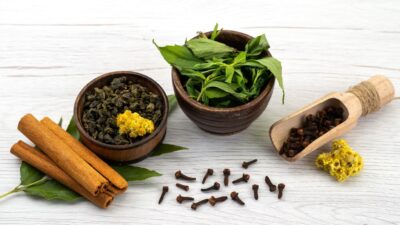
mint cinnamon with-spices

Additional Ayurvedic Tips for Enhancing Fertility

Ayurveda recommends not only using herbs but also adopting a holistic approach to enhance fertility. Here are some lifestyle practices to improve reproductive health:

1. Detoxification (Panchakarma)

  • Undergo regular detoxification therapies such as Panchakarma to cleanse the body and remove toxins that may affect fertility.

2. Maintain a Balanced Diet

  • Eat foods that balance your doshas and support reproductive health. Include healthy fats, fresh fruits, and vegetables that nourish the reproductive tissues.

3. Stress Management

  • Practice Yoga and Pranayama to reduce stress and balance hormones. Stress is one of the major causes of infertility.

4. Avoid Overheating the Body

  • Avoid excessive heat, such as saunas or hot baths, which can reduce fertility, especially in men.

5. Healthy Sleep Routine

  • Maintain a regular sleep schedule to balance hormones and improve overall reproductive health.


Conclusion

Ayurveda offers a wealth of natural herbs and holistic practices that can support fertility in both men and women. By balancing the doshas, nourishing reproductive tissues, and using fertility-boosting herbs like Shatavari, Ashwagandha, and Gokshura, Ayurveda provides a natural and effective way to enhance fertility. Incorporating these herbs and practices into your daily life can help create the optimal conditions for conception and promote long-term reproductive health.

Leave a Reply

Your email address will not be published. Required fields are marked *