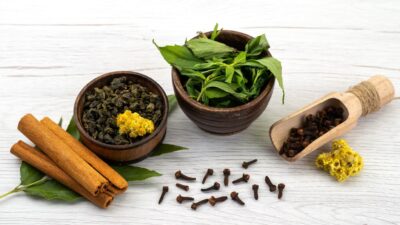
Tag: Natural Herbs

  • Natural Teas to Soothe Sore Throats and Clear Lungs

    Natural Teas to Soothe Sore Throats and Clear Lungs

    Sore throats and respiratory issues like congestion and mucus buildup are common, especially during cold weather or allergy season. Ayurvedic teas, made from healing herbs and spices, offer a natural way to soothe irritated throats and promote clear lungs. These teas not only ease symptoms but also support respiratory health by boosting the immune system and reducing inflammation.

    In this article, we’ll explore some of the best Ayurvedic teas that can help relieve sore throats and clear the lungs for better breathing.

    The Ayurvedic Approach to Respiratory Health

    Ayurveda believes in balancing the doshas (Vata, Pitta, and Kapha) to maintain overall health. Respiratory issues are often related to an imbalance in the Kapha dosha, leading to excess mucus and congestion in the lungs. Ayurvedic teas help balance Kapha, cleanse the respiratory system, and soothe irritated throats by using a combination of herbs and spices with specific healing properties.

    1. Tulsi Tea (Holy Basil)

    How Tulsi Tea Helps:

    Tulsi, or Holy Basil, is one of the most revered herbs in Ayurveda for respiratory health. Tulsi tea has natural anti-inflammatory, antiviral, and antibacterial properties that help reduce throat irritation and clear the lungs. It is particularly effective in clearing mucus and soothing respiratory discomfort caused by colds, coughs, or asthma.

    Ingredients:

    • Fresh or dried Tulsi leaves
    • Water
    • Honey (optional)

    How to Prepare:

    • Boil 1-2 teaspoons of fresh or dried Tulsi leaves in a cup of water.
    • Let it simmer for 5-10 minutes.
    • Strain the tea and add honey if desired.

    Benefits:

    • Soothes a sore throat and reduces inflammation.
    • Clears mucus and helps with chest congestion.
    • Boosts immunity to fight respiratory infections.

    2. Licorice Root Tea (Mulethi)

    How Licorice Root Tea Helps:

    Licorice root (Mulethi) is a powerful herb for soothing sore throats and calming respiratory inflammation. It acts as a natural demulcent, meaning it coats and soothes irritated mucous membranes in the throat and lungs. Licorice root also has expectorant properties, helping to expel mucus and clear the airways.

    Ingredients:

    • Dried Licorice root (Mulethi)
    • Water
    • Honey (optional)

    How to Prepare:

    • Add 1 teaspoon of dried Licorice root to a cup of boiling water.
    • Let it steep for 10 minutes.
    • Strain and enjoy with honey if needed.

    Benefits:

    • Soothes throat irritation and reduces coughing.
    • Helps expel mucus from the lungs.
    • Provides relief from bronchial inflammation and congestion.

    3. Ginger Tea (Adraka)

    How Ginger Tea Helps:

    Ginger is a warming herb with strong anti-inflammatory and antimicrobial properties, making it ideal for treating sore throats and clearing lung congestion. Ginger tea helps reduce inflammation in the respiratory tract, improves circulation, and promotes the expulsion of mucus. Its warming nature also makes it helpful for dry coughs and throat irritation.

    Ingredients:

    • Fresh ginger root
    • Water
    • Honey or lemon (optional)

    How to Prepare:

    • Slice 1-2 inches of fresh ginger root and add to a cup of boiling water.
    • Let it simmer for 10-15 minutes.
    • Strain the tea and add honey or lemon if desired.

    Benefits:

    • Reduces inflammation and soothes throat irritation.
    • Improves respiratory circulation and clears mucus.
    • Helps alleviate dry cough and sore throat.

    4. Turmeric Tea (Haldi)

    How Turmeric Tea Helps:

    Turmeric is widely known for its anti-inflammatory and antioxidant properties, thanks to the active compound curcumin. Turmeric tea helps reduce inflammation in the throat and lungs, providing relief from irritation and congestion. It also boosts the immune system, helping the body fight off infections that can cause respiratory problems.

    Ingredients:

    • Turmeric powder or fresh turmeric root
    • Water
    • Black pepper (optional for better curcumin absorption)
    • Honey or lemon (optional)

    How to Prepare:

    • Add 1 teaspoon of turmeric powder or 1-inch fresh turmeric root to boiling water.
    • Let it simmer for 10 minutes.
    • Strain the tea and add black pepper, honey, or lemon for extra benefits.

    Benefits:

    • Reduces throat and lung inflammation.
    • Boosts immune function and helps fight respiratory infections.
    • Acts as a natural antioxidant, protecting respiratory health.

    5. Cinnamon Tea (Dalchini)

    How Cinnamon Tea Helps:

    Cinnamon is a warming spice with antibacterial, antifungal, and anti-inflammatory properties. It helps clear the respiratory system by reducing inflammation in the throat and lungs, making it easier to breathe. Cinnamon tea also helps soothe a sore throat and provides relief from coughing.

    Ingredients:

    • Cinnamon sticks or powder
    • Water
    • Honey (optional)

    How to Prepare:

    • Boil a cinnamon stick or 1 teaspoon of cinnamon powder in water for 5-10 minutes.
    • Strain the tea and add honey if desired.

    Benefits:

    • Reduces throat inflammation and soothes irritation.
    • Helps clear mucus from the lungs.
    • Provides relief from coughing and respiratory discomfort.

    6. Peppermint Tea (Pudina)

    How Peppermint Tea Helps:

    Peppermint contains menthol, a natural compound that acts as a decongestant and helps open up the airways. Peppermint tea is excellent for soothing a sore throat, reducing congestion, and promoting clearer breathing. Its cooling properties also provide a refreshing sensation, making it great for relieving throat irritation.

    Ingredients:

    • Fresh or dried peppermint leaves
    • Water
    • Honey (optional)

    How to Prepare:

    • Add 1-2 teaspoons of fresh or dried peppermint leaves to boiling water.
    • Let it steep for 5-10 minutes.
    • Strain and add honey if needed.

    Benefits:

    • Clears nasal and chest congestion.
    • Soothes a sore throat and reduces coughing.
    • Promotes easy breathing with a refreshing feel.

    7. Clove Tea (Laung)

    How Clove Tea Helps:

    Cloves have natural antibacterial and analgesic properties that help reduce throat pain and fight off infections. Clove tea is particularly useful for soothing sore throats, reducing coughing, and clearing the lungs. Cloves also have expectorant properties, making it easier to expel mucus and clear respiratory congestion.

    Ingredients:

    • Whole cloves
    • Water
    • Honey (optional)

    How to Prepare:

    • Boil 4-5 whole cloves in a cup of water for 5-7 minutes.
    • Strain the tea and add honey for additional throat relief.

    Benefits:

    • Relieves sore throat pain and irritation.
    • Helps clear mucus from the lungs.
    • Provides antibacterial protection against infections.

    Conclusion

    Ayurvedic teas made from natural herbs and spices offer a gentle yet effective way to soothe sore throats and promote lung health. From Tulsi to Licorice Root, each tea brings its unique benefits to help relieve respiratory discomfort, clear congestion, and support the immune system. Incorporating these teas into your daily routine, especially during cold and flu season, can provide long-lasting relief and ensure better respiratory health.


  • How to Strengthen Your Lungs with Natural Herbs

    How to Strengthen Your Lungs with Natural Herbs

    Maintaining healthy lungs is essential for overall well-being, and Ayurveda offers a range of natural remedies to strengthen the respiratory system. Ayurvedic herbs can help cleanse, detoxify, and enhance lung function by improving the body’s capacity to take in oxygen and clear out toxins. Whether you’re looking to improve your respiratory health or manage conditions like asthma and bronchitis, certain Ayurvedic herbs can be of great benefit.

    In this article, we’ll explore some of the best Ayurvedic herbs and remedies for strengthening your lungs and improving respiratory health.

    The Ayurvedic Perspective on Lung Health

    In Ayurveda, the lungs are governed by the Kapha dosha, which is responsible for fluid balance, lubrication, and mucus production in the body. When Kapha becomes aggravated, it leads to an excess buildup of mucus in the lungs, causing congestion and impaired respiratory function. Additionally, Vata dosha imbalances can lead to dryness in the airways, making it difficult to breathe. To restore balance, Ayurvedic treatments focus on using herbs that cleanse the lungs, reduce mucus, and promote healthy respiration.

    1. Tulsi (Holy Basil)

    How Tulsi Strengthens the Lungs:

    Tulsi, or Holy Basil, is one of the most revered herbs in Ayurveda for respiratory health. It has natural antibacterial, antiviral, and anti-inflammatory properties that help clear mucus, reduce inflammation in the lungs, and prevent respiratory infections. Tulsi is known to act as a natural expectorant, which helps to expel excess mucus from the lungs and relieve congestion.

    How to Use:

    • Drink Tulsi tea by boiling fresh or dried Tulsi leaves in water.
    • Chew fresh Tulsi leaves daily to improve respiratory strength and immunity.
    • Inhale steam infused with Tulsi leaves to clear the airways.

    Benefits:

    • Clears mucus from the lungs and reduces inflammation.
    • Strengthens the respiratory system and boosts immune function.
    • Reduces symptoms of asthma and bronchitis.

    2. Vasaka (Malabar Nut)

    How Vasaka Strengthens the Lungs:

    Vasaka, also known as Adhatoda vasica, is one of the most effective herbs for managing respiratory conditions like asthma, bronchitis, and chronic lung issues. It acts as a natural bronchodilator and expectorant, helping to open the airways, reduce wheezing, and clear excess mucus from the lungs. Vasaka is particularly beneficial for strengthening the lungs and enhancing their capacity.

    How to Use:

    • Take Vasaka powder with honey 1–2 times a day.
    • Drink Vasaka tea made from fresh leaves to help relieve lung congestion.

    Benefits:

    • Improves airflow and reduces chest congestion.
    • Strengthens the respiratory system and increases lung capacity.
    • Helps alleviate chronic lung conditions such as asthma.

    3. Pippali (Long Pepper)

    How Pippali Strengthens the Lungs:

    Pippali, or long pepper, is a warming herb that improves circulation in the respiratory system and helps clear excess mucus from the lungs. Its expectorant properties make it useful for treating respiratory conditions, while its immune-boosting effects help prevent infections that can weaken the lungs. Pippali is also known to strengthen lung function and promote better oxygen absorption.

    How to Use:

    • Add Pippali powder to warm water or milk and drink it once daily.
    • Take Pippali mixed with honey to relieve respiratory congestion.

    Benefits:

    • Clears mucus and improves lung circulation.
    • Strengthens lung function and promotes healthy breathing.
    • Boosts the immune system to prevent respiratory infections.

    4. Licorice Root (Yashtimadhu)

    How Licorice Root Strengthens the Lungs:

    Licorice root, or Yashtimadhu, is a soothing herb that helps reduce inflammation in the respiratory tract and strengthens the lungs. It acts as a natural expectorant, making it easier to expel mucus and clear the airways. Licorice root also protects the respiratory system from irritation and promotes healing in inflamed tissues, making it ideal for strengthening the lungs.

    How to Use:

    • Drink Licorice root tea by boiling licorice powder or sticks in water.
    • Use Licorice root supplements as recommended by an Ayurvedic practitioner.

    Benefits:

    • Soothes and reduces inflammation in the airways.
    • Helps expel mucus and strengthens lung capacity.
    • Prevents respiratory infections and boosts immunity.

    5. Haridra (Turmeric)

    How Turmeric Strengthens the Lungs:

    Turmeric, or Haridra, is well-known for its potent anti-inflammatory and antioxidant properties, making it an excellent herb for lung health. Curcumin, the active ingredient in turmeric, helps reduce inflammation in the lungs, making it easier to breathe. Turmeric also has immune-boosting properties that help protect the respiratory system from infections and oxidative stress.

    How to Use:

    • Drink turmeric milk (also known as golden milk) by mixing turmeric powder with warm milk.
    • Add turmeric to your daily meals or take it as a supplement.

    Benefits:

    • Reduces lung inflammation and improves lung capacity.
    • Boosts immune function, protecting the lungs from infections.
    • Acts as an antioxidant, protecting the respiratory system from damage.

    6. Ginger (Adraka)

    How Ginger Strengthens the Lungs:

    Ginger is a warming herb with powerful anti-inflammatory and bronchodilator properties, making it a great remedy for improving lung function. It helps reduce inflammation in the respiratory tract, clears mucus, and promotes better airflow to the lungs. Ginger also strengthens the immune system and acts as a natural antihistamine, which helps prevent respiratory conditions like asthma and allergies.

    How to Use:

    • Drink ginger tea made by boiling fresh ginger slices in water.
    • Add ginger juice to honey and consume it to reduce coughing and congestion.

    Benefits:

    • Reduces inflammation in the lungs and airways.
    • Clears mucus and improves airflow to the lungs.
    • Boosts immunity and prevents respiratory infections.

    7. Pushkarmool (Indian Elecampane)

    How Pushkarmool Strengthens the Lungs:

    Pushkarmool, or Indian Elecampane, is another powerful Ayurvedic herb that is widely used to treat respiratory ailments. It helps relieve congestion, reduce mucus buildup, and strengthen lung capacity. Pushkarmool acts as a bronchodilator and is especially beneficial for people suffering from asthma, bronchitis, and other chronic lung conditions.

    How to Use:

    • Take Pushkarmool powder with warm water or honey to relieve respiratory symptoms.
    • Consult an Ayurvedic practitioner for the correct dosage and usage.

    Benefits:

    • Improves lung capacity and strengthens the respiratory system.
    • Acts as a natural bronchodilator and expectorant.
    • Helps manage chronic respiratory conditions like asthma.

    Conclusion

    Ayurvedic herbs offer a natural and effective way to strengthen the lungs and improve respiratory health. Herbs such as Tulsi, Vasaka, Pippali, Licorice Root, Turmeric, Ginger, and Pushkarmool help cleanse the lungs, reduce inflammation, and enhance lung function. Incorporating these herbs into your daily routine can significantly improve your respiratory strength, making it easier to breathe deeply and maintain overall lung health. However, it’s essential to consult with an Ayurvedic practitioner or healthcare provider before starting any new herbal treatments to ensure safety and effectiveness.

  • Natural Herbs for Fighting Inflammation

    Natural Herbs for Fighting Inflammation

    Inflammation is the body’s natural response to injury or infection, but when it becomes chronic, it can lead to various health issues, including arthritis, heart disease, and other inflammatory disorders. Ayurveda offers a range of potent herbs known for their anti-inflammatory properties, which help balance the doshas, detoxify the body, and support overall health. Here are the top five Ayurvedic herbs to consider for fighting inflammation.

    1. Turmeric (Curcuma longa)

    Benefits:

    Turmeric is one of the most well-known anti-inflammatory herbs, primarily due to its active compound, curcumin. Curcumin has powerful antioxidant properties that help reduce oxidative stress and inflammation in the body.

    Uses:

    • Joint Health: Turmeric can alleviate symptoms of arthritis and joint pain.
    • Digestive Support: It aids digestion and reduces gut inflammation.
    • Immune Booster: Helps strengthen the immune system and fight chronic inflammation.

    How to Use:

    • Add turmeric powder to curries, soups, or smoothies.
    • Prepare golden milk by mixing turmeric with warm milk and a pinch of black pepper for enhanced absorption.

    2. Ginger (Zingiber officinale)

    Benefits:

    Ginger is another powerful anti-inflammatory herb that helps reduce pain and swelling. Its active compounds, gingerol and shogaol, are known for their strong antioxidant and anti-inflammatory effects.

    Uses:

    • Digestive Aid: Supports digestion and reduces bloating and gas.
    • Pain Relief: Effective for headaches and muscle soreness.
    • Cold and Flu Relief: Acts as a natural remedy for respiratory inflammation.

    How to Use:

    • Brew ginger tea by steeping fresh ginger slices in hot water.
    • Add grated ginger to stir-fries, soups, or smoothies.

    3. Ashwagandha (Withania somnifera)

    Benefits:

    Ashwagandha is an adaptogenic herb that helps the body manage stress, which can exacerbate inflammation. It also possesses anti-inflammatory properties that aid in reducing chronic inflammation.

    Uses:

    • Stress Relief: Reduces cortisol levels and enhances resilience to stress.
    • Joint and Muscle Support: Alleviates discomfort in muscles and joints.
    • Enhances Vitality: Supports overall health and wellness.

    How to Use:

    • Take ashwagandha powder mixed with warm milk or water, preferably before bed.
    • Look for ashwagandha supplements in capsule form for convenience.

    4. Boswellia (Boswellia serrata)

    Benefits:

    Boswellia, also known as Indian frankincense, contains compounds called boswellic acids that have potent anti-inflammatory effects. This herb is especially beneficial for joint health.

    Uses:

    • Arthritis Relief: Reduces pain and inflammation associated with osteoarthritis and rheumatoid arthritis.
    • Respiratory Health: Helps reduce inflammation in the airways and supports respiratory function.
    • Digestive Support: Can assist in managing inflammatory bowel conditions.

    How to Use:

    • Available in resin, powder, or capsule form; follow recommended dosages.
    • Add Boswellia powder to smoothies or herbal teas.

    5. Neem (Azadirachta indica)

    Benefits:

    Neem is a highly revered herb in Ayurveda known for its anti-inflammatory, antibacterial, and antiviral properties. It helps purify the blood and detoxify the body, reducing overall inflammation.

    Uses:

    • Skin Health: Effective in treating inflammatory skin conditions like eczema and psoriasis.
    • Oral Health: Supports gum health and reduces inflammation in the mouth.
    • Immune Support: Strengthens the immune system and combats infections.

    How to Use:

    • Neem leaves can be brewed into a tea.
    • Neem oil is often used topically for skin issues, but it should be diluted before use.

    Conclusion

    Incorporating these Ayurvedic herbs into your daily routine can help fight inflammation and promote overall health. Whether you choose to use them in cooking, as supplements, or in teas, these herbs offer natural and effective solutions for managing inflammation. As always, it’s essential to consult with a healthcare professional before starting any new herbal regimen, especially if you have existing health conditions or are taking medications.

  • Natural Herbs for Reducing Blood Pressure

    Natural Herbs for Reducing Blood Pressure

    High blood pressure, or hypertension, is a common condition that can lead to serious health complications like heart disease, stroke, and kidney damage. While modern medicine offers a variety of treatments for managing hypertension, many people are turning to natural remedies, including herbs, to help lower their blood pressure. Ayurvedic and other traditional healing systems offer a wide range of herbs that have been shown to support cardiovascular health and naturally reduce blood pressure.

    In this article, we will explore some of the most effective natural herbs for reducing blood pressure, their benefits, and how they can be used as part of a healthy lifestyle.

    Ayurvedic Perspective on Blood Pressure

    In Ayurveda, high blood pressure is often associated with imbalances in the Vata and Pitta doshas. Vata imbalance leads to irregular circulation and heart function, while Pitta imbalance can cause excessive heat, inflammation, and stress on the cardiovascular system. Ayurvedic herbs aim to restore balance to the doshas, detoxify the body, improve circulation, and strengthen the heart.

    Key Ayurvedic Principles for Blood Pressure:

    • Balancing Vata: Helps regulate blood flow and calm the nervous system.
    • Cooling Pitta: Reduces inflammation and stress-related hypertension.
    • Strengthening Kapha: Supports heart function and circulatory health.

    1. Arjuna (Terminalia arjuna)

    Arjuna is a potent herb in Ayurveda that has been used for centuries to support heart health. Known for its cardio-tonic properties, Arjuna helps strengthen the heart muscles, improve circulation, and reduce high blood pressure. It also helps to lower cholesterol levels and protect the heart from oxidative stress.

    How it works:

    • Strengthens the cardiovascular system
    • Lowers blood pressure by improving arterial function
    • Reduces stress-induced hypertension

    How to use: Arjuna is often available in powder or capsule form. Take 1-2 capsules daily or ½ teaspoon of the powder with warm water after meals.

    2. Ashwagandha (Withania somnifera)

    Ashwagandha is a well-known adaptogen that helps the body cope with stress, a significant contributor to high blood pressure. By reducing cortisol levels (the stress hormone), Ashwagandha helps to naturally lower blood pressure and calm the nervous system.

    How it works:

    • Reduces stress and anxiety, which can lead to lower blood pressure
    • Balances Vata and Pitta doshas
    • Supports overall cardiovascular health

    How to use: Ashwagandha can be taken in capsule or powder form. Take 1-2 capsules daily or mix ½ teaspoon of Ashwagandha powder in warm milk or water before bed.

    3. Garlic (Allium sativum)

    Garlic is a widely studied herb for its ability to lower blood pressure and cholesterol levels. It contains a compound called allicin, which relaxes blood vessels, improves circulation, and reduces systolic and diastolic blood pressure. Garlic also has anti-inflammatory and antioxidant properties that support heart health.

    How it works:

    • Relaxes blood vessels and improves blood flow
    • Lowers cholesterol and triglycerides
    • Reduces inflammation and oxidative stress

    How to use: You can eat raw garlic (1-2 cloves daily) or take garlic supplements to lower blood pressure. Some people prefer garlic extract capsules for convenience.

    4. Brahmi (Bacopa monnieri)

    Brahmi is an excellent herb for reducing stress and anxiety, both of which can contribute to high blood pressure. It also has anti-inflammatory and antioxidant properties that support healthy blood vessels and improve circulation.

    How it works:

    • Reduces stress and anxiety, a major factor in hypertension
    • Balances Vata and Pitta doshas
    • Improves circulation and protects blood vessels

    How to use: Brahmi is available in capsule or powder form. Take 1-2 capsules daily, or mix ½ teaspoon of Brahmi powder with warm water or ghee.

    5. Tulsi (Holy Basil)

    Tulsi, also known as Holy Basil, is a revered herb in Ayurveda for its ability to balance the doshas and improve overall health. It has anti-inflammatory, antioxidant, and stress-relieving properties that help lower blood pressure and improve heart function.

    How it works:

    • Reduces inflammation and oxidative stress
    • Improves circulation and blood vessel health
    • Lowers stress-induced hypertension

    How to use: Tulsi can be consumed as a tea or in capsule form. Drink Tulsi tea 1-2 times daily to support heart health and reduce blood pressure.

    6. Hibiscus (Hibiscus sabdariffa)

    Hibiscus is known for its ability to lower blood pressure naturally. Studies show that Hibiscus can reduce both systolic and diastolic blood pressure by acting as a natural diuretic and improving arterial function. It also helps balance cholesterol levels and prevent inflammation.

    How it works:

    • Lowers blood pressure by acting as a diuretic
    • Improves arterial health and circulation
    • Reduces cholesterol and prevents oxidative damage

    How to use: Hibiscus tea is one of the most common ways to consume this herb. Drink a cup of Hibiscus tea 1-2 times daily to lower blood pressure.

    7. Cinnamon (Cinnamomum verum)

    Cinnamon is a warming spice that can help improve blood flow and lower blood pressure. It also helps regulate blood sugar levels, which can contribute to high blood pressure in people with diabetes or insulin resistance.

    How it works:

    • Improves circulation and relaxes blood vessels
    • Balances blood sugar levels, reducing hypertension risk
    • Acts as an anti-inflammatory agent

    How to use: Add 1 teaspoon of cinnamon powder to your daily diet, either in tea, smoothies, or sprinkled over food. You can also take cinnamon supplements.

    8. Cardamom (Elettaria cardamomum)

    Cardamom is a flavorful spice with heart-protective properties. It helps reduce blood pressure by acting as a diuretic, which helps the body eliminate excess fluid and lower the volume of blood in the arteries. Cardamom also has antioxidant properties that improve heart function and reduce inflammation.

    How it works:

    • Acts as a natural diuretic, reducing blood pressure
    • Improves circulation and heart function
    • Reduces oxidative stress and inflammation

    How to use: Add cardamom to your meals or brew cardamom tea by boiling the pods in water. You can also take cardamom supplements for additional benefits.

    9. Triphala

    Triphala is an Ayurvedic herbal formula made from three fruits: Amalaki (Indian gooseberry), Haritaki, and Bibhitaki. It is known for its detoxifying properties and helps improve digestion, which can reduce cholesterol levels and support cardiovascular health.

    How it works:

    • Detoxifies the body and removes Ama (toxins)
    • Improves digestion and metabolism
    • Supports cardiovascular health and lowers cholesterol

    How to use: Triphala powder can be taken daily by mixing ½ teaspoon in warm water before bed. It is also available in capsule form.

    Conclusion

    Natural herbs can be a powerful ally in managing high blood pressure and supporting heart health. By incorporating herbs like Arjuna, Ashwagandha, and Garlic into your daily routine, you can reduce stress, improve circulation, and maintain a healthy blood pressure level. However, it’s important to remember that herbs should be used as part of a holistic approach to health, which includes a balanced diet, regular exercise, and stress management. Always consult with a healthcare provider before starting any new herbal supplements, especially if you are already on medication for blood pressure.

  • Herbs for Extending Lifespan and Vitality

    Herbs for Extending Lifespan and Vitality

    Ayurveda, the ancient Indian system of medicine, has long been focused on promoting health, vitality, and longevity. Central to its approach are various herbs known for their powerful healing and rejuvenating properties. These herbs, often called Rasayanas, are used to support the body’s natural ability to heal, enhance longevity, and improve vitality. By incorporating these Ayurvedic herbs into your lifestyle, you can experience enhanced well-being and potentially extend your lifespan.

    How Ayurvedic Herbs Promote Longevity

    Ayurvedic herbs help restore balance in the body’s three doshas—Vata, Pitta, and Kapha—while promoting overall cellular health. They work by supporting vital systems such as digestion, immunity, and mental clarity. Many of these herbs are rich in antioxidants and have adaptogenic properties, meaning they help the body adapt to stress and enhance energy levels, thus preventing premature aging and disease.

    Ashwagandha: The Rejuvenator

    Ashwagandha is one of the most popular and powerful herbs in Ayurveda. It is classified as a Rasayana and is widely used for its rejuvenating and adaptogenic properties.

    • Benefits: Ashwagandha helps reduce stress, enhances energy levels, and boosts mental clarity. Its antioxidant properties protect cells from damage, which is crucial for extending lifespan.
    • How it promotes longevity: By reducing cortisol (the stress hormone) levels and improving overall vitality, Ashwagandha protects the body from aging effects like fatigue, weakened immunity, and cognitive decline.

    Amalaki (Amla): The Vitamin C Powerhouse

    Amalaki, or Indian gooseberry, is known for its exceptionally high vitamin C content and antioxidant properties. It’s another important Rasayana in Ayurvedic medicine.

    • Benefits: It supports digestion, boosts the immune system, and promotes skin health. The antioxidants in Amalaki help fight free radicals, which contribute to aging and chronic diseases.
    • How it promotes longevity: By enhancing cellular regeneration, supporting digestion, and boosting immunity, Amalaki helps the body stay youthful and resilient.

    Brahmi: The Mind Booster

    Brahmi is a renowned herb for improving mental clarity and cognitive function. It is used in Ayurveda to support memory, focus, and concentration, making it an essential herb for anyone looking to maintain sharpness as they age.

    • Benefits: Brahmi improves memory, reduces stress, and enhances cognitive function. It is also believed to protect the brain from oxidative stress, which can contribute to neurodegenerative diseases.
    • How it promotes longevity: By improving mental clarity and reducing stress, Brahmi helps protect the mind and body from the wear and tear of aging, preserving cognitive vitality and reducing anxiety.

    Shilajit: The Himalayan Healer

    Shilajit is a mineral-rich substance found in the Himalayan mountains, known for its ability to boost energy, stamina, and longevity. It has been used for centuries in Ayurvedic medicine as a rejuvenator and adaptogen.

    • Benefits: Shilajit improves energy levels, enhances physical performance, and supports cellular regeneration. It is also rich in fulvic acid, which helps in nutrient absorption and detoxification.
    • How it promotes longevity: By improving energy and stamina, and by supporting cellular health, Shilajit enhances the body’s ability to repair and regenerate, leading to greater vitality and longevity.

    Guggulu: The Detoxifier

    Guggulu is a resin derived from the Commiphora mukul tree and is widely used in Ayurveda to balance the doshas and detoxify the body. It is particularly effective in removing ama (toxins) from the system.

    • Benefits: Guggulu supports healthy cholesterol levels, improves digestion, and has anti-inflammatory properties. It is commonly used in Ayurvedic detox programs to cleanse the body.
    • How it promotes longevity: By aiding in detoxification and reducing inflammation, Guggulu prevents the buildup of harmful substances that can accelerate aging and lead to chronic health conditions.

    Supporting Herbs for Vitality

    While the above herbs are central to promoting longevity, several other Ayurvedic herbs support overall vitality, stamina, and well-being.

    Turmeric

    Turmeric is famous for its anti-inflammatory and antioxidant properties. The active compound, curcumin, helps in fighting oxidative stress and inflammation, both of which contribute to aging and chronic disease.

    Tulsi (Holy Basil)

    Tulsi is revered for its adaptogenic properties, helping the body handle stress better. It also has powerful immune-boosting properties and can protect the body from environmental toxins.

    Gotu Kola

    Gotu Kola is known for its ability to enhance mental clarity and improve blood circulation. It is often used to boost cognitive function and help with skin regeneration, making it an excellent herb for maintaining youthful skin and a sharp mind.

    Incorporating Ayurvedic Herbs Into Daily Life

    To reap the full benefits of Ayurvedic herbs for longevity and vitality, it’s essential to incorporate them into a balanced lifestyle. These herbs can be consumed as powders, teas, capsules, or incorporated into meals. In Ayurveda, diet and lifestyle are as important as the herbs themselves, so for optimal results, pair these herbs with healthy eating, regular exercise, yoga, and meditation.

    Dietary Considerations

    Ayurveda emphasizes a diet rich in fresh, whole foods that are easy to digest. Include plenty of fruits, vegetables, whole grains, and healthy fats like ghee and coconut oil. A proper Ayurvedic diet helps the body absorb the benefits of the herbs more effectively.

    Lifestyle Practices

    In addition to consuming these herbs, incorporating daily routines like yoga, meditation, and Abhyanga (self-massage with herbal oils) can further enhance vitality and promote longevity. Regular exercise keeps the body strong, while mindfulness practices like meditation help reduce stress, a major factor in premature aging.

    Conclusion

    Ayurvedic herbs offer a natural, holistic approach to extending lifespan and vitality. Whether you’re looking to improve mental clarity, boost energy levels, or support immune function, these time-tested herbs can enhance your well-being and help you age gracefully. By integrating herbs like Ashwagandha, Amalaki, Brahmi, and Shilajit into your daily routine, you can experience long-lasting health benefits that contribute to a more vibrant, youthful, and balanced life.

  • Fertility Boosting Herbs in Ayurveda

    Fertility Boosting Herbs in Ayurveda

    Ayurveda, the ancient science of natural healing, has long recognized the connection between a balanced body, mind, and enhanced fertility. In Ayurveda, fertility is considered a reflection of the health of the entire system, involving not just the reproductive organs but also digestive health, mental peace, and balanced doshas (Vata, Pitta, and Kapha). Several Ayurvedic herbs are known to support fertility by improving reproductive health, balancing hormones, and boosting overall vitality.


    Ayurvedic Perspective on Fertility

    Ayurveda approaches fertility through the concept of Shukra Dhatu, which is the reproductive tissue responsible for sperm and ovum production. A strong and nourished Shukra Dhatu is essential for conception. Ayurveda emphasizes the importance of balancing the doshas, improving digestion, and detoxifying the body to strengthen Shukra Dhatu.

    Factors Affecting Fertility in Ayurveda:

    • Vata imbalance: Can cause irregular menstrual cycles and infertility due to dryness and poor nourishment of reproductive tissues.
    • Pitta imbalance: May lead to inflammation, hormonal imbalances, and reproductive issues such as endometriosis or polycystic ovary syndrome (PCOS).
    • Kapha imbalance: Can result in stagnation, obesity, and conditions like cysts or blocked fallopian tubes, affecting fertility.

    Fertility happy-couple-smiling-after-find-out-positive-pregnancy-test

    Top Ayurvedic Herbs for Fertility

    Several herbs have been used in Ayurveda for centuries to promote reproductive health, enhance fertility, and balance hormones naturally.

    1. Shatavari (Asparagus Racemosus)

    Shatavari is one of the most revered herbs in Ayurveda, particularly for women’s reproductive health. Known as a natural tonic for the female reproductive system, it is often referred to as the “queen of herbs.”

    Benefits of Shatavari for Fertility:

    • Supports hormonal balance: Shatavari helps regulate estrogen levels, promoting healthy ovulation and menstrual cycles.
    • Improves egg quality: It nourishes and strengthens the female reproductive system, enhancing egg quality.
    • Boosts libido: Shatavari acts as an aphrodisiac, increasing sexual vitality and fertility.

    2. Ashwagandha (Withania Somnifera)

    Ashwagandha is a powerful adaptogen that supports the endocrine system and helps balance hormones. It’s beneficial for both men and women in enhancing fertility.

    Benefits of Ashwagandha for Fertility:

    • Reduces stress: Ashwagandha helps lower cortisol levels, which can impact fertility. Lower stress levels promote hormonal balance.
    • Enhances sperm quality: In men, Ashwagandha improves sperm count, motility, and overall reproductive health.
    • Strengthens reproductive organs: It supports the vitality of the reproductive system, aiding in conception.

    3. Maca Root (Lepidium Meyenii)

    Though not traditionally Ayurvedic, Maca root has been incorporated into Ayurvedic practices for its ability to improve hormonal balance and fertility.

    Benefits of Maca Root for Fertility:

    • Regulates hormonal levels: Maca root supports the production of hormones essential for fertility in both men and women.
    • Improves libido: It boosts energy and sexual vitality, supporting reproductive health.
    • Enhances sperm and egg quality: Maca is beneficial for improving fertility by enhancing the quality of both sperm and eggs.

    4. Gokshura (Tribulus Terrestris)

    Gokshura is known for its ability to support male fertility and boost reproductive health.

    Benefits of Gokshura for Fertility:

    • Improves sperm count and motility: Gokshura has been traditionally used to increase male fertility by improving sperm quality.
    • Supports hormonal balance: It balances testosterone levels, promoting male reproductive health.
    • Enhances sexual desire: Gokshura acts as a natural aphrodisiac, improving libido and sexual function.

    5. Lodhra (Symplocos Racemosa)

    Lodhra is an important herb in Ayurveda for supporting female fertility. It helps maintain healthy reproductive organs and balance hormones.

    Benefits of Lodhra for Fertility:

    • Regulates menstruation: Lodhra helps regulate irregular menstrual cycles, which are crucial for conception.
    • Supports uterine health: It tones and strengthens the uterus, making it more receptive to implantation.
    • Balances Pitta dosha: Lodhra helps reduce inflammation and heat in the body, supporting reproductive health.

    6. Kapikacchu (Mucuna Pruriens)

    Kapikacchu, also known as velvet bean, is highly beneficial for both male and female reproductive health.

    Benefits of Kapikacchu for Fertility:

    • Boosts libido: It is known for enhancing sexual desire and vitality in both men and women.
    • Improves sperm quality: Kapikacchu improves sperm count and motility, enhancing male fertility.
    • Balances hormones: It helps regulate dopamine levels, supporting overall hormonal health and stress management.

    7. Guduchi (Tinospora Cordifolia)

    Guduchi is a potent adaptogen that supports immune function and hormonal balance.

    Benefits of Guduchi for Fertility:

    • Strengthens immunity: A strong immune system is essential for reproductive health and successful conception.
    • Balances Vata and Pitta doshas: Guduchi helps reduce inflammation and promote a healthy reproductive system.
    • Detoxifies the body: It supports the elimination of toxins, which can hinder fertility.

    8. Vidari (Pueraria Tuberosa)

    Vidari is known for its nourishing and rejuvenating effects, making it a valuable herb for promoting fertility.

    Benefits of Vidari for Fertility:

    • Supports reproductive tissue health: Vidari nourishes and rejuvenates the reproductive tissues, enhancing fertility.
    • Balances hormones: It helps regulate hormones related to fertility and reproductive function.
    • Boosts vitality: Vidari improves overall strength and vitality, making it easier to conceive.

    mint cinnamon with-spices

    Additional Ayurvedic Tips for Enhancing Fertility

    Ayurveda recommends not only using herbs but also adopting a holistic approach to enhance fertility. Here are some lifestyle practices to improve reproductive health:

    1. Detoxification (Panchakarma)

    • Undergo regular detoxification therapies such as Panchakarma to cleanse the body and remove toxins that may affect fertility.

    2. Maintain a Balanced Diet

    • Eat foods that balance your doshas and support reproductive health. Include healthy fats, fresh fruits, and vegetables that nourish the reproductive tissues.

    3. Stress Management

    • Practice Yoga and Pranayama to reduce stress and balance hormones. Stress is one of the major causes of infertility.

    4. Avoid Overheating the Body

    • Avoid excessive heat, such as saunas or hot baths, which can reduce fertility, especially in men.

    5. Healthy Sleep Routine

    • Maintain a regular sleep schedule to balance hormones and improve overall reproductive health.


    Conclusion

    Ayurveda offers a wealth of natural herbs and holistic practices that can support fertility in both men and women. By balancing the doshas, nourishing reproductive tissues, and using fertility-boosting herbs like Shatavari, Ashwagandha, and Gokshura, Ayurveda provides a natural and effective way to enhance fertility. Incorporating these herbs and practices into your daily life can help create the optimal conditions for conception and promote long-term reproductive health.