Blog

  • Top Ayurvedic Herbs to Support Lung Health and Cleanse Airways

    Top Ayurvedic Herbs to Support Lung Health and Cleanse Airways

    Maintaining healthy lungs is essential for overall well-being, especially in times when air pollution and respiratory ailments are on the rise. Ayurveda, with its ancient wisdom, provides natural remedies to strengthen lung health, improve respiratory function, and prevent respiratory issues. The use of specific herbs known for their cleansing, soothing, and rejuvenating properties can help protect and nourish the lungs.

    Ayurvedic View on Lung Health

    According to Ayurveda, the Kapha dosha governs the respiratory system, influencing mucus production and lung function. When Kapha becomes imbalanced due to poor diet, environmental factors, or stress, it can lead to respiratory issues such as congestion, asthma, and bronchitis. The goal is to balance Kapha and cleanse the respiratory channels (Prana Vaha Srotas) to ensure proper lung function.

    Top Ayurvedic Herbs for Lung Health

    1. Tulsi (Holy Basil)

    Benefits for Lungs

    Tulsi is one of the most revered herbs in Ayurveda, especially for respiratory health. It has powerful anti-inflammatory, antimicrobial, and immune-boosting properties that make it excellent for treating respiratory infections, cough, and asthma. Tulsi helps clear mucus from the lungs and reduces inflammation, making breathing easier.

    How to Use

    • Drink Tulsi tea daily for lung cleansing.
    • Boil fresh Tulsi leaves in water and inhale the steam to ease nasal congestion.

    2. Mulethi (Licorice Root)

    Benefits for Lungs

    Mulethi, or licorice root, is known for its soothing effects on the respiratory tract. It helps reduce inflammation, irritation, and cough while acting as a natural expectorant, which helps in expelling mucus from the lungs. Mulethi is commonly used to manage bronchitis, asthma, and chronic coughs.

    How to Use

    • Prepare Mulethi tea by boiling the root in water.
    • Add Mulethi powder to warm water or honey to soothe sore throats and reduce cough.

    3. Vasa (Malabar Nut)

    Benefits for Lungs

    Vasa is an excellent herb for respiratory health due to its bronchodilator and expectorant properties. It is highly effective in treating conditions like asthma, bronchitis, and chronic obstructive pulmonary disease (COPD). Vasa helps improve airflow, clear mucus, and reduce inflammation in the respiratory tract.

    How to Use

    • Boil Vasa leaves or powder in water and drink it as tea.
    • Vasa-based formulations are available in Ayurvedic stores for asthma relief.

    4. Pippali (Long Pepper)

    Benefits for Lungs

    Pippali is a warming herb that helps clear excess Kapha and congestion in the lungs. It acts as a natural decongestant, making it easier to expel mucus and improve breathing. Pippali is especially useful for treating respiratory issues such as colds, cough, asthma, and bronchitis.

    How to Use

    • Mix Pippali powder with honey and consume to clear mucus.
    • Pippali tea can be made by boiling the powder in water.

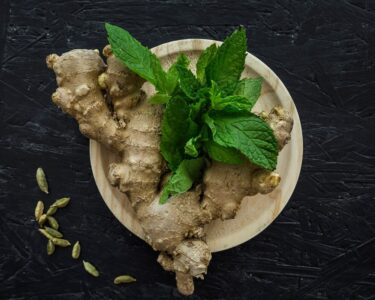
    5. Ginger (Adrak)

    Benefits for Lungs

    Ginger has potent anti-inflammatory and antioxidant properties that help reduce inflammation in the respiratory tract. It also aids in breaking down and expelling mucus from the lungs, making it a useful remedy for colds, coughs, and respiratory infections.

    How to Use

    • Drink ginger tea daily to keep your lungs clear.
    • Add fresh ginger to meals or chew on ginger slices to soothe the throat.

    6. Haridra (Turmeric)

    Benefits for Lungs

    Turmeric is renowned for its powerful anti-inflammatory and antioxidant effects, which help protect the lungs from damage and infection. The active compound, curcumin, helps in reducing inflammation in the lungs and fights off respiratory infections. It is especially helpful in conditions like asthma and chronic bronchitis.

    How to Use

    • Drink warm turmeric milk (Golden Milk) daily.
    • Add turmeric powder to meals or take curcumin supplements.

    7. Pushkarmool (Indian Elecampane)

    Benefits for Lungs

    Pushkarmool is an Ayurvedic herb specifically used for treating respiratory ailments such as asthma and bronchitis. It has bronchodilator effects, helping to open up the airways and make breathing easier. It also acts as an expectorant, clearing mucus from the lungs and reducing congestion.

    How to Use

    • Take Pushkarmool powder with honey or warm water for respiratory relief.
    • It is also available in capsule or tablet form for convenient use.

    8. Kalmegh (Andrographis)

    Benefits for Lungs

    Kalmegh is an herb known for its immune-boosting and anti-inflammatory properties. It helps protect the lungs from infections and inflammation. Kalmegh is often used to treat respiratory conditions like colds, flu, bronchitis, and sinusitis.

    How to Use

    • Kalmegh is available in tablet, powder, and tea forms.
    • Drink Kalmegh tea during flu season to protect the respiratory system.

    9. Shunthi (Dry Ginger)

    Benefits for Lungs

    Shunthi, or dry ginger, is highly effective in reducing Kapha-related issues like mucus buildup and congestion. Its warming nature helps break down phlegm and clears the respiratory channels, making it easier to breathe. Shunthi is particularly useful for treating asthma, colds, and coughs.

    How to Use

    • Mix Shunthi powder with honey and consume it in the morning.
    • Drink Shunthi tea regularly to maintain lung health.

    10. Neem

    Benefits for Lungs

    Neem is well-known for its antibacterial and antiviral properties, making it a great herb for preventing respiratory infections. Neem also helps clear toxins from the body and lungs, reducing the likelihood of respiratory ailments. It supports lung health by balancing Kapha and purifying the blood.

    How to Use

    • Neem tea or capsules can be consumed to protect the lungs.
    • You can also boil Neem leaves and inhale the steam for congestion relief.

    Lung Health

    Ayurvedic Lifestyle Tips for Lung Health

    1. Steam Inhalation: Regular steam inhalation with eucalyptus or tulsi essential oils can help open airways and reduce congestion.
    2. Pranayama (Breathing Exercises): Practicing pranayama such as Anulom Vilom and Kapalbhati can strengthen the lungs and improve respiratory function.
    3. Avoid Cold Foods: Cold and heavy foods increase Kapha and should be avoided to prevent mucus buildup in the lungs.
    4. Stay Hydrated: Drinking warm water throughout the day helps thin mucus and keeps the lungs clear.

    Conclusion

    Ayurvedic herbs offer natural and effective ways to support lung health and prevent respiratory issues. By incorporating herbs like Tulsi, Mulethi, Vasa, and Ginger into your daily routine, along with lifestyle practices like pranayama and steam inhalation, you can maintain optimal lung function and breathe easier.

  • Strengthening Joints and Bones- Ayurvedic Strategies for Joint Support

    Strengthening Joints and Bones- Ayurvedic Strategies for Joint Support

    Nurturing Your Inner Strength: Ayurvedic Strategies for Healthy Joints and Bones

    Healthy joints and bones are essential for a life of mobility and independence. Ayurveda, the ancient Indian system of medicine, offers a holistic approach to promoting joint and bone health by addressing the root causes of imbalances and nourishing your body’s natural healing mechanisms. Let’s explore how Ayurveda can empower you to maintain strong joints and bones.


    Understanding Joint and Bone Health Through the Ayurvedic Lens

    Ayurveda views bones and joints as the foundation of the body’s structure. Imbalances in the doshas, the three energies that govern your body and mind, can affect their health. Here’s how each doshic imbalance can manifest as joint and bone issues:

    Vata Dosha (Air & Space): When imbalanced, Vata can lead to dryness, weakness in bones and joints, and increased vulnerability to fractures.

    Pitta Dosha (Fire & Water): An aggravated Pitta can manifest as inflammation in joints, leading to pain and stiffness (similar to arthritis).

    Kapha Dosha (Water & Earth): Excess Kapha can cause stiffness and a buildup of toxins in the joints, potentially leading to discomfort.


    The Ayurvedic Diet for Strong Joints and Bones

    A balanced Ayurvedic diet rich in specific nutrients is crucial for bone health:

    Calcium-Rich Foods: Sesame seeds, dairy products (in moderation), and leafy greens are all excellent sources of calcium, essential for bone mineralization.

    Nourishing Fats: Healthy fats from nuts, seeds, and avocados support nutrient absorption and promote bone health.

    Bone Broth: This traditional Ayurvedic remedy is rich in minerals and collagen, which can support bone health.

    Focus on Your Dosha: Choose foods that are beneficial for your dominant dosha:

    Vata: Opt for warm, cooked foods, nuts, and bone broths to nourish and lubricate joints.

    Pitta: Focus on cooling and easily digestible foods like leafy greens and fruits. Limit inflammatory foods like red meat and excess spices.

    Kapha: Prioritize light, dry foods like vegetables and legumes. Limit processed foods and dairy (if needed).


    Ayurvedic Herbs for Joint Support

    Certain Ayurvedic herbs can be beneficial for joint health:

    Ashwagandha: This revered adaptogenic herb supports bone health, reduces inflammation, and promotes healing.

    Bala (Sida Cordifolia): This herb is a natural bone tonic that can help strengthen bones and joints.

    Boswellia (Shallaki): This herb is a traditional remedy for joint inflammation and pain.

    Guduchi (Giloy): This adaptogenic herb supports the immune system and promotes detoxification, which can benefit joint health.

    Remember: Consult with an Ayurvedic practitioner before consuming any herbs, especially if you have any underlying health conditions or are taking medications, as some herbs may interact with them.


    Lifestyle Practices for Optimal Joint and Bone Health

    Regular Exercise: Weight-bearing exercises like walking, yoga, and strength training help build strong bones and improve joint flexibility.

    Manage Stress: Chronic stress can contribute to bone loss. Practice relaxation techniques like yoga or meditation to manage stress effectively.

    Quality Sleep: Aim for 7-8 hours of sleep for optimal bone health and healing.

    Sun Exposure: Moderate sun exposure promotes Vitamin D synthesis, essential for calcium absorption and bone health.


    Simple Ayurvedic Home Remedies

    Sesame Seed Oil Massage: Massaging your joints with warm sesame oil can improve circulation and nourish the joints (especially beneficial for Vata imbalances).

    Warm Milk with Turmeric: This drink before bed can reduce inflammation and promote better sleep, supporting joint health.

    Triphala Churna: This herbal blend can help cleanse the digestive system and reduce inflammation, potentially aiding in joint health.


    Living a Life with Strong Joints and Bones

    By incorporating these Ayurvedic dietary adjustments, herbs, lifestyle practices, and simple home remedies into your routine, you can embark on a journey towards promoting healthy joints and bones. Remember, consistency is key. With dedication to a balanced lifestyle and the wisdom of Ayurveda, you can experience a life of mobility and freedom.


    Important Note: Ayurveda is intended to be complementary to conventional medicine. If you have any concerns about your joint or bone health, consult with a doctor for a proper diagnosis and treatment plan.

  • Diet for a Heart Health, Foods to Eat and Avoid

    Diet for a Heart Health, Foods to Eat and Avoid

    Heart health is one of the most important aspects of overall well-being, and Ayurveda provides a holistic approach to maintaining cardiovascular health through diet and lifestyle. According to Ayurveda, an imbalanced diet and lifestyle can aggravate doshas (Vata, Pitta, and Kapha), leading to conditions like high cholesterol, hypertension, and heart disease. To promote heart health, an Ayurvedic diet focuses on balancing the doshas, reducing Ama (toxins), and improving Agni (digestive fire). This article outlines foods to eat and avoid for a healthy heart based on Ayurvedic principles.

    Understanding Heart Health in Ayurveda

    In Ayurveda, the heart (known as Hridaya) is seen as the center of circulation and emotions. Proper heart function depends on balanced Ojas (vital energy), healthy Rasa Dhatu (plasma), and good circulation. An improper diet and lifestyle can lead to an accumulation of toxins (Ama), weak digestion (Agni), and imbalanced Kapha or Pitta, contributing to heart disease.

    The Importance of Dosha Balance for Heart Health

    • Vata imbalance can cause irregular heartbeats and high blood pressure.
    • Pitta imbalance can lead to inflammation, high cholesterol, and heartburn.
    • Kapha imbalance is often linked to sluggish circulation, high cholesterol, and clogged arteries.

    Ayurvedic Foods to Eat for a Healthy Heart

    Ayurveda emphasizes consuming foods that are easy to digest, reduce Ama, and balance the doshas. Here’s a look at the best heart-healthy foods based on Ayurvedic principles.

    1. Whole Grains and Legumes

    Whole grains are rich in fiber, which helps lower cholesterol levels and supports digestive health. Legumes provide protein without adding excess fat, making them ideal for heart health.

    • Best options:
      • Barley
      • Oats
      • Brown rice
      • Lentils, mung beans, and chickpeas

    Why it’s good: These foods are easy to digest, high in fiber, and reduce Kapha and Ama.

    2. Fresh Fruits and Vegetables

    Fresh fruits and vegetables provide essential vitamins, minerals, and antioxidants that support heart health by reducing inflammation and promoting good circulation.

    • Best options:
      • Apples, pomegranates, and berries (rich in antioxidants)
      • Leafy greens (spinach, kale)
      • Carrots, beets, and cucumbers

    Why it’s good: These foods balance Pitta and Kapha, help detoxify the body, and improve circulation.

    3. Healthy Fats

    Ayurveda recommends using natural oils in moderation to nourish the body without clogging the arteries.

    • Best options:
      • Ghee (clarified butter)
      • Sesame oil
      • Olive oil

    Why it’s good: These healthy fats support digestion, nourish the heart, and reduce Vata imbalances that can affect circulation.

    4. Spices to Boost Heart Health

    Spices play an essential role in Ayurveda by boosting Agni (digestive fire), improving circulation, and reducing Ama. Certain spices are particularly good for heart health.

    • Best options:
      • Turmeric: Anti-inflammatory and lowers cholesterol
      • Garlic: Reduces cholesterol and improves blood circulation
      • Cinnamon: Balances blood sugar and reduces bad cholesterol
      • Ginger: Improves circulation and digestion

    Why it’s good: Spices help regulate digestion and metabolism, reducing the risk of heart-related issues like high cholesterol and blood pressure.

    5. Herbs for Cardiovascular Health

    Certain Ayurvedic herbs are renowned for their ability to support heart health.

    • Best options:
      • Arjuna (Terminalia arjuna): Strengthens heart muscles and reduces cholesterol
      • Ashwagandha: Reduces stress, which is a significant factor in heart disease
      • Triphala: Detoxifies the system, improving digestion and reducing cholesterol absorption

    Why it’s good: These herbs cleanse the blood, reduce stress, and support overall cardiovascular health.

    6. Nuts and Seeds

    Nuts and seeds are packed with heart-healthy fats, protein, and fiber, making them an excellent addition to your diet.

    • Best options:
      • Almonds, walnuts
      • Flaxseeds, chia seeds

    Why it’s good: Rich in omega-3 fatty acids, they help reduce inflammation and lower cholesterol.

    7. Hydrating Liquids

    Staying hydrated is essential for maintaining healthy blood pressure and good circulation.

    • Best options:
      • Warm water with lemon
      • Herbal teas (like ginger, cinnamon, and tulsi)
      • Coconut water

    Why it’s good: These drinks help detoxify the body, improve digestion, and reduce blood pressure.

    Ayurvedic Diet for a Heart Health, Foods to Eat and Avoid

    Foods to Avoid for a Healthy Heart

    Certain foods increase Kapha or Pitta, leading to high cholesterol, clogged arteries, and other heart issues. To maintain heart health, Ayurveda recommends avoiding or reducing the intake of these foods.

    1. Processed and Fried Foods

    Processed and fried foods are heavy, difficult to digest, and increase Ama and Kapha, leading to clogged arteries and increased cholesterol levels.

    • Foods to avoid:
      • Potato chips, fried snacks
      • Processed meats and fast foods

    2. Sugary Foods and Drinks

    Excess sugar contributes to weight gain, increased blood sugar levels, and inflammation, all of which negatively impact heart health.

    • Foods to avoid:
      • Sugary beverages (sodas, energy drinks)
      • Sweets, pastries, and refined sugar products

    3. Dairy and Heavy Meats

    Dairy products, particularly when consumed in excess, and heavy meats like red meat can clog arteries and increase cholesterol levels, leading to heart disease.

    • Foods to avoid:
      • Full-fat dairy (cheese, cream, butter)
      • Red meat and processed meats

    4. Excessive Salt

    Too much salt can raise blood pressure and contribute to water retention, which negatively affects the heart.

    • Foods to avoid:
      • Packaged and canned foods (high in sodium)
      • Excessively salty snacks

    5. Alcohol and Caffeine

    Excessive alcohol and caffeine can increase Pitta dosha, causing inflammation and high blood pressure, which are harmful to heart health.

    • Foods to avoid:
      • Alcoholic beverages
      • Coffee and caffeinated drinks

    Ayurvedic Lifestyle Practices for Heart Health

    In addition to diet, Ayurveda emphasizes lifestyle practices to support cardiovascular health.

    1. Exercise (Vyayama)

    Regular exercise helps reduce Kapha, improve circulation, and lower cholesterol levels. Activities like walking, yoga, and swimming are particularly beneficial for heart health.

    2. Pranayama (Breathing Exercises)

    Breathing exercises like Anulom Vilom (alternate nostril breathing) and Kapalbhati (skull shining breath) help reduce stress, improve lung capacity, and support cardiovascular function.

    3. Adequate Sleep

    Lack of sleep increases stress and disrupts the body’s natural rhythms, contributing to heart disease. Ayurveda recommends getting 7-8 hours of restful sleep each night to support heart health.

    4. Stress Management

    Since stress is a major contributor to heart disease, Ayurvedic practices like meditation, Abhyanga (self-oil massage), and daily routines (Dinacharya) help reduce stress and promote relaxation.

    Conclusion

    The Ayurvedic approach to heart health emphasizes a balanced diet, stress management, and lifestyle practices that support the body’s natural ability to maintain a healthy heart. By incorporating whole grains, fresh fruits, healthy fats, and heart-supportive herbs while avoiding processed foods, excess salt, and unhealthy fats, you can reduce your risk of heart disease and support overall well-being. Always consult with an Ayurvedic practitioner or healthcare provider for personalized advice based on your unique constitution and health condition.

  • Rasayana Therapy: The Ayurvedic Fountain of Youth

    Rasayana Therapy: The Ayurvedic Fountain of Youth

    Rasayana therapy is one of the most revered practices in Ayurveda, often considered as the ancient system’s answer to the quest for youthfulness and longevity. Translated from Sanskrit, Rasayana means “path of essence” or “that which nourishes the essence of life.” This therapy works to rejuvenate the body, boost immunity, and promote overall vitality.

    What is Rasayana Therapy?

    Rasayana therapy is a specialized branch of Ayurveda focused on rejuvenation and anti-aging. Its primary goal is to improve the quality of life by nourishing the body’s tissues, balancing energy, and promoting mental clarity. It can help in delaying the effects of aging, boosting immunity, and increasing energy levels.

    Types of Rasayana Therapy

    There are two main types of Rasayana therapies in Ayurveda, both aiming to enhance well-being and vitality:

    • Kutipraveshika Rasayana: This therapy is performed in a controlled environment, usually in isolation, under strict supervision. It involves intense purification and rejuvenation processes.
    • Vatatapika Rasayana: This is a more accessible version of Rasayana therapy, which can be performed without isolation and is suitable for people who want to practice rejuvenation while continuing their daily routines.

    Key Benefits of Rasayana Therapy

    Rasayana therapy is considered highly beneficial for maintaining the balance between the body’s physical and mental aspects. Some of the key benefits include:

    • Improved Immunity: Rasayana enhances the body’s defense mechanisms, helping it fight off diseases and infections.
    • Longevity: The therapy is believed to slow down the aging process by nourishing the cells and tissues, thus promoting a longer, healthier life.
    • Mental Clarity: Rasayana is also known to improve cognitive function, memory, and focus, promoting a calm and balanced mind.
    • Vitality: It revitalizes the body’s energy levels, making you feel more youthful and active.

    Important Herbs in Rasayana Therapy

    Herbal formulations play a crucial role in Rasayana therapy. These herbs are considered to have powerful rejuvenating properties and are frequently used in Ayurvedic treatments.

    Ashwagandha

    Ashwagandha is known for its adaptogenic properties, meaning it helps the body adapt to stress and maintain balance. It is widely used in Rasayana therapy to promote vitality, reduce fatigue, and improve mental focus.

    Amalaki (Indian Gooseberry)

    Amalaki is rich in vitamin C and antioxidants. It helps in rejuvenating the body’s cells, boosting immunity, and slowing down the aging process. It is a core ingredient in many Rasayana formulations.

    Shilajit

    Shilajit is a mineral-rich substance found in the Himalayas and is known to enhance energy, improve endurance, and support cellular regeneration. It is often recommended in Rasayana therapy for boosting stamina and vitality.

    Brahmi

    Brahmi is known to improve cognitive function and reduce anxiety. It supports mental clarity and memory, making it an important herb in Rasayana therapy for mental rejuvenation.

    Lifestyle Practices to Complement Rasayana Therapy

    While herbs play a significant role in Rasayana therapy, Ayurveda also emphasizes lifestyle changes to maximize its benefits. Along with Rasayana formulations, certain practices are encouraged to rejuvenate both body and mind.

    Diet

    Ayurveda recommends a sattvic diet (fresh, plant-based, and nutrient-rich foods) to support the body during Rasayana therapy. Eating light and easily digestible meals can help the body absorb the Rasayana herbs more effectively.

    Yoga and Meditation

    Incorporating yoga and meditation is crucial for maintaining the balance between mind and body. Daily practice of these activities complements the effects of Rasayana therapy by reducing stress, improving flexibility, and enhancing mental clarity.

    Abhyanga (Self-Massage)

    A daily self-massage using herbal oils helps improve circulation, detoxifies the body, and rejuvenates the skin, making it an excellent addition to Rasayana therapy.

    Conclusion

    Rasayana therapy is often regarded as Ayurveda’s fountain of youth. By combining powerful herbs, dietary recommendations, and lifestyle practices, it offers a holistic approach to rejuvenation and longevity. Whether you’re looking to improve immunity, enhance mental clarity, or slow down the aging process, Rasayana therapy offers a time-tested path to a more youthful and vibrant life.

  • The Healing Properties of Shatavari for Women’s Health

    The Healing Properties of Shatavari for Women’s Health

    Shatavari (Asparagus racemosus), often referred to as the “Queen of Herbs” in Ayurveda, is renowned for its profound effects on women’s health. This powerful herb has been used for centuries to support reproductive health, balance hormones, and enhance overall vitality in women. From puberty to menopause, Shatavari is celebrated for its healing and nourishing properties at every stage of a woman’s life. In this article, we’ll explore the numerous benefits of Shatavari for women’s health.

    1. Shatavari and Reproductive Health

    Supports Fertility

    Shatavari is one of the most effective herbs for promoting fertility in women. It works by balancing hormone levels, improving ovarian function, and increasing the chances of conception. Known for its cooling and nourishing properties, Shatavari helps restore hormonal balance, making it beneficial for women who struggle with infertility issues.

    1. Boosts Ovarian Health

    Shatavari strengthens the ovaries and promotes healthy egg production, helping women with irregular menstrual cycles or difficulty in ovulating.

    2. Enhances Uterine Health

    Shatavari’s soothing properties help tone and nourish the uterus, which is essential for fertility and a healthy pregnancy. It helps regulate the menstrual cycle, alleviating symptoms of irregular periods.

    How to Use Shatavari for Fertility

    • Shatavari powder or capsules can be taken daily under the guidance of an Ayurvedic practitioner.
    • Shatavari milk, made by mixing Shatavari powder in warm milk, is a common way to consume it for fertility support.

    2. Hormonal Balance and Menstrual Health

    Regulates Menstrual Cycles

    One of the standout benefits of Shatavari is its ability to regulate menstrual cycles. Many women experience irregular periods due to hormonal imbalances, stress, or underlying health issues. Shatavari helps balance estrogen levels, ensuring smoother, more regular menstrual cycles.

    1. Eases Menstrual Discomfort

    Shatavari is also a great remedy for relieving menstrual cramps and discomfort. Its anti-inflammatory and antispasmodic properties help soothe the muscles of the uterus, providing relief from pain during menstruation.

    2. Reduces Symptoms of PMS

    Women who experience symptoms of premenstrual syndrome (PMS), such as mood swings, irritability, and bloating, can benefit from the cooling and calming nature of Shatavari. It helps balance mood and reduce the intensity of PMS symptoms.

    How to Use Shatavari for Menstrual Health

    • Drinking Shatavari-infused tea during your cycle can help alleviate menstrual pain and promote balance.
    • Shatavari supplements are also effective for maintaining hormonal balance throughout the month.

    3. Shatavari for Pregnancy and Postpartum Care

    Supports Healthy Pregnancy

    Shatavari is an excellent herb for supporting a healthy pregnancy. It nourishes both mother and child, providing essential nutrients that promote growth and strength. Shatavari helps maintain a healthy reproductive system during pregnancy and enhances lactation after childbirth.

    1. Promotes Lactation

    For breastfeeding mothers, Shatavari is a well-known galactagogue, meaning it increases milk production. It helps nourish the mammary glands and ensures a steady flow of breast milk, which is crucial for the health of the newborn.

    2. Strengthens Postpartum Recovery

    After childbirth, the body goes through many changes. Shatavari helps support the healing process by replenishing strength, boosting immunity, and restoring vitality. It also helps balance the hormones that fluctuate significantly during the postpartum period.

    How to Use Shatavari for Pregnancy and Postpartum

    • Shatavari powder mixed with warm milk is a nourishing way to consume it during pregnancy and postpartum for lactation support.
    • Shatavari capsules are also commonly prescribed to support breastfeeding mothers.

    4. Menopause Support

    Eases Menopausal Symptoms

    As women transition into menopause, hormonal fluctuations can cause a range of uncomfortable symptoms such as hot flashes, mood swings, and night sweats. Shatavari’s cooling nature helps balance hormones during menopause, reducing the severity of these symptoms.

    1. Reduces Hot Flashes and Night Sweats

    Shatavari acts as a natural coolant for the body, helping to alleviate hot flashes and excessive sweating, which are common symptoms during menopause.

    2. Boosts Emotional Well-being

    The emotional rollercoaster that often accompanies menopause can be challenging. Shatavari helps calm the mind and promotes emotional balance, easing symptoms such as irritability and anxiety.

    How to Use Shatavari for Menopause

    • Shatavari supplements or powder can be taken daily to help ease menopausal symptoms.
    • Shatavari tea can also provide soothing relief from hot flashes and improve overall comfort during menopause.

    5. General Health and Vitality for Women

    Boosts Immunity

    Shatavari is not just beneficial for reproductive health; it also strengthens the immune system. Its adaptogenic properties help the body cope with stress and reduce the risk of illness, keeping you healthy and resilient.

    1. Increases Vitality and Energy

    Women often juggle multiple responsibilities, leading to fatigue and burnout. Shatavari nourishes the body and boosts energy levels, helping women feel more vibrant and energetic throughout the day.

    2. Supports Mental Clarity

    By reducing stress and promoting mental calmness, Shatavari also improves focus and mental clarity. This makes it an excellent herb for maintaining cognitive health and emotional well-being.

    How to Use Shatavari for Vitality

    • Take Shatavari in powder form with honey for an energy boost.
    • Shatavari tablets or capsules can be included in a daily routine for overall vitality and strength.

    Conclusion

    Shatavari is a true gem in Ayurvedic medicine, offering countless benefits to women at all stages of life. From enhancing fertility and supporting menstrual health to easing menopause symptoms and boosting vitality, Shatavari is a versatile and powerful herb for women’s health. By incorporating Shatavari into your daily routine, you can harness its healing properties to promote balance, strength, and well-being.

    As always, it’s best to consult with an Ayurvedic practitioner or healthcare provider before starting any new herbal regimen, especially if you have existing health conditions or are pregnant.

  • How to Balance Your Doshas for Effective Weight Management

    How to Balance Your Doshas for Effective Weight Management

    In Ayurveda, achieving and maintaining a healthy weight is all about balancing your doshas — the fundamental energies that govern the body and mind. These doshas, known as Vata, Pitta, and Kapha, each have specific characteristics that influence how we metabolize food, store fat, and manage our energy. When your doshas are balanced, your body functions optimally, promoting a healthy weight and overall well-being. However, an imbalance in the doshas can lead to weight gain, digestive issues, and difficulty maintaining a healthy lifestyle.

    In this article, we’ll explore how to balance your doshas for effective weight management by understanding your body’s unique needs and adopting the right Ayurvedic practices.

    Understanding the Three Doshas and Their Impact on Weight

    1. Vata Dosha: The Energy of Movement

    Vata is associated with air and space, and its qualities are light, dry, and active. People with a Vata imbalance tend to be underweight or may experience irregular eating habits, digestion issues, or sudden cravings. When Vata is out of balance, it can lead to digestive issues, anxiety, and an inability to properly absorb nutrients, which can either hinder weight loss or cause unintended weight fluctuations.

    How to Balance Vata for Weight Management:

    • Eat Warm, Cooked Foods: Vata types benefit from warm, nourishing meals like soups, stews, and cooked vegetables that are easy to digest.
    • Avoid Cold and Raw Foods: Cold salads, smoothies, and raw vegetables can aggravate Vata and disrupt digestion.
    • Regular Meal Times: Stick to regular meal times to maintain stable energy levels and avoid erratic eating habits.
    • Add Healthy Fats: Incorporate healthy fats like ghee, olive oil, and avocados to ground and nourish the body.

    Foods to Favor:

    • Sweet, sour, and salty tastes.
    • Root vegetables, whole grains, and warm spices like ginger and cinnamon.

    Foods to Avoid:

    • Raw salads, cold drinks, and excessive stimulants like caffeine.

    2. Pitta Dosha: The Energy of Transformation

    Pitta is associated with fire and water, and its qualities are hot, sharp, and intense. Pitta types tend to have a strong metabolism and can easily lose weight, but when imbalanced, they may struggle with inflammation, overheating, and digestive disorders. A Pitta imbalance can lead to weight gain due to increased appetite, stress, and frustration-driven eating.

    How to Balance Pitta for Weight Management:

    • Cool, Fresh Foods: Pitta types should focus on cooling foods like salads, cucumbers, and melons that help balance their fiery nature.
    • Avoid Spicy and Oily Foods: Hot and spicy foods can aggravate Pitta and lead to digestive discomfort or weight gain.
    • Eat in a Calm Environment: Avoid eating when stressed or angry, as emotions can heat up the body and disrupt digestion.
    • Stay Hydrated: Drink plenty of water to cool the body and maintain digestion.

    Foods to Favor:

    • Sweet, bitter, and astringent tastes.
    • Fresh vegetables, cooling fruits, and whole grains like barley and quinoa.

    Foods to Avoid:

    • Spicy, fried, and overly salty foods, as well as alcohol and caffeine.

    3. Kapha Dosha: The Energy of Stability

    Kapha is associated with earth and water, and its qualities are heavy, slow, and stable. People with a dominant Kapha dosha are more likely to struggle with weight gain due to slower metabolism, water retention, and a tendency toward overeating. Kapha imbalance leads to lethargy, excess body fat, and difficulty shedding weight.

    How to Balance Kapha for Weight Management:

    • Eat Light, Warm Foods: Kapha types benefit from light, spicy, and warm foods that stimulate digestion and metabolism.
    • Avoid Heavy and Oily Foods: Foods that are too rich or heavy can slow down digestion and lead to weight gain.
    • Incorporate Spices: Use spices like black pepper, turmeric, and cumin to ignite the digestive fire and burn fat.
    • Exercise Regularly: Physical activity is essential for Kapha types to boost energy and keep the body moving.

    Foods to Favor:

    • Bitter, pungent, and astringent tastes.
    • Light, spicy, and dry foods such as leafy greens, legumes, and grains like buckwheat.

    Foods to Avoid:

    • Dairy, fried foods, sweets, and overly salty or heavy meals.

    Practical Ayurvedic Tips for Balancing Doshas for Weight Management

    1. Mindful Eating

    Ayurveda places a great emphasis on mindful eating, which helps balance all three doshas. Eat your meals in a calm, peaceful environment, chew your food thoroughly, and avoid distractions like television or phones. Eating mindfully helps your body digest food properly, preventing overeating and promoting healthy digestion.

    2. Eat According to the Seasons

    Ayurveda recommends adjusting your diet according to the seasons to keep your doshas balanced. In colder months (Vata season), focus on warm, nourishing foods, while in the warmer months (Pitta season), eat lighter, cooling foods. In Kapha season (spring), opt for foods that are spicy and stimulating to counter the heaviness of the season.

    3. Herbs and Spices to Support Weight Loss

    Certain Ayurvedic herbs and spices can help balance the doshas and support weight loss:

    • Triphala: A combination of three fruits that supports digestion and detoxification.
    • Guggul: A resin that boosts metabolism and supports fat loss.
    • Turmeric: Helps reduce inflammation and promotes fat metabolism.
    • Cumin, Ginger, and Black Pepper: Stimulate digestion and help burn fat.

    4. Establish a Daily Routine (Dinacharya)

    A daily routine, or dinacharya, helps maintain balance in the body and mind. Start your day with a routine that includes waking up early, exercising, and eating at consistent times. This helps regulate your metabolism, digestion, and energy levels, preventing overeating and sluggishness.

    5. Exercise and Yoga

    Exercise is crucial for balancing Kapha and maintaining a healthy weight. Yoga, walking, and other forms of physical activity help balance all doshas by promoting circulation, boosting metabolism, and reducing stress.

    Conclusion

    Balancing your doshas is the key to effective and sustainable weight management in Ayurveda. By understanding your body type and its unique needs, you can make the right dietary and lifestyle choices that promote healthy digestion, boost metabolism, and maintain your ideal weight. Incorporating Ayurvedic practices, herbs, and mindful eating into your daily routine can help you achieve a balanced, healthy body and mind for long-term wellness.

  • Herbs for Extending Lifespan and Vitality

    Herbs for Extending Lifespan and Vitality

    Ayurveda, the ancient Indian system of medicine, has long been focused on promoting health, vitality, and longevity. Central to its approach are various herbs known for their powerful healing and rejuvenating properties. These herbs, often called Rasayanas, are used to support the body’s natural ability to heal, enhance longevity, and improve vitality. By incorporating these Ayurvedic herbs into your lifestyle, you can experience enhanced well-being and potentially extend your lifespan.

    How Ayurvedic Herbs Promote Longevity

    Ayurvedic herbs help restore balance in the body’s three doshas—Vata, Pitta, and Kapha—while promoting overall cellular health. They work by supporting vital systems such as digestion, immunity, and mental clarity. Many of these herbs are rich in antioxidants and have adaptogenic properties, meaning they help the body adapt to stress and enhance energy levels, thus preventing premature aging and disease.

    Ashwagandha: The Rejuvenator

    Ashwagandha is one of the most popular and powerful herbs in Ayurveda. It is classified as a Rasayana and is widely used for its rejuvenating and adaptogenic properties.

    • Benefits: Ashwagandha helps reduce stress, enhances energy levels, and boosts mental clarity. Its antioxidant properties protect cells from damage, which is crucial for extending lifespan.
    • How it promotes longevity: By reducing cortisol (the stress hormone) levels and improving overall vitality, Ashwagandha protects the body from aging effects like fatigue, weakened immunity, and cognitive decline.

    Amalaki (Amla): The Vitamin C Powerhouse

    Amalaki, or Indian gooseberry, is known for its exceptionally high vitamin C content and antioxidant properties. It’s another important Rasayana in Ayurvedic medicine.

    • Benefits: It supports digestion, boosts the immune system, and promotes skin health. The antioxidants in Amalaki help fight free radicals, which contribute to aging and chronic diseases.
    • How it promotes longevity: By enhancing cellular regeneration, supporting digestion, and boosting immunity, Amalaki helps the body stay youthful and resilient.

    Brahmi: The Mind Booster

    Brahmi is a renowned herb for improving mental clarity and cognitive function. It is used in Ayurveda to support memory, focus, and concentration, making it an essential herb for anyone looking to maintain sharpness as they age.

    • Benefits: Brahmi improves memory, reduces stress, and enhances cognitive function. It is also believed to protect the brain from oxidative stress, which can contribute to neurodegenerative diseases.
    • How it promotes longevity: By improving mental clarity and reducing stress, Brahmi helps protect the mind and body from the wear and tear of aging, preserving cognitive vitality and reducing anxiety.

    Shilajit: The Himalayan Healer

    Shilajit is a mineral-rich substance found in the Himalayan mountains, known for its ability to boost energy, stamina, and longevity. It has been used for centuries in Ayurvedic medicine as a rejuvenator and adaptogen.

    • Benefits: Shilajit improves energy levels, enhances physical performance, and supports cellular regeneration. It is also rich in fulvic acid, which helps in nutrient absorption and detoxification.
    • How it promotes longevity: By improving energy and stamina, and by supporting cellular health, Shilajit enhances the body’s ability to repair and regenerate, leading to greater vitality and longevity.

    Guggulu: The Detoxifier

    Guggulu is a resin derived from the Commiphora mukul tree and is widely used in Ayurveda to balance the doshas and detoxify the body. It is particularly effective in removing ama (toxins) from the system.

    • Benefits: Guggulu supports healthy cholesterol levels, improves digestion, and has anti-inflammatory properties. It is commonly used in Ayurvedic detox programs to cleanse the body.
    • How it promotes longevity: By aiding in detoxification and reducing inflammation, Guggulu prevents the buildup of harmful substances that can accelerate aging and lead to chronic health conditions.

    Supporting Herbs for Vitality

    While the above herbs are central to promoting longevity, several other Ayurvedic herbs support overall vitality, stamina, and well-being.

    Turmeric

    Turmeric is famous for its anti-inflammatory and antioxidant properties. The active compound, curcumin, helps in fighting oxidative stress and inflammation, both of which contribute to aging and chronic disease.

    Tulsi (Holy Basil)

    Tulsi is revered for its adaptogenic properties, helping the body handle stress better. It also has powerful immune-boosting properties and can protect the body from environmental toxins.

    Gotu Kola

    Gotu Kola is known for its ability to enhance mental clarity and improve blood circulation. It is often used to boost cognitive function and help with skin regeneration, making it an excellent herb for maintaining youthful skin and a sharp mind.

    Incorporating Ayurvedic Herbs Into Daily Life

    To reap the full benefits of Ayurvedic herbs for longevity and vitality, it’s essential to incorporate them into a balanced lifestyle. These herbs can be consumed as powders, teas, capsules, or incorporated into meals. In Ayurveda, diet and lifestyle are as important as the herbs themselves, so for optimal results, pair these herbs with healthy eating, regular exercise, yoga, and meditation.

    Dietary Considerations

    Ayurveda emphasizes a diet rich in fresh, whole foods that are easy to digest. Include plenty of fruits, vegetables, whole grains, and healthy fats like ghee and coconut oil. A proper Ayurvedic diet helps the body absorb the benefits of the herbs more effectively.

    Lifestyle Practices

    In addition to consuming these herbs, incorporating daily routines like yoga, meditation, and Abhyanga (self-massage with herbal oils) can further enhance vitality and promote longevity. Regular exercise keeps the body strong, while mindfulness practices like meditation help reduce stress, a major factor in premature aging.

    Conclusion

    Ayurvedic herbs offer a natural, holistic approach to extending lifespan and vitality. Whether you’re looking to improve mental clarity, boost energy levels, or support immune function, these time-tested herbs can enhance your well-being and help you age gracefully. By integrating herbs like Ashwagandha, Amalaki, Brahmi, and Shilajit into your daily routine, you can experience long-lasting health benefits that contribute to a more vibrant, youthful, and balanced life.

  • Healing Respiratory Ailments with Herbal Teas

    Healing Respiratory Ailments with Herbal Teas

    Respiratory ailments like cough, cold, asthma, and bronchitis can be persistent and affect day-to-day life. Ayurvedic herbal teas offer natural, gentle relief by soothing the respiratory system, clearing congestion, and boosting immunity. These teas are prepared with specific herbs known for their healing properties and balancing effects on the body’s doshas (Vata, Pitta, Kapha).

    Ayurvedic View on Respiratory Health

    According to Ayurveda, respiratory issues often arise due to an imbalance in Kapha and Vata doshas. Kapha, when in excess, leads to the accumulation of mucus, causing congestion, while Vata imbalance can result in dryness and difficulty in breathing. Ayurvedic herbal teas aim to bring these doshas back into balance by reducing mucus, calming inflammation, and opening the airways.

    Ayurvedic Herbal Teas for Respiratory Health

    1. Tulsi Tea

    How It Works

    Tulsi, also known as holy basil, is revered in Ayurveda for its powerful healing properties, especially for respiratory health. Tulsi tea helps in clearing the lungs, reducing cough, and boosting immunity. It also has anti-inflammatory and antibacterial properties that make it an effective remedy for respiratory infections.

    How to Prepare

    • Boil 1 cup of water.
    • Add a handful of fresh or dried tulsi leaves.
    • Let it simmer for 5-7 minutes.
    • Strain and drink 1-2 cups daily.

    Benefits for Respiratory Ailments

    • Clears congestion and opens the airways.
    • Helps reduce coughing and mucus production.
    • Boosts the immune system to fight off infections.

    2. Ginger and Turmeric Tea

    How It Works

    Ginger and turmeric are warming spices that reduce Kapha and help in breaking down mucus. They are also known for their strong anti-inflammatory and antioxidant properties, making this tea ideal for soothing the throat and reducing inflammation in the respiratory tract.

    How to Prepare

    • Boil 1 cup of water and add 1 tsp of grated ginger.
    • Add ½ tsp of turmeric powder.
    • Simmer for 10 minutes, then strain and drink.
    • You can add honey to enhance the taste and further soothe the throat.

    Benefits for Respiratory Ailments

    • Reduces inflammation and irritation in the respiratory tract.
    • Helps break down and clear mucus.
    • Boosts the body’s natural defenses against infections.

    3. Licorice (Mulethi) Tea

    How It Works

    Licorice, or mulethi, is a popular Ayurvedic herb used to soothe sore throats, reduce cough, and ease breathing. Its expectorant properties help in clearing mucus from the lungs, making it an effective remedy for bronchitis and asthma.

    How to Prepare

    • Boil 1 cup of water.
    • Add ½ tsp of dried licorice root or licorice powder.
    • Let it steep for 10 minutes, then strain and drink.

    Benefits for Respiratory Ailments

    • Soothes the throat and reduces irritation.
    • Acts as a natural expectorant to clear mucus.
    • Helps alleviate symptoms of asthma and bronchitis.

    4. Peppermint Tea

    How It Works

    Peppermint tea is cooling and helps reduce Vata and Kapha imbalances in the body. It is particularly effective in opening up the airways, easing nasal congestion, and soothing irritated respiratory passages.

    How to Prepare

    • Boil 1 cup of water and add a few fresh peppermint leaves or 1 tsp of dried peppermint.
    • Let it steep for 5-7 minutes, strain, and drink.
    • Inhale the steam while sipping for added benefits.

    Benefits for Respiratory Ailments

    • Eases breathing by clearing nasal passages.
    • Provides relief from throat irritation and cough.
    • Reduces symptoms of colds and sinus congestion.

    5. Vasa (Malabar Nut) Tea

    How It Works

    Vasa, or Malabar nut, is an Ayurvedic herb known for its effectiveness in treating asthma, bronchitis, and other respiratory ailments. It has anti-inflammatory and bronchodilator properties, making it an excellent tea for improving lung function and easing breathlessness.

    How to Prepare

    • Boil 1 cup of water.
    • Add 1 tsp of vasa leaves or vasa powder.
    • Let it steep for 10 minutes, then strain and drink.

    Benefits for Respiratory Ailments

    • Improves lung function and eases breathing difficulties.
    • Reduces inflammation in the airways.
    • Helps relieve symptoms of asthma and bronchitis.

    6. Cinnamon and Clove Tea

    How It Works

    Cinnamon and clove have warming and antimicrobial properties that help in clearing mucus, fighting respiratory infections, and easing chest congestion. They are particularly useful in reducing Kapha and supporting respiratory health during colds and flu.

    How to Prepare

    • Boil 1 cup of water and add 1 stick of cinnamon and 2-3 cloves.
    • Let it simmer for 10 minutes, then strain and drink.
    • You can add a spoonful of honey for additional throat soothing.

    Benefits for Respiratory Ailments

    • Reduces mucus and clears congestion.
    • Fights off respiratory infections with antimicrobial properties.
    • Eases symptoms of colds and coughs.

    7. Pippali Tea

    How It Works

    Pippali, or long pepper, is a potent herb in Ayurveda known for its ability to clear excess Kapha and improve respiratory function. It acts as a natural decongestant and helps in clearing blockages in the respiratory system.

    How to Prepare

    • Boil 1 cup of water and add ½ tsp of pippali powder.
    • Let it steep for 5-7 minutes, then strain and drink.
    • For better results, drink this tea after meals.

    Benefits for Respiratory Ailments

    • Clears respiratory blockages and mucus.
    • Acts as a natural decongestant.
    • Eases symptoms of asthma and improves breathing.

    Respiratory

    Ayurvedic Lifestyle Tips for Respiratory Health

    1. Avoid Cold and Heavy Foods

    Cold and heavy foods like dairy products, cold drinks, and processed foods can aggravate Kapha and lead to more mucus production. Stick to warm, light, and easily digestible foods to keep your respiratory system healthy.

    2. Practice Pranayama

    Regular practice of pranayama (breathing exercises) helps strengthen the lungs and improves respiratory function. Techniques like Anulom Vilom and Kapalabhati are especially beneficial for clearing blockages and increasing lung capacity.

    3. Stay Hydrated

    Drinking warm water throughout the day helps thin mucus and prevents it from building up in the respiratory tract. Avoid cold or iced drinks that can worsen Kapha imbalances.

    4. Use Essential Oils

    Inhaling steam with essential oils like eucalyptus, peppermint, or lavender can help open up blocked nasal passages and soothe inflamed airways.

    Conclusion

    Ayurvedic herbal teas offer natural and effective solutions for managing respiratory ailments. Whether you are dealing with a persistent cough, nasal congestion, or chronic respiratory conditions like asthma, these herbal remedies can bring relief without the side effects of conventional medications. By incorporating these teas and Ayurvedic practices into your daily routine, you can strengthen your respiratory health and prevent future ailments.

  • Strengthening Bones with Diet and Lifestyle Practices

    Strengthening Bones with Diet and Lifestyle Practices

    Strong and healthy bones are essential for a life full of mobility, flexibility, and balance. However, as we age, bone density tends to decline, increasing the risk of osteoporosis, fractures, and other bone-related issues. Ayurveda offers holistic approaches through dietary and lifestyle practices to promote strong bones and maintain optimal bone health.

    In this article, we will explore Ayurvedic dietary recommendations, herbs, and lifestyle practices that help strengthen bones naturally.

    Ayurvedic View on Bone Health

    In Ayurveda, bone health is associated with Asthi Dhatu, which refers to the tissues responsible for forming bones. Any imbalance in the Vata dosha is believed to weaken the bones, causing joint pain, stiffness, and fragility. Strengthening Asthi Dhatu involves consuming nourishing foods, practicing mindful exercises, and using herbal remedies to maintain bone density and strength.

    1. Dietary Practices for Strong Bones

    1.1 Calcium-Rich Foods

    Calcium is the building block for strong bones, and Ayurveda emphasizes the intake of natural, easily digestible calcium sources.

    Key Foods:

    • Sesame Seeds (Til): Rich in calcium, these seeds support bone density and joint lubrication.
    • Leafy Greens: Spinach, kale, and fenugreek leaves are loaded with calcium and magnesium, essential for bone strength.
    • Dairy: Ayurvedic recommendations include consuming warm milk with spices like turmeric or cardamom to enhance calcium absorption. Homemade yogurt or ghee also supports bone health.

    Tip: Drink a glass of warm milk with a pinch of turmeric before bed to boost calcium intake and improve bone strength.

    1.2 Vitamin D-Rich Foods

    Vitamin D is essential for calcium absorption, and without it, bones become brittle. Sunlight is a primary source, but certain foods can also provide vitamin D.

    Key Foods:

    • Mushrooms: Especially sun-dried mushrooms, which contain higher levels of vitamin D.
    • Fortified Foods: Ayurveda recommends fortifying your meals with nuts, seeds, and ghee to help absorb this crucial vitamin.

    1.3 Magnesium-Rich Foods

    Magnesium plays a critical role in converting vitamin D into its active form, aiding calcium absorption in bones.

    Key Foods:

    • Almonds: A magnesium-rich snack that also strengthens bones.
    • Pumpkin Seeds: Excellent for providing magnesium and promoting bone health.

    1.4 Herbal Supplements for Bone Health

    Ayurveda recommends specific herbs that help nourish bones, prevent bone loss, and maintain overall Asthi Dhatu balance.

    1.5 Amalaki (Indian Gooseberry)

    Amalaki is rich in vitamin C, which promotes collagen production, essential for bone strength and flexibility. It also contains calcium and antioxidants that protect against bone damage.

    How to Use: Take Amalaki in powder or supplement form, or incorporate it into your diet as a fruit or juice.

    1.6 Hadjod (Cissus Quadrangularis)

    Hadjod is a powerful herb in Ayurveda that strengthens bones and accelerates fracture healing. It promotes the regeneration of bone tissue and enhances bone density.

    How to Use: Hadjod can be taken as a supplement in powder or tablet form for maintaining bone health.

    1.7 Ashwagandha

    Ashwagandha is a well-known adaptogen that not only calms the mind but also supports bone tissue regeneration. It helps reduce inflammation, improves calcium absorption, and strengthens bones.

    How to Use: Mix Ashwagandha powder with warm milk before bed to promote bone strength and restful sleep.

    Enhancing Longevity Through Panchakarma Cleansing

    2. Ayurvedic Lifestyle Practices for Bone Strength

    2.1 Regular Abhyanga (Oil Massage)

    Abhyanga, or self-massage with warm oils, is a cornerstone of Ayurvedic health. It helps nourish the skin and bones while promoting circulation and flexibility. Regular oil massage helps balance Vata, preventing joint pain and bone weakness.

    Recommended Oils:

    • Sesame Oil: Rich in calcium and magnesium, sesame oil is ideal for massaging the body to promote bone health.
    • Bala Oil: Known for its strengthening properties, Bala oil supports bone and joint health.

    How to Practice Abhyanga: Warm the oil slightly, and massage it into the body with gentle circular motions. Allow the oil to penetrate for at least 30 minutes before taking a warm bath.

    2.2 Yoga for Bone Health

    Yoga is an excellent way to improve flexibility, strengthen bones, and maintain balance. Certain poses help build bone density and prevent the risk of fractures.

    Key Poses:

    • Vrikshasana (Tree Pose): Improves balance and strengthens leg bones.
    • Virabhadrasana (Warrior Pose): Builds strength in the legs, arms, and spine.
    • Trikonasana (Triangle Pose): Stretches the spine and strengthens the legs, hips, and arms.

    Tip: Incorporate these poses into your daily routine to promote bone strength and flexibility.

    2.3 Sun Exposure

    Vitamin D is essential for calcium absorption, and the best way to get it is through sunlight. Ayurveda recommends getting at least 20-30 minutes of sun exposure daily, especially during the early morning hours.

    2.4 Panchakarma

    Panchakarma is a detoxification therapy that helps remove toxins from the body, which may hinder bone health. Treatments like Basti (herbal enema) and Virechana (purgation) help balance Vata and support Asthi Dhatu.

    Consult a Practitioner: It’s important to consult an Ayurvedic doctor before undergoing Panchakarma for bone health.

    3. Hydration and Bone Health

    Ayurveda emphasizes the importance of hydration for maintaining healthy bones. Drinking warm water throughout the day helps in flushing out toxins and lubricating the joints.

    Tip: Start your day with a glass of warm water with lemon to hydrate the body and improve calcium absorption.

    Conclusion

    Strengthening bones with Ayurvedic practices is about adopting a holistic approach that includes a nourishing diet, herbal supplements, regular exercise, and mindful lifestyle practices. Incorporating calcium and magnesium-rich foods, consuming Ayurvedic herbs like Amalaki and Ashwagandha, practicing yoga, and indulging in regular oil massages can help you maintain strong and healthy bones. Balancing Vata dosha, staying hydrated, and getting sun exposure are also essential for promoting long-term bone health.

    By following these Ayurvedic dietary and lifestyle recommendations, you can naturally support your bones and ensure they remain strong and resilient as you age.

  • Ashwagandha and Its Role in Cardiovascular Health

    Ashwagandha and Its Role in Cardiovascular Health

    Ashwagandha (Withania somnifera), a powerful adaptogenic herb, has been used in Ayurvedic medicine for thousands of years to promote overall well-being and longevity. Known for its stress-reducing and rejuvenating properties, Ashwagandha plays a significant role in supporting cardiovascular health by balancing the body’s systems and addressing the root causes of heart-related issues, such as high blood pressure, cholesterol imbalances, and stress-induced heart conditions. Let’s explore how Ashwagandha contributes to maintaining a healthy heart.

    Ashwagandha in Ayurveda

    In Ayurveda, Ashwagandha is classified as a Rasayana, a rejuvenative herb that supports the vitality of the body. It has a balancing effect on Vata and Kapha doshas, which helps to regulate heart function. Stress is often seen as a major contributor to heart disease in both modern medicine and Ayurveda, and Ashwagandha is renowned for its ability to reduce stress and calm the nervous system, making it an essential herb for heart health.

    Key Ayurvedic Properties of Ashwagandha

    • Rasa (Taste): Bitter, astringent
    • Virya (Potency): Warming
    • Vipaka (Post-digestive effect): Sweet
    • Effect on doshas: Balances Vata and Kapha

    Benefits of Ashwagandha for Cardiovascular Health

    Ashwagandha offers numerous benefits for the cardiovascular system, helping to regulate heart rate, improve circulation, and protect the heart from stress-related damage.

    1. Reduces Stress and Anxiety

    Stress and anxiety are significant risk factors for heart disease. Chronic stress leads to elevated levels of cortisol, the body’s stress hormone, which can increase blood pressure and lead to heart complications over time. Ashwagandha is well-known for its adaptogenic properties, which help the body adapt to stress and reduce cortisol levels.

    • How it helps:
      • Lowers cortisol levels
      • Reduces the impact of stress on the heart
      • Promotes relaxation and improves sleep

    Scientific Support:

    Studies have shown that Ashwagandha supplementation can significantly reduce stress and anxiety. Lower cortisol levels lead to improved heart rate variability, which is associated with a lower risk of heart disease.

    2. Lowers Blood Pressure

    High blood pressure, or hypertension, is one of the leading causes of heart disease. Ashwagandha helps regulate blood pressure by improving circulation, reducing stress, and balancing the doshas, particularly Vata, which is linked to high blood pressure.

    • How it helps:
      • Improves blood circulation
      • Relaxes blood vessels and reduces vascular resistance
      • Balances blood pressure naturally

    Scientific Support:

    Research suggests that Ashwagandha has antihypertensive effects, helping to reduce both systolic and diastolic blood pressure levels in individuals with hypertension. It is also believed to act as a mild vasodilator, relaxing blood vessels and improving blood flow.

    3. Reduces Inflammation

    Chronic inflammation plays a critical role in the development of heart disease by contributing to the formation of arterial plaques and increasing the risk of heart attacks and strokes. Ashwagandha contains potent anti-inflammatory properties that help reduce inflammation and protect the cardiovascular system.

    • How it helps:
      • Reduces levels of C-reactive protein (CRP), a marker of inflammation linked to heart disease
      • Protects the heart from oxidative stress
      • Reduces the risk of atherosclerosis (hardening of the arteries)

    Scientific Support:

    Several studies have demonstrated the anti-inflammatory effects of Ashwagandha, showing a reduction in inflammatory markers like CRP and tumor necrosis factor (TNF-alpha), both of which are linked to cardiovascular diseases.

    4. Lowers Cholesterol and Triglycerides

    High cholesterol and triglyceride levels are major contributors to heart disease. Ashwagandha helps lower LDL (bad cholesterol) and triglycerides while boosting HDL (good cholesterol). This balance is essential for preventing the buildup of plaque in the arteries and reducing the risk of heart attacks and strokes.

    • How it helps:
      • Reduces LDL cholesterol and triglycerides
      • Increases HDL cholesterol
      • Prevents plaque formation in the arteries

    Scientific Support:

    Animal and human studies have indicated that Ashwagandha can significantly lower cholesterol and triglyceride levels, contributing to overall cardiovascular health. This effect is likely due to its ability to improve fat metabolism and detoxify the blood.

    5. Strengthens Heart Muscles

    Ashwagandha supports the physical structure of the heart by strengthening the heart muscles and improving endurance. This is particularly beneficial for individuals who suffer from conditions like heart failure, where the heart’s ability to pump blood is compromised.

    • How it helps:
      • Strengthens and tones the heart muscles
      • Improves cardiac endurance
      • Enhances overall cardiovascular function

    Scientific Support:

    Studies suggest that Ashwagandha helps improve endurance and overall cardiovascular performance, especially in athletes. Its ability to increase stamina and reduce fatigue is beneficial for maintaining heart health, particularly during physical exertion.

    6. Improves Blood Sugar Levels

    High blood sugar levels contribute to cardiovascular disease by damaging blood vessels and increasing cholesterol levels. Ashwagandha helps regulate blood sugar, preventing damage to the arteries and reducing the risk of diabetes-related heart complications.

    • How it helps:
      • Reduces fasting blood sugar levels
      • Improves insulin sensitivity
      • Prevents diabetic complications that can affect the heart

    Scientific Support:

    Several clinical studies have shown that Ashwagandha improves insulin sensitivity and reduces blood sugar levels, making it an excellent herb for individuals with diabetes or those at risk of developing heart disease due to high blood sugar.

    How to Use Ashwagandha for Heart Health

    Ashwagandha can be taken in various forms, depending on your preference and health needs.

    A. Ashwagandha Powder (Churna)

    • How to use: Mix 1/2 to 1 teaspoon of Ashwagandha powder with warm water, milk, or ghee. It can be consumed once or twice daily.

    B. Ashwagandha Capsules or Tablets

    • How to use: Take 1-2 capsules or tablets with water after meals, as directed by an Ayurvedic practitioner.

    C. Ashwagandha Tea

    • How to use: Boil Ashwagandha root in water for 10-15 minutes, strain, and drink as a tea. This can be consumed once daily to support heart health.

    Conclusion

    Ashwagandha is a versatile herb with powerful cardiovascular benefits. By reducing stress, lowering cholesterol and blood pressure, reducing inflammation, and strengthening the heart, Ashwagandha plays a crucial role in maintaining heart health and preventing cardiovascular diseases. Incorporating Ashwagandha into your daily routine, along with a balanced diet and regular exercise, can significantly improve your heart’s overall function. Always consult with an Ayurvedic practitioner or healthcare provider before starting any new supplements, especially if you have pre-existing heart conditions.