Blog

  • Ayurvedic Herbs to Naturally Lower Blood Sugar Levels

    Ayurvedic Herbs to Naturally Lower Blood Sugar Levels

    Managing blood sugar levels is super important, especially for those with diabetes or pre-diabetes. But did you know that Ayurveda has a whole bunch of herbs that can naturally help with this? Instead of relying just on modern medicines, incorporating some of these herbs into your daily routine can make a real difference. Let’s dive into some of the best Ayurvedic herbs for lowering blood sugar naturally!

    How Ayurveda Helps with Blood Sugar

    Ayurveda offers a holistic approach to health, focusing on balancing the doshas and keeping the body’s natural systems in harmony. Certain herbs can help regulate blood sugar by supporting the pancreas, enhancing insulin sensitivity, and reducing sugar absorption.

    The Role of Doshas in Blood Sugar

    According to Ayurveda, an imbalance in the doshas—especially Kapha—can contribute to high blood sugar. Herbs that help balance Kapha and Pitta doshas are typically used for regulating blood sugar.

    The Importance of Diet

    Along with herbs, Ayurveda emphasizes diet and lifestyle changes. A Kapha-balancing diet, which includes lots of bitter, astringent, and spicy flavors, can also help control blood sugar levels naturally.

    Holistic Approach

    Ayurvedic herbs are not a quick fix but can work wonders when combined with other healthy habits like regular exercise, stress management, and mindful eating.

    Shankhpushpi

    Ayurvedic Herbs to Lower Blood Sugar

    Here’s a look at some Ayurvedic herbs known for their blood sugar-lowering properties. These herbs have been used for centuries and are still popular today for natural diabetes management.

    1. Bitter Melon (Karela)

    Bitter melon is a powerful herb that helps regulate blood sugar by improving insulin sensitivity and reducing glucose levels.

    • Benefits:
      • Increases insulin production
      • Improves glucose uptake by cells
      • Helps reduce sugar cravings

    You can consume bitter melon as a juice, in powder form, or cook it in a variety of dishes. Though it’s bitter, it’s highly effective in managing blood sugar.

    2. Fenugreek (Methi)

    Fenugreek seeds are packed with soluble fiber, which helps lower blood sugar by slowing down digestion and carbohydrate absorption.

    • Benefits:
      • Improves insulin sensitivity
      • Reduces fasting blood sugar levels
      • Reduces post-meal sugar spikes

    Soak fenugreek seeds overnight and drink the water in the morning, or add them to your meals.

    3. Amla (Indian Gooseberry)

    Amla is rich in antioxidants and vitamin C, making it a great herb for not just overall health but also for lowering blood sugar.

    • Benefits:
      • Improves insulin production
      • Protects pancreas cells
      • Reduces oxidative stress

    You can consume Amla as juice or powder, or just eat it fresh.
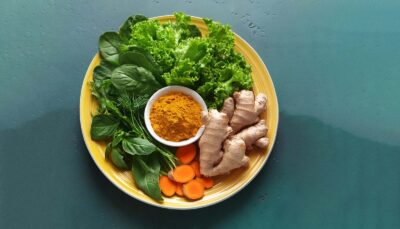
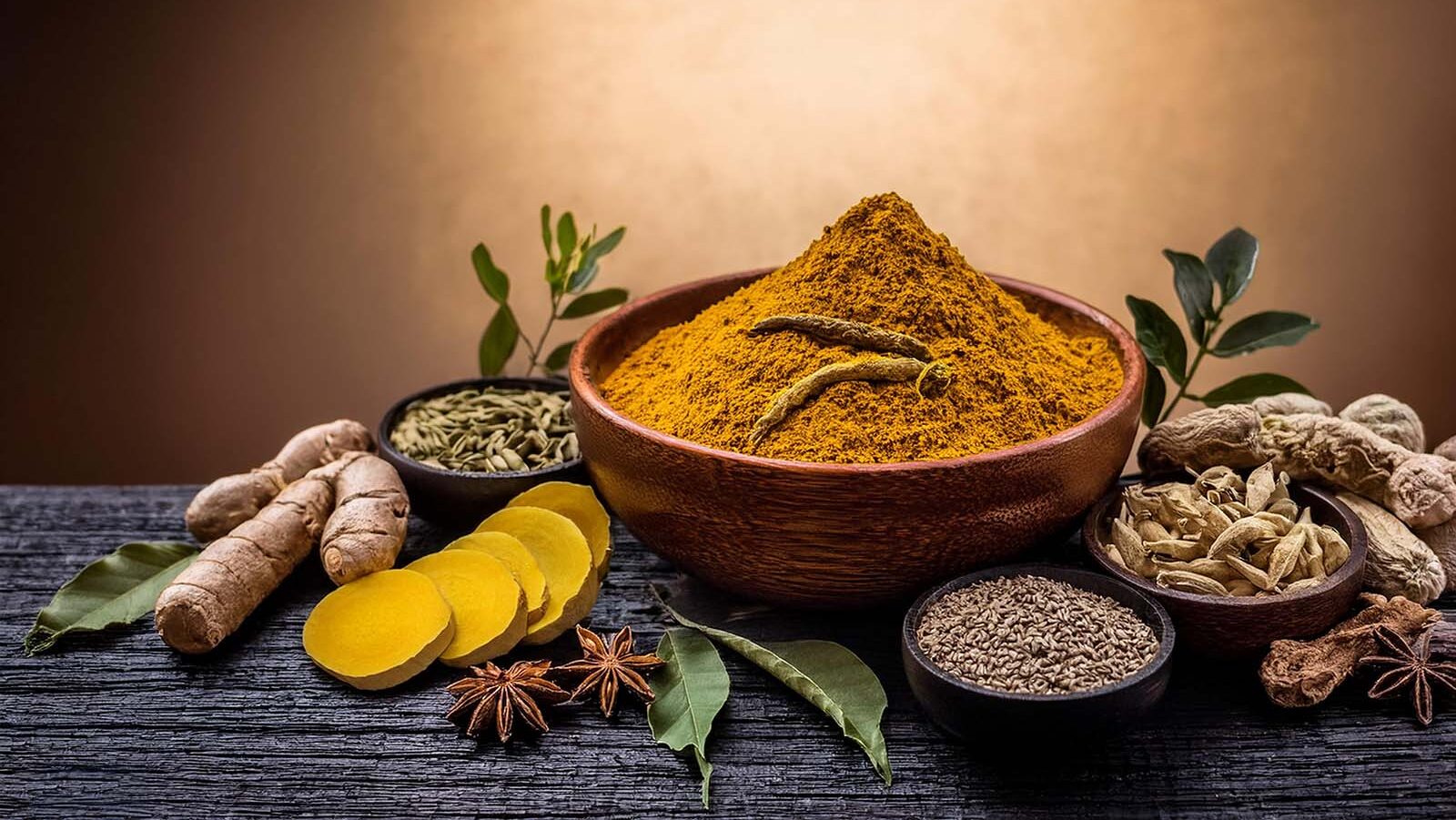
    Anti-inflammatory foods like turmeric, ginger and leafy

    4. Turmeric (Haldi)

    Turmeric is well-known for its anti-inflammatory properties but is also great for regulating blood sugar.

    • Benefits:
      • Reduces inflammation linked to insulin resistance
      • Improves liver function
      • Lowers glucose levels

    You can take turmeric with warm milk (golden milk) or as part of your daily cooking.

    5. Cinnamon (Dalchini)

    Cinnamon is a commonly used spice that has been shown to reduce blood sugar levels by mimicking insulin.

    • Benefits:
      • Improves insulin sensitivity
      • Lowers fasting blood sugar
      • Reduces post-meal blood sugar spikes

    Add cinnamon to your morning tea, oatmeal, or smoothies for its blood sugar-lowering benefits.

    6. Neem

    Neem leaves are bitter but are packed with medicinal properties that help lower blood sugar.

    • Benefits:
      • Reduces glucose absorption
      • Promotes insulin secretion
      • Protects pancreatic cells

    Neem can be consumed as juice, powder, or in the form of supplements. However, due to its strong taste, it may be easier to take as a supplement.

    7. Gymnema Sylvestre (Gurmar)

    Gymnema, also known as the “sugar destroyer,” helps reduce the absorption of sugar in the intestines.

    • Benefits:
      • Reduces sugar absorption
      • Suppresses sweet cravings
      • Increases insulin sensitivity

    You can take Gymnema as a supplement or in powder form, typically mixed with water or another liquid.

    8. Holy Basil (Tulsi)

    Tulsi is another powerful herb that supports blood sugar management by reducing stress and promoting insulin production.

    • Benefits:
      • Improves pancreatic function
      • Reduces stress-related blood sugar spikes
      • Balances blood sugar levels naturally

    You can consume Tulsi as a tea or add fresh leaves to your food.

    9. Cumin (Jeera)

    Cumin seeds help control blood sugar levels by reducing inflammation and improving insulin sensitivity.

    • Benefits:
      • Reduces post-meal blood sugar spikes
      • Improves digestion
      • Reduces inflammation

    Add cumin to your meals or drink cumin water for its blood sugar-lowering properties.

    10. Berberine (Daruharidra)

    Berberine, found in several plants, including Barberry, is known for its ability to lower blood sugar levels and improve insulin sensitivity.

    • Benefits:
      • Reduces glucose production in the liver
      • Enhances insulin sensitivity
      • Reduces sugar absorption

    Berberine is typically consumed in supplement form.

    Conclusion

    Ayurvedic herbs are a fantastic natural way to help regulate blood sugar levels. However, they should be used as part of a holistic approach that includes a balanced diet, exercise, and regular medical checkups. Always consult a healthcare professional before starting any herbal regimen, especially if you’re on medication for diabetes.

    By integrating these Ayurvedic herbs into your routine, you can naturally support your body’s ability to maintain balanced blood sugar levels.

  • Using Ayurvedic Oils for Muscle Pain Relief

    Using Ayurvedic Oils for Muscle Pain Relief

    Muscle pain can arise from various factors such as overexertion, injury, or stress. Ayurveda, the ancient Indian system of medicine, offers effective remedies in the form of therapeutic oils for relieving muscle pain. Ayurvedic oils, infused with medicinal herbs, are applied topically to provide relief and promote healing. These oils work by balancing the body’s doshas (Vata, Pitta, Kapha), reducing inflammation, and relaxing the muscles.

    Understanding Muscle Pain in Ayurveda

    In Ayurveda, muscle pain is often associated with an imbalance in the Vata dosha, which governs movement and activity in the body. When Vata becomes aggravated, it can lead to stiffness, pain, and discomfort in the muscles and joints. Using specific Ayurvedic oils can help calm Vata, promote circulation, and ease muscle tension.

    1. Mahanarayan Oil

    Benefits:

    Mahanarayan oil is one of the most renowned Ayurvedic oils for muscle and joint pain relief. It contains a blend of over 20 herbs, including Ashwagandha and Bala, which work together to reduce inflammation and improve muscle strength. The oil is particularly effective for chronic pain caused by conditions like arthritis and rheumatism.

    How to Use:

    • Warm the oil slightly before applying it to the affected area.
    • Gently massage the oil into the skin for 10-15 minutes.
    • Leave the oil on for at least an hour or overnight for deeper relief.

    2. Ashwagandha Oil

    Benefits:

    Ashwagandha oil is widely used in Ayurveda for its muscle-relaxing and stress-relieving properties. The oil helps alleviate pain caused by muscle tension, overuse, and stress-related conditions. It also helps in reducing fatigue and improving muscle recovery.

    How to Use:

    • Apply the oil to the sore muscles after a warm bath or shower.
    • Massage in circular motions to boost circulation and soothe muscle pain.

    3. Dhanwantharam Oil

    Benefits:

    Dhanwantharam oil is traditionally used for post-injury recovery and pain relief. It contains ingredients like Bala and sesame oil, which help reduce inflammation, strengthen muscles, and improve mobility. It’s especially beneficial for muscle stiffness and pain caused by Vata imbalance.

    How to Use:

    • Warm the oil before applying it to the affected muscles.
    • Massage for 10-20 minutes, followed by a warm compress for deeper penetration.

    4. Karpasasthyadi Oil

    Benefits:

    Karpasasthyadi oil is beneficial for relieving muscular pain, especially related to injuries and nerve damage. It contains herbs like cottonseed oil and sesame oil, which help reduce swelling and promote healing in sore muscles and joints.

    How to Use:

    • Use this oil for gentle massages on the affected areas.
    • Regular use helps improve mobility and reduces chronic pain over time.

    5. Sesame Oil (Til Taila)

    Benefits:

    Sesame oil, also known as Til Taila, is a base oil in many Ayurvedic formulations. Its warming and grounding properties make it an excellent oil for relieving muscle pain and stiffness caused by Vata imbalance. It is rich in antioxidants and penetrates deep into the tissues to provide long-lasting relief.

    How to Use:

    • Warm the sesame oil and apply it directly to the painful muscles.
    • Massage gently for 10-15 minutes, allowing the oil to absorb into the skin.
    • You can also mix sesame oil with other Ayurvedic herbs for enhanced effects.

    6. Eucalyptus Oil

    Benefits:

    Though not traditionally Ayurvedic, eucalyptus oil is often incorporated into Ayurvedic treatments for muscle pain. Its cooling and anti-inflammatory properties help in relieving pain, reducing swelling, and promoting relaxation in overworked muscles.

    How to Use:

    • Dilute a few drops of eucalyptus oil with a carrier oil like sesame or coconut oil.
    • Massage it onto the affected muscles for immediate relief.

    7. Nirgundi Oil

    Benefits:

    Nirgundi oil is specifically used for reducing muscle inflammation and pain. Its anti-inflammatory properties make it highly effective for treating muscle sprains, soreness, and chronic conditions like arthritis.

    How to Use:

    • Apply Nirgundi oil to the painful areas and massage gently.
    • For enhanced relief, use a warm compress after the massage.

    8. Sahacharadi Oil

    Benefits:

    Sahacharadi oil is known for its ability to relieve muscle stiffness and improve circulation. It is used for treating muscle spasms, soreness, and pain, particularly in the lower back and legs. This oil is helpful for conditions where the muscles feel tight and cramped.

    How to Use:

    • Warm the oil and apply it to the affected muscles.
    • Massage for 10-15 minutes daily to improve muscle flexibility and reduce pain.

    Ayurvedic Oils for Muscle Pain Relief

    How Ayurvedic Oils Work

    Ayurvedic oils are often infused with herbs that have anti-inflammatory, pain-relieving, and warming properties. When massaged into the skin, these oils help improve blood circulation, reduce inflammation, and promote relaxation in sore muscles. The warmth of the oil and massage helps soothe muscle tension, while the herbs work at a deeper level to reduce pain and heal the tissue.

    Benefits of Ayurvedic Oil Massage

    • Improved Circulation: Massaging oils into the skin increases blood flow, bringing more oxygen and nutrients to the muscles.
    • Reduced Inflammation: Ayurvedic oils often contain anti-inflammatory herbs that help reduce swelling and pain.
    • Relaxation: The act of massaging the oils into the muscles has a calming effect, which helps in reducing stress-related muscle tension.
    • Enhanced Recovery: Regular oil massages help speed up the healing process after muscle injuries or overexertion.

    Conclusion

    Ayurvedic oils offer a natural and effective way to manage muscle pain. With the right oil and massage techniques, you can reduce inflammation, relieve soreness, and promote overall muscle health. Incorporating these Ayurvedic practices into your routine not only alleviates pain but also supports long-term muscle recovery and well-being. Always consult with an Ayurvedic practitioner to choose the best oils and methods for your specific needs.

  • How to Use Shikakai and Reetha for Hair Health

    How to Use Shikakai and Reetha for Hair Health

    Shikakai and reetha (soapnut) are two powerful ingredients in Ayurvedic hair care, renowned for their ability to promote healthy hair and scalp. These natural herbs are often used as alternatives to commercial shampoos and conditioners, providing a gentle and effective way to cleanse and nourish hair. Here’s how to use shikakai and reetha for optimal hair health.

    Benefits of Shikakai and Reetha

    • Shikakai: Known for its mild cleansing properties, shikakai helps to maintain the natural oils of the scalp while promoting hair growth, reducing dandruff, and preventing premature graying.
    • Reetha: Reetha acts as a natural cleanser and conditioner, helping to remove dirt and impurities without stripping the hair of its natural moisture. It also adds shine and softness to the hair.

    Preparation Methods

    1. Shikakai and Reetha Powder Mix

    Ingredients:

    • 2 tablespoons shikakai powder
    • 2 tablespoons reetha powder
    • Water

    How to Use:

    1. Mix the shikakai and reetha powders in a bowl.
    2. Gradually add water to form a thick paste.
    3. Apply the paste to wet hair, starting from the scalp and working your way down to the tips.
    4. Massage gently for a few minutes to ensure even distribution.
    5. Leave it on for about 15-20 minutes, then rinse thoroughly with water. You may follow with a conditioner if needed.

    2. Shikakai and Reetha Infusion

    Ingredients:

    • 3-4 shikakai pods
    • 3-4 reetha pods
    • 2-3 cups water

    How to Use:

    1. Boil the shikakai and reetha pods in water for about 15-20 minutes until the water reduces to about half.
    2. Allow the mixture to cool and strain it to remove the solids.
    3. Use the liquid as a hair rinse after shampooing. Massage it into your scalp and hair, then rinse with water for added shine and softness.

    3. Shikakai and Reetha Hair Wash

    Ingredients:

    • 2 tablespoons shikakai powder
    • 2 tablespoons reetha powder
    • 1 cup warm water
    • Optional: A few drops of essential oil (like lavender or rosemary)

    How to Use:

    1. Combine the shikakai and reetha powders in a bowl.
    2. Add warm water and stir until you achieve a smooth consistency.
    3. If desired, add a few drops of essential oil for fragrance and additional benefits.
    4. Apply the mixture to wet hair, massaging it into the scalp and strands.
    5. Rinse thoroughly with water. This method can be used as a gentle shampoo alternative.

    Additional Tips

    • Frequency: Use shikakai and reetha as a hair wash 1-2 times a week, depending on your hair type and needs.
    • Storage: Store any leftover powder in an airtight container in a cool, dry place. The infusion can be refrigerated for a few days.
    • Patch Test: Always perform a patch test before using new herbal treatments, especially if you have sensitive skin or allergies.

    Conclusion

    Using shikakai and reetha in your hair care routine can significantly improve hair health, making it stronger, shinier, and more manageable. These natural ingredients are not only effective but also free from harsh chemicals, making them a great choice for anyone looking to maintain healthy hair in a gentle, holistic way. Enjoy the benefits of Ayurveda and embrace your beautiful, natural locks!

  • Natural Herbs for Reducing Joint Inflammation

    Natural Herbs for Reducing Joint Inflammation

    Joint inflammation, often caused by conditions like arthritis, can lead to pain, stiffness, and reduced mobility. Ayurveda, the ancient holistic system of medicine, offers natural solutions to alleviate inflammation and support joint health. Ayurvedic herbs, known for their anti-inflammatory and healing properties, provide long-lasting relief without the side effects associated with conventional medications. Here are some of the top Ayurvedic herbs for reducing joint inflammation.

    Understanding Joint Inflammation in Ayurveda

    In Ayurveda, joint inflammation is typically associated with an imbalance in the Vata dosha, which governs movement in the body. Excess Vata can dry out the joints, leading to pain and inflammation. Additionally, imbalances in Pitta (associated with heat and inflammation) and Kapha (related to stiffness) can also contribute to joint issues.

    1. Ashwagandha (Withania somnifera)

    How it Helps:

    Ashwagandha, a powerful adaptogen, is well-known for its ability to reduce stress and inflammation. It helps balance the Vata and Kapha doshas, easing joint pain and inflammation over time. Its anti-inflammatory properties help to protect the joints from further damage.

    How to Use:

    • Take Ashwagandha in powdered form, mixed with warm milk or water.
    • It can also be consumed as a capsule or extract.

    2. Turmeric (Curcuma longa)

    How it Helps:

    Turmeric is one of the most well-researched Ayurvedic herbs for its potent anti-inflammatory and antioxidant properties. Its active compound, curcumin, helps reduce joint inflammation and pain, particularly in conditions like osteoarthritis and rheumatoid arthritis.

    How to Use:

    • Add turmeric powder to your daily meals.
    • For more potent effects, take turmeric supplements or mix the powder with warm milk and black pepper (which helps increase curcumin absorption).

    3. Guggul (Commiphora mukul)

    How it Helps:

    Guggul is a resin known for its strong anti-inflammatory and rejuvenating properties. It is often used in Ayurvedic formulations to reduce joint swelling, stiffness, and pain. Guggul helps balance Vata and Pitta doshas, making it ideal for inflammatory conditions.

    How to Use:

    • Guggul is typically available in tablet or capsule form.
    • Consult an Ayurvedic practitioner for the correct dosage and formulation.

    4. Shallaki (Boswellia serrata)

    How it Helps:

    Shallaki, also known as Indian frankincense, is another powerful herb with strong anti-inflammatory properties. It reduces joint inflammation, improves mobility, and may help slow down cartilage loss in conditions like osteoarthritis.

    How to Use:

    • Shallaki is available in capsules and extract form.
    • Consuming it regularly can help reduce inflammation and protect joint health.

    5. Ginger (Zingiber officinale)

    How it Helps:

    Ginger is widely used in Ayurveda for its warming and anti-inflammatory properties. It helps in reducing Vata and Kapha dosha imbalances and provides relief from joint pain and stiffness by improving circulation and reducing inflammation.

    How to Use:

    • Add fresh or powdered ginger to your meals.
    • Drink ginger tea daily to relieve joint inflammation.

    6. Nirgundi (Vitex negundo)

    How it Helps:

    Nirgundi is known for its ability to reduce joint swelling and pain. It helps alleviate Vata and Kapha imbalances, making it ideal for treating arthritis and other inflammatory joint conditions.

    How to Use:

    • Nirgundi oil can be applied topically to affected joints.
    • Nirgundi leaf paste or powder can be consumed under the guidance of an Ayurvedic practitioner.

    7. Triphala

    How it Helps:

    Triphala, a combination of three fruits—Amalaki, Bibhitaki, and Haritaki—acts as a powerful detoxifier. It helps remove toxins from the body, reduces inflammation, and promotes overall health. Triphala supports digestion and helps manage Vata imbalance, which is key to reducing joint inflammation.

    How to Use:

    • Take Triphala powder with warm water before bed for gentle detoxification and anti-inflammatory effects.

    8. Methi (Fenugreek)

    How it Helps:

    Fenugreek seeds are rich in anti-inflammatory compounds and antioxidants, making them effective for reducing joint inflammation and pain. They are particularly helpful in reducing Vata and Kapha imbalances.

    How to Use:

    • Soak fenugreek seeds overnight and consume them in the morning.
    • Fenugreek powder can also be added to food or taken with water.

    9. Bala (Sida cordifolia)

    How it Helps:

    Bala, which means “strength” in Sanskrit, is an herb that helps strengthen muscles and joints. It is particularly useful for managing Vata imbalances and relieving joint pain caused by inflammation.

    How to Use:

    • Bala oil can be used for massages to soothe inflamed joints.
    • It can also be consumed in powder or capsule form under the guidance of an Ayurvedic practitioner.

    10. Ajwain (Carom seeds)

    How it Helps:

    Ajwain, commonly used in Indian cooking, has strong anti-inflammatory properties that help reduce joint pain and inflammation. It is especially beneficial for Vata and Kapha related joint issues.

    How to Use:

    • Soak ajwain seeds in water overnight and drink the water the next morning.
    • Ajwain oil can be applied topically for joint pain relief.

    Joint Inflammation

    Conclusion

    Ayurvedic herbs offer a natural and holistic approach to managing joint inflammation. By incorporating these herbs into your daily routine, you can reduce inflammation, ease pain, and support overall joint health. However, it’s essential to consult with an Ayurvedic practitioner before starting any herbal regimen, as they can recommend the best herbs and dosages based on your unique constitution and condition. With the right guidance, these Ayurvedic herbs can help you manage joint inflammation and improve your quality of life naturally.

  • Herbal Face Packs for Acne and Skin Brightening

    Herbal Face Packs for Acne and Skin Brightening

    Acne and dull skin can be frustrating, but Ayurvedic herbal face packs can provide effective natural solutions. These face packs utilize the power of herbs and natural ingredients to combat acne, reduce inflammation, and brighten the skin. Here are some effective herbal face packs to try at home.

    1. Neem and Turmeric Face Pack

    Ingredients:

    • 2 tablespoons neem powder
    • 1 teaspoon turmeric powder
    • Water or rose water

    Benefits: Neem has antibacterial properties that help fight acne, while turmeric reduces inflammation and brightens the skin.

    How to Use:

    1. Mix neem powder and turmeric in a bowl.
    2. Add water or rose water to form a paste.
    3. Apply the pack to your face, focusing on affected areas.
    4. Leave it on for 20-30 minutes, then rinse with warm water.

    2. Multani Mitti (Fuller’s Earth) and Rose Water Pack

    Ingredients:

    • 2 tablespoons multani mitti
    • 2 tablespoons rose water

    Benefits: Multani mitti absorbs excess oil and impurities, making it ideal for oily and acne-prone skin, while rose water soothes and hydrates.

    How to Use:

    1. Combine multani mitti and rose water to form a smooth paste.
    2. Apply evenly to your face and neck.
    3. Let it dry for 15-20 minutes, then rinse off with lukewarm water.

    3. Gram Flour and Yogurt Pack

    Ingredients:

    • 2 tablespoons gram flour (besan)
    • 2 tablespoons plain yogurt
    • A pinch of turmeric

    Benefits: Gram flour helps exfoliate the skin and absorb excess oil, while yogurt provides moisture and brightens the complexion.

    How to Use:

    1. Mix gram flour, yogurt, and turmeric in a bowl.
    2. Apply the mixture to your face and massage gently.
    3. Leave it on for 20 minutes, then rinse with cool water.

    4. Aloe Vera and Honey Pack

    Ingredients:

    • 2 tablespoons fresh aloe vera gel
    • 1 tablespoon honey

    Benefits: Aloe vera is known for its soothing properties, while honey has antibacterial and moisturizing effects, making this pack great for acne-prone skin.

    How to Use:

    1. Blend aloe vera gel and honey until smooth.
    2. Apply the mixture to your face and neck.
    3. Leave it on for 20-30 minutes, then rinse with lukewarm water.

    5. Sandalwood and Milk Pack

    Ingredients:

    • 2 tablespoons sandalwood powder
    • 2 tablespoons milk or rose water

    Benefits: Sandalwood has cooling properties that help reduce inflammation, while milk nourishes and brightens the skin.

    How to Use:

    1. Mix sandalwood powder with milk or rose water to create a paste.
    2. Apply the pack evenly to your face.
    3. Leave it on for 20 minutes, then rinse with warm water.

    6. Papaya and Honey Pack

    Ingredients:

    • 1/2 ripe papaya
    • 1 tablespoon honey

    Benefits: Papaya contains enzymes that exfoliate and brighten the skin, while honey moisturizes and fights bacteria.

    How to Use:

    1. Mash the papaya in a bowl and mix in honey.
    2. Apply the mixture to your face and let it sit for 20-30 minutes.
    3. Rinse with warm water for a fresh glow.

    Conclusion

    These herbal face packs harness the power of natural ingredients to help combat acne and brighten the skin. Regular use can improve your skin’s texture and appearance, promoting a healthy, radiant glow. Always perform a patch test before trying new ingredients, especially if you have sensitive skin. Enjoy the benefits of these simple, effective Ayurvedic remedies for beautiful skin!

  • Dietary Changes for Lowering Blood Pressure

    Dietary Changes for Lowering Blood Pressure

    Hypertension, or high blood pressure, is a common health issue that can lead to serious cardiovascular conditions if not properly managed. Ayurveda, the ancient science of holistic healing, offers natural dietary recommendations to help regulate blood pressure by balancing the body’s doshas, particularly Pitta and Vata, which often play a role in hypertension.

    By making specific dietary changes, you can not only manage high blood pressure but also promote overall heart health. Here are Ayurvedic dietary guidelines to help lower blood pressure naturally.

    1. Understanding the Doshas and Blood Pressure

    The Role of Pitta and Vata in Hypertension

    In Ayurveda, high blood pressure is often associated with imbalances in the Pitta and Vata doshas:

    • Pitta Imbalance: Leads to inflammation, irritability, and excessive heat in the body, which can increase blood pressure.
    • Vata Imbalance: Causes irregularities in circulation, anxiety, and nervous tension, contributing to elevated blood pressure.

    By focusing on a diet that calms Pitta and stabilizes Vata, you can naturally lower blood pressure and promote heart health.

    2. Foods to Include for Lower Blood Pressure

    Cooling and Hydrating Foods

    Since Pitta imbalance often leads to overheating in the body, consuming cooling foods helps calm this dosha and reduce blood pressure. Focus on foods that are hydrating, cooling, and light on the digestive system.

    1. Fresh Vegetables

    • Cucumbers, zucchini, leafy greens (spinach, kale), and celery are cooling vegetables that hydrate the body and help in lowering blood pressure.
    • These vegetables are also rich in potassium, which plays a key role in managing blood pressure by balancing sodium levels in the body.

    2. Fruits

    • Fruits like watermelon, pomegranate, and apples are excellent for balancing Pitta and reducing blood pressure.
    • Pomegranate is particularly known for its heart-healthy properties and helps improve blood circulation and lower blood pressure.

    3. Whole Grains

    • Whole grains like brown rice, quinoa, and barley are beneficial for reducing Vata and Pitta imbalances, providing long-lasting energy without spiking blood sugar levels, which can stress the heart.

    Healthy Fats

    In Ayurveda, healthy fats are recommended to nourish the body and stabilize the Vata dosha, which is responsible for the movement of blood and other fluids in the body.

    1. Ghee

    • Ghee, or clarified butter, is an excellent source of healthy fat that balances Vata and soothes Pitta. It helps improve circulation and reduce inflammation.
    • Consume small amounts of ghee in cooking to add a heart-healthy fat to your diet.

    2. Coconut Oil

    • Coconut oil has cooling properties, making it ideal for reducing Pitta. It also helps improve cholesterol levels, promoting heart health.
    • Use coconut oil for cooking, especially during warmer months.

    Spices and Herbs to Lower Blood Pressure

    Ayurvedic spices and herbs are powerful tools for improving circulation, reducing inflammation, and lowering blood pressure. Some of the best spices for managing blood pressure include:

    1. Garlic

    • Garlic is one of the most potent natural remedies for lowering blood pressure. It helps dilate blood vessels, improving circulation and reducing the pressure on artery walls.

    2. Turmeric

    • Turmeric is anti-inflammatory and supports cardiovascular health. It helps reduce arterial inflammation, which is often associated with high blood pressure.

    3. Cinnamon

    • Cinnamon is beneficial for balancing blood sugar levels and reducing hypertension. Add it to teas, smoothies, or oatmeal for a subtle flavor and health benefits.

    4. Basil

    • Basil helps reduce stress levels and supports heart health by lowering blood pressure. You can add fresh basil leaves to soups, salads, or herbal teas.

    Legumes

    Legumes such as lentils, mung beans, and chickpeas are an excellent source of protein and fiber. They are light and easy to digest, making them a great choice for those with high blood pressure.

    • Mung beans are especially recommended in Ayurveda for their cooling properties and ability to balance all three doshas.

    3. Foods to Avoid for Lowering Blood Pressure

    Salty and Processed Foods

    Excessive salt intake is one of the leading causes of high blood pressure. In Ayurveda, salty foods aggravate the Pitta and Kapha doshas, leading to water retention, increased blood volume, and elevated blood pressure.

    • Avoid processed foods, canned items, and ready-made sauces, as they often contain hidden sodium.
    • Limit your intake of salty snacks, pickles, and cured meats.

    Fried and Fatty Foods

    Fried foods are heavy and aggravate Kapha and Pitta, both of which can contribute to weight gain, high cholesterol, and high blood pressure.

    • Replace fried foods with baked or steamed options.
    • Reduce consumption of fatty meats and dairy products, opting for plant-based sources of protein and fats.

    Spicy and Hot Foods

    Excessively spicy foods aggravate Pitta and increase internal heat, which can lead to higher blood pressure.

    • Limit your consumption of hot peppers, chilies, and overly spicy dishes, especially if you have a Pitta imbalance.
    • Opt for milder spices like coriander, fennel, and cardamom that are cooling and calming.

    Caffeine and Alcohol

    Caffeine and alcohol stimulate the nervous system, increasing Vata and Pitta, and can lead to spikes in blood pressure.

    • Reduce your intake of coffee, tea, and alcohol, as they can lead to dehydration and strain the heart.
    • If you drink tea, opt for herbal teas like tulsi or chamomile, which are calming and help lower blood pressure.

    4. Hydration for Blood Pressure Regulation

    Stay Hydrated with Water

    Proper hydration is essential for maintaining healthy blood pressure levels. Dehydration can aggravate Vata, causing irregular heartbeats and poor circulation.

    • Drink plenty of water throughout the day, especially during hot weather or after physical activity.
    • Add a few drops of lime or lemon juice to water for a refreshing, heart-friendly drink.

    Herbal Teas

    Herbal teas are an excellent way to stay hydrated while also benefiting from the medicinal properties of herbs. Some of the best herbal teas for lowering blood pressure include:

    • Tulsi Tea: Balances Vata and Pitta, reduces stress, and supports heart health.
    • Hibiscus Tea: Known for its ability to lower blood pressure and support cardiovascular health.
    • Chamomile Tea: Calming and stress-relieving, helping reduce Vata imbalances and hypertension.

    5. Mindful Eating Practices

    Eat Slowly and Mindfully

    Ayurveda emphasizes mindful eating to support digestion and reduce stress on the body. Eating too quickly or while stressed can aggravate Vata and Pitta, leading to digestive issues and increased blood pressure.

    • Sit down and take time to enjoy your meals.
    • Avoid distractions like TV or work while eating.
    • Chew your food slowly and thoroughly to aid digestion and promote relaxation.

    Conclusion

    Ayurvedic dietary changes offer a natural and effective way to manage blood pressure by focusing on balance, nourishment, and mindful eating. By incorporating cooling, hydrating foods, heart-healthy fats, and beneficial spices into your daily diet, and avoiding processed, salty, and heavy foods, you can promote cardiovascular health and lower blood pressure.

    Incorporating these Ayurvedic principles into your lifestyle, along with regular exercise and stress management, can help keep your blood pressure in check and support long-term heart health. Always consult with an Ayurvedic practitioner to personalize your diet based on your unique constitution and health needs.

  • The Ayurvedic Approach to Sustained Weight Loss

    The Ayurvedic Approach to Sustained Weight Loss

    Ayurveda, the ancient Indian system of holistic medicine, provides a natural, sustainable approach to weight loss that focuses on balancing the body’s doshas—Vata, Pitta, and Kapha. Unlike modern diets, which often lead to short-term results and can be harsh on the body, Ayurveda emphasizes slow, steady, and long-lasting weight loss by aligning with your body’s unique constitution and promoting overall well-being. The Ayurvedic approach doesn’t just aim to shed pounds but to bring the body into balance, improve digestion, and support long-term health.

    Understanding Ayurvedic Weight Loss

    According to Ayurveda, weight gain is primarily linked to an imbalance in the Kapha dosha, which is associated with heaviness, sluggishness, and water retention. Kapha types are more prone to gaining weight, but all doshas can experience weight issues if their metabolism (agni) is weak or out of balance.

    How Ayurveda Views Weight Loss

    Ayurveda teaches that weight gain occurs when there is excess ama (toxins) in the body, poor digestion, and an accumulation of Kapha. By focusing on eliminating toxins, stimulating digestive fire, and balancing the doshas, Ayurveda promotes weight loss that is gentle, gradual, and aligned with your body’s needs.

    Weight Loss

    Key Principles of Ayurvedic Weight Loss

    1. Balance the Doshas

    In Ayurveda, each person has a unique constitution, or Prakriti, which is a balance of the three doshas: Vata, Pitta, and Kapha. To achieve weight loss, it’s important to balance the dosha that is contributing to the weight gain. For many, this means reducing Kapha energy, which can cause sluggish digestion and fat accumulation.

    • Kapha: Focus on light, warming foods and vigorous exercise.
    • Pitta: Opt for cooling foods that prevent inflammation and overeating.
    • Vata: Favor grounding, nourishing foods to avoid erratic eating patterns.

    2. Improve Digestion (Agni)

    Strong digestion is crucial in Ayurveda for maintaining a healthy weight. When digestion is weak, toxins (ama) accumulate in the body, leading to weight gain. By enhancing the digestive fire (agni), Ayurveda helps the body burn calories more efficiently and eliminate waste products.

    • How to strengthen digestion: Drink warm water throughout the day, use spices like ginger, cumin, and fennel in cooking, and avoid cold or processed foods that can slow down digestion.

    3. Detoxify the Body

    Ayurveda recommends regular detoxification to remove ama (toxins) and reset the body’s natural balance. Detoxifying practices, such as Panchakarma, not only help with weight loss but also improve energy levels, boost immunity, and enhance mental clarity.

    • Detox methods: Drink herbal teas, eat light and nourishing foods, and practice oil pulling or dry brushing to cleanse the body. Panchakarma is a more intensive detox regimen offered at Ayurvedic centers.

    4. Eat Mindfully

    Ayurveda encourages mindful eating, which helps prevent overeating and promotes better digestion. Eating in a calm environment and paying attention to the body’s hunger and fullness cues can make a significant difference in weight management.

    • Tips for mindful eating: Eat slowly, chew your food thoroughly, avoid distractions like TV or phones during meals, and stop eating when you feel 80% full.

    Weight Loss, Detox

    Ayurvedic Practices for Sustained Weight Loss

    Ayurveda’s approach to weight loss isn’t about quick fixes or extreme diets. Instead, it focuses on long-term lifestyle changes that can be maintained over time. Here are some effective Ayurvedic practices to support sustainable weight loss.

    1. Ayurvedic Herbs for Weight Loss

    Ayurveda uses natural herbs and formulations that help boost metabolism, improve digestion, and reduce fat accumulation.

    • Triphala: A combination of three fruits that detoxifies the digestive system and supports weight loss by improving bowel movements.
    • Guggul: Known for its fat-burning properties, Guggul stimulates metabolism and lowers cholesterol.
    • Garcinia Cambogia (Vrikshamla): Suppresses appetite and blocks the production of fat.
    • Turmeric: Reduces inflammation and improves digestion, preventing weight gain due to poor digestion.

    2. Daily Routine (Dinacharya)

    Establishing a regular routine is essential in Ayurveda for maintaining balance and promoting weight loss. A daily routine helps align the body’s natural rhythms with nature, which supports metabolism and overall health.

    • Morning routine: Start your day with a glass of warm lemon water to stimulate digestion and cleanse the system.
    • Exercise: Engage in daily physical activity that suits your dosha. For Kapha types, vigorous exercise like running or cycling is recommended, while Vata types benefit from gentle yoga and walking.
    • Sleep: Get adequate rest by going to bed and waking up at the same time every day. Proper sleep supports healthy metabolism and prevents weight gain.

    3. Eat According to Your Dosha

    Each dosha has specific dietary needs to maintain balance. Eating according to your dosha type can help prevent weight gain and promote overall health.

    • Kapha: Focus on light, spicy, and astringent foods. Avoid heavy, oily, and sugary foods.
    • Pitta: Choose cooling, mildly spiced foods. Avoid too much heat or acidity in your diet.
    • Vata: Favor warm, grounding, and nourishing foods like soups and stews. Avoid cold, raw foods.

    4. Ayurvedic Spices to Boost Metabolism

    Spices are an essential part of Ayurvedic weight loss. They help ignite the digestive fire and improve the body’s ability to metabolize food and burn fat.

    • Cumin: Enhances digestion and metabolism.
    • Ginger: Stimulates digestion and burns fat.
    • Black Pepper: Contains piperine, which boosts metabolism and improves the absorption of other nutrients.
    • Cinnamon: Balances blood sugar levels, preventing insulin spikes and fat storage.

    5. Stress Management

    In Ayurveda, stress and emotional imbalance can lead to weight gain, particularly around the belly area. Managing stress through Ayurvedic practices like yoga, meditation, and pranayama (breathing exercises) is key to sustainable weight loss.

    • Meditation: Regular meditation helps calm the mind and reduce emotional eating.
    • Yoga: A daily yoga practice improves flexibility, strength, and balance while reducing stress levels.
    • Pranayama: Breathing exercises like kapalbhati (a vigorous, belly-centric breathing technique) are excellent for stimulating digestion and promoting fat loss.

    Ayurvedic Lifestyle for Long-Term Weight Management

    Sustaining weight loss is not just about what you eat but also how you live. Ayurveda offers lifestyle recommendations that promote balance and help maintain a healthy weight over time.

    1. Avoid Overeating and Snacking

    Ayurveda advises eating three balanced meals a day and avoiding frequent snacking, which can overload the digestive system and lead to weight gain. Eating meals at regular times helps regulate metabolism and keeps digestion strong.

    2. Stay Hydrated

    Drink warm water throughout the day to aid digestion and eliminate toxins. Warm water helps break down fats and prevents them from accumulating in the body.

    3. Seasonal Eating

    Ayurveda emphasizes eating in accordance with the seasons to maintain dosha balance. For instance, in the cold, damp winter months, when Kapha is predominant, it’s important to eat warming, light foods to prevent weight gain.

    4. Regular Detox

    Seasonal detoxes using Ayurvedic practices like Panchakarma can help reset the digestive system, eliminate toxins, and maintain a healthy weight. Detoxifying the body also improves energy levels and mental clarity.

    Conclusion

    The Ayurvedic approach to sustained weight loss is about more than just losing pounds—it’s about creating balance within the body and mind for long-term health. By following Ayurvedic principles such as balancing the doshas, improving digestion, using natural herbs, and making mindful lifestyle changes, you can achieve weight loss that is gradual, sustainable, and nourishing for your overall well-being. This holistic, natural method not only helps shed excess weight but also supports a healthier, more vibrant life.

  • Natural Solutions for Arthritis Pain Relief

    Natural Solutions for Arthritis Pain Relief

    Arthritis is a common condition that causes pain, swelling, and stiffness in the joints. It can significantly affect daily life, making even simple tasks difficult. While conventional medicine often focuses on managing symptoms with painkillers and anti-inflammatory drugs, natural remedies offer long-term, holistic solutions that target the root causes of arthritis pain. In this article, we’ll explore some of the most effective natural approaches to managing arthritis pain and improving joint health.

    Understanding Arthritis

    Arthritis refers to inflammation of the joints, and there are two main types:

    • Osteoarthritis (OA): Caused by wear and tear on the joints, leading to cartilage breakdown.
    • Rheumatoid Arthritis (RA): An autoimmune disorder where the immune system attacks the joints, causing inflammation and pain.

    Both types can cause chronic pain, reduced mobility, and discomfort. Natural solutions aim to reduce inflammation, improve joint health, and alleviate pain without the side effects associated with prescription drugs.

    1. Herbal Remedies

    Many herbs have been traditionally used in natural medicine to reduce inflammation and provide pain relief. Here are some of the most effective ones for arthritis:

    Turmeric

    Turmeric contains curcumin, a compound with powerful anti-inflammatory and antioxidant properties. It can help reduce joint pain and stiffness, especially in osteoarthritis and rheumatoid arthritis patients.

    How to Use:

    • Add turmeric powder to curries, soups, or smoothies.
    • Take curcumin supplements for a more concentrated dose.

    Boswellia (Indian Frankincense)

    Boswellia has been shown to reduce inflammation and prevent cartilage loss. It is particularly helpful for those with rheumatoid arthritis, as it inhibits pro-inflammatory enzymes.

    How to Use:

    • Available in capsule or resin form.
    • Can be taken as a supplement under a healthcare provider’s guidance.

    Ginger

    Ginger works as a natural anti-inflammatory by blocking the formation of inflammatory compounds. It can help reduce muscle pain, joint pain, and stiffness.

    How to Use:

    • Drink ginger tea by steeping fresh ginger slices in hot water.
    • Add fresh or powdered ginger to your meals.

    2. Exercise and Movement

    While arthritis pain might make you want to avoid physical activity, regular movement is essential for maintaining joint health and flexibility. Low-impact exercises can strengthen the muscles around your joints, reduce stiffness, and improve overall mobility.

    Recommended Exercises:

    • Yoga: Gentle stretching and poses in yoga help increase flexibility, reduce pain, and promote relaxation. Yoga also helps reduce stress, which can exacerbate arthritis symptoms.
    • Swimming or Water Aerobics: Exercising in water reduces the stress on your joints while allowing you to build muscle and increase range of motion.
    • Walking: Regular walking can improve circulation, strengthen leg muscles, and reduce joint stiffness.

    Tip:

    Avoid high-impact activities like running or jumping that can put excessive strain on your joints.

    3. Hot and Cold Therapy

    Using hot and cold therapy can provide immediate pain relief and reduce inflammation. Each method serves a different purpose and can be alternated depending on the type of discomfort you experience.

    Heat Therapy:

    • How it helps: Heat relaxes tense muscles and improves circulation, providing relief from stiffness and muscle spasms.
    • How to use: Apply a warm towel, heating pad, or take a warm bath to soothe stiff joints.

    Cold Therapy:

    • How it helps: Cold reduces inflammation, numbs sharp pain, and slows down nerve impulses, making it great for acute flare-ups.
    • How to use: Wrap an ice pack in a towel and apply it to the affected area for 10-15 minutes.

    4. Dietary Changes

    Your diet plays a significant role in managing inflammation and arthritis pain. Eating anti-inflammatory foods can help reduce joint inflammation, while certain foods can worsen arthritis symptoms.

    Foods to Include:

    • Omega-3 Fatty Acids: Found in fatty fish (salmon, mackerel), flaxseeds, and chia seeds, omega-3s have strong anti-inflammatory effects.
    • Leafy Greens: Vegetables like spinach, kale, and broccoli contain antioxidants that help fight inflammation.
    • Berries: Blueberries, strawberries, and cherries are rich in antioxidants and anti-inflammatory compounds that protect the joints.
    • Nuts and Seeds: Almonds, walnuts, and flaxseeds contain healthy fats that can reduce inflammation and support joint health.

    Foods to Avoid:

    • Processed Foods: High in unhealthy fats and sugars, processed foods can worsen inflammation and contribute to weight gain, which puts added pressure on your joints.
    • Red Meat: High in saturated fats, red meat can trigger inflammatory responses in the body.
    • Refined Carbs and Sugars: White bread, pastries, and sugary drinks can spike inflammation levels.

    5. Supplements for Joint Health

    Certain supplements can support joint health and reduce arthritis symptoms when taken regularly. Some of the most effective ones include:

    Glucosamine and Chondroitin

    These compounds are naturally found in cartilage and are often taken together to help slow down cartilage deterioration and reduce pain in osteoarthritis patients.

    Omega-3 Fatty Acids

    Omega-3s, found in fish oil supplements, reduce inflammation throughout the body and help prevent joint stiffness.

    Vitamin D

    Vitamin D helps regulate calcium absorption and is essential for bone and joint health. A deficiency can worsen arthritis symptoms, so it’s important to ensure you’re getting enough.

    6. Acupuncture

    Acupuncture is an ancient Chinese therapy that involves inserting thin needles into specific points on the body to reduce pain and inflammation. For arthritis, acupuncture can help by:

    • Stimulating blood flow to the affected areas.
    • Releasing endorphins, the body’s natural painkillers.
    • Relaxing tight muscles and reducing stress.

    Many people with arthritis report significant pain relief after acupuncture sessions, though results may vary.

    7. Stress Reduction Techniques

    Stress can exacerbate arthritis pain by increasing muscle tension and inflammation in the body. Mind-body techniques can help manage pain by promoting relaxation and reducing the body’s stress response.

    Practices to Consider:

    • Meditation: Regular meditation practice helps calm the mind and body, reducing the perception of pain.
    • Deep Breathing: Focusing on slow, deep breaths can help lower stress levels and reduce pain intensity.
    • Progressive Muscle Relaxation: This technique involves tensing and relaxing different muscle groups, helping to relieve muscle tension and pain.

    Conclusion

    Managing arthritis pain naturally requires a holistic approach that combines dietary changes, physical activity, herbal remedies, and stress reduction techniques. While these natural remedies may not provide instant relief, they work to address the root causes of inflammation and joint discomfort over time. Always consult with a healthcare professional before starting any new treatment, especially if you have pre-existing health conditions or are taking medication.

  • Ayurvedic Detox: Foods and Cleansing Practices for a Healthy Body

    Ayurvedic Detox: Foods and Cleansing Practices for a Healthy Body

    Inner Harmony Through Cleansing: The Ayurvedic Approach to Detoxification

    Ayurveda, the ancient Indian system of medicine, views detoxification as a way to restore balance and promote overall well-being. Unlike fad diets or quick fixes, Ayurveda emphasizes a gentle and holistic approach to cleansing the body. Here’s a glimpse into the Ayurvedic perspective on detoxification, including cleansing foods and practices:

    The Ayurvedic Perspective on Toxins (Ama):

    Ayurveda uses the term “ama” to describe accumulated toxins and impurities in the body. Ama is believed to be a product of improper digestion, stress, and unhealthy lifestyles. It can lead to various health issues and imbalances.


    The Ayurvedic Approach to Detoxification:

    Focus on Digestion: A strong digestive fire (“agni”) is essential for eliminating ama. Ayurveda emphasizes incorporating easily digestible foods, spices that promote digestion (ginger, cumin, fennel), and regular eating habits to support agni.

    Dietary Cleansing: Certain foods are believed to aid detoxification. These include:

    Bitter foods: Dandelion greens, fenugreek seeds, bitter gourd – stimulate digestion and elimination of ama.

    Light and Astringent foods: Leafy greens, apples, pears – cleanse the digestive tract and promote regularity.

    Triphala: An Ayurvedic herbal blend of three fruits (amalaki, bibhitaki, haritaki) – supports digestion, elimination, and overall detoxification.

    Panchakarma: This is a more intensive Ayurvedic detoxification process performed under the guidance of a qualified practitioner. It involves various techniques like therapeutic massage, enemas, and herbal purgation to cleanse the body’s channels and eliminate accumulated ama.


    Ayurvedic Cleansing Practices:

    Tongue Scraping: Scraping your tongue first thing in the morning is a simple yet effective way to remove toxins that accumulate overnight.

    Warm Water with Lemon: Drinking a glass of warm water with lemon juice in the morning helps flush toxins and stimulate digestion.

    Abhyanga (Self-Massage): Massaging your body with warm Ayurvedic oil promotes circulation, improves lymphatic drainage, and aids elimination of toxins.

    Remember: Detoxification is a journey, not a destination. It’s crucial to consult with an Ayurvedic practitioner to develop a personalized plan that considers your unique constitution (dosha) and overall health.


    Here are some additional points to consider:

    Gradual Approach: Start slowly and gently with dietary modifications and cleansing practices. Listen to your body and adjust accordingly.

    Hydration is Key: Drink plenty of water throughout the day to support detoxification and elimination.

    Lifestyle Matters: Regular exercise, adequate sleep, and stress management practices are essential for a successful cleanse.

    By incorporating these Ayurvedic principles and practices, you can embark on a path to inner cleansing, promoting a sense of lightness, vitality, and overall well-being.

  • Shankhpushpi, Enhancing Mental Clarity and Calmness

    Shankhpushpi, Enhancing Mental Clarity and Calmness

    In the fast-paced world we live in, maintaining mental clarity and calmness can be challenging. Ayurveda offers natural solutions to this through herbs like Shankhpushpi. Known as a brain tonic, Shankhpushpi has been used for centuries to improve cognitive function, reduce stress, and promote emotional balance. Its cooling properties help soothe the mind, making it an ideal herb for enhancing both mental clarity and calmness.

    In this article, we’ll explore the benefits of Shankhpushpi and how it can help you achieve mental clarity and peace.

    What is Shankhpushpi?

    Shankhpushpi (Convolvulus pluricaulis) is a small, flowering herb that has been used in Ayurveda as a medhya rasayana (memory booster) for ages. Its name translates to “shell flower,” referring to its white or blue flowers, which resemble conch shells. Shankhpushpi primarily targets the mind, helping improve memory, concentration, and emotional stability. It is a natural remedy for various mental disorders, anxiety, and stress.

    Ayurvedic Properties of Shankhpushpi:

    • Rasa (Taste): Bitter, sweet
    • Guna (Qualities): Light, unctuous
    • Virya (Potency): Cooling
    • Effect on Doshas: Balances Vata, Pitta, and Kapha

    Health Benefits of Shankhpushpi

    1. Enhances Memory and Cognitive Function

    One of the primary uses of Shankhpushpi is to boost brain function. It is commonly used to improve memory, concentration, and learning ability. By promoting mental clarity, it helps both students and professionals enhance their focus and cognitive performance.

    Benefits for memory:

    • Improves memory retention
    • Enhances learning abilities
    • Supports long-term brain health

    2. Reduces Stress and Anxiety

    Shankhpushpi has potent stress-relieving properties that calm the nervous system and reduce anxiety. It acts as a natural adaptogen, helping the body manage stress better. Regular consumption can help soothe the mind, reduce mental fatigue, and promote a sense of inner calm.

    Benefits for stress and anxiety:

    • Calms the nervous system
    • Reduces symptoms of anxiety
    • Promotes relaxation and better sleep

    3. Supports Emotional Balance

    For those dealing with emotional instability, mood swings, or irritability, Shankhpushpi can be highly beneficial. Its cooling nature helps balance emotions, providing relief from anger, frustration, and other negative feelings. This makes it an ideal herb for people who experience high levels of emotional stress.

    Benefits for emotional health:

    • Stabilizes mood
    • Reduces irritability and emotional outbursts
    • Helps manage emotional stress

    4. Promotes Better Sleep

    Shankhpushpi is also known for its ability to improve sleep quality. By calming the mind and reducing stress, it helps those struggling with insomnia or disturbed sleep patterns to achieve restful, rejuvenating sleep.

    Benefits for sleep:

    • Reduces insomnia and sleep disturbances
    • Promotes deep, restorative sleep
    • Calms the mind for better relaxation

    5. Improves Mental Clarity and Focus

    In today’s digital world, maintaining mental clarity and focus can be difficult with so many distractions. Shankhpushpi sharpens mental clarity by improving blood circulation to the brain, which in turn enhances concentration and focus. Whether you’re trying to stay focused at work or study for an exam, this herb can help sharpen your mind.

    Benefits for focus:

    • Boosts concentration and mental alertness
    • Helps maintain clarity in decision-making
    • Improves focus in high-pressure situations

    Shankhpushpi for Kids Brain

    How to Use Shankhpushpi

    Shankhpushpi is available in several forms, including powder, tablets, syrup, and liquid extract. It can be taken daily to support mental clarity and calmness. You can choose the form that suits your lifestyle and preferences.

    Dosage:

    • Powder: Mix ½ to 1 teaspoon in warm water or milk, preferably consumed before bed for calming effects.
    • Tablets: Follow the dosage instructions on the packaging or as advised by an Ayurvedic practitioner.
    • Syrup: Take 1-2 teaspoons of Shankhpushpi syrup twice a day to improve cognitive function and reduce stress.

    Conclusion

    Shankhpushpi is truly a gift from Ayurveda for anyone seeking to enhance mental clarity, reduce stress, and achieve a sense of calmness. Whether you’re dealing with work-related stress, emotional imbalance, or memory issues, this powerful herb can support your mind and body. Regular use of Shankhpushpi, alongside a healthy lifestyle, can help you maintain a sharper, calmer mind in today’s demanding world.

    As always, it’s important to consult an Ayurvedic practitioner or healthcare provider before starting any new supplement, especially if you have pre-existing conditions or are on medication.