100% Herbal & Natural |
Extra 10% OFF with code SATRISHI10 |
Backed by Ayurveda |
Free Shipping Above ₹399 |
100% Herbal & Natural |
Extra 10% OFF with code SATRISHI10 |
Backed by Ayurveda |
Free Shipping Above ₹399 |
100% Herbal & Natural |
Extra 10% OFF with code SATRISHI10 |
Backed by Ayurveda |
Free Shipping Above ₹399 |
100% Herbal & Natural |
Extra 10% OFF with code SATRISHI10 |
Backed by Ayurveda |
Free Shipping Above ₹399 |


Arthritis, a condition characterized by joint pain and inflammation, can significantly impact your daily life. While modern medicine offers treatment options, Ayurveda, the ancient Indian system of medicine, provides a holistic approach to managing arthritis pain naturally. Here’s how Ayurveda can help you find relief and improve your overall well-being.
Ayurveda views arthritis as an imbalance in the doshas, the three energies that govern your body and mind. An imbalance in Vata dosha, associated with air and space, can manifest as dryness, stiffness, and pain in the joints. Conversely, an imbalance in Kapha dosha, linked to water and earth, can lead to swelling and heaviness in the joints.
Ayurveda offers a multi-pronged approach to manage arthritis pain:
Dietary Adjustments: Following a diet that pacifies the aggravated dosha is key. For Vata imbalances, warm, cooked foods rich in healthy fats and spices like ginger are recommended. Kapha imbalances benefit from a lighter, drier diet with plenty of vegetables and less dairy.
Herbal Remedies: Ayurvedic herbs like Ashwagandha, known for its anti-inflammatory properties, and Boswellia, which helps reduce swelling, can be beneficial. Consult an Ayurvedic practitioner to determine the right herbs and dosage for your specific needs.
Panchakarma: This intensive detoxification process can be helpful in some cases, but it’s crucial to consult an experienced practitioner before undergoing Panchakarma.
In addition to these core principles, Ayurveda emphasizes self-care practices that can alleviate joint pain:
Abhyanga (Self-Massage): Massaging the affected joints with warm oil like sesame or castor oil can improve circulation, reduce stiffness, and promote relaxation.
Shirodhara (Oil Dripping Therapy): This calming therapy involves pouring warm oil on the forehead, promoting relaxation and potentially reducing pain perception.
Yoga: Gentle yoga poses can improve flexibility and strengthen the muscles surrounding the joints, providing better support and reducing pain.
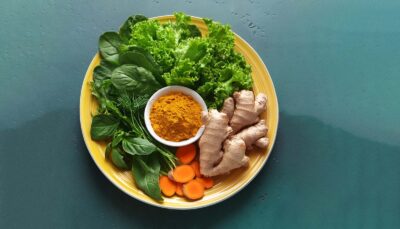
Here are some easy-to-implement home remedies inspired by Ayurveda:
Turmeric Paste: Mix turmeric powder with honey or milk to create a paste. Apply it topically to the affected joint for its anti-inflammatory properties.
Ginger Compress: Grated ginger has warming properties that can soothe achy joints. Make a compress by soaking a cloth in warm ginger tea and applying it to the affected area.
Warm Castor Oil Pack: Castor oil’s anti-inflammatory properties can be beneficial. Apply warm castor oil to the joint and cover it with a cloth for a soothing effect.
Remember: These remedies are intended for general well-being, not as a replacement for medical advice. If you experience severe or persistent joint pain, consult with a doctor or an Ayurvedic practitioner for a proper diagnosis and personalized treatment plan.
By incorporating these Ayurvedic approaches and home remedies into your life, you can embark on a journey towards managing your arthritis pain holistically. Remember, consistency is key. With dedicated self-care, a balanced diet, and the wisdom of Ayurveda, you can find relief and rediscover the joy of movement.
Rest and Exercise: Balance periods of rest with gentle exercises that promote flexibility and joint health.
Stress Management: Chronic stress can exacerbate arthritis symptoms. Practice relaxation techniques like meditation or deep breathing to manage stress.
Warm Baths: Soaking in a warm bath with Epsom salts can help soothe sore muscles and joints.
Ayurveda offers a complementary approach to managing arthritis pain. By combining these practices with conventional medicine, you can create a holistic plan for optimal joint health and well-being.

