Arthritis is a common condition that causes pain, swelling, and stiffness in the joints. It can significantly affect daily life, making even simple tasks difficult. While conventional medicine often focuses on managing symptoms with painkillers and anti-inflammatory drugs, natural remedies offer long-term, holistic solutions that target the root causes of arthritis pain. In this article, we’ll explore some of the most effective natural approaches to managing arthritis pain and improving joint health.
Understanding Arthritis
Arthritis refers to inflammation of the joints, and there are two main types:
- Osteoarthritis (OA): Caused by wear and tear on the joints, leading to cartilage breakdown.
- Rheumatoid Arthritis (RA): An autoimmune disorder where the immune system attacks the joints, causing inflammation and pain.
Both types can cause chronic pain, reduced mobility, and discomfort. Natural solutions aim to reduce inflammation, improve joint health, and alleviate pain without the side effects associated with prescription drugs.
1. Herbal Remedies
Many herbs have been traditionally used in natural medicine to reduce inflammation and provide pain relief. Here are some of the most effective ones for arthritis:
Turmeric
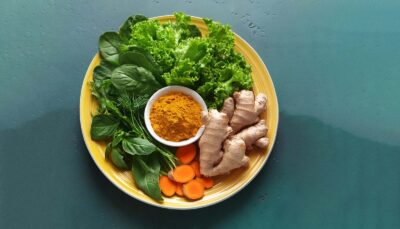
Turmeric contains curcumin, a compound with powerful anti-inflammatory and antioxidant properties. It can help reduce joint pain and stiffness, especially in osteoarthritis and rheumatoid arthritis patients.
How to Use:
- Add turmeric powder to curries, soups, or smoothies.
- Take curcumin supplements for a more concentrated dose.
Boswellia (Indian Frankincense)
Boswellia has been shown to reduce inflammation and prevent cartilage loss. It is particularly helpful for those with rheumatoid arthritis, as it inhibits pro-inflammatory enzymes.
How to Use:
- Available in capsule or resin form.
- Can be taken as a supplement under a healthcare provider’s guidance.
Ginger
Ginger works as a natural anti-inflammatory by blocking the formation of inflammatory compounds. It can help reduce muscle pain, joint pain, and stiffness.
How to Use:
- Drink ginger tea by steeping fresh ginger slices in hot water.
- Add fresh or powdered ginger to your meals.
2. Exercise and Movement
While arthritis pain might make you want to avoid physical activity, regular movement is essential for maintaining joint health and flexibility. Low-impact exercises can strengthen the muscles around your joints, reduce stiffness, and improve overall mobility.
Recommended Exercises:
- Yoga: Gentle stretching and poses in yoga help increase flexibility, reduce pain, and promote relaxation. Yoga also helps reduce stress, which can exacerbate arthritis symptoms.
- Swimming or Water Aerobics: Exercising in water reduces the stress on your joints while allowing you to build muscle and increase range of motion.
- Walking: Regular walking can improve circulation, strengthen leg muscles, and reduce joint stiffness.
Tip:
Avoid high-impact activities like running or jumping that can put excessive strain on your joints.
3. Hot and Cold Therapy
Using hot and cold therapy can provide immediate pain relief and reduce inflammation. Each method serves a different purpose and can be alternated depending on the type of discomfort you experience.
Heat Therapy:
- How it helps: Heat relaxes tense muscles and improves circulation, providing relief from stiffness and muscle spasms.
- How to use: Apply a warm towel, heating pad, or take a warm bath to soothe stiff joints.
Cold Therapy:
- How it helps: Cold reduces inflammation, numbs sharp pain, and slows down nerve impulses, making it great for acute flare-ups.
- How to use: Wrap an ice pack in a towel and apply it to the affected area for 10-15 minutes.
4. Dietary Changes
Your diet plays a significant role in managing inflammation and arthritis pain. Eating anti-inflammatory foods can help reduce joint inflammation, while certain foods can worsen arthritis symptoms.
Foods to Include:
- Omega-3 Fatty Acids: Found in fatty fish (salmon, mackerel), flaxseeds, and chia seeds, omega-3s have strong anti-inflammatory effects.
- Leafy Greens: Vegetables like spinach, kale, and broccoli contain antioxidants that help fight inflammation.
- Berries: Blueberries, strawberries, and cherries are rich in antioxidants and anti-inflammatory compounds that protect the joints.
- Nuts and Seeds: Almonds, walnuts, and flaxseeds contain healthy fats that can reduce inflammation and support joint health.
Foods to Avoid:
- Processed Foods: High in unhealthy fats and sugars, processed foods can worsen inflammation and contribute to weight gain, which puts added pressure on your joints.
- Red Meat: High in saturated fats, red meat can trigger inflammatory responses in the body.
- Refined Carbs and Sugars: White bread, pastries, and sugary drinks can spike inflammation levels.
5. Supplements for Joint Health
Certain supplements can support joint health and reduce arthritis symptoms when taken regularly. Some of the most effective ones include:
Glucosamine and Chondroitin
These compounds are naturally found in cartilage and are often taken together to help slow down cartilage deterioration and reduce pain in osteoarthritis patients.
Omega-3 Fatty Acids
Omega-3s, found in fish oil supplements, reduce inflammation throughout the body and help prevent joint stiffness.
Vitamin D
Vitamin D helps regulate calcium absorption and is essential for bone and joint health. A deficiency can worsen arthritis symptoms, so it’s important to ensure you’re getting enough.
6. Acupuncture
Acupuncture is an ancient Chinese therapy that involves inserting thin needles into specific points on the body to reduce pain and inflammation. For arthritis, acupuncture can help by:
- Stimulating blood flow to the affected areas.
- Releasing endorphins, the body’s natural painkillers.
- Relaxing tight muscles and reducing stress.
Many people with arthritis report significant pain relief after acupuncture sessions, though results may vary.
7. Stress Reduction Techniques
Stress can exacerbate arthritis pain by increasing muscle tension and inflammation in the body. Mind-body techniques can help manage pain by promoting relaxation and reducing the body’s stress response.
Practices to Consider:
- Meditation: Regular meditation practice helps calm the mind and body, reducing the perception of pain.
- Deep Breathing: Focusing on slow, deep breaths can help lower stress levels and reduce pain intensity.
- Progressive Muscle Relaxation: This technique involves tensing and relaxing different muscle groups, helping to relieve muscle tension and pain.
Conclusion
Managing arthritis pain naturally requires a holistic approach that combines dietary changes, physical activity, herbal remedies, and stress reduction techniques. While these natural remedies may not provide instant relief, they work to address the root causes of inflammation and joint discomfort over time. Always consult with a healthcare professional before starting any new treatment, especially if you have pre-existing health conditions or are taking medication.