Tag: Arthritis

  • Nirgundi: A Powerful Herb for Pain and Swelling

    Nirgundi: A Powerful Herb for Pain and Swelling

    Nirgundi, scientifically known as Vitex negundo, is a highly revered herb in Ayurveda, celebrated for its remarkable ability to alleviate pain, reduce inflammation, and promote healing. For centuries, this versatile plant has been used as a natural remedy for a wide range of conditions, especially those related to joint and muscle pain. In this article, we’ll delve into the benefits of Nirgundi, how it works, and how you can use it to manage pain and swelling.

    What is Nirgundi?

    Nirgundi is a small aromatic shrub commonly found in tropical regions of India and Southeast Asia. The plant’s leaves, roots, and seeds are packed with medicinal properties that make it a key component in Ayurvedic treatments for joint pain, arthritis, and inflammation. Nirgundi has a potent blend of anti-inflammatory, analgesic, and antioxidant properties, making it a go-to remedy for various types of pain and swelling.

    Key Properties of Nirgundi:

    • Anti-inflammatory: Helps reduce inflammation in the joints and muscles.
    • Analgesic: Provides pain relief, making it effective for treating chronic and acute pain.
    • Antioxidant: Neutralizes free radicals, preventing further damage to the affected areas.
    • Antiseptic: Can also be used to treat skin wounds and infections.

    1. Benefits of Nirgundi for Pain and Swelling

    Relieves Joint Pain and Arthritis

    Nirgundi is widely used in Ayurveda to treat arthritis and joint pain. Its anti-inflammatory properties help reduce swelling, while its analgesic effects offer relief from the discomfort caused by conditions such as osteoarthritis and rheumatoid arthritis.

    How it Helps:

    • Reduces joint inflammation and stiffness.
    • Improves mobility and flexibility in affected areas.
    • Eases chronic pain caused by degenerative joint disorders.

    Soothes Muscle Pain and Cramps

    Muscle pain from injuries, overexertion, or conditions like fibromyalgia can be debilitating. Nirgundi acts as a natural muscle relaxant and helps reduce soreness and pain by soothing inflamed tissues and improving blood circulation to the affected areas.

    How it Helps:

    • Alleviates muscle stiffness and cramps.
    • Promotes faster recovery from muscle injuries.
    • Enhances overall muscle relaxation and comfort.

    Treats Sciatica and Nerve Pain

    Nirgundi’s ability to relieve nerve pain makes it particularly beneficial for those suffering from sciatica, a condition characterized by pain radiating from the lower back down to the legs. The herb reduces nerve inflammation and relieves the intense, shooting pain associated with nerve disorders.

    How it Helps:

    • Reduces nerve inflammation.
    • Alleviates radiating pain and discomfort.
    • Helps manage chronic nerve conditions.

    Heals Wounds and Skin Inflammation

    Thanks to its antiseptic and anti-inflammatory properties, Nirgundi is also used topically to treat skin wounds, ulcers, and inflammatory skin conditions like eczema. It speeds up the healing process and prevents infection in damaged tissues.

    How it Helps:

    • Heals cuts, wounds, and skin ulcers.
    • Reduces swelling and redness in inflamed skin.
    • Prevents infections in open wounds.

    2. How to Use Nirgundi for Pain Relief

    There are several ways to incorporate Nirgundi into your daily routine to manage pain and swelling. Here are some of the most common methods used in Ayurveda:

    Nirgundi Oil

    Nirgundi oil is perhaps the most popular way to use this herb for pain relief. The oil is extracted from the leaves and applied topically to affected areas, offering immediate relief from pain and inflammation.

    How to Use:

    • Warm the oil slightly and massage it gently onto the painful area (joints, muscles, or lower back).
    • Leave it on for at least 30 minutes or overnight for maximum absorption.
    • Use regularly (1–2 times a day) for best results, especially for chronic conditions like arthritis or sciatica.

    Nirgundi Powder or Paste

    You can also find Nirgundi in powdered form, which can be mixed with water or oil to create a paste. This paste can be applied directly to inflamed or swollen areas for localized pain relief.

    How to Use:

    • Mix Nirgundi powder with warm water or oil to form a paste.
    • Apply the paste to the affected area and cover it with a soft cloth.
    • Leave it on for 30–60 minutes before washing off.

    Nirgundi Decoction

    For internal use, Nirgundi can be consumed in the form of a decoction to help reduce inflammation from the inside out. This method is particularly useful for managing chronic inflammatory conditions like arthritis and gout.

    How to Use:

    • Boil Nirgundi leaves in water to create a decoction.
    • Strain and drink the mixture 1–2 times a day, under the guidance of a healthcare provider or Ayurvedic practitioner.

    Nirgundi Capsules

    For those who prefer a more convenient method of consumption, Nirgundi is available in capsule form as well. These supplements provide the benefits of the herb in a concentrated dose, making it easier to manage chronic pain over time.

    How to Use:

    • Take Nirgundi capsules according to the recommended dosage provided by your healthcare provider.
    • Capsules are often taken with warm water after meals for best absorption.

    3. Precautions When Using Nirgundi

    While Nirgundi is generally safe for most people when used appropriately, it’s important to keep a few things in mind:

    • Pregnancy and Breastfeeding: Consult with a healthcare provider before using Nirgundi if you are pregnant or breastfeeding, as its effects on pregnancy are not well studied.
    • Allergic Reactions: As with any herbal remedy, it’s important to perform a patch test before applying Nirgundi oil or paste to the skin, especially if you have sensitive skin or a history of allergies.
    • Chronic Conditions: Always consult a healthcare provider before using Nirgundi internally if you have any chronic health conditions or are taking medications, to avoid potential interactions.

    Conclusion

    Nirgundi is a powerful Ayurvedic herb with a long history of use in managing pain, inflammation, and swelling. Whether used as an oil, paste, or decoction, this versatile plant offers natural and effective relief for a wide range of conditions, from arthritis to muscle soreness. Regular use of Nirgundi can help you manage chronic pain, improve mobility, and support overall joint and muscle health. Always remember to consult an Ayurvedic practitioner or healthcare professional before beginning any new treatment, especially for long-term or chronic conditions.


  • Natural Solutions for Arthritis Pain Relief

    Natural Solutions for Arthritis Pain Relief

    Arthritis is a common condition that causes pain, swelling, and stiffness in the joints. It can significantly affect daily life, making even simple tasks difficult. While conventional medicine often focuses on managing symptoms with painkillers and anti-inflammatory drugs, natural remedies offer long-term, holistic solutions that target the root causes of arthritis pain. In this article, we’ll explore some of the most effective natural approaches to managing arthritis pain and improving joint health.

    Understanding Arthritis

    Arthritis refers to inflammation of the joints, and there are two main types:

    • Osteoarthritis (OA): Caused by wear and tear on the joints, leading to cartilage breakdown.
    • Rheumatoid Arthritis (RA): An autoimmune disorder where the immune system attacks the joints, causing inflammation and pain.

    Both types can cause chronic pain, reduced mobility, and discomfort. Natural solutions aim to reduce inflammation, improve joint health, and alleviate pain without the side effects associated with prescription drugs.

    1. Herbal Remedies

    Many herbs have been traditionally used in natural medicine to reduce inflammation and provide pain relief. Here are some of the most effective ones for arthritis:

    Turmeric

    Turmeric contains curcumin, a compound with powerful anti-inflammatory and antioxidant properties. It can help reduce joint pain and stiffness, especially in osteoarthritis and rheumatoid arthritis patients.

    How to Use:

    • Add turmeric powder to curries, soups, or smoothies.
    • Take curcumin supplements for a more concentrated dose.

    Boswellia (Indian Frankincense)

    Boswellia has been shown to reduce inflammation and prevent cartilage loss. It is particularly helpful for those with rheumatoid arthritis, as it inhibits pro-inflammatory enzymes.

    How to Use:

    • Available in capsule or resin form.
    • Can be taken as a supplement under a healthcare provider’s guidance.

    Ginger

    Ginger works as a natural anti-inflammatory by blocking the formation of inflammatory compounds. It can help reduce muscle pain, joint pain, and stiffness.

    How to Use:

    • Drink ginger tea by steeping fresh ginger slices in hot water.
    • Add fresh or powdered ginger to your meals.

    2. Exercise and Movement

    While arthritis pain might make you want to avoid physical activity, regular movement is essential for maintaining joint health and flexibility. Low-impact exercises can strengthen the muscles around your joints, reduce stiffness, and improve overall mobility.

    Recommended Exercises:

    • Yoga: Gentle stretching and poses in yoga help increase flexibility, reduce pain, and promote relaxation. Yoga also helps reduce stress, which can exacerbate arthritis symptoms.
    • Swimming or Water Aerobics: Exercising in water reduces the stress on your joints while allowing you to build muscle and increase range of motion.
    • Walking: Regular walking can improve circulation, strengthen leg muscles, and reduce joint stiffness.

    Tip:

    Avoid high-impact activities like running or jumping that can put excessive strain on your joints.

    3. Hot and Cold Therapy

    Using hot and cold therapy can provide immediate pain relief and reduce inflammation. Each method serves a different purpose and can be alternated depending on the type of discomfort you experience.

    Heat Therapy:

    • How it helps: Heat relaxes tense muscles and improves circulation, providing relief from stiffness and muscle spasms.
    • How to use: Apply a warm towel, heating pad, or take a warm bath to soothe stiff joints.

    Cold Therapy:

    • How it helps: Cold reduces inflammation, numbs sharp pain, and slows down nerve impulses, making it great for acute flare-ups.
    • How to use: Wrap an ice pack in a towel and apply it to the affected area for 10-15 minutes.

    4. Dietary Changes

    Your diet plays a significant role in managing inflammation and arthritis pain. Eating anti-inflammatory foods can help reduce joint inflammation, while certain foods can worsen arthritis symptoms.

    Foods to Include:

    • Omega-3 Fatty Acids: Found in fatty fish (salmon, mackerel), flaxseeds, and chia seeds, omega-3s have strong anti-inflammatory effects.
    • Leafy Greens: Vegetables like spinach, kale, and broccoli contain antioxidants that help fight inflammation.
    • Berries: Blueberries, strawberries, and cherries are rich in antioxidants and anti-inflammatory compounds that protect the joints.
    • Nuts and Seeds: Almonds, walnuts, and flaxseeds contain healthy fats that can reduce inflammation and support joint health.

    Foods to Avoid:

    • Processed Foods: High in unhealthy fats and sugars, processed foods can worsen inflammation and contribute to weight gain, which puts added pressure on your joints.
    • Red Meat: High in saturated fats, red meat can trigger inflammatory responses in the body.
    • Refined Carbs and Sugars: White bread, pastries, and sugary drinks can spike inflammation levels.

    5. Supplements for Joint Health

    Certain supplements can support joint health and reduce arthritis symptoms when taken regularly. Some of the most effective ones include:

    Glucosamine and Chondroitin

    These compounds are naturally found in cartilage and are often taken together to help slow down cartilage deterioration and reduce pain in osteoarthritis patients.

    Omega-3 Fatty Acids

    Omega-3s, found in fish oil supplements, reduce inflammation throughout the body and help prevent joint stiffness.

    Vitamin D

    Vitamin D helps regulate calcium absorption and is essential for bone and joint health. A deficiency can worsen arthritis symptoms, so it’s important to ensure you’re getting enough.

    6. Acupuncture

    Acupuncture is an ancient Chinese therapy that involves inserting thin needles into specific points on the body to reduce pain and inflammation. For arthritis, acupuncture can help by:

    • Stimulating blood flow to the affected areas.
    • Releasing endorphins, the body’s natural painkillers.
    • Relaxing tight muscles and reducing stress.

    Many people with arthritis report significant pain relief after acupuncture sessions, though results may vary.

    7. Stress Reduction Techniques

    Stress can exacerbate arthritis pain by increasing muscle tension and inflammation in the body. Mind-body techniques can help manage pain by promoting relaxation and reducing the body’s stress response.

    Practices to Consider:

    • Meditation: Regular meditation practice helps calm the mind and body, reducing the perception of pain.
    • Deep Breathing: Focusing on slow, deep breaths can help lower stress levels and reduce pain intensity.
    • Progressive Muscle Relaxation: This technique involves tensing and relaxing different muscle groups, helping to relieve muscle tension and pain.

    Conclusion

    Managing arthritis pain naturally requires a holistic approach that combines dietary changes, physical activity, herbal remedies, and stress reduction techniques. While these natural remedies may not provide instant relief, they work to address the root causes of inflammation and joint discomfort over time. Always consult with a healthcare professional before starting any new treatment, especially if you have pre-existing health conditions or are taking medication.

  • Managing Arthritis Pain Naturally- Ayurvedic Tips and Treatments

    Managing Arthritis Pain Naturally- Ayurvedic Tips and Treatments

    Finding Relief: Natural Ayurvedic Approaches to Manage Arthritis Pain

    Arthritis, a condition characterized by joint pain and inflammation, can significantly impact your daily life. While modern medicine offers treatment options, Ayurveda, the ancient Indian system of medicine, provides a holistic approach to managing arthritis pain naturally. Here’s how Ayurveda can help you find relief and improve your overall well-being.

    Understanding Arthritis Through the Ayurvedic Lens

    Ayurveda views arthritis as an imbalance in the doshas, the three energies that govern your body and mind. An imbalance in Vata dosha, associated with air and space, can manifest as dryness, stiffness, and pain in the joints. Conversely, an imbalance in Kapha dosha, linked to water and earth, can lead to swelling and heaviness in the joints.

    Ayurvedic Practices for Arthritis Relief

    Ayurveda offers a multi-pronged approach to manage arthritis pain:

    Dietary Adjustments: Following a diet that pacifies the aggravated dosha is key. For Vata imbalances, warm, cooked foods rich in healthy fats and spices like ginger are recommended. Kapha imbalances benefit from a lighter, drier diet with plenty of vegetables and less dairy.

    Herbal Remedies: Ayurvedic herbs like Ashwagandha, known for its anti-inflammatory properties, and Boswellia, which helps reduce swelling, can be beneficial. Consult an Ayurvedic practitioner to determine the right herbs and dosage for your specific needs.

    Panchakarma: This intensive detoxification process can be helpful in some cases, but it’s crucial to consult an experienced practitioner before undergoing Panchakarma.

    Soothing Self-Care Routines

    In addition to these core principles, Ayurveda emphasizes self-care practices that can alleviate joint pain:

    Abhyanga (Self-Massage): Massaging the affected joints with warm oil like sesame or castor oil can improve circulation, reduce stiffness, and promote relaxation.

    Shirodhara (Oil Dripping Therapy): This calming therapy involves pouring warm oil on the forehead, promoting relaxation and potentially reducing pain perception.

    Yoga: Gentle yoga poses can improve flexibility and strengthen the muscles surrounding the joints, providing better support and reducing pain.

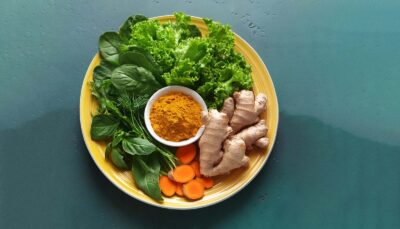
    Anti-inflammatory foods like turmeric, ginger and leafy

    Simple Ayurvedic Home Remedies for Relief

    Here are some easy-to-implement home remedies inspired by Ayurveda:

    Turmeric Paste: Mix turmeric powder with honey or milk to create a paste. Apply it topically to the affected joint for its anti-inflammatory properties.

    Ginger Compress: Grated ginger has warming properties that can soothe achy joints. Make a compress by soaking a cloth in warm ginger tea and applying it to the affected area.

    Warm Castor Oil Pack: Castor oil’s anti-inflammatory properties can be beneficial. Apply warm castor oil to the joint and cover it with a cloth for a soothing effect.

    Remember: These remedies are intended for general well-being, not as a replacement for medical advice. If you experience severe or persistent joint pain, consult with a doctor or an Ayurvedic practitioner for a proper diagnosis and personalized treatment plan.


    Living in Harmony with Your Joints

    By incorporating these Ayurvedic approaches and home remedies into your life, you can embark on a journey towards managing your arthritis pain holistically. Remember, consistency is key. With dedicated self-care, a balanced diet, and the wisdom of Ayurveda, you can find relief and rediscover the joy of movement.


    Additional Tips:

    Rest and Exercise: Balance periods of rest with gentle exercises that promote flexibility and joint health.

    Stress Management: Chronic stress can exacerbate arthritis symptoms. Practice relaxation techniques like meditation or deep breathing to manage stress.

    Warm Baths: Soaking in a warm bath with Epsom salts can help soothe sore muscles and joints.

    Ayurveda offers a complementary approach to managing arthritis pain. By combining these practices with conventional medicine, you can create a holistic plan for optimal joint health and well-being.