Author: admin

  • Natural Herbs for Fighting Inflammation

    Natural Herbs for Fighting Inflammation

    Inflammation is the body’s natural response to injury or infection, but when it becomes chronic, it can lead to various health issues, including arthritis, heart disease, and other inflammatory disorders. Ayurveda offers a range of potent herbs known for their anti-inflammatory properties, which help balance the doshas, detoxify the body, and support overall health. Here are the top five Ayurvedic herbs to consider for fighting inflammation.

    1. Turmeric (Curcuma longa)

    Benefits:

    Turmeric is one of the most well-known anti-inflammatory herbs, primarily due to its active compound, curcumin. Curcumin has powerful antioxidant properties that help reduce oxidative stress and inflammation in the body.

    Uses:

    • Joint Health: Turmeric can alleviate symptoms of arthritis and joint pain.
    • Digestive Support: It aids digestion and reduces gut inflammation.
    • Immune Booster: Helps strengthen the immune system and fight chronic inflammation.

    How to Use:

    • Add turmeric powder to curries, soups, or smoothies.
    • Prepare golden milk by mixing turmeric with warm milk and a pinch of black pepper for enhanced absorption.

    2. Ginger (Zingiber officinale)

    Benefits:

    Ginger is another powerful anti-inflammatory herb that helps reduce pain and swelling. Its active compounds, gingerol and shogaol, are known for their strong antioxidant and anti-inflammatory effects.

    Uses:

    • Digestive Aid: Supports digestion and reduces bloating and gas.
    • Pain Relief: Effective for headaches and muscle soreness.
    • Cold and Flu Relief: Acts as a natural remedy for respiratory inflammation.

    How to Use:

    • Brew ginger tea by steeping fresh ginger slices in hot water.
    • Add grated ginger to stir-fries, soups, or smoothies.

    3. Ashwagandha (Withania somnifera)

    Benefits:

    Ashwagandha is an adaptogenic herb that helps the body manage stress, which can exacerbate inflammation. It also possesses anti-inflammatory properties that aid in reducing chronic inflammation.

    Uses:

    • Stress Relief: Reduces cortisol levels and enhances resilience to stress.
    • Joint and Muscle Support: Alleviates discomfort in muscles and joints.
    • Enhances Vitality: Supports overall health and wellness.

    How to Use:

    • Take ashwagandha powder mixed with warm milk or water, preferably before bed.
    • Look for ashwagandha supplements in capsule form for convenience.

    4. Boswellia (Boswellia serrata)

    Benefits:

    Boswellia, also known as Indian frankincense, contains compounds called boswellic acids that have potent anti-inflammatory effects. This herb is especially beneficial for joint health.

    Uses:

    • Arthritis Relief: Reduces pain and inflammation associated with osteoarthritis and rheumatoid arthritis.
    • Respiratory Health: Helps reduce inflammation in the airways and supports respiratory function.
    • Digestive Support: Can assist in managing inflammatory bowel conditions.

    How to Use:

    • Available in resin, powder, or capsule form; follow recommended dosages.
    • Add Boswellia powder to smoothies or herbal teas.

    5. Neem (Azadirachta indica)

    Benefits:

    Neem is a highly revered herb in Ayurveda known for its anti-inflammatory, antibacterial, and antiviral properties. It helps purify the blood and detoxify the body, reducing overall inflammation.

    Uses:

    • Skin Health: Effective in treating inflammatory skin conditions like eczema and psoriasis.
    • Oral Health: Supports gum health and reduces inflammation in the mouth.
    • Immune Support: Strengthens the immune system and combats infections.

    How to Use:

    • Neem leaves can be brewed into a tea.
    • Neem oil is often used topically for skin issues, but it should be diluted before use.

    Conclusion

    Incorporating these Ayurvedic herbs into your daily routine can help fight inflammation and promote overall health. Whether you choose to use them in cooking, as supplements, or in teas, these herbs offer natural and effective solutions for managing inflammation. As always, it’s essential to consult with a healthcare professional before starting any new herbal regimen, especially if you have existing health conditions or are taking medications.

  • The Role of Amalaki in Ayurvedic Anti-Aging Treatments

    The Role of Amalaki in Ayurvedic Anti-Aging Treatments

    Amalaki, also known as Amla or Indian Gooseberry (Emblica officinalis), is one of the most revered herbs in Ayurvedic medicine, particularly for its anti-aging properties. Known as a potent Rasayana—a rejuvenating herb in Ayurveda—Amalaki is packed with antioxidants, vitamins, and nutrients that promote longevity, vitality, and overall well-being. Its powerful ability to balance the three doshas (Vata, Pitta, and Kapha) makes it a cornerstone of Ayurvedic treatments aimed at promoting youthful vigor and delaying the signs of aging.

    In this article, we will explore the role of Amalaki in Ayurvedic anti-aging treatments and how it can contribute to a healthy, youthful body and mind.

    1. Amalaki as a Natural Antioxidant

    Neutralizes Free Radicals

    Amalaki is one of the richest natural sources of Vitamin C, which plays a crucial role in fighting free radicals. Free radicals are unstable molecules that cause oxidative stress, which accelerates aging and contributes to various chronic diseases.

    1. Protects Skin Cells

    By neutralizing free radicals, Amalaki helps protect skin cells from damage caused by pollution, UV rays, and other environmental factors. This reduces the appearance of fine lines, wrinkles, and age spots, keeping the skin youthful and radiant.

    2. Promotes Cellular Regeneration

    Amalaki not only protects cells from damage but also promotes cellular regeneration, which is essential for maintaining healthy skin and tissues as we age. This helps repair damaged skin and supports a more youthful appearance.

    How to Use Amalaki for Anti-Aging

    • Consume Amalaki juice or powder daily to support overall antioxidant activity in the body.
    • Use Amalaki-based skincare products, such as face masks or serums, to apply its anti-aging benefits directly to the skin.

    2. Amalaki for Skin Health

    Promotes Collagen Production

    Collagen is a protein that provides structure and elasticity to the skin, but its production declines with age. Amalaki’s high Vitamin C content plays a critical role in stimulating collagen production, which helps maintain skin’s firmness and elasticity.

    1. Reduces Wrinkles and Fine Lines

    By promoting collagen production, Amalaki helps minimize the appearance of wrinkles and fine lines, which are common signs of aging. It helps keep the skin supple and youthful for longer.

    2. Hydrates and Nourishes the Skin

    Amalaki’s hydrating properties nourish the skin from within, reducing dryness and flakiness often associated with aging skin. It keeps the skin soft, smooth, and well-moisturized.

    How to Use Amalaki for Skin Care

    • Mix Amalaki powder with water or yogurt to make a natural face mask for glowing skin.
    • Incorporate Amalaki oil or cream into your daily skincare routine to benefit from its anti-aging properties.

    3. Amalaki for Hair Health

    Prevents Premature Graying

    One of the key anti-aging benefits of Amalaki is its ability to prevent premature graying of hair. The herb is rich in antioxidants and nutrients that nourish hair follicles, promoting the production of natural melanin, the pigment responsible for hair color.

    1. Strengthens Hair Follicles

    Amalaki strengthens hair follicles, reducing hair fall and thinning, which are common issues as we age. Regular use of Amalaki helps in maintaining thick, strong, and healthy hair.

    2. Promotes Hair Growth

    Amalaki’s ability to improve blood circulation to the scalp encourages healthy hair growth, making it an excellent remedy for those experiencing hair loss due to aging.

    How to Use Amalaki for Hair Health

    • Apply Amalaki oil or a hair mask made from Amalaki powder directly to the scalp and hair to strengthen follicles and promote growth.
    • Drink Amalaki juice regularly to nourish your hair from within.

    4. Amalaki for Immune Support

    Boosts Immunity

    As we age, our immune system weakens, making us more susceptible to infections and diseases. Amalaki, being rich in antioxidants and Vitamin C, is a powerful immune booster that helps protect the body from illness.

    1. Fights Inflammation

    Chronic inflammation is a common contributor to aging-related conditions like arthritis, heart disease, and diabetes. Amalaki’s anti-inflammatory properties help reduce inflammation, promoting overall well-being and longevity.

    2. Supports Digestive Health

    Good digestion is essential for nutrient absorption and overall health, especially as we age. Amalaki improves digestion and detoxifies the body, preventing the buildup of harmful toxins that can accelerate the aging process.

    How to Use Amalaki for Immunity

    • Take Amalaki supplements or eat fresh Amla fruit to strengthen the immune system.
    • Incorporate Amalaki into herbal teas or tonics to support digestion and overall health.

    5. Amalaki for Cognitive Health

    Enhances Memory and Focus

    As we age, cognitive decline becomes a concern, with issues like memory loss and reduced focus affecting daily life. Amalaki supports brain health by improving memory, concentration, and cognitive function.

    1. Prevents Age-Related Cognitive Decline

    Amalaki contains antioxidants that protect brain cells from damage, reducing the risk of neurodegenerative diseases like Alzheimer’s and dementia. It helps keep the brain sharp and functioning optimally.

    2. Reduces Stress and Anxiety

    Amalaki also helps manage stress and anxiety, both of which can contribute to aging. It calms the mind, reduces mental fatigue, and promotes emotional well-being, helping to maintain a youthful and balanced state of mind.

    How to Use Amalaki for Cognitive Health

    • Consume Amalaki in powder or juice form regularly to support brain health and improve focus.
    • Combine Amalaki with other Ayurvedic herbs like Brahmi for enhanced cognitive benefits.

    Conclusion

    Amalaki is a cornerstone of Ayurvedic anti-aging treatments due to its wide-ranging benefits for the body, mind, and skin. From promoting collagen production and enhancing skin elasticity to boosting the immune system and improving cognitive function, this powerful herb plays a key role in delaying the signs of aging and promoting overall vitality. Its rich Vitamin C content, antioxidant properties, and ability to balance the doshas make it a must-have in any Ayurvedic anti-aging regimen.

    To reap the full benefits of Amalaki, it can be consumed as a supplement, juice, or powder, or applied topically to the skin and hair. As always, it’s important to consult with an Ayurvedic practitioner before incorporating new herbs into your routine, especially if you have underlying health conditions. With regular use, Amalaki can help you maintain a youthful appearance, strong immunity, and a sharp mind well into old age.

  • Managing Arthritis Pain Naturally- Ayurvedic Tips and Treatments

    Managing Arthritis Pain Naturally- Ayurvedic Tips and Treatments

    Finding Relief: Natural Ayurvedic Approaches to Manage Arthritis Pain

    Arthritis, a condition characterized by joint pain and inflammation, can significantly impact your daily life. While modern medicine offers treatment options, Ayurveda, the ancient Indian system of medicine, provides a holistic approach to managing arthritis pain naturally. Here’s how Ayurveda can help you find relief and improve your overall well-being.

    Understanding Arthritis Through the Ayurvedic Lens

    Ayurveda views arthritis as an imbalance in the doshas, the three energies that govern your body and mind. An imbalance in Vata dosha, associated with air and space, can manifest as dryness, stiffness, and pain in the joints. Conversely, an imbalance in Kapha dosha, linked to water and earth, can lead to swelling and heaviness in the joints.

    Ayurvedic Practices for Arthritis Relief

    Ayurveda offers a multi-pronged approach to manage arthritis pain:

    Dietary Adjustments: Following a diet that pacifies the aggravated dosha is key. For Vata imbalances, warm, cooked foods rich in healthy fats and spices like ginger are recommended. Kapha imbalances benefit from a lighter, drier diet with plenty of vegetables and less dairy.

    Herbal Remedies: Ayurvedic herbs like Ashwagandha, known for its anti-inflammatory properties, and Boswellia, which helps reduce swelling, can be beneficial. Consult an Ayurvedic practitioner to determine the right herbs and dosage for your specific needs.

    Panchakarma: This intensive detoxification process can be helpful in some cases, but it’s crucial to consult an experienced practitioner before undergoing Panchakarma.

    Soothing Self-Care Routines

    In addition to these core principles, Ayurveda emphasizes self-care practices that can alleviate joint pain:

    Abhyanga (Self-Massage): Massaging the affected joints with warm oil like sesame or castor oil can improve circulation, reduce stiffness, and promote relaxation.

    Shirodhara (Oil Dripping Therapy): This calming therapy involves pouring warm oil on the forehead, promoting relaxation and potentially reducing pain perception.

    Yoga: Gentle yoga poses can improve flexibility and strengthen the muscles surrounding the joints, providing better support and reducing pain.

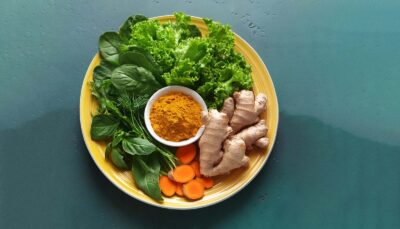
    Anti-inflammatory foods like turmeric, ginger and leafy

    Simple Ayurvedic Home Remedies for Relief

    Here are some easy-to-implement home remedies inspired by Ayurveda:

    Turmeric Paste: Mix turmeric powder with honey or milk to create a paste. Apply it topically to the affected joint for its anti-inflammatory properties.

    Ginger Compress: Grated ginger has warming properties that can soothe achy joints. Make a compress by soaking a cloth in warm ginger tea and applying it to the affected area.

    Warm Castor Oil Pack: Castor oil’s anti-inflammatory properties can be beneficial. Apply warm castor oil to the joint and cover it with a cloth for a soothing effect.

    Remember: These remedies are intended for general well-being, not as a replacement for medical advice. If you experience severe or persistent joint pain, consult with a doctor or an Ayurvedic practitioner for a proper diagnosis and personalized treatment plan.


    Living in Harmony with Your Joints

    By incorporating these Ayurvedic approaches and home remedies into your life, you can embark on a journey towards managing your arthritis pain holistically. Remember, consistency is key. With dedicated self-care, a balanced diet, and the wisdom of Ayurveda, you can find relief and rediscover the joy of movement.


    Additional Tips:

    Rest and Exercise: Balance periods of rest with gentle exercises that promote flexibility and joint health.

    Stress Management: Chronic stress can exacerbate arthritis symptoms. Practice relaxation techniques like meditation or deep breathing to manage stress.

    Warm Baths: Soaking in a warm bath with Epsom salts can help soothe sore muscles and joints.

    Ayurveda offers a complementary approach to managing arthritis pain. By combining these practices with conventional medicine, you can create a holistic plan for optimal joint health and well-being.

  • Methi – More Than Just a Spice

    Methi – More Than Just a Spice

    Methi: The Mighty Seed That’s More Than Just a Spice

    We all know that fragrant, slightly bitter herb that adds a depth of flavor to curries – Methi, also known as fenugreek. But beyond its culinary uses, Methi packs a surprising punch of health benefits. Used extensively in Ayurveda, this tiny seed is a nutritional powerhouse waiting to be explored!

    From Kitchen to Wellness:

    Think of Methi as a tiny green capsule bursting with goodness! Here’s a glimpse of why it’s more than just a spice:

    Digestive Delight:

    Methi is a natural source of fiber, which keeps your digestive system running smoothly. It can aid digestion, soothe constipation, and even help regulate blood sugar by slowing down the absorption of carbs.

    Blood Sugar Balancing Act:

    Studies suggest Methi may have anti-diabetic properties. It might help improve insulin sensitivity and manage blood sugar levels, making it a potential ally for those with diabetes or pre-diabetes.

    Anti-Inflammatory All-Star:

    Methi boasts anti-inflammatory properties that can be beneficial for various conditions like arthritis and inflammatory bowel disease.

    Aiding Weight Management:

    Feeling full for longer can help with weight management. Methi’s fiber content can promote satiety, potentially curbing cravings and reducing overall calorie intake.

    Skin and Hair Friend:

    Methi might be a friend to your skin and hair too! It’s a good source of vitamins and minerals that contribute to healthy skin and hair growth.

    Methi Plant

    Unlocking the Power of Methi:

    Methi is a versatile ingredient that can be enjoyed in many ways:

    Spice Up Your Dishes:

    Sprinkle those fragrant seeds on curries, stir-fries, or roasted vegetables for a delicious and nutritious boost.

    Soak and Sip:

    Soaked fenugreek seeds can be consumed directly or brewed into a tea for a refreshing and potentially health-promoting drink.

    Supplement Power:

    Methi is also available in capsule or powder form, making it an easy way to incorporate its benefits into your daily routine.

    A Word of Caution:

    While Methi is generally safe for most people, it’s always a good idea to consult your doctor before making any significant changes to your diet or supplement routine, especially if you have any underlying health conditions or are pregnant.

    Nature’s Tiny Treasure:

    Methi, with its impressive nutritional profile and potential health benefits, is a tiny seed with a big impact. It’s a testament to the power of including natural ingredients in your diet and exploring the wisdom of ancient practices like Ayurveda. Remember, this information is for educational purposes only and shouldn’t replace professional medical advice. But hey, who knows? Methi might just become your new favorite kitchen and wellness companion!

  • Pranayama and Ayurveda for Mental Well-Being

    Pranayama and Ayurveda for Mental Well-Being

    Mental well-being is essential in today’s fast-paced world where stress and anxiety have become increasingly common. Ayurveda, the ancient Indian system of healing, and Pranayama, the practice of controlled breathing, offer effective solutions for achieving mental balance and peace. Together, they work by harmonizing the mind and body, reducing stress, and promoting clarity and calmness.

    The Ayurvedic Approach to Mental Health

    In Ayurveda, mental well-being is connected to the balance of the three doshas: Vata, Pitta, and Kapha. These doshas govern not only physical health but also mental states and emotions. Imbalances in any of the doshas can result in stress, anxiety, and mental fatigue.

    Vata Imbalance: Anxiety and Restlessness

    An aggravated Vata dosha is often linked to anxiety, nervousness, and overthinking. Vata is light, mobile, and airy in nature, which can lead to a scattered mind and feelings of unease.

    Pitta Imbalance: Irritability and Burnout

    When Pitta, the dosha associated with fire, is imbalanced, it can manifest as irritability, frustration, and mental burnout. Pitta imbalance can make it difficult to stay calm and focused.

    Kapha Imbalance: Lethargy and Depression

    Excessive Kapha, which is associated with heaviness and stagnation, can result in mental sluggishness, lethargy, and even depression. Balancing Kapha helps increase energy and mental clarity.

    Ayurveda offers solutions through lifestyle changes, diet, herbs, and specific practices like Pranayama to balance the doshas and support mental health.

    Pranayama: The Power of Breath for Mental Well-Being

    Pranayama is the practice of controlled breathing and is one of the key components of yoga and Ayurveda. It involves regulating the breath to balance the mind, reduce stress, and improve mental clarity. Each Pranayama technique works to balance the doshas and calm the nervous system, offering significant mental health benefits.

    How Pranayama Works for Mental Health

    • Calms the Nervous System: Pranayama activates the parasympathetic nervous system, which helps reduce stress and anxiety.
    • Balances Emotions: By regulating breath, Pranayama can help control mood swings, anger, and irritability.
    • Increases Oxygen Flow: Breathing exercises increase oxygen supply to the brain, enhancing mental clarity and focus.
    • Reduces Stress Hormones: Regular practice of Pranayama reduces the levels of cortisol, the hormone associated with stress.

    Pranayama and Ayurveda for Mental Well-Being

    Ayurvedic Pranayama Techniques for Mental Well-Being

    Different types of Pranayama techniques target specific mental imbalances, helping to calm the mind, boost focus, or relieve stress. Here are some of the most effective Pranayama practices for mental well-being according to Ayurveda.

    1. Nadi Shodhana (Alternate Nostril Breathing)

    Nadi Shodhana is one of the most powerful Pranayama techniques for balancing the mind and reducing stress. This practice involves breathing alternately through each nostril, which balances both hemispheres of the brain and harmonizes the doshas.

    • Benefits: Nadi Shodhana calms the nervous system, reduces anxiety, and improves concentration. It helps clear mental fog and enhances focus.
    • How to practice:
      • Sit in a comfortable position with your spine straight.
      • Close your right nostril with your thumb and inhale deeply through the left nostril.
      • Close the left nostril with your ring finger, release your thumb, and exhale through the right nostril.
      • Inhale through the right nostril, close it, and exhale through the left nostril.
      • Repeat for 5-10 minutes.

    2. Bhramari (Bee Breath)

    Bhramari, or Bee Breath, is a calming Pranayama technique that helps reduce anxiety and mental tension. The practice involves making a humming sound like a bee, which soothes the mind and promotes deep relaxation.

    • Benefits: Bhramari calms the mind, relieves stress, and reduces anger and frustration. It is particularly effective for calming an aggravated Pitta dosha.
    • How to practice:
      • Sit comfortably and close your eyes.
      • Take a deep breath in and, as you exhale, make a humming sound like a bee.
      • Focus on the sound vibrations in your head and body.
      • Continue for 5-7 rounds.

    3. Sheetali Pranayama (Cooling Breath)

    Sheetali Pranayama is a cooling breath technique that reduces mental stress and irritability, especially in individuals with a Pitta imbalance. It involves inhaling through a curled tongue, which cools both the body and the mind.

    • Benefits: Sheetali cools the mind, reduces anger, and helps calm the nerves. It is especially beneficial for Pitta-related mental stress.
    • How to practice:
      • Sit in a comfortable position and roll your tongue into a tube.
      • Inhale deeply through the curled tongue.
      • Close your mouth and exhale through your nose.
      • Repeat for 5-10 rounds.

    4. Ujjayi Pranayama (Ocean Breath)

    Ujjayi Pranayama, or Ocean Breath, is known for its soothing effect on the mind and body. It involves inhaling and exhaling through the nose while slightly constricting the throat, creating a sound like ocean waves.

    • Benefits: Ujjayi calms the mind, reduces anxiety, and helps improve focus. It is an excellent technique for grounding an overactive Vata dosha.
    • How to practice:
      • Sit comfortably and close your eyes.
      • Inhale deeply through your nose while gently contracting the back of your throat.
      • Exhale through your nose with the same throat contraction, creating a soft ocean-like sound.
      • Continue for 5-7 minutes.

    5. Kapalabhati (Skull Shining Breath)

    Kapalabhati is an energizing Pranayama technique that helps clear mental fog and invigorates the mind. It involves short, forceful exhalations followed by passive inhalations.

    • Benefits: Kapalabhati clears mental sluggishness, improves concentration, and energizes the brain. It is particularly useful for balancing Kapha dosha.
    • How to practice:
      • Sit in a comfortable position with your spine straight.
      • Take a deep breath in, and then forcefully exhale through the nose, pulling your abdomen inward.
      • Allow the inhalation to happen naturally.
      • Repeat this cycle for 20-30 rounds.

    Pranayama and Ayurveda for Mental Well-Being

    Combining Pranayama with Ayurvedic Lifestyle for Mental Health

    While Pranayama is powerful on its own, combining it with Ayurvedic practices can further enhance its benefits for mental well-being. Here are a few Ayurvedic recommendations to complement your Pranayama practice:

    1. Diet for Mental Clarity

    Following an Ayurvedic diet that balances the doshas can greatly impact mental well-being. For example:

    • Vata balancing foods: Warm, nourishing foods like soups, stews, and ghee help calm an overactive mind.
    • Pitta balancing foods: Cooling foods like cucumbers, coconut water, and leafy greens reduce mental irritability.
    • Kapha balancing foods: Light, energizing foods such as ginger tea, spices, and legumes reduce lethargy and promote mental alertness.

    2. Herbs for Mental Calmness

    Incorporating Ayurvedic herbs into your routine can support mental clarity and calmness. Herbs like Brahmi, Ashwagandha, and Shankhapushpi are known for their adaptogenic properties, helping the body handle stress and improving cognitive function.

    3. Meditation and Yoga

    Alongside Pranayama, practicing meditation and yoga can help stabilize the mind and maintain emotional balance. These practices enhance mindfulness and reduce mental chatter, making it easier to focus and stay calm.

    4. Dinacharya (Daily Routine)

    Following a regular daily routine, or Dinacharya, is crucial for mental stability. Having a structured routine helps calm Vata and reduce stress, which promotes overall mental well-being.

    Conclusion

    Pranayama and Ayurveda offer a holistic approach to mental well-being by addressing the root causes of stress, anxiety, and mental fatigue. Through the power of breath control and the wisdom of Ayurvedic practices, you can achieve mental clarity, reduce stress, and cultivate calmness in your life. Regular practice of Pranayama, combined with an Ayurvedic lifestyle, can help you achieve lasting mental balance and emotional resilience.

  • Natural Skincare Routine for Glowing Skin

    Natural Skincare Routine for Glowing Skin

    Achieving glowing skin is not just about external treatments; it’s also about nourishing the body from within. Ayurveda emphasizes a holistic approach to skincare, incorporating natural ingredients and a balanced lifestyle. Here’s a simple Ayurvedic skincare routine that can help you achieve radiant skin.

    Morning Routine

    1. Start with Warm Water

    Begin your day with a glass of warm water to flush out toxins and hydrate your body.

    • Benefits: This helps improve digestion and can enhance your skin’s appearance.

    2. Gentle Cleansing

    Use a natural cleanser suitable for your skin type. For instance:

    • Vata Skin: Use a creamy cleanser with ingredients like milk or almond oil.
    • Pitta Skin: Opt for a soothing gel or cream cleanser with aloe vera or rosewater.
    • Kapha Skin: Choose a light, foamy cleanser with ingredients like neem or tea tree oil.

    3. Exfoliation (2-3 Times a Week)

    Exfoliation helps remove dead skin cells and reveals a fresh layer of skin.

    • DIY Scrub: Mix sugar or ground oats with honey and a few drops of lemon juice. Gently scrub your face for a few minutes and rinse with warm water.

    4. Toning

    Use a natural toner to balance your skin’s pH.

    • Recommendation: Rose water is an excellent choice for all skin types. It hydrates and soothes the skin.

    5. Moisturizing

    Hydrate your skin with an Ayurvedic moisturizer that suits your dosha.

    • Vata Skin: Use heavier oils like sesame or almond oil.
    • Pitta Skin: Opt for cooling oils like coconut or jojoba oil.
    • Kapha Skin: Use lighter oils or lotions, such as grape seed oil.

    6. Sunscreen

    Protect your skin from UV damage by applying a natural sunscreen before heading out.

    • Tip: Look for products with natural ingredients like zinc oxide for broad-spectrum protection.

    Evening Routine

    1. Double Cleansing

    At the end of the day, it’s important to thoroughly cleanse your skin to remove makeup, dirt, and impurities.

    • First Cleanse: Use an oil-based cleanser (like coconut oil) to dissolve makeup and grime.
    • Second Cleanse: Follow with your regular cleanser to remove any residue.

    2. Herbal Face Packs (2-3 Times a Week)

    Use natural ingredients to nourish and revitalize your skin.

    • DIY Face Pack: Combine multani mitti (fuller’s earth) with rose water for oily skin, or masoor dal (red lentil) powder with yogurt for dry skin. Apply for 15-20 minutes and rinse off.

    3. Facial Oils

    Apply a few drops of Ayurvedic facial oil suited to your skin type.

    • Recommendation: Oils like Kumkumadi oil for glowing skin or Chandan (sandalwood) oil for soothing and calming the skin.

    4. Night Cream or Moisturizer

    Use a nourishing night cream or moisturizer to support skin repair overnight.

    • Tip: Look for ingredients like aloe vera, ashwagandha, or saffron for added benefits.

    Weekly Practices

    1. Steam Therapy

    Steam your face once a week to open up pores and promote circulation.

    • How to Do It: Boil water with herbs like eucalyptus or rosemary, then drape a towel over your head and lean over the bowl to inhale the steam.

    2. Ayurvedic Herbs for Skin Health

    Incorporate herbal supplements into your routine.

    • Neem: Known for its antibacterial properties, neem can help with acne and skin infections.
    • Turmeric: Its anti-inflammatory properties can improve skin texture and tone.

    Lifestyle Tips

    • Stay Hydrated: Drink plenty of water throughout the day to keep your skin hydrated.
    • Balanced Diet: Include fruits, vegetables, whole grains, and healthy fats to nourish your skin from the inside out.
    • Adequate Sleep: Aim for 7-8 hours of sleep each night to allow your skin to rejuvenate.

    Conclusion

    An Ayurvedic skincare routine focuses on natural ingredients and holistic practices that promote glowing skin. By following these steps and incorporating healthy lifestyle habits, you can achieve radiant skin that reflects your inner health and well-being. Embrace the wisdom of Ayurveda and enjoy the journey to beautiful, glowing skin.

  • The Ayurvedic Approach to Stress Management and Mental Well-being

    The Ayurvedic Approach to Stress Management and Mental Well-being

    Finding Your Calm: An Ayurvedic Guide to De-stressing

    Feeling overwhelmed? Like life’s turned up the pressure a notch (or ten)? In our fast-paced world, stress is a constant companion for many. But what if there was a way to manage it naturally, a way that brings your mind, body, and spirit back into harmony? Enter Ayurveda, the ancient Indian system of holistic healing, with its treasure trove of stress-busting techniques.

    Understanding Your Dosha: The Root of the Matter

    Ayurveda believes everyone has a unique mind-body constitution, called a dosha. These doshas – Vata (air), Pitta (fire), and Kapha (earth and water) – influence our physical and emotional tendencies. When stressed, our doshas can become imbalanced, leading to anxiety, fatigue, and even physical ailments. The key to managing stress according to Ayurveda? Rebalancing your dosha!

    Vata Blues? Feeling scattered and anxious? You might be a Vata dominant. Focus on grounding routines – regular sleep schedules, calming evening walks, and warm, nourishing meals like soups and stews. Consider massages with calming oils like sesame or coconut.

    Pitta on Fire? Does stress make you irritable and hypercritical? You could have Pitta tendencies. Embrace cooling practices – meditation, gentle yoga, and cooling foods like cucumber and melons. Avoid spicy foods and stimulants like caffeine, which can further aggravate Pitta.

    Kapha Feeling Sluggish? Does stress make you lethargic and unmotivated? Kapha might be your dominant dosha. Lighten things up! Engage in activities that get your energy flowing – brisk walks, stimulating conversations, and lighter meals with plenty of spices.


    Living Ayurvedically for a Calmer You

    Beyond understanding your dosha, here are some simple yet powerful Ayurvedic practices to incorporate into your daily life for better stress management:

    Dinacharya: The Power of Routine – Ayurveda emphasizes the importance of a daily routine (Dinacharya). Waking up and going to bed at consistent times, regular meals, and carving out time for relaxation all contribute to a sense of calm and stability.

    Yoga and Pranayama: Breathe and Move Your Way to Peace – Gentle yoga postures and breathing exercises (Pranayama) are fantastic tools for stress relief. Yoga helps release tension, while Pranayama calms the mind and improves oxygen flow, promoting a sense of inner peace.

    Meditation: Finding Stillness in the Storm – Taking a few minutes each day to simply be present can do wonders for stress management. Meditation helps quiet the mind, cultivate focus, and promote emotional resilience.

    Abhyanga: Self-care with Oil – This ancient Ayurvedic practice involves massaging your body with warm oil. It not only promotes relaxation but also improves circulation and eliminates toxins.

    Herbal Allies: Nature’s Stress Busters – Certain herbs like Ashwagandha, known as an adaptogen, can help the body adapt to stress, while others like Brahmi promote mental clarity and relaxation. Remember, consulting with an Ayurvedic practitioner is recommended before starting any herbal remedies.


    Remember: Stress management is a journey, not a destination. Be kind to yourself, incorporate these practices gradually, and celebrate your progress. With a little Ayurveda in your life, you can find your inner calm and navigate life’s stressors with greater ease and grace.

  • Beauty Secrets for Healthy Skin and Hair

    Beauty Secrets for Healthy Skin and Hair

    Ayurveda, the ancient Indian system of holistic healing, offers timeless beauty secrets that promote radiant skin and healthy hair. Unlike modern beauty products, which often provide temporary solutions, Ayurveda focuses on nourishing the body from the inside out, addressing the root causes of skin and hair issues. Ayurvedic beauty routines involve the use of natural herbs, oils, and lifestyle practices to achieve long-lasting results. By balancing the doshas—Vata, Pitta, and Kapha—you can unlock the secrets to naturally glowing skin and luscious hair.

    Ayurvedic Principles for Beauty

    According to Ayurveda, beauty is a reflection of overall health and wellness. It emphasizes that true beauty comes from balancing the doshas and living in harmony with nature. The skin and hair reflect the state of internal balance, and imbalances in the body often manifest as skin problems, dullness, or hair loss.

    Vata Beauty: Hydration and Nourishment

    Vata skin is usually dry and prone to premature aging, while Vata hair tends to be thin, brittle, and prone to frizziness. To enhance beauty for Vata types, it’s essential to focus on deep hydration and nourishment.

    Pitta Beauty: Cooling and Soothing

    Pitta skin is sensitive and prone to inflammation, redness, and acne. Pitta hair may be fine and prone to early graying or thinning. For Pitta beauty, the goal is to soothe the skin, reduce inflammation, and cool down excess heat.

    Kapha Beauty: Cleansing and Purification

    Kapha skin is typically oily and prone to congestion, while Kapha hair is thick and greasy. For Kapha beauty, it’s important to focus on regular cleansing and detoxification to prevent clogged pores and greasy hair.
    Skin and Hair

    Ayurvedic Beauty Secrets for Glowing Skin

    Glowing, healthy skin is a hallmark of beauty in Ayurveda. The key to radiant skin is balancing the doshas, nourishing the skin, and supporting the body’s natural detoxification processes.

    1. Turmeric: The Radiance Booster

    Turmeric (Curcuma longa) is one of the most revered Ayurvedic herbs for glowing skin. It has anti-inflammatory and antioxidant properties that help brighten the complexion and reduce blemishes.

    • How to use: Mix turmeric powder with milk or yogurt to create a face mask. Apply the mask to your face and leave it on for 10-15 minutes before rinsing. This mask helps lighten dark spots and imparts a radiant glow to the skin.

    2. Sandalwood: The Skin Soother

    Sandalwood (Santalum album) is known for its cooling and soothing properties, making it an excellent remedy for sensitive and acne-prone skin. It calms inflammation and balances Pitta dosha.

    • How to use: Mix sandalwood powder with rose water to form a paste and apply it to your face. Let it sit for 15-20 minutes before washing it off. Regular use helps improve skin texture and reduces redness.

    3. Aloe Vera: The Hydrating Healer

    Aloe vera is widely used in Ayurveda for its cooling, hydrating, and healing properties. It helps soothe irritated skin, reduce inflammation, and lock in moisture.

    • How to use: Apply fresh aloe vera gel directly to your skin daily. It helps hydrate the skin, reduce acne, and soothe sunburn.

    4. Honey: The Natural Moisturizer

    Honey is a natural humectant, which means it draws moisture into the skin. It’s also antibacterial and helps in cleansing the pores, making it ideal for dry and combination skin.

    • How to use: Apply raw honey to your face as a mask and leave it on for 15-20 minutes before rinsing. It leaves the skin soft, hydrated, and glowing.

    5. Neem: The Acne Fighter

    Neem (Azadirachta indica) is a powerful antibacterial herb that helps clear up acne and other skin infections. It purifies the blood and detoxifies the skin from within.

    • How to use: Boil neem leaves in water and use the cooled water as a face rinse. You can also make a paste of neem powder and apply it directly to acne-prone areas.

    6. Triphala: The Detoxifier

    Triphala, a combination of three fruits—Amalaki, Bibhitaki, and Haritaki—is a potent Ayurvedic formula for detoxifying the body. Clear skin starts with a clean digestive system, and Triphala helps cleanse the gut, promoting radiant skin.

    • How to use: Take Triphala powder with warm water before bed to aid digestion and detoxify the body, leading to clearer, healthier skin.

    7. Rose Water: The Natural Toner

    Rose water is a gentle and natural toner that balances the skin’s pH and hydrates it. It’s especially beneficial for sensitive and Pitta skin.

    • How to use: Spray rose water on your face after cleansing to tone and refresh your skin. It also helps calm redness and irritation.
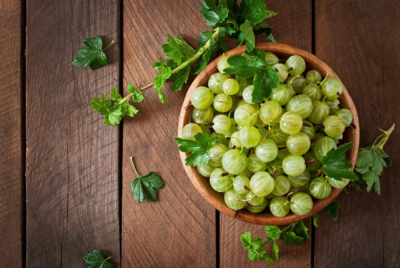
    Skin and Hair Oil Amla is best

    Ayurvedic Secrets for Lustrous Hair

    Healthy, lustrous hair is a sign of balanced doshas and good health. Ayurvedic remedies for hair focus on nourishing the scalp, improving circulation, and using herbal oils to prevent hair fall, dandruff, and premature graying.

    1. Bhringraj: The Hair Rejuvenator

    Bhringraj (Eclipta prostrata) is known as the “king of herbs” for hair care in Ayurveda. It helps strengthen hair, prevent hair fall, and promote regrowth.

    • How to use: Massage bhringraj oil into your scalp and leave it on for at least an hour before washing. Regular use helps prevent hair loss and stimulates hair growth.

    2. Amla: The Hair Strengthener

    Amla (Emblica officinalis), or Indian gooseberry, is a rich source of vitamin C and antioxidants that strengthen the hair follicles and promote hair growth. It also helps prevent premature graying.

    • How to use: Apply amla oil to your scalp and hair or mix amla powder with water to create a hair mask. Leave it on for 30 minutes before rinsing for stronger, shinier hair.

    3. Coconut Oil: The Deep Conditioner

    Coconut oil is deeply nourishing and hydrating for the hair. It penetrates the hair shaft, preventing breakage and improving hair texture.

    • How to use: Warm coconut oil and massage it into your scalp and hair. Leave it overnight or for at least a few hours before washing. Regular use promotes healthy, moisturized hair.

    4. Fenugreek: The Hair Softener

    Fenugreek seeds (Trigonella foenum-graecum) are rich in protein and nicotinic acid, which strengthen the hair shaft, reduce dandruff, and soften the hair.

    • How to use: Soak fenugreek seeds overnight, grind them into a paste, and apply it to your scalp and hair. Leave it on for 30 minutes before washing. This helps reduce dandruff and promotes silky hair.

    5. Hibiscus: The Hair Shine Booster

    Hibiscus flowers are packed with amino acids that nourish the hair, boost shine, and promote hair growth. They also help prevent split ends.

    • How to use: Crush fresh hibiscus flowers and mix them with coconut oil to make a paste. Apply it to your scalp and hair for 20-30 minutes before rinsing.

    6. Shikakai: The Natural Cleanser

    Shikakai (Acacia concinna) is a natural Ayurvedic herb used as a gentle hair cleanser. It doesn’t strip the hair of its natural oils, making it perfect for maintaining healthy scalp and hair.

    • How to use: Mix shikakai powder with water to create a paste, and use it as a natural shampoo to clean your hair without chemicals.

    7. Ashwagandha: The Stress Reliever

    Ashwagandha (Withania somnifera) is an adaptogenic herb that helps reduce stress, one of the main causes of hair fall. By calming the nervous system, it promotes hair growth and prevents hair loss.

    • How to use: Take Ashwagandha supplements or use it in powder form to manage stress and improve overall hair health.

    Skin and Hair Oil Massage

    Ayurvedic Lifestyle Practices for Beauty

    In addition to using herbal remedies, Ayurveda emphasizes the importance of lifestyle practices to support beauty from within.

    1. Abhyanga: Oil Massage

    Abhyanga, or self-massage with warm oil, is a deeply nourishing Ayurvedic practice that helps improve circulation, reduce stress, and keep the skin and hair healthy.

    • How to do it: Massage your body with warm sesame or coconut oil before showering. This practice hydrates the skin, improves blood circulation, and promotes relaxation.

    2. Hydration and Diet

    In Ayurveda, beauty starts from within. Drinking plenty of water and eating a dosha-balancing diet rich in fruits, vegetables, and healthy fats is crucial for maintaining radiant skin and healthy hair.

    • Tip: Include hydrating foods like cucumbers, melons, and leafy greens, and avoid processed, spicy, and oily foods that can imbalance the doshas.

    3. Stress Management

    Stress can lead to skin breakouts, hair fall, and premature aging. Practices like meditation, pranayama (breathing exercises), and yoga help calm the mind and reduce stress, leading to improved skin and hair health.

    Conclusion

    Ayurveda offers a holistic approach to beauty, focusing on natural remedies and lifestyle practices that nourish the body from within. By incorporating Ayurvedic herbs, oils, and treatments into your daily routine, you can achieve glowing skin and healthy hair while maintaining overall well-being. Balancing the doshas, detoxifying the body, and practicing self-care are the keys to unlocking these ancient beauty secrets.

  • Bala Herb – Ayurvedic Strength Enhancer

    Bala Herb – Ayurvedic Strength Enhancer

    Bala (Sida cordifolia), an important herb in Ayurvedic medicine, is known for its powerful ability to enhance strength and vitality. The name “Bala” itself means “strength” in Sanskrit, signifying its key role in promoting physical stamina, endurance, and energy. This herb is widely used to strengthen the immune system, improve muscle tone, and support overall physical health. Bala is classified as a Rasayana in Ayurveda, meaning it rejuvenates the body and promotes longevity.

    In this article, we will explore the various benefits of Bala herb and how it can be used to enhance physical strength, boost immunity, and support overall well-being.

    1. Bala for Physical Strength and Stamina

    Improves Muscle Strength

    Bala is renowned for its ability to improve muscle strength and tone, making it particularly beneficial for athletes, bodybuilders, and individuals recovering from illness. It helps in building lean muscle mass and increasing physical endurance.

    1. Supports Muscle Recovery

    Bala is known for its muscle-relaxant properties, which help soothe muscle pain and inflammation after physical exertion. It aids in quicker recovery after intense workouts or physical activity, reducing the risk of injury.

    2. Enhances Physical Stamina

    Regular consumption of Bala improves energy levels and stamina, making it a great supplement for those looking to improve physical performance. It increases endurance during physical activities and supports long-lasting energy throughout the day.

    How to Use Bala for Strength and Stamina

    • Bala powder can be mixed with warm milk or water and consumed daily to boost physical strength and stamina.
    • Bala oil can be used for body massages to improve muscle tone and relieve muscle pain.

    2. Bala for Immunity Boosting

    Strengthens the Immune System

    Bala has powerful immune-boosting properties that help the body fight off infections and diseases. It enhances the body’s natural defense mechanisms, protecting it from common illnesses like colds, fevers, and respiratory infections.

    1. Fights Inflammation

    Bala’s anti-inflammatory properties help reduce inflammation throughout the body, supporting the immune system in maintaining overall health. It can be particularly useful in managing chronic inflammatory conditions like arthritis or joint pain.

    2. Acts as a Natural Antioxidant

    Bala contains antioxidants that help neutralize harmful free radicals in the body, reducing oxidative stress. This contributes to better immune function and overall vitality, protecting the body from the damage caused by environmental toxins.

    How to Use Bala for Immune Health

    • Bala supplements in the form of powders, tablets, or oils can be consumed regularly to support immune health and fight infections.
    • Bala can be combined with other immune-boosting herbs like Ashwagandha for enhanced benefits.

    3. Bala for Respiratory Health

    Treats Respiratory Conditions

    Bala is highly effective in treating respiratory conditions such as asthma, bronchitis, and colds. Its soothing properties help alleviate respiratory discomfort and clear congestion in the lungs.

    1. Relieves Cough and Cold Symptoms

    Bala acts as an expectorant, helping to clear mucus and phlegm from the respiratory tract. It soothes irritated airways, reduces coughing, and promotes easier breathing.

    2. Improves Lung Function

    Bala helps strengthen the respiratory system, improving lung function and increasing oxygenation throughout the body. This makes it a beneficial herb for those with respiratory issues or individuals looking to boost their overall lung health.

    How to Use Bala for Respiratory Health

    • Bala powder or syrup can be consumed with honey or warm water to relieve cough and cold symptoms.
    • Bala oil can be applied to the chest to relieve congestion and improve breathing.

    4. Bala for Joint and Bone Health

    Reduces Joint Pain

    Bala’s anti-inflammatory properties make it an effective remedy for joint pain and arthritis. It helps reduce inflammation in the joints, alleviating stiffness and discomfort.

    1. Supports Bone Health

    Bala is beneficial for strengthening the bones and improving joint flexibility. It helps in preventing bone-related issues like osteoporosis and promotes better mobility, especially in older adults.

    2. Soothes Inflammation in the Joints

    For individuals suffering from chronic joint inflammation, Bala provides relief by reducing swelling and promoting healing in the joints. This makes it an ideal herb for those dealing with conditions like rheumatoid arthritis.

    How to Use Bala for Joint Health

    • Bala oil can be massaged into the joints to relieve pain and inflammation.
    • Consuming Bala supplements regularly can support bone strength and joint mobility over time.

    5. Bala for Rejuvenation and Longevity

    Rejuvenates the Body

    Bala is classified as a Rasayana herb, meaning it rejuvenates the body and promotes long-term vitality. It supports overall physical and mental well-being by restoring energy and reducing fatigue.

    1. Promotes Longevity

    As a Rasayana herb, Bala helps in maintaining youthfulness and longevity by nourishing the body’s tissues and enhancing overall vitality. It boosts physical strength, stamina, and mental clarity, contributing to a long, healthy life.

    2. Enhances Mental Clarity

    Bala is not only beneficial for the body but also for the mind. It supports mental clarity, focus, and memory, making it a great herb for those looking to enhance cognitive function and reduce stress.

    How to Use Bala for Rejuvenation

    • Bala can be consumed in the form of tea or taken as a supplement to promote rejuvenation and longevity.
    • Combine Bala with other rejuvenating herbs like Amalaki and Shatavari for enhanced benefits.

    Conclusion

    Bala is truly a remarkable herb in Ayurveda, known for its ability to enhance physical strength, boost immunity, and support overall health. Whether you’re an athlete looking to improve performance, someone recovering from illness, or simply seeking a natural way to boost your vitality, Bala can be an excellent addition to your routine. From strengthening muscles to improving respiratory health and soothing joint pain, Bala’s wide-ranging benefits make it a versatile and potent herb for promoting well-being.

    As always, consult with an Ayurvedic practitioner or healthcare provider before incorporating Bala into your daily routine, especially if you have pre-existing health conditions or are pregnant. With proper usage, Bala can help you achieve greater strength, vitality, and overall wellness.

  • The Science of Antioxidants in Ayurveda: Foods for Cellular Health

    The Science of Antioxidants in Ayurveda: Foods for Cellular Health

    The Timeless Wisdom of Ayurveda Meets Modern Science: Antioxidant-Rich Foods for Cellular Protection

    While the concept of antioxidants is a recent scientific discovery, Ayurveda, the ancient Indian system of medicine, has long emphasized the importance of consuming certain foods to promote cellular health. This synergy between traditional wisdom and modern science empowers you to make informed choices for optimal well-being.


    Antioxidants: Cellular Guardians in Modern Science

    Free radicals are unstable molecules produced during normal metabolism and through exposure to environmental toxins. These free radicals can damage cells, contributing to aging and chronic diseases. Antioxidants are natural or man-made substances that neutralize free radicals, protecting your cells from this damage.


    The Ayurvedic Perspective: Nourishing the Body’s Inner Flame

    Ayurveda doesn’t directly mention antioxidants, but it focuses on nourishing the agni, the digestive fire responsible for breaking down food and extracting its essence. A strong agni allows your body to absorb nutrients effectively. Ayurvedic dietary principles recommend specific foods that promote agni and possess inherent antioxidant properties.


    Ayurvedic Powerhouses for Cellular Health

    Here’s a glimpse into some antioxidant-rich food groups recommended in Ayurveda:

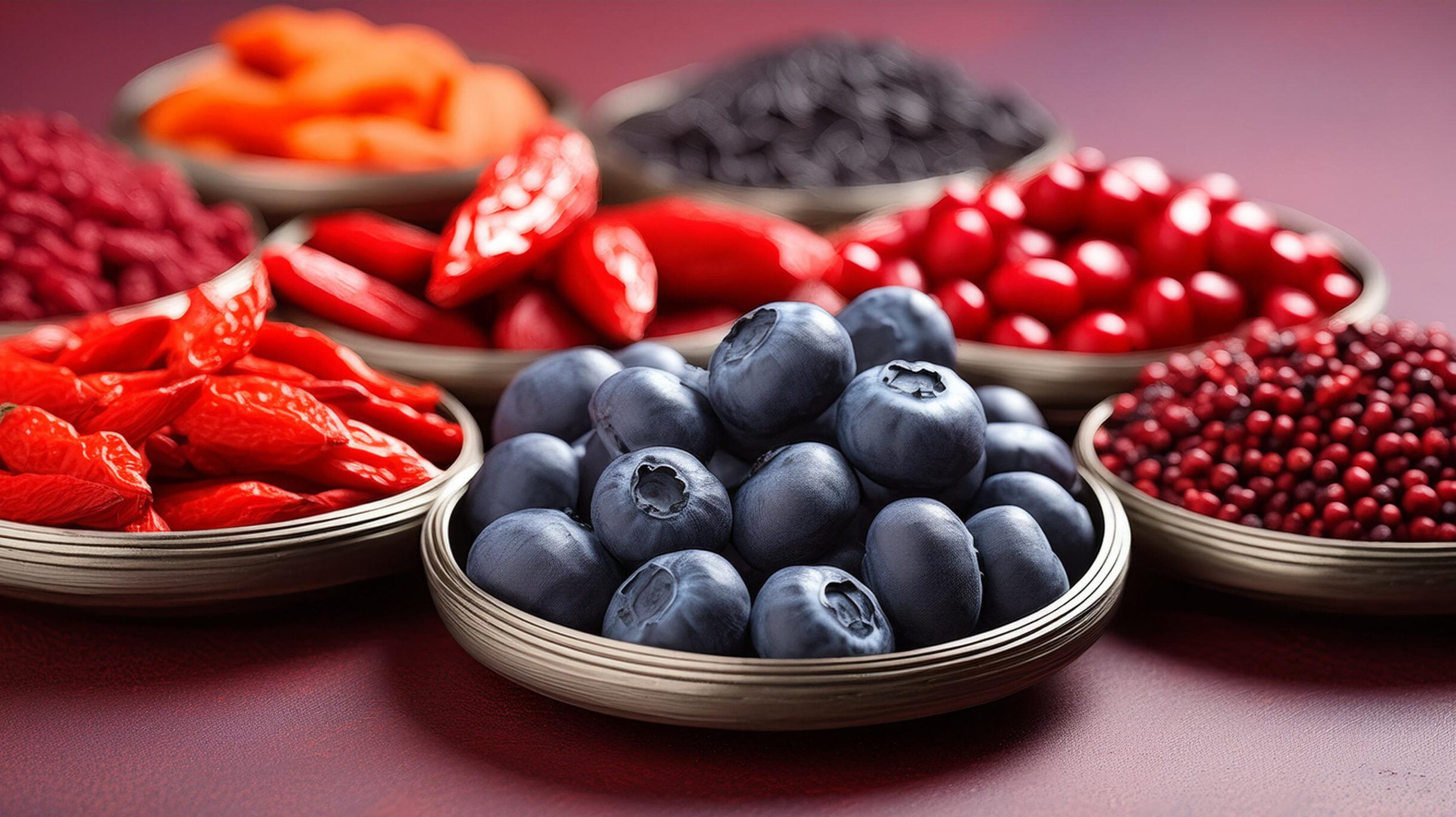
    Fruits: Amla (Indian Gooseberry), rich in Vitamin C and phytonutrients, is a revered fruit in Ayurveda for its cellular rejuvenation properties. Other beneficial fruits include berries, pomegranate, and grapes.

    Vegetables: Leafy greens like spinach and kale are rich in antioxidants and vitamins that protect cells. Ayurveda also recommends brightly colored vegetables like beetroot and carrots.

    Spices: Turmeric, a golden wonder, contains curcumin, a potent anti-inflammatory and antioxidant compound. Other beneficial spices include ginger, cloves, and cumin.

    Nuts and Seeds: Almonds, walnuts, and flaxseeds are all rich in antioxidants, healthy fats, and Vitamin E, which contribute to cellular health.

    Remember: Consult with an Ayurvedic practitioner for personalized dietary advice based on your unique needs and doshic constitution.

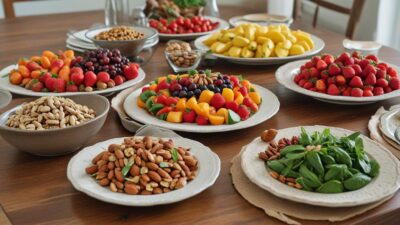
    Plates with Fresh Fruits Nuts Spices Vegetables for healthy diet
    Foundation of a healthy diet – Fruits, Vegetables, Spices, and Nuts

    Beyond Food: Ayurvedic Practices for Holistic Well-being

    A holistic approach to cellular health goes beyond just diet. Here are some Ayurvedic practices that can contribute:

    Regular Exercise: Moderate physical activity improves circulation and cellular respiration, promoting overall well-being.

    Quality Sleep: Adequate sleep allows your body to repair and rejuvenate cells.

    Stress Management: Chronic stress can increase free radical production. Practice relaxation techniques like yoga or meditation to manage stress effectively.


    The Synergy of Ayurveda and Modern Science

    By incorporating these ancient practices alongside a diet rich in antioxidant-rich foods, you can create a powerful foundation for cellular health. Remember, consistency is key. With dedication to a balanced lifestyle, you can embrace the wisdom of Ayurveda and empower your body’s natural defense mechanisms for a life of vitality.


    Important Note: While Ayurveda offers a wealth of knowledge, it’s complementary to modern medicine. If you have any concerns about your health, consult a doctor for a proper diagnosis and treatment plan.