Author: admin

  • Nirgundi: A Powerful Herb for Pain and Swelling

    Nirgundi: A Powerful Herb for Pain and Swelling

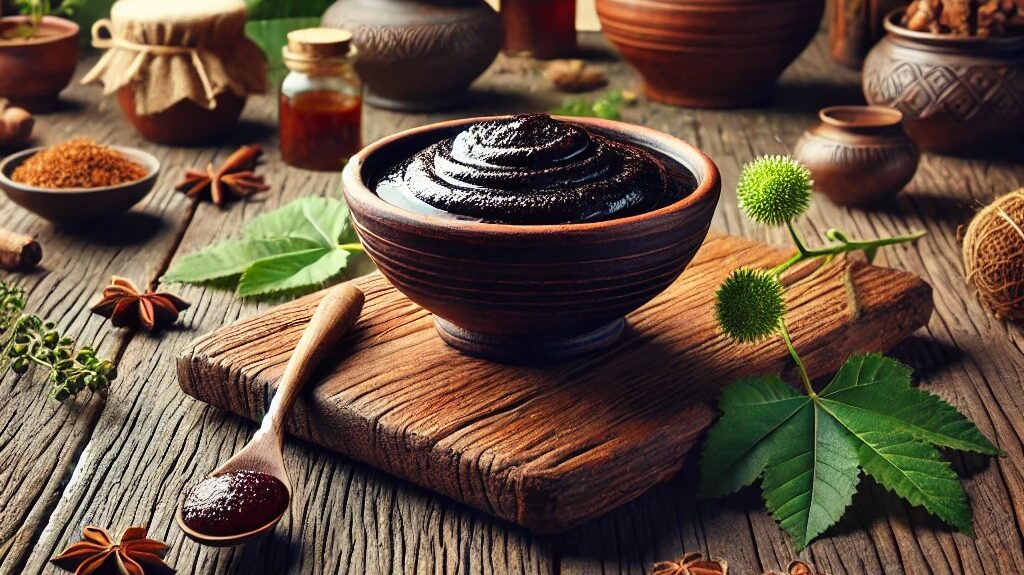
    Nirgundi, scientifically known as Vitex negundo, is a highly revered herb in Ayurveda, celebrated for its remarkable ability to alleviate pain, reduce inflammation, and promote healing. For centuries, this versatile plant has been used as a natural remedy for a wide range of conditions, especially those related to joint and muscle pain. In this article, we’ll delve into the benefits of Nirgundi, how it works, and how you can use it to manage pain and swelling.

    What is Nirgundi?

    Nirgundi is a small aromatic shrub commonly found in tropical regions of India and Southeast Asia. The plant’s leaves, roots, and seeds are packed with medicinal properties that make it a key component in Ayurvedic treatments for joint pain, arthritis, and inflammation. Nirgundi has a potent blend of anti-inflammatory, analgesic, and antioxidant properties, making it a go-to remedy for various types of pain and swelling.

    Key Properties of Nirgundi:

    • Anti-inflammatory: Helps reduce inflammation in the joints and muscles.
    • Analgesic: Provides pain relief, making it effective for treating chronic and acute pain.
    • Antioxidant: Neutralizes free radicals, preventing further damage to the affected areas.
    • Antiseptic: Can also be used to treat skin wounds and infections.

    1. Benefits of Nirgundi for Pain and Swelling

    Relieves Joint Pain and Arthritis

    Nirgundi is widely used in Ayurveda to treat arthritis and joint pain. Its anti-inflammatory properties help reduce swelling, while its analgesic effects offer relief from the discomfort caused by conditions such as osteoarthritis and rheumatoid arthritis.

    How it Helps:

    • Reduces joint inflammation and stiffness.
    • Improves mobility and flexibility in affected areas.
    • Eases chronic pain caused by degenerative joint disorders.

    Soothes Muscle Pain and Cramps

    Muscle pain from injuries, overexertion, or conditions like fibromyalgia can be debilitating. Nirgundi acts as a natural muscle relaxant and helps reduce soreness and pain by soothing inflamed tissues and improving blood circulation to the affected areas.

    How it Helps:

    • Alleviates muscle stiffness and cramps.
    • Promotes faster recovery from muscle injuries.
    • Enhances overall muscle relaxation and comfort.

    Treats Sciatica and Nerve Pain

    Nirgundi’s ability to relieve nerve pain makes it particularly beneficial for those suffering from sciatica, a condition characterized by pain radiating from the lower back down to the legs. The herb reduces nerve inflammation and relieves the intense, shooting pain associated with nerve disorders.

    How it Helps:

    • Reduces nerve inflammation.
    • Alleviates radiating pain and discomfort.
    • Helps manage chronic nerve conditions.

    Heals Wounds and Skin Inflammation

    Thanks to its antiseptic and anti-inflammatory properties, Nirgundi is also used topically to treat skin wounds, ulcers, and inflammatory skin conditions like eczema. It speeds up the healing process and prevents infection in damaged tissues.

    How it Helps:

    • Heals cuts, wounds, and skin ulcers.
    • Reduces swelling and redness in inflamed skin.
    • Prevents infections in open wounds.

    2. How to Use Nirgundi for Pain Relief

    There are several ways to incorporate Nirgundi into your daily routine to manage pain and swelling. Here are some of the most common methods used in Ayurveda:

    Nirgundi Oil

    Nirgundi oil is perhaps the most popular way to use this herb for pain relief. The oil is extracted from the leaves and applied topically to affected areas, offering immediate relief from pain and inflammation.

    How to Use:

    • Warm the oil slightly and massage it gently onto the painful area (joints, muscles, or lower back).
    • Leave it on for at least 30 minutes or overnight for maximum absorption.
    • Use regularly (1–2 times a day) for best results, especially for chronic conditions like arthritis or sciatica.

    Nirgundi Powder or Paste

    You can also find Nirgundi in powdered form, which can be mixed with water or oil to create a paste. This paste can be applied directly to inflamed or swollen areas for localized pain relief.

    How to Use:

    • Mix Nirgundi powder with warm water or oil to form a paste.
    • Apply the paste to the affected area and cover it with a soft cloth.
    • Leave it on for 30–60 minutes before washing off.

    Nirgundi Decoction

    For internal use, Nirgundi can be consumed in the form of a decoction to help reduce inflammation from the inside out. This method is particularly useful for managing chronic inflammatory conditions like arthritis and gout.

    How to Use:

    • Boil Nirgundi leaves in water to create a decoction.
    • Strain and drink the mixture 1–2 times a day, under the guidance of a healthcare provider or Ayurvedic practitioner.

    Nirgundi Capsules

    For those who prefer a more convenient method of consumption, Nirgundi is available in capsule form as well. These supplements provide the benefits of the herb in a concentrated dose, making it easier to manage chronic pain over time.

    How to Use:

    • Take Nirgundi capsules according to the recommended dosage provided by your healthcare provider.
    • Capsules are often taken with warm water after meals for best absorption.

    3. Precautions When Using Nirgundi

    While Nirgundi is generally safe for most people when used appropriately, it’s important to keep a few things in mind:

    • Pregnancy and Breastfeeding: Consult with a healthcare provider before using Nirgundi if you are pregnant or breastfeeding, as its effects on pregnancy are not well studied.
    • Allergic Reactions: As with any herbal remedy, it’s important to perform a patch test before applying Nirgundi oil or paste to the skin, especially if you have sensitive skin or a history of allergies.
    • Chronic Conditions: Always consult a healthcare provider before using Nirgundi internally if you have any chronic health conditions or are taking medications, to avoid potential interactions.

    Conclusion

    Nirgundi is a powerful Ayurvedic herb with a long history of use in managing pain, inflammation, and swelling. Whether used as an oil, paste, or decoction, this versatile plant offers natural and effective relief for a wide range of conditions, from arthritis to muscle soreness. Regular use of Nirgundi can help you manage chronic pain, improve mobility, and support overall joint and muscle health. Always remember to consult an Ayurvedic practitioner or healthcare professional before beginning any new treatment, especially for long-term or chronic conditions.

  • Tulsi, Nature’s Cure for Cough, Cold and Stress

    Tulsi, Nature’s Cure for Cough, Cold and Stress

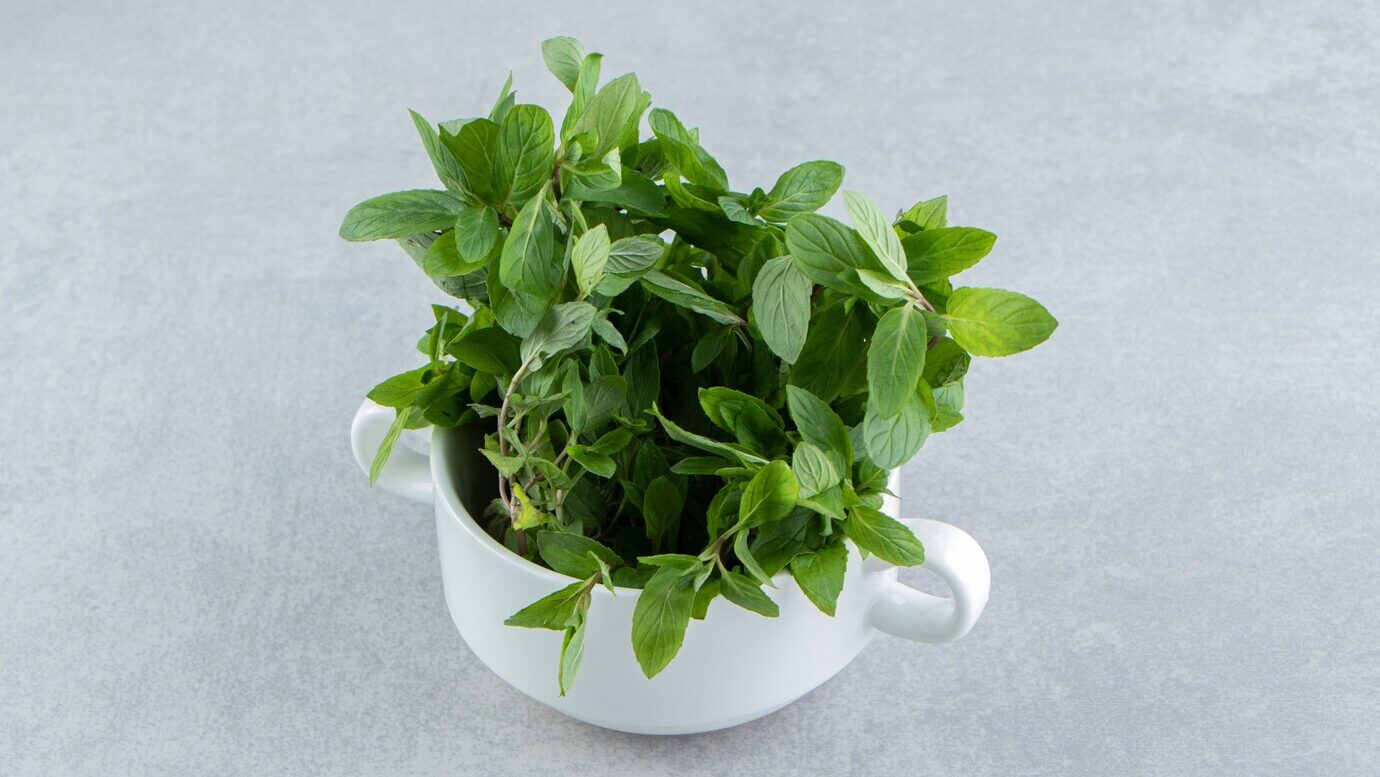
    Tulsi, also known as Holy Basil (Ocimum sanctum), is revered in Ayurveda for its remarkable healing properties. Often referred to as the “Queen of Herbs,” Tulsi has been used for centuries to treat various ailments, including cough, cold, and stress. Its adaptability to both physical and emotional health makes it a cornerstone of Ayurvedic medicine.

    In this article, we’ll explore how Tulsi can serve as a natural remedy for common respiratory issues and stress relief.

    Understanding Tulsi in Ayurveda

    In Ayurveda, Tulsi is considered a sacred plant and is often associated with purity and healing. It is classified as a Rasayana, which means it promotes longevity and overall health. Tulsi’s rich composition of essential oils, antioxidants, and vitamins makes it effective in treating a variety of conditions.

    Key Properties of Tulsi:

    • Rasa (Taste): Pungent, bitter
    • Guna (Qualities): Light, dry
    • Virya (Potency): Heating
    • Effect on Doshas: Balances Kapha and Vata

    Benefits of Tulsi for Cough and Cold

    1. Antimicrobial Properties

    Tulsi possesses strong antimicrobial properties that help fight off bacteria and viruses. It is effective against respiratory infections, making it an ideal remedy for cough and cold.

    How It Helps:

    • Reduces the severity and duration of respiratory infections.
    • Helps clear mucus from the airways.

    2. Anti-Inflammatory Effects

    The anti-inflammatory properties of Tulsi can help soothe the throat and reduce irritation caused by coughing. It calms the respiratory tract, making it easier to breathe.

    How It Helps:

    • Eases sore throat and inflammation.
    • Reduces symptoms of bronchitis and asthma.

    3. Expectorant Qualities

    Tulsi acts as a natural expectorant, helping to loosen mucus and phlegm. This makes it easier to expel congestion from the lungs, providing relief from cough and chest discomfort.

    How It Helps:

    • Promotes the expulsion of mucus from the respiratory system.
    • Alleviates chest tightness and discomfort.

    4. Boosts Immunity

    Regular consumption of Tulsi strengthens the immune system, making the body more resilient against infections. Its high antioxidant content helps neutralize free radicals and supports overall health.

    How It Helps:

    • Enhances the body’s natural defenses.
    • Reduces the likelihood of recurring colds.

    Tulsi Holy Basil Tea

    Benefits of Tulsi for Stress Relief

    1. Adaptogenic Properties

    Tulsi is known as an adaptogen, helping the body adapt to stress and anxiety. It promotes a sense of calm and well-being, making it useful for managing everyday stressors.

    How It Helps:

    • Balances cortisol levels in the body.
    • Reduces feelings of anxiety and promotes relaxation.

    2. Enhances Mood

    Tulsi has mood-enhancing properties that can help reduce feelings of depression and enhance emotional resilience. Its aroma and taste are soothing, making it a great addition to teas and herbal remedies.

    How It Helps:

    • Promotes mental clarity and focus.
    • Helps in alleviating emotional stress and fatigue.

    3. Improves Sleep Quality

    By calming the mind and reducing stress, Tulsi can help improve sleep quality. Better sleep supports overall health and enhances the body’s ability to fight infections.

    How It Helps:

    • Promotes relaxation before bedtime.
    • Reduces insomnia and sleep disturbances.

    How to Use Tulsi

    Tulsi can be easily incorporated into your daily routine in various forms:

    1. Tulsi Tea

    • Brew fresh Tulsi leaves in hot water for 10-15 minutes. You can add honey or lemon for flavor. Drink 1-2 cups daily for optimal benefits.

    2. Tulsi Powder

    • Mix Tulsi powder with honey or warm milk and consume it daily, especially during cold seasons.

    3. Tulsi Capsules or Extracts

    • Available in health stores, these can be taken according to the dosage instructions.

    Conclusion

    Tulsi is a powerful herb with numerous health benefits, particularly for cough, cold, and stress relief. Its antimicrobial, anti-inflammatory, and adaptogenic properties make it a versatile remedy that can enhance overall well-being. Incorporating Tulsi into your daily routine can help you combat respiratory issues and manage stress naturally.

    As always, consult with a healthcare provider or Ayurvedic practitioner before starting any new herbal regimen, especially if you have existing health conditions or are on medication. Embrace the healing power of Tulsi and enjoy a healthier, calmer life!

  • The Role of Ayurveda in Preventing Insulin Resistance

    The Role of Ayurveda in Preventing Insulin Resistance

    Insulin resistance is a growing health concern globally, often leading to conditions like Type 2 diabetes, obesity, and metabolic syndrome. It occurs when the body’s cells become less responsive to insulin, causing higher blood sugar levels and increased insulin production. While modern medicine offers treatments to manage insulin resistance, Ayurveda provides a holistic approach to prevent it. Rooted in balancing the doshas (Vata, Pitta, and Kapha), Ayurvedic principles focus on improving metabolism, reducing inflammation, and promoting overall well-being to prevent insulin resistance.

    1. Understanding Insulin Resistance in Ayurveda

    Kapha Imbalance and Metabolic Disorders

    In Ayurveda, insulin resistance is often linked to an imbalance in the Kapha dosha, which is associated with heaviness, sluggishness, and accumulation of toxins (Ama). When Kapha is aggravated, it leads to poor digestion, slow metabolism, and fat accumulation—factors that contribute to insulin resistance. Ayurveda believes that when digestion (Agni) is weak and Kapha dominates, it impairs the body’s ability to process sugars, leading to higher blood sugar levels.

    Key Ayurvedic Concepts:

    • Ama: The toxic byproduct of improper digestion that clogs bodily channels (Srotas), disrupting glucose metabolism.
    • Agni: The digestive fire that is responsible for metabolism. Weak Agni is a common cause of metabolic disorders.

    The Role of Dosha Balance:

    Balancing the doshas is crucial for preventing insulin resistance. Ayurvedic practices aim to strengthen Agni, reduce Ama, and balance Kapha through diet, herbs, and lifestyle changes. This promotes better glucose metabolism and reduces the risk of developing insulin resistance.

    2. Ayurvedic Dietary Recommendations to Prevent Insulin Resistance

    Foods to Pacify Kapha and Enhance Metabolism

    A Kapha-pacifying diet is essential for preventing insulin resistance. Such a diet focuses on light, warming, and easy-to-digest foods that enhance Agni and reduce the buildup of Ama. The goal is to avoid heavy, oily, and sugary foods that aggravate Kapha and impair metabolism.

    Foods to Include:

    • Whole Grains: Barley, millet, and quinoa are excellent for balancing Kapha and providing sustained energy.
    • Leafy Greens and Vegetables: Spinach, kale, broccoli, and zucchini help detoxify the body and boost digestion.
    • Spices: Turmeric, cinnamon, ginger, and black pepper are warming spices that stimulate Agni and improve insulin sensitivity.
    • Bitter and Astringent Foods: Bitter gourd (Karela) and fenugreek (Methi) are known to lower blood sugar levels naturally.
    • Herbal Teas: Teas made from cinnamon, ginger, or tulsi (holy basil) can support digestion and balance blood sugar levels.

    Foods to Avoid:

    • Refined Sugars and Carbohydrates: Processed foods, white bread, and sweets spike blood sugar and contribute to insulin resistance.
    • Heavy, Oily Foods: Fried foods and excess dairy products aggravate Kapha and slow down metabolism.
    • Cold and Raw Foods: These foods are harder to digest for Kapha types and can weaken Agni.

    Timing of Meals

    Ayurveda emphasizes the importance of meal timing to support digestion and prevent insulin resistance. Having regular meals at the same time each day helps maintain balanced blood sugar levels. Skipping meals or eating late at night can disrupt Agni and lead to an imbalance in blood sugar.

    Tips:

    • Have the largest meal of the day during lunchtime when Agni is strongest.
    • Avoid heavy dinners or late-night snacking to prevent slow digestion and toxin buildup.

    3. Herbs to Prevent and Manage Insulin Resistance

    Gudmar (Gymnema Sylvestre)

    Gudmar, meaning “sugar destroyer,” is one of the most effective herbs in Ayurveda for managing blood sugar levels and preventing insulin resistance. It works by reducing sugar absorption in the intestines and enhancing the function of pancreatic cells, which are responsible for insulin production.

    Benefits:

    • Reduces sugar cravings
    • Lowers blood sugar levels
    • Supports pancreatic health

    Turmeric (Curcuma longa)

    Turmeric is widely known for its anti-inflammatory and antioxidant properties. Its active compound, curcumin, helps reduce inflammation that contributes to insulin resistance. It also improves insulin sensitivity and regulates blood sugar levels.

    Benefits:

    • Reduces inflammation linked to insulin resistance
    • Enhances insulin sensitivity
    • Supports liver detoxification

    Amla (Indian Gooseberry)

    Amla is rich in vitamin C and antioxidants, making it a powerful herb for managing blood sugar levels. It supports healthy pancreatic function and enhances insulin secretion, helping prevent insulin resistance.

    Benefits:

    • Boosts insulin production
    • Reduces oxidative stress
    • Supports metabolic health

    Cinnamon (Cinnamomum verum)

    Cinnamon is another spice that plays a significant role in controlling blood sugar levels. It improves insulin sensitivity and helps reduce the risk of blood sugar spikes after meals.

    Benefits:

    • Lowers blood sugar levels
    • Reduces insulin resistance
    • Stabilizes post-meal glucose levels

    Fenugreek (Trigonella foenum-graecum)

    Fenugreek seeds are rich in soluble fiber, which helps slow the digestion of carbohydrates and improve blood sugar control. They also enhance insulin sensitivity, making them effective in preventing insulin resistance.

    Benefits:

    • Stabilizes blood sugar levels
    • Improves insulin function
    • Reduces sugar absorption in the intestines

    4. Ayurvedic Lifestyle Practices for Preventing Insulin Resistance

    Daily Routine (Dinacharya)

    A well-balanced daily routine, or Dinacharya, plays a crucial role in preventing insulin resistance. Consistent wake-up times, meal times, and exercise routines help regulate the body’s metabolic processes and keep blood sugar levels stable.

    Key Practices:

    • Wake Up Early: Starting your day early promotes healthy metabolism and allows for better control over blood sugar.
    • Exercise Regularly: Engaging in moderate exercise, like yoga or walking, helps balance Kapha, burns excess calories, and improves insulin sensitivity.
    • Proper Sleep: Getting adequate sleep is essential for maintaining hormonal balance and preventing insulin resistance. Lack of sleep is linked to increased insulin resistance.

    Yoga and Pranayama

    Yoga and breathing exercises (Pranayama) are integral parts of Ayurvedic lifestyle practices that help reduce stress, which is a significant contributor to insulin resistance. Stress increases cortisol levels, which can lead to elevated blood sugar and impaired insulin function.

    Recommended Practices:

    • Surya Namaskar (Sun Salutation): This sequence helps stimulate digestion, boost metabolism, and balance blood sugar levels.
    • Kapalbhati Pranayama: A powerful breathing technique that improves digestion, boosts metabolism, and helps detoxify the body.
    • Meditation: Regular meditation reduces stress and promotes mental clarity, which is essential for managing insulin resistance.

    Conclusion

    Ayurveda offers a holistic and natural approach to preventing insulin resistance through dietary choices, herbal remedies, and lifestyle practices. By balancing the doshas, improving digestion, and reducing stress, Ayurvedic practices support healthy blood sugar levels and prevent the development of insulin resistance. Incorporating Ayurvedic herbs like Gudmar, turmeric, Amla, and fenugreek into your daily routine, along with mindful eating and regular exercise, can promote long-term metabolic health and reduce the risk of diabetes.

  • How Chyawanprash Can Build Immunity Naturally

    How Chyawanprash Can Build Immunity Naturally

    Chyawanprash is one of the most well-known and widely used herbal formulations in Ayurveda, often regarded as a natural immunity booster. This ancient concoction has been used for centuries in India for its rejuvenating and immune-strengthening properties. Packed with powerful herbs, spices, and minerals, Chyawanprash offers a holistic approach to health and vitality. In today’s world, where building a robust immune system is more crucial than ever, Chyawanprash serves as a perfect natural remedy for boosting overall immunity.

    What is Chyawanprash?

    Chyawanprash is a traditional Ayurvedic jam-like preparation made from a blend of various herbs, fruits, spices, and clarified butter (ghee). The key ingredient is Amla (Indian Gooseberry), which is renowned for being one of the richest natural sources of Vitamin C. According to Ayurvedic texts, Chyawanprash was formulated by ancient sages for the purpose of rejuvenation, longevity, and to enhance the immune system.

    Key Ingredients in Chyawanprash

    • Amla (Indian Gooseberry): A potent source of Vitamin C, which plays a vital role in boosting immunity and promoting skin health.
    • Ashwagandha: Known for its adaptogenic properties, Ashwagandha helps the body deal with stress, fatigue, and improves immunity.
    • Pippali (Long Pepper): Supports respiratory health and helps in clearing out congestion and toxins from the body.
    • Ghee (Clarified Butter): Acts as a carrier for the herbs, ensuring their absorption while nourishing the tissues.
    • Honey: A natural sweetener with antibacterial properties, it adds taste and boosts immunity.

    How Does Chyawanprash Build Immunity?

    1. Rich in Antioxidants

    The primary ingredient in Chyawanprash, Amla, is a potent antioxidant that helps neutralize free radicals in the body. Free radicals can weaken the immune system and contribute to various illnesses. Amla, with its high Vitamin C content, strengthens the immune system by promoting the production of white blood cells, which are essential for fighting infections.

    2. Promotes Respiratory Health

    Chyawanprash is particularly beneficial for respiratory health. Ingredients like Pippali and Cardamom help clear the respiratory passages and prevent the onset of coughs, colds, and congestion. This makes it ideal for people prone to respiratory issues, especially during the colder months when immunity tends to weaken.

    3. Improves Digestion and Detoxification

    A well-functioning digestive system is key to a healthy immune system. Many herbs in Chyawanprash, such as Ginger and Pippali, help improve digestion by enhancing the digestive fire (Agni), which ensures proper absorption of nutrients. Proper digestion helps in detoxifying the body, eliminating harmful toxins (Ama), and strengthening immunity.

    4. Balances the Doshas

    According to Ayurveda, maintaining the balance of the three doshas (Vata, Pitta, and Kapha) is essential for optimal health. Chyawanprash works to balance these doshas, helping the body maintain equilibrium. For instance, its cooling properties pacify Pitta dosha, while its warming spices keep Kapha and Vata in check. This balance promotes overall well-being and strengthens the body’s natural defenses.

    5. Rejuvenates and Revitalizes

    Chyawanprash is classified as a Rasayana (rejuvenating tonic) in Ayurveda. It works to replenish energy and vitality, reduce fatigue, and enhance overall stamina. Regular consumption of Chyawanprash supports tissue regeneration and promotes longevity. A stronger, revitalized body is naturally better equipped to fend off infections and diseases.

    6. Boosts Mental Clarity and Focus

    The inclusion of adaptogenic herbs like Ashwagandha and Brahmi helps in reducing stress and improving cognitive function. Chronic stress is known to suppress the immune system, making the body more vulnerable to infections. By reducing stress and promoting mental clarity, Chyawanprash indirectly contributes to a stronger immune system.

    7. Supports Heart Health

    Chyawanprash contains herbs like Arjuna, which are known for their cardioprotective properties. A healthy heart contributes to overall well-being and ensures that the immune system functions optimally. Maintaining good cardiovascular health further strengthens the body’s ability to fight off infections.

    How to Take Chyawanprash

    Chyawanprash is typically consumed once or twice a day. Here are some simple ways to incorporate it into your daily routine:

    • Direct Consumption: Take 1 to 2 teaspoons of Chyawanprash directly in the morning on an empty stomach for the best results.
    • With Milk: Mix a spoonful of Chyawanprash in warm milk to enhance its absorption and benefits.
    • On Toast: For a tastier option, you can spread Chyawanprash on a piece of toast, similar to jam.

    Children, adults, and the elderly can safely consume Chyawanprash. However, individuals with specific health conditions or dietary restrictions should consult with an Ayurvedic practitioner or healthcare provider before including it in their diet.

    Conclusion

    Chyawanprash is a time-tested Ayurvedic remedy that plays a crucial role in building immunity naturally. With its blend of powerful herbs, spices, and rejuvenating ingredients, it not only fortifies the immune system but also provides a host of other health benefits. By incorporating Chyawanprash into your daily routine, you can support your body’s natural defense mechanisms, ensuring that you stay strong and resilient throughout the year, especially during cold and flu season.

  • Ayurvedic Herbs to Naturally Lower Blood Sugar Levels

    Ayurvedic Herbs to Naturally Lower Blood Sugar Levels

    Managing blood sugar levels is super important, especially for those with diabetes or pre-diabetes. But did you know that Ayurveda has a whole bunch of herbs that can naturally help with this? Instead of relying just on modern medicines, incorporating some of these herbs into your daily routine can make a real difference. Let’s dive into some of the best Ayurvedic herbs for lowering blood sugar naturally!

    How Ayurveda Helps with Blood Sugar

    Ayurveda offers a holistic approach to health, focusing on balancing the doshas and keeping the body’s natural systems in harmony. Certain herbs can help regulate blood sugar by supporting the pancreas, enhancing insulin sensitivity, and reducing sugar absorption.

    The Role of Doshas in Blood Sugar

    According to Ayurveda, an imbalance in the doshas—especially Kapha—can contribute to high blood sugar. Herbs that help balance Kapha and Pitta doshas are typically used for regulating blood sugar.

    The Importance of Diet

    Along with herbs, Ayurveda emphasizes diet and lifestyle changes. A Kapha-balancing diet, which includes lots of bitter, astringent, and spicy flavors, can also help control blood sugar levels naturally.

    Holistic Approach

    Ayurvedic herbs are not a quick fix but can work wonders when combined with other healthy habits like regular exercise, stress management, and mindful eating.

    Shankhpushpi

    Ayurvedic Herbs to Lower Blood Sugar

    Here’s a look at some Ayurvedic herbs known for their blood sugar-lowering properties. These herbs have been used for centuries and are still popular today for natural diabetes management.

    1. Bitter Melon (Karela)

    Bitter melon is a powerful herb that helps regulate blood sugar by improving insulin sensitivity and reducing glucose levels.

    • Benefits:
      • Increases insulin production
      • Improves glucose uptake by cells
      • Helps reduce sugar cravings

    You can consume bitter melon as a juice, in powder form, or cook it in a variety of dishes. Though it’s bitter, it’s highly effective in managing blood sugar.

    2. Fenugreek (Methi)

    Fenugreek seeds are packed with soluble fiber, which helps lower blood sugar by slowing down digestion and carbohydrate absorption.

    • Benefits:
      • Improves insulin sensitivity
      • Reduces fasting blood sugar levels
      • Reduces post-meal sugar spikes

    Soak fenugreek seeds overnight and drink the water in the morning, or add them to your meals.

    3. Amla (Indian Gooseberry)

    Amla is rich in antioxidants and vitamin C, making it a great herb for not just overall health but also for lowering blood sugar.

    • Benefits:
      • Improves insulin production
      • Protects pancreas cells
      • Reduces oxidative stress

    You can consume Amla as juice or powder, or just eat it fresh.

    Anti-inflammatory foods like turmeric, ginger and leafy

    4. Turmeric (Haldi)

    Turmeric is well-known for its anti-inflammatory properties but is also great for regulating blood sugar.

    • Benefits:
      • Reduces inflammation linked to insulin resistance
      • Improves liver function
      • Lowers glucose levels

    You can take turmeric with warm milk (golden milk) or as part of your daily cooking.

    5. Cinnamon (Dalchini)

    Cinnamon is a commonly used spice that has been shown to reduce blood sugar levels by mimicking insulin.

    • Benefits:
      • Improves insulin sensitivity
      • Lowers fasting blood sugar
      • Reduces post-meal blood sugar spikes

    Add cinnamon to your morning tea, oatmeal, or smoothies for its blood sugar-lowering benefits.

    6. Neem

    Neem leaves are bitter but are packed with medicinal properties that help lower blood sugar.

    • Benefits:
      • Reduces glucose absorption
      • Promotes insulin secretion
      • Protects pancreatic cells

    Neem can be consumed as juice, powder, or in the form of supplements. However, due to its strong taste, it may be easier to take as a supplement.

    7. Gymnema Sylvestre (Gurmar)

    Gymnema, also known as the “sugar destroyer,” helps reduce the absorption of sugar in the intestines.

    • Benefits:
      • Reduces sugar absorption
      • Suppresses sweet cravings
      • Increases insulin sensitivity

    You can take Gymnema as a supplement or in powder form, typically mixed with water or another liquid.

    8. Holy Basil (Tulsi)

    Tulsi is another powerful herb that supports blood sugar management by reducing stress and promoting insulin production.

    • Benefits:
      • Improves pancreatic function
      • Reduces stress-related blood sugar spikes
      • Balances blood sugar levels naturally

    You can consume Tulsi as a tea or add fresh leaves to your food.

    9. Cumin (Jeera)

    Cumin seeds help control blood sugar levels by reducing inflammation and improving insulin sensitivity.

    • Benefits:
      • Reduces post-meal blood sugar spikes
      • Improves digestion
      • Reduces inflammation

    Add cumin to your meals or drink cumin water for its blood sugar-lowering properties.

    10. Berberine (Daruharidra)

    Berberine, found in several plants, including Barberry, is known for its ability to lower blood sugar levels and improve insulin sensitivity.

    • Benefits:
      • Reduces glucose production in the liver
      • Enhances insulin sensitivity
      • Reduces sugar absorption

    Berberine is typically consumed in supplement form.

    Conclusion

    Ayurvedic herbs are a fantastic natural way to help regulate blood sugar levels. However, they should be used as part of a holistic approach that includes a balanced diet, exercise, and regular medical checkups. Always consult a healthcare professional before starting any herbal regimen, especially if you’re on medication for diabetes.

    By integrating these Ayurvedic herbs into your routine, you can naturally support your body’s ability to maintain balanced blood sugar levels.

  • Using Ayurvedic Oils for Muscle Pain Relief

    Using Ayurvedic Oils for Muscle Pain Relief

    Muscle pain can arise from various factors such as overexertion, injury, or stress. Ayurveda, the ancient Indian system of medicine, offers effective remedies in the form of therapeutic oils for relieving muscle pain. Ayurvedic oils, infused with medicinal herbs, are applied topically to provide relief and promote healing. These oils work by balancing the body’s doshas (Vata, Pitta, Kapha), reducing inflammation, and relaxing the muscles.

    Understanding Muscle Pain in Ayurveda

    In Ayurveda, muscle pain is often associated with an imbalance in the Vata dosha, which governs movement and activity in the body. When Vata becomes aggravated, it can lead to stiffness, pain, and discomfort in the muscles and joints. Using specific Ayurvedic oils can help calm Vata, promote circulation, and ease muscle tension.

    1. Mahanarayan Oil

    Benefits:

    Mahanarayan oil is one of the most renowned Ayurvedic oils for muscle and joint pain relief. It contains a blend of over 20 herbs, including Ashwagandha and Bala, which work together to reduce inflammation and improve muscle strength. The oil is particularly effective for chronic pain caused by conditions like arthritis and rheumatism.

    How to Use:

    • Warm the oil slightly before applying it to the affected area.
    • Gently massage the oil into the skin for 10-15 minutes.
    • Leave the oil on for at least an hour or overnight for deeper relief.

    2. Ashwagandha Oil

    Benefits:

    Ashwagandha oil is widely used in Ayurveda for its muscle-relaxing and stress-relieving properties. The oil helps alleviate pain caused by muscle tension, overuse, and stress-related conditions. It also helps in reducing fatigue and improving muscle recovery.

    How to Use:

    • Apply the oil to the sore muscles after a warm bath or shower.
    • Massage in circular motions to boost circulation and soothe muscle pain.

    3. Dhanwantharam Oil

    Benefits:

    Dhanwantharam oil is traditionally used for post-injury recovery and pain relief. It contains ingredients like Bala and sesame oil, which help reduce inflammation, strengthen muscles, and improve mobility. It’s especially beneficial for muscle stiffness and pain caused by Vata imbalance.

    How to Use:

    • Warm the oil before applying it to the affected muscles.
    • Massage for 10-20 minutes, followed by a warm compress for deeper penetration.

    4. Karpasasthyadi Oil

    Benefits:

    Karpasasthyadi oil is beneficial for relieving muscular pain, especially related to injuries and nerve damage. It contains herbs like cottonseed oil and sesame oil, which help reduce swelling and promote healing in sore muscles and joints.

    How to Use:

    • Use this oil for gentle massages on the affected areas.
    • Regular use helps improve mobility and reduces chronic pain over time.

    5. Sesame Oil (Til Taila)

    Benefits:

    Sesame oil, also known as Til Taila, is a base oil in many Ayurvedic formulations. Its warming and grounding properties make it an excellent oil for relieving muscle pain and stiffness caused by Vata imbalance. It is rich in antioxidants and penetrates deep into the tissues to provide long-lasting relief.

    How to Use:

    • Warm the sesame oil and apply it directly to the painful muscles.
    • Massage gently for 10-15 minutes, allowing the oil to absorb into the skin.
    • You can also mix sesame oil with other Ayurvedic herbs for enhanced effects.

    6. Eucalyptus Oil

    Benefits:

    Though not traditionally Ayurvedic, eucalyptus oil is often incorporated into Ayurvedic treatments for muscle pain. Its cooling and anti-inflammatory properties help in relieving pain, reducing swelling, and promoting relaxation in overworked muscles.

    How to Use:

    • Dilute a few drops of eucalyptus oil with a carrier oil like sesame or coconut oil.
    • Massage it onto the affected muscles for immediate relief.

    7. Nirgundi Oil

    Benefits:

    Nirgundi oil is specifically used for reducing muscle inflammation and pain. Its anti-inflammatory properties make it highly effective for treating muscle sprains, soreness, and chronic conditions like arthritis.

    How to Use:

    • Apply Nirgundi oil to the painful areas and massage gently.
    • For enhanced relief, use a warm compress after the massage.

    8. Sahacharadi Oil

    Benefits:

    Sahacharadi oil is known for its ability to relieve muscle stiffness and improve circulation. It is used for treating muscle spasms, soreness, and pain, particularly in the lower back and legs. This oil is helpful for conditions where the muscles feel tight and cramped.

    How to Use:

    • Warm the oil and apply it to the affected muscles.
    • Massage for 10-15 minutes daily to improve muscle flexibility and reduce pain.

    Ayurvedic Oils for Muscle Pain Relief

    How Ayurvedic Oils Work

    Ayurvedic oils are often infused with herbs that have anti-inflammatory, pain-relieving, and warming properties. When massaged into the skin, these oils help improve blood circulation, reduce inflammation, and promote relaxation in sore muscles. The warmth of the oil and massage helps soothe muscle tension, while the herbs work at a deeper level to reduce pain and heal the tissue.

    Benefits of Ayurvedic Oil Massage

    • Improved Circulation: Massaging oils into the skin increases blood flow, bringing more oxygen and nutrients to the muscles.
    • Reduced Inflammation: Ayurvedic oils often contain anti-inflammatory herbs that help reduce swelling and pain.
    • Relaxation: The act of massaging the oils into the muscles has a calming effect, which helps in reducing stress-related muscle tension.
    • Enhanced Recovery: Regular oil massages help speed up the healing process after muscle injuries or overexertion.

    Conclusion

    Ayurvedic oils offer a natural and effective way to manage muscle pain. With the right oil and massage techniques, you can reduce inflammation, relieve soreness, and promote overall muscle health. Incorporating these Ayurvedic practices into your routine not only alleviates pain but also supports long-term muscle recovery and well-being. Always consult with an Ayurvedic practitioner to choose the best oils and methods for your specific needs.

  • How to Use Shikakai and Reetha for Hair Health

    How to Use Shikakai and Reetha for Hair Health

    Shikakai and reetha (soapnut) are two powerful ingredients in Ayurvedic hair care, renowned for their ability to promote healthy hair and scalp. These natural herbs are often used as alternatives to commercial shampoos and conditioners, providing a gentle and effective way to cleanse and nourish hair. Here’s how to use shikakai and reetha for optimal hair health.

    Benefits of Shikakai and Reetha

    • Shikakai: Known for its mild cleansing properties, shikakai helps to maintain the natural oils of the scalp while promoting hair growth, reducing dandruff, and preventing premature graying.
    • Reetha: Reetha acts as a natural cleanser and conditioner, helping to remove dirt and impurities without stripping the hair of its natural moisture. It also adds shine and softness to the hair.

    Preparation Methods

    1. Shikakai and Reetha Powder Mix

    Ingredients:

    • 2 tablespoons shikakai powder
    • 2 tablespoons reetha powder
    • Water

    How to Use:

    1. Mix the shikakai and reetha powders in a bowl.
    2. Gradually add water to form a thick paste.
    3. Apply the paste to wet hair, starting from the scalp and working your way down to the tips.
    4. Massage gently for a few minutes to ensure even distribution.
    5. Leave it on for about 15-20 minutes, then rinse thoroughly with water. You may follow with a conditioner if needed.

    2. Shikakai and Reetha Infusion

    Ingredients:

    • 3-4 shikakai pods
    • 3-4 reetha pods
    • 2-3 cups water

    How to Use:

    1. Boil the shikakai and reetha pods in water for about 15-20 minutes until the water reduces to about half.
    2. Allow the mixture to cool and strain it to remove the solids.
    3. Use the liquid as a hair rinse after shampooing. Massage it into your scalp and hair, then rinse with water for added shine and softness.

    3. Shikakai and Reetha Hair Wash

    Ingredients:

    • 2 tablespoons shikakai powder
    • 2 tablespoons reetha powder
    • 1 cup warm water
    • Optional: A few drops of essential oil (like lavender or rosemary)

    How to Use:

    1. Combine the shikakai and reetha powders in a bowl.
    2. Add warm water and stir until you achieve a smooth consistency.
    3. If desired, add a few drops of essential oil for fragrance and additional benefits.
    4. Apply the mixture to wet hair, massaging it into the scalp and strands.
    5. Rinse thoroughly with water. This method can be used as a gentle shampoo alternative.

    Additional Tips

    • Frequency: Use shikakai and reetha as a hair wash 1-2 times a week, depending on your hair type and needs.
    • Storage: Store any leftover powder in an airtight container in a cool, dry place. The infusion can be refrigerated for a few days.
    • Patch Test: Always perform a patch test before using new herbal treatments, especially if you have sensitive skin or allergies.

    Conclusion

    Using shikakai and reetha in your hair care routine can significantly improve hair health, making it stronger, shinier, and more manageable. These natural ingredients are not only effective but also free from harsh chemicals, making them a great choice for anyone looking to maintain healthy hair in a gentle, holistic way. Enjoy the benefits of Ayurveda and embrace your beautiful, natural locks!

  • Natural Herbs for Reducing Joint Inflammation

    Natural Herbs for Reducing Joint Inflammation

    Joint inflammation, often caused by conditions like arthritis, can lead to pain, stiffness, and reduced mobility. Ayurveda, the ancient holistic system of medicine, offers natural solutions to alleviate inflammation and support joint health. Ayurvedic herbs, known for their anti-inflammatory and healing properties, provide long-lasting relief without the side effects associated with conventional medications. Here are some of the top Ayurvedic herbs for reducing joint inflammation.

    Understanding Joint Inflammation in Ayurveda

    In Ayurveda, joint inflammation is typically associated with an imbalance in the Vata dosha, which governs movement in the body. Excess Vata can dry out the joints, leading to pain and inflammation. Additionally, imbalances in Pitta (associated with heat and inflammation) and Kapha (related to stiffness) can also contribute to joint issues.

    1. Ashwagandha (Withania somnifera)

    How it Helps:

    Ashwagandha, a powerful adaptogen, is well-known for its ability to reduce stress and inflammation. It helps balance the Vata and Kapha doshas, easing joint pain and inflammation over time. Its anti-inflammatory properties help to protect the joints from further damage.

    How to Use:

    • Take Ashwagandha in powdered form, mixed with warm milk or water.
    • It can also be consumed as a capsule or extract.

    2. Turmeric (Curcuma longa)

    How it Helps:

    Turmeric is one of the most well-researched Ayurvedic herbs for its potent anti-inflammatory and antioxidant properties. Its active compound, curcumin, helps reduce joint inflammation and pain, particularly in conditions like osteoarthritis and rheumatoid arthritis.

    How to Use:

    • Add turmeric powder to your daily meals.
    • For more potent effects, take turmeric supplements or mix the powder with warm milk and black pepper (which helps increase curcumin absorption).

    3. Guggul (Commiphora mukul)

    How it Helps:

    Guggul is a resin known for its strong anti-inflammatory and rejuvenating properties. It is often used in Ayurvedic formulations to reduce joint swelling, stiffness, and pain. Guggul helps balance Vata and Pitta doshas, making it ideal for inflammatory conditions.

    How to Use:

    • Guggul is typically available in tablet or capsule form.
    • Consult an Ayurvedic practitioner for the correct dosage and formulation.

    4. Shallaki (Boswellia serrata)

    How it Helps:

    Shallaki, also known as Indian frankincense, is another powerful herb with strong anti-inflammatory properties. It reduces joint inflammation, improves mobility, and may help slow down cartilage loss in conditions like osteoarthritis.

    How to Use:

    • Shallaki is available in capsules and extract form.
    • Consuming it regularly can help reduce inflammation and protect joint health.

    5. Ginger (Zingiber officinale)

    How it Helps:

    Ginger is widely used in Ayurveda for its warming and anti-inflammatory properties. It helps in reducing Vata and Kapha dosha imbalances and provides relief from joint pain and stiffness by improving circulation and reducing inflammation.

    How to Use:

    • Add fresh or powdered ginger to your meals.
    • Drink ginger tea daily to relieve joint inflammation.

    6. Nirgundi (Vitex negundo)

    How it Helps:

    Nirgundi is known for its ability to reduce joint swelling and pain. It helps alleviate Vata and Kapha imbalances, making it ideal for treating arthritis and other inflammatory joint conditions.

    How to Use:

    • Nirgundi oil can be applied topically to affected joints.
    • Nirgundi leaf paste or powder can be consumed under the guidance of an Ayurvedic practitioner.

    7. Triphala

    How it Helps:

    Triphala, a combination of three fruits—Amalaki, Bibhitaki, and Haritaki—acts as a powerful detoxifier. It helps remove toxins from the body, reduces inflammation, and promotes overall health. Triphala supports digestion and helps manage Vata imbalance, which is key to reducing joint inflammation.

    How to Use:

    • Take Triphala powder with warm water before bed for gentle detoxification and anti-inflammatory effects.

    8. Methi (Fenugreek)

    How it Helps:

    Fenugreek seeds are rich in anti-inflammatory compounds and antioxidants, making them effective for reducing joint inflammation and pain. They are particularly helpful in reducing Vata and Kapha imbalances.

    How to Use:

    • Soak fenugreek seeds overnight and consume them in the morning.
    • Fenugreek powder can also be added to food or taken with water.

    9. Bala (Sida cordifolia)

    How it Helps:

    Bala, which means “strength” in Sanskrit, is an herb that helps strengthen muscles and joints. It is particularly useful for managing Vata imbalances and relieving joint pain caused by inflammation.

    How to Use:

    • Bala oil can be used for massages to soothe inflamed joints.
    • It can also be consumed in powder or capsule form under the guidance of an Ayurvedic practitioner.

    10. Ajwain (Carom seeds)

    How it Helps:

    Ajwain, commonly used in Indian cooking, has strong anti-inflammatory properties that help reduce joint pain and inflammation. It is especially beneficial for Vata and Kapha related joint issues.

    How to Use:

    • Soak ajwain seeds in water overnight and drink the water the next morning.
    • Ajwain oil can be applied topically for joint pain relief.

    Joint Inflammation

    Conclusion

    Ayurvedic herbs offer a natural and holistic approach to managing joint inflammation. By incorporating these herbs into your daily routine, you can reduce inflammation, ease pain, and support overall joint health. However, it’s essential to consult with an Ayurvedic practitioner before starting any herbal regimen, as they can recommend the best herbs and dosages based on your unique constitution and condition. With the right guidance, these Ayurvedic herbs can help you manage joint inflammation and improve your quality of life naturally.

  • Herbal Face Packs for Acne and Skin Brightening

    Herbal Face Packs for Acne and Skin Brightening

    Acne and dull skin can be frustrating, but Ayurvedic herbal face packs can provide effective natural solutions. These face packs utilize the power of herbs and natural ingredients to combat acne, reduce inflammation, and brighten the skin. Here are some effective herbal face packs to try at home.

    1. Neem and Turmeric Face Pack

    Ingredients:

    • 2 tablespoons neem powder
    • 1 teaspoon turmeric powder
    • Water or rose water

    Benefits: Neem has antibacterial properties that help fight acne, while turmeric reduces inflammation and brightens the skin.

    How to Use:

    1. Mix neem powder and turmeric in a bowl.
    2. Add water or rose water to form a paste.
    3. Apply the pack to your face, focusing on affected areas.
    4. Leave it on for 20-30 minutes, then rinse with warm water.

    2. Multani Mitti (Fuller’s Earth) and Rose Water Pack

    Ingredients:

    • 2 tablespoons multani mitti
    • 2 tablespoons rose water

    Benefits: Multani mitti absorbs excess oil and impurities, making it ideal for oily and acne-prone skin, while rose water soothes and hydrates.

    How to Use:

    1. Combine multani mitti and rose water to form a smooth paste.
    2. Apply evenly to your face and neck.
    3. Let it dry for 15-20 minutes, then rinse off with lukewarm water.

    3. Gram Flour and Yogurt Pack

    Ingredients:

    • 2 tablespoons gram flour (besan)
    • 2 tablespoons plain yogurt
    • A pinch of turmeric

    Benefits: Gram flour helps exfoliate the skin and absorb excess oil, while yogurt provides moisture and brightens the complexion.

    How to Use:

    1. Mix gram flour, yogurt, and turmeric in a bowl.
    2. Apply the mixture to your face and massage gently.
    3. Leave it on for 20 minutes, then rinse with cool water.

    4. Aloe Vera and Honey Pack

    Ingredients:

    • 2 tablespoons fresh aloe vera gel
    • 1 tablespoon honey

    Benefits: Aloe vera is known for its soothing properties, while honey has antibacterial and moisturizing effects, making this pack great for acne-prone skin.

    How to Use:

    1. Blend aloe vera gel and honey until smooth.
    2. Apply the mixture to your face and neck.
    3. Leave it on for 20-30 minutes, then rinse with lukewarm water.

    5. Sandalwood and Milk Pack

    Ingredients:

    • 2 tablespoons sandalwood powder
    • 2 tablespoons milk or rose water

    Benefits: Sandalwood has cooling properties that help reduce inflammation, while milk nourishes and brightens the skin.

    How to Use:

    1. Mix sandalwood powder with milk or rose water to create a paste.
    2. Apply the pack evenly to your face.
    3. Leave it on for 20 minutes, then rinse with warm water.

    6. Papaya and Honey Pack

    Ingredients:

    • 1/2 ripe papaya
    • 1 tablespoon honey

    Benefits: Papaya contains enzymes that exfoliate and brighten the skin, while honey moisturizes and fights bacteria.

    How to Use:

    1. Mash the papaya in a bowl and mix in honey.
    2. Apply the mixture to your face and let it sit for 20-30 minutes.
    3. Rinse with warm water for a fresh glow.

    Conclusion

    These herbal face packs harness the power of natural ingredients to help combat acne and brighten the skin. Regular use can improve your skin’s texture and appearance, promoting a healthy, radiant glow. Always perform a patch test before trying new ingredients, especially if you have sensitive skin. Enjoy the benefits of these simple, effective Ayurvedic remedies for beautiful skin!

  • Dietary Changes for Lowering Blood Pressure

    Dietary Changes for Lowering Blood Pressure

    Hypertension, or high blood pressure, is a common health issue that can lead to serious cardiovascular conditions if not properly managed. Ayurveda, the ancient science of holistic healing, offers natural dietary recommendations to help regulate blood pressure by balancing the body’s doshas, particularly Pitta and Vata, which often play a role in hypertension.

    By making specific dietary changes, you can not only manage high blood pressure but also promote overall heart health. Here are Ayurvedic dietary guidelines to help lower blood pressure naturally.

    1. Understanding the Doshas and Blood Pressure

    The Role of Pitta and Vata in Hypertension

    In Ayurveda, high blood pressure is often associated with imbalances in the Pitta and Vata doshas:

    • Pitta Imbalance: Leads to inflammation, irritability, and excessive heat in the body, which can increase blood pressure.
    • Vata Imbalance: Causes irregularities in circulation, anxiety, and nervous tension, contributing to elevated blood pressure.

    By focusing on a diet that calms Pitta and stabilizes Vata, you can naturally lower blood pressure and promote heart health.

    2. Foods to Include for Lower Blood Pressure

    Cooling and Hydrating Foods

    Since Pitta imbalance often leads to overheating in the body, consuming cooling foods helps calm this dosha and reduce blood pressure. Focus on foods that are hydrating, cooling, and light on the digestive system.

    1. Fresh Vegetables

    • Cucumbers, zucchini, leafy greens (spinach, kale), and celery are cooling vegetables that hydrate the body and help in lowering blood pressure.
    • These vegetables are also rich in potassium, which plays a key role in managing blood pressure by balancing sodium levels in the body.

    2. Fruits

    • Fruits like watermelon, pomegranate, and apples are excellent for balancing Pitta and reducing blood pressure.
    • Pomegranate is particularly known for its heart-healthy properties and helps improve blood circulation and lower blood pressure.

    3. Whole Grains

    • Whole grains like brown rice, quinoa, and barley are beneficial for reducing Vata and Pitta imbalances, providing long-lasting energy without spiking blood sugar levels, which can stress the heart.

    Healthy Fats

    In Ayurveda, healthy fats are recommended to nourish the body and stabilize the Vata dosha, which is responsible for the movement of blood and other fluids in the body.

    1. Ghee

    • Ghee, or clarified butter, is an excellent source of healthy fat that balances Vata and soothes Pitta. It helps improve circulation and reduce inflammation.
    • Consume small amounts of ghee in cooking to add a heart-healthy fat to your diet.

    2. Coconut Oil

    • Coconut oil has cooling properties, making it ideal for reducing Pitta. It also helps improve cholesterol levels, promoting heart health.
    • Use coconut oil for cooking, especially during warmer months.

    Spices and Herbs to Lower Blood Pressure

    Ayurvedic spices and herbs are powerful tools for improving circulation, reducing inflammation, and lowering blood pressure. Some of the best spices for managing blood pressure include:

    1. Garlic

    • Garlic is one of the most potent natural remedies for lowering blood pressure. It helps dilate blood vessels, improving circulation and reducing the pressure on artery walls.

    2. Turmeric

    • Turmeric is anti-inflammatory and supports cardiovascular health. It helps reduce arterial inflammation, which is often associated with high blood pressure.

    3. Cinnamon

    • Cinnamon is beneficial for balancing blood sugar levels and reducing hypertension. Add it to teas, smoothies, or oatmeal for a subtle flavor and health benefits.

    4. Basil

    • Basil helps reduce stress levels and supports heart health by lowering blood pressure. You can add fresh basil leaves to soups, salads, or herbal teas.

    Legumes

    Legumes such as lentils, mung beans, and chickpeas are an excellent source of protein and fiber. They are light and easy to digest, making them a great choice for those with high blood pressure.

    • Mung beans are especially recommended in Ayurveda for their cooling properties and ability to balance all three doshas.

    3. Foods to Avoid for Lowering Blood Pressure

    Salty and Processed Foods

    Excessive salt intake is one of the leading causes of high blood pressure. In Ayurveda, salty foods aggravate the Pitta and Kapha doshas, leading to water retention, increased blood volume, and elevated blood pressure.

    • Avoid processed foods, canned items, and ready-made sauces, as they often contain hidden sodium.
    • Limit your intake of salty snacks, pickles, and cured meats.

    Fried and Fatty Foods

    Fried foods are heavy and aggravate Kapha and Pitta, both of which can contribute to weight gain, high cholesterol, and high blood pressure.

    • Replace fried foods with baked or steamed options.
    • Reduce consumption of fatty meats and dairy products, opting for plant-based sources of protein and fats.

    Spicy and Hot Foods

    Excessively spicy foods aggravate Pitta and increase internal heat, which can lead to higher blood pressure.

    • Limit your consumption of hot peppers, chilies, and overly spicy dishes, especially if you have a Pitta imbalance.
    • Opt for milder spices like coriander, fennel, and cardamom that are cooling and calming.

    Caffeine and Alcohol

    Caffeine and alcohol stimulate the nervous system, increasing Vata and Pitta, and can lead to spikes in blood pressure.

    • Reduce your intake of coffee, tea, and alcohol, as they can lead to dehydration and strain the heart.
    • If you drink tea, opt for herbal teas like tulsi or chamomile, which are calming and help lower blood pressure.

    4. Hydration for Blood Pressure Regulation

    Stay Hydrated with Water

    Proper hydration is essential for maintaining healthy blood pressure levels. Dehydration can aggravate Vata, causing irregular heartbeats and poor circulation.

    • Drink plenty of water throughout the day, especially during hot weather or after physical activity.
    • Add a few drops of lime or lemon juice to water for a refreshing, heart-friendly drink.

    Herbal Teas

    Herbal teas are an excellent way to stay hydrated while also benefiting from the medicinal properties of herbs. Some of the best herbal teas for lowering blood pressure include:

    • Tulsi Tea: Balances Vata and Pitta, reduces stress, and supports heart health.
    • Hibiscus Tea: Known for its ability to lower blood pressure and support cardiovascular health.
    • Chamomile Tea: Calming and stress-relieving, helping reduce Vata imbalances and hypertension.

    5. Mindful Eating Practices

    Eat Slowly and Mindfully

    Ayurveda emphasizes mindful eating to support digestion and reduce stress on the body. Eating too quickly or while stressed can aggravate Vata and Pitta, leading to digestive issues and increased blood pressure.

    • Sit down and take time to enjoy your meals.
    • Avoid distractions like TV or work while eating.
    • Chew your food slowly and thoroughly to aid digestion and promote relaxation.

    Conclusion

    Ayurvedic dietary changes offer a natural and effective way to manage blood pressure by focusing on balance, nourishment, and mindful eating. By incorporating cooling, hydrating foods, heart-healthy fats, and beneficial spices into your daily diet, and avoiding processed, salty, and heavy foods, you can promote cardiovascular health and lower blood pressure.

    Incorporating these Ayurvedic principles into your lifestyle, along with regular exercise and stress management, can help keep your blood pressure in check and support long-term heart health. Always consult with an Ayurvedic practitioner to personalize your diet based on your unique constitution and health needs.