Author: admin

  • Ashoka – A Woman’s Best Friend in Ayurvedic Healing

    Ashoka – A Woman’s Best Friend in Ayurvedic Healing

    In the realm of Ayurvedic healing, Ashoka (Saraca asoca) holds a special place, particularly for women’s health. Revered for its myriad benefits, this powerful herb has been used for centuries to address various gynecological issues, promote hormonal balance, and enhance overall well-being. Let’s explore the remarkable properties of Ashoka and how it can be a woman’s best friend in holistic healing.

    1. Understanding Ashoka’s Healing Properties

    Promotes Hormonal Balance

    Ashoka is often celebrated for its ability to support hormonal balance in women. It helps regulate menstrual cycles and alleviate symptoms associated with hormonal fluctuations.

    1. Menstrual Health

    By promoting regular menstrual cycles, Ashoka can help reduce issues such as irregular periods, excessive bleeding, and menstrual cramps. Its soothing properties work to ease discomfort during menstruation, making it a valuable ally for women.

    2. Menopause Support

    During menopause, women experience various symptoms due to hormonal changes. Ashoka helps alleviate symptoms like hot flashes, mood swings, and anxiety, contributing to a smoother transition during this phase of life.

    How to Use Ashoka

    • Ashoka bark powder can be taken in water or warm milk for menstrual support.
    • Ashoka capsules or herbal formulations are also available for convenient consumption.

    2. Ashoka for Emotional Well-being

    Supports Mental Health

    The emotional impact of hormonal changes can be significant. Ashoka not only addresses physical symptoms but also promotes emotional well-being by calming the mind and reducing stress.

    1. Reduces Anxiety and Depression

    Ashoka’s adaptogenic properties help combat anxiety and depressive symptoms. By stabilizing mood and promoting emotional balance, it enhances overall mental health.

    2. Enhances Overall Vitality

    By supporting both physical and emotional health, Ashoka helps women feel more vibrant and energetic, enabling them to face daily challenges with resilience.

    How to Use Ashoka for Emotional Health

    • Ashoka tea can be consumed daily for calming effects and stress relief.
    • Combining Ashoka with other calming herbs like Ashwagandha can enhance its benefits for mental well-being.

    3. Ashoka’s Role in Reproductive Health

    Promotes Healthy Reproductive Function

    Ashoka is not only beneficial for menstrual health but also plays a vital role in reproductive health. It helps strengthen the reproductive system and supports fertility.

    1. Supports Ovulation

    By promoting healthy hormone levels, Ashoka supports regular ovulation, which is essential for fertility. This makes it a valuable herb for women trying to conceive.

    2. Improves Uterine Health

    Ashoka helps maintain the health of the uterus by promoting proper blood circulation and reducing inflammation. This is crucial for women’s overall reproductive health.

    How to Use Ashoka for Reproductive Health

    • Regular consumption of Ashoka tea can support reproductive health and enhance fertility.
    • Ashoka supplements can be taken under the guidance of a healthcare practitioner.

    4. Ashoka for Skin and Hair Health

    Enhances Beauty from Within

    In addition to its benefits for menstrual and reproductive health, Ashoka also supports skin and hair health. Its anti-inflammatory and antioxidant properties contribute to a radiant complexion and healthy hair.

    1. Improves Skin Health

    Ashoka helps combat skin issues such as acne, blemishes, and uneven skin tone. Its soothing properties promote a clear and glowing complexion.

    2. Strengthens Hair

    By improving blood circulation to the scalp, Ashoka promotes hair growth and strengthens hair follicles, resulting in thicker, healthier hair.

    How to Use Ashoka for Beauty

    • Ashoka-infused oils can be applied to the skin and hair for nourishment and rejuvenation.
    • Ashoka powder can be mixed with other natural ingredients for homemade face packs.

    Conclusion

    Ashoka is truly a woman’s best friend in Ayurvedic healing, offering a holistic approach to addressing various health issues. From promoting hormonal balance and supporting reproductive health to enhancing emotional well-being and improving skin and hair health, Ashoka provides a wealth of benefits. Whether consumed as a tea, powder, or in supplement form, incorporating Ashoka into your daily routine can help women embrace their health and vitality naturally.

    As always, consult with an Ayurvedic practitioner before starting any new herbal regimen to ensure it aligns with your individual health needs and constitution.


  • Tips for Maintaining a Healthy Metabolism

    Tips for Maintaining a Healthy Metabolism

    Maintaining a healthy metabolism is key to overall wellness, weight management, and energy levels. In Ayurveda, metabolism is closely tied to the concept of Agni—the digestive fire that governs how well our bodies break down and absorb food. When Agni is strong and balanced, the body processes nutrients efficiently, leading to optimal health. On the other hand, a weak or imbalanced Agni can result in poor digestion, sluggish metabolism, and weight gain.

    Ayurveda offers a range of holistic practices that support and maintain a healthy metabolism. Let’s explore these Ayurvedic tips to keep your metabolism functioning at its best.

    What is Agni in Ayurveda?

    In Ayurveda, Agni refers to the digestive fire responsible for breaking down food, absorbing nutrients, and eliminating waste. A balanced Agni is essential for good digestion, energy levels, and maintaining a healthy body weight. There are four types of Agni:

    1. Sama Agni (Balanced Digestion): Ideal digestion where food is efficiently processed and waste is properly eliminated.
    2. Vishama Agni (Irregular Digestion): Unpredictable digestion, often seen in people with a dominant Vata dosha, leading to bloating and gas.
    3. Tikshna Agni (Sharp Digestion): Overactive digestion, commonly found in Pitta-dominant individuals, leading to hunger and irritability.
    4. Manda Agni (Slow Digestion): Sluggish digestion, often seen in Kapha-dominant individuals, leading to slow metabolism and weight gain.

    Balancing Agni is the first step toward a healthy metabolism. Here are some Ayurvedic practices to help you achieve this.

    Metabolism Agni in Ayurveda

    Ayurvedic Tips for Boosting Metabolism

    1. Eat According to Your Dosha

    One of the key principles of Ayurveda is that each person has a unique dosha combination, and balancing your dosha can help maintain a healthy metabolism.

    • Vata: For people with a dominant Vata dosha, metabolism tends to be irregular, and digestion can be weak. To balance Vata, eat warm, grounding foods such as soups, stews, and cooked grains. Avoid raw, cold, or dry foods that can aggravate Vata.
    • Pitta: Pitta-dominant individuals usually have a fast metabolism but can suffer from acidity and inflammation. To calm Pitta, eat cooling foods like cucumbers, leafy greens, and fresh fruits. Avoid overly spicy, oily, or fried foods that may cause indigestion.
    • Kapha: Kapha types tend to have a slow metabolism, and weight gain can be an issue. To stimulate digestion, Kapha should focus on light, spicy, and warming foods. Avoid heavy, fatty, and sugary foods that slow down digestion.

    2. Drink Warm Water Throughout the Day

    Drinking warm or room-temperature water throughout the day is a simple yet effective way to support digestion and metabolism. Warm water helps dissolve toxins (ama) and stimulates Agni, allowing the body to metabolize food more efficiently.

    • How to do it: Start your day with a glass of warm water. Continue sipping warm water or herbal teas throughout the day, especially between meals.

    3. Spice Up Your Meals

    Ayurvedic spices like ginger, cumin, fennel, black pepper, and turmeric are known for their metabolism-boosting properties. These spices not only enhance the flavor of your meals but also support digestion and Agni.

    • How it helps: Spices like ginger and cumin help stimulate digestive enzymes, while turmeric and black pepper improve metabolism and detoxify the body.

    4. Eat Your Largest Meal at Lunch

    In Ayurveda, the digestive fire (Agni) is strongest around midday, making lunch the most important meal of the day. Eating your largest and heaviest meal at lunchtime ensures that your body can digest and absorb nutrients more effectively.

    • How to do it: Aim to have a balanced meal with protein, healthy fats, and fiber around midday. Avoid heavy dinners, as digestion slows down in the evening.

    5. Follow a Regular Eating Schedule

    A regular eating routine helps to regulate your metabolism and keeps your digestive fire balanced. Eating at the same times each day allows your body to anticipate and prepare for food, improving digestion and nutrient absorption.

    • How to do it: Try to eat meals at consistent times each day. Avoid skipping meals or eating late at night, as irregular eating can disrupt Agni and slow down metabolism.

    6. Practice Mindful Eating

    Ayurveda emphasizes mindful eating, which involves being present and conscious of your food choices, portion sizes, and eating environment. Eating mindfully helps your body recognize when it’s full, improves digestion, and prevents overeating.

    • How to do it: Sit down to eat in a calm, peaceful environment without distractions like phones or TV. Chew your food thoroughly and eat slowly to allow for proper digestion.

    7. Incorporate Herbal Remedies

    Ayurveda recommends several herbs to boost metabolism and support digestive health. These herbs help balance Agni, reduce bloating, and improve nutrient absorption.

    • Triphala: A blend of three fruits (Amalaki, Haritaki, Bibhitaki), Triphala is a powerful detoxifier that supports digestion and regular bowel movements.
    • Ginger: Known for its warming properties, ginger stimulates digestion, improves circulation, and helps the body metabolize food more efficiently.
    • Trikatu: A combination of black pepper, long pepper, and ginger, Trikatu is a potent herbal formula that boosts metabolism, improves digestion, and burns fat.

    8. Exercise Regularly

    Physical activity is essential for maintaining a healthy metabolism in Ayurveda. Regular exercise helps to stimulate Agni, improve circulation, and burn calories. However, the type and intensity of exercise should be tailored to your dosha type.

    • Vata: Gentle exercises like yoga, walking, or swimming are best for Vata types, as they help balance energy without exhausting the body.
    • Pitta: Moderate-intensity activities like hiking, cycling, or swimming help Pitta individuals burn off excess energy without overheating.
    • Kapha: Vigorous activities like running, weight training, or aerobics are ideal for Kapha types to stimulate metabolism and reduce sluggishness.

    9. Sleep Well

    Getting enough restful sleep is crucial for metabolism and overall health. Poor sleep can disrupt Agni, leading to slower digestion, weight gain, and fatigue.

    • How to do it: Aim for 7-8 hours of sleep each night. Establish a calming nighttime routine, avoid stimulants before bed, and try to go to bed and wake up at the same time each day.

    10. Manage Stress

    Chronic stress can disrupt the balance of Agni and negatively affect metabolism. Stress increases cortisol levels, which can slow down digestion, increase fat storage, and lead to overeating.

    • How to do it: Practice stress-reducing techniques like meditation, pranayama (breathing exercises), and yoga to calm the mind and support a balanced metabolism.

    Conclusion

    Maintaining a healthy metabolism through Ayurveda is all about keeping the digestive fire (Agni) strong and balanced. By eating according to your dosha, incorporating metabolism-boosting herbs and spices, staying hydrated, and following a regular eating and exercise routine, you can support your body’s natural ability to process food efficiently and maintain a healthy weight. Ayurveda’s holistic approach ensures not only physical wellness but also mental and emotional balance, promoting overall vitality.

  • Pranayama Breathing Techniques for Lung Health

    Pranayama Breathing Techniques for Lung Health

    Breathing is fundamental to life, and in Ayurveda, the quality of our breath plays a significant role in maintaining overall health and balance. Pranayama, the practice of controlled breathing, is an ancient Ayurvedic technique that helps improve lung capacity, boost respiratory health, and increase the flow of life energy, or “prana.” In this article, we will explore some key Ayurvedic breathing techniques for improving lung health and how they can be incorporated into your daily routine for better respiratory well-being.

    The Importance of Pranayama for Lung Health

    In Ayurveda, lung health is closely connected to Prana Vayu, the vital life force that governs all respiratory and circulatory functions. When the lungs are strong and clear, prana flows freely, leading to better oxygenation, improved energy, and enhanced immune function. Pranayama is a powerful tool for detoxifying the lungs, increasing lung capacity, and promoting relaxation. It is especially beneficial for people suffering from respiratory issues such as asthma, bronchitis, and allergies.

    Key Benefits of Pranayama for Lung Health:

    • Cleanses the lungs and removes toxins from the respiratory system.
    • Increases oxygen intake, improving energy levels and reducing fatigue.
    • Strengthens lung capacity, helping manage respiratory conditions.
    • Reduces stress and promotes relaxation, which is essential for lung function.

    1. Nadi Shodhana (Alternate Nostril Breathing)

    What is Nadi Shodhana?

    Nadi Shodhana, also known as alternate nostril breathing, is one of the most well-known pranayama techniques in Ayurveda. This breathing exercise helps balance the left and right hemispheres of the brain, calms the mind, and enhances lung function by increasing oxygen flow to the lungs.

    How to Practice:

    1. Sit comfortably with your spine straight.
    2. Use your right thumb to close your right nostril.
    3. Inhale deeply through your left nostril.
    4. Close your left nostril with your ring finger, and exhale through the right nostril.
    5. Inhale through the right nostril, close it with your thumb, and exhale through the left nostril.
    6. Repeat this cycle for 5–10 minutes, focusing on smooth and deep breaths.

    Benefits:

    • Cleanses the respiratory channels, allowing better air circulation.
    • Balances the nervous system, promoting relaxation and reducing stress.
    • Enhances lung capacity and increases oxygen intake.

    2. Kapalbhati (Skull Shining Breath)

    What is Kapalbhati?

    Kapalbhati, or the skull shining breath, is an energizing breathing technique that involves powerful exhalations followed by passive inhalations. This pranayama exercise helps clear the lungs, improve digestion, and strengthen the respiratory system by expelling toxins from the body.

    How to Practice:

    1. Sit comfortably in a cross-legged position with a straight back.
    2. Inhale deeply through both nostrils.
    3. Exhale forcefully through the nose, using your abdominal muscles to push the air out. Inhale passively, allowing the lungs to fill naturally.
    4. Repeat the forceful exhalations for 20–30 breaths, and then relax.
    5. Gradually increase the number of rounds as your lung strength improves.

    Benefits:

    • Cleanses the lungs by expelling stale air and toxins.
    • Improves lung strength and enhances oxygen intake.
    • Boosts energy levels and revitalizes the respiratory system.
    • Helps manage respiratory conditions such as asthma and bronchitis.

    3. Bhastrika (Bellows Breath)

    What is Bhastrika?

    Bhastrika, or bellows breath, is a vigorous pranayama technique that stimulates the lungs and boosts lung capacity. It involves rapid and forceful inhalations and exhalations, mimicking the action of a bellow. This technique helps clear the lungs, increase oxygen intake, and promote a sense of vitality.

    How to Practice:

    1. Sit comfortably in a meditative position with your hands resting on your knees.
    2. Inhale deeply through both nostrils, expanding your chest and abdomen.
    3. Exhale forcefully, contracting your abdominal muscles as you push the air out.
    4. Continue this rapid breathing for 10–20 breaths, and then relax.
    5. Take a few deep, calming breaths before repeating another round.

    Benefits:

    • Strengthens the lungs and enhances lung capacity.
    • Increases oxygen levels in the body, improving energy and stamina.
    • Cleanses the respiratory system, removing excess mucus and toxins.
    • Invigorates the mind and body, helping to clear mental fog.

    4. Ujjayi (Ocean Breath)

    What is Ujjayi?

    Ujjayi, also known as the ocean breath, is a gentle pranayama technique that involves constricting the throat to create a soft, ocean-like sound while breathing. This controlled breathing technique helps calm the mind, increase lung capacity, and improve respiratory function.

    How to Practice:

    1. Sit in a comfortable position with your spine straight.
    2. Inhale deeply through your nose while slightly constricting your throat, creating a gentle hissing or ocean-like sound.
    3. Exhale slowly through the nose, maintaining the same throat constriction.
    4. Focus on deep, controlled breaths, and continue for 5–10 minutes.

    Benefits:

    • Improves lung function by increasing oxygen intake.
    • Relieves stress and anxiety, which can enhance overall respiratory health.
    • Strengthens the diaphragm and increases lung capacity.
    • Helps clear the airways, making it easier to breathe deeply.

    5. Anulom Vilom (Controlled Nostril Breathing)

    What is Anulom Vilom?

    Anulom Vilom is another form of alternate nostril breathing that focuses on controlled inhalations and exhalations. This technique helps purify the respiratory system, balance energy in the body, and increase lung efficiency.

    How to Practice:

    1. Sit in a comfortable meditative position.
    2. Close your right nostril with your thumb and inhale deeply through your left nostril.
    3. Close your left nostril with your ring finger and exhale through the right nostril.
    4. Inhale through the right nostril, close it with your thumb, and exhale through the left nostril.
    5. Repeat this cycle for 5–10 minutes, keeping your breaths slow and controlled.

    Benefits:

    • Enhances respiratory function by balancing oxygen and carbon dioxide levels.
    • Purifies the lungs, improving lung capacity and reducing congestion.
    • Balances the body’s energy channels, promoting overall well-being.
    • Calms the nervous system, helping to manage stress and anxiety.

    Conclusion

    Ayurvedic breathing techniques, or pranayama, offer a powerful way to improve lung health and boost overall well-being. By incorporating practices such as Nadi Shodhana, Kapalbhati, Bhastrika, Ujjayi, and Anulom Vilom into your daily routine, you can cleanse and strengthen your lungs, enhance oxygen intake, and promote better respiratory health. These techniques are not only beneficial for managing respiratory conditions but also help reduce stress, improve energy levels, and promote mental clarity.

  • Vegetarian Dietary Tips for Blood Sugar Stability

    Vegetarian Dietary Tips for Blood Sugar Stability

    Maintaining stable blood sugar levels is essential for overall health, particularly for individuals managing diabetes or prediabetes. A well-balanced vegetarian diet can be an effective way to control blood sugar levels, as plant-based foods are generally rich in fiber, antioxidants, and essential nutrients. By incorporating the right combination of vegetables, legumes, whole grains, and healthy fats, you can help regulate blood sugar and reduce insulin resistance.

    1. Choose Whole Grains Over Refined Carbohydrates

    Why Whole Grains Are Important

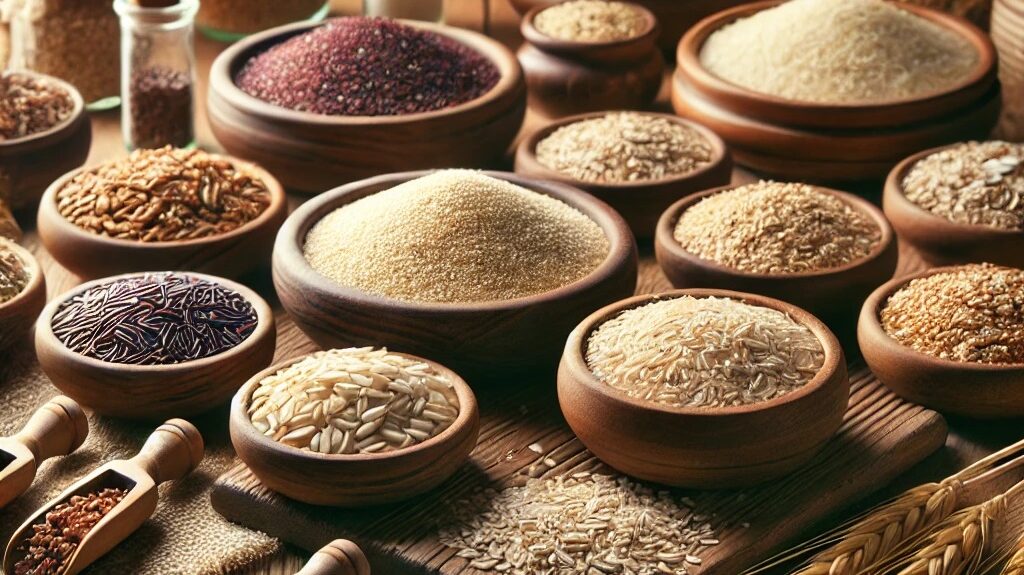
    Whole grains, unlike refined grains, contain all parts of the grain kernel, which means they retain more nutrients and fiber. Fiber helps slow down the absorption of sugar into the bloodstream, which prevents blood sugar spikes and promotes steady energy throughout the day. Refined grains, like white rice and white bread, cause rapid increases in blood sugar levels due to their low fiber content.

    Whole Grains to Include:

    • Quinoa
    • Brown rice
    • Barley
    • Oats
    • Millet

    How to Incorporate Whole Grains

    Start your day with oatmeal or a whole grain breakfast porridge. Use brown rice or quinoa as a base for salads or stir-fries, and replace white bread with whole-grain bread.

    2. Incorporate High-Fiber Vegetables

    Fiber for Blood Sugar Control

    High-fiber vegetables are crucial for blood sugar stability. They not only help slow down digestion but also promote feelings of fullness, which can prevent overeating. Non-starchy vegetables, in particular, are low in carbohydrates and calories, making them ideal for managing blood sugar levels.

    High-Fiber Vegetables to Include:

    • Broccoli
    • Spinach
    • Kale
    • Zucchini
    • Cauliflower
    • Brussels sprouts

    How to Incorporate High-Fiber Vegetables

    Include a variety of non-starchy vegetables in your meals. You can roast them, add them to salads, or stir-fry them with spices. Aim to fill half of your plate with vegetables at each meal to get the most benefits.

    3. Add Protein-Rich Plant-Based Foods

    The Importance of Plant-Based Protein

    Protein helps stabilize blood sugar levels by slowing down the absorption of carbohydrates. Adding plant-based proteins to your meals can help keep blood sugar levels steady and provide lasting energy. Additionally, plant-based protein sources are often rich in fiber and other nutrients.

    Protein-Rich Foods to Include:

    • Lentils
    • Chickpeas
    • Black beans
    • Tofu
    • Tempeh
    • Edamame

    How to Incorporate Plant-Based Proteins

    Add beans and legumes to soups, salads, or grain bowls. Tofu and tempeh can be stir-fried, grilled, or baked and added to meals as a protein source. You can also blend cooked lentils into sauces for added fiber and protein.

    4. Healthy Fats for Blood Sugar Stability

    Why Healthy Fats Are Essential

    Healthy fats, such as monounsaturated and polyunsaturated fats, help slow digestion and prevent rapid blood sugar spikes. They also promote heart health and reduce inflammation, which is important for individuals with diabetes. Including healthy fats in your meals can increase satiety and keep you feeling fuller for longer.

    Healthy Fats to Include:

    • Avocado
    • Nuts (almonds, walnuts)
    • Seeds (chia seeds, flaxseeds, pumpkin seeds)
    • Olive oil
    • Coconut oil

    How to Incorporate Healthy Fats

    Add avocado slices to your salads or toast. Use olive oil for cooking or drizzle it over roasted vegetables. Snack on a handful of nuts or sprinkle seeds over your meals for an extra boost of healthy fats.

    5. Low-Glycemic Fruits for Sweetness and Fiber

    Why Low-Glycemic Fruits Matter

    Low-glycemic fruits are those that have a minimal impact on blood sugar levels. They contain natural sugars, but their high fiber content slows down sugar absorption. These fruits provide essential vitamins and antioxidants while helping to maintain stable blood sugar.

    Low-Glycemic Fruits to Include:

    • Berries (blueberries, strawberries, raspberries)
    • Apples
    • Pears
    • Oranges
    • Plums

    How to Incorporate Low-Glycemic Fruits

    Enjoy berries with yogurt or oatmeal for breakfast. Snack on apples or pears with nut butter. Use low-glycemic fruits as natural sweeteners in smoothies or desserts.

    6. Limit Sugary and Processed Foods

    The Impact of Refined Sugar

    Refined sugars and processed foods can cause sharp spikes and drops in blood sugar levels, making it harder to maintain steady energy and stable glucose. Many processed foods also lack fiber and essential nutrients, which are crucial for blood sugar regulation.

    Foods to Avoid:

    • Sugary cereals
    • Soft drinks and sugary beverages
    • White bread, pastries, and baked goods
    • Candy and sweets
    • Processed snacks like chips and crackers

    How to Reduce Sugar Intake

    Opt for natural sweeteners like stevia or monk fruit in place of sugar. Choose whole, unprocessed foods and cook meals at home as often as possible to avoid hidden sugars in packaged foods.

    7. Herbs and Spices for Blood Sugar Control

    The Role of Herbs and Spices

    Certain herbs and spices have been shown to support blood sugar regulation by improving insulin sensitivity and reducing inflammation. Incorporating these into your meals can enhance flavor while promoting stable blood sugar levels.

    Beneficial Herbs and Spices:

    • Cinnamon: Helps lower blood sugar and improve insulin sensitivity.
    • Turmeric: Contains curcumin, which has anti-inflammatory properties that can benefit insulin function.
    • Ginger: Improves digestion and helps regulate blood sugar.
    • Fenugreek: Reduces blood sugar spikes by slowing carbohydrate digestion.

    How to Use Herbs and Spices

    Add cinnamon to oatmeal or smoothies. Use turmeric and ginger in curries, soups, or teas. Sprinkle fenugreek seeds on salads or blend them into smoothies for an added boost.

    Conclusion

    A vegetarian diet can play a vital role in stabilizing blood sugar levels when combined with the right foods and balanced nutrition. Focus on incorporating whole grains, fiber-rich vegetables, plant-based proteins, and healthy fats into your meals, while limiting processed foods and refined sugars. By following these tips, you can help maintain stable blood sugar and support overall health.

  • Strategies for a Strong Immune System Year-Round

    Strategies for a Strong Immune System Year-Round

    Ayurveda, the ancient system of natural healing from India, offers a holistic approach to strengthening immunity. Rather than focusing on short-term fixes, Ayurveda promotes year-round practices to build a strong and resilient immune system (ojas). A well-balanced lifestyle, diet, and natural remedies can help the body maintain health, prevent disease, and fight off infections more effectively.

    In this article, we’ll explore Ayurvedic strategies that can help you boost and sustain a strong immune system throughout the year.

    1. Nourish Your Body with a Balanced Diet

    Eat Seasonally and Mindfully

    Ayurveda places great emphasis on eating foods that align with the seasons. Seasonal eating helps to balance the body’s internal energies (doshas) and maintain harmony with nature, ensuring better immune function.

    Tips for Each Season:

    • Winter (Kapha Season): Consume warm, spiced foods to keep the body energized and stimulate digestion. Include spices like ginger, black pepper, and turmeric.
    • Spring (Kapha and Pitta Season): Favor light, detoxifying foods like fresh greens, whole grains, and fruits to cleanse the body of accumulated toxins.
    • Summer (Pitta Season): Eat cooling, hydrating foods like cucumbers, melons, and coconut water to calm Pitta and prevent inflammation.

    Incorporate Immune-Boosting Herbs and Spices

    Ayurveda recommends adding specific herbs and spices known for their immunity-boosting properties. These can be included in daily meals or taken as supplements:

    • Turmeric: A powerful anti-inflammatory herb that helps strengthen the immune response.
    • Ginger: Aids digestion and detoxifies the body, promoting overall health.
    • Tulsi (Holy Basil): A natural adaptogen, Tulsi helps the body adapt to stress while boosting immune function.
    • Cinnamon and Cardamom: Warming spices that enhance digestion and improve circulation.

    2. Support Digestion for Better Immunity

    Agni (Digestive Fire)

    In Ayurveda, a healthy digestive system is the key to a strong immune system. Strong Agni (digestive fire) ensures that food is properly broken down and absorbed, while weak digestion can lead to the accumulation of toxins (ama), which weakens immunity.

    Tips to Strengthen Agni:

    • Eat freshly prepared, warm meals.
    • Avoid overeating and snacking between meals.
    • Include digestive spices like cumin, coriander, and fennel in your diet.
    • Drink warm water or herbal teas like ginger and fennel tea throughout the day to aid digestion.

    3. Daily Routine (Dinacharya) for Immunity

    Establish a Consistent Daily Routine

    Ayurveda emphasizes the importance of dinacharya, a structured daily routine, to promote balance and support overall health. Regular habits help regulate the body’s biological clock, improve sleep, enhance digestion, and ultimately support the immune system.

    Key Practices for Dinacharya:

    • Wake Up Early: Rise with the sun to align your body with the natural rhythm of the day.
    • Oil Pulling: Use sesame or coconut oil for oil pulling to remove toxins from the mouth and improve oral hygiene.
    • Abhyanga (Self-Massage): Perform a daily self-massage with warm herbal oils to stimulate circulation, detoxify, and nourish the skin.
    • Herbal Teas: Start your day with a cup of warm herbal tea made from Tulsi, ginger, or cinnamon to strengthen immunity.

    Promote Regular Detoxification

    Regular detoxification is important for clearing toxins that accumulate in the body and weakening the immune system. Ayurveda suggests seasonal detox routines to help reset and cleanse the system.

    Detox Tips:

    • Try a Kitchari cleanse, a simple dish made of rice and mung beans, to give your digestive system a break.
    • Drink warm water with lemon and honey in the morning to flush out toxins.
    • Include Triphala, a powerful Ayurvedic herb known for detoxification, in your daily routine to cleanse the digestive tract.

    4. Stay Active with Yoga and Pranayama

    Yoga for Immunity

    Yoga is an integral part of Ayurveda, offering physical, mental, and emotional benefits. Regular yoga practice helps keep the body flexible, reduces stress, and stimulates the lymphatic system, which plays a key role in immune health.

    Recommended Poses for Immune Health:

    • Bhujangasana (Cobra Pose): Opens the chest and lungs, improving respiratory health.
    • Matsyasana (Fish Pose): Stimulates the thymus gland, boosting the immune system.
    • Trikonasana (Triangle Pose): Improves digestion and circulation, supporting detoxification.

    Pranayama (Breathing Exercises)

    Pranayama helps strengthen the lungs and improves the oxygen supply to the body, both of which are essential for immune function. Deep breathing techniques can also reduce stress, which is a significant factor in weakening the immune system.

    Simple Pranayama Practices:

    • Nadi Shodhana (Alternate Nostril Breathing): Balances the body’s energy and calms the mind, helping the immune system function optimally.
    • Kapalbhati (Skull Shining Breath): Stimulates digestion, detoxifies the lungs, and increases energy.

    5. Manage Stress and Sleep Well

    Stress Reduction

    Chronic stress can weaken the immune system and make the body more susceptible to infections. Ayurvedic strategies for reducing stress include meditation, mindfulness, and grounding activities such as spending time in nature.

    Herbal Support for Stress:

    • Ashwagandha: An adaptogenic herb that helps the body adapt to stress while supporting the immune system.
    • Brahmi: Known for calming the mind, reducing anxiety, and enhancing cognitive function.

    Prioritize Restful Sleep

    A good night’s sleep is essential for repairing the body and keeping the immune system strong. Lack of sleep can compromise immune function and increase susceptibility to illness.

    Tips for Better Sleep:

    • Establish a regular sleep schedule by going to bed and waking up at the same time each day.
    • Avoid heavy meals and stimulants like caffeine before bedtime.
    • Try drinking warm milk with a pinch of nutmeg or Ashwagandha to promote relaxation and better sleep.

    Conclusion

    Building a strong immune system requires a holistic approach that encompasses a balanced diet, proper digestion, stress management, and regular detoxification. By integrating Ayurvedic strategies such as a nourishing diet, yoga, herbal tonics, and a consistent daily routine, you can strengthen your immunity and protect your body from seasonal illnesses and infections throughout the year. Incorporating these natural and time-tested practices into your lifestyle will not only support your immune system but also promote overall well-being and vitality.

  • Managing Type 2 Diabetes with Natural Diet and Lifestyle

    Managing Type 2 Diabetes with Natural Diet and Lifestyle

    Type 2 diabetes is becoming more common, and while modern medicine offers many treatments, Ayurveda provides a holistic approach to managing the condition. Ayurveda focuses on balancing the body’s doshas (Vata, Pitta, Kapha) through diet, lifestyle, and herbal remedies. This approach can help manage blood sugar levels naturally, improve overall health, and reduce the risk of complications. Let’s explore how an Ayurvedic diet and lifestyle can help you manage Type 2 diabetes.

    How Ayurveda Views Diabetes

    In Ayurveda, Type 2 diabetes is often linked to an imbalance in the Kapha dosha, which is responsible for qualities like heaviness, sluggishness, and coldness. This imbalance leads to poor metabolism and insulin resistance, resulting in high blood sugar levels.

    Dosha Imbalance and Diabetes

    Kapha types are more prone to conditions like diabetes due to their natural tendency toward weight gain and slower digestion. However, diabetes can also arise when there’s an imbalance in other doshas, particularly Pitta, which controls metabolism. Ayurveda aims to balance these doshas through diet and lifestyle changes to prevent or manage the condition.

    Agni (Digestive Fire)

    In Ayurveda, the concept of Agni, or digestive fire, is central. Weak Agni leads to the accumulation of toxins (Ama), which disrupts bodily functions and can contribute to conditions like diabetes. Strengthening Agni through a proper diet is key to managing Type 2 diabetes.

    Ayurvedic Dietary Guidelines for Type 2 Diabetes

    Ayurveda emphasizes a diet that balances the Kapha dosha and keeps blood sugar levels stable. The focus is on foods that are light, easy to digest, and don’t spike blood sugar levels.

    1. Favor Bitter and Astringent Tastes

    Bitter and astringent tastes help balance Kapha and improve digestion, making them essential for managing diabetes.

    • Foods to include:
      • Bitter gourd (Karela)
      • Leafy greens like spinach and kale
      • Fenugreek seeds
      • Turmeric
      • Neem

    These foods help regulate blood sugar and reduce insulin resistance naturally.

    2. Avoid Sugary and Heavy Foods

    Foods that are sweet, oily, or heavy increase Kapha and contribute to weight gain and high blood sugar levels.

    • Foods to avoid:
      • Sugary snacks, pastries, and desserts
      • White rice and refined carbs
      • Deep-fried foods
      • Processed foods

    Instead, focus on whole grains like quinoa, buckwheat, and barley, which are lighter and help maintain steady blood sugar levels.

    3. Incorporate Spices

    Spices like cumin, turmeric, and cinnamon not only add flavor to your meals but also help manage blood sugar by improving insulin sensitivity and digestion.

    • Spices to use:
      • Cinnamon (Dalchini)
      • Turmeric (Haldi)
      • Cumin (Jeera)
      • Fenugreek (Methi)

    These spices are particularly effective in managing insulin levels and reducing blood sugar spikes after meals.

    4. Eat Seasonal and Fresh Foods

    Ayurveda stresses the importance of eating fresh, seasonal foods that are aligned with your local environment. These foods are naturally more nourishing and easier to digest, supporting overall health and keeping blood sugar stable.

    • Summer foods: Cooling fruits and vegetables like cucumber, leafy greens, and berries.
    • Winter foods: Warming soups, root vegetables, and spices like ginger and black pepper.

    5. Portion Control

    Ayurveda recommends eating smaller, frequent meals throughout the day rather than large meals. This prevents overeating, supports digestion, and helps in stabilizing blood sugar levels.

    6. Drink Herbal Teas

    Herbal teas made from ingredients like cinnamon, fenugreek, or tulsi (holy basil) can be beneficial in managing diabetes. These herbs help regulate blood sugar and improve digestion.

    Ayurvedic Lifestyle Practices for Managing Diabetes

    Along with a balanced diet, Ayurveda places equal importance on lifestyle practices to manage diabetes effectively.

    1. Daily Exercise (Vyayama)

    Regular physical activity is essential in Ayurveda for maintaining balance in the body, particularly for managing Kapha-related conditions like diabetes. Exercise helps in weight management, improves circulation, and enhances insulin sensitivity.

    • Recommended activities:
      • Walking
      • Yoga
      • Cycling
      • Swimming

    Practicing yoga, in particular, can be helpful in reducing stress and improving metabolism, both of which are key in managing diabetes.

    2. Maintain a Regular Eating Schedule

    Ayurveda emphasizes eating meals at consistent times each day to help regulate digestion and stabilize blood sugar levels. Skipping meals or irregular eating habits can lead to blood sugar fluctuations, so it’s important to maintain a regular schedule.

    3. Mindful Eating

    Ayurveda recommends eating meals in a calm, peaceful environment, without distractions like TV or work. This mindful eating practice improves digestion and prevents overeating, helping to control blood sugar levels.

    4. Manage Stress

    Stress can lead to high blood sugar levels by increasing the production of cortisol, a stress hormone that affects insulin sensitivity. Incorporating stress-reducing practices like meditation, pranayama (breathing exercises), or mindfulness can help keep stress levels in check.

    5. Adequate Sleep

    Getting enough sleep is critical for overall health, especially for those managing diabetes. Poor sleep can affect insulin sensitivity and lead to higher blood sugar levels. Ayurveda recommends going to bed early and waking up with the sun to maintain a healthy circadian rhythm.

    6. Detoxification (Panchakarma)

    Ayurvedic detoxification, known as Panchakarma, can help eliminate toxins from the body, improve digestion, and enhance the functioning of organs like the liver and pancreas. Regular detoxification is beneficial for managing Type 2 diabetes by clearing out Ama (toxins) and restoring balance.

    Conclusion

    Managing Type 2 diabetes with Ayurvedic diet and lifestyle involves balancing the doshas, improving digestion, and making mindful food choices. By incorporating herbs, spices, and a Kapha-balancing diet, along with regular exercise and stress management techniques, you can naturally control your blood sugar levels and improve your overall health. While Ayurveda offers powerful tools for managing diabetes, it’s always important to consult with your healthcare provider before making any significant changes to your diet or lifestyle.

  • Natural Remedies for Inflammation-Induced Chronic Pain

    Natural Remedies for Inflammation-Induced Chronic Pain

    Chronic pain caused by inflammation can be a long-lasting and frustrating issue. It is often linked to conditions like arthritis, autoimmune diseases, and injuries. While conventional medications can help, many people turn to natural remedies for relief. Ayurvedic and other traditional systems of medicine offer a wealth of natural remedies to ease inflammation and chronic pain. These approaches focus on reducing inflammation, balancing the body’s energies, and promoting overall healing.

    Understanding Inflammation and Chronic Pain

    Inflammation is the body’s natural response to injury or illness, but when it becomes chronic, it can cause long-term damage and discomfort. In Ayurvedic terms, chronic pain is often linked to an imbalance in the Vata and Pitta doshas, which can lead to inflammation, pain, and stiffness. By addressing these imbalances and reducing inflammation, natural remedies can provide significant relief from chronic pain.

    1. Turmeric (Curcumin)

    Benefits:

    Turmeric is one of the most powerful anti-inflammatory herbs used in both Ayurveda and modern medicine. Its active compound, curcumin, has been shown to reduce inflammation and pain in conditions like arthritis and muscle injuries.

    How to Use:

    • Golden Milk: Mix a teaspoon of turmeric powder with warm milk and drink it daily to reduce inflammation.
    • Curcumin Supplements: Take curcumin supplements for a higher concentration of the active compound, but consult with a healthcare provider first.

    2. Ginger

    Benefits:

    Ginger is another potent anti-inflammatory herb that has been used for centuries to relieve pain and inflammation. It contains compounds called gingerols, which help reduce swelling and inflammation in the body.

    How to Use:

    • Ginger Tea: Brew fresh ginger slices in hot water and drink it daily to help reduce chronic pain.
    • Topical Application: Mix ginger powder with warm water to create a paste, and apply it to the painful area for relief.

    3. Ashwagandha

    Benefits:

    Ashwagandha, known as an adaptogen, helps the body manage stress and inflammation. It has anti-inflammatory properties that are particularly effective for relieving joint pain and muscle soreness associated with chronic conditions.

    How to Use:

    • Take Ashwagandha capsules or powder daily to reduce inflammation and enhance overall well-being.
    • Mix Ashwagandha powder with warm milk or water and drink it before bedtime.

    4. Boswellia (Indian Frankincense)

    Benefits:

    Boswellia is a powerful herb in Ayurveda known for its ability to reduce inflammation, particularly in conditions like arthritis. It inhibits the production of inflammatory enzymes and helps ease chronic pain.

    How to Use:

    • Boswellia supplements are available in capsule form and can be taken daily for inflammation-induced pain relief.
    • You can also find Boswellia creams and oils for topical application to sore joints and muscles.

    5. Willow Bark

    Benefits:

    Willow bark has been used for centuries to treat pain and inflammation. It contains salicin, a compound similar to aspirin, making it an excellent natural remedy for managing chronic pain, particularly in conditions like back pain and osteoarthritis.

    How to Use:

    • Drink willow bark tea or take it in supplement form to reduce pain and inflammation naturally.

    Omega 3 Inflammation-Induced Chronic Pain

    6. Omega-3 Fatty Acids

    Benefits:

    Omega-3 fatty acids, found in fish oil and flaxseeds, are known for their anti-inflammatory properties. They help reduce chronic inflammation in conditions like rheumatoid arthritis and can alleviate joint stiffness and pain.

    How to Use:

    • Include foods rich in omega-3s, like fatty fish (salmon, mackerel) and flaxseeds, in your diet.
    • Omega-3 supplements can also be taken daily to reduce inflammation.

    7. Cayenne Pepper (Capsaicin)

    Benefits:

    Capsaicin, the active compound in cayenne pepper, helps reduce pain by depleting substance P, a neurotransmitter that signals pain to the brain. It’s often used in topical creams and ointments for conditions like arthritis and muscle pain.

    How to Use:

    • Apply capsaicin cream to painful areas a few times a day for relief from chronic pain.
    • Add cayenne pepper to your meals to boost circulation and reduce inflammation.

    8. Epsom Salt Bath

    Benefits:

    Epsom salt contains magnesium, which helps relax muscles, reduce inflammation, and ease chronic pain. Soaking in an Epsom salt bath can provide immediate relief from muscle soreness and joint stiffness.

    How to Use:

    • Add 2 cups of Epsom salt to warm bath water and soak for 20 minutes to relieve inflammation and pain.

    9. Flaxseeds and Chia Seeds

    Benefits:

    Both flaxseeds and chia seeds are rich in omega-3 fatty acids, which have strong anti-inflammatory effects. These seeds help to reduce inflammation throughout the body, particularly in joints and muscles.

    How to Use:

    • Add ground flaxseeds or chia seeds to smoothies, salads, or yogurt for a daily anti-inflammatory boost.

    10. Massage with Ayurvedic Oils

    Benefits:

    Ayurvedic oils, such as Mahanarayan oil and sesame oil, are infused with herbs that help reduce inflammation and relieve chronic pain. Regular oil massages help improve blood circulation, relax muscles, and soothe aching joints.

    How to Use:

    • Warm the oil and gently massage it into the painful areas for 10-15 minutes.
    • Use these oils daily for long-term relief from chronic pain.

    How to Incorporate Natural Remedies into Your Routine

    Using natural remedies to manage chronic pain involves consistent effort. Incorporate a few of these remedies into your daily routine for lasting relief:

    • Start your day with a cup of turmeric or ginger tea.
    • Add anti-inflammatory foods like fish, flaxseeds, and leafy greens to your meals.
    • Set aside time for a relaxing Epsom salt bath or an oil massage once or twice a week.
    • Take supplements like curcumin, Boswellia, and omega-3s as recommended by your healthcare provider.

    Conclusion

    Inflammation-induced chronic pain can be debilitating, but natural remedies provide a safe and effective way to manage it. By incorporating Ayurvedic herbs, anti-inflammatory foods, and therapeutic oils into your daily routine, you can reduce inflammation, ease pain, and improve your overall well-being. Always consult with a healthcare professional before starting new supplements or treatments, especially if you have existing health conditions.

  • Natural Remedies for Common Hair and Scalp Issues

    Natural Remedies for Common Hair and Scalp Issues

    Ayurveda offers a holistic approach to hair and scalp health, addressing common issues with natural remedies derived from herbs and plants. Here are some effective Ayurvedic remedies for common hair and scalp problems.

    1. Dandruff

    Remedy: Neem Oil and Aloe Vera Gel

    • Ingredients: 2 tablespoons neem oil, 2 tablespoons aloe vera gel.
    • How to Use: Mix neem oil with aloe vera gel and apply it to the scalp. Leave it on for 30 minutes before washing with a mild shampoo. Neem’s antifungal properties combat dandruff, while aloe vera soothes the scalp.

    2. Hair Fall

    Remedy: Brahmi and Amla Hair Oil

    • Ingredients: 2 tablespoons brahmi oil, 2 tablespoons amla oil.
    • How to Use: Mix the oils and warm slightly. Massage into the scalp and hair, focusing on the roots. Leave for at least an hour or overnight, then wash it out. Brahmi strengthens hair roots, while amla promotes hair growth and reduces hair fall.

    3. Dry and Damaged Hair

    Remedy: Coconut Oil and Honey Mask

    • Ingredients: 3 tablespoons coconut oil, 1 tablespoon honey.
    • How to Use: Combine the oils and apply to damp hair, focusing on the ends. Leave it on for 30-60 minutes, then wash with a gentle shampoo. Coconut oil moisturizes, while honey adds shine and hydration.

    4. Oily Scalp

    Remedy: Brahmi and Shikakai Hair Wash

    • Ingredients: 2 tablespoons shikakai powder, 1 tablespoon brahmi powder, water.
    • How to Use: Mix the powders with water to form a paste. Apply to wet hair and scalp, massaging gently. Leave for 15-20 minutes, then rinse thoroughly. This remedy cleanses excess oil while nourishing the scalp.

    Natural Remedies for Common Hair and Scalp Issues

    5. Split Ends

    Remedy: Avocado and Olive Oil Mask

    • Ingredients: 1 ripe avocado, 2 tablespoons olive oil.
    • How to Use: Mash the avocado and mix with olive oil. Apply to hair, especially the ends. Leave for 30 minutes, then wash out. Avocado nourishes and repairs, while olive oil adds moisture and shine.

    6. Itchy Scalp

    Remedy: Tea Tree Oil and Yogurt Treatment

    • Ingredients: 2 tablespoons yogurt, 5 drops tea tree oil.
    • How to Use: Combine yogurt and tea tree oil, then apply to the scalp. Leave for 20-30 minutes before rinsing. This mixture has antifungal properties and soothes itchiness.

    7. Premature Graying

    Remedy: Black Sesame Seeds and Amla Powder

    • Ingredients: 2 tablespoons black sesame seeds, 1 tablespoon amla powder.
    • How to Use: Soak sesame seeds overnight and grind them into a paste with amla powder. Apply to the scalp and hair, leave for an hour, then rinse. This remedy helps nourish hair and may prevent premature graying.

    8. Lack of Shine

    Remedy: Rosewater and Lemon Rinse

    • Ingredients: 1 cup rosewater, juice of 1 lemon.
    • How to Use: Mix rosewater and lemon juice, and use it as a final rinse after shampooing. This combination adds shine and enhances hair health.

    Conclusion

    These Ayurvedic remedies can effectively address common hair and scalp issues while promoting overall hair health. Incorporating natural ingredients into your hair care routine can lead to healthier, stronger, and more beautiful hair. Remember to be consistent and patient, as natural remedies may take time to show results. Enjoy the benefits of Ayurveda for vibrant and healthy hair!

  • Brahmi to Enhance Cognitive Function and Memory

    Brahmi to Enhance Cognitive Function and Memory

    Brahmi (Bacopa monnieri), a revered herb in Ayurveda, is well known for its ability to boost cognitive function and enhance memory. This ancient plant has been used for centuries as a brain tonic, helping improve mental clarity, focus, and overall brain health. Let’s dive into how Brahmi works and how you can use it to sharpen your mind and improve memory.

    1. How Brahmi Supports Cognitive Function

    Enhances Neurotransmitter Activity

    Brahmi’s primary way of supporting cognitive function is by enhancing the activity of neurotransmitters like acetylcholine, which play a crucial role in memory formation and learning. By boosting these chemicals in the brain, Brahmi improves communication between neurons, allowing for faster and more efficient processing of information.

    1. Increases Focus and Attention

    One of the key benefits of Brahmi is its ability to increase focus and attention span. It helps calm the mind, reducing anxiety and restlessness, which can often interfere with concentration.

    2. Boosts Learning Ability

    Research has shown that Brahmi improves learning ability, making it easier to absorb and retain new information. This is especially beneficial for students and professionals looking to enhance their academic or work performance.

    How to Use Brahmi for Cognitive Function

    • Brahmi powder can be mixed into warm water or milk and consumed in the morning to boost cognitive function throughout the day.
    • Brahmi supplements, such as capsules or tablets, are a convenient option for daily use.

    2. Brahmi for Memory Enhancement

    Supports Long-Term Memory

    Brahmi has been traditionally used to support long-term memory retention. It helps in reducing forgetfulness and enhances the ability to recall past information. This is due to its positive effect on brain cells and its ability to prevent damage to neurons caused by free radicals.

    1. Protects Brain Cells

    Brahmi is rich in antioxidants, which protect brain cells from oxidative stress and damage. This leads to improved memory retention and reduced risk of age-related cognitive decline.

    2. Prevents Cognitive Decline

    By protecting the brain from oxidative stress, Brahmi reduces the risk of cognitive decline, which is a common concern as we age. It also helps prevent conditions like Alzheimer’s by supporting brain health.

    How to Use Brahmi for Memory

    • Brahmi tea can be consumed regularly to improve memory and cognitive function.
    • Brahmi oil can be massaged onto the scalp to calm the mind and enhance brain function. This traditional method of application is believed to improve memory retention.

    3. Reducing Anxiety and Mental Fatigue with Brahmi

    Calms the Nervous System

    Brahmi’s adaptogenic properties make it highly effective in reducing stress and anxiety. It works by balancing cortisol levels, the hormone responsible for stress, thus calming the nervous system. A calm mind is essential for optimal cognitive performance and memory retention.

    1. Reduces Mental Fatigue

    Mental fatigue can greatly hinder cognitive function and memory retention. Brahmi combats mental tiredness by increasing energy levels in the brain, thus promoting sharper thinking and better memory.

    2. Supports Emotional Well-Being

    By reducing anxiety and mental stress, Brahmi helps promote emotional well-being, which is critical for maintaining a clear and focused mind.

    How to Use Brahmi for Stress Relief

    • Brahmi capsules or liquid extract can be taken daily to reduce anxiety and promote calmness.
    • Brahmi-infused ghee is a traditional Ayurvedic remedy that can be consumed for both cognitive function and stress relief.

    4. Brahmi’s Role in Brain Development and Learning

    Boosts Synaptic Plasticity

    Synaptic plasticity is the brain’s ability to adapt and learn from new experiences. Brahmi enhances this plasticity by promoting the growth of new nerve endings, which improves brain development and learning ability.

    1. Enhances Problem-Solving Skills

    By improving synaptic plasticity, Brahmi helps enhance problem-solving skills and decision-making. This makes it an excellent herb for professionals who need to think quickly and critically in their daily tasks.

    2. Improves Verbal Learning

    Verbal learning, which involves remembering and recalling spoken or written information, is also improved with Brahmi. This makes it particularly beneficial for students who need to memorize large amounts of information for exams or presentations.

    How to Use Brahmi for Learning and Development

    • Brahmi powder can be mixed with honey or warm water and consumed before studying or working to boost learning ability.
    • Brahmi supplements can be taken daily for overall brain development and enhanced cognitive function.

    Conclusion

    Brahmi is a powerful Ayurvedic herb that offers a wide range of benefits for cognitive function and memory enhancement. By improving neurotransmitter activity, protecting brain cells, reducing anxiety, and promoting brain development, Brahmi supports optimal brain performance. Whether you’re looking to boost your learning ability, enhance your memory, or simply maintain a calm and focused mind, incorporating Brahmi into your daily routine can help you achieve these goals naturally.

    Always consult with an Ayurvedic practitioner or healthcare provider before starting Brahmi, especially if you’re taking other medications.

  • Detoxification for Weight Loss: The Ayurvedic Way

    Detoxification for Weight Loss: The Ayurvedic Way

    In Ayurveda, detoxification (shodhana) is considered one of the most important practices for maintaining overall health and achieving sustainable weight loss. Rather than focusing solely on calorie reduction or extreme diets, Ayurveda emphasizes the importance of cleansing the body of accumulated toxins (ama). When the body is free of toxins, digestion improves, metabolism speeds up, and the body becomes more efficient at burning fat and managing weight.

    The Ayurvedic approach to detoxification is holistic, involving not just physical cleansing but also mental and emotional balance. Let’s explore how detoxification through Ayurveda can support natural weight loss and improve overall well-being.

    Why Detoxification Is Key for Weight Loss

    Ayurveda teaches that weight gain is often the result of accumulated ama—toxic waste that builds up in the body due to poor digestion, improper diet, and lifestyle choices. This buildup can block the body’s energy channels and slow down metabolism, making it difficult to burn fat efficiently.

    Detoxification helps clear these blockages, allowing the body to process food more efficiently, absorb nutrients better, and eliminate excess fat and waste.

    Benefits of Detoxification for Weight Loss

    • Improved Digestion: A clean digestive system functions more effectively, ensuring that food is broken down and metabolized properly, preventing weight gain.
    • Boosted Metabolism: Detoxification helps to fire up the body’s metabolic processes, enabling faster calorie and fat burning.
    • Reduced Cravings: Removing toxins from the body helps to balance your appetite, reduce cravings for unhealthy foods, and improve your relationship with food.
    • Enhanced Energy: Cleansing the body increases energy levels, making it easier to stay active and motivated throughout the day.

    Detox

    Ayurvedic Detoxification Methods for Weight Loss

    There are several Ayurvedic practices and treatments that promote detoxification and help with weight loss. These methods aim to cleanse the body from the inside out, restoring balance to the doshas and supporting overall health.

    1. Panchakarma: The Ultimate Detox Therapy

    One of the most effective Ayurvedic detoxification methods is Panchakarma, a five-step therapy designed to cleanse the body of toxins and rejuvenate the mind and spirit. Panchakarma involves a combination of massages, herbal treatments, steam baths, and dietary guidelines tailored to the individual’s dosha type.

    • How it helps: Panchakarma helps remove deeply embedded toxins from the body, improves digestion, and balances the doshas, leading to effective and long-lasting weight loss.
    • What it involves: This therapy typically includes five purification processes: Vamana (emesis therapy), Virechana (purgation therapy), Basti (herbal enema), Nasya (nasal cleansing), and Raktamokshana (blood cleansing).

    2. Fasting: Lighten the Digestive Load

    Ayurveda recommends intermittent fasting (Langhana) as a way to give the digestive system a break and allow the body to eliminate toxins. Fasting not only helps to cleanse the body but also encourages the burning of stored fat for energy.

    • How it helps: Intermittent fasting improves digestion, reduces inflammation, and accelerates the detoxification process, leading to weight loss.
    • How to practice: Start with short fasts—perhaps skipping dinner once a week or following a liquid diet for a day. Ensure you stay hydrated with warm water or herbal teas.

    3. Herbal Teas: Support Digestion and Detoxification

    Drinking Ayurvedic herbal teas made from digestive spices and detoxifying herbs is an easy way to flush toxins out of the system. Herbs like cumin, coriander, fennel, ginger, and turmeric help stimulate digestion and cleanse the body.

    • How it helps: Herbal teas stimulate the digestive fire (agni) and flush out toxins from the liver, kidneys, and digestive tract, which helps boost metabolism and promote weight loss.
    • How to use: Sip on warm herbal teas throughout the day to aid digestion and keep the body hydrated. Cumin-coriander-fennel tea is especially effective for detoxifying and supporting weight loss.

    4. Abhyanga: Ayurvedic Self-Massage

    Abhyanga, the Ayurvedic practice of oil massage, is an important part of detoxification. The warm oil helps to loosen toxins stored in the body’s tissues and promote lymphatic drainage. This practice also soothes the nervous system and improves circulation, aiding in weight loss.

    • How it helps: Abhyanga supports detoxification by stimulating the lymphatic system, which is responsible for removing waste and excess fat from the body.
    • How to practice: Use warm sesame or coconut oil for a self-massage, focusing on areas where fat tends to accumulate. Massage the oil into your skin and allow it to absorb before taking a warm shower.

    5. Detoxifying Diet: Eat Light and Clean

    A key part of Ayurvedic detoxification is adopting a clean, sattvic diet that is easy on the digestive system. During a detox, focus on eating warm, light, and easy-to-digest foods that help cleanse the body and promote weight loss.

    • How it helps: Eating light, detoxifying foods helps the digestive system process food more efficiently and prevents the buildup of ama, which is often responsible for weight gain.
    • What to eat: Opt for foods like kichari (a simple mixture of rice and lentils), steamed vegetables, and fresh fruits. Include warming spices like ginger, cumin, and turmeric in your meals to support digestion.

    6. Drink Warm Water: Flush Toxins

    In Ayurveda, drinking warm water is highly recommended during detoxification. Warm water helps flush toxins from the digestive system, supports hydration, and improves metabolism.

    • How it helps: Drinking warm water regularly helps cleanse the digestive tract, keeps the body hydrated, and supports the elimination of waste products.
    • How to practice: Start your day with a glass of warm water and continue to sip warm water or herbal teas throughout the day.

    7. Dry Brushing: Stimulate Circulation

    Dry brushing is a simple Ayurvedic practice that involves brushing the skin with a natural bristle brush to stimulate circulation, remove dead skin cells, and promote detoxification.

    • How it helps: Dry brushing helps boost the lymphatic system, which is responsible for eliminating toxins and excess fat from the body. It also improves blood circulation and helps reduce cellulite.
    • How to practice: Before showering, use a dry brush to gently brush your skin in circular motions, starting from the feet and moving upward toward the heart.

    Ayurvedic Herbs for Detox and Weight Loss

    Ayurveda uses various herbs to support detoxification and aid weight loss. These herbs help stimulate digestion, improve metabolism, and cleanse the body of toxins.

    1. Triphala

    Triphala, a blend of three fruits—Amalaki, Haritaki, and Bibhitaki—is one of the most powerful detoxifying formulations in Ayurveda. It helps cleanse the digestive system, promotes regular bowel movements, and supports fat loss.

    • How it helps: Triphala cleanses the intestines, improves digestion, and helps the body absorb nutrients more efficiently, aiding in weight loss.
    • How to use: Take Triphala powder or capsules with warm water before bed for a gentle detox.

    2. Guggul

    Guggul is a resin that has been used for centuries in Ayurvedic medicine to detoxify the body and promote weight loss. It helps balance cholesterol levels, supports fat metabolism, and reduces inflammation.

    • How it helps: Guggul boosts metabolism, promotes fat burning, and helps eliminate toxins from the body.
    • How to use: Guggul can be taken in tablet or powder form. Consult with an Ayurvedic practitioner for the correct dosage.

    3. Turmeric

    Turmeric is a powerful anti-inflammatory and antioxidant herb that supports liver detoxification and digestion. It helps reduce inflammation, which can contribute to weight gain and metabolic issues.

    • How it helps: Turmeric improves liver function, reduces inflammation, and promotes the breakdown of fat.
    • How to use: Add turmeric to your meals or drink turmeric tea with black pepper to enhance its detoxifying properties.

    4. Ginger

    Ginger is a warming spice that stimulates digestion, improves circulation, and aids in detoxification. It helps increase the digestive fire (agni) and promotes fat burning.

    • How it helps: Ginger boosts metabolism, improves digestion, and helps the body flush out toxins, supporting weight loss.
    • How to use: Drink ginger tea daily or add freshly grated ginger to your meals for its detoxifying benefits.

    Detox

    Conclusion

    Ayurvedic detoxification is a holistic approach to weight loss that focuses on cleansing the body, improving digestion, and balancing the doshas. By incorporating practices like Panchakarma, intermittent fasting, herbal remedies, and a clean diet, you can support your body’s natural detoxification processes and achieve sustainable weight loss. Detoxification not only helps in shedding excess fat but also enhances overall health, vitality, and mental clarity.