100% Herbal & Natural |
Extra 10% OFF with code SATRISHI10 |
Backed by Ayurveda |
Free Shipping Above ₹399 |
100% Herbal & Natural |
Extra 10% OFF with code SATRISHI10 |
Backed by Ayurveda |
Free Shipping Above ₹399 |
100% Herbal & Natural |
Extra 10% OFF with code SATRISHI10 |
Backed by Ayurveda |
Free Shipping Above ₹399 |
100% Herbal & Natural |
Extra 10% OFF with code SATRISHI10 |
Backed by Ayurveda |
Free Shipping Above ₹399 |


Joint stiffness and pain are common ailments, especially as we age or face certain lifestyle factors such as poor diet, lack of exercise, or injuries. Ayurveda, the ancient holistic system of healing from India, provides natural remedies and lifestyle changes that can help manage and alleviate joint pain effectively. By addressing the root causes of joint discomfort such as inflammation, imbalances in the doshas (especially Vata), and toxin accumulation, Ayurveda offers a comprehensive approach to long-term relief.
In this article, we’ll explore various Ayurvedic solutions for managing joint stiffness and pain, including herbal treatments, dietary suggestions, and lifestyle practices.
In Ayurveda, joint pain is often associated with an aggravation of Vata dosha, which governs movement and dryness in the body. When Vata becomes imbalanced, it can lead to dryness in the joints, causing stiffness, cracking, and discomfort. Another cause of joint pain is the accumulation of toxins, or ama, which builds up in the body due to improper digestion. This can lead to inflammation in the joints (amavata), causing pain and swelling.
By restoring balance to the Vata dosha and clearing toxins from the body, Ayurveda provides relief from joint stiffness and pain.
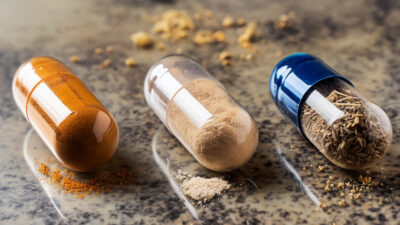
Ashwagandha is one of the most revered herbs in Ayurveda for its anti-inflammatory and rejuvenating properties. It strengthens the bones and muscles while reducing inflammation, making it effective for easing joint pain and improving mobility.
How to Use: Ashwagandha can be taken as a powder (1-2 teaspoons) mixed with warm milk or water. Capsules are also available for convenience.
Shallaki, or Boswellia, is a powerful anti-inflammatory herb that helps reduce swelling and pain in the joints. It is especially beneficial for those suffering from conditions like arthritis or osteoarthritis.
How to Use: Shallaki extract is commonly available in supplement form and can be taken daily to manage chronic joint pain.
Guggulu is another potent herb known for its ability to reduce inflammation and promote joint mobility. It helps remove toxins from the joints and is particularly effective for Vata-related joint issues like stiffness and cracking.
How to Use: Guggulu is typically available as a tablet or powder and can be taken after meals. It’s often combined with other herbs for enhanced effectiveness.
Nirgundi is a highly effective Ayurvedic herb for joint pain relief. It has anti-inflammatory, analgesic, and muscle-relaxing properties, making it excellent for easing pain and stiffness in the joints.
How to Use: Nirgundi oil can be applied externally to the affected areas for pain relief. Nirgundi leaves can also be boiled and used as a compress for joint pain.
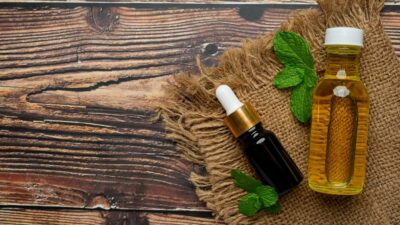
Abhyanga, or self-massage with warm Ayurvedic oils, is an important part of joint pain management. Massage helps increase circulation, reduce stiffness, and nourish the joints. The use of medicated oils enhances the therapeutic benefits of the massage.
Mahanarayan oil is a traditional Ayurvedic oil infused with various herbs like Ashwagandha, Shatavari, and Bala. It helps reduce joint pain, stiffness, and inflammation, making it ideal for conditions like arthritis.
How to Use: Warm the oil slightly and gently massage it into the affected joints for 10-15 minutes. Leave it on for at least 30 minutes before rinsing.
Sesame oil is highly revered in Ayurveda for its ability to balance Vata and lubricate the joints. Regular use of sesame oil massage can reduce stiffness and prevent further damage to the joints.
How to Use: Warm sesame oil and apply it to the joints daily for relief from stiffness and improved flexibility.
As mentioned earlier, Nirgundi oil is excellent for external application to alleviate joint pain. It has cooling and anti-inflammatory properties, making it particularly useful for reducing swelling and stiffness.
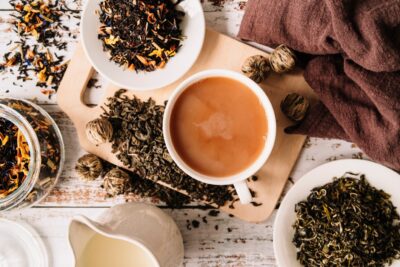
In Ayurveda, a proper diet plays a crucial role in managing joint pain. A Vata-pacifying diet, which is warm, nourishing, and easy to digest, is recommended to reduce stiffness and improve joint function.
Since Vata is aggravated by dryness and cold, it’s important to consume foods that are warm and nourishing. Soups, stews, and porridge made from whole grains like rice and barley are beneficial.
Incorporate spices like turmeric, ginger, and garlic into your daily diet. These spices have natural anti-inflammatory properties and help reduce pain and swelling in the joints.
Processed foods, fried items, and cold beverages can aggravate Vata and increase the accumulation of toxins in the body. It’s best to avoid them to prevent worsening joint pain.
Staying hydrated is essential for maintaining the lubrication of the joints. Drink warm water throughout the day to keep Vata in balance and to aid digestion, which in turn helps prevent the accumulation of toxins.

Moderate exercise is important for maintaining joint flexibility and strength. Yoga is especially beneficial for those suffering from joint pain as it helps stretch the muscles and joints without putting excessive strain on them.
Recommended Yoga Poses for Joint Pain:
If joint pain is caused by the accumulation of toxins (ama), Ayurvedic detox therapies like Panchakarma can be highly effective. Panchakarma includes treatments like herbal enemas, massage, and steam therapy to cleanse the body of toxins and rejuvenate the joints.
Triphala is a well-known Ayurvedic supplement that helps cleanse the digestive system and prevent the buildup of toxins that can contribute to joint pain. Regular use of Triphala promotes overall health and supports joint function.
How to Use: Take 1 teaspoon of Triphala powder with warm water before bed to promote detoxification.
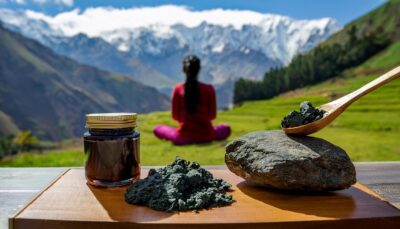
Shilajit is a potent natural supplement that is rich in minerals and fulvic acid, known to improve joint health and reduce inflammation. It helps in enhancing mobility and relieving stiffness, making it an excellent choice for individuals with joint discomfort.
How to Use:
Dissolve a pea-sized amount of Shilajit in warm water or milk and take it once a day, preferably in the morning.
Ayurvedic solutions for managing joint stiffness and pain focus on balancing the body’s internal energies, reducing inflammation, and detoxifying the system. By incorporating herbal remedies, dietary changes, self-massage, and regular exercise, you can effectively reduce joint discomfort and promote long-term joint health. Ayurveda’s holistic approach ensures that you not only address the symptoms but also get to the root cause of the pain, providing sustainable relief and improving your overall well-being.