100% Herbal & Natural |
Extra 10% OFF with code SATRISHI10 |
Backed by Ayurveda |
Free Shipping Above ₹399 |
100% Herbal & Natural |
Extra 10% OFF with code SATRISHI10 |
Backed by Ayurveda |
Free Shipping Above ₹399 |
100% Herbal & Natural |
Extra 10% OFF with code SATRISHI10 |
Backed by Ayurveda |
Free Shipping Above ₹399 |
100% Herbal & Natural |
Extra 10% OFF with code SATRISHI10 |
Backed by Ayurveda |
Free Shipping Above ₹399 |

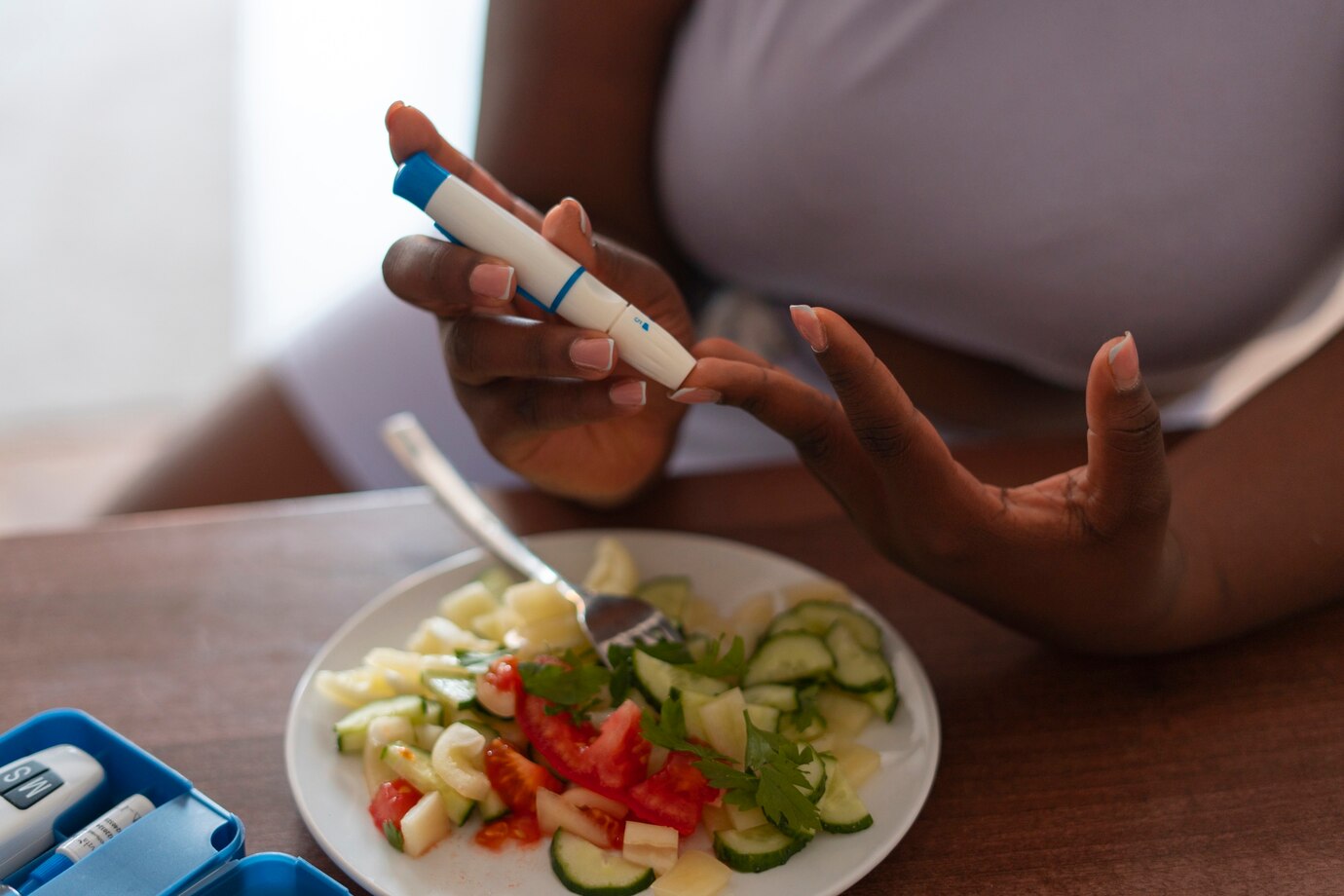
Diabetes is a growing health concern worldwide, but Ayurveda offers natural solutions that can help prevent and manage the condition. In Ayurveda, diabetes is referred to as Madhumeha, and it is linked to an imbalance in the body’s metabolism and doshas, particularly Kapha. Ayurvedic herbs have been used for centuries to balance blood sugar levels, improve insulin sensitivity, and promote overall health. Below are some of the most effective Ayurvedic herbs for diabetes prevention and control.
Gudmar, also known as “sugar destroyer,” is one of the most potent Ayurvedic herbs for controlling diabetes. Its leaves contain compounds that suppress the taste of sugar, helping to reduce sugar cravings. Additionally, Gudmar improves insulin sensitivity and supports the regeneration of beta cells in the pancreas, which are responsible for insulin production.
Gudmar is available in powder or capsule form. It can be taken with warm water or mixed into smoothies. However, it’s important to consult a healthcare provider for the correct dosage, especially if you’re already taking medication for diabetes.
Turmeric is a powerful anti-inflammatory herb widely used in Ayurveda for managing various conditions, including diabetes. The active compound in turmeric, curcumin, has been shown to lower blood sugar levels and improve the function of insulin. It also helps reduce inflammation in the body, which is linked to insulin resistance.
You can add turmeric to your daily diet in the form of powder, capsules, or fresh root. A common way to consume it is by mixing a teaspoon of turmeric with warm milk or water, along with black pepper, which enhances curcumin absorption.
Bitter gourd, or Karela, is known for its bitter taste and powerful blood sugar-lowering properties. It contains active compounds like charantin and polypeptide-p, which mimic insulin’s effects and help reduce blood glucose levels. Karela also helps improve glucose metabolism and supports healthy pancreatic function.
You can consume bitter gourd juice in the morning on an empty stomach or incorporate it into your meals. It is also available in capsule or tablet form for those who cannot tolerate the bitterness of the raw vegetable.
Amla, or Indian gooseberry, is an excellent source of vitamin C and antioxidants, which help protect against oxidative stress linked to diabetes. It supports healthy pancreatic function and helps regulate blood sugar levels. Amla also improves insulin sensitivity and supports the body’s natural detoxification processes.
Amla is available in various forms, such as powder, juice, and capsules. You can take it with warm water or mix it into smoothies and juices. Fresh Amla juice is highly beneficial for diabetes management.
Fenugreek seeds are rich in soluble fiber, which helps slow down the digestion and absorption of carbohydrates, resulting in more stable blood sugar levels. The seeds also contain compounds that improve insulin sensitivity and reduce blood sugar spikes after meals.
Soak fenugreek seeds overnight in water and consume them in the morning on an empty stomach. You can also incorporate fenugreek powder into your meals or take it in capsule form.
Neem has long been used in Ayurvedic medicine for its ability to purify the blood and detoxify the body. It helps control blood sugar by improving insulin sensitivity and enhancing glucose uptake by the cells. Neem also supports the liver and pancreas, both of which play critical roles in managing diabetes.
Neem can be consumed in the form of juice, powder, or capsules. Due to its bitter taste, many prefer neem capsules or tablets. It’s recommended to consult with a healthcare professional before using neem regularly.
Cinnamon is a warming spice known for its ability to lower blood sugar levels and improve insulin sensitivity. It enhances glucose uptake by the cells and reduces the risk of blood sugar spikes after meals. Cinnamon is particularly beneficial for those with insulin resistance or prediabetes.
Add cinnamon to your diet by sprinkling it on your meals, smoothies, or tea. It can also be taken in capsule form for a more concentrated dose. Ceylon cinnamon is considered the best variety for managing blood sugar.
Triphala is a powerful Ayurvedic formulation made from three fruits—Amla, Haritaki, and Bibhitaki. It is known for its detoxifying and digestive benefits, which are essential for managing blood sugar levels. Triphala helps balance the digestive fire (Agni) and reduces the buildup of toxins that can contribute to metabolic disorders like diabetes.
Triphala is commonly consumed as a powder mixed with warm water before bedtime. It is also available in tablet or capsule form. Regular use of Triphala helps maintain digestive health and supports the body’s natural detox processes.
Ayurvedic herbs offer a natural and effective way to prevent and control diabetes by balancing blood sugar levels, improving insulin sensitivity, and supporting overall metabolic health. By incorporating these powerful herbs—such as Gudmar, turmeric, bitter gourd, Amla, fenugreek, neem, cinnamon, and Triphala—into your daily routine, you can manage diabetes more effectively while promoting long-term health and vitality.
Always consult with an Ayurvedic practitioner or healthcare provider to determine the appropriate dosage and ensure that these herbs are suitable for your individual needs.