100% Herbal & Natural |
Extra 10% OFF with code SATRISHI10 |
Backed by Ayurveda |
Free Shipping Above ₹399 |
100% Herbal & Natural |
Extra 10% OFF with code SATRISHI10 |
Backed by Ayurveda |
Free Shipping Above ₹399 |
100% Herbal & Natural |
Extra 10% OFF with code SATRISHI10 |
Backed by Ayurveda |
Free Shipping Above ₹399 |
100% Herbal & Natural |
Extra 10% OFF with code SATRISHI10 |
Backed by Ayurveda |
Free Shipping Above ₹399 |

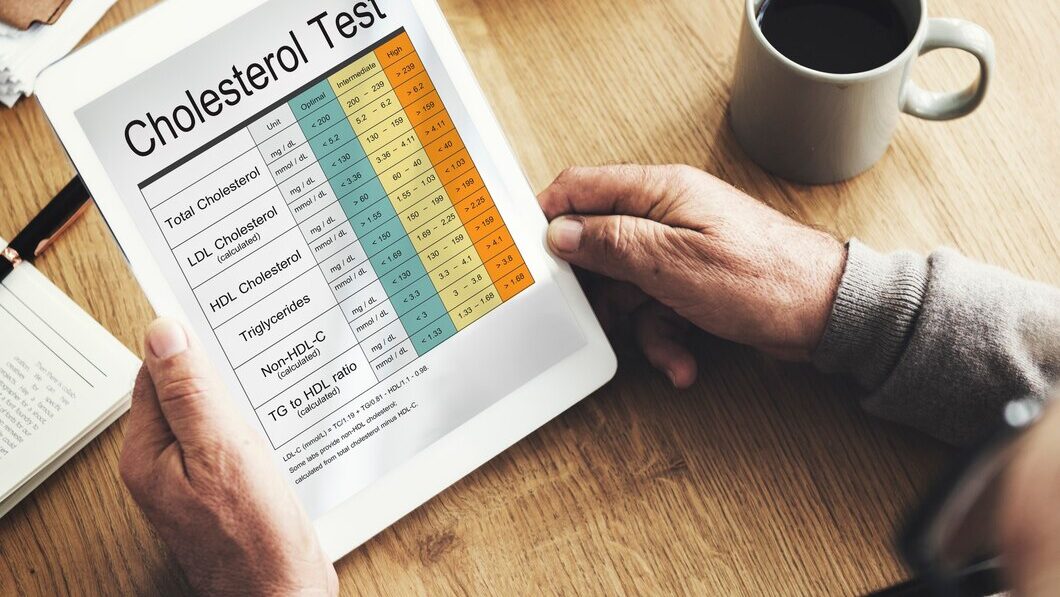
High cholesterol is a common health concern that increases the risk of heart disease, stroke, and other cardiovascular issues. Ayurveda, the ancient system of natural healing, offers a holistic approach to lowering cholesterol by focusing on balancing the body’s doshas, improving digestion, and using natural remedies that help cleanse the blood and improve heart health. This article will explore how Ayurveda can help manage cholesterol levels naturally and effectively.
In Ayurveda, cholesterol is linked to Medas Dhatu (fat tissue) and the accumulation of toxins known as Ama. Ama is formed due to poor digestion and an unhealthy lifestyle, leading to blockages in the body’s channels (Srotas), including the blood vessels. Ayurveda aims to balance the doshas, especially Kapha, which governs fat and mucus production, and supports healthy liver function to manage cholesterol levels.
Cholesterol is not inherently harmful, but an imbalance of Kapha dosha and poor Agni (digestive fire) can lead to its excessive buildup in the body, increasing the risk of heart problems. Therefore, improving digestion, reducing Ama, and balancing Kapha are key aspects of Ayurvedic treatment for lowering cholesterol.
Ayurveda recommends several herbs, spices, and lifestyle practices to naturally lower cholesterol levels and support overall heart health.
Several Ayurvedic herbs are known for their ability to reduce cholesterol levels, improve liver function, and cleanse the blood.
Arjuna is one of the most powerful heart-protective herbs in Ayurveda. It helps strengthen the heart muscles, improve circulation, and reduce cholesterol levels.
How to use: Take Arjuna powder or capsules daily, or make a tea by boiling Arjuna bark in water.
Guggul is a resin known for its powerful cholesterol-lowering properties. It helps reduce LDL cholesterol and triglycerides while increasing HDL (good cholesterol).
How to use: Guggul is commonly available in tablet or capsule form. Consult an Ayurvedic practitioner for the correct dosage based on your health condition.
Triphala is a combination of three fruits (Amalaki, Bibhitaki, and Haritaki) that work together to detoxify the body, improve digestion, and support liver function, all of which contribute to healthy cholesterol levels.
How to use: Take Triphala powder or capsules daily, preferably before bed, for optimal results.
Turmeric is a potent anti-inflammatory and antioxidant herb that helps reduce cholesterol levels and protect the heart from oxidative stress.
How to use: Add turmeric to your daily meals or drink turmeric tea. For better absorption, mix it with black pepper.
Ayurveda emphasizes a Kapha-balancing diet to lower cholesterol levels. The diet should focus on foods that improve digestion, reduce Ama, and promote fat metabolism.
Bitter and astringent foods help reduce Kapha and improve fat metabolism. These include:
Fiber helps reduce cholesterol levels by binding to cholesterol in the digestive system and preventing its absorption into the bloodstream.
While reducing unhealthy fats (like trans fats), it’s essential to include good fats in your diet. Ayurveda recommends using oils like:
Kapha imbalance is aggravated by oily, heavy, and processed foods. To manage cholesterol, avoid:
Ayurvedic spices help stimulate Agni (digestive fire), improve fat metabolism, and prevent cholesterol buildup.
Cinnamon is known for its ability to regulate blood sugar and cholesterol levels, making it an excellent spice for heart health.
Garlic is a natural cholesterol-lowering agent that helps reduce total cholesterol and prevent the oxidation of LDL cholesterol.
Cumin helps improve digestion and fat metabolism, reducing the risk of cholesterol buildup in the arteries.
In addition to diet and herbal remedies, Ayurveda recommends several lifestyle practices to help lower cholesterol levels and improve heart health.
Physical activity is essential for improving circulation, reducing cholesterol levels, and balancing Kapha. Ayurveda recommends moderate exercise like walking, yoga, or swimming.
Pranayama helps reduce stress and improve circulation, both of which are crucial for managing cholesterol levels.
Poor sleep and high stress levels can lead to an increase in cholesterol levels. Ayurveda emphasizes the importance of regular, restful sleep and stress reduction through meditation and relaxation techniques.
Panchakarma, an Ayurvedic detoxification process, helps cleanse the body of Ama and supports liver function, which is crucial for cholesterol metabolism.
How to detox: Consult an Ayurvedic practitioner for a personalized Panchakarma treatment plan, which may include therapies like herbal oil massages, steam baths, and cleansing diets.
The Ayurvedic approach to lowering cholesterol focuses on balancing the body’s doshas, improving digestion, and using natural remedies to promote heart health. By incorporating herbs like Arjuna, Guggul, and Triphala, along with dietary changes, regular exercise, and stress management, you can naturally lower cholesterol levels and reduce the risk of heart disease. Always consult with an Ayurvedic practitioner or healthcare provider before starting any new treatments, especially if you have pre-existing health conditions.