100% Herbal & Natural |
Extra 10% OFF with code SATRISHI10 |
Backed by Ayurveda |
Free Shipping Above ₹399 |
100% Herbal & Natural |
Extra 10% OFF with code SATRISHI10 |
Backed by Ayurveda |
Free Shipping Above ₹399 |
100% Herbal & Natural |
Extra 10% OFF with code SATRISHI10 |
Backed by Ayurveda |
Free Shipping Above ₹399 |
100% Herbal & Natural |
Extra 10% OFF with code SATRISHI10 |
Backed by Ayurveda |
Free Shipping Above ₹399 |


Chronic pain caused by inflammation can be a long-lasting and frustrating issue. It is often linked to conditions like arthritis, autoimmune diseases, and injuries. While conventional medications can help, many people turn to natural remedies for relief. Ayurvedic and other traditional systems of medicine offer a wealth of natural remedies to ease inflammation and chronic pain. These approaches focus on reducing inflammation, balancing the body’s energies, and promoting overall healing.
Inflammation is the body’s natural response to injury or illness, but when it becomes chronic, it can cause long-term damage and discomfort. In Ayurvedic terms, chronic pain is often linked to an imbalance in the Vata and Pitta doshas, which can lead to inflammation, pain, and stiffness. By addressing these imbalances and reducing inflammation, natural remedies can provide significant relief from chronic pain.
Turmeric is one of the most powerful anti-inflammatory herbs used in both Ayurveda and modern medicine. Its active compound, curcumin, has been shown to reduce inflammation and pain in conditions like arthritis and muscle injuries.
Ginger is another potent anti-inflammatory herb that has been used for centuries to relieve pain and inflammation. It contains compounds called gingerols, which help reduce swelling and inflammation in the body.
Ashwagandha, known as an adaptogen, helps the body manage stress and inflammation. It has anti-inflammatory properties that are particularly effective for relieving joint pain and muscle soreness associated with chronic conditions.
Boswellia is a powerful herb in Ayurveda known for its ability to reduce inflammation, particularly in conditions like arthritis. It inhibits the production of inflammatory enzymes and helps ease chronic pain.
Willow bark has been used for centuries to treat pain and inflammation. It contains salicin, a compound similar to aspirin, making it an excellent natural remedy for managing chronic pain, particularly in conditions like back pain and osteoarthritis.
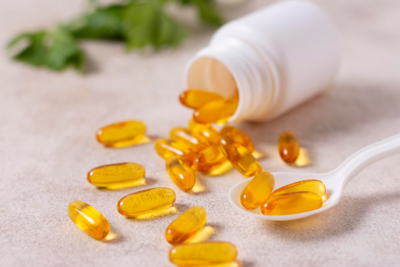
Omega-3 fatty acids, found in fish oil and flaxseeds, are known for their anti-inflammatory properties. They help reduce chronic inflammation in conditions like rheumatoid arthritis and can alleviate joint stiffness and pain.
Capsaicin, the active compound in cayenne pepper, helps reduce pain by depleting substance P, a neurotransmitter that signals pain to the brain. It’s often used in topical creams and ointments for conditions like arthritis and muscle pain.
Epsom salt contains magnesium, which helps relax muscles, reduce inflammation, and ease chronic pain. Soaking in an Epsom salt bath can provide immediate relief from muscle soreness and joint stiffness.
Both flaxseeds and chia seeds are rich in omega-3 fatty acids, which have strong anti-inflammatory effects. These seeds help to reduce inflammation throughout the body, particularly in joints and muscles.
Ayurvedic oils, such as Mahanarayan oil and sesame oil, are infused with herbs that help reduce inflammation and relieve chronic pain. Regular oil massages help improve blood circulation, relax muscles, and soothe aching joints.
Using natural remedies to manage chronic pain involves consistent effort. Incorporate a few of these remedies into your daily routine for lasting relief:
Inflammation-induced chronic pain can be debilitating, but natural remedies provide a safe and effective way to manage it. By incorporating Ayurvedic herbs, anti-inflammatory foods, and therapeutic oils into your daily routine, you can reduce inflammation, ease pain, and improve your overall well-being. Always consult with a healthcare professional before starting new supplements or treatments, especially if you have existing health conditions.


