100% Herbal & Natural |
Extra 10% OFF with code SATRISHI10 |
Backed by Ayurveda |
Free Shipping Above ₹399 |
100% Herbal & Natural |
Extra 10% OFF with code SATRISHI10 |
Backed by Ayurveda |
Free Shipping Above ₹399 |
100% Herbal & Natural |
Extra 10% OFF with code SATRISHI10 |
Backed by Ayurveda |
Free Shipping Above ₹399 |
100% Herbal & Natural |
Extra 10% OFF with code SATRISHI10 |
Backed by Ayurveda |
Free Shipping Above ₹399 |

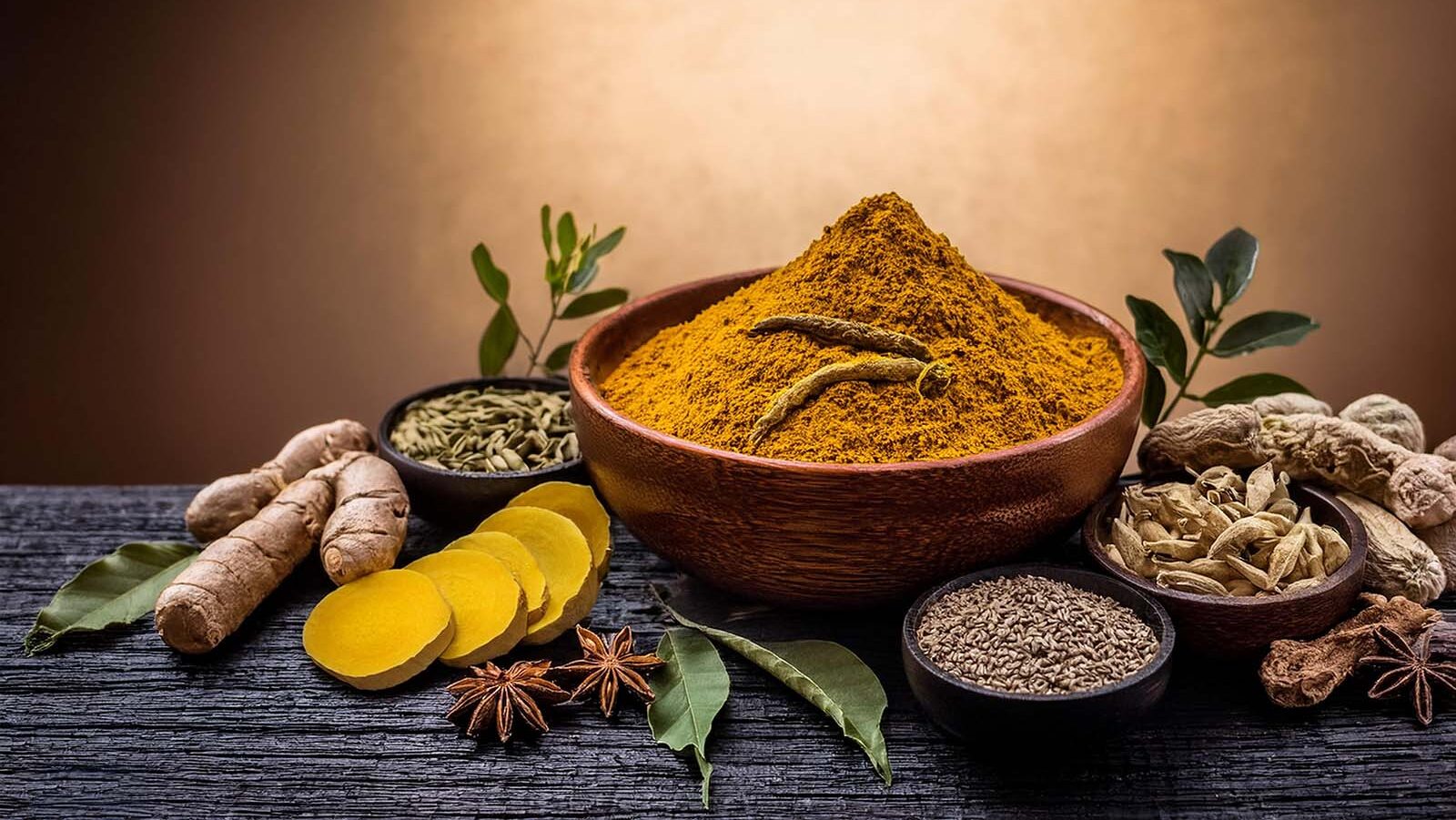
Joint inflammation, often caused by conditions like arthritis, can lead to pain, stiffness, and reduced mobility. Ayurveda, the ancient holistic system of medicine, offers natural solutions to alleviate inflammation and support joint health. Ayurvedic herbs, known for their anti-inflammatory and healing properties, provide long-lasting relief without the side effects associated with conventional medications. Here are some of the top Ayurvedic herbs for reducing joint inflammation.
In Ayurveda, joint inflammation is typically associated with an imbalance in the Vata dosha, which governs movement in the body. Excess Vata can dry out the joints, leading to pain and inflammation. Additionally, imbalances in Pitta (associated with heat and inflammation) and Kapha (related to stiffness) can also contribute to joint issues.
Ashwagandha, a powerful adaptogen, is well-known for its ability to reduce stress and inflammation. It helps balance the Vata and Kapha doshas, easing joint pain and inflammation over time. Its anti-inflammatory properties help to protect the joints from further damage.
Turmeric is one of the most well-researched Ayurvedic herbs for its potent anti-inflammatory and antioxidant properties. Its active compound, curcumin, helps reduce joint inflammation and pain, particularly in conditions like osteoarthritis and rheumatoid arthritis.
Guggul is a resin known for its strong anti-inflammatory and rejuvenating properties. It is often used in Ayurvedic formulations to reduce joint swelling, stiffness, and pain. Guggul helps balance Vata and Pitta doshas, making it ideal for inflammatory conditions.
Shallaki, also known as Indian frankincense, is another powerful herb with strong anti-inflammatory properties. It reduces joint inflammation, improves mobility, and may help slow down cartilage loss in conditions like osteoarthritis.
Ginger is widely used in Ayurveda for its warming and anti-inflammatory properties. It helps in reducing Vata and Kapha dosha imbalances and provides relief from joint pain and stiffness by improving circulation and reducing inflammation.
Nirgundi is known for its ability to reduce joint swelling and pain. It helps alleviate Vata and Kapha imbalances, making it ideal for treating arthritis and other inflammatory joint conditions.
Triphala, a combination of three fruits—Amalaki, Bibhitaki, and Haritaki—acts as a powerful detoxifier. It helps remove toxins from the body, reduces inflammation, and promotes overall health. Triphala supports digestion and helps manage Vata imbalance, which is key to reducing joint inflammation.
Fenugreek seeds are rich in anti-inflammatory compounds and antioxidants, making them effective for reducing joint inflammation and pain. They are particularly helpful in reducing Vata and Kapha imbalances.
Bala, which means “strength” in Sanskrit, is an herb that helps strengthen muscles and joints. It is particularly useful for managing Vata imbalances and relieving joint pain caused by inflammation.
Ajwain, commonly used in Indian cooking, has strong anti-inflammatory properties that help reduce joint pain and inflammation. It is especially beneficial for Vata and Kapha related joint issues.
Ayurvedic herbs offer a natural and holistic approach to managing joint inflammation. By incorporating these herbs into your daily routine, you can reduce inflammation, ease pain, and support overall joint health. However, it’s essential to consult with an Ayurvedic practitioner before starting any herbal regimen, as they can recommend the best herbs and dosages based on your unique constitution and condition. With the right guidance, these Ayurvedic herbs can help you manage joint inflammation and improve your quality of life naturally.