100% Herbal & Natural |
Extra 10% OFF with code SATRISHI10 |
Backed by Ayurveda |
Free Shipping Above ₹399 |
100% Herbal & Natural |
Extra 10% OFF with code SATRISHI10 |
Backed by Ayurveda |
Free Shipping Above ₹399 |
100% Herbal & Natural |
Extra 10% OFF with code SATRISHI10 |
Backed by Ayurveda |
Free Shipping Above ₹399 |
100% Herbal & Natural |
Extra 10% OFF with code SATRISHI10 |
Backed by Ayurveda |
Free Shipping Above ₹399 |

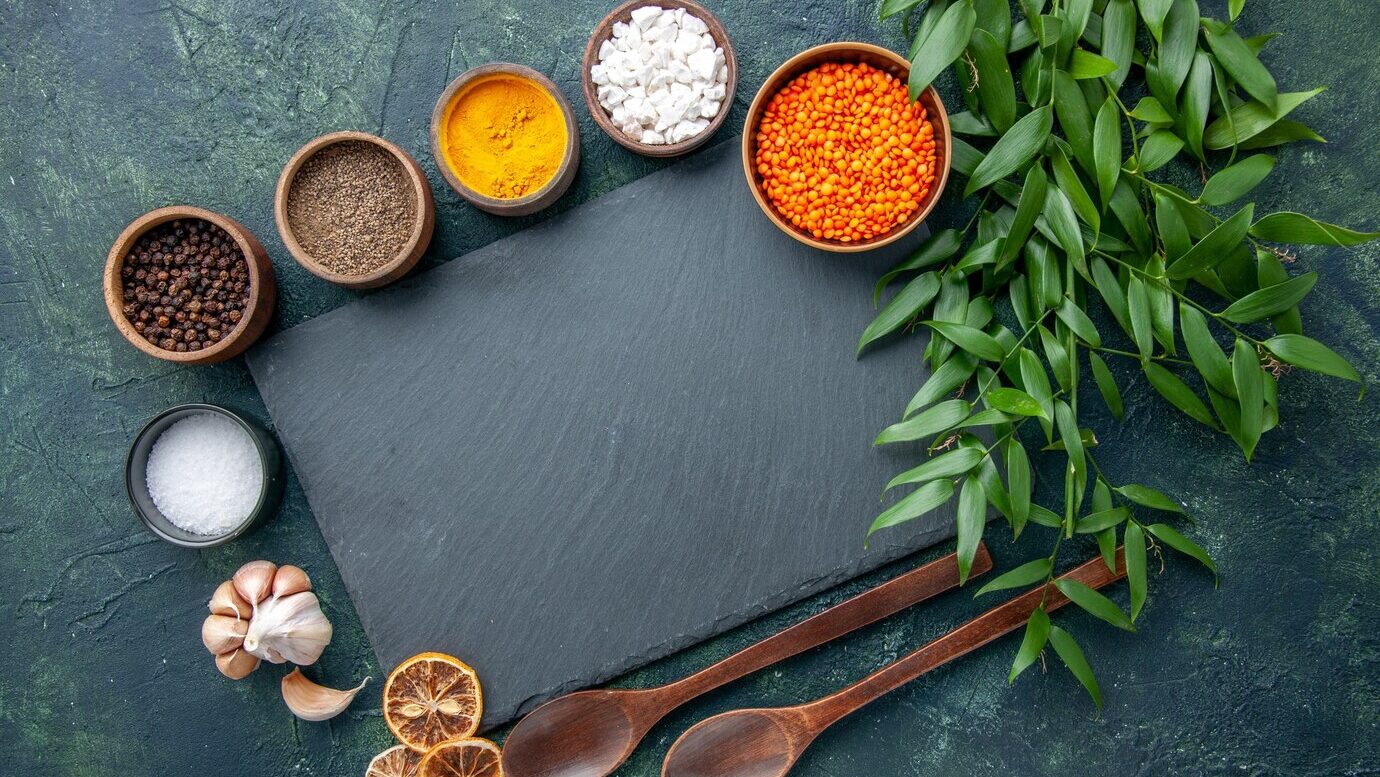
Managing blood sugar levels is super important, especially for those with diabetes or pre-diabetes. But did you know that Ayurveda has a whole bunch of herbs that can naturally help with this? Instead of relying just on modern medicines, incorporating some of these herbs into your daily routine can make a real difference. Let’s dive into some of the best Ayurvedic herbs for lowering blood sugar naturally!
Ayurveda offers a holistic approach to health, focusing on balancing the doshas and keeping the body’s natural systems in harmony. Certain herbs can help regulate blood sugar by supporting the pancreas, enhancing insulin sensitivity, and reducing sugar absorption.
According to Ayurveda, an imbalance in the doshas—especially Kapha—can contribute to high blood sugar. Herbs that help balance Kapha and Pitta doshas are typically used for regulating blood sugar.
Along with herbs, Ayurveda emphasizes diet and lifestyle changes. A Kapha-balancing diet, which includes lots of bitter, astringent, and spicy flavors, can also help control blood sugar levels naturally.
Ayurvedic herbs are not a quick fix but can work wonders when combined with other healthy habits like regular exercise, stress management, and mindful eating.
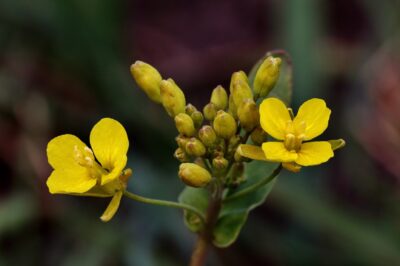
Here’s a look at some Ayurvedic herbs known for their blood sugar-lowering properties. These herbs have been used for centuries and are still popular today for natural diabetes management.
Bitter melon is a powerful herb that helps regulate blood sugar by improving insulin sensitivity and reducing glucose levels.
You can consume bitter melon as a juice, in powder form, or cook it in a variety of dishes. Though it’s bitter, it’s highly effective in managing blood sugar.
Fenugreek seeds are packed with soluble fiber, which helps lower blood sugar by slowing down digestion and carbohydrate absorption.
Soak fenugreek seeds overnight and drink the water in the morning, or add them to your meals.
Amla is rich in antioxidants and vitamin C, making it a great herb for not just overall health but also for lowering blood sugar.
You can consume Amla as juice or powder, or just eat it fresh.
Turmeric is well-known for its anti-inflammatory properties but is also great for regulating blood sugar.
You can take turmeric with warm milk (golden milk) or as part of your daily cooking.
Cinnamon is a commonly used spice that has been shown to reduce blood sugar levels by mimicking insulin.
Add cinnamon to your morning tea, oatmeal, or smoothies for its blood sugar-lowering benefits.
Neem leaves are bitter but are packed with medicinal properties that help lower blood sugar.
Neem can be consumed as juice, powder, or in the form of supplements. However, due to its strong taste, it may be easier to take as a supplement.
Gymnema, also known as the “sugar destroyer,” helps reduce the absorption of sugar in the intestines.
You can take Gymnema as a supplement or in powder form, typically mixed with water or another liquid.
Tulsi is another powerful herb that supports blood sugar management by reducing stress and promoting insulin production.
You can consume Tulsi as a tea or add fresh leaves to your food.
Cumin seeds help control blood sugar levels by reducing inflammation and improving insulin sensitivity.
Add cumin to your meals or drink cumin water for its blood sugar-lowering properties.
Berberine, found in several plants, including Barberry, is known for its ability to lower blood sugar levels and improve insulin sensitivity.
Berberine is typically consumed in supplement form.
Ayurvedic herbs are a fantastic natural way to help regulate blood sugar levels. However, they should be used as part of a holistic approach that includes a balanced diet, exercise, and regular medical checkups. Always consult a healthcare professional before starting any herbal regimen, especially if you’re on medication for diabetes.
By integrating these Ayurvedic herbs into your routine, you can naturally support your body’s ability to maintain balanced blood sugar levels.