Tag: Weight Loss

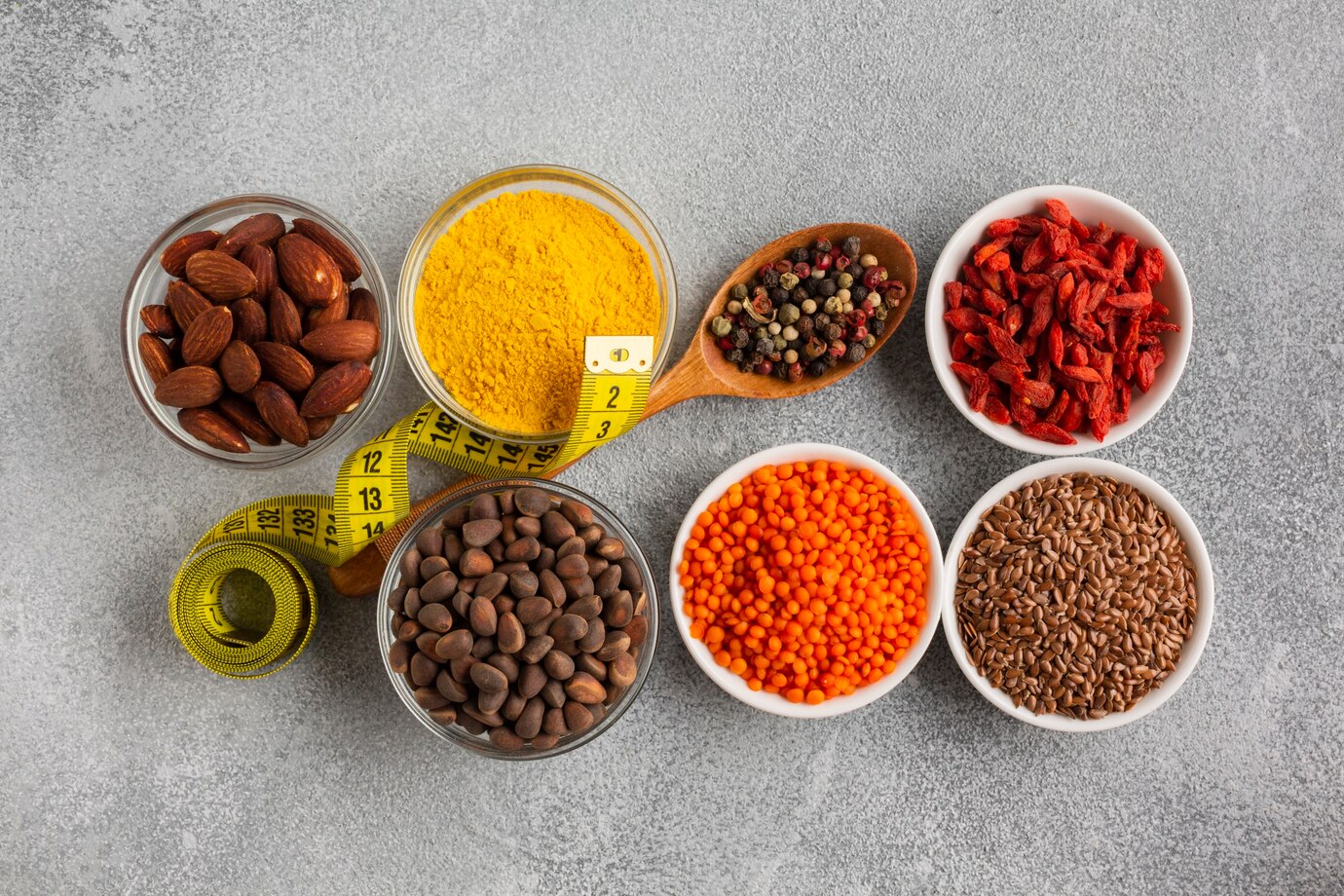
  • The Role of Spices in Weight Loss Strategies

    The Role of Spices in Weight Loss Strategies

    In Ayurveda, spices are not just flavor enhancers; they are also powerful tools for promoting health and wellness, especially when it comes to weight loss. Many spices possess unique properties that can boost metabolism, aid digestion, and help in detoxification. Here’s a closer look at some key spices used in Ayurvedic weight loss strategies.

    1. Turmeric

    Turmeric is well-known for its active compound, curcumin, which has potent anti-inflammatory and antioxidant properties.

    • Benefits: It helps regulate fat metabolism and supports liver health, which is essential for detoxification.
    • How to Use: Add turmeric to curries, soups, or golden milk for a warm, nourishing drink.

    2. Cumin

    Cumin seeds are a staple in many Ayurvedic recipes and are prized for their digestive benefits.

    • Benefits: They boost digestion, reduce bloating, and may enhance the body’s ability to burn fat.
    • How to Use: Incorporate cumin in your cooking or brew a tea by steeping the seeds in hot water.

    3. Ginger

    Ginger is a versatile spice that aids digestion and has warming properties.

    • Benefits: It can help stimulate the digestive fire (agni), reduce cravings, and improve metabolism.
    • How to Use: Use fresh ginger in teas, smoothies, or as a spice in your meals.

    4. Cinnamon

    Cinnamon is not only delicious but also has numerous health benefits.

    • Benefits: It helps regulate blood sugar levels, reduces insulin resistance, and promotes a feeling of fullness, which can prevent overeating.
    • How to Use: Sprinkle cinnamon on oatmeal, yogurt, or add it to herbal teas.

    5. Black Pepper

    Black pepper is often referred to as the “king of spices” and has a range of health benefits.

    • Benefits: It contains piperine, which can enhance metabolism and increase the bioavailability of nutrients.
    • How to Use: Use freshly ground black pepper to season dishes or in spice blends.

    6. Fenugreek

    Fenugreek seeds are known for their digestive and appetite-regulating properties.

    • Benefits: They help in managing blood sugar levels and can reduce cravings, making them useful for weight management.
    • How to Use: Soak fenugreek seeds overnight and consume them in the morning, or use them in cooking.

    7. Mustard Seeds

    Mustard seeds have thermogenic properties, meaning they can help increase the body’s heat production.

    • Benefits: This can boost metabolism and aid in fat burning.
    • How to Use: Use mustard seeds in tempering dishes or sprinkle them on salads.

    8. Cardamom

    Cardamom is known for its aromatic flavor and digestive benefits.

    • Benefits: It can help reduce bloating, enhance digestion, and may support weight loss by improving metabolic function.
    • How to Use: Add cardamom to teas, smoothies, or use it in baked goods.

    9. Chili Peppers

    Chili peppers contain capsaicin, a compound known for its metabolism-boosting properties.

    • Benefits: Capsaicin can enhance fat burning and reduce appetite, making it a great addition to a weight loss regimen.
    • How to Use: Incorporate fresh or dried chili peppers into your cooking for an extra kick.

    10. Cloves

    Cloves are often used in Ayurvedic practices for their warming properties.

    • Benefits: They support digestion and can help in detoxification, making them beneficial for weight management.
    • How to Use: Use cloves in spice blends, teas, or as a seasoning in savory dishes.

    Conclusion

    Spices play a vital role in Ayurvedic weight loss strategies by enhancing digestion, boosting metabolism, and supporting detoxification. Incorporating these spices into your daily meals can make your weight loss journey more enjoyable and effective. Along with a balanced diet and lifestyle, these flavorful additions can help you achieve and maintain your desired weight while promoting overall health and well-being.

  • Detoxification for Weight Loss: The Ayurvedic Way

    Detoxification for Weight Loss: The Ayurvedic Way

    In Ayurveda, detoxification (shodhana) is considered one of the most important practices for maintaining overall health and achieving sustainable weight loss. Rather than focusing solely on calorie reduction or extreme diets, Ayurveda emphasizes the importance of cleansing the body of accumulated toxins (ama). When the body is free of toxins, digestion improves, metabolism speeds up, and the body becomes more efficient at burning fat and managing weight.

    The Ayurvedic approach to detoxification is holistic, involving not just physical cleansing but also mental and emotional balance. Let’s explore how detoxification through Ayurveda can support natural weight loss and improve overall well-being.

    Why Detoxification Is Key for Weight Loss

    Ayurveda teaches that weight gain is often the result of accumulated ama—toxic waste that builds up in the body due to poor digestion, improper diet, and lifestyle choices. This buildup can block the body’s energy channels and slow down metabolism, making it difficult to burn fat efficiently.

    Detoxification helps clear these blockages, allowing the body to process food more efficiently, absorb nutrients better, and eliminate excess fat and waste.

    Benefits of Detoxification for Weight Loss

    • Improved Digestion: A clean digestive system functions more effectively, ensuring that food is broken down and metabolized properly, preventing weight gain.
    • Boosted Metabolism: Detoxification helps to fire up the body’s metabolic processes, enabling faster calorie and fat burning.
    • Reduced Cravings: Removing toxins from the body helps to balance your appetite, reduce cravings for unhealthy foods, and improve your relationship with food.
    • Enhanced Energy: Cleansing the body increases energy levels, making it easier to stay active and motivated throughout the day.

    Detox

    Ayurvedic Detoxification Methods for Weight Loss

    There are several Ayurvedic practices and treatments that promote detoxification and help with weight loss. These methods aim to cleanse the body from the inside out, restoring balance to the doshas and supporting overall health.

    1. Panchakarma: The Ultimate Detox Therapy

    One of the most effective Ayurvedic detoxification methods is Panchakarma, a five-step therapy designed to cleanse the body of toxins and rejuvenate the mind and spirit. Panchakarma involves a combination of massages, herbal treatments, steam baths, and dietary guidelines tailored to the individual’s dosha type.

    • How it helps: Panchakarma helps remove deeply embedded toxins from the body, improves digestion, and balances the doshas, leading to effective and long-lasting weight loss.
    • What it involves: This therapy typically includes five purification processes: Vamana (emesis therapy), Virechana (purgation therapy), Basti (herbal enema), Nasya (nasal cleansing), and Raktamokshana (blood cleansing).

    2. Fasting: Lighten the Digestive Load

    Ayurveda recommends intermittent fasting (Langhana) as a way to give the digestive system a break and allow the body to eliminate toxins. Fasting not only helps to cleanse the body but also encourages the burning of stored fat for energy.

    • How it helps: Intermittent fasting improves digestion, reduces inflammation, and accelerates the detoxification process, leading to weight loss.
    • How to practice: Start with short fasts—perhaps skipping dinner once a week or following a liquid diet for a day. Ensure you stay hydrated with warm water or herbal teas.

    3. Herbal Teas: Support Digestion and Detoxification

    Drinking Ayurvedic herbal teas made from digestive spices and detoxifying herbs is an easy way to flush toxins out of the system. Herbs like cumin, coriander, fennel, ginger, and turmeric help stimulate digestion and cleanse the body.

    • How it helps: Herbal teas stimulate the digestive fire (agni) and flush out toxins from the liver, kidneys, and digestive tract, which helps boost metabolism and promote weight loss.
    • How to use: Sip on warm herbal teas throughout the day to aid digestion and keep the body hydrated. Cumin-coriander-fennel tea is especially effective for detoxifying and supporting weight loss.

    4. Abhyanga: Ayurvedic Self-Massage

    Abhyanga, the Ayurvedic practice of oil massage, is an important part of detoxification. The warm oil helps to loosen toxins stored in the body’s tissues and promote lymphatic drainage. This practice also soothes the nervous system and improves circulation, aiding in weight loss.

    • How it helps: Abhyanga supports detoxification by stimulating the lymphatic system, which is responsible for removing waste and excess fat from the body.
    • How to practice: Use warm sesame or coconut oil for a self-massage, focusing on areas where fat tends to accumulate. Massage the oil into your skin and allow it to absorb before taking a warm shower.

    5. Detoxifying Diet: Eat Light and Clean

    A key part of Ayurvedic detoxification is adopting a clean, sattvic diet that is easy on the digestive system. During a detox, focus on eating warm, light, and easy-to-digest foods that help cleanse the body and promote weight loss.

    • How it helps: Eating light, detoxifying foods helps the digestive system process food more efficiently and prevents the buildup of ama, which is often responsible for weight gain.
    • What to eat: Opt for foods like kichari (a simple mixture of rice and lentils), steamed vegetables, and fresh fruits. Include warming spices like ginger, cumin, and turmeric in your meals to support digestion.

    6. Drink Warm Water: Flush Toxins

    In Ayurveda, drinking warm water is highly recommended during detoxification. Warm water helps flush toxins from the digestive system, supports hydration, and improves metabolism.

    • How it helps: Drinking warm water regularly helps cleanse the digestive tract, keeps the body hydrated, and supports the elimination of waste products.
    • How to practice: Start your day with a glass of warm water and continue to sip warm water or herbal teas throughout the day.

    7. Dry Brushing: Stimulate Circulation

    Dry brushing is a simple Ayurvedic practice that involves brushing the skin with a natural bristle brush to stimulate circulation, remove dead skin cells, and promote detoxification.

    • How it helps: Dry brushing helps boost the lymphatic system, which is responsible for eliminating toxins and excess fat from the body. It also improves blood circulation and helps reduce cellulite.
    • How to practice: Before showering, use a dry brush to gently brush your skin in circular motions, starting from the feet and moving upward toward the heart.

    Ayurvedic Herbs for Detox and Weight Loss

    Ayurveda uses various herbs to support detoxification and aid weight loss. These herbs help stimulate digestion, improve metabolism, and cleanse the body of toxins.

    1. Triphala

    Triphala, a blend of three fruits—Amalaki, Haritaki, and Bibhitaki—is one of the most powerful detoxifying formulations in Ayurveda. It helps cleanse the digestive system, promotes regular bowel movements, and supports fat loss.

    • How it helps: Triphala cleanses the intestines, improves digestion, and helps the body absorb nutrients more efficiently, aiding in weight loss.
    • How to use: Take Triphala powder or capsules with warm water before bed for a gentle detox.

    2. Guggul

    Guggul is a resin that has been used for centuries in Ayurvedic medicine to detoxify the body and promote weight loss. It helps balance cholesterol levels, supports fat metabolism, and reduces inflammation.

    • How it helps: Guggul boosts metabolism, promotes fat burning, and helps eliminate toxins from the body.
    • How to use: Guggul can be taken in tablet or powder form. Consult with an Ayurvedic practitioner for the correct dosage.

    3. Turmeric

    Turmeric is a powerful anti-inflammatory and antioxidant herb that supports liver detoxification and digestion. It helps reduce inflammation, which can contribute to weight gain and metabolic issues.

    • How it helps: Turmeric improves liver function, reduces inflammation, and promotes the breakdown of fat.
    • How to use: Add turmeric to your meals or drink turmeric tea with black pepper to enhance its detoxifying properties.

    4. Ginger

    Ginger is a warming spice that stimulates digestion, improves circulation, and aids in detoxification. It helps increase the digestive fire (agni) and promotes fat burning.

    • How it helps: Ginger boosts metabolism, improves digestion, and helps the body flush out toxins, supporting weight loss.
    • How to use: Drink ginger tea daily or add freshly grated ginger to your meals for its detoxifying benefits.

    Detox

    Conclusion

    Ayurvedic detoxification is a holistic approach to weight loss that focuses on cleansing the body, improving digestion, and balancing the doshas. By incorporating practices like Panchakarma, intermittent fasting, herbal remedies, and a clean diet, you can support your body’s natural detoxification processes and achieve sustainable weight loss. Detoxification not only helps in shedding excess fat but also enhances overall health, vitality, and mental clarity.

  • The Ayurvedic Approach to Sustained Weight Loss

    The Ayurvedic Approach to Sustained Weight Loss

    Ayurveda, the ancient Indian system of holistic medicine, provides a natural, sustainable approach to weight loss that focuses on balancing the body’s doshas—Vata, Pitta, and Kapha. Unlike modern diets, which often lead to short-term results and can be harsh on the body, Ayurveda emphasizes slow, steady, and long-lasting weight loss by aligning with your body’s unique constitution and promoting overall well-being. The Ayurvedic approach doesn’t just aim to shed pounds but to bring the body into balance, improve digestion, and support long-term health.

    Understanding Ayurvedic Weight Loss

    According to Ayurveda, weight gain is primarily linked to an imbalance in the Kapha dosha, which is associated with heaviness, sluggishness, and water retention. Kapha types are more prone to gaining weight, but all doshas can experience weight issues if their metabolism (agni) is weak or out of balance.

    How Ayurveda Views Weight Loss

    Ayurveda teaches that weight gain occurs when there is excess ama (toxins) in the body, poor digestion, and an accumulation of Kapha. By focusing on eliminating toxins, stimulating digestive fire, and balancing the doshas, Ayurveda promotes weight loss that is gentle, gradual, and aligned with your body’s needs.

    Weight Loss

    Key Principles of Ayurvedic Weight Loss

    1. Balance the Doshas

    In Ayurveda, each person has a unique constitution, or Prakriti, which is a balance of the three doshas: Vata, Pitta, and Kapha. To achieve weight loss, it’s important to balance the dosha that is contributing to the weight gain. For many, this means reducing Kapha energy, which can cause sluggish digestion and fat accumulation.

    • Kapha: Focus on light, warming foods and vigorous exercise.
    • Pitta: Opt for cooling foods that prevent inflammation and overeating.
    • Vata: Favor grounding, nourishing foods to avoid erratic eating patterns.

    2. Improve Digestion (Agni)

    Strong digestion is crucial in Ayurveda for maintaining a healthy weight. When digestion is weak, toxins (ama) accumulate in the body, leading to weight gain. By enhancing the digestive fire (agni), Ayurveda helps the body burn calories more efficiently and eliminate waste products.

    • How to strengthen digestion: Drink warm water throughout the day, use spices like ginger, cumin, and fennel in cooking, and avoid cold or processed foods that can slow down digestion.

    3. Detoxify the Body

    Ayurveda recommends regular detoxification to remove ama (toxins) and reset the body’s natural balance. Detoxifying practices, such as Panchakarma, not only help with weight loss but also improve energy levels, boost immunity, and enhance mental clarity.

    • Detox methods: Drink herbal teas, eat light and nourishing foods, and practice oil pulling or dry brushing to cleanse the body. Panchakarma is a more intensive detox regimen offered at Ayurvedic centers.

    4. Eat Mindfully

    Ayurveda encourages mindful eating, which helps prevent overeating and promotes better digestion. Eating in a calm environment and paying attention to the body’s hunger and fullness cues can make a significant difference in weight management.

    • Tips for mindful eating: Eat slowly, chew your food thoroughly, avoid distractions like TV or phones during meals, and stop eating when you feel 80% full.

    Weight Loss, Detox

    Ayurvedic Practices for Sustained Weight Loss

    Ayurveda’s approach to weight loss isn’t about quick fixes or extreme diets. Instead, it focuses on long-term lifestyle changes that can be maintained over time. Here are some effective Ayurvedic practices to support sustainable weight loss.

    1. Ayurvedic Herbs for Weight Loss

    Ayurveda uses natural herbs and formulations that help boost metabolism, improve digestion, and reduce fat accumulation.

    • Triphala: A combination of three fruits that detoxifies the digestive system and supports weight loss by improving bowel movements.
    • Guggul: Known for its fat-burning properties, Guggul stimulates metabolism and lowers cholesterol.
    • Garcinia Cambogia (Vrikshamla): Suppresses appetite and blocks the production of fat.
    • Turmeric: Reduces inflammation and improves digestion, preventing weight gain due to poor digestion.

    2. Daily Routine (Dinacharya)

    Establishing a regular routine is essential in Ayurveda for maintaining balance and promoting weight loss. A daily routine helps align the body’s natural rhythms with nature, which supports metabolism and overall health.

    • Morning routine: Start your day with a glass of warm lemon water to stimulate digestion and cleanse the system.
    • Exercise: Engage in daily physical activity that suits your dosha. For Kapha types, vigorous exercise like running or cycling is recommended, while Vata types benefit from gentle yoga and walking.
    • Sleep: Get adequate rest by going to bed and waking up at the same time every day. Proper sleep supports healthy metabolism and prevents weight gain.

    3. Eat According to Your Dosha

    Each dosha has specific dietary needs to maintain balance. Eating according to your dosha type can help prevent weight gain and promote overall health.

    • Kapha: Focus on light, spicy, and astringent foods. Avoid heavy, oily, and sugary foods.
    • Pitta: Choose cooling, mildly spiced foods. Avoid too much heat or acidity in your diet.
    • Vata: Favor warm, grounding, and nourishing foods like soups and stews. Avoid cold, raw foods.

    4. Ayurvedic Spices to Boost Metabolism

    Spices are an essential part of Ayurvedic weight loss. They help ignite the digestive fire and improve the body’s ability to metabolize food and burn fat.

    • Cumin: Enhances digestion and metabolism.
    • Ginger: Stimulates digestion and burns fat.
    • Black Pepper: Contains piperine, which boosts metabolism and improves the absorption of other nutrients.
    • Cinnamon: Balances blood sugar levels, preventing insulin spikes and fat storage.

    5. Stress Management

    In Ayurveda, stress and emotional imbalance can lead to weight gain, particularly around the belly area. Managing stress through Ayurvedic practices like yoga, meditation, and pranayama (breathing exercises) is key to sustainable weight loss.

    • Meditation: Regular meditation helps calm the mind and reduce emotional eating.
    • Yoga: A daily yoga practice improves flexibility, strength, and balance while reducing stress levels.
    • Pranayama: Breathing exercises like kapalbhati (a vigorous, belly-centric breathing technique) are excellent for stimulating digestion and promoting fat loss.

    Ayurvedic Lifestyle for Long-Term Weight Management

    Sustaining weight loss is not just about what you eat but also how you live. Ayurveda offers lifestyle recommendations that promote balance and help maintain a healthy weight over time.

    1. Avoid Overeating and Snacking

    Ayurveda advises eating three balanced meals a day and avoiding frequent snacking, which can overload the digestive system and lead to weight gain. Eating meals at regular times helps regulate metabolism and keeps digestion strong.

    2. Stay Hydrated

    Drink warm water throughout the day to aid digestion and eliminate toxins. Warm water helps break down fats and prevents them from accumulating in the body.

    3. Seasonal Eating

    Ayurveda emphasizes eating in accordance with the seasons to maintain dosha balance. For instance, in the cold, damp winter months, when Kapha is predominant, it’s important to eat warming, light foods to prevent weight gain.

    4. Regular Detox

    Seasonal detoxes using Ayurvedic practices like Panchakarma can help reset the digestive system, eliminate toxins, and maintain a healthy weight. Detoxifying the body also improves energy levels and mental clarity.

    Conclusion

    The Ayurvedic approach to sustained weight loss is about more than just losing pounds—it’s about creating balance within the body and mind for long-term health. By following Ayurvedic principles such as balancing the doshas, improving digestion, using natural herbs, and making mindful lifestyle changes, you can achieve weight loss that is gradual, sustainable, and nourishing for your overall well-being. This holistic, natural method not only helps shed excess weight but also supports a healthier, more vibrant life.

  • Herbs to Naturally Promote Weight Loss

    Herbs to Naturally Promote Weight Loss

    In Ayurveda, weight gain is often linked to imbalances in the body’s doshas, particularly Kapha dosha, which governs earth and water elements in the body. Excess Kapha can lead to sluggish metabolism, water retention, and the accumulation of fat. Ayurveda offers a natural approach to weight loss, focusing on herbal remedies that help balance the doshas, boost digestion, and improve metabolism. The following Ayurvedic herbs can aid in weight loss by detoxifying the body, regulating appetite, and enhancing fat-burning processes.

    Ayurvedic Approach to Weight Loss

    Ayurveda emphasizes the importance of balancing the three doshas—Vata, Pitta, and Kapha—for optimal health. When Kapha is imbalanced, it can lead to slow digestion, lethargy, and weight gain. The Ayurvedic approach to weight loss is holistic, incorporating dietary changes, lifestyle adjustments, and the use of natural herbs to stimulate the body’s metabolism and eliminate excess fat.

    How Herbs Help in Weight Loss

    Ayurvedic herbs work by stimulating the digestive fire (agni), reducing cravings, and improving the body’s ability to process and eliminate fats. They also support detoxification and help maintain energy levels during weight loss.

    Ayurvedic Herbs for Weight Loss

    Here are some of the most effective Ayurvedic herbs known for their natural weight loss properties.

    1. Triphala: The Digestive Detoxifier

    Triphala is one of the most popular Ayurvedic formulations for weight loss. It consists of three fruits—Amalaki (Indian gooseberry), Haritaki, and Bibhitaki—which together support digestion, cleanse the intestines, and remove toxins from the body.

    • How it helps: Triphala improves digestion, regulates metabolism, and prevents fat accumulation. It also acts as a gentle laxative, helping with regular bowel movements and detoxification.
    • How to use: Take Triphala powder or capsules with warm water before bed to stimulate digestion and promote weight loss.

    2. Guggul: The Fat-Burning Herb

    Guggul (Commiphora mukul) is a resin that has been used for centuries in Ayurveda for its fat-burning and cholesterol-lowering properties. It stimulates the thyroid gland, which plays a key role in metabolism and weight regulation.

    • How it helps: Guggul promotes fat metabolism, helps lower bad cholesterol (LDL), and prevents the formation of new fat cells.
    • How to use: Guggul is available in tablet or powder form. It is often combined with other herbs for a synergistic effect in weight loss.

    3. Garcinia Cambogia: The Appetite Suppressant

    Garcinia Cambogia (Vrikshamla) is an Ayurvedic herb that has gained popularity as a natural weight loss aid. It contains hydroxycitric acid (HCA), which is known to reduce appetite and block the production of fat.

    • How it helps: Garcinia suppresses appetite, reduces cravings, and inhibits the enzyme responsible for converting carbohydrates into fat.
    • How to use: Take Garcinia Cambogia supplements 30 minutes before meals to control appetite and support weight loss.

    4. Fenugreek: The Metabolism Booster

    Fenugreek (Trigonella foenum-graecum) seeds are rich in fiber and have been traditionally used in Ayurveda to aid digestion and improve metabolism. They help regulate blood sugar levels and reduce cravings for unhealthy foods.

    • How it helps: Fenugreek seeds boost metabolism, reduce fat accumulation, and improve digestion by increasing the body’s heat (thermogenesis).
    • How to use: Soak fenugreek seeds in water overnight and drink the water on an empty stomach in the morning. You can also chew the soaked seeds to enhance digestion.

    5. Cinnamon: The Blood Sugar Regulator

    Cinnamon (Cinnamomum verum) is a warming spice commonly used in Ayurveda to balance blood sugar levels and improve metabolism. By regulating blood sugar, cinnamon helps prevent insulin spikes and reduce the storage of fat.

    • How it helps: Cinnamon stabilizes blood sugar levels, reduces sugar cravings, and promotes the breakdown of fat.
    • How to use: Add cinnamon powder to your meals, teas, or smoothies to enhance flavor and support weight loss.

    6. Ginger: The Digestive Fire Stimulant

    Ginger (Zingiber officinale) is a powerful digestive stimulant in Ayurveda. It helps increase the digestive fire (agni) and speeds up metabolism, making it easier for the body to burn fat and process food efficiently.

    • How it helps: Ginger boosts metabolism, improves digestion, and reduces bloating and water retention, which can aid in weight loss.
    • How to use: Drink ginger tea daily or add freshly grated ginger to your meals to enhance fat-burning and digestion.

    7. Turmeric: The Inflammation Fighter

    Turmeric (Curcuma longa) is known for its anti-inflammatory and antioxidant properties. Inflammation can be a factor in weight gain, and turmeric helps reduce inflammation while supporting digestion and detoxification.

    • How it helps: Turmeric improves digestion, reduces fat storage, and enhances liver function to detoxify the body.
    • How to use: Add turmeric powder to your meals or drink turmeric tea with a pinch of black pepper for better absorption and enhanced weight loss benefits.

    8. Amla: The Metabolism Regulator

    Amla (Emblica officinalis), or Indian gooseberry, is rich in vitamin C and antioxidants. It helps boost metabolism and enhances digestion, making it a key herb for natural weight loss in Ayurveda.

    • How it helps: Amla improves digestion, boosts metabolism, and helps the body process and eliminate excess fat.
    • How to use: Drink fresh amla juice daily or take amla supplements to enhance digestion and support weight loss.

    9. Ashwagandha: The Stress Reliever

    Ashwagandha (Withania somnifera) is an adaptogenic herb that helps the body cope with stress, one of the main contributors to weight gain. It regulates cortisol levels, which helps prevent stress-induced overeating and fat storage.

    • How it helps: Ashwagandha reduces stress and anxiety, balances hormones, and promotes healthy metabolism.
    • How to use: Take Ashwagandha powder or capsules daily to reduce stress and support weight management.

    10. Black Pepper: The Fat Burner

    Black pepper (Piper nigrum) contains piperine, a compound that enhances the body’s ability to burn fat. It also improves digestion and the absorption of other nutrients, making it a great addition to Ayurvedic weight loss regimens.

    • How it helps: Black pepper stimulates digestion, boosts metabolism, and enhances the fat-burning process.
    • How to use: Add black pepper to your meals or mix it with turmeric and honey for a potent weight loss remedy.

    Weight Loss

    Ayurvedic Lifestyle Tips for Weight Loss

    In addition to herbal remedies, Ayurveda recommends adopting lifestyle changes that promote weight loss and balance the doshas.

    1. Follow a Dosha-Balancing Diet

    Eat according to your dosha type to maintain balance and support digestion. For example, reduce heavy, oily foods if you’re prone to Kapha imbalance, and opt for lighter, warming meals to stimulate metabolism.

    2. Eat Mindfully

    Ayurveda emphasizes mindful eating. Eat slowly, chew your food well, and avoid overeating. Eating in a calm and relaxed environment helps improve digestion and prevents overeating.

    3. Exercise Regularly

    Incorporating physical activity into your daily routine helps burn calories and balance Kapha dosha. Yoga, brisk walking, and other gentle exercises are recommended to support weight loss.

    4. Stay Hydrated

    Drink warm water throughout the day to help flush out toxins and support digestion. Avoid cold water, as it can slow down the digestive process.

    5. Practice Pranayama and Meditation

    Stress can lead to overeating and weight gain. Practice pranayama (breathing exercises) and meditation to reduce stress, improve focus, and prevent emotional eating.

    Conclusion

    Ayurvedic herbs offer a natural, holistic approach to weight loss by balancing the doshas, improving digestion, and boosting metabolism. By incorporating herbs like Triphala, Guggul, and Ashwagandha into your daily routine, along with lifestyle changes, you can achieve sustainable weight loss while maintaining overall health and wellness.

  • Detoxifying Your Body for Weight Loss

    Detoxifying Your Body for Weight Loss

    In Ayurveda, detoxification, or Panchakarma, is a vital process that helps cleanse the body of toxins (ama) and restore balance to the doshas. A proper detox can enhance digestion, improve metabolism, and promote weight loss by allowing the body to function optimally. Here, we’ll explore various Ayurvedic practices for detoxification that can aid in weight management.

    Understanding Toxins and Their Impact

    Toxins can accumulate in the body due to poor diet, stress, environmental factors, and lifestyle choices. These toxins can lead to imbalances in the doshas, resulting in weight gain, sluggishness, and various health issues. By detoxifying the body, you can rejuvenate your system, improve digestion, and support effective weight loss.

    Ayurvedic Practices for Detoxification

    1. Triphala for Cleansing

    Triphala is a well-known Ayurvedic formulation made from three fruits: Amla, Haritaki, and Bibhitaki. It is revered for its detoxifying and rejuvenating properties.

    • Benefits: Triphala helps regulate bowel movements, detoxifies the digestive tract, and supports liver function.
    • How to Use: Take 1 teaspoon of Triphala powder with warm water before bedtime to promote digestion and detoxification.

    2. Warm Water with Lemon

    Starting your day with warm water and lemon is a simple yet effective detoxifying practice.

    • Benefits: This combination helps flush out toxins, stimulates digestion, and boosts metabolism. The vitamin C in lemon also supports liver health.
    • How to Use: Squeeze the juice of half a lemon into a glass of warm water and drink it first thing in the morning.

    3. Herbal Teas

    Incorporating herbal teas into your daily routine can support detoxification and weight loss.

    • Recommended Teas:
      • Ginger Tea: Aids digestion and boosts metabolism.
      • Dandelion Tea: Supports liver function and promotes detoxification.
      • Peppermint Tea: Soothes the digestive system and reduces bloating.

    4. Kitchari Detox

    Kitchari is a simple, nourishing dish made from mung beans and rice, often used in Ayurvedic detox programs.

    • Benefits: Kitchari is easy to digest and helps cleanse the digestive tract while providing essential nutrients. It balances all three doshas and promotes detoxification.
    • How to Use: Prepare Kitchari using equal parts mung beans and basmati rice, seasoned with spices like turmeric, cumin, and ginger. Consume this for 1-3 days for a gentle detox.

    5. Oil Pulling

    Oil pulling is an ancient Ayurvedic practice that involves swishing oil in the mouth to draw out toxins.

    • Benefits: It helps improve oral health, detoxifies the body, and can even support weight loss by promoting better digestion.
    • How to Use: Take 1 tablespoon of sesame or coconut oil and swish it around your mouth for 15-20 minutes. Spit it out and rinse your mouth with warm water.

    6. Abhyanga (Self-Massage)

    Abhyanga is an Ayurvedic self-massage technique using warm herbal oils. This practice can enhance circulation and promote lymphatic drainage.

    • Benefits: Regular self-massage helps remove toxins from the body, nourishes the skin, and reduces stress.
    • How to Use: Warm some sesame or coconut oil and massage it into your skin before taking a shower, focusing on areas with more fat.

    7. Yoga and Pranayama

    Incorporating yoga and breathing exercises (pranayama) can greatly enhance the detoxification process.

    • Benefits: Yoga promotes circulation, stimulates digestion, and helps reduce stress, which is crucial for effective weight loss.
    • Recommended Poses:
      • Twists: Like Bhujangasana (Cobra Pose) or Marichyasana (Marichi’s Pose), which aid digestion.
      • Pranayama Techniques: Such as Kapalabhati and Nadi Shodhana, which help cleanse the respiratory system and calm the mind.

    8. Balanced Diet

    During detox, focus on a light, nourishing diet that supports your body’s needs.

    • Foods to Include: Fresh fruits, vegetables, whole grains, and legumes. Incorporate spices like turmeric, cumin, and coriander to aid digestion and detoxification.
    • Foods to Avoid: Processed foods, refined sugars, and heavy meals, as they can hinder the detox process.

    Conclusion

    Detoxifying your body through Ayurvedic practices is a holistic way to support weight loss and overall health. By incorporating methods like Triphala, herbal teas, Kitchari, oil pulling, self-massage, and yoga, you can effectively cleanse your system, improve digestion, and enhance metabolic function. Remember to listen to your body and make adjustments that feel right for you, ensuring a safe and effective detox journey.

  • Herbs for Weight Loss and Metabolism Boost

    Herbs for Weight Loss and Metabolism Boost

    In Ayurveda, weight loss and maintaining a healthy metabolism are all about balancing the doshas and using natural herbs to help the body function optimally. Instead of focusing solely on restrictive diets, Ayurveda promotes a holistic approach to health and wellness by using herbs that not only aid in weight loss but also improve digestion, boost metabolism, and enhance overall vitality.

    Here are some of the most effective Ayurvedic herbs that help promote weight loss and support metabolism naturally.

    1. Triphala: The Detoxifying Herb Blend

    What is Triphala?

    Triphala is a powerful combination of three fruits: Amla (Indian Gooseberry), Bibhitaki, and Haritaki. It is one of the most commonly used Ayurvedic remedies for detoxification and weight loss. Triphala helps regulate the digestive system, improves bowel movements, and removes toxins from the body, which is crucial for weight management.

    How Triphala Supports Weight Loss:

    • Improves Digestion: Triphala stimulates digestive enzymes and helps break down food more efficiently.
    • Detoxifies the Body: By cleansing the digestive system, Triphala removes toxins that may hinder metabolism and lead to weight gain.
    • Prevents Fat Accumulation: The combination of the three fruits helps prevent fat deposits in the body.

    How to Use:

    • Mix 1 teaspoon of Triphala powder in warm water and drink it before bed to promote digestion and detoxification.

    2. Guggul: The Metabolism Booster

    What is Guggul?

    Guggul (Commiphora Mukul) is a resin derived from the Guggul tree and is well-known in Ayurveda for its ability to improve metabolism and support weight loss. Guggul has natural properties that help balance the Kapha dosha, which is often responsible for weight gain and sluggish metabolism.

    How Guggul Supports Weight Loss:

    • Boosts Metabolism: Guggul activates the thyroid gland, improving metabolism and promoting the breakdown of fats.
    • Reduces Cholesterol: It helps lower bad cholesterol levels, supporting cardiovascular health, which is essential for weight management.
    • Balances Kapha Dosha: By reducing Kapha imbalances, Guggul prevents excessive fat accumulation.

    How to Use:

    • Guggul is typically available in tablet form, but consult an Ayurvedic practitioner for proper dosage based on your body type and health condition.

    3. Ginger: The Digestive Fire Enhancer

    What is Ginger?

    Ginger (Zingiber officinale) is a warming herb known for its ability to stimulate Agni (digestive fire) and boost metabolism. Ginger has been used for centuries in Ayurvedic medicine to improve digestion, reduce bloating, and promote weight loss by speeding up metabolism.

    How Ginger Supports Weight Loss:

    • Boosts Metabolism: Ginger helps increase thermogenesis, the process by which the body burns calories to generate heat.
    • Reduces Appetite: Ginger naturally suppresses the appetite, preventing overeating and helping control calorie intake.
    • Improves Digestion: By enhancing digestive fire, ginger helps in the efficient absorption of nutrients and breakdown of fats.

    How to Use:

    • Drink ginger tea by boiling fresh ginger slices in water, or add ginger powder to warm water with lemon and honey for a metabolism boost in the morning.

    4. Fenugreek: The Appetite Suppressant

    What is Fenugreek?

    Fenugreek (Trigonella foenum-graecum) is a popular spice and Ayurvedic herb that has been used to regulate blood sugar levels, improve digestion, and suppress appetite. Its high fiber content helps curb cravings and promotes feelings of fullness, making it easier to manage weight.

    How Fenugreek Supports Weight Loss:

    • Controls Appetite: Fenugreek seeds contain soluble fiber that helps you feel fuller for longer, reducing the urge to snack.
    • Regulates Blood Sugar: By stabilizing blood sugar levels, fenugreek prevents insulin spikes, which are often associated with weight gain.
    • Boosts Metabolism: Fenugreek stimulates digestion, ensuring that food is processed efficiently.

    How to Use:

    • Soak 1 teaspoon of fenugreek seeds in water overnight and drink the water on an empty stomach in the morning to suppress appetite and boost metabolism.

    5. Cinnamon: The Blood Sugar Regulator

    What is Cinnamon?

    Cinnamon (Cinnamomum verum) is a warming spice with powerful metabolic and blood sugar-regulating properties. It is often used in Ayurveda to promote healthy digestion, improve insulin sensitivity, and support weight loss by balancing blood sugar levels.

    How Cinnamon Supports Weight Loss:

    • Regulates Blood Sugar: Cinnamon helps lower blood sugar levels, preventing insulin resistance and weight gain.
    • Speeds Up Metabolism: Cinnamon increases the body’s ability to metabolize carbohydrates and fats.
    • Reduces Cravings: By stabilizing blood sugar levels, cinnamon reduces cravings for sugary and high-calorie foods.

    How to Use:

    • Add cinnamon powder to your tea, oatmeal, or smoothies, or sprinkle it on fruits like apples for a healthy snack.

    6. Ashwagandha: The Stress Reliever

    What is Ashwagandha?

    Ashwagandha (Withania somnifera) is an adaptogenic herb that helps the body manage stress, which is often a major contributor to weight gain. Chronic stress can lead to emotional eating and a slower metabolism. Ashwagandha helps balance cortisol levels, the hormone responsible for stress, and supports a healthy metabolism.

    How Ashwagandha Supports Weight Loss:

    • Reduces Stress: By lowering cortisol levels, Ashwagandha reduces stress-related weight gain and promotes relaxation.
    • Improves Metabolism: Ashwagandha enhances thyroid function, which helps regulate metabolism.
    • Boosts Energy Levels: By reducing fatigue and improving endurance, Ashwagandha makes it easier to stay active and burn calories.

    How to Use:

    • Ashwagandha is available in powder or capsule form. Mix 1 teaspoon of Ashwagandha powder in warm milk before bed to reduce stress and support metabolism.

    7. Turmeric: The Fat-Burning Herb

    What is Turmeric?

    Turmeric (Curcuma longa) is a well-known Ayurvedic herb with anti-inflammatory and antioxidant properties, primarily due to the compound curcumin. Turmeric helps regulate metabolism, reduce inflammation, and support fat loss, making it a popular herb for weight management.

    How Turmeric Supports Weight Loss:

    • Boosts Metabolism: Turmeric stimulates thermogenesis, increasing the body’s ability to burn fat.
    • Reduces Inflammation: Chronic inflammation can slow down metabolism and promote weight gain. Turmeric helps reduce inflammation and supports fat burning.
    • Prevents Fat Accumulation: Turmeric helps block the formation of new fat cells and promotes the breakdown of existing fat.

    How to Use:

    • Add turmeric to your daily meals, or drink turmeric tea by mixing 1 teaspoon of turmeric powder with warm water, lemon, and a pinch of black pepper.

    Conclusion

    Ayurvedic herbs offer a natural and holistic approach to weight loss by addressing the root causes of weight gain, such as poor digestion, slow metabolism, and stress. Herbs like Triphala, Guggul, Ginger, Fenugreek, Cinnamon, Ashwagandha, and Turmeric not only aid in weight loss but also improve overall health and vitality. Incorporating these herbs into your daily routine, along with a balanced diet and regular exercise, can help you achieve your weight loss goals and maintain a healthy metabolism.