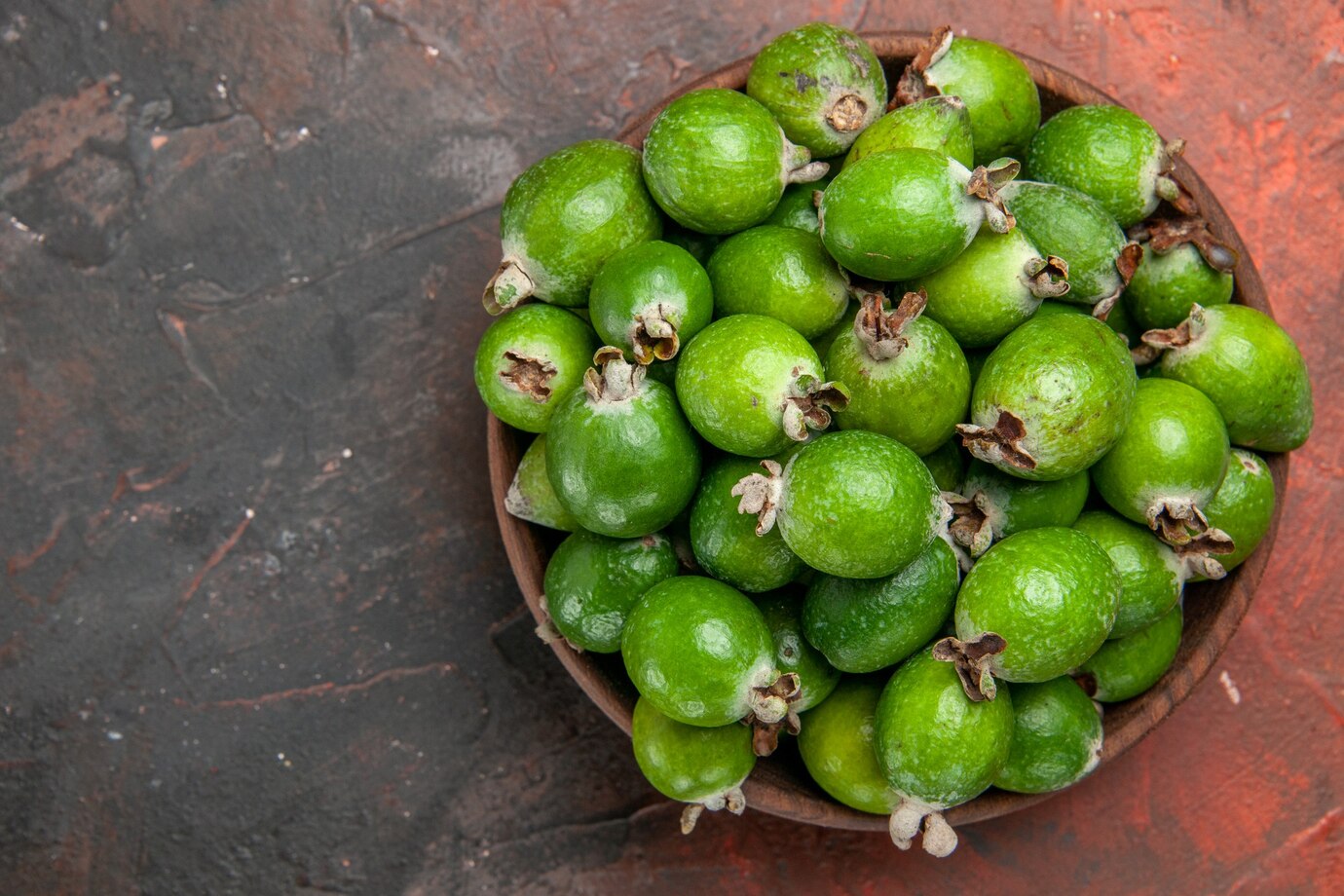
Tag: Triphala

  • Harnessing the Power of Triphala for Gut and Digestive Health

    Harnessing the Power of Triphala for Gut and Digestive Health

    Triphala, a revered Ayurvedic formulation, is a blend of three potent fruits: Amalaki (Indian gooseberry), Haritaki, and Bibhitaki. Known for its numerous health benefits, Triphala is especially celebrated for its role in supporting gut and digestive health. Whether you’re looking to improve digestion, cleanse your gut, or boost overall wellness, Triphala can be a powerful natural solution. Let’s explore how Triphala works to enhance your digestive health and why it’s such a trusted remedy in Ayurveda.

    1. What is Triphala and How Does It Work?

    The Three Fruits of Triphala

    Triphala translates to “three fruits” in Sanskrit, and each component brings its own unique set of health benefits:

    1. Amalaki (Emblica officinalis)

    Also known as Amla or Indian gooseberry, Amalaki is rich in vitamin C and antioxidants. It supports digestion, nourishes the liver, and boosts immunity.

    2. Haritaki (Terminalia chebula)

    Haritaki is known for its ability to cleanse and rejuvenate the digestive system. It’s a mild laxative that helps regulate bowel movements and promotes healthy digestion.

    3. Bibhitaki (Terminalia bellirica)

    Bibhitaki is a detoxifying fruit that helps flush out toxins from the body. It promotes good gut health and supports proper digestion and elimination.

    Together, these three fruits create a balanced formula that promotes digestive regularity, detoxification, and overall health.

    2. Triphala for Gut Health

    Supports Healthy Bowel Movements

    One of the key benefits of Triphala is its gentle laxative effect, which helps regulate bowel movements without being overly harsh. It’s particularly helpful for those suffering from constipation or irregularity.

    1. Relieves Constipation

    Haritaki and Bibhitaki in Triphala act as natural laxatives, helping to relieve constipation and encourage regular bowel movements. Triphala works gently, without causing dependency or severe cramping.

    2. Promotes Gut Cleansing

    Triphala acts as a detoxifier, cleansing the digestive tract and promoting the elimination of waste. By encouraging regular detoxification, it helps prevent toxin buildup in the gut, which can lead to digestive issues.

    How to Use Triphala for Gut Health

    • Take Triphala powder mixed with warm water or honey before bed to promote regular bowel movements.
    • Triphala tablets or capsules are also convenient options for daily consumption.

    3. Triphala for Improved Digestion

    Enhances Digestive Fire (Agni)

    In Ayurveda, the concept of “Agni,” or digestive fire, is crucial for maintaining a healthy digestive system. Triphala helps strengthen and balance Agni, which ensures proper digestion, absorption, and assimilation of nutrients.

    1. Stimulates Digestive Enzymes

    Triphala stimulates the production of digestive enzymes, which are essential for breaking down food and absorbing nutrients efficiently. This prevents bloating, indigestion, and heaviness after meals.

    2. Balances Acidity

    Triphala helps maintain the proper pH balance in the stomach, preventing issues like acid reflux and hyperacidity. Its cooling properties, especially from Amalaki, help soothe the stomach lining.

    How to Use Triphala for Digestion

    • Drink a glass of Triphala-infused water in the morning on an empty stomach to boost digestion throughout the day.
    • You can also consume it after meals to prevent indigestion and bloating.

    4. Triphala as a Detoxifier

    Promotes Internal Cleansing

    Triphala is known for its detoxifying properties, helping to cleanse the digestive system and eliminate toxins (ama) that accumulate due to poor diet, stress, or environmental factors.

    1. Cleanses the Colon

    Triphala helps cleanse the colon by flushing out waste and promoting regularity. By keeping the colon clean, it supports the body’s natural detoxification processes and prevents toxic buildup.

    2. Supports Liver Health

    Triphala nourishes and rejuvenates the liver, an organ crucial for detoxification. It helps the liver process toxins more efficiently, thereby supporting overall digestive health.

    How to Use Triphala for Detoxification

    • Mix Triphala powder with warm water or herbal teas for a gentle detox.
    • Taking Triphala before bed allows it to work overnight, promoting detoxification and gut cleansing by morning.

    5. Triphala for Gut Microbiome Health

    Promotes a Healthy Gut Flora

    Triphala has prebiotic properties, meaning it helps support the growth of healthy bacteria in the gut. A balanced gut microbiome is essential for overall digestive health and immunity.

    1. Encourages Growth of Good Bacteria

    By promoting a healthy gut environment, Triphala encourages the growth of beneficial bacteria like Lactobacillus and Bifidobacterium, which are vital for digestion and nutrient absorption.

    2. Reduces Inflammation in the Gut

    Triphala’s anti-inflammatory properties help reduce inflammation in the gut, which can result from conditions like irritable bowel syndrome (IBS) or leaky gut. This reduces discomfort and promotes healing.

    How to Use Triphala for Gut Microbiome Health

    • Take Triphala regularly as part of your diet to maintain a healthy balance of gut bacteria.
    • Combine Triphala with probiotics to further enhance gut health.

    Conclusion

    Triphala is an incredible herb for maintaining gut and digestive health. Whether you’re struggling with constipation, indigestion, or looking for a natural way to detoxify your body, Triphala offers a well-rounded solution. Its ability to cleanse, balance, and rejuvenate the digestive system makes it an essential part of any Ayurvedic wellness routine.

    For best results, incorporate Triphala into your daily routine under the guidance of an Ayurvedic practitioner to ensure it’s tailored to your specific health needs.

  • Herbs for Weight Loss and Metabolism Boost

    Herbs for Weight Loss and Metabolism Boost

    In Ayurveda, weight loss and maintaining a healthy metabolism are all about balancing the doshas and using natural herbs to help the body function optimally. Instead of focusing solely on restrictive diets, Ayurveda promotes a holistic approach to health and wellness by using herbs that not only aid in weight loss but also improve digestion, boost metabolism, and enhance overall vitality.

    Here are some of the most effective Ayurvedic herbs that help promote weight loss and support metabolism naturally.

    1. Triphala: The Detoxifying Herb Blend

    What is Triphala?

    Triphala is a powerful combination of three fruits: Amla (Indian Gooseberry), Bibhitaki, and Haritaki. It is one of the most commonly used Ayurvedic remedies for detoxification and weight loss. Triphala helps regulate the digestive system, improves bowel movements, and removes toxins from the body, which is crucial for weight management.

    How Triphala Supports Weight Loss:

    • Improves Digestion: Triphala stimulates digestive enzymes and helps break down food more efficiently.
    • Detoxifies the Body: By cleansing the digestive system, Triphala removes toxins that may hinder metabolism and lead to weight gain.
    • Prevents Fat Accumulation: The combination of the three fruits helps prevent fat deposits in the body.

    How to Use:

    • Mix 1 teaspoon of Triphala powder in warm water and drink it before bed to promote digestion and detoxification.

    2. Guggul: The Metabolism Booster

    What is Guggul?

    Guggul (Commiphora Mukul) is a resin derived from the Guggul tree and is well-known in Ayurveda for its ability to improve metabolism and support weight loss. Guggul has natural properties that help balance the Kapha dosha, which is often responsible for weight gain and sluggish metabolism.

    How Guggul Supports Weight Loss:

    • Boosts Metabolism: Guggul activates the thyroid gland, improving metabolism and promoting the breakdown of fats.
    • Reduces Cholesterol: It helps lower bad cholesterol levels, supporting cardiovascular health, which is essential for weight management.
    • Balances Kapha Dosha: By reducing Kapha imbalances, Guggul prevents excessive fat accumulation.

    How to Use:

    • Guggul is typically available in tablet form, but consult an Ayurvedic practitioner for proper dosage based on your body type and health condition.

    3. Ginger: The Digestive Fire Enhancer

    What is Ginger?

    Ginger (Zingiber officinale) is a warming herb known for its ability to stimulate Agni (digestive fire) and boost metabolism. Ginger has been used for centuries in Ayurvedic medicine to improve digestion, reduce bloating, and promote weight loss by speeding up metabolism.

    How Ginger Supports Weight Loss:

    • Boosts Metabolism: Ginger helps increase thermogenesis, the process by which the body burns calories to generate heat.
    • Reduces Appetite: Ginger naturally suppresses the appetite, preventing overeating and helping control calorie intake.
    • Improves Digestion: By enhancing digestive fire, ginger helps in the efficient absorption of nutrients and breakdown of fats.

    How to Use:

    • Drink ginger tea by boiling fresh ginger slices in water, or add ginger powder to warm water with lemon and honey for a metabolism boost in the morning.

    4. Fenugreek: The Appetite Suppressant

    What is Fenugreek?

    Fenugreek (Trigonella foenum-graecum) is a popular spice and Ayurvedic herb that has been used to regulate blood sugar levels, improve digestion, and suppress appetite. Its high fiber content helps curb cravings and promotes feelings of fullness, making it easier to manage weight.

    How Fenugreek Supports Weight Loss:

    • Controls Appetite: Fenugreek seeds contain soluble fiber that helps you feel fuller for longer, reducing the urge to snack.
    • Regulates Blood Sugar: By stabilizing blood sugar levels, fenugreek prevents insulin spikes, which are often associated with weight gain.
    • Boosts Metabolism: Fenugreek stimulates digestion, ensuring that food is processed efficiently.

    How to Use:

    • Soak 1 teaspoon of fenugreek seeds in water overnight and drink the water on an empty stomach in the morning to suppress appetite and boost metabolism.

    5. Cinnamon: The Blood Sugar Regulator

    What is Cinnamon?

    Cinnamon (Cinnamomum verum) is a warming spice with powerful metabolic and blood sugar-regulating properties. It is often used in Ayurveda to promote healthy digestion, improve insulin sensitivity, and support weight loss by balancing blood sugar levels.

    How Cinnamon Supports Weight Loss:

    • Regulates Blood Sugar: Cinnamon helps lower blood sugar levels, preventing insulin resistance and weight gain.
    • Speeds Up Metabolism: Cinnamon increases the body’s ability to metabolize carbohydrates and fats.
    • Reduces Cravings: By stabilizing blood sugar levels, cinnamon reduces cravings for sugary and high-calorie foods.

    How to Use:

    • Add cinnamon powder to your tea, oatmeal, or smoothies, or sprinkle it on fruits like apples for a healthy snack.

    6. Ashwagandha: The Stress Reliever

    What is Ashwagandha?

    Ashwagandha (Withania somnifera) is an adaptogenic herb that helps the body manage stress, which is often a major contributor to weight gain. Chronic stress can lead to emotional eating and a slower metabolism. Ashwagandha helps balance cortisol levels, the hormone responsible for stress, and supports a healthy metabolism.

    How Ashwagandha Supports Weight Loss:

    • Reduces Stress: By lowering cortisol levels, Ashwagandha reduces stress-related weight gain and promotes relaxation.
    • Improves Metabolism: Ashwagandha enhances thyroid function, which helps regulate metabolism.
    • Boosts Energy Levels: By reducing fatigue and improving endurance, Ashwagandha makes it easier to stay active and burn calories.

    How to Use:

    • Ashwagandha is available in powder or capsule form. Mix 1 teaspoon of Ashwagandha powder in warm milk before bed to reduce stress and support metabolism.

    7. Turmeric: The Fat-Burning Herb

    What is Turmeric?

    Turmeric (Curcuma longa) is a well-known Ayurvedic herb with anti-inflammatory and antioxidant properties, primarily due to the compound curcumin. Turmeric helps regulate metabolism, reduce inflammation, and support fat loss, making it a popular herb for weight management.

    How Turmeric Supports Weight Loss:

    • Boosts Metabolism: Turmeric stimulates thermogenesis, increasing the body’s ability to burn fat.
    • Reduces Inflammation: Chronic inflammation can slow down metabolism and promote weight gain. Turmeric helps reduce inflammation and supports fat burning.
    • Prevents Fat Accumulation: Turmeric helps block the formation of new fat cells and promotes the breakdown of existing fat.

    How to Use:

    • Add turmeric to your daily meals, or drink turmeric tea by mixing 1 teaspoon of turmeric powder with warm water, lemon, and a pinch of black pepper.

    Conclusion

    Ayurvedic herbs offer a natural and holistic approach to weight loss by addressing the root causes of weight gain, such as poor digestion, slow metabolism, and stress. Herbs like Triphala, Guggul, Ginger, Fenugreek, Cinnamon, Ashwagandha, and Turmeric not only aid in weight loss but also improve overall health and vitality. Incorporating these herbs into your daily routine, along with a balanced diet and regular exercise, can help you achieve your weight loss goals and maintain a healthy metabolism.