Category: Skin & Hair Care

  • Herbal Face Packs for Acne and Skin Brightening

    Herbal Face Packs for Acne and Skin Brightening

    Acne and dull skin can be frustrating, but Ayurvedic herbal face packs can provide effective natural solutions. These face packs utilize the power of herbs and natural ingredients to combat acne, reduce inflammation, and brighten the skin. Here are some effective herbal face packs to try at home.

    1. Neem and Turmeric Face Pack

    Ingredients:

    • 2 tablespoons neem powder
    • 1 teaspoon turmeric powder
    • Water or rose water

    Benefits: Neem has antibacterial properties that help fight acne, while turmeric reduces inflammation and brightens the skin.

    How to Use:

    1. Mix neem powder and turmeric in a bowl.
    2. Add water or rose water to form a paste.
    3. Apply the pack to your face, focusing on affected areas.
    4. Leave it on for 20-30 minutes, then rinse with warm water.

    2. Multani Mitti (Fuller’s Earth) and Rose Water Pack

    Ingredients:

    • 2 tablespoons multani mitti
    • 2 tablespoons rose water

    Benefits: Multani mitti absorbs excess oil and impurities, making it ideal for oily and acne-prone skin, while rose water soothes and hydrates.

    How to Use:

    1. Combine multani mitti and rose water to form a smooth paste.
    2. Apply evenly to your face and neck.
    3. Let it dry for 15-20 minutes, then rinse off with lukewarm water.

    3. Gram Flour and Yogurt Pack

    Ingredients:

    • 2 tablespoons gram flour (besan)
    • 2 tablespoons plain yogurt
    • A pinch of turmeric

    Benefits: Gram flour helps exfoliate the skin and absorb excess oil, while yogurt provides moisture and brightens the complexion.

    How to Use:

    1. Mix gram flour, yogurt, and turmeric in a bowl.
    2. Apply the mixture to your face and massage gently.
    3. Leave it on for 20 minutes, then rinse with cool water.

    4. Aloe Vera and Honey Pack

    Ingredients:

    • 2 tablespoons fresh aloe vera gel
    • 1 tablespoon honey

    Benefits: Aloe vera is known for its soothing properties, while honey has antibacterial and moisturizing effects, making this pack great for acne-prone skin.

    How to Use:

    1. Blend aloe vera gel and honey until smooth.
    2. Apply the mixture to your face and neck.
    3. Leave it on for 20-30 minutes, then rinse with lukewarm water.

    5. Sandalwood and Milk Pack

    Ingredients:

    • 2 tablespoons sandalwood powder
    • 2 tablespoons milk or rose water

    Benefits: Sandalwood has cooling properties that help reduce inflammation, while milk nourishes and brightens the skin.

    How to Use:

    1. Mix sandalwood powder with milk or rose water to create a paste.
    2. Apply the pack evenly to your face.
    3. Leave it on for 20 minutes, then rinse with warm water.

    6. Papaya and Honey Pack

    Ingredients:

    • 1/2 ripe papaya
    • 1 tablespoon honey

    Benefits: Papaya contains enzymes that exfoliate and brighten the skin, while honey moisturizes and fights bacteria.

    How to Use:

    1. Mash the papaya in a bowl and mix in honey.
    2. Apply the mixture to your face and let it sit for 20-30 minutes.
    3. Rinse with warm water for a fresh glow.

    Conclusion

    These herbal face packs harness the power of natural ingredients to help combat acne and brighten the skin. Regular use can improve your skin’s texture and appearance, promoting a healthy, radiant glow. Always perform a patch test before trying new ingredients, especially if you have sensitive skin. Enjoy the benefits of these simple, effective Ayurvedic remedies for beautiful skin!

  • Natural Skincare Routine for Glowing Skin

    Natural Skincare Routine for Glowing Skin

    Achieving glowing skin is not just about external treatments; it’s also about nourishing the body from within. Ayurveda emphasizes a holistic approach to skincare, incorporating natural ingredients and a balanced lifestyle. Here’s a simple Ayurvedic skincare routine that can help you achieve radiant skin.

    Morning Routine

    1. Start with Warm Water

    Begin your day with a glass of warm water to flush out toxins and hydrate your body.

    • Benefits: This helps improve digestion and can enhance your skin’s appearance.

    2. Gentle Cleansing

    Use a natural cleanser suitable for your skin type. For instance:

    • Vata Skin: Use a creamy cleanser with ingredients like milk or almond oil.
    • Pitta Skin: Opt for a soothing gel or cream cleanser with aloe vera or rosewater.
    • Kapha Skin: Choose a light, foamy cleanser with ingredients like neem or tea tree oil.

    3. Exfoliation (2-3 Times a Week)

    Exfoliation helps remove dead skin cells and reveals a fresh layer of skin.

    • DIY Scrub: Mix sugar or ground oats with honey and a few drops of lemon juice. Gently scrub your face for a few minutes and rinse with warm water.

    4. Toning

    Use a natural toner to balance your skin’s pH.

    • Recommendation: Rose water is an excellent choice for all skin types. It hydrates and soothes the skin.

    5. Moisturizing

    Hydrate your skin with an Ayurvedic moisturizer that suits your dosha.

    • Vata Skin: Use heavier oils like sesame or almond oil.
    • Pitta Skin: Opt for cooling oils like coconut or jojoba oil.
    • Kapha Skin: Use lighter oils or lotions, such as grape seed oil.

    6. Sunscreen

    Protect your skin from UV damage by applying a natural sunscreen before heading out.

    • Tip: Look for products with natural ingredients like zinc oxide for broad-spectrum protection.

    Evening Routine

    1. Double Cleansing

    At the end of the day, it’s important to thoroughly cleanse your skin to remove makeup, dirt, and impurities.

    • First Cleanse: Use an oil-based cleanser (like coconut oil) to dissolve makeup and grime.
    • Second Cleanse: Follow with your regular cleanser to remove any residue.

    2. Herbal Face Packs (2-3 Times a Week)

    Use natural ingredients to nourish and revitalize your skin.

    • DIY Face Pack: Combine multani mitti (fuller’s earth) with rose water for oily skin, or masoor dal (red lentil) powder with yogurt for dry skin. Apply for 15-20 minutes and rinse off.

    3. Facial Oils

    Apply a few drops of Ayurvedic facial oil suited to your skin type.

    • Recommendation: Oils like Kumkumadi oil for glowing skin or Chandan (sandalwood) oil for soothing and calming the skin.

    4. Night Cream or Moisturizer

    Use a nourishing night cream or moisturizer to support skin repair overnight.

    • Tip: Look for ingredients like aloe vera, ashwagandha, or saffron for added benefits.

    Weekly Practices

    1. Steam Therapy

    Steam your face once a week to open up pores and promote circulation.

    • How to Do It: Boil water with herbs like eucalyptus or rosemary, then drape a towel over your head and lean over the bowl to inhale the steam.

    2. Ayurvedic Herbs for Skin Health

    Incorporate herbal supplements into your routine.

    • Neem: Known for its antibacterial properties, neem can help with acne and skin infections.
    • Turmeric: Its anti-inflammatory properties can improve skin texture and tone.

    Lifestyle Tips

    • Stay Hydrated: Drink plenty of water throughout the day to keep your skin hydrated.
    • Balanced Diet: Include fruits, vegetables, whole grains, and healthy fats to nourish your skin from the inside out.
    • Adequate Sleep: Aim for 7-8 hours of sleep each night to allow your skin to rejuvenate.

    Conclusion

    An Ayurvedic skincare routine focuses on natural ingredients and holistic practices that promote glowing skin. By following these steps and incorporating healthy lifestyle habits, you can achieve radiant skin that reflects your inner health and well-being. Embrace the wisdom of Ayurveda and enjoy the journey to beautiful, glowing skin.

  • Beauty Secrets for Healthy Skin and Hair

    Beauty Secrets for Healthy Skin and Hair

    Ayurveda, the ancient Indian system of holistic healing, offers timeless beauty secrets that promote radiant skin and healthy hair. Unlike modern beauty products, which often provide temporary solutions, Ayurveda focuses on nourishing the body from the inside out, addressing the root causes of skin and hair issues. Ayurvedic beauty routines involve the use of natural herbs, oils, and lifestyle practices to achieve long-lasting results. By balancing the doshas—Vata, Pitta, and Kapha—you can unlock the secrets to naturally glowing skin and luscious hair.

    Ayurvedic Principles for Beauty

    According to Ayurveda, beauty is a reflection of overall health and wellness. It emphasizes that true beauty comes from balancing the doshas and living in harmony with nature. The skin and hair reflect the state of internal balance, and imbalances in the body often manifest as skin problems, dullness, or hair loss.

    Vata Beauty: Hydration and Nourishment

    Vata skin is usually dry and prone to premature aging, while Vata hair tends to be thin, brittle, and prone to frizziness. To enhance beauty for Vata types, it’s essential to focus on deep hydration and nourishment.

    Pitta Beauty: Cooling and Soothing

    Pitta skin is sensitive and prone to inflammation, redness, and acne. Pitta hair may be fine and prone to early graying or thinning. For Pitta beauty, the goal is to soothe the skin, reduce inflammation, and cool down excess heat.

    Kapha Beauty: Cleansing and Purification

    Kapha skin is typically oily and prone to congestion, while Kapha hair is thick and greasy. For Kapha beauty, it’s important to focus on regular cleansing and detoxification to prevent clogged pores and greasy hair.
    Skin and Hair

    Ayurvedic Beauty Secrets for Glowing Skin

    Glowing, healthy skin is a hallmark of beauty in Ayurveda. The key to radiant skin is balancing the doshas, nourishing the skin, and supporting the body’s natural detoxification processes.

    1. Turmeric: The Radiance Booster

    Turmeric (Curcuma longa) is one of the most revered Ayurvedic herbs for glowing skin. It has anti-inflammatory and antioxidant properties that help brighten the complexion and reduce blemishes.

    • How to use: Mix turmeric powder with milk or yogurt to create a face mask. Apply the mask to your face and leave it on for 10-15 minutes before rinsing. This mask helps lighten dark spots and imparts a radiant glow to the skin.

    2. Sandalwood: The Skin Soother

    Sandalwood (Santalum album) is known for its cooling and soothing properties, making it an excellent remedy for sensitive and acne-prone skin. It calms inflammation and balances Pitta dosha.

    • How to use: Mix sandalwood powder with rose water to form a paste and apply it to your face. Let it sit for 15-20 minutes before washing it off. Regular use helps improve skin texture and reduces redness.

    3. Aloe Vera: The Hydrating Healer

    Aloe vera is widely used in Ayurveda for its cooling, hydrating, and healing properties. It helps soothe irritated skin, reduce inflammation, and lock in moisture.

    • How to use: Apply fresh aloe vera gel directly to your skin daily. It helps hydrate the skin, reduce acne, and soothe sunburn.

    4. Honey: The Natural Moisturizer

    Honey is a natural humectant, which means it draws moisture into the skin. It’s also antibacterial and helps in cleansing the pores, making it ideal for dry and combination skin.

    • How to use: Apply raw honey to your face as a mask and leave it on for 15-20 minutes before rinsing. It leaves the skin soft, hydrated, and glowing.

    5. Neem: The Acne Fighter

    Neem (Azadirachta indica) is a powerful antibacterial herb that helps clear up acne and other skin infections. It purifies the blood and detoxifies the skin from within.

    • How to use: Boil neem leaves in water and use the cooled water as a face rinse. You can also make a paste of neem powder and apply it directly to acne-prone areas.

    6. Triphala: The Detoxifier

    Triphala, a combination of three fruits—Amalaki, Bibhitaki, and Haritaki—is a potent Ayurvedic formula for detoxifying the body. Clear skin starts with a clean digestive system, and Triphala helps cleanse the gut, promoting radiant skin.

    • How to use: Take Triphala powder with warm water before bed to aid digestion and detoxify the body, leading to clearer, healthier skin.

    7. Rose Water: The Natural Toner

    Rose water is a gentle and natural toner that balances the skin’s pH and hydrates it. It’s especially beneficial for sensitive and Pitta skin.

    • How to use: Spray rose water on your face after cleansing to tone and refresh your skin. It also helps calm redness and irritation.
    Skin and Hair Oil Amla is best

    Ayurvedic Secrets for Lustrous Hair

    Healthy, lustrous hair is a sign of balanced doshas and good health. Ayurvedic remedies for hair focus on nourishing the scalp, improving circulation, and using herbal oils to prevent hair fall, dandruff, and premature graying.

    1. Bhringraj: The Hair Rejuvenator

    Bhringraj (Eclipta prostrata) is known as the “king of herbs” for hair care in Ayurveda. It helps strengthen hair, prevent hair fall, and promote regrowth.

    • How to use: Massage bhringraj oil into your scalp and leave it on for at least an hour before washing. Regular use helps prevent hair loss and stimulates hair growth.

    2. Amla: The Hair Strengthener

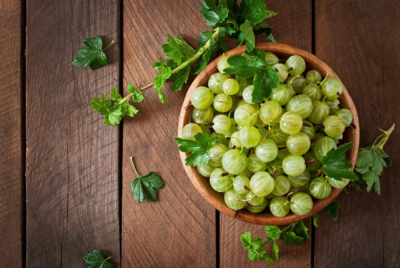
    Amla (Emblica officinalis), or Indian gooseberry, is a rich source of vitamin C and antioxidants that strengthen the hair follicles and promote hair growth. It also helps prevent premature graying.

    • How to use: Apply amla oil to your scalp and hair or mix amla powder with water to create a hair mask. Leave it on for 30 minutes before rinsing for stronger, shinier hair.

    3. Coconut Oil: The Deep Conditioner

    Coconut oil is deeply nourishing and hydrating for the hair. It penetrates the hair shaft, preventing breakage and improving hair texture.

    • How to use: Warm coconut oil and massage it into your scalp and hair. Leave it overnight or for at least a few hours before washing. Regular use promotes healthy, moisturized hair.

    4. Fenugreek: The Hair Softener

    Fenugreek seeds (Trigonella foenum-graecum) are rich in protein and nicotinic acid, which strengthen the hair shaft, reduce dandruff, and soften the hair.

    • How to use: Soak fenugreek seeds overnight, grind them into a paste, and apply it to your scalp and hair. Leave it on for 30 minutes before washing. This helps reduce dandruff and promotes silky hair.

    5. Hibiscus: The Hair Shine Booster

    Hibiscus flowers are packed with amino acids that nourish the hair, boost shine, and promote hair growth. They also help prevent split ends.

    • How to use: Crush fresh hibiscus flowers and mix them with coconut oil to make a paste. Apply it to your scalp and hair for 20-30 minutes before rinsing.

    6. Shikakai: The Natural Cleanser

    Shikakai (Acacia concinna) is a natural Ayurvedic herb used as a gentle hair cleanser. It doesn’t strip the hair of its natural oils, making it perfect for maintaining healthy scalp and hair.

    • How to use: Mix shikakai powder with water to create a paste, and use it as a natural shampoo to clean your hair without chemicals.

    7. Ashwagandha: The Stress Reliever

    Ashwagandha (Withania somnifera) is an adaptogenic herb that helps reduce stress, one of the main causes of hair fall. By calming the nervous system, it promotes hair growth and prevents hair loss.

    • How to use: Take Ashwagandha supplements or use it in powder form to manage stress and improve overall hair health.

    Skin and Hair Oil Massage

    Ayurvedic Lifestyle Practices for Beauty

    In addition to using herbal remedies, Ayurveda emphasizes the importance of lifestyle practices to support beauty from within.

    1. Abhyanga: Oil Massage

    Abhyanga, or self-massage with warm oil, is a deeply nourishing Ayurvedic practice that helps improve circulation, reduce stress, and keep the skin and hair healthy.

    • How to do it: Massage your body with warm sesame or coconut oil before showering. This practice hydrates the skin, improves blood circulation, and promotes relaxation.

    2. Hydration and Diet

    In Ayurveda, beauty starts from within. Drinking plenty of water and eating a dosha-balancing diet rich in fruits, vegetables, and healthy fats is crucial for maintaining radiant skin and healthy hair.

    • Tip: Include hydrating foods like cucumbers, melons, and leafy greens, and avoid processed, spicy, and oily foods that can imbalance the doshas.

    3. Stress Management

    Stress can lead to skin breakouts, hair fall, and premature aging. Practices like meditation, pranayama (breathing exercises), and yoga help calm the mind and reduce stress, leading to improved skin and hair health.

    Conclusion

    Ayurveda offers a holistic approach to beauty, focusing on natural remedies and lifestyle practices that nourish the body from within. By incorporating Ayurvedic herbs, oils, and treatments into your daily routine, you can achieve glowing skin and healthy hair while maintaining overall well-being. Balancing the doshas, detoxifying the body, and practicing self-care are the keys to unlocking these ancient beauty secrets.

  • How to Treat Common Skin Issues with Ayurvedic Remedies

    How to Treat Common Skin Issues with Ayurvedic Remedies

    Skin issues can affect people of all ages and are often a sign of underlying imbalances in the body. According to Ayurveda, the ancient Indian system of holistic healing, skin health is closely connected to the balance of the three doshas: Vata, Pitta, and Kapha. Each dosha has different characteristics, and when imbalanced, they can lead to various skin problems like acne, dryness, eczema, or inflammation. Ayurvedic remedies aim to restore balance by addressing the root cause and supporting the body’s natural healing processes.

    Ayurvedic Understanding of Skin Issues

    In Ayurveda, skin problems are often seen as a reflection of internal imbalances. Skin disorders arise when the doshas—Vata (air and space), Pitta (fire and water), and Kapha (earth and water)—are disturbed.

    Vata-Related Skin Issues: Dryness and Flakiness

    Vata dosha is dry, cold, and rough in nature. When imbalanced, it leads to skin issues like excessive dryness, flakiness, premature aging, and cracking. People with a Vata imbalance may experience rough, cracked skin, particularly in the colder months.

    Pitta-Related Skin Issues: Inflammation and Redness

    Pitta dosha, governed by heat and fire, causes inflammatory skin conditions when aggravated. These include acne, rosacea, rashes, and sensitivity to heat. Pitta imbalances often lead to hot, red, and sensitive skin, particularly during the summer.

    Kapha-Related Skin Issues: Oiliness and Congestion

    Kapha dosha is heavy and oily, leading to conditions like excessive oiliness, blackheads, and cystic acne when out of balance. Kapha-related skin issues often manifest as thick, oily skin with clogged pores and breakouts.

    Skin Issues

    Ayurvedic Remedies for Common Skin Issues

    Ayurvedic remedies focus on balancing the doshas through diet, lifestyle changes, and the use of herbal treatments. Here are some effective remedies for common skin problems.

    1. Acne: Cooling Remedies for Pitta Imbalance

    Acne is often the result of excess Pitta dosha, which increases heat and inflammation in the skin. To calm Pitta and reduce acne, Ayurveda recommends cooling and purifying remedies.

    Neem: The Antibacterial Powerhouse

    Neem (Azadirachta indica) is a powerful antibacterial and anti-inflammatory herb that helps reduce acne by purifying the blood and cooling the skin.

    • How to use: Apply neem paste directly to acne-prone areas or use neem oil as a spot treatment. Neem capsules can also be taken internally to detoxify the skin from within.

    Sandalwood: The Cooling Soother

    Sandalwood (Santalum album) is renowned for its cooling and anti-inflammatory properties. It helps soothe red, irritated skin and reduce acne breakouts.

    • How to use: Mix sandalwood powder with rose water to form a paste and apply it to acne-prone skin. Leave it on for 15 minutes before rinsing.

    Turmeric: The Anti-Inflammatory Agent

    Turmeric (Curcuma longa) is a natural anti-inflammatory that helps reduce redness and inflammation associated with acne. It also has antibacterial properties that prevent further breakouts.

    • How to use: Create a face mask by mixing turmeric powder with honey and a little water. Apply the paste to the skin and leave it on for 10-15 minutes before washing off.

    2. Dry Skin: Hydration for Vata Imbalance

    Dry, flaky skin is often caused by an imbalance in Vata dosha, which depletes moisture from the skin. Ayurvedic remedies for dry skin focus on rehydrating and nourishing the skin.

    Sesame Oil: The Deep Moisturizer

    Sesame oil is warming and nourishing, making it ideal for balancing Vata and moisturizing dry skin. It penetrates deep into the skin, providing long-lasting hydration.

    • How to use: Warm sesame oil slightly and apply it to the skin before showering. Let it soak in for 15-20 minutes before washing it off with warm water.

    Aloe Vera: The Hydrating Healer

    Aloe vera is a cooling and hydrating plant that helps replenish moisture and soothe dry, irritated skin.

    • How to use: Apply fresh aloe vera gel directly to dry areas of the skin. You can also mix aloe vera with coconut oil for added hydration.

    Ghee: The Skin Softener

    Ghee, or clarified butter, is a deeply moisturizing and nourishing remedy for dry skin. It is rich in essential fatty acids that help hydrate and soften the skin.

    • How to use: Gently massage a small amount of ghee onto your skin before bedtime. It can also be used as a lip balm or on particularly dry areas like elbows and knees.

    3. Eczema and Psoriasis: Calming Remedies for Inflammation

    Eczema and psoriasis are skin conditions characterized by inflammation, itching, and redness. These conditions are often caused by a combination of Vata and Pitta imbalances. Ayurveda uses soothing, anti-inflammatory herbs to calm irritated skin.

    Manjistha: The Blood Purifier

    Manjistha (Rubia cordifolia) is a powerful herb in Ayurveda known for its ability to purify the blood and reduce inflammation, making it effective for treating eczema and psoriasis.

    • How to use: Take Manjistha internally as a capsule or powder to detoxify the skin from the inside. It can also be applied topically by mixing Manjistha powder with water to form a paste.

    Licorice: The Skin Soother

    Licorice (Glycyrrhiza glabra) is a soothing and anti-inflammatory herb that helps reduce redness, itching, and inflammation associated with eczema and psoriasis.

    • How to use: Apply licorice root powder mixed with honey to the affected areas or take licorice supplements internally to help reduce flare-ups.

    Coconut Oil: The Natural Moisturizer

    Coconut oil is a natural anti-inflammatory and antimicrobial that helps soothe irritated skin and lock in moisture, making it ideal for eczema and psoriasis.

    • How to use: Apply pure coconut oil to the affected areas of the skin after showering to keep the skin hydrated and reduce inflammation.

    4. Oily and Congested Skin: Detoxification for Kapha Imbalance

    Oily skin and clogged pores are often the result of excess Kapha dosha, which leads to congestion in the skin. Ayurvedic remedies for oily skin focus on detoxifying the skin and regulating oil production.

    Multani Mitti (Fuller’s Earth): The Oil Absorber

    Multani mitti is a natural clay that helps absorb excess oil, unclog pores, and detoxify the skin. It is particularly effective for treating oily and acne-prone skin.

    • How to use: Mix Multani mitti with rose water to create a paste. Apply it to your face, leave it on for 15-20 minutes, and then rinse with cool water.

    Triphala: The Internal Detoxifier

    Triphala is a traditional Ayurvedic formula made from three fruits—Amalaki, Bibhitaki, and Haritaki. It helps detoxify the digestive system, which in turn improves skin health by reducing Kapha imbalances.

    • How to use: Take Triphala powder or capsules daily to cleanse the body from within and promote clearer skin.

    Lemon Juice: The Natural Astringent

    Lemon juice is a natural astringent that helps tighten pores, reduce oiliness, and brighten the skin.

    • How to use: Mix fresh lemon juice with water and apply it to the skin using a cotton ball. Leave it on for 10 minutes before rinsing.

    Skin Issues

    5. Dark Spots and Hyperpigmentation: Brightening Remedies

    Hyperpigmentation and dark spots are often the result of excess Pitta and sun exposure. Ayurveda recommends using herbs and natural ingredients to lighten the skin and reduce dark spots.

    Saffron: The Skin Brightener

    Saffron (Crocus sativus) is a prized Ayurvedic herb for brightening the skin and reducing dark spots and hyperpigmentation.

    • How to use: Soak a few strands of saffron in milk overnight and apply the mixture to your face in the morning. Leave it on for 10-15 minutes before washing it off.

    Licorice: The Pigment Reducer

    Licorice root contains compounds that help lighten dark spots and reduce hyperpigmentation by inhibiting the production of melanin.

    • How to use: Apply a paste of licorice powder mixed with rose water to dark spots or take licorice supplements internally for long-term skin lightening.

    Turmeric: The Natural Lightener

    Turmeric is also effective for reducing dark spots and brightening the complexion.

    • How to use: Mix turmeric powder with yogurt or honey and apply the paste to areas of hyperpigmentation. Leave it on for 10-15 minutes before rinsing.

    Conclusion

    Ayurvedic remedies provide natural and effective ways to treat common skin issues by addressing the root causes of the imbalances. Whether you’re dealing with acne, dry skin, eczema, or hyperpigmentation, Ayurveda offers a holistic approach to healing through herbs, diet, and lifestyle adjustments. By balancing the doshas and using these time-tested remedies, you can achieve healthier, clearer, and more radiant skin.