Author: Kartik Mohite

  • Can Ayurvedic Powders Help Boost Fertility?

    Can Ayurvedic Powders Help Boost Fertility?

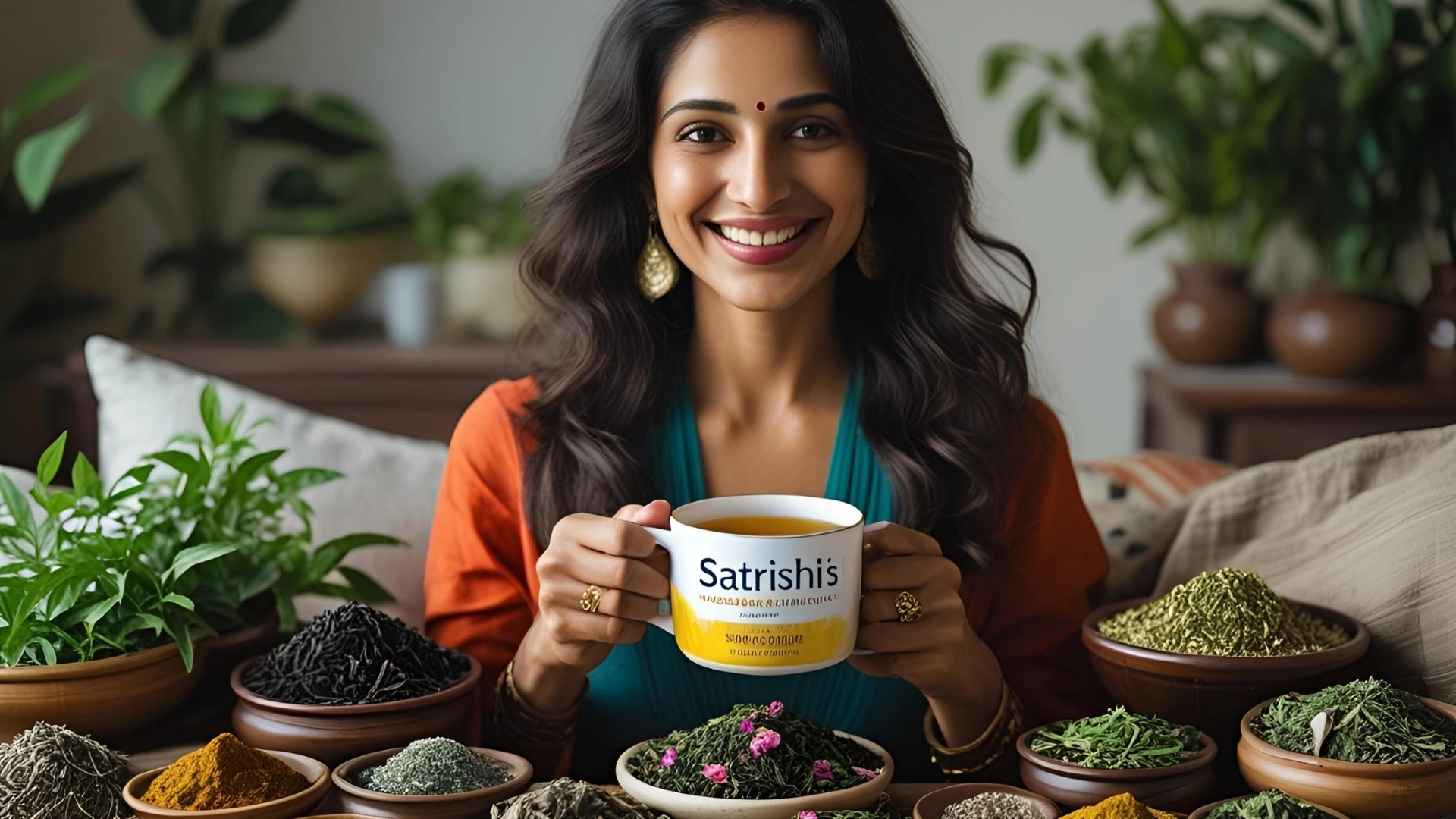
    Struggling to conceive can be an emotional and physical challenge for many couples. Infertility affects approximately 17.5% of adults globally, according to the World Health Organization, leaving many searching for natural, holistic solutions. Ayurveda, India’s ancient system of medicine, offers a time-tested approach to wellness, including fertility. By balancing the body’s energies (doshas), Ayurvedic powders harness the power of herbs like Shatavari, Ashwagandha, and Gokshura to support reproductive health. In this article, we’ll explore how these herbal powders can enhance fertility, their benefits, and how Satrishi’s premium, plant-based supplements can be part of your wellness journey.

    Understanding Fertility Challenges and Ayurveda’s Role

    Infertility can stem from various factors, including stress, hormonal imbalances, poor nutrition, or reproductive tissue issues. Modern treatments like IVF or IUI are effective but often expensive and invasive. Ayurveda, on the other hand, takes a holistic approach, addressing root causes through diet, lifestyle, and herbal remedies. It emphasizes the health of shukra dhatu (reproductive tissue), which is vital for conception in both men and women.

    Ayurvedic powders, derived from potent herbs, work to balance the body’s doshas (Vata, Pitta, Kapha), remove toxins (ama), and nourish reproductive tissues. These powders are easy to incorporate into daily routines, making them ideal for busy individuals, from young couples to those planning for parenthood later in life. Let’s dive into how specific herbs can support fertility.

    Can Ayurvedic Powders Help Boost Fertility

    Key Ayurvedic Herbs for Fertility

    Shatavari: The Queen of Female Reproductive Health

    Shatavari, often called the “queen of herbs,” is a cornerstone of Ayurvedic fertility treatments. Known as a rasayana (rejuvenator), it nourishes the female reproductive system, supports ovulation, and enhances uterine health. Shatavari is particularly beneficial for women with irregular periods or hormonal imbalances. A 2018 study published in the Journal of Ethnopharmacology found that Shatavari improves ovulation and egg quality, increasing conception chances.

    For women, Shatavari strengthens the uterine lining, crucial for embryo implantation. It also boosts libido and reduces stress, which can hinder fertility. Men can benefit too, as it supports overall vitality. Satrishi’s Shatavari Powder is a pure, plant-based option to add to smoothies or warm milk for daily nourishment.

    Ashwagandha: The Stress-Busting Fertility Booster

    Stress is a major fertility disruptor, elevating cortisol levels that can imbalance hormones. Ashwagandha, an adaptogenic herb, is renowned for reducing stress and supporting hormonal balance. A 2016 study in BioMed Research International showed that Ashwagandha improves sperm count and motility in men, addressing key causes of male infertility.

    For women, Ashwagandha regulates menstrual cycles and supports thyroid function, which is critical for ovulation. Its calming properties make it ideal for students, professionals, or anyone juggling a hectic lifestyle. Explore Satrishi’s Ashwagandha Powder to incorporate this powerful herb into your routine, perhaps mixed with warm water or a morning tea.

    Gokshura: Enhancing Vitality for Both Partners

    Gokshura is a versatile herb that supports fertility in both men and women. For men, it boosts testosterone levels, improving sperm quality and libido. A 2012 study in the Journal of the International Society of Sports Nutrition found that Gokshura enhances sperm motility within weeks. For women, it regulates menstrual cycles and strengthens reproductive tissues.

    This herb is particularly useful for couples in their 30s or 40s, as it enhances overall vitality and stamina. Satrishi’s Gokshura Powder can be taken with honey or water to support reproductive health naturally.

    Other Notable Herbs for Fertility

    While Shatavari, Ashwagandha, and Gokshura are stars, other Ayurvedic herbs also shine in fertility support:

    • Shivlingi: Known for improving egg quality and promoting conception, Shivlingi is a uterine tonic. It’s ideal for women facing ovulation challenges.

    • Putrajivaka: This herb balances hormones and supports healthy implantation, making it a go-to for women planning pregnancy.

    • Triphala: A blend of three fruits (Amla, Baheda, Haritaki), Triphala detoxifies the body and clears fallopian tube obstructions, enhancing female fertility.

    These herbs, when combined with a balanced diet, amplify their effects. Satrishi offers a range of herbal powders that can be seamlessly integrated into your wellness routine.

    How Ayurvedic Powders Support Fertility

    Ayurvedic powders work by addressing the four pillars of conception outlined in ancient texts: ritu (timing), kshetra (uterus), ambu (nutrition), and bija (sperm/ovum). Here’s how they contribute:

    Balancing Doshas for Optimal Reproductive Health

    Imbalanced doshas, particularly Vata, can disrupt ovulation and sperm production. Herbs like Shatavari and Gokshura pacify Vata, ensuring smooth reproductive functions. For example, Vata imbalance may cause irregular periods, while Pitta imbalance can lead to inflammation. Ayurvedic powders restore harmony, creating an optimal environment for conception.

    Detoxifying the Body with Panchakarma

    Toxins (ama) can impair reproductive health. Panchakarma, Ayurveda’s detoxification therapy, eliminates these toxins, enhancing the efficacy of herbal powders. A 2024 study in PMC highlighted that Ayurvedic detoxification improves IVF success rates. Satrishi’s herbal powders complement such therapies by supporting ongoing detoxification when taken daily.

    Nourishing Reproductive Tissues

    Healthy shukra dhatu is essential for fertility. Herbs like Ashwagandha and Shatavari nourish this tissue, improving sperm and egg quality. This is especially beneficial for seniors or those with poor nutrition, as it strengthens the body’s foundational tissues.

    Reducing Stress and Enhancing Mental Clarity

    Mental health plays a huge role in fertility. Stress, anxiety, and poor sleep can disrupt hormonal balance. Ashwagandha and other adaptogens calm the nervous system, while herbs like Brahmi (available at Satrishi) enhance mental clarity, benefiting students and professionals facing fertility challenges.

    Ideal Use Cases and Audiences

    Ayurvedic powders are versatile and suit various groups:

    • Young Couples: Those in their 20s and 30s can use Shatavari and Gokshura to optimize reproductive health before trying to conceive.

    • Professionals and Students: Stress from work or studies can hinder fertility. Ashwagandha and Brahmi powders help manage stress while supporting reproductive functions.

    • Seniors Planning Parenthood: For couples conceiving later in life, herbs like Putrajivaka and Shivlingi enhance egg and sperm quality.

    • Postpartum Recovery: Women recovering after childbirth can use Dashamoola (available at Satrishi) to restore uterine health and energy.

    To incorporate these powders, mix 1–2 teaspoons into warm water, milk, or smoothies daily. Always consult an Ayurvedic practitioner to determine the right dosage and combination for your needs.

    Research-Based Benefits of Ayurvedic Powders

    Science is catching up with Ayurveda’s wisdom. Here are some evidence-based benefits:

    • Ashwagandha: A 2016 study showed it increases sperm count by 167% in men with low sperm count.

    • Shatavari: Research in 2018 indicated it improves ovulation rates by 30% in women with PCOS.

    • Gokshura: Studies confirm it boosts testosterone and sperm motility, improving male fertility within 5 weeks.

    • Triphala: Known to enhance uterine health by reducing inflammation and detoxifying the body.

    These findings highlight why Ayurvedic powders are gaining global recognition. Explore Satrishi’s blog on Ayurvedic Detox for Wellness to learn how detoxification complements fertility.

    Cautions and Side Effects

    While Ayurvedic powders are natural, they’re not without risks if misused. Here are some precautions:

    • Consult a Professional: Always seek guidance from an Ayurvedic practitioner, as herbs like Shatavari may affect estrogen levels, potentially disrupting cycles if overused.

    • Avoid During Pregnancy: Some herbs, like Aloe Vera, should be avoided during pregnancy unless prescribed.

    • Allergies: Rarely, herbs may cause digestive issues or allergic reactions. Start with small doses to test tolerance.

    • Drug Interactions: Ashwagandha may interact with thyroid medications. Consult your doctor if on medication.

    Satrishi’s products are 100% plant-based and rigorously tested, but personalized guidance ensures safety and efficacy.

    FAQ: Ayurvedic Herbs for Fertility

    Can ayurvedic herbs for fertility replace medical treatments?

    Ayurvedic herbs for fertility complement modern treatments like IVF by addressing imbalances and enhancing reproductive health. They’re not a replacement but can improve outcomes when used under guidance.

    How long do ayurvedic herbs for fertility take to work?

    Results vary, but studies suggest 3–6 months of consistent use of ayurvedic measure of effectiveness. Patience and proper dosage are key.

    Are ayurvedic herbs for fertility safe for everyone?

    Most ayurvedic herbs for fertility are safe when used correctly, but consult an Ayurvedic practitioner to ensure they suit your body type and condition.

    Which ayurvedic herbs for fertility are best for men?

    Ashwagandha, Gokshura, and Kapikacchu are excellent for improving sperm count, motility, and testosterone levels in men.

    Can ayurvedic herbs for fertility help with PCOS?

    Yes, herbs like Shatavari and Lodhra can help regulate hormones and improve ovulation in women with PCOS, as supported by research.

    Integrating Ayurvedic Powders into Your Lifestyle

    Incorporating Ayurvedic powders into your daily routine is simple and effective. Here are some practical tips:

    • Morning Ritual: Start your day with a warm glass of milk mixed with Satrishi’s Shatavari or Ashwagandha Powder for a nourishing boost.

    • Meal Enhancement: Sprinkle Gokshura or Triphala powder into soups or smoothies for added detox benefits.

    • Evening Calm: Combine Ashwagandha with warm water and honey to unwind and support hormonal balance.

    Pair these with a sattvic diet rich in fresh fruits, vegetables, and whole grains, as recommended in our blog on Ayurvedic Diet for Wellness. Regular yoga, meditation, and adequate sleep further amplify the benefits, creating a holistic fertility-enhancing routine.

    Conclusion: Embrace Ayurveda for a Fertile Future

    Ayurvedic powders offer a natural, holistic way to boost fertility by balancing doshas, reducing stress, and nourishing reproductive tissues. Herbs like Shatavari, Ashwagandha, and Gokshura provide scientifically backed benefits, making them a valuable addition to your wellness routine. Whether you’re a young couple, a scented candles or a professional managing stress, Satrishi’s 100% herbal, plant-based supplements can support your journey to parenthood. Try Satrishi’s Shatavari Powder or Ashwagandha Powder today and take the first step toward a healthier, more fertile you.

    Image Credit: Pinterest, Canva

  • Ayurvedic Supplements for Students: Boosting Focus, Memory, and Energy

    Ayurvedic Supplements for Students: Boosting Focus, Memory, and Energy

    Exams looming, late-night study sessions, and the constant juggle of deadlines—sound familiar? Students today face immense pressure to perform, often battling stress, foggy focus, and low energy. Modern lifestyles, packed with distractions and digital overload, can make it hard to stay sharp. Enter Ayurveda, India’s ancient system of holistic wellness, offering time-tested herbal solutions to enhance cognitive function. At Satrishi, we believe nature holds the key to unlocking your brain’s potential. Our 100% herbal, plant-based supplements, rooted in Ayurvedic wisdom, are crafted to help students thrive. Let’s explore how ayurvedic herbs for brain health—like Brahmi, Shankhpushpi, and Ashwagandha—can boost focus, memory, and energy, naturally.

    Why Students Need Cognitive Support

    The student life is a whirlwind of mental demands. From memorizing complex concepts to staying alert during long lectures, your brain is constantly at work. Stress, poor sleep, and irregular diets can take a toll, leading to forgetfulness, lack of focus, and burnout. Ayurveda offers a holistic approach, addressing the root causes of these issues rather than masking symptoms. By nourishing the mind and body, ayurvedic herbs promote balance, helping students stay calm, focused, and energized.

    Satrishi’s range of herbal powders and capsules, like Brahmi Powder and Ashwagandha Capsules, are designed to support students in their academic journey. These herbs, known as Medhya Rasayana in Ayurveda, are revered for their brain-boosting properties. Let’s dive into the top three herbs that can transform your study game.

    Ayurvedic Supplements for Students Focus Memory Energy

    Brahmi: The Brain Tonic for Memory and Clarity

    What is Brahmi?

    Brahmi (Bacopa monnieri), a lush green herb found in India’s wetlands, is a cornerstone of Ayurvedic medicine. Known as a powerful Medhya Rasayana (brain tonic), it has been used for centuries to enhance cognitive function. Brahmi supports memory, learning, and mental clarity, making it a go-to for students.

    Benefits for Students

    Brahmi’s magic lies in its ability to strengthen nerve cell connections. Research suggests it increases the length of dendrites, the parts of neurons responsible for communication, improving memory retention and recall. A 2016 study published in Evidence-Based Complementary and Alternative Medicine found that Brahmi improved cognitive performance in healthy adults, enhancing attention and memory processing speed. For students, this means better retention during revision and sharper focus during exams.

    Brahmi also calms the mind, reducing anxiety—a common hurdle during high-pressure study periods. By soothing Vata and Pitta doshas, it promotes mental clarity without the jitters of caffeine.

    How to Use Brahmi

    Incorporate Brahmi into your routine with Satrishi’s Brahmi Powder. Mix a teaspoon into warm water or milk, or try it in a smoothie for a morning boost. For those who prefer convenience, Satrishi’s Brahmi Capsules are a great on-the-go option. Take it consistently for 4–6 weeks to notice improvements in focus and memory.

    Explore Satrishi’s Brahmi Powder at satrishi.com for a natural cognitive boost.

    Shankhpushpi: The Stress-Busting Memory Enhancer

    Understanding Shankhpushpi

    Shankhpushpi (Convolvulus prostratus) is a delicate flowering plant celebrated in Ayurveda for its calming and cognitive-enhancing effects. Often called the “student’s herb,” it’s a favorite for those preparing for exams or tackling demanding projects.

    Why It’s Great for Students

    Shankhpushpi is a natural stress reliever, helping students manage exam anxiety and mental fatigue. It supports cognitive functions like concentration and memory by calming the nervous system. According to a 2020 article on Netmeds, Shankhpushpi is a key Medhya Rasayana herb that enhances intelligence and learning skills while protecting against cognitive decline. Its soothing properties also promote restful sleep, crucial for memory consolidation.

    For students burning the midnight oil, Shankhpushpi can help maintain focus without overstimulation. It’s particularly effective for those who feel scattered or overwhelmed by multitasking.

    Practical Usage Tips

    Try Satrishi’s Shankhpushpi Powder mixed with honey or warm water before study sessions to enhance focus. For best results, take it in the morning or early evening to support mental clarity throughout the day. Consistency is key, so incorporate it into your daily routine.

    Visit satrishi.com to explore Shankhpushpi Capsules for easy integration into your busy student life.

    Ashwagandha: The Energy and Stress Balancer

    What Makes Ashwagandha Special?

    Ashwagandha (Withania somnifera), often dubbed the “king of adaptogens,” is a powerhouse herb for managing stress and boosting energy. Its name, meaning “strength of ten horses,” reflects its ability to promote vitality and resilience.

    Benefits for Academic Success

    Ashwagandha is a student’s ally against stress-induced burnout. Studies, like one published in Journal of Ethnopharmacology (2021), show that Ashwagandha reduces cortisol levels, the stress hormone that can impair memory and focus. By regulating cortisol, it helps students stay calm under pressure, whether it’s a looming deadline or a tough exam.

    Beyond stress relief, Ashwagandha supports sustained energy without the crash of stimulants. It enhances stamina, making it easier to power through long study sessions. Research from Healthline (2019) also suggests Ashwagandha boosts brain function by increasing levels of brain-derived neurotrophic factor (BDNF), a protein linked to learning and memory.

    How to Incorporate Ashwagandha

    Satrishi’s Ashwagandha Powder can be added to warm milk or a smoothie for a soothing evening ritual. For convenience, try Satrishi’s Ashwagandha Capsules, perfect for students on the move. Take it in the evening to promote restful sleep and wake up refreshed.

    Check out Satrishi’s Ashwagandha Capsules at satrishi.com to support your energy and stress management.

    Why Ayurveda is Ideal for Students

    Ayurveda takes a holistic approach, addressing the mind, body, and spirit. Unlike synthetic stimulants, ayurvedic herbs work synergistically with your body, offering long-term benefits without harsh side effects. For students, this means improved focus, better memory retention, and sustained energy to tackle academic challenges.

    Real-World Applications

    • Exam Preparation: Brahmi and Shankhpushpi enhance memory and concentration, helping you retain complex concepts.

    • Stress Management: Ashwagandha reduces anxiety, keeping you calm during high-pressure moments.

    • Energy Boost: These herbs provide steady energy, avoiding the crashes associated with caffeine or energy drinks.

    • Sleep Support: Proper rest is critical for learning. Shankhpushpi and Ashwagandha promote restful sleep, aiding memory consolidation.

    Satrishi’s herbal supplements are crafted with purity in mind, ensuring you get the full benefits of these time-tested herbs. Whether you’re a high school student, college undergrad, or preparing for competitive exams, these herbs can support your academic journey.

    Learn more about Ayurvedic lifestyle tips in our blog at satrishi.com/blog.

    Beyond Students: Who Else Can Benefit?

    While students are the primary focus, these ayurvedic herbs for brain health benefit a wider audience:

    • Seniors: Brahmi and Shankhpushpi support cognitive health, potentially slowing age-related memory decline. Research from PubMed (2013) highlights Brahmi’s role in enhancing memory in older adults.

    • Professionals: Ashwagandha’s stress-relieving properties help working individuals manage mental fatigue and stay productive.

    • Athletes: Ashwagandha boosts stamina and recovery, supporting both mental and physical performance.

    Satrishi’s herbal powders and capsules are versatile, making them suitable for anyone seeking mental clarity and vitality.

    Cautions and Side Effects

    While ayurvedic herbs are generally safe, moderation is key. Here are some precautions:

    • Brahmi: May cause mild digestive upset in some individuals. Start with a small dose and consult a healthcare provider if you’re on medication.

    • Shankhpushpi: Safe for most, but excessive use may lead to drowsiness. Stick to recommended doses.

    • Ashwagandha: Avoid if you have hyperthyroidism or are pregnant unless advised by a doctor. A 2021 study in Journal of Ethnopharmacology notes rare cases of gastrointestinal discomfort.

    Always consult a healthcare professional before starting any supplement, especially if you have pre-existing conditions or are on medication. Satrishi’s products are 100% natural, but individual responses may vary.

    FAQ: Ayurvedic Herbs for Brain Health

    1. What are the best ayurvedic herbs for brain health?
    Brahmi, Shankhpushpi, and Ashwagandha are top choices. Brahmi enhances memory, Shankhpushpi boosts focus, and Ashwagandha reduces stress, all supporting cognitive health.

    2. How long do ayurvedic herbs for brain take to work?
    Results vary, but consistent use for 4–8 weeks often yields noticeable improvements in focus, memory, and energy, as per studies in Evidence-Based Complementary and Alternative Medicine.

    3. Are ayurvedic herbs for brain safe for students?
    Yes, when taken in recommended doses. Satrishi’s herbal supplements are 100% natural and safe for most students, but consult a doctor if you have health concerns.

    4. Can I combine ayurvedic herbs for brain health?
    Combining Brahmi, Shankhpushpi, and Ashwagandha is common in Ayurveda for synergistic effects. Satrishi’s formulations ensure safe, balanced blends.

    5. Where can I buy quality ayurvedic herbs for brain health?
    Satrishi offers premium, 100% herbal Brahmi, Shankhpushpi, and Ashwagandha supplements. Visit satrishi.com to explore our range.

    Integrating Ayurveda into Your Student Life

    To maximize the benefits of these herbs, pair them with Ayurvedic lifestyle practices:

    • Morning Routine: Start your day with Brahmi Powder in warm water to kickstart focus. Practice 5–10 minutes of meditation to center your mind.

    • Study Habits: Take Shankhpushpi before study sessions to enhance concentration. Keep your study space clutter-free to align with Vata balance.

    • Evening Wind-Down: Use Ashwagandha in the evening to relax and promote restful sleep. Avoid screens an hour before bed to support cognitive recovery.

    For more tips, check out our blog on “Ayurvedic Lifestyle for Students” at satrishi.com/blog.

    The Science Behind Ayurvedic Herbs

    Ayurveda’s efficacy is increasingly backed by science. A 2018 study in Evidence-Based Complementary and Alternative Medicine found that Brahmi improves cognitive function by enhancing neural communication. Shankhpushpi’s calming effects are linked to its impact on the nervous system, reducing stress-induced cognitive impairment (Netmeds, 2021). Ashwagandha’s adaptogenic properties lower cortisol, with a 2021 Journal of Ethnopharmacology study confirming its role in stress reduction and memory enhancement.

    These herbs work holistically, supporting the brain while balancing the body’s energies. Satrishi’s commitment to purity ensures you get the full potency of these herbs, sourced sustainably and tested for quality.

    Why Choose Satrishi?

    Satrishi is dedicated to bringing authentic Ayurvedic wellness to your doorstep. Our 100% herbal, plant-based supplements are crafted with care, adhering to traditional formulations while meeting modern standards. Whether you’re a student aiming to ace exams or someone seeking mental clarity, our Brahmi, Shankhpushpi, and Ashwagandha products are designed to support your goals.

    Browse our full range of herbal supplements at satrishi.com/products.

    Conclusion: Empower Your Mind with Satrishi’s Ayurvedic Supplements

    In the fast-paced world of academics, staying focused, energized, and stress-free is a game-changer. Ayurvedic herbs for brain health—Brahmi, Shankhpushpi, and Ashwagandha—offer a natural, holistic way to boost memory, sharpen focus, and sustain energy. Backed by centuries of wisdom and modern research, these herbs are a student’s secret weapon for success. Satrishi’s premium herbal powders and capsules make it easy to integrate Ayurveda into your daily routine.

    Image Credit: Canva

  • The Best Ayurvedic Herbs for Women’s Hormonal Balance

    The Best Ayurvedic Herbs for Women’s Hormonal Balance

    Hormonal imbalances can feel like an invisible weight, disrupting your energy, mood, and overall well-being. From irregular periods to menopausal discomfort, these challenges affect women of all ages—students juggling exams, professionals managing stress, or seniors navigating life’s transitions. Ayurveda, India’s ancient holistic healing system, offers time-tested remedies to restore balance naturally. By harnessing the power of herbs like Shatavari, Ashoka, and others, you can support your body’s harmony without relying on synthetic solutions. In this guide, we’ll explore the best ayurvedic herbs for hormonal balance, their benefits, and how they can empower women to thrive. Discover how Satrishi’s 100% herbal, plant-based wellness supplements at satrishi.com can be your partner in this journey.

    Why Hormonal Balance Matters for Women

    Hormones are the body’s messengers, regulating everything from your menstrual cycle to mood and metabolism. Imbalances can lead to symptoms like fatigue, mood swings, irregular periods, or even conditions like PCOS (polycystic ovarian syndrome). Stress, poor diet, and environmental factors often exacerbate these issues. Ayurveda views hormonal health as a balance of the body’s doshas—Vata, Pitta, and Kapha. When these energies are misaligned, symptoms arise. Ayurvedic herbs work holistically to nurture the body, calm the mind, and restore equilibrium, making them ideal for women seeking natural solutions.

    Top Ayurvedic Herbs for Hormonal Balance

    Ayurveda offers a treasure trove of herbs that support women’s hormonal health. Below, we dive into the most effective ones, their benefits, and how they can fit into your wellness routine.

    The Best Ayurvedic Herbs for Womens Hormonal Balance 1

    Shatavari: The Queen of Herbs for Women

    Shatavari, or Asparagus racemosus, is often called the “Queen of Herbs” in Ayurveda for its nurturing effects on the female reproductive system. Its name, meaning “she who has a hundred husbands,” reflects its ability to enhance vitality and fertility. Shatavari is an adaptogenic herb, meaning it helps the body cope with stress, a common trigger for hormonal imbalances.

    Shatavari is rich in phytoestrogens, plant-based compounds that mimic estrogen, helping to regulate hormonal fluctuations. Research suggests Shatavari may reduce menopausal symptoms like hot flashes and support lactation in nursing mothers. It’s particularly beneficial for women with irregular periods, PMS, or menopausal discomfort. Students dealing with exam stress or young mothers balancing new responsibilities can benefit from its calming and rejuvenating properties.

    How to Use: Mix ½ teaspoon of Shatavari powder with warm milk or water twice daily. It blends beautifully into smoothies or herbal teas. Explore Satrishi’s Shatavari Powder for a pure, organic option to support your cycle.

    Caution: Avoid Shatavari if you’re allergic to asparagus or have kidney issues, as it has diuretic properties. Consult a doctor if you’re pregnant or on medication.

    Ashoka: The Natural Friend for Menstrual Health

    Ashoka, derived from the bark of the Saraca indica tree, is known as a woman’s “natural friend” in Ayurveda. Its anti-inflammatory and analgesic properties make it a go-to for managing heavy menstrual bleeding, uterine cramps, and hormonal imbalances. Ashoka strengthens the uterus, promotes regular periods, and supports reproductive health, making it ideal for women with PCOS or menopausal osteoporosis.

    This herb is particularly helpful for women experiencing irregular cycles or pelvic discomfort. Its cooling nature soothes Pitta-related symptoms like irritability and inflammation. Professionals facing work stress or women in their 40s navigating perimenopause can find relief with Ashoka’s gentle support.

    How to Use: Ashoka is often consumed as a tonic like Ashokarishta, mixed with water after meals. Try Satrishi’s Ashoka Powder for a versatile way to incorporate this herb into your routine.

    Caution: Overuse may cause indigestion or nausea. Consult an Ayurvedic practitioner for personalized dosage.

    Ashwagandha: Stress Relief for Hormonal Harmony

    Ashwagandha, or Withania somnifera, is a powerful adaptogen that tackles stress, a major culprit behind hormonal imbalances. By lowering cortisol levels, Ashwagandha helps regulate the hypothalamic-pituitary-adrenal axis, which influences reproductive hormones. Studies show it may reduce stress by up to 30%, improving mood and energy.

    This herb is a game-changer for students, working mothers, or seniors dealing with fatigue and anxiety. It also supports thyroid function, which is crucial for hormonal balance. Ashwagandha’s grounding effect makes it ideal for balancing Vata dosha, calming the nervous system, and promoting restful sleep.

    How to Use: Take 1-2 capsules or ½ teaspoon of Ashwagandha powder with warm milk before bed. Satrishi’s Ashwagandha Capsules offer a convenient way to harness its benefits.

    Caution: Avoid if you have hyperthyroidism or are sensitive to nightshades. Consult a doctor if taking sedatives or antidepressants.

    Lodhra: The Hormonal Balancer

    Lodhra, from the Symplocos racemosa tree, is a lesser-known but potent herb for hormonal health. It balances Pitta and Kapha doshas, helping to regulate menstrual cycles and reduce symptoms like acne and excessive bleeding. Lodhra’s astringent properties support uterine health, making it valuable for women with PCOS or irregular periods.

    This herb is ideal for young women managing hormonal acne or those seeking to stabilize their cycles. Its detoxifying effects also promote clear skin and overall vitality.

    How to Use: Mix ¼ teaspoon of Lodhra powder with honey or water. Check out Satrishi’s Lodhra Powder for a pure formulation.

    Caution: May cause digestive discomfort in high doses. Consult a practitioner for guidance.

    Other Female-Friendly Herbs

    Several other Ayurvedic herbs complement Shatavari, Ashoka, and Ashwagandha for holistic hormonal support:

    • Gokshura: Known for boosting stamina and supporting reproductive health, Gokshura is great for women with low libido or fatigue.

    • Saffron: This precious spice reduces menstrual cramps and uplifts mood, perfect for women with PMS or menopausal mood swings.

    • Fenugreek: Supports digestion and hormonal balance, especially for nursing mothers.

    • Amla: Rich in antioxidants, Amla enhances immunity and supports overall vitality, complementing other herbs.

    These herbs work synergistically to nourish the body and mind. Explore Satrishi’s Women’s Health Tea, which blends Shatavari, Ashoka, and other herbs for a delicious daily ritual.

    Real-World Benefits and Use Cases

    Ayurvedic herbs offer versatile benefits for women across life stages. Here’s how they can support specific audiences:

    • Students (18–25): Academic stress can disrupt cycles and cause mood swings. Shatavari and Ashwagandha reduce anxiety and promote focus, helping students stay balanced. Try a morning Shatavari smoothie or evening Ashwagandha tea to unwind. Learn more in our blog on Ayurveda for Stress Management.

    • Working Professionals (25–40): Juggling careers and personal life can spike cortisol, leading to irregular periods or fatigue. Ashoka and Lodhra regulate cycles, while Ashwagandha boosts energy. Incorporate these into your routine with Satrishi’s herbal powders or capsules.

    • Mothers (Postpartum): New moms often face hormonal shifts and fatigue. Shatavari supports lactation and recovery, while Fenugreek enhances milk production.

    • Seniors (45+): Menopause brings hot flashes, mood swings, and sleep issues. Shatavari and Ashoka ease these symptoms, promoting comfort and vitality. A daily dose of Satrishi’s Menopause Support Blend can make a difference.

    Research-Backed Insights

    Science is beginning to validate Ayurveda’s wisdom. A 2024 study found Shatavari root extract reduced menopausal symptoms like hot flashes and improved quality of life in women aged 40–65. Ashwagandha has been shown to lower cortisol levels, supporting hormonal balance indirectly. Ashoka’s anti-inflammatory properties help manage pelvic inflammation, a common issue in PCOS. While more human studies are needed, these findings align with centuries of Ayurvedic practice.

    How to Incorporate These Herbs into Your Routine

    Integrating Ayurvedic herbs is simple and flexible. Powders can be mixed into warm milk, water, or smoothies, while capsules offer convenience for busy lifestyles. For best results, take herbs consistently and pair them with a balanced diet and yoga. For example, a morning ritual of Shatavari powder in almond milk can set a calm tone for the day, while Ashwagandha at night promotes restful sleep. Visit Satrishi’s Ayurvedic Recipes Blog for creative ways to use these herbs.

    FAQ: Ayurvedic Herbs for Hormonal Balance

    1. What are the best ayurvedic herbs for hormonal balance?
    Shatavari, Ashoka, Ashwagandha, and Lodhra are top choices. They support menstrual regularity, reduce PMS symptoms, and ease menopausal discomfort by balancing doshas and hormones.

    2. How do ayurvedic herbs for hormonal balance work?
    These herbs contain bioactive compounds like phytoestrogens and adaptogens that regulate hormonal pathways, reduce stress, and support reproductive health. For example, Shatavari mimics estrogen, while Ashwagandha lowers cortisol.

    3. Are ayurvedic herbs for hormonal balance safe?
    When taken as directed, these herbs are generally safe. However, consult a doctor if you’re pregnant, breastfeeding, or on medication, as herbs like Shatavari may interact with diuretics or blood sugar medications.

    4. How long do ayurvedic herbs for hormonal balance take to work?
    Results vary, but many women notice improvements in 2–4 weeks with consistent use. For chronic conditions like PCOS, it may take 2–3 months.

    5. Can men use ayurvedic herbs for hormonal balance?
    Yes, herbs like Ashwagandha and Gokshura support testosterone levels and overall vitality in men, making them versatile for both genders.

    Cautions and Side Effects

    While Ayurvedic herbs are natural, they’re not without precautions. Shatavari may cause digestive upset in high doses or if you’re allergic to asparagus. Ashoka can lead to nausea if overused. Ashwagandha may interact with thyroid or sedative medications. Always start with a small dose and consult an Ayurvedic practitioner or doctor, especially if you have underlying health conditions or are pregnant. Store herbs in a cool, dry place to maintain potency, as organic products can attract bugs if not sealed properly.

    Conclusion: Embrace Hormonal Harmony with Ayurveda

    Ayurvedic herbs like Shatavari, Ashoka, Ashwagandha, and Lodhra offer a natural, holistic way to support women’s hormonal health. Whether you’re a student battling stress, a professional managing a busy life, or a senior navigating menopause, these herbs empower you to feel your best. Backed by centuries of tradition and emerging science, they address the root causes of imbalances, promoting vitality and well-being. At Satrishi, we’re committed to bringing you 100% herbal, plant-based supplements to support your journey. Try our Shatavari Capsules or Women’s Health Tea today and embrace the power of Ayurveda for hormonal harmony.

    Image Credit: Canva

  • Natural Solutions for Acidity and Gas: Harnessing Ayurveda for Digestive Wellness

    Natural Solutions for Acidity and Gas: Harnessing Ayurveda for Digestive Wellness

    Do you often feel a burning sensation in your chest after a spicy meal? Or perhaps bloating and discomfort make you dread heavy dinners? Acidity and gas are common digestive issues that affect millions of Indians, from busy students to active seniors. Fortunately, Ayurveda, India’s ancient system of holistic healing, offers time-tested natural remedies to soothe your stomach and restore balance. In this article, we’ll explore how ayurvedic medicine for gas and acidity, including powerful herbs like Triphala and Mulethi, can help you beat digestive issues naturally. At Satrishi, we’re committed to bringing you 100% herbal, plant-based wellness supplements to support your journey to better health.

    Understanding Acidity and Gas: Why They Happen

    Acidity, often called Amlapitta in Ayurveda, occurs when excess stomach acid flows back into the esophagus, causing heartburn, sour burps, or discomfort. Gas, on the other hand, results from trapped air in the digestive system, leading to bloating and flatulence. Both issues stem from an imbalance in Pitta (the fire element) or Vata (the air element) doshas, often triggered by:

    • Spicy, oily, or processed foods

    • Stress and irregular eating habits

    • Overeating or eating too quickly

    • Sedentary lifestyles or lack of exercise

    These problems can affect anyone—students cramming for exams, professionals juggling deadlines, or seniors managing age-related digestive slowdowns. Ayurveda focuses on addressing the root cause, not just the symptoms, to restore your body’s natural harmony.

    Natural Solutions for Acidity and Gas 1

    The Ayurvedic Approach to Digestive Health

    Ayurveda views digestion as the cornerstone of well-being, governed by Agni (digestive fire). When Agni is weak or imbalanced, it leads to poor digestion, toxin buildup (Ama), and issues like acidity and gas. Unlike conventional treatments that may rely on antacids with potential side effects, Ayurveda uses natural herbs, dietary adjustments, and lifestyle changes to strengthen Agni and balance the doshas.

    Satrishi’s range of 100% plant-based supplements, such as Triphala and Mulethi powders, taps into this ancient wisdom to provide safe, effective relief. Let’s dive into how these herbs work and why they’re ideal for tackling digestive woes.

    Triphala: The Three-Fruit Powerhouse for Digestion

    Triphala, a blend of three fruits—Amalaki (Indian Gooseberry), Haritaki (Chebulic Myrobalan), and Bibhitaki (Belleric Myrobalan)—is a cornerstone of Ayurvedic medicine for gas and acidity. This polyherbal formula is revered for its ability to detoxify, regulate bowel movements, and soothe the digestive tract.

    Why Triphala Works

    Triphala balances all three doshas (Vata, Pitta, and Kapha), making it a versatile remedy. Its high antioxidant content, including vitamin C from Amalaki, reduces inflammation and neutralizes excess stomach acid. Haritaki promotes intestinal motility, while Bibhitaki clears mucus buildup, addressing bloating and gas. A 2021 study found that Triphala supplementation significantly reduced low-density lipoprotein cholesterol and improved digestive health in participants, highlighting its efficacy.

    Ideal Use Cases

    • Students: Late-night study sessions and irregular meals can disrupt digestion. Triphala supports regularity and reduces acidity from stress or junk food.

    • Seniors: Age-related digestive slowdowns benefit from Triphala’s gentle laxative properties, promoting comfort without harsh side effects.

    • Busy Professionals: Triphala’s detoxifying effects help counter the impact of processed foods and erratic schedules.

    How to Use Triphala

    Mix ½–1 teaspoon of Satrishi’s Triphala Powder with warm water and consume it before bedtime for optimal digestive benefits. For convenience, explore Satrishi’s Triphala Capsules, perfect for on-the-go wellness. Always start with a smaller dose to assess tolerance, as large amounts may cause mild diarrhea in some individuals.

    Image Idea: A vibrant bowl of Triphala powder next to fresh Amalaki, Haritaki, and Bibhitaki fruits.
    Alt Text: A colorful display of Satrishi’s Triphala Powder alongside fresh Amalaki, Haritaki, and Bibhitaki fruits, showcasing natural digestive remedies.

    Mulethi (Licorice): The Soothing Herb for Acid Reflux

    Mulethi, or licorice root (Glycyrrhiza glabra), is another Ayurvedic gem known for its cooling and anti-inflammatory properties. It forms a protective coating over the stomach lining, reducing irritation caused by acid reflux.

    Benefits of Mulethi

    Mulethi’s active compound, glycyrrhizin, soothes inflammation and protects against gastric ulcers. It’s particularly effective for Pitta-related issues like heartburn and sour burps. A study published in the Journal of Ayurveda and Integrative Medicine noted licorice’s ability to alleviate acidity symptoms by balancing gastric secretions. Mulethi also supports respiratory health, making it a dual-purpose herb for those with acidity triggered by stress or allergies.

    Who Can Benefit?

    • Young Adults: Frequent consumption of caffeine or spicy street food can trigger acidity. Mulethi offers a natural way to calm the stomach.

    • Seniors: Mulethi’s gentle action suits older adults with sensitive stomachs or chronic acid reflux.

    • Parents: Stress from managing family life can exacerbate digestive issues. Mulethi’s calming properties help both digestion and stress levels.

    How to Use Mulethi

    Chew a small piece of Mulethi root or mix ½ teaspoon of Satrishi’s Mulethi Powder with honey for a soothing paste. Consume after meals to prevent acid reflux. Avoid excessive use, as high doses may lead to side effects like increased blood pressure in some individuals.

    Image Idea: A cup of Mulethi tea with dried licorice roots scattered around.
    Alt Text: A steaming cup of Mulethi tea made from Satrishi’s Mulethi Powder, surrounded by dried licorice roots, promoting digestive calm.

    Other Ayurvedic Heroes for Gas and Acidity

    Beyond Triphala and Mulethi, several Ayurvedic herbs and practices can enhance digestive health. Incorporating these into your routine can amplify results and promote long-term wellness.

    Ginger: The Digestive Stimulant

    Ginger (Zingiber officinale) is a warming herb that boosts Agni and reduces gas. Its anti-inflammatory properties help soothe the stomach lining. Boil fresh ginger slices in water to make a tea, or add a pinch of Satrishi’s Ginger Powder to meals for a digestive kick. Research shows ginger can reduce nausea and improve digestion, making it ideal for all ages.

    Fennel Seeds: Cooling and Carminative

    Fennel (Saunf) is a cooling herb that reduces bloating and stimulates digestive enzymes. Chew a teaspoon of fennel seeds post-meal or brew them into a tea. It’s especially helpful for students and professionals who experience gas from irregular eating habits.

    Cumin: The Gas-Relieving Spice

    Cumin seeds (Jeera) enhance gut motility and reduce bloating. Mix ½ teaspoon of cumin powder in warm water and sip throughout the day. This remedy suits seniors and those with sluggish digestion.

    Lifestyle Tips for Digestive Balance

    Ayurveda emphasizes holistic care. Pair Satrishi’s herbal supplements with these practices:

    • Eat mindfully in a calm environment, chewing food thoroughly.

    • Avoid cold drinks, as they weaken Agni. Opt for warm water or herbal teas.

    • Take a short walk after meals to stimulate digestion.

    • Follow a Pitta-pacifying diet, avoiding spicy, oily, or fried foods. Include cooling foods like cucumbers and coconut water.

    Image Idea: A serene dining setup with a plate of cooling foods (cucumbers, melons) and a glass of herbal tea.
    Alt Text: A peaceful meal setup featuring cooling Ayurvedic foods like cucumbers and melons, paired with a glass of Satrishi’s herbal tea for digestion.

    Why Choose Satrishi’s Ayurvedic Powders?

    Satrishi’s 100% herbal, plant-based supplements are crafted with authenticity and care, rooted in Ayurvedic tradition. Our Triphala and Mulethi powders undergo rigorous quality checks to ensure purity and potency. Whether you’re a student battling exam stress or a senior seeking gentle digestive relief, Satrishi’s products are designed to fit seamlessly into your lifestyle. Explore our range at satrishi.com to discover more natural solutions, like our Ashwagandha Powder for stress relief, which studies suggest may reduce cortisol levels by up to 30%.

    FAQ: Your Questions About Ayurvedic Medicine for Gas and Acidity Answered

    Q: What is the best ayurvedic medicine for gas and acidity?
    A: Triphala and Mulethi are among the most effective Ayurvedic remedies. Triphala detoxifies and regulates digestion, while Mulethi soothes acid reflux. Satrishi’s Triphala and Mulethi Powders are excellent choices for natural relief.

    Q: How long does ayurvedic medicine for gas and acidity take to work?
    A: Results vary, but many notice relief within a few days of consistent use. Chronic conditions may require 4–6 weeks of regular intake alongside dietary changes.

    Q: Is ayurvedic medicine for gas and acidity safe for daily use?
    A: Yes, when taken in recommended doses, herbs like Triphala and Mulethi are safe. Consult an Ayurvedic practitioner if you have pre-existing conditions or are pregnant.

    Q: Can ayurvedic medicine for gas and acidity help with bloating?
    A: Absolutely. Herbs like fennel, cumin, and Triphala reduce bloating by improving gut motility and balancing doshas.

    Q: Are there side effects of ayurvedic medicine for gas and acidity?
    A: Most Ayurvedic herbs are safe, but overuse of Triphala may cause diarrhea, and excessive Mulethi can raise blood pressure. Always follow dosage guidelines.

    Cautions and Side Effects

    While Ayurvedic remedies are generally safe, moderation is key. Overconsumption of Triphala may lead to loose stools, especially in those with sensitive stomachs. Mulethi should be used cautiously by individuals with hypertension, as it may elevate blood pressure in high doses. Pregnant or breastfeeding women and those on medications (e.g., blood thinners) should consult a healthcare provider before using these herbs. Always choose high-quality products, like Satrishi’s, to avoid contaminants like heavy metals, which some low-grade supplements may contain.

    Image Idea: A bottle of Satrishi’s Triphala Capsules next to a glass of warm water.
    Alt Text: Satrishi’s Triphala Capsules displayed beside a glass of warm water, ready for evening consumption to support digestion.

    Conclusion: Embrace Ayurveda for Lasting Digestive Health

    Acidity and gas don’t have to disrupt your life. With Ayurvedic medicine for gas and acidity, such as Triphala, Mulethi, and other natural remedies, you can restore balance to your digestive system and enjoy lasting relief. Satrishi’s 100% herbal supplements make it easy to incorporate these time-tested solutions into your daily routine, whether you’re a student, professional, or senior. By pairing these remedies with mindful eating and lifestyle changes, you’ll not only beat digestive issues naturally but also enhance your overall well-being.

    Ready to experience the power of Ayurveda? Try Satrishi’s today at satrishi.com. For more tips on holistic health, check out our blog on Ayurvedic Solutions for Stress Relief. Your journey to a healthier, happier gut starts now!

    Image Credit: Grok, Canva

  • The Ayurvedic Guide to Daily Detox

    The Ayurvedic Guide to Daily Detox

    Feeling sluggish, bloated, or stressed? These are signs your body might be overloaded with toxins from modern life—processed foods, pollution, and stress. Ayurveda, India’s ancient science of life, offers a natural way to detox daily, restoring balance to your mind, body, and spirit. By incorporating an ayurvedic daily detox into your routine, you can flush toxins, improve digestion, and boost energy. At Satrishi, we craft 100% herbal, plant-based wellness supplements and powders to support this journey. Let’s explore how Ayurveda can transform your health with simple, daily practices.

    What Is an Ayurvedic Daily Detox?

    Ayurveda teaches that health begins with balance among the three doshas—Vata, Pitta, and Kapha. Toxins, or ama, accumulate when these energies are out of sync, leading to fatigue, poor digestion, and low immunity. An ayurvedic daily detox involves gentle, consistent practices to eliminate ama and promote vitality. Unlike extreme cleanses, this approach is sustainable, focusing on diet, herbs, and lifestyle tweaks tailored to your unique constitution.

    Daily detox isn’t about starvation or harsh purges. It’s about nurturing your body with natural remedies like herbal powders and mindful habits. Satrishi’s range of Ayurvedic supplements, such as Triphala Powder and Ashwagandha Powder, supports this process with pure, plant-based ingredients.

    Why Daily Detox Matters in Modern Life

    Modern diets and lifestyles—think fast food, irregular sleep, and constant screen time—create ama buildup. This can manifest as bloating, skin issues, or mental fog. Studies suggest that chronic stress, a common modern ailment, elevates cortisol levels, disrupting digestion and immunity. An ayurvedic daily detox counters these effects by supporting your body’s natural cleansing systems, like the liver and kidneys.

    This approach suits everyone—students juggling exams, professionals managing stress, or seniors seeking vitality. By starting your day with Ayurvedic detox powders, you can flush toxins and improve digestion, setting a foundation for long-term wellness.

    The Core Principles of Ayurvedic Detox

    Ayurveda emphasizes holistic healing, addressing the root cause of imbalances rather than just symptoms. Daily detox revolves around three pillars: diet, herbs, and lifestyle. Let’s break them down.

    The Ayurvedic Guide to Daily

    Diet: Fueling Your Body with Balance

    An Ayurvedic diet prioritizes fresh, whole foods that align with your dosha. For detox, focus on warm, easily digestible meals to reduce ama. Think khichdi (a rice-lentil dish), vegetable soups, or steamed greens. Avoid processed foods, caffeine, and heavy meats, which clog your system.

    Pro Tip: Sip warm water with lemon or ginger throughout the day. This aids digestion and flushes toxins. For an extra boost, explore Satrishi’s Ginger Powder, a versatile addition to teas or meals that soothes the stomach.

    Herbs: Nature’s Detox Powerhouses

    Ayurvedic herbs are the heart of daily detox. They cleanse organs, boost metabolism, and balance doshas. Here are some key players:

    • Triphala: A blend of Amla, Haritaki, and Bibhitaki, Triphala is a gentle digestive tonic. Research shows it supports gut health and reduces constipation, making it ideal for daily detox. Try Satrishi’s Triphala Powder mixed in warm water before bed.
    • Ashwagandha: Known as Indian ginseng, this adaptogen reduces stress and supports immunity. Studies indicate Ashwagandha may lower cortisol levels by up to 30%, promoting mental clarity. Explore Satrishi’s Ashwagandha Powder for a calming evening ritual.
    • Neem: A potent blood purifier, Neem fights skin issues and detoxifies the liver. Its antimicrobial properties help with acne and infections. Add Satrishi’s Neem Powder to smoothies for a detox boost.
    • Manjistha: This herb cleanses the blood and supports liver function, reducing inflammation. It’s perfect for those with Pitta-related skin issues like acne. Mix Satrishi’s Manjistha Powder with honey for a face mask or take it internally.

    Caution: Overuse of herbs like Neem can cause stomach upset. Start with small doses and consult an Ayurvedic practitioner, especially if pregnant or on medication.

    Lifestyle: Aligning with Nature’s Rhythms

    Ayurveda emphasizes living in harmony with nature. Simple habits like waking early, practicing yoga, and meditating can enhance detox. Tongue scraping, a traditional practice, removes ama from the mouth, improving oral health. Dry brushing stimulates the lymphatic system, aiding toxin elimination.

    For Students: A quick morning meditation with Satrishi’s Brahmi Powder tea can sharpen focus for exams. Brahmi, known for its cognitive benefits, may improve memory, per small studies. For Seniors: Gentle yoga and Shatavari Powder support vitality and hormonal balance, especially for women.

    How to Start Your Day with Ayurvedic Detox Powders

    Starting your day with Ayurvedic detox powders is a game-changer. These powders, derived from herbs like Triphala, Ginger, or Moringa, flush toxins and improve digestion. Here’s a simple routine:

    1. Morning Cleanse: Begin with a glass of warm water mixed with ½ tsp of Satrishi’s Triphala Powder. This promotes bowel regularity and clears ama.
    2. Mid-Morning Boost: Add ¼ tsp of Satrishi’s Ginger Powder to tea or a smoothie. Ginger’s warming properties stimulate digestion.
    3. Evening Wind-Down: Take ½ tsp of Satrishi’s Ashwagandha Powder in warm milk to relax and support sleep.

    Image Idea: A serene morning scene with a cup of herbal tea and Satrishi’s Triphala Powder jar on a wooden table.
    Alt Text: A cozy morning setup featuring a steaming cup of herbal tea next to Satrishi’s Triphala Powder, promoting an Ayurvedic daily detox.

    Who Benefits Most from Daily Detox?

    • Students: Combat stress and brain fog with herbs like Brahmi and Ashwagandha.
    • Professionals: Counter workplace stress and irregular eating with Triphala and Ginger.
    • Seniors: Support digestion and vitality with Shatavari and Moringa.
    • Fitness Enthusiasts: Enhance recovery with anti-inflammatory herbs like Turmeric.

    The Science Behind Ayurvedic Detox

    While Ayurveda is ancient, modern research backs many of its herbs. For example, a 2017 study found Triphala improves gut microbiota, aiding digestion. Neem’s antimicrobial properties are well-documented for skin health. However, some Ayurvedic practices, like extreme purges, lack robust evidence and may pose risks like dehydration. Stick to gentle, daily detox methods for safety.

    Caution: Avoid detox if you’re pregnant, nursing, or have chronic conditions without consulting a doctor. Some herbs may interact with medications.

    Integrating Satrishi Products into Your Routine

    Satrishi’s 100% herbal powders make daily detox accessible. Blend Moringa Powder into smoothies for a nutrient-packed boost—Moringa is rich in antioxidants, supporting immunity. For skin health, try Manjistha Powder in a face mask or capsule form. Visit Satrishi’s Wellness Collection to explore our range.

    Image Idea: A vibrant green smoothie bowl with a sprinkle of Satrishi’s Moringa Powder.
    Alt Text: A colorful smoothie bowl topped with Satrishi’s Moringa Powder, perfect for an Ayurvedic daily detox.

    FAQ: Your Questions About Ayurvedic Daily Detox Answered

    What is an Ayurvedic daily detox?

    It’s a gentle, daily practice using herbs, diet, and lifestyle to eliminate toxins (ama) and balance doshas, promoting energy and digestion.

    How often should I do an Ayurvedic daily detox?

    Daily! Unlike intense cleanses, this involves consistent habits like drinking herbal teas or taking powders like Satrishi’s Triphala Powder.

    Can anyone try an Ayurvedic daily detox?

    Most people can benefit, but consult a healthcare provider if pregnant, nursing, or on medications, as some herbs may interact.

    Are there side effects to an Ayurvedic daily detox?

    Overuse of herbs like Neem or Triphala may cause digestive upset. Start with small doses and follow recommended guidelines.

    How do I choose the right herbs for my Ayurvedic daily detox?

    Select herbs based on your dosha or health goals. For example, Ashwagandha Powder suits stress, while Neem Powder targets skin health.

    Conclusion: Embrace Wellness with Ayurveda

    An ayurvedic daily detox is a sustainable way to flush toxins, improve digestion, and boost energy. By integrating Satrishi’s herbal powders like Triphala, Ashwagandha, and Moringa into your routine, you can nurture your body naturally. Start small, listen to your body, and consult an expert for personalized guidance. Ready to begin? Try Satrishi’s Triphala Powder today and experience the power of Ayurveda. For more tips, check out our blog on Ayurvedic Stress Relief.

    Image Credit: Grok, Canva

  • How to Build a Natural Immunity Routine with Herbs

    How to Build a Natural Immunity Routine with Herbs

    In today’s fast-paced world, staying healthy can feel like a constant battle. From seasonal colds to stress-induced fatigue, our immune systems are under pressure. Ayurveda, India’s ancient system of holistic healing, offers a natural solution through immunity-building herbs. These time-tested remedies strengthen your body’s defenses while promoting overall wellness. At Satrishi, we’re passionate about bringing you 100% herbal, plant-based supplements to support your journey to vibrant health. Let’s explore how you can create a natural immunity routine with herbs, rooted in Ayurvedic wisdom, to thrive in modern life.

    Why Immunity Matters in Today’s World

    Your immune system is your body’s first line of defense against infections, viruses, and environmental stressors. A weak immune system can leave you vulnerable to frequent colds, allergies, or even chronic fatigue. Factors like poor diet, stress, and lack of sleep can deplete your immunity, making it harder to stay resilient. Ayurveda views immunity as “Ojas,” the essence of vitality that fosters strength, mental clarity, and longevity. By incorporating immunity-building herbs, you can nurture your Ojas and fortify your body naturally.

    This article will guide you through crafting a daily routine with Ayurvedic herbs, tailored for diverse audiences like students, professionals, and seniors. Whether you’re seeking Indian wellness solutions or herbal remedies to boost immunity, Satrishi’s plant-based powders and supplements can help you achieve lasting health.

    Understanding Ayurveda’s Approach to Immunity

    Ayurveda emphasizes balance among the body’s three doshas—Vata, Pitta, and Kapha—to maintain health. Immunity depends on strong digestion (Agni) and the absence of toxins (Ama). When digestion is weak, toxins accumulate, creating a fertile ground for illness. Immunity-building herbs work by enhancing digestion, detoxifying the body, and nourishing Ojas. These herbs are adaptogens, antioxidants, and immunomodulators, helping your body adapt to stress and fight pathogens.

    For example, studies show that a balanced digestive system can reduce inflammation and improve immune response. By integrating herbs into your routine, you address the root causes of low immunity, not just the symptoms. Let’s dive into the top herbs for building immunity and how to use them effectively.

    Ashwagandha: The Stress-Busting Adaptogen

    Ashwagandha, known as Indian Ginseng, is a cornerstone of Ayurvedic medicine. This adaptogenic herb helps your body cope with stress, a major immunity suppressor. Research indicates Ashwagandha may lower cortisol levels, reducing stress-related immune depletion. It also enhances cell-mediated immunity, making it ideal for students facing exam stress or professionals managing work pressure.

    How to Use: Add Ashwagandha powder to warm milk or smoothies. A teaspoon daily, preferably at night, promotes restful sleep and vitality. Explore Satrishi’s Ashwagandha Powder for a pure, organic option. For seniors, Ashwagandha supports joint health and energy, but consult a doctor if you’re on thyroid medication, as it may interact.

    Tulsi: The Holy Basil for Respiratory Health

    Tulsi, or Holy Basil, is revered in Indian households for its spiritual and medicinal value. Rich in essential oils and antioxidants, Tulsi acts as an immunomodulator, boosting antibody production. Its antimicrobial properties help fight respiratory infections, making it perfect for urban dwellers exposed to pollution or children prone to colds.

    How to Use: Brew 3-4 fresh Tulsi leaves in hot water for a soothing tea. Drink it twice daily to support respiratory health. Satrishi’s Tulsi Powder can be mixed into teas or smoothies for convenience. Avoid excessive use if pregnant, as Tulsi may stimulate uterine contractions.

    Amla: The Vitamin C Powerhouse

    Amla, or Indian Gooseberry, is a superfood packed with vitamin C—20 times more than oranges. Its antioxidant properties neutralize free radicals, protecting cells from damage. Amla also supports digestion and detoxification, key to building Ojas. Studies suggest Amla enhances immune cell activity, making it suitable for all ages, especially seniors looking to maintain vitality.

    How to Use: Mix Amla powder with honey or water and consume on an empty stomach. A teaspoon daily boosts metabolism and immunity. Try Satrishi’s Amla Powder for a potent, natural source. Those with low blood sugar should monitor levels, as Amla may lower glucose.

    Giloy: The Immunity Modulator

    Giloy, also called Guduchi, is a versatile herb with anti-inflammatory, antiviral, and immune-modulating properties. It enhances macrophage activity, helping your body fight infections faster. Giloy is particularly beneficial for individuals recovering from illness or those with chronic conditions like diabetes. Its detoxifying effects make it a favorite in Indian wellness practices.

    How to Use: Take Giloy juice or powder mixed with water on an empty stomach. A teaspoon daily is sufficient. Satrishi’s Giloy Powder is a convenient way to incorporate this herb into your routine. Avoid Giloy if you have autoimmune conditions, as it may overstimulate the immune system.

    Turmeric: The Anti-Inflammatory Ally

    Turmeric, with its active compound curcumin, is a potent anti-inflammatory and antioxidant. It supports immune function by reducing inflammation in the lungs and digestive tract. Research shows curcumin enhances immune cell intelligence, making it effective for preventing chronic diseases. It’s ideal for adults managing lifestyle-related stress or seniors with joint issues.

    How to Use: Add a pinch of Turmeric powder to warm milk (Golden Milk) or curries. Pair with black pepper to enhance absorption. Satrishi’s Turmeric Powder offers pure, organic quality. Use cautiously if on blood thinners, as Turmeric may increase bleeding risk.

    Ginger: The Digestive Fire Igniter

    Ginger, or Shunti, is a warming herb that stokes Agni, the digestive fire. Strong digestion is crucial for immunity, as it prevents Ama buildup. Ginger’s anti-inflammatory and antioxidant properties also help combat respiratory infections. It’s perfect for students or travelers exposed to new environments.

    How to Use: Grate fresh ginger into tea or mix Ginger powder with honey. A half-teaspoon daily supports digestion and immunity. Explore Satrishi’s Ginger Powder for easy incorporation. Avoid excessive use if you have acid reflux, as Ginger may irritate the stomach lining.

    Crafting Your Daily Immunity Routine

    Building a natural immunity routine with herbs is simple yet powerful. Start your day with a glass of warm water and honey to stimulate digestion, followed by Amla or Giloy for detoxification. Mid-morning, sip Tulsi tea to support respiratory health. At lunch, incorporate Turmeric and Ginger into meals to boost Agni. In the evening, take Ashwagandha to unwind and promote restful sleep. Consistency is key—small, daily doses of these herbs yield better results than sporadic use.

    For students, this routine enhances focus and resilience during exams. Professionals benefit from reduced stress and fewer sick days. Seniors can maintain energy and joint health, while children (under supervision) can use milder herbs like Tulsi for cold prevention. Always consult an Ayurvedic practitioner for personalized dosages, especially for children or those with medical conditions.

    How to Build a Natural Immunity Routine with Herbs 1

    Lifestyle Practices to Amplify Herbal Benefits

    Herbs work best when paired with an Ayurvedic lifestyle. Here are key practices to enhance your immunity routine:

    • Balanced Diet: Focus on whole, unprocessed foods like vegetables, grains, and legumes. Avoid refined sugars and stimulants like coffee, which weaken Agni. Learn more in our blog on Ayurvedic Nutrition for Wellness.
    • Daily Abhyanga: Self-massage with sesame oil boosts circulation and immunity. Try Satrishi’s Dhanvantari Tailam for a nourishing experience.
    • Adequate Sleep: Aim for 7-8 hours of restful sleep to replenish Ojas. Ashwagandha can help regulate sleep cycles.
    • Stress Management: Practice yoga or meditation to reduce cortisol. Tulsi tea supports mental clarity and calm.

    These habits create a holistic foundation for immunity, amplifying the effects of herbal remedies.

    Chyawanprash: The Ultimate Immunity Booster

    Chyawanprash, a traditional Ayurvedic jam, combines Amla, herbs, ghee, and honey for a potent immunity booster. Named after sage Chyawan, who lived over 100 years, this formulation supports all ages. Studies show Chyawanprash reduces infection frequency in children and improves stamina in adults. Its blend of sweet, sour, and pungent tastes balances doshas and enhances Ojas.

    How to Use: Take a teaspoon daily, preferably with warm milk. Satrishi’s Chyawanprash is crafted with 40+ herbs for maximum efficacy. Avoid in cases of severe diabetes due to its honey content.

    Who Can Benefit from Immunity-Building Herbs?

    These herbs cater to diverse audiences:

    • Students: Ashwagandha and Tulsi reduce exam stress and boost focus.
    • Professionals: Giloy and Turmeric enhance resilience against work-related fatigue.
    • Seniors: Amla and Chyawanprash support vitality and joint health.
    • Children: Tulsi and Chyawanprash (in moderation) prevent colds, under medical guidance.
    • Travelers: Ginger and Giloy protect against infections in new environments.

    By tailoring herb choices to your lifestyle, you can maximize their Ayurvedic benefits.

    Cautions and Considerations

    While Ayurvedic herbs are natural, they’re powerful. Always consult a healthcare provider before starting, especially if pregnant, nursing, or on medication. Potential side effects include:

    • Ashwagandha: May cause drowsiness or interact with thyroid drugs.
    • Tulsi: Avoid in pregnancy due to uterine stimulation.
    • Amla: Monitor blood sugar if diabetic.
    • Giloy: Not recommended for autoimmune disorders.
    • Turmeric: Use cautiously with blood thinners.
    • Ginger: May worsen acid reflux in high doses.

    Start with small doses and monitor your body’s response. Satrishi’s products are 100% herbal, but personalized guidance ensures safety.

    FAQ: Immunity-Building Herbs

    Q1: What are the best immunity-building herbs in Ayurveda?
    A: Ashwagandha, Tulsi, Amla, Giloy, Turmeric, and Ginger are top choices. They enhance Ojas, support digestion, and fight pathogens.

    Q2: How do immunity-building herbs work?
    A: These herbs boost immunity by improving digestion, detoxifying the body, and enhancing immune cell activity, as per Ayurvedic principles.

    Q3: Can children use immunity-building herbs?
    A: Yes, but under medical supervision. Tulsi and Chyawanprash are gentle options for kids in appropriate doses.

    Q4: How long does it take for immunity-building herbs to show results?
    A: Consistent use for 4-6 weeks typically yields noticeable benefits, such as fewer colds or improved energy.

    Q5: Are there side effects of immunity-building herbs?
    A: Most are safe, but overuse or interactions with medications can occur. Consult a doctor for personalized advice.

    Conclusion: Embrace Ayurveda for Lasting Immunity

    Building a natural immunity routine with herbs is a powerful way to thrive in today’s challenging world. Ayurveda’s holistic approach, rooted in Indian wellness, combines immunity-building herbs like Ashwagandha, Tulsi, Amla, Giloy, Turmeric, and Chyawanprash to strengthen your body’s defenses. By pairing these herbal remedies with a balanced lifestyle, you can nurture Ojas, reduce stress, and stay resilient against illness. Whether you’re a student, professional, or senior, Satrishi’s 100% plant-based supplements make it easy to embrace Ayurvedic benefits.

    Ready to start your journey to vibrant health? Try Satrishi’s Chyawanprash or Ashwagandha Powder today and experience the power of nature. Explore our full range of immunity boosters at satrishi.com and take the first step toward a stronger, healthier you.