100% Herbal & Natural |
Extra 10% OFF with code SATRISHI10 |
Backed by Ayurveda |
Free Shipping Above ₹399 |
100% Herbal & Natural |
Extra 10% OFF with code SATRISHI10 |
Backed by Ayurveda |
Free Shipping Above ₹399 |
100% Herbal & Natural |
Extra 10% OFF with code SATRISHI10 |
Backed by Ayurveda |
Free Shipping Above ₹399 |
100% Herbal & Natural |
Extra 10% OFF with code SATRISHI10 |
Backed by Ayurveda |
Free Shipping Above ₹399 |

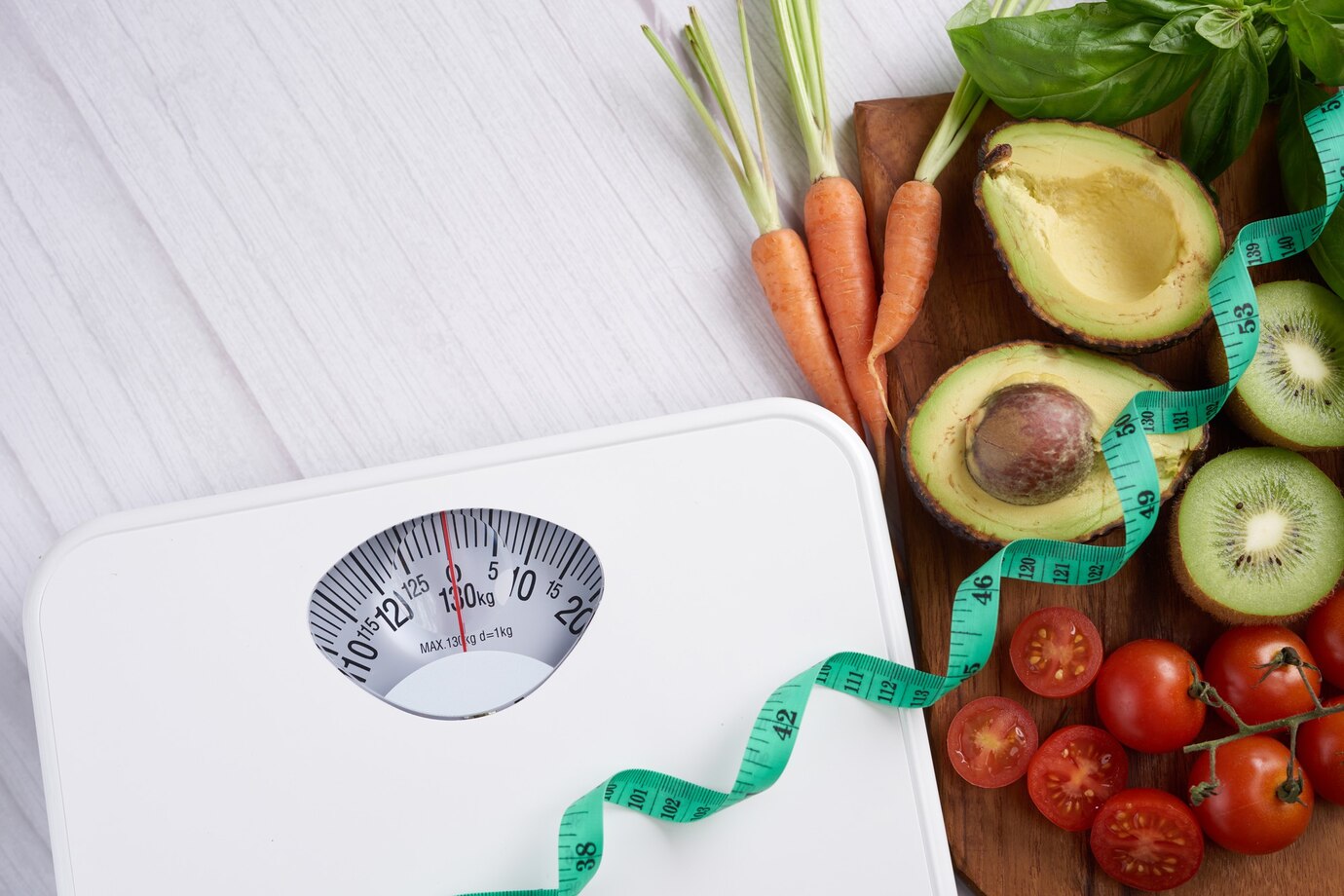
In Ayurveda, achieving and maintaining a healthy weight is all about balancing your doshas — the fundamental energies that govern the body and mind. These doshas, known as Vata, Pitta, and Kapha, each have specific characteristics that influence how we metabolize food, store fat, and manage our energy. When your doshas are balanced, your body functions optimally, promoting a healthy weight and overall well-being. However, an imbalance in the doshas can lead to weight gain, digestive issues, and difficulty maintaining a healthy lifestyle.
In this article, we’ll explore how to balance your doshas for effective weight management by understanding your body’s unique needs and adopting the right Ayurvedic practices.
Vata is associated with air and space, and its qualities are light, dry, and active. People with a Vata imbalance tend to be underweight or may experience irregular eating habits, digestion issues, or sudden cravings. When Vata is out of balance, it can lead to digestive issues, anxiety, and an inability to properly absorb nutrients, which can either hinder weight loss or cause unintended weight fluctuations.
Pitta is associated with fire and water, and its qualities are hot, sharp, and intense. Pitta types tend to have a strong metabolism and can easily lose weight, but when imbalanced, they may struggle with inflammation, overheating, and digestive disorders. A Pitta imbalance can lead to weight gain due to increased appetite, stress, and frustration-driven eating.
Kapha is associated with earth and water, and its qualities are heavy, slow, and stable. People with a dominant Kapha dosha are more likely to struggle with weight gain due to slower metabolism, water retention, and a tendency toward overeating. Kapha imbalance leads to lethargy, excess body fat, and difficulty shedding weight.
Ayurveda places a great emphasis on mindful eating, which helps balance all three doshas. Eat your meals in a calm, peaceful environment, chew your food thoroughly, and avoid distractions like television or phones. Eating mindfully helps your body digest food properly, preventing overeating and promoting healthy digestion.
Ayurveda recommends adjusting your diet according to the seasons to keep your doshas balanced. In colder months (Vata season), focus on warm, nourishing foods, while in the warmer months (Pitta season), eat lighter, cooling foods. In Kapha season (spring), opt for foods that are spicy and stimulating to counter the heaviness of the season.
Certain Ayurvedic herbs and spices can help balance the doshas and support weight loss:
A daily routine, or dinacharya, helps maintain balance in the body and mind. Start your day with a routine that includes waking up early, exercising, and eating at consistent times. This helps regulate your metabolism, digestion, and energy levels, preventing overeating and sluggishness.
Exercise is crucial for balancing Kapha and maintaining a healthy weight. Yoga, walking, and other forms of physical activity help balance all doshas by promoting circulation, boosting metabolism, and reducing stress.
Balancing your doshas is the key to effective and sustainable weight management in Ayurveda. By understanding your body type and its unique needs, you can make the right dietary and lifestyle choices that promote healthy digestion, boost metabolism, and maintain your ideal weight. Incorporating Ayurvedic practices, herbs, and mindful eating into your daily routine can help you achieve a balanced, healthy body and mind for long-term wellness.